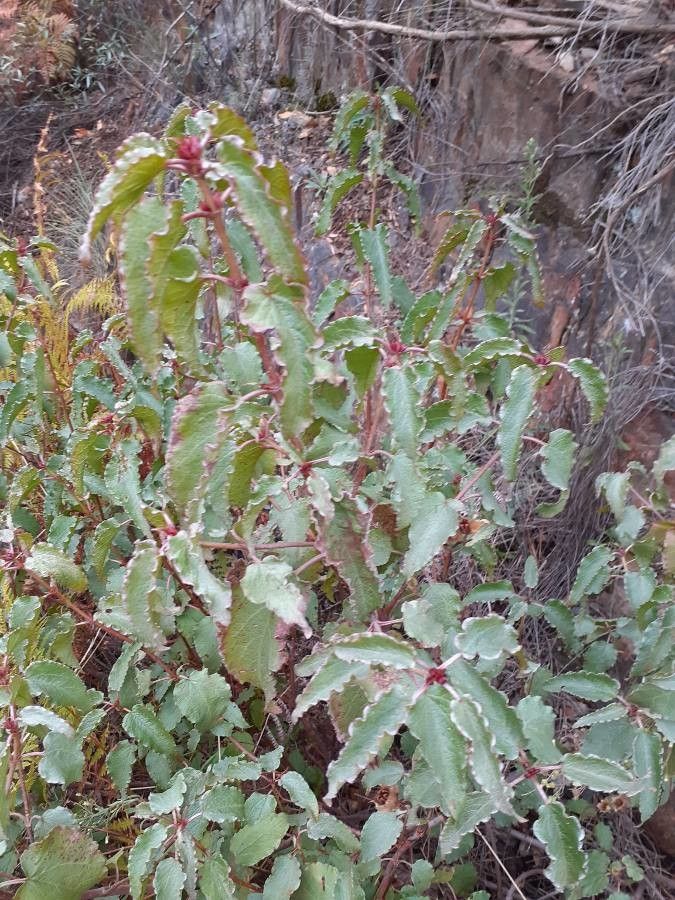
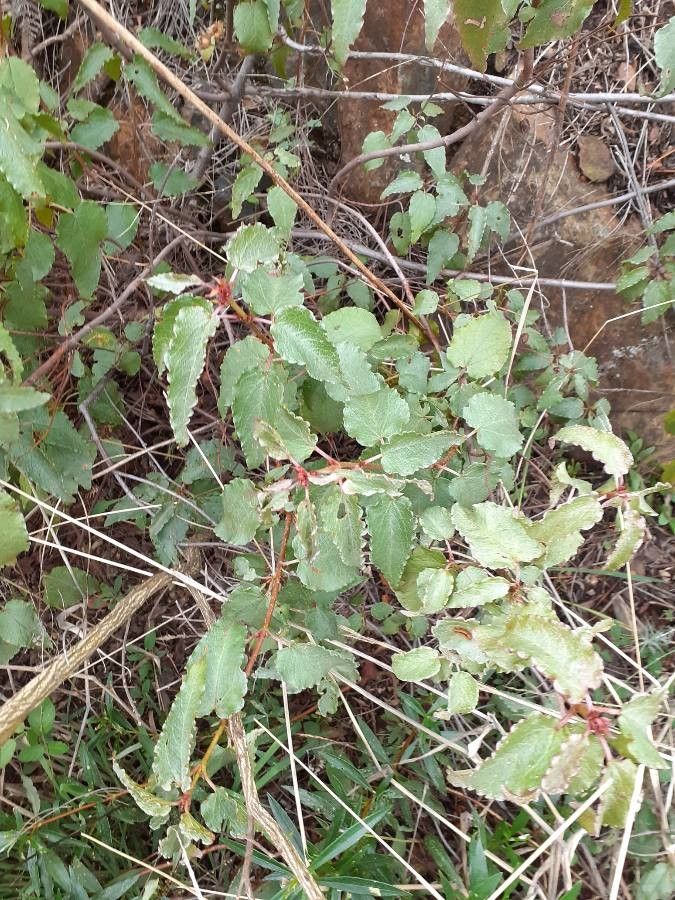
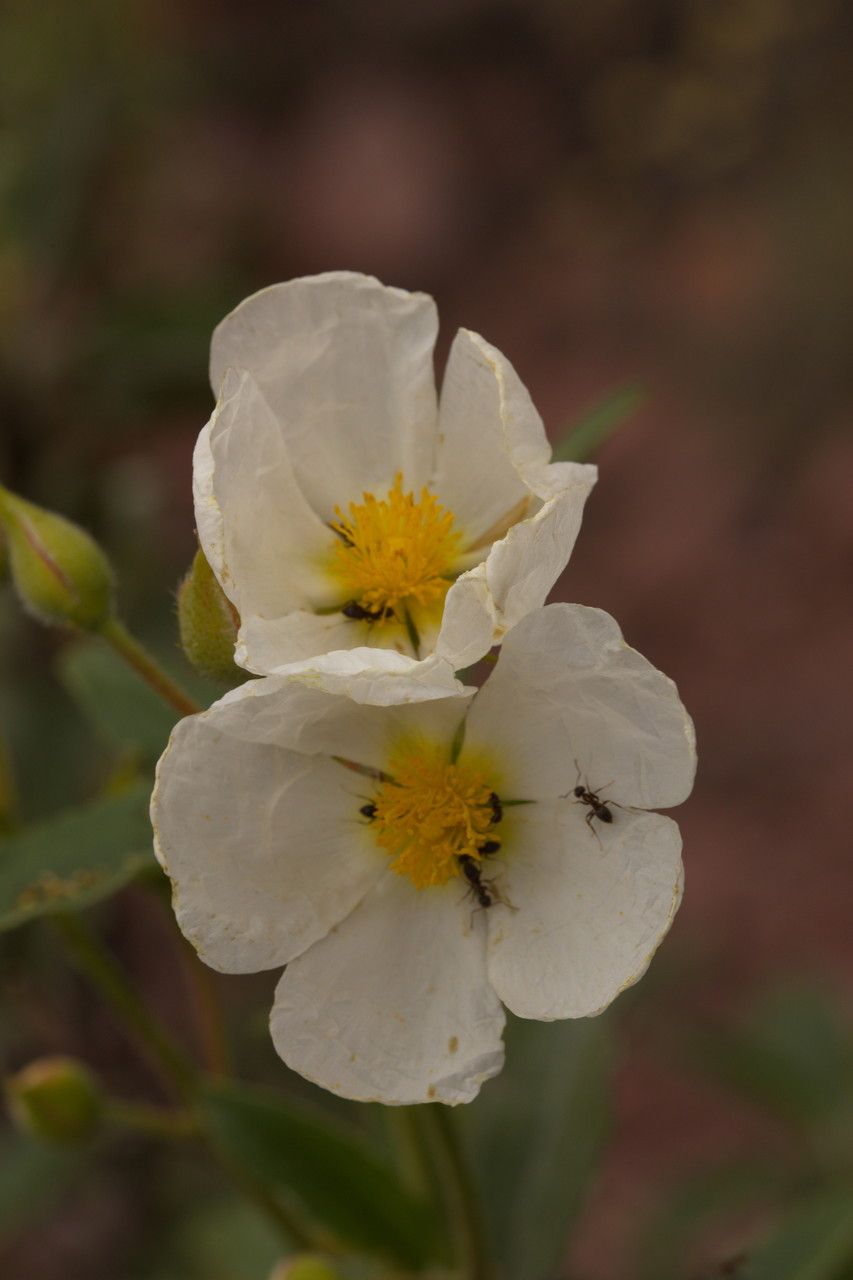
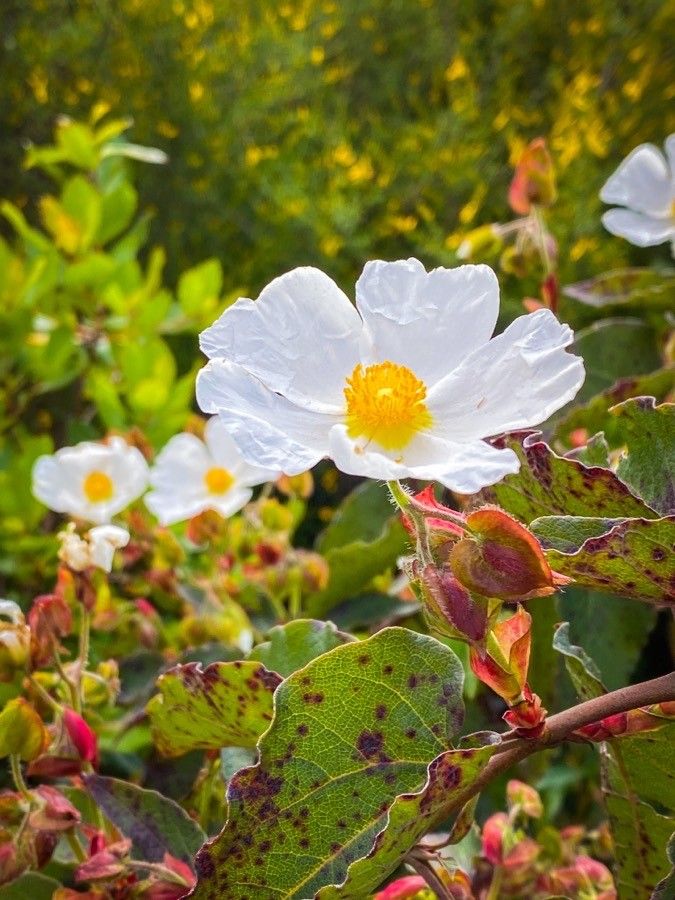
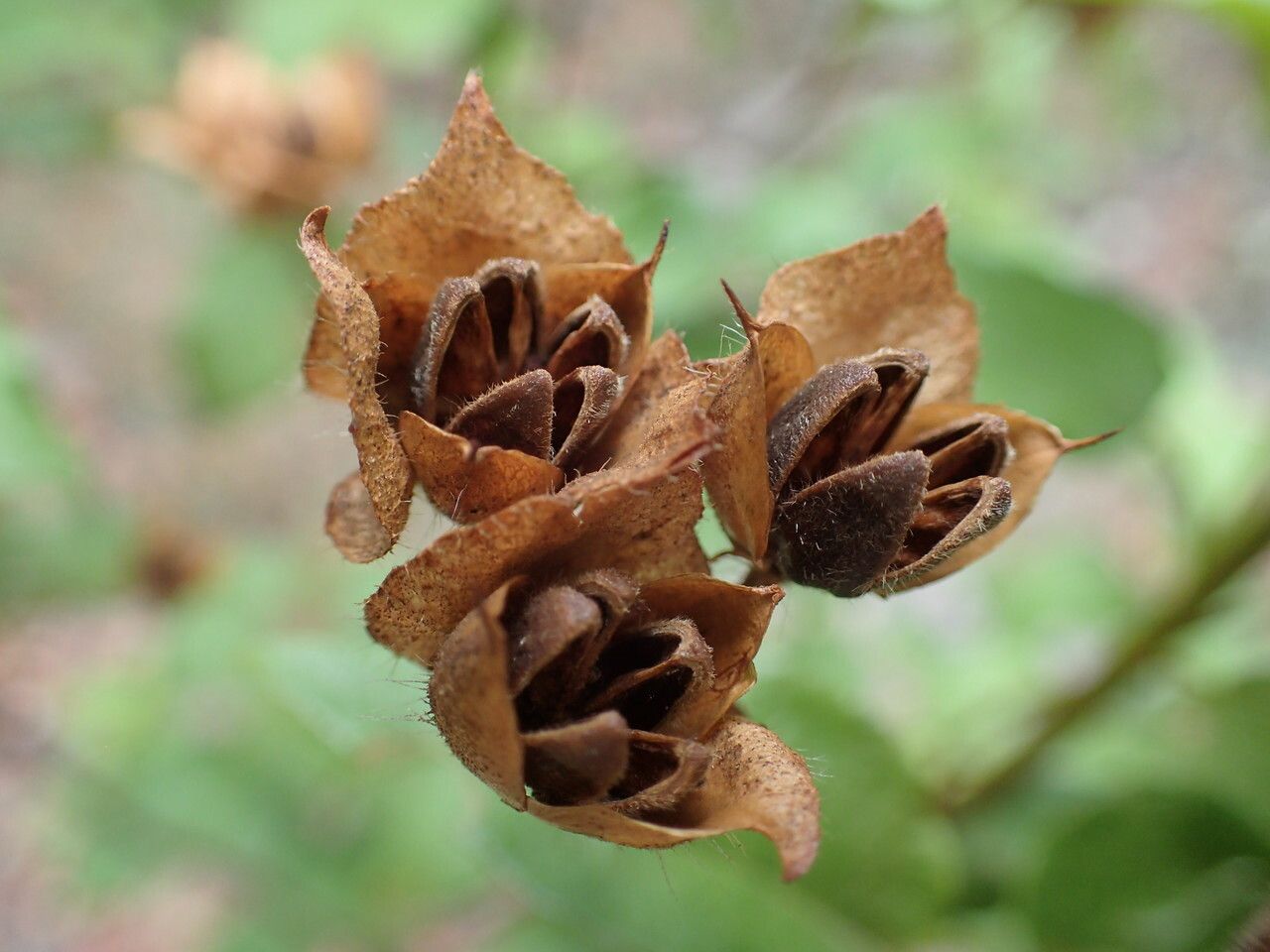
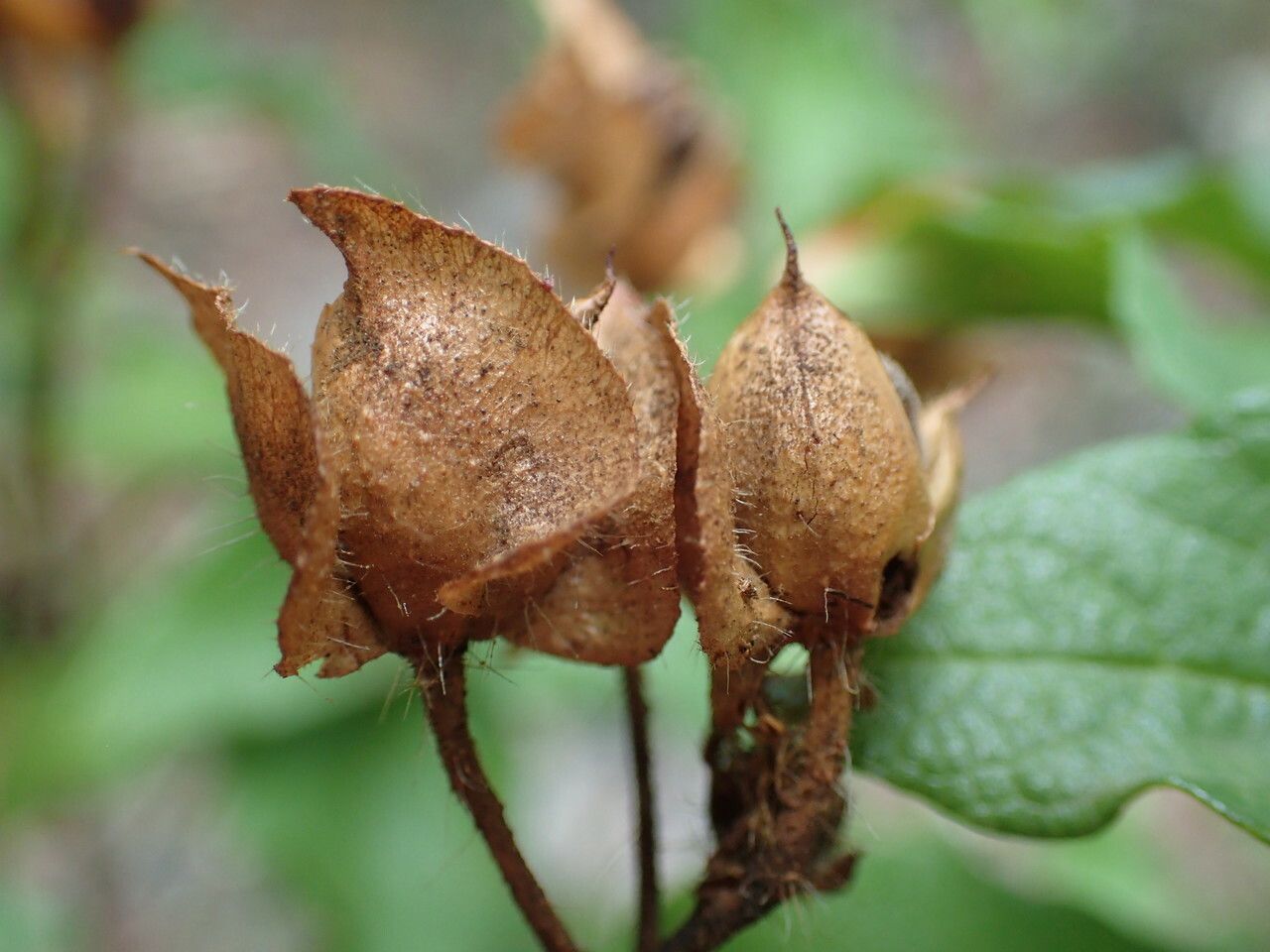
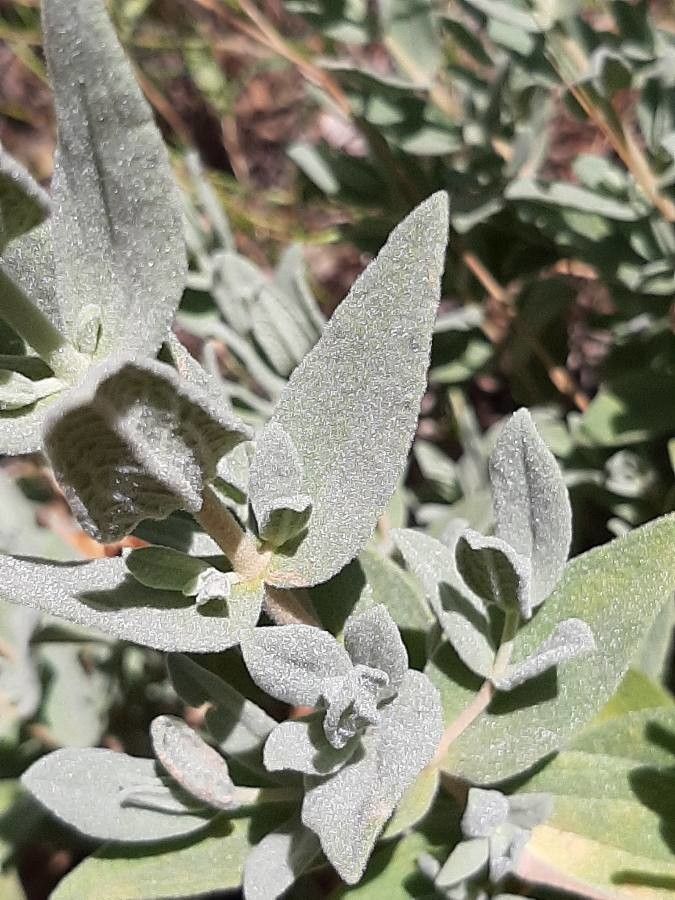
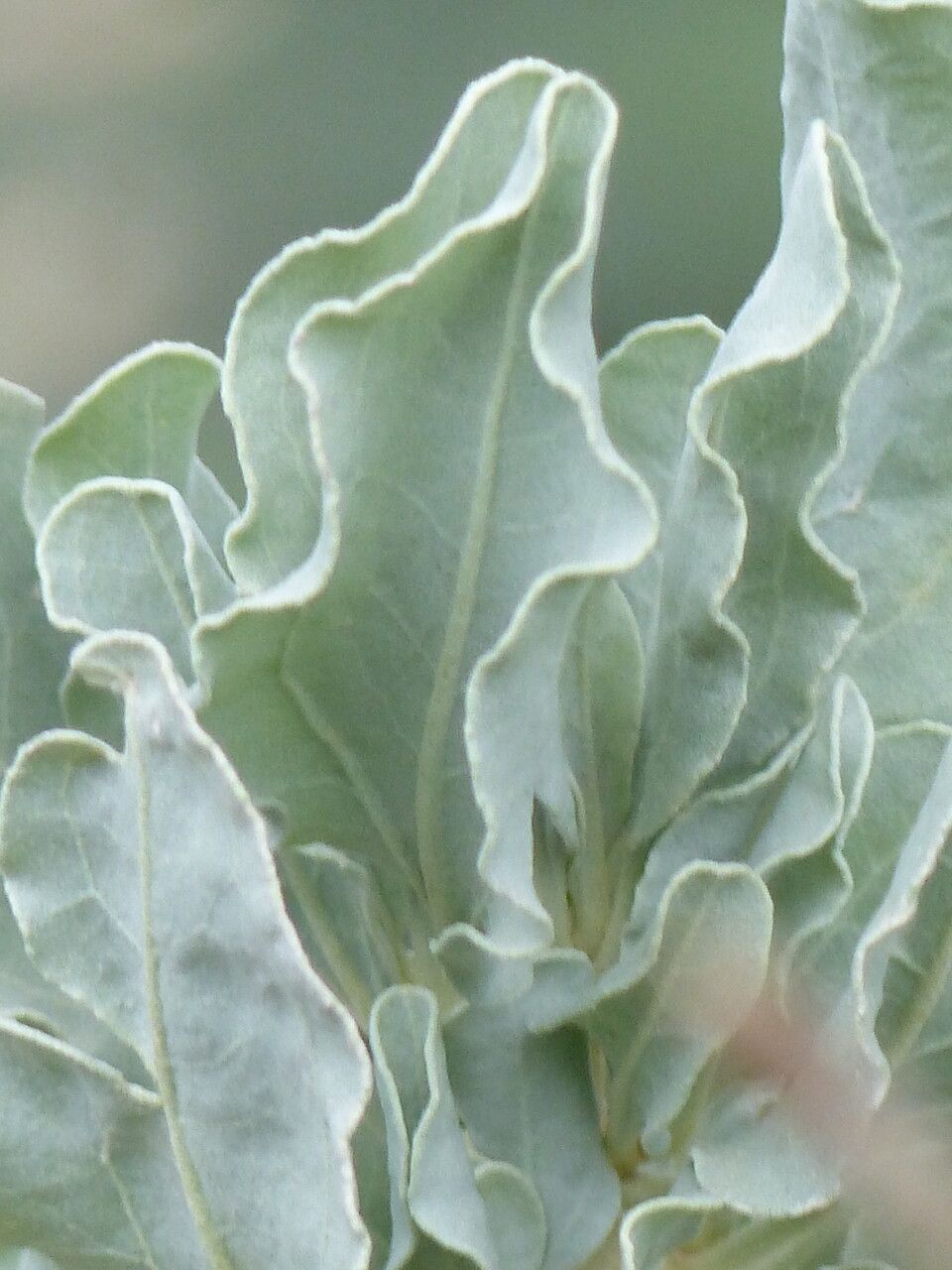
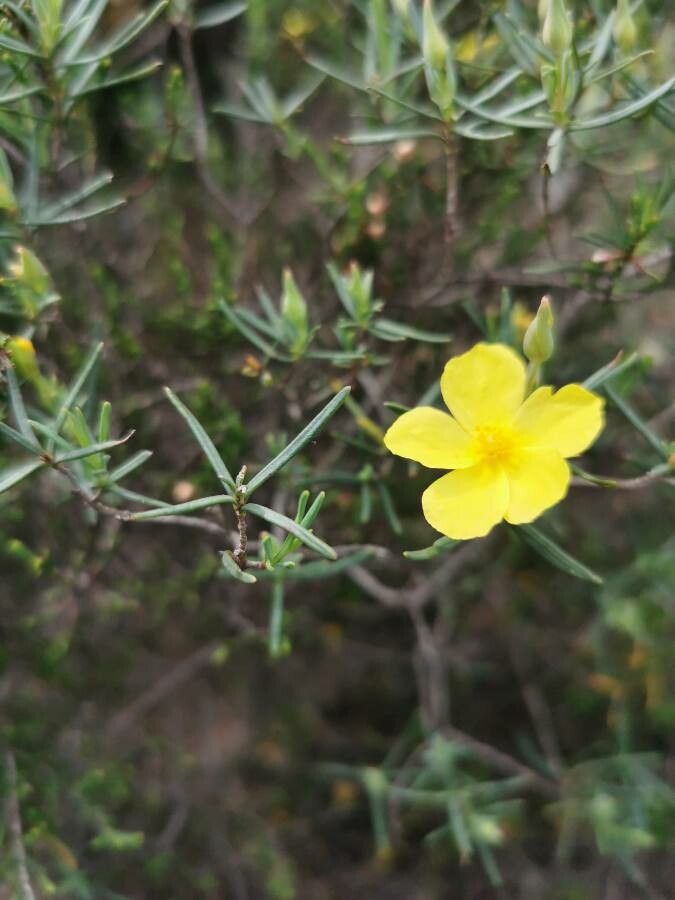
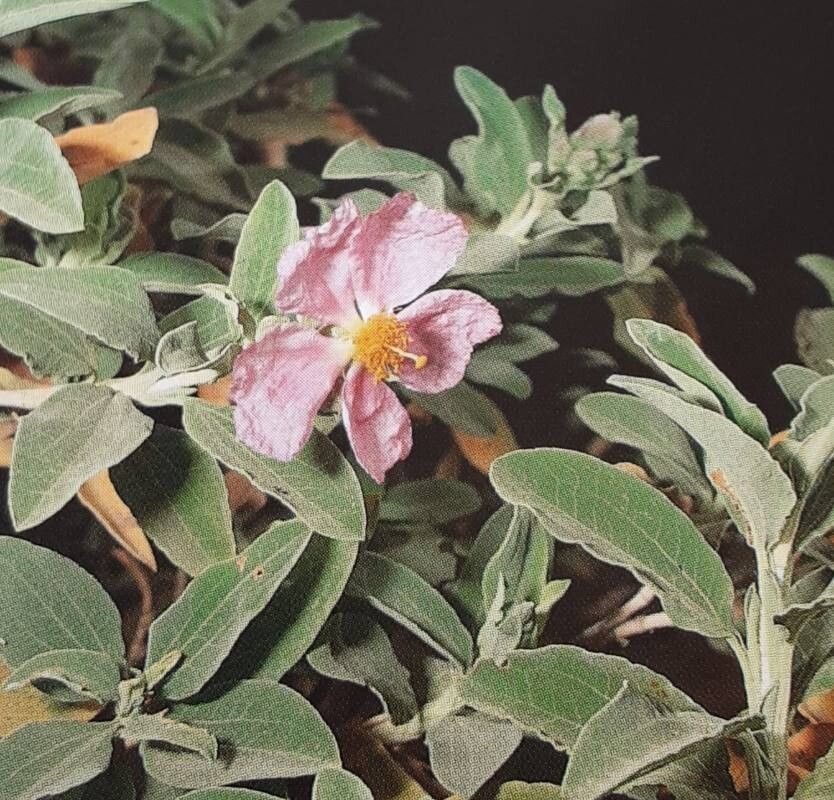
Cistus populifolius is a shrubby species of flowering plant in the family Cistaceae.
Poplar-leaved cistus has good disease resistance and is generally not prone to diseases. Regarding care, this plant is relatively low maintenance. Planted outdoors it needs minimal watering, and larger specimens typically do not require pruning. Smaller plants should be pruned after they have bloomed. Poplar-leaved cistus is suitable for anyone with an outdoor space, such as a garden or deck, and does not require extensive care experience.
How to keep Cistus Populifolius.
Light
Poplar-leaved cistus thrives in settings with abundant sunlight. Neither too much nor too little sun seems to harm or alter its growth. Its natural habitat consists of open, sunny sites that promote healthy development. Prolonged exposure to daylight during much of the day supports its life cycle at every stage of growth.
Water
The poplar-leaved cistus is a plant native to the Mediterranean region, where it thrives in the dry summers and wet winters typical of its natural habitat. This plant is highly drought-tolerant and generally needs watering only every two to three weeks. It prefers well-draining soil and is particularly resilient in rocky areas, making it well-suited to environments with low rainfall.
Temperature
Poplar-leaved cistus is native to regions with average temperatures around 68 to 95 °F (20 to 35 °C). This plant thrives best in those temperate climates. In colder seasons, local warming strategies should be considered to meet its temperature preference.
Fertilizer
Timing is essential for fertilizing Poplar-leaved cistus. Apply fertilizer in early spring and continue monthly until early summer. Fertilizer promotes lovely blooms and supplies energy during both dormant and active growth phases.
Pruning
Pruning poplar-leaved cistus is important for maintaining its shape, encouraging flowering, and ensuring the plant's health. The best time to prune is between early and late winter. During this time, remove spent blooms and any dead branches, and thin out dense growth to improve air circulation. This essential care practice not only enhances the plant's appearance but also helps prevent diseases.
Botanical profile.
- Plant Type
- Shrub
- Life Cycle
- Perennial
- Genus
- Cistus
- Family
- Cistaceae
- Hardiness Zone
- 8
- Mature Height
- 1.83 m
- Mature Spread
- 1.83 m
- Leaf Color
- Green
- Leaf Type
- Evergreen
- Flower Color
- White
- Flower Size
- 5.08 cm to 6.35 cm
- Bloom Time
- Mid spring, Late spring, Early summer
- Planting Time
- Spring, Summer
- Harvest Time
- Mid summer, Late summer, Early fall
Other names.
Reader questions.
How should I water my Poplar-leaved cistus plant?
Your Poplar-leaved cistus is not particular about how you water it, so any common watering tool will suffice. This includes watering cans, hoses, or even cups. Regardless of the tool you use, make sure to apply the water directly to the soil and ensure all areas are equally moistened to provide the root system with necessary water. Filtered water is preferred as tap water may contain harmful particles. Additionally, using water that is at or slightly above room temperature is recommended as extremely hot or cold water can be detrimental to the Poplar-leaved cistus. However, this plant generally responds well to any type of water it receives.
What are the sun requirements for Poplar-leaved cistus?
Poplar-leaved cistus requires full sun, defined as above 6 hours of sunlight daily, to thrive. It's essential to observe how sunlight moves through your garden to find spots that offer a balance of light and shade, ensuring the plants' health and happiness. This species flourishes in abundant sunlight, a condition that matches its natural habitat in open and sunny areas. Despite this preference for sunlight, the plant shows resilience to varying levels of sun exposure, meaning that both an excess or scarcity of sun does not significantly harm or affect its growth. However, attention to sunlight's positioning and intensity is crucial for optimal development.
What are the ideal temperature conditions for Poplar-leaved cistus?
Poplar-leaved cistus is most comfortable in environments where the average temperature ranges between 68 to 95 °F (20 to 35 °C). These temperate climates suit the plant best, allowing it to thrive. While it possesses a strong resistance to cold, ensuring it is kept in areas that meet its thermal preferences, especially in colder seasons, is important. Special precautions, such as local warming strategies, might be necessary to maintain the appropriate temperature for its optimal growth.
What should I do if I give my Poplar-leaved cistus plant too much or too little water?
When it comes to outdoor plants, especially newly planted ones or seedlings, they are susceptible to not getting enough water. It's important to keep watering them consistently for a few months while they are small or newly planted. Once their roots are established, Poplar-leaved cistus plants can usually rely on rain for moisture. However, if you have a Poplar-leaved cistus plant in a pot, overwatering is a common issue. If you accidentally overwater your plant, you should take immediate action to fix the problem. First, stop watering the plant to minimize the effects of overwatering. Then, remove the plant from its pot and inspect the roots. If there are no signs of root rot, you can return the plant to its pot. But if there is root rot, trim away the affected roots and consider applying a fungicide. Finally, repot the plant in well-draining soil. In the case of underwatering, simply increase the frequency of watering. Underwatering is usually easy to fix, as the leaves will droop, dry out, and fall off, but they will quickly recover with sufficient watering. Make sure to adjust your watering schedule promptly if you notice underwatering.
How does artificial lighting affect the growth of indoor Poplar-leaved cistus plants?
Indoor Poplar-leaved cistus plants require adequate lighting to ensure optimal growth, particularly when natural sunlight is insufficient, such as in winter or less sunny spaces. Artificial lighting presents a practical solution, promoting faster and healthier growth. The right type of artificial light, for instance, LEDs, provide specific wavelengths necessary for the plants. Full sun plants need 30-50W/sq ft of artificial light, partial sun plants need 20-30W/sq ft, and full shade plants require 10-20W/sq ft. The light source should be placed 12-36 inches above the plant to mimic natural sunlight, with an exposure of 8-12 hours per day to meet most plant species' needs.
How should Poplar-leaved cistus be prepared for winter?
Preparing the Poplar-leaved cistus for winter involves ensuring it has adequate cold protection if temperatures are expected to drop below -10°C. This can be done by wrapping the trunk and branches with insulating materials like non-woven fabric or cloths. Additionally, it's recommended to water the plant abundantly before the first freeze of autumn. This helps to keep the soil moist, allowing the plant to enter a frozen state well-hydrated, which is crucial for preventing drought and water scarcity throughout the winter and early spring months.
How frequently should I water my Poplar-leaved cistus plant?
If your area gets enough rainfall, most outdoor plants can grow normally without additional watering. However, if there is a lack of rainfall, it's important to provide adequate watering every 2 weeks in the spring and fall. In the summer, you may need to water more frequently. During the winter, when plant growth slows down and water needs decrease, water sparingly or not at all. For young or newly planted Poplar-leaved cistus, more frequent watering is needed to help it establish and grow. When it comes to potted plants, there are two main ways to determine watering frequency for Poplar-leaved cistus. One option is to follow a set watering schedule of once every week or every other week. However, this may not always be suitable as it doesn't consider the specific growing conditions. Another approach is to water based on soil moisture. Wait until the top two to four inches of soil, about ⅓ to ½ the depth of the pots, have completely dried out before watering again. Keep in mind that watering frequency may need to be adjusted during the summer when the plant's water needs are higher.
What symptoms indicate insufficient light for Poplar-leaved cistus?
When Poplar-leaved cistus is not receiving enough light, it may exhibit symptoms such as smaller new leaves, leggy or sparse growth, faster leaf drop, slower or no new growth, and lighter-colored new leaves. These signs indicate a struggle due to insufficient light exposure, leading to reduced chlorophyll and essential nutrients. Additionally, excessive sunlight can cause chlorosis, where leaves lose their green color and turn yellow; sunscald, resulting in damaged leaves or stems; leaf curling, as a defense against water loss; wilting, from increased transpiration; and leaf scorching, characterized by brown, dried edges on leaves. These symptoms highlight the plant's sensitivity to light conditions and the need for a balanced light environment.
What are the symptoms of Poplar-leaved cistus exposed to low temperatures?
Poplar-leaved cistus shows remarkable cold tolerance, ideally flourishing in temperatures above 20°C and managing well above 0°C during winter. However, should temperatures plunge below -10°C, you might not notice immediate changes during the winter months. Come spring, the branches might turn brittle and dry, potentially failing to produce new shoots. This indicates that the plant struggled with the cold temperatures.
How much water does my Poplar-leaved cistus plant require?
To water your Poplar-leaved cistus effectively, you don't always have to use a lot of water. Give it about five to ten ounces if the soil has only dried a few inches since the last watering. Judge the water volume by checking the soil moisture and seeing how much has dried out. If more than half of the soil is dry, it's best to give more water than usual. Keep watering until you see water draining from the pot holes. If your cistus gets enough rain outside, it might not need additional watering. When it's young or still establishing, ensure it receives 1-2 inches of rain per week. Once it's established, it can rely on rainwater alone, except during hot weather with no rainfall for 2-3 weeks. In those cases, water it thoroughly to avoid stress.
What solutions can help manage light exposure for Poplar-leaved cistus?
To manage light exposure for Poplar-leaved cistus, gradually moving plants to locations receiving at least 6 hours of direct sunlight daily is essential for optimal growth. Indoor plants can benefit from artificial lighting, like keeping a lamp on for at least 8 hours daily or using professional grow lights. For outdoor plants, avoid sudden changes in light intensity to prevent sunburn. Prune obstructions like tree branches to improve sunlight access and consider transplanting smaller plants during their dormant period to sunnier locations with good drainage. While parts of the plant affected by insufficient sunlight may not recover, new growth should be healthy with improved light exposure.
What actions should be taken if Poplar-leaved cistus is affected by low temperatures?
If Poplar-leaved cistus has been affected by excessively low temperatures reflected by brittle and dry branches in spring with no new shoots, it's advisable to prune away these dead branches. This helps the plant to recover and potentially produce new growth, keeping it healthy and promoting its survival after exposure to harsh conditions.