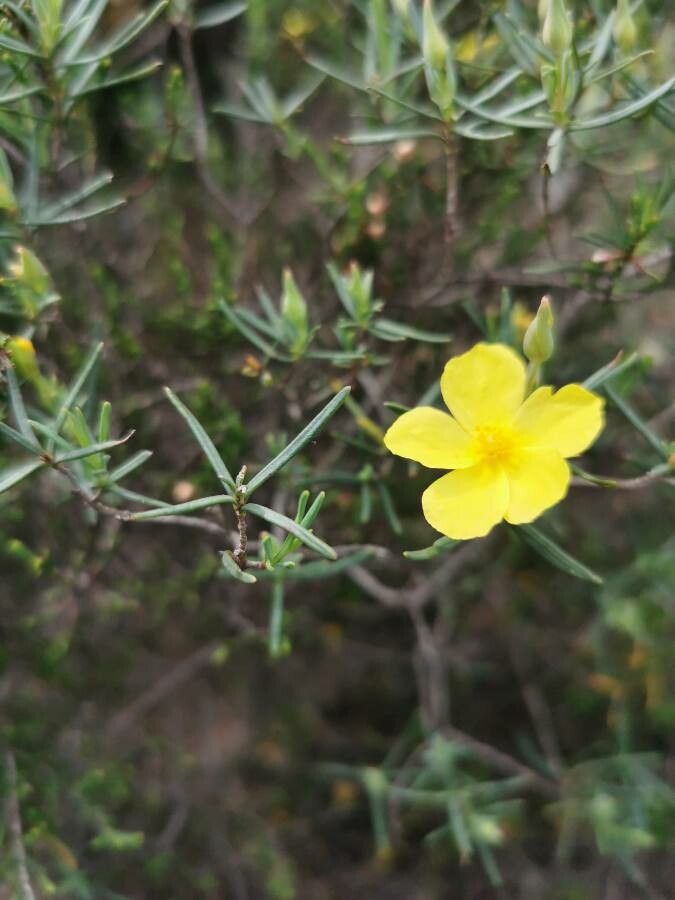
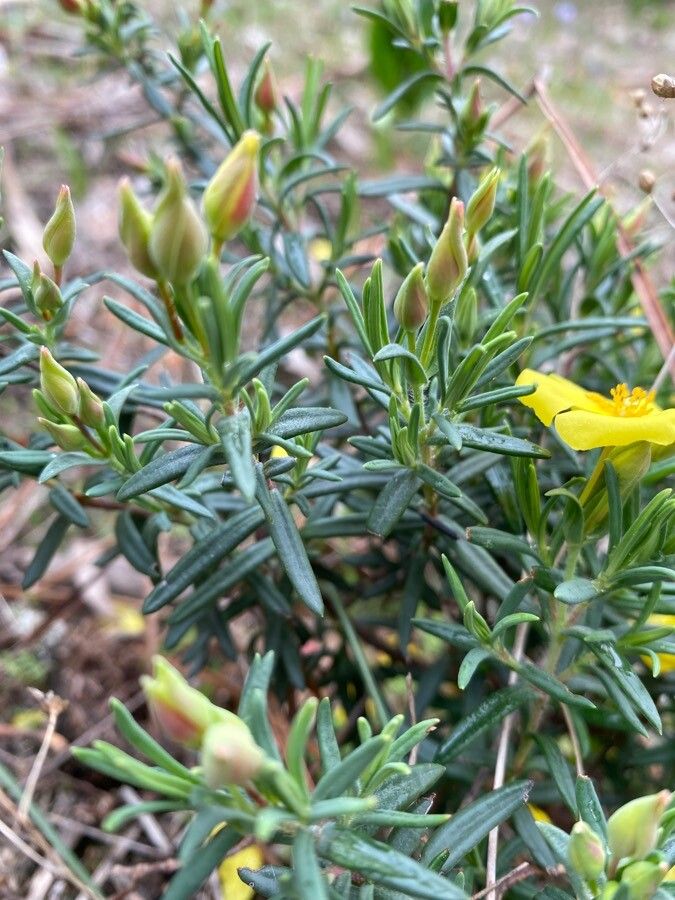
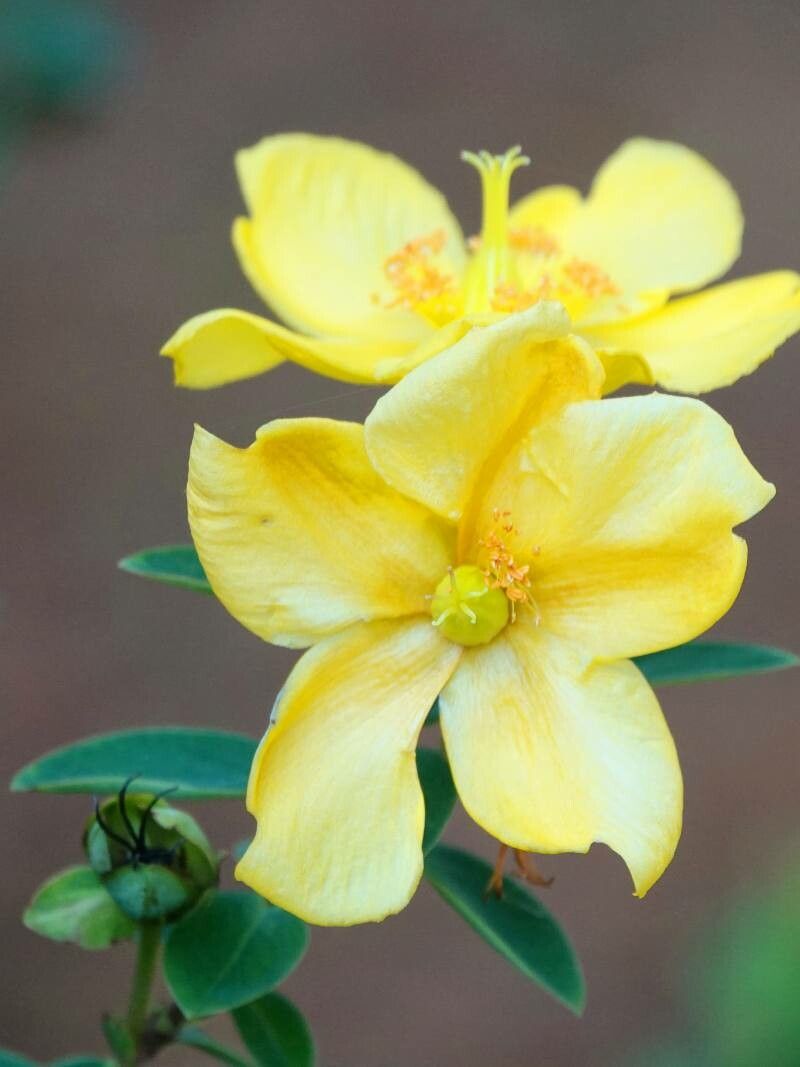
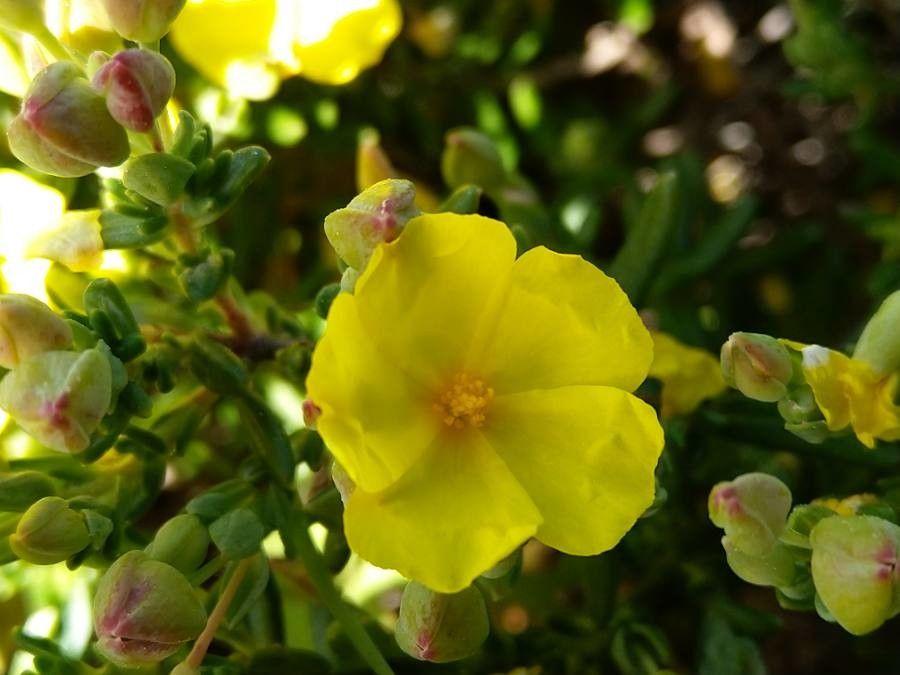
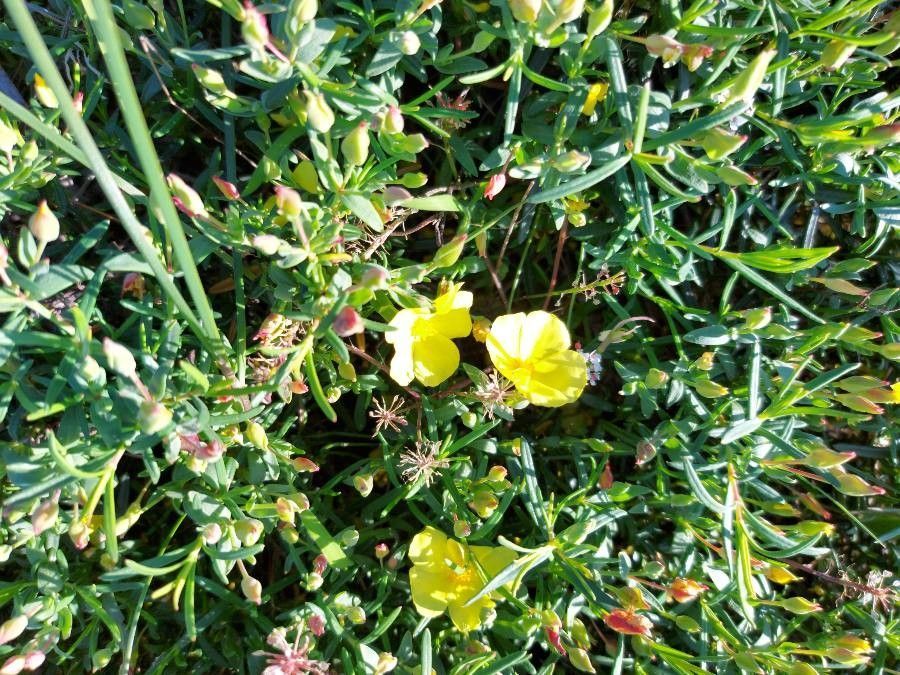
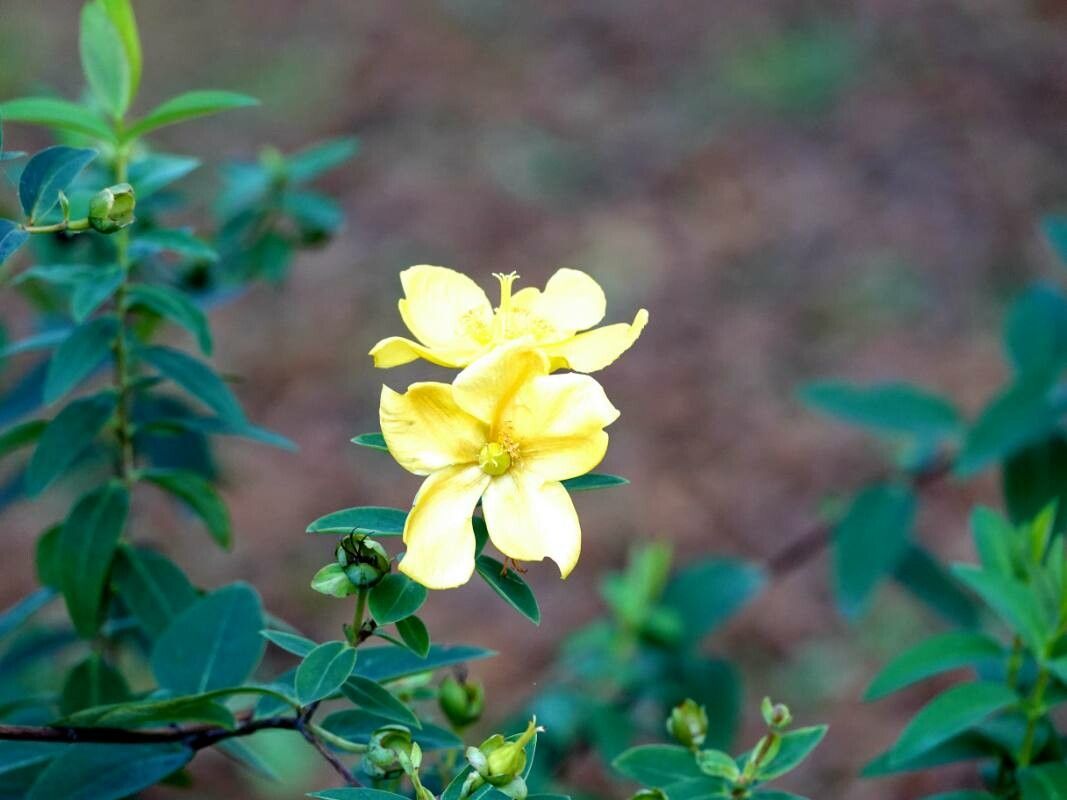
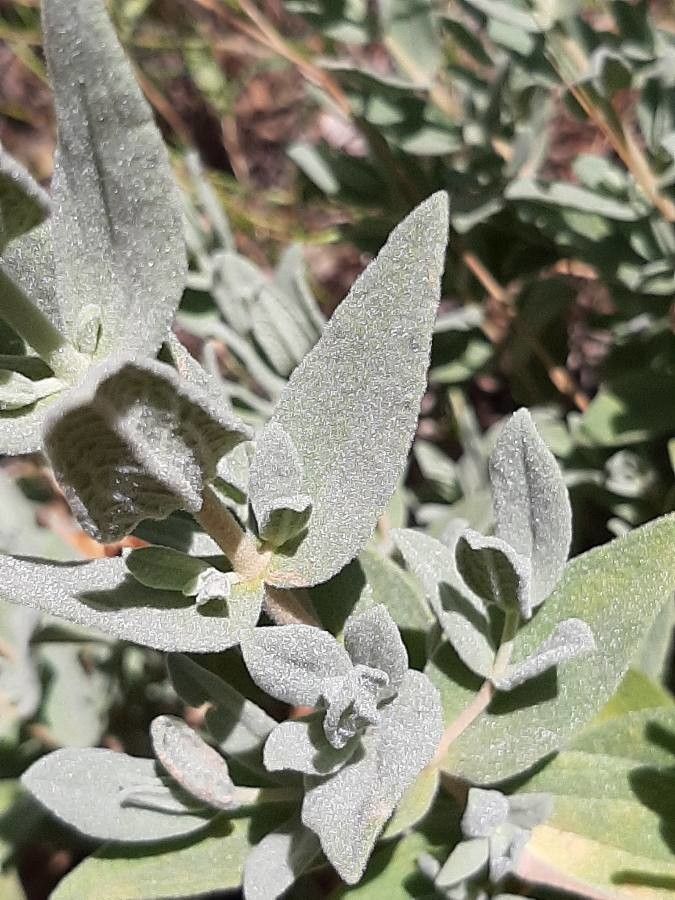
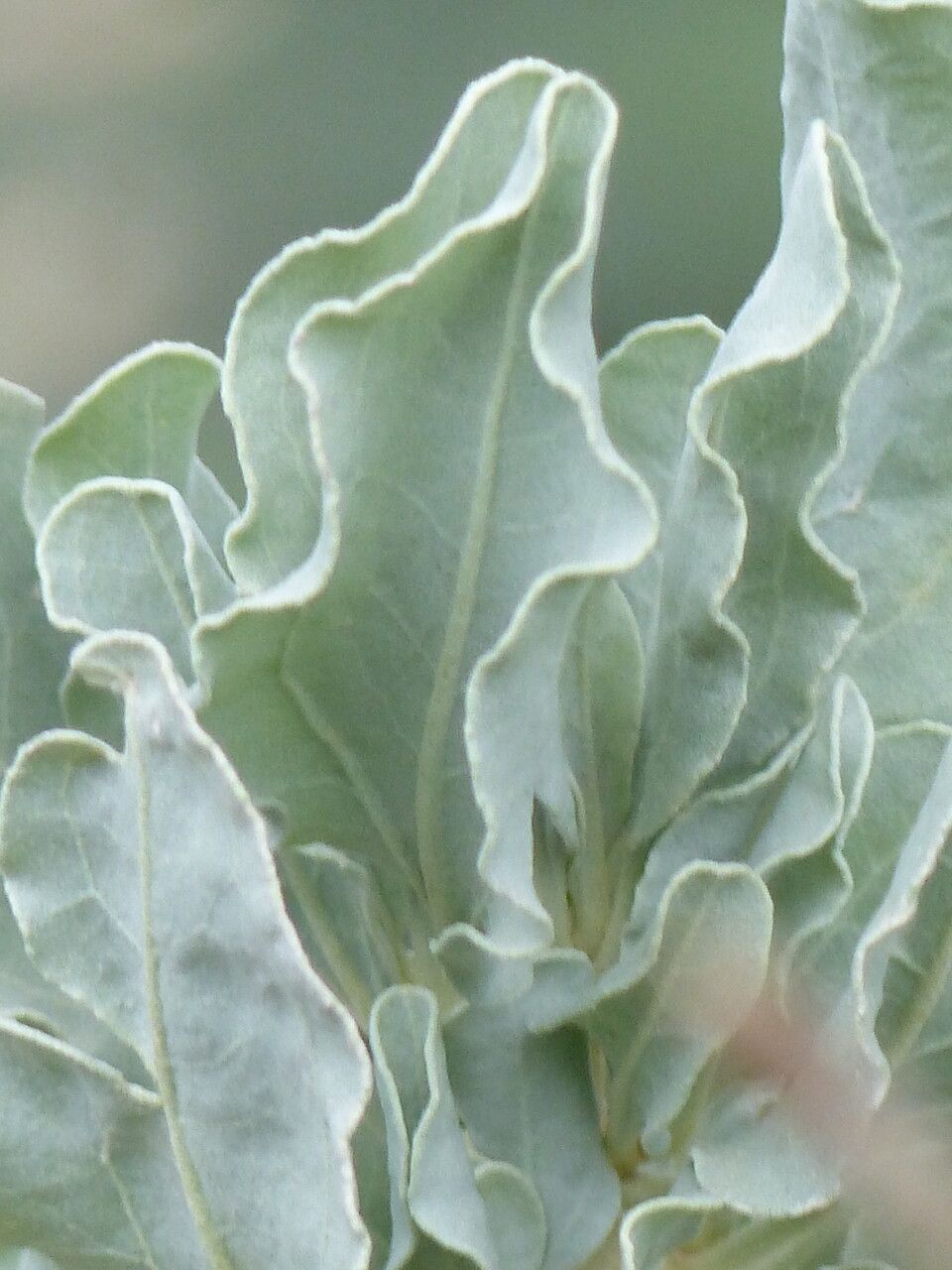
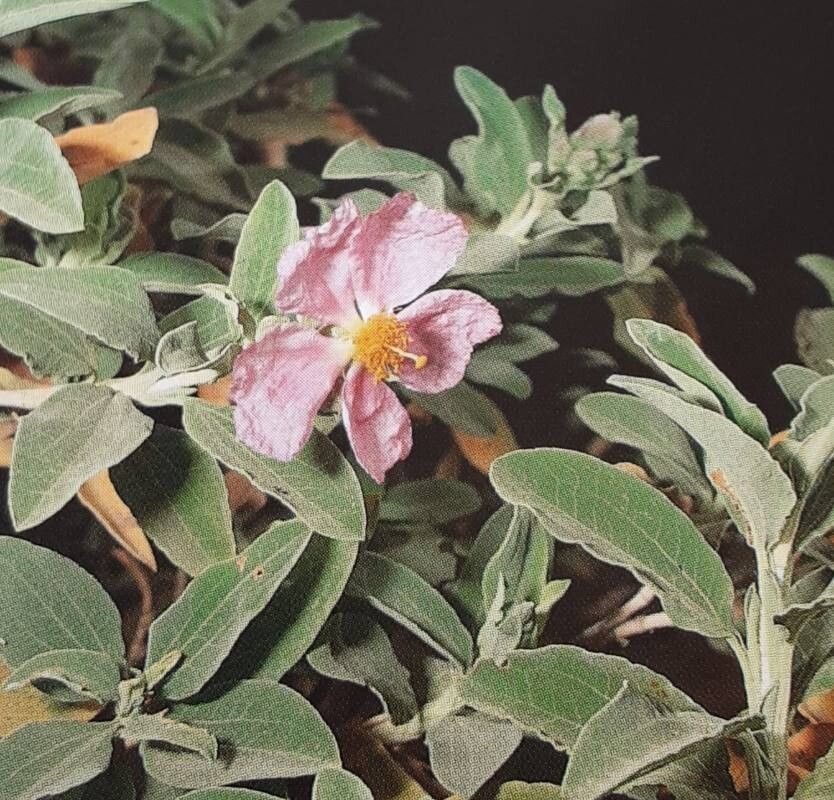
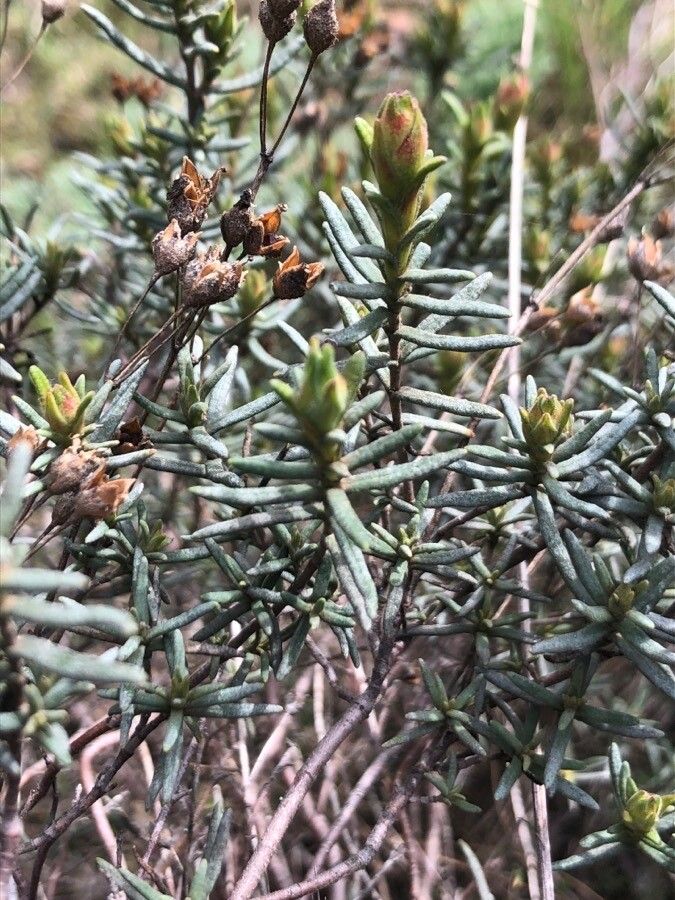
Yellow rock rose has strong disease resistance and is generally unlikely to suffer from illnesses. In terms of maintenance, this plant is fairly low-maintenance. When grown outdoors it needs little watering, and larger specimens usually do not require pruning. Smaller specimens, however, should be pruned after they finish blooming. Yellow rock rose is well suited for anyone with an outdoor area, such as a garden or deck, and does not demand much gardening experience.
How to keep Cistus Calycinus.
Light
Yellow rock rose is native to open habitats like sunny grasslands and woodland borders, areas that offer plenty of light. It flourishes in fully sunlit conditions but can also withstand partial sunlight, showing great adaptability to different levels of sun exposure.
Temperature
The Yellow rock rose demonstrates strong resilience to heat, with the ability to endure elevated temperatures and significant temperature fluctuations. It's crucial to monitor the watering and afford suitable shading during hot conditions to avoid sun scorching. Conversely, Yellow rock rose shows a weaker resistance to colder temperatures. It can handle a certain level of cold, however, an extreme cold setting may result in frost harm.
Fertilizer
The effectiveness of fertilizing Yellow rock rose heavily depends on timing. Apply fertilizer starting at the beginning of spring, repeating this process monthly until the start of summer. The role of fertilizer is to aid in the generation of beautiful flowers and furnish energy during periods of dormancy and growth.
Botanical profile.
- Plant Type
- Shrub
- Life Cycle
- Perennial
- Genus
- Cistus
- Family
- Cistaceae
- Hardiness Zone
- 7-10
- Mature Height
- 49 cm
- Mature Spread
- 49 cm
- Leaf Color
- Gray, Dark Gray
- Leaf Type
- Evergreen
- Flower Size
- 3.05 cm to 5.08 cm
- Bloom Time
- Mid spring, Late spring, Early summer
- Planting Time
- Spring, Summer
- Harvest Time
- Mid summer, Late summer, Early fall
- Native Area
- Morocco, Spain, Portugal
Other names.