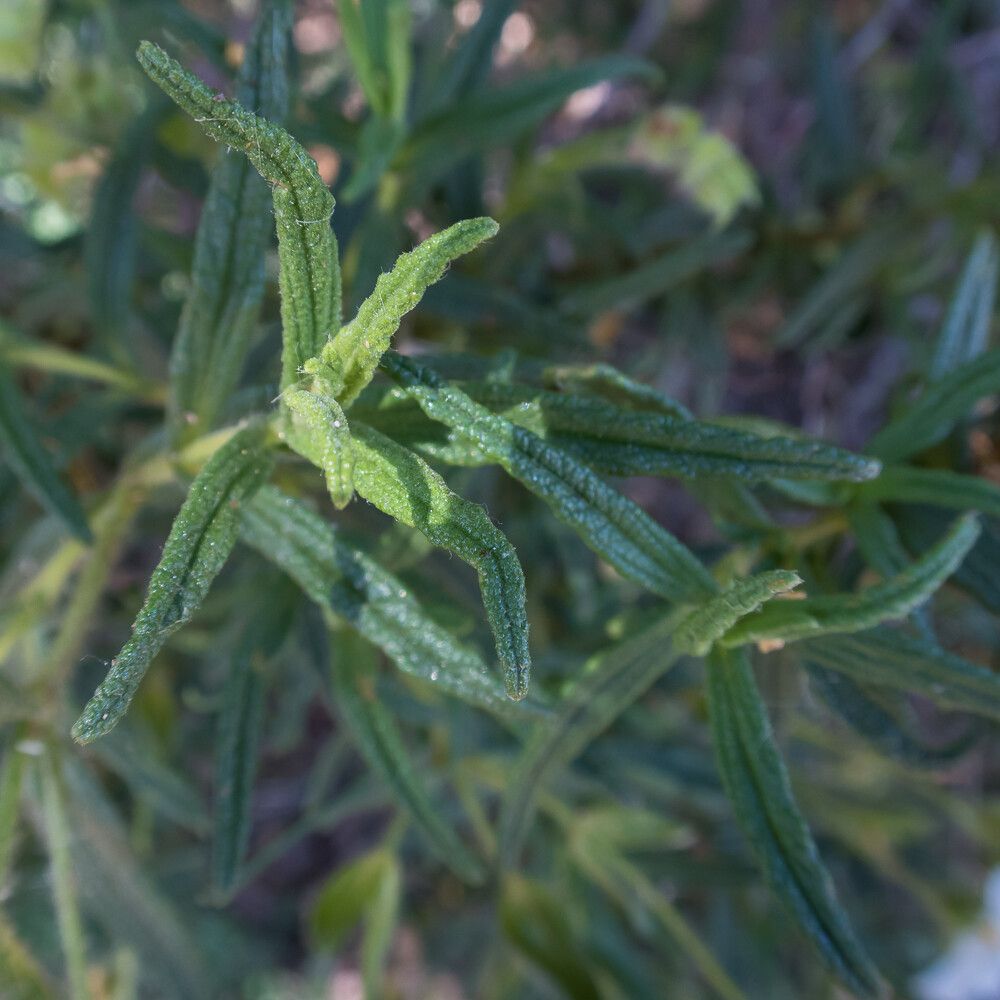
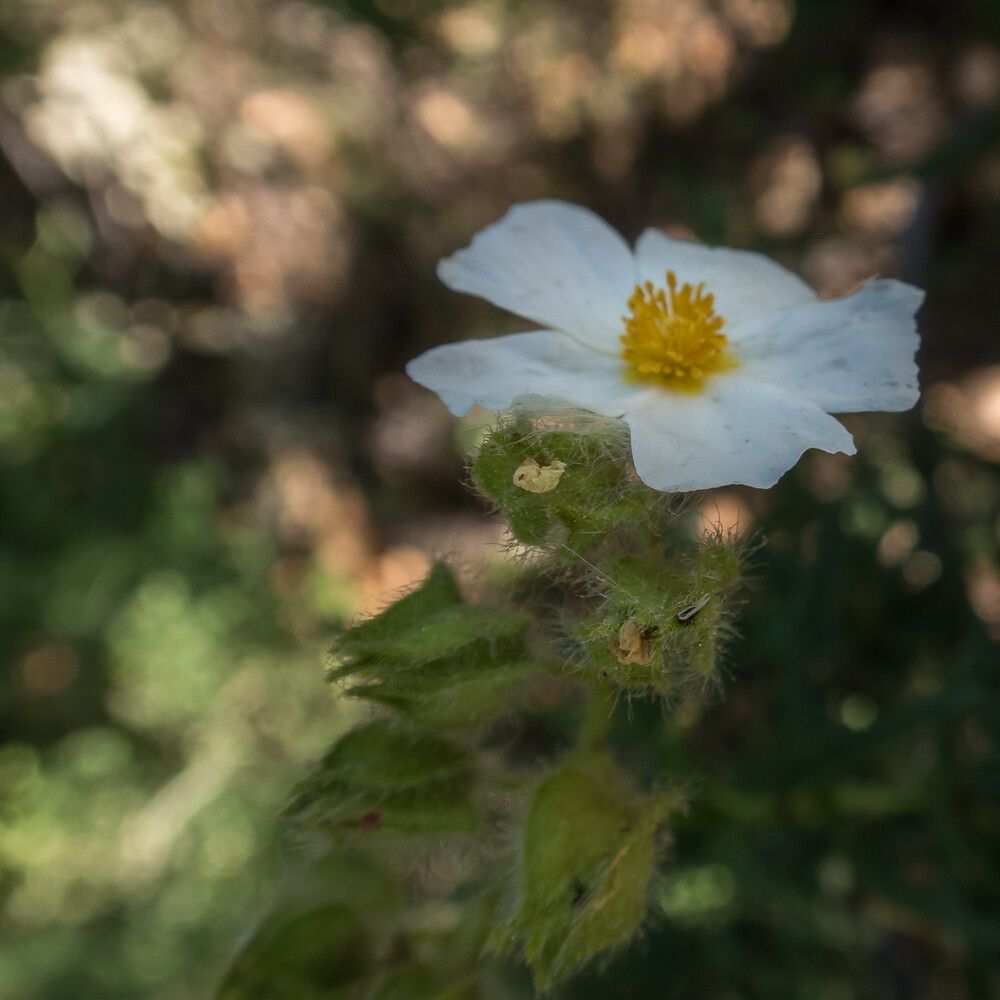
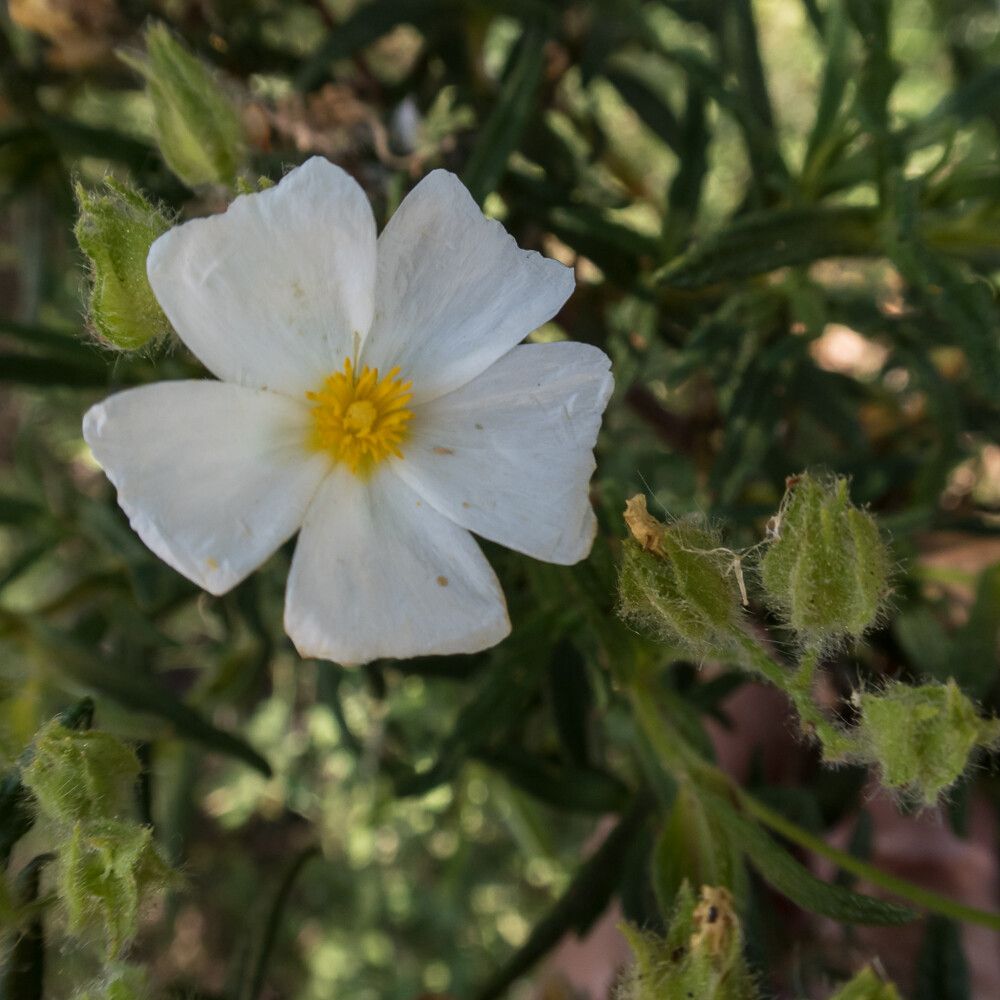
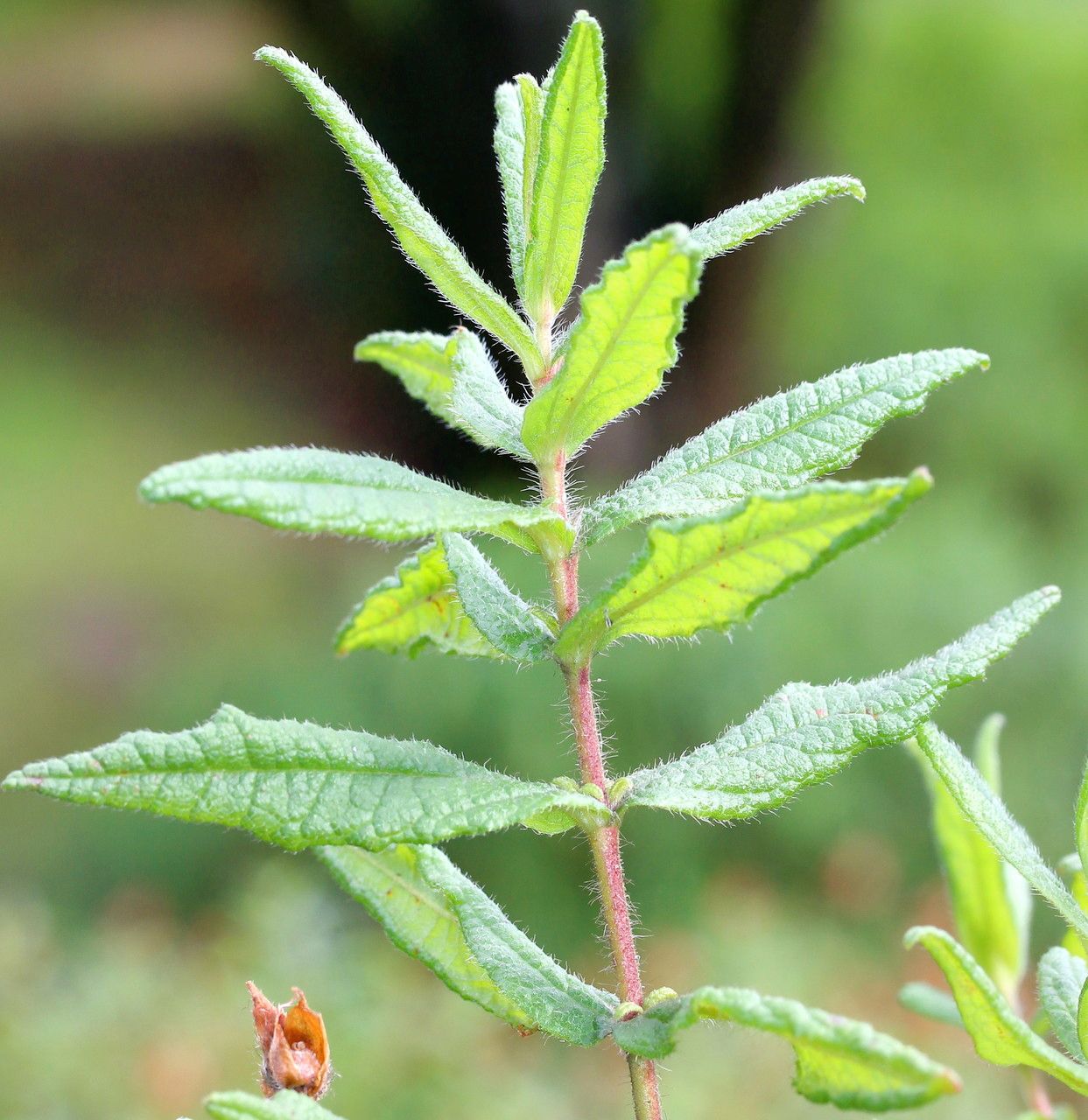
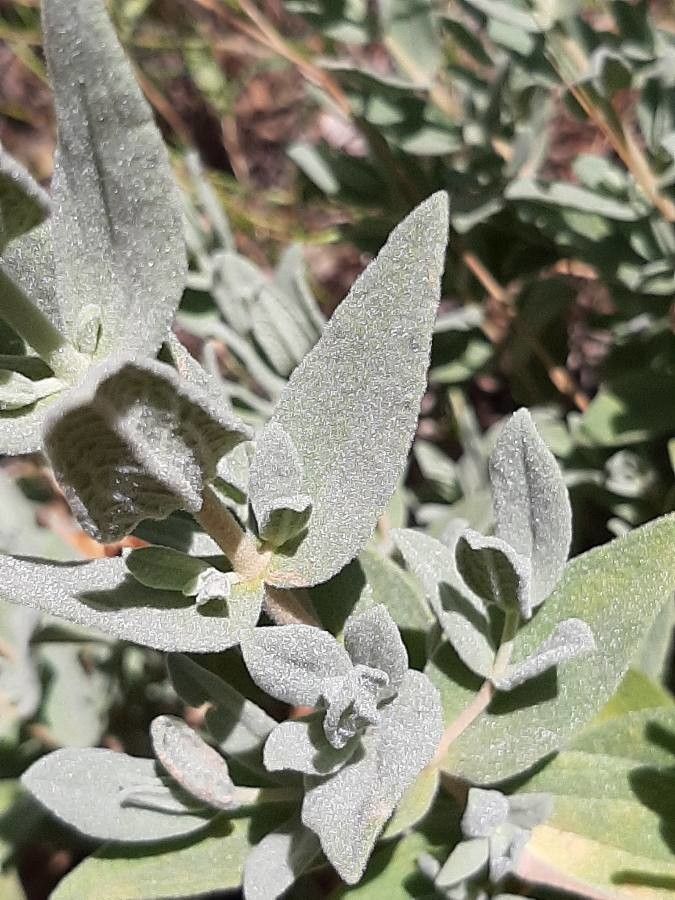
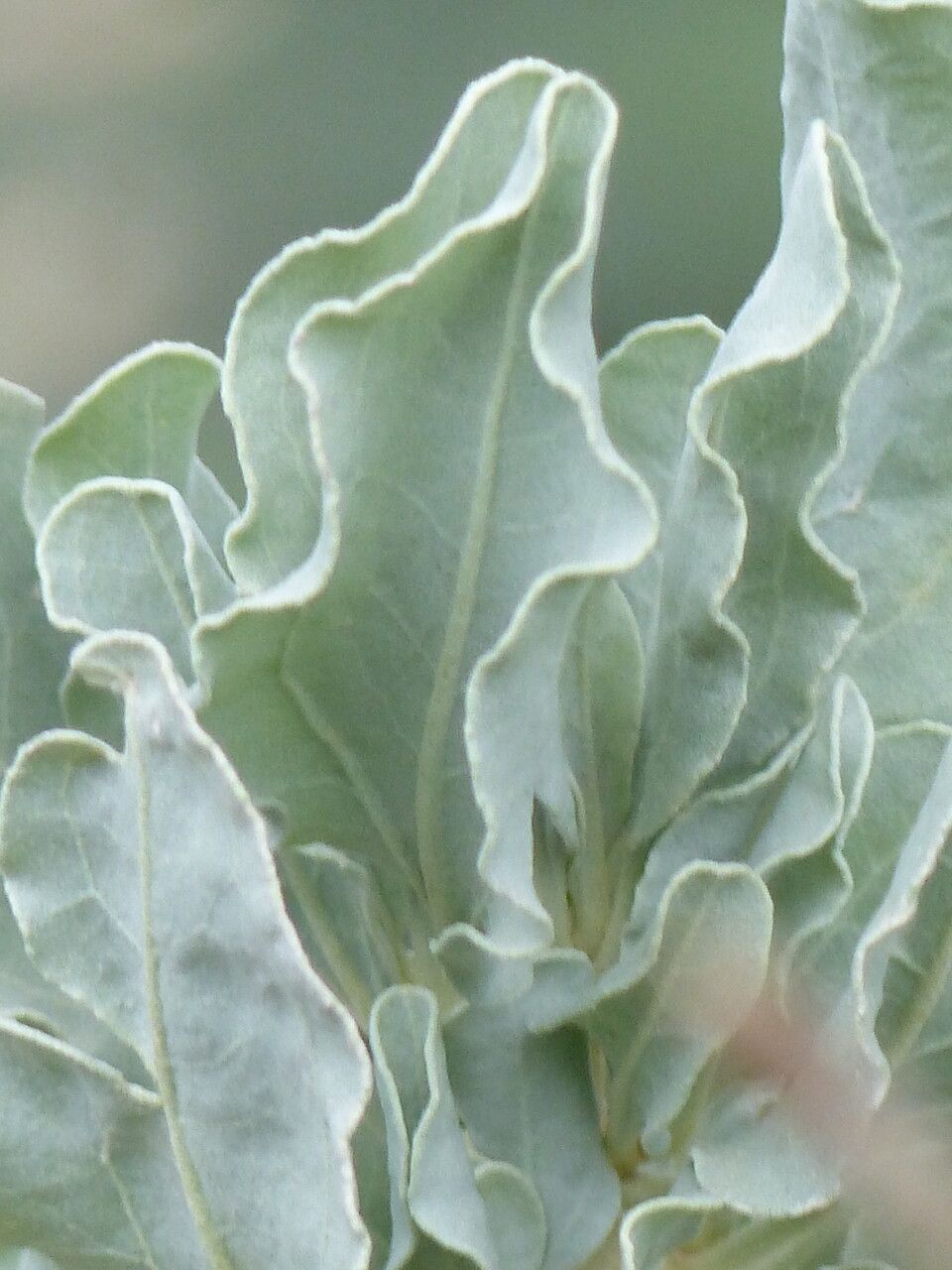
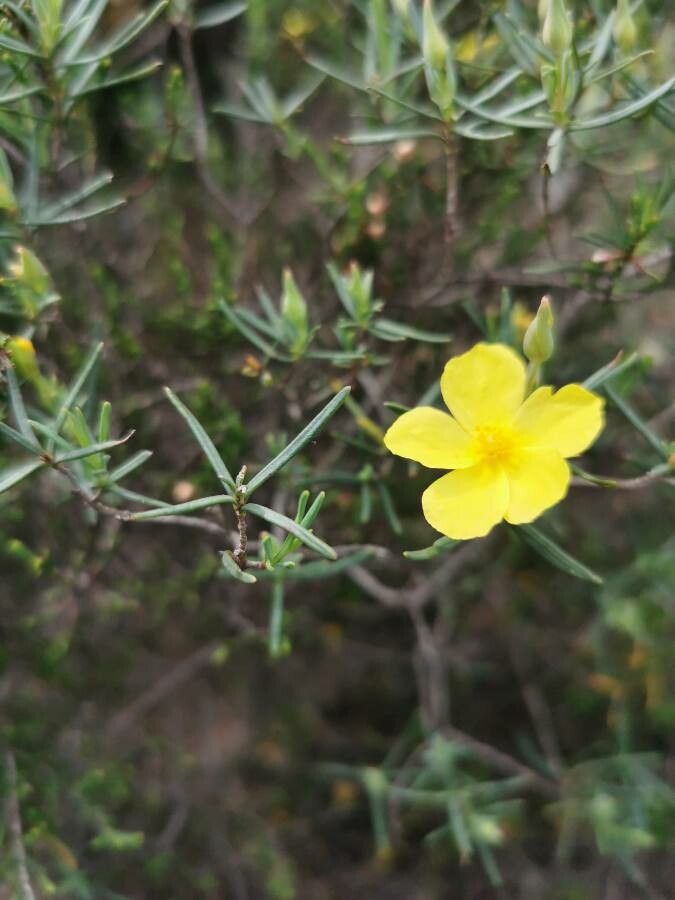
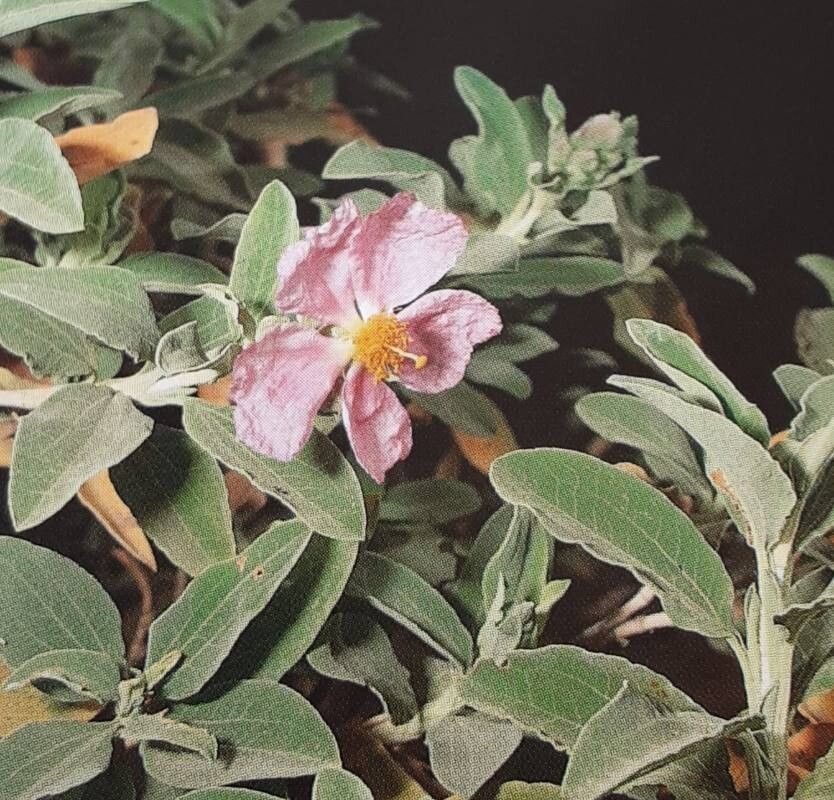
Cistus inflatus is a shrubby species of flowering plant in the family Cistaceae, often known as Cistus psilosepalus, although this name is a synonym of the hybrid Cistus × laxus. It has white flowers.
Hairy rockrose resists disease well and is usually not susceptible to illnesses. As for upkeep, this species is fairly low-maintenance. When grown outdoors it needs only light watering, and larger plants typically do not require pruning. Smaller plants, however, should be trimmed after they finish blooming. Hairy rockroset is appropriate for anyone with an outdoor area, like a garden or deck, and does not need a lot of experience in plant care.
How to keep Cistus Inflatus.
Light
The fuzzy rockrose flourishes best with abundant sunlight, prospering notably under significant light conditions. This preference is due to its original environment where it frequently receives substantial solar exposure. Extensive or insufficient sunlight can influence its health, possibly leading to constrained development or changes in its color respectively.
Water
The hairy rockrose is well-suited to arid environments and is highly drought-tolerant, needing water only every 2-3 weeks. When planted outdoors in full sun, it thrives on natural rainfall and maintains its evergreen foliage with minimal irrigation. This makes it an excellent choice for low-maintenance gardens, especially compared to deciduous species.
Temperature
The hairy rockrose is native to regions with a tropical climate, which is usually characterized by heat and humidity. Given this, the plant is naturally suited to thrive in high temperatures and humid conditions. It does not fare well with abrupt changes in temperature and prefers an environment with constant temperature, hence the need to prevent temperature variations indoors. It generally cannot endure cold conditions and necessitates warmer temperatures for its development. Should the surrounding temperature fall significantly, the plant might halt its growth or even perish.
Fertilizer
The optimal period to feed a Hairy rockrose is at the beginning of spring, when it starts to come out of dormancy. This encourages enhanced growth and helps in the formation of flowers. Fertilizing improves the leaves, stems, and branches, and supports the growth of larger, bright, and enduring flowers. It facilitates the movement of nutrients from roots to blooms and augments the plant's vitality and immunity to diseases.
Pruning
The hairy rockrose is a low-maintenance evergreen shrub known for its hairy leaves and vibrant flowers. To keep it healthy and looking its best, prune it in early spring. This will help remove dead stems and thin out crowded areas, which improves air circulation. Light trimming throughout the year can help maintain its shape and increase the number of blooms. Regular pruning not only reduces the risk of disease but also encourages the plant's vigor.
Botanical profile.
- Plant Type
- Shrub
- Life Cycle
- Perennial
- Genus
- Cistus
- Family
- Cistaceae
- Hardiness Zone
- 8-10
- Mature Height
- 91 cm
- Mature Spread
- 76 cm
- Leaf Color
- Green
- Leaf Type
- Evergreen
- Flower Color
- White, Pink
- Flower Size
- 4.06 cm to 6.35 cm
- Bloom Time
- Mid spring, Late spring, Early summer
- Planting Time
- Spring
- Harvest Time
- Mid summer, Late summer, Early fall
- Native Area
- Spain, Portugal
Other names.
Reader questions.
What are the sunlight requirements for Hairy Rockrose?
Hairy Rockrose requires more than 6 hours of sunlight daily to thrive. It's crucial to monitor the movement of sunlight through your garden to find the perfect balance of light and shade, ensuring your plants' happiness. Generous exposure to the sun is essential for the Hairy Rockrose, given its natural habitat where it is accustomed to abundant solar radiation. The effects of both too much and too little sunlight can adversely affect the plant, possibly causing inhibited growth or discoloration.
How does artificial lighting benefit indoor Hairy Rockrose plants?
Indoor Hairy Rockrose plants require adequate lighting for optimal growth, especially when natural sunlight is insufficient, like during winter or in less sunny spaces. Artificial lights provide a vital solution, promoting healthier, faster growth. LED lights are a popular choice because they can be customized to provide specific wavelengths needed by plants. For full sun plants, 30-50W/sq ft of artificial light is recommended, for partial sun plants 20-30W/sq ft, and for full shade plants 10-20W/sq ft. The light source should be placed 12-36 inches above the plant and kept on for 8-12 hours per day to mimic natural sunlight conditions.
What are the common symptoms of insufficient sunlight in Hairy Rockrose?
When Hairy Rockrose does not receive adequate sunlight, it may display several symptoms, including smaller new leaves, leggy or sparse growth, faster leaf drop, slower or no new growth, lighter-colored new leaves, chlorosis (where leaves turn yellow due to breakdown of chlorophyll), sunscald (pale, bleached areas on leaves), leaf curling (a defense mechanism to minimize water loss), wilting (due to increased water loss), and leaf scorching (brown, dry edges on leaves due to excessive sunlight). These symptoms indicate the plant's struggle with insufficient light.
How can I address sunlight deficiency in Hairy Rockrose?
To combat sunlight deficiency in Hairy Rockrose, gradually move your plants to sunnier locations each week until they receive at least 6 hours of direct sunlight daily. For indoor plants, use a south-facing window and keep curtains open during the day or utilize artificial light, keeping a lamp on for at least 8 hours daily or investing in professional plant grow lights. For outdoor plants, avoid sudden changes in light exposure to prevent sunburn. Addressing obstructions is key by pruning trees or transplanting smaller plants to sunnier spots with good drainage during their dormant period, typically late winter or early spring.