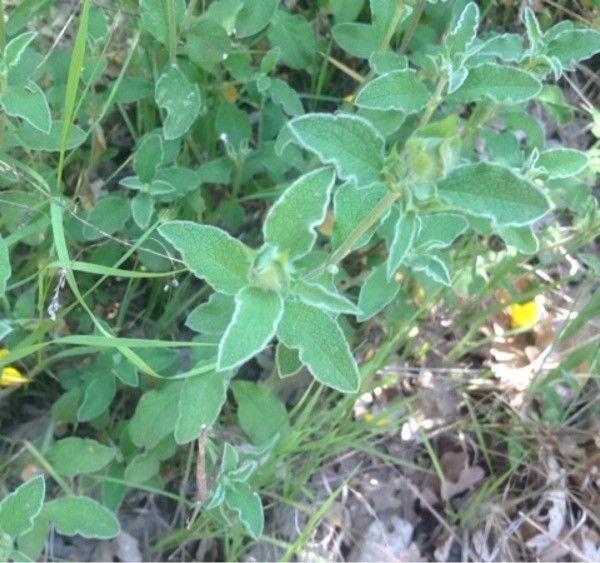
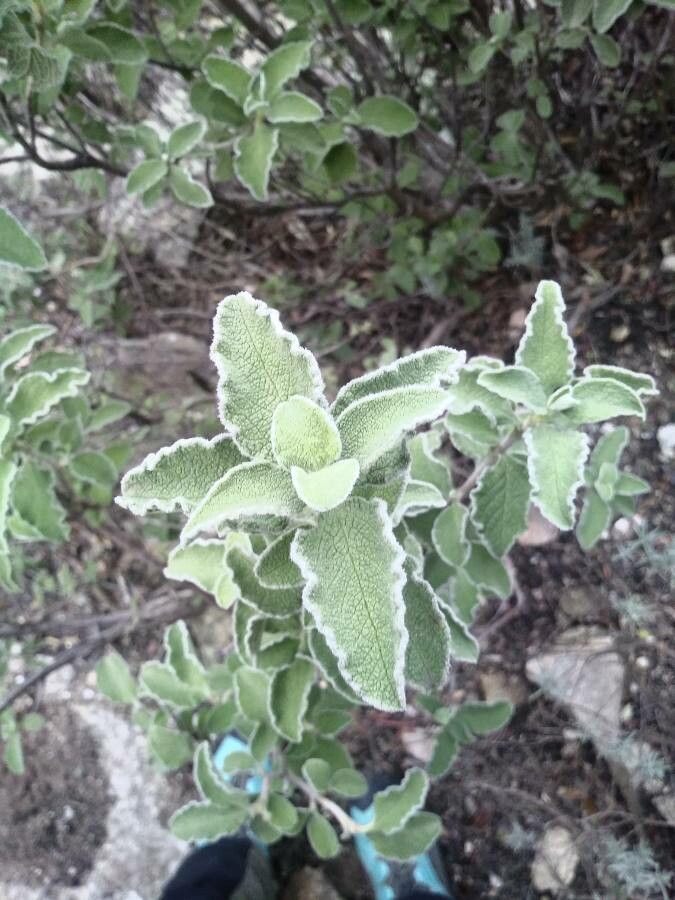
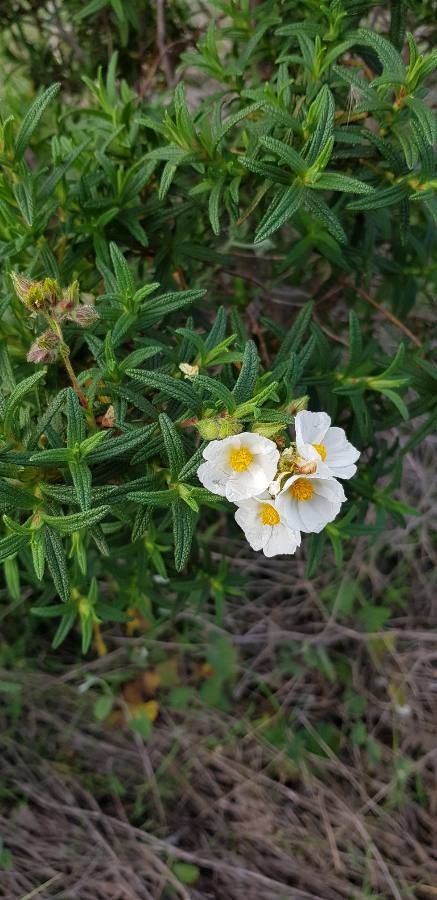
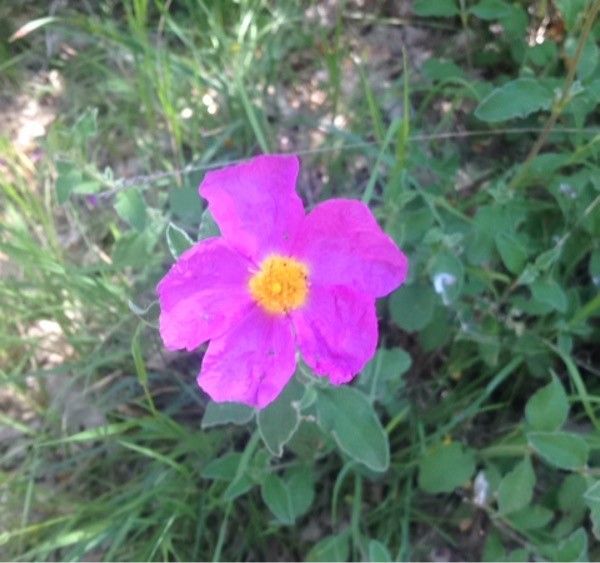
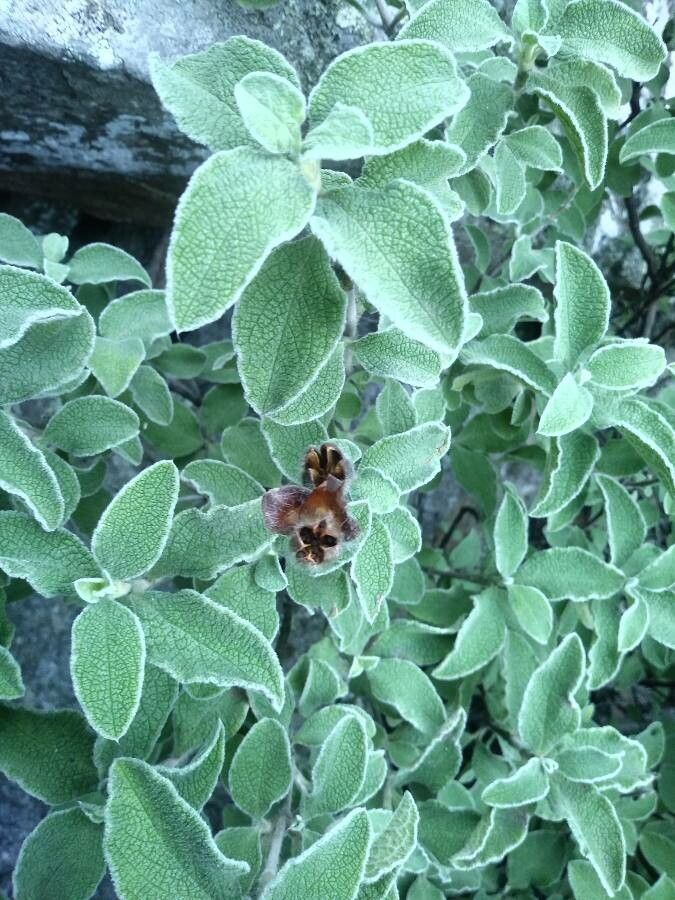
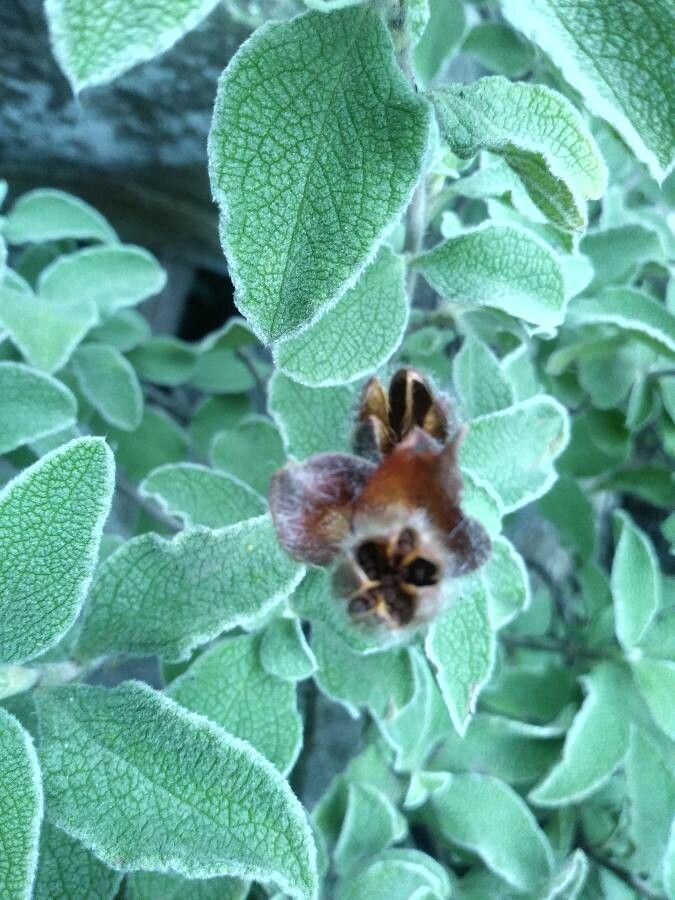
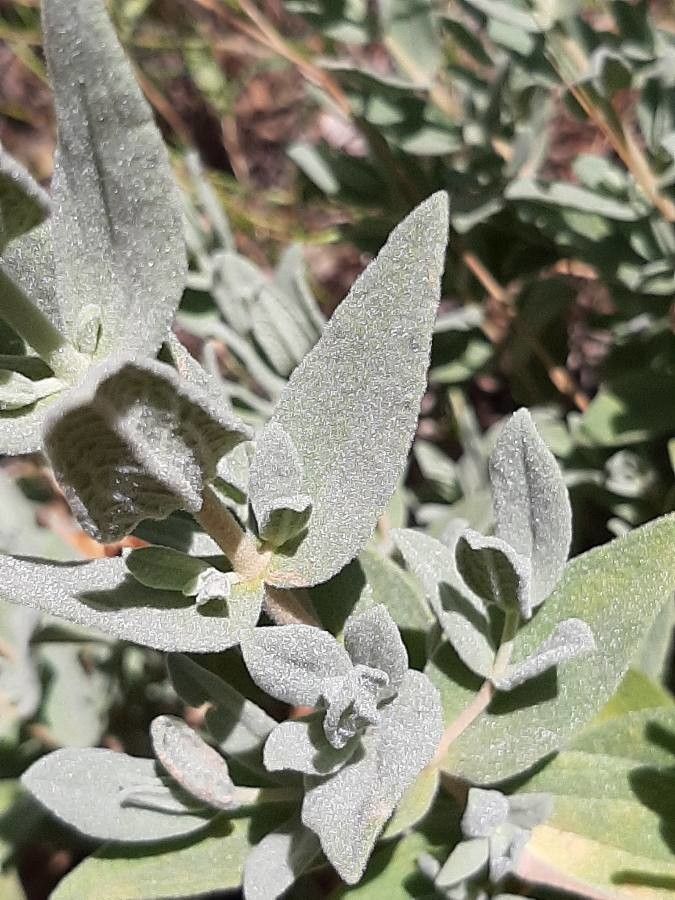
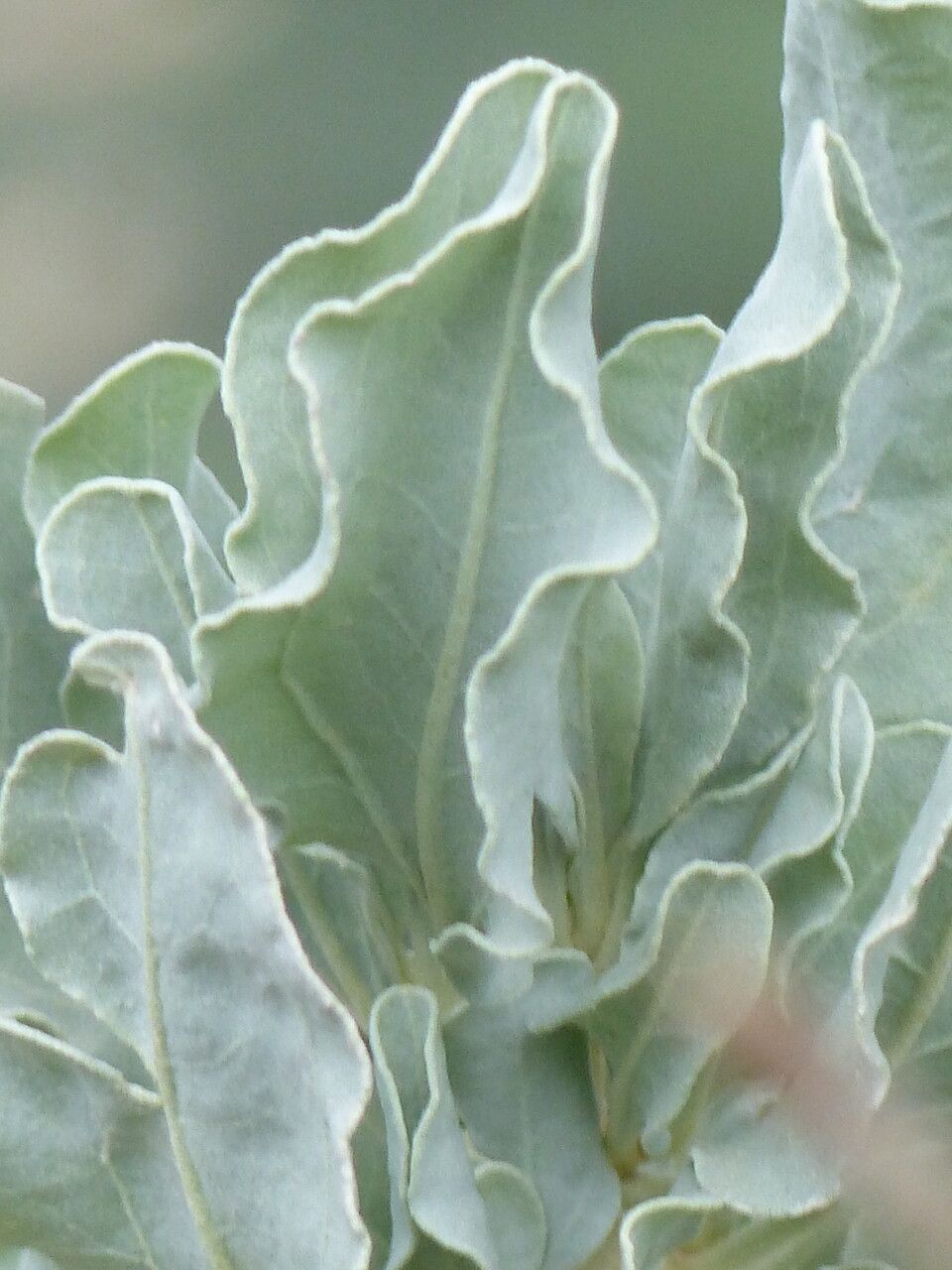
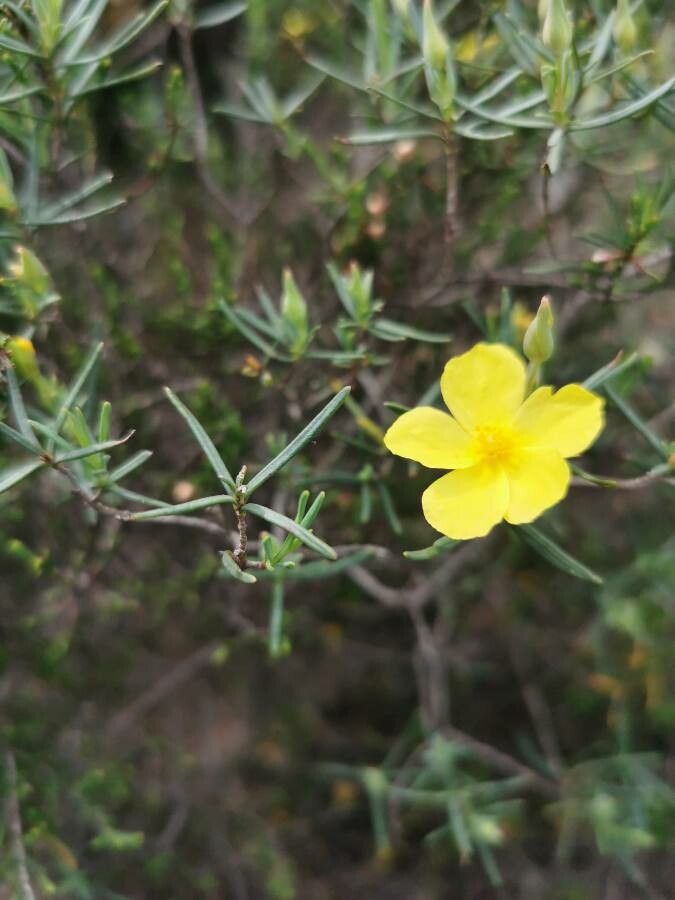
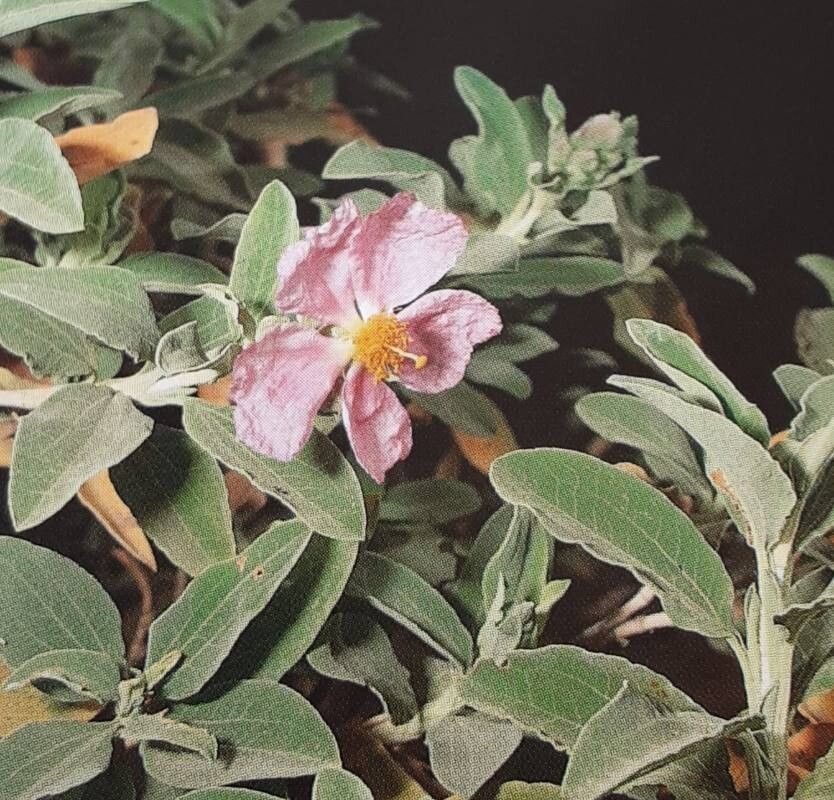
Cistus creticus, commonly known as Cretan rockrose, is a small evergreen shrub belonging to the family Cistaceae. Native to the Mediterranean region, it thrives in rocky and dry habitats such as hillsides, cliffs, and scrublands. This bushy plant features woody stems that can reach up to 1 meter in height.
The leaves of Cistus creticus are small, oval-shaped, and gray-green in color. The shrub is particularly notable for its showy flowers, which are either pink or white with yellow centers. These flowers bloom from late spring through early summer.
Renowned for its medicinal properties, Cistus creticus has been used for centuries as an herbal remedy to treat various ailments, such as respiratory infections, digestive issues, skin conditions, and wounds. The plant is rich in polyphenols, which have strong antioxidant properties.
In addition to its medicinal uses, Cistus creticus is popular among gardeners for its attractive appearance and low maintenance needs. It thrives in well-drained soil with full sun exposure but can also tolerate some shade.
Overall, Cistus creticus is an intriguing plant that offers both medicinal benefits and ornamental value, making it a valuable addition to any garden or landscape design project.
Pink rock-rose is well resistant to disease and is usually not susceptible to them. Regarding care, this plant is fairly low-maintenance. When planted outdoors it needs minimal watering, and larger specimens typically do not require pruning. Smaller plants, however, should be pruned after they have finished blooming. Pink rock-roset is suitable for anyone with an outdoor area, such as a garden or deck, and does not call for a lot of gardening experience.
How to keep Cistus Creticus.
Light
Pink rock-rose naturally prefers locations that get sun for most of the day. This sun-loving species comes from environments where sunlight is nearly continuous, which promotes vigorous growth. Too little light can result in stunted development, while too much can cause leaves to scorch.
Water
Native to dry Mediterranean areas, the pink rock-rose is highly drought-tolerant and thrives in low-moisture conditions. Once its roots are established, it only needs watering every 2-3 weeks. This plant is ideal for outdoor settings, particularly xeriscapes and rock gardens, as it flourishes in full sun with minimal water requirements.
Humidity
This plant will thrive in moderate humidity, which is probably the level in your home. However, misting it a few times a week can be very beneficial. Make sure the room has good ventilation.
Temperature
Pink rock-rose originates from areas where temperatures generally fall between 59 and 95°F (15 to 35℃). It performs best in these mild, temperate climates. To keep the plant healthy, modify its care with the seasons, paying particular attention during colder months.
Fertilizer
Timing is important when fertilizing Pink rock-rose. Apply fertilizer in early spring and repeat monthly until early summer. Fertilizer promotes attractive blooms and supplies energy during both dormant and active growth periods.
Pruning
The pink rock-rose is a resilient shrub known for its vibrant pink flowers and aromatic, evergreen leaves. To maintain its shape and promote better air circulation, it's best to prune it in late spring after it has finished blooming. When pruning, concentrate on removing dead or overcrowded branches, and avoid heavy pruning to ensure optimal growth and size management.
Botanical profile.
- Plant Type
- Shrub
- Life Cycle
- Perennial
- Genus
- Cistus
- Family
- Cistaceae
- Hardiness Zone
- 7-10
- Mature Height
- 91 cm
- Mature Spread
- 91 cm
- Leaf Color
- Green
- Leaf Type
- Evergreen
- Flower Color
- Pink, Purple
- Flower Size
- 4.57 cm to 5.08 cm
- Bloom Time
- Late spring, Early summer, Mid summer
- Planting Time
- Spring, Autumn
- Harvest Time
- Mid summer
- Native Area
- Mediterranean
Other names.
Reader questions.
How should I water my Pink rock-rose plant?
Your Pink rock-rose is not particular about how you water it. You can use any common watering tool, such as watering cans, hoses, or cups. When watering, it's important to apply the water directly to the soil and make sure all areas are moistened equally to nourish the entire root system. Filtered water is preferred over tap water, as tap water may contain harmful particles. It's also ideal to use water at or slightly above room temperature, as very hot or cold water can shock the Pink rock-rose. However, this plant usually responds well to any type of water.
Why do I have to put fertilizer on my Pink rock-rose?
Fertilizing your Pink rock-rose is important for a few key reasons. Firstly, it helps the plant produce beautiful blooms. Early spring fertilization is particularly effective for ensuring abundant flowers. Additionally, fertilizer provides the plant with energy that can be stored in the ground during dormant growth phases. By giving your Pink rock-rose extra nutrients during fall planting or late spring, it can store more energy to use when it resumes active growth.
How many hours of sunlight per day does Pink rock-rose need to grow healthily?
To ensure healthy growth, Pink rock-rose should get a minimum of 3-6 hours of sunlight each day. However, it's worth noting that while most plants that tolerate partial sun can also do well in full sun, Pink rock-rose is more adaptable thanks to its lower light requirements for photosynthesis. So, if the plant gets less than full sun or partial shade, it can still thrive.
What is the ideal temperature range for Pink rock-rose?
Pink rock-rose (Cistus creticus) is native to regions where temperatures typically range from 59 to 95°F (15 to 35°C), thriving best in these moderate, temperate conditions. It's important to adjust care throughout the seasons, especially during colder months, to maintain the plant's health. Despite its strong cold resistance, precautions should be taken if winter temperatures are expected to drop below -15°C.
What should I do if I give too much or too little water to my Pink rock-rose?
For outdoor plants, especially newly planted ones or seedlings, it's important to ensure they are watered adequately. This is particularly crucial during the first few months when the tree is still small or recently planted. Once the roots are established, Pink rock-rose can usually rely on rainwater in most cases. When Pink rock-rose is grown in pots, overwatering is more likely. If you accidentally overwater your Pink rock-rose, there are steps you can take to correct the situation. First, stop watering the plant immediately to minimize the impact of overwatering. Then, remove the plant from its pot to inspect its roots. If there are no signs of root rot, you can return the plant to its container. However, if root rot is present, trim away the affected roots and consider applying a fungicide to prevent further damage. Finally, repot the Pink rock-rose in well-draining soil. In the case of underwatering, it's a relatively simple fix. If the plant is underwatered, its leaves will droop, dry out, and may fall off. However, once the plant receives sufficient watering, the leaves will quickly regain their fullness. Therefore, it is important to adjust your watering frequency promptly if you notice signs of underwatering.
When should I fertilize my Pink rock-rose?
Timing is crucial when fertilizing Pink rock-rose. If fertilizer is applied too early while the plant is still dormant, it cannot be effectively used and will be washed away by rainwater, leading to waste and pollution. The first application of fertilizer should be in early spring, followed by monthly fertilization until early summer.
What kind of sunlight does Pink rock-rose require?
Pink rock-rose thrives in full or partial sun. It prefers direct morning light but requires protection from the intense afternoon sun during summer. In temperate climates, excessive afternoon sun can scorch the leaves, harming the plant's overall look and well-being.
How should I protect Pink rock-rose in winter?
Although Pink rock-rose has strong cold resistance, winter protection is advised if temperatures are expected to drop below -15°C. Protecting the plant can be achieved by wrapping the trunk and branches with non-woven fabric or cloth. Additionally, before the first freeze in autumn, water the plant abundantly to ensure the soil remains moist and enters a frozen state. This helps prevent drought and water scarcity during winter and early spring.
How frequently should I water my Pink rock-rose?
To ensure your outdoor plants thrive, consider the amount of rainfall in your area. If there's not enough rain, water them every 2 weeks in spring and fall, and more often in summer. In winter, when plants grow slower and need less water, water sparingly or not at all. Young or newly planted Pink rock-rose plants need more frequent watering to establish themselves. For potted plants, there are two ways to determine watering frequency. You can set a schedule, but this may not account for unique conditions. Alternatively, check the soil moisture and water when the top 2-4 inches have dried out.
When is the best time to not put fertilizer on my Pink rock-rose plant?
To ensure optimal growth and blooming of Pink rock-rose, it is important to consider a few guidelines for fertilizing. First, avoid using fertilizers with high levels of nitrogen as this can result in abundant foliage but fewer flowers. Instead, opt for fertilizers that contain lower levels of nitrogen compared to other nutrients. Additionally, refrain from fertilizing Pink rock-rose in late autumn to avoid excessive growth just before winter. Similarly, avoid fertilizing during hot and dry periods as dry soil is not as effective at delivering nutrients. Fertilizing during this time may also stimulate growth that requires additional water, which may not be readily available. It is advisable to apply fertilizer earlier in the season when temperatures are cooler. Lastly, be mindful that Pink rock-rose can absorb fertilizer applied to nearby plants or lawns, so take care to prevent inadvertently providing a double dose of fertilizer to trees or shrubs.
Can the sun harm the Pink rock-rose plant? How can I prevent sun and heat damage to the Pink rock-rose?
When moving Pink rock-rose plants from indoors to outdoors, it is important to avoid direct sunlight to prevent damage. To prevent sunburns, gradually move the pots from a shaded area to a brighter spot. However, even plants acclimated to the summer sun can be harmed by extreme heat. To protect Pink rock-rose during a heatwave, it is crucial to keep the soil consistently moist. In addition, moving plants in containers to shaded areas or using a shade cloth can provide protection during extreme weather events.
What should I do if Pink rock-rose is exposed to temperatures below -10°C?
Pink rock-rose is cold-tolerant and prefers temperatures above 15°C. In winter, it should be kept above -10°C. Exposure to temperatures below -15°C may not show immediate damage during winter, but by spring, the branches may become brittle and dry, with no new shoots emerging. In such cases, it's recommended to prune away any dead branches that have failed to produce new leaves in the spring.