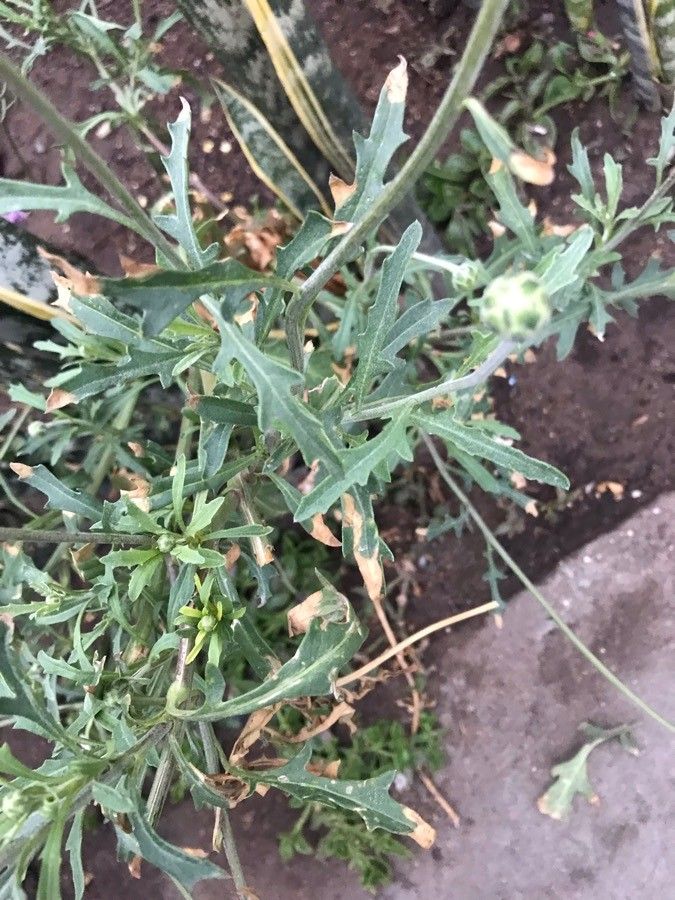
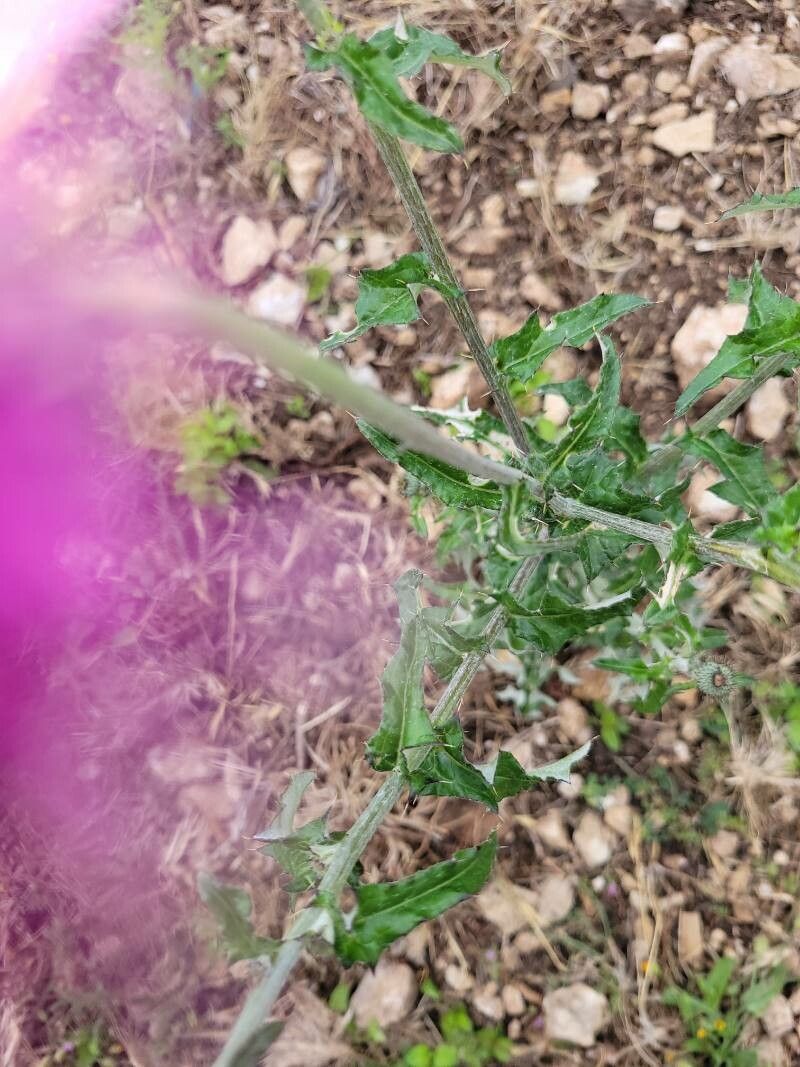
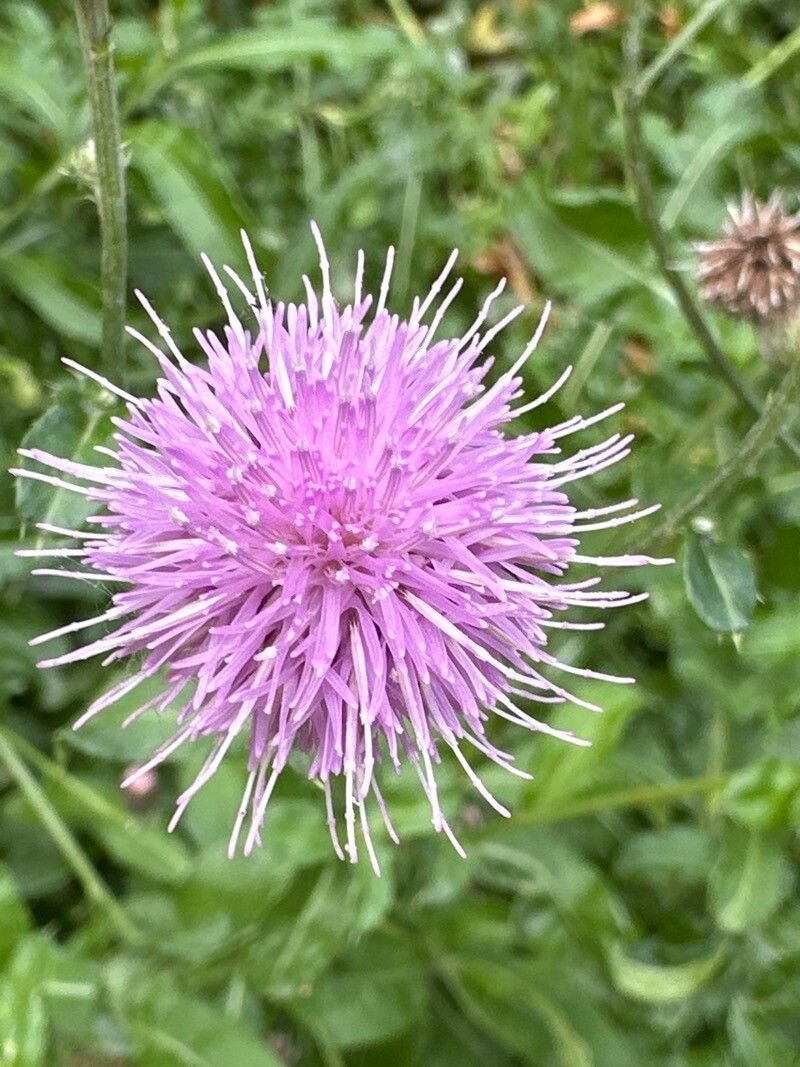
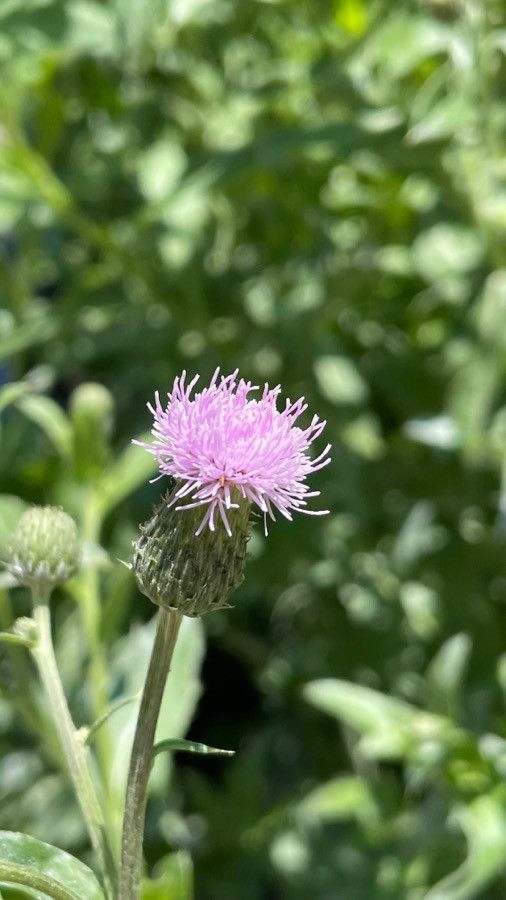
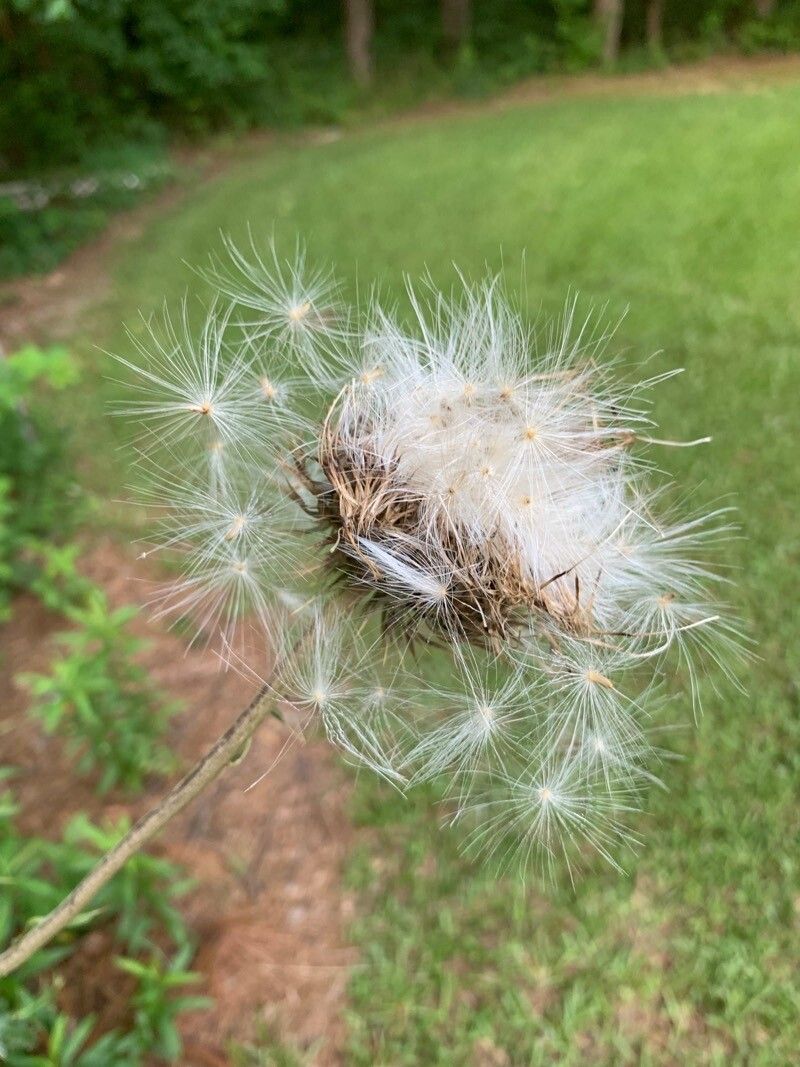
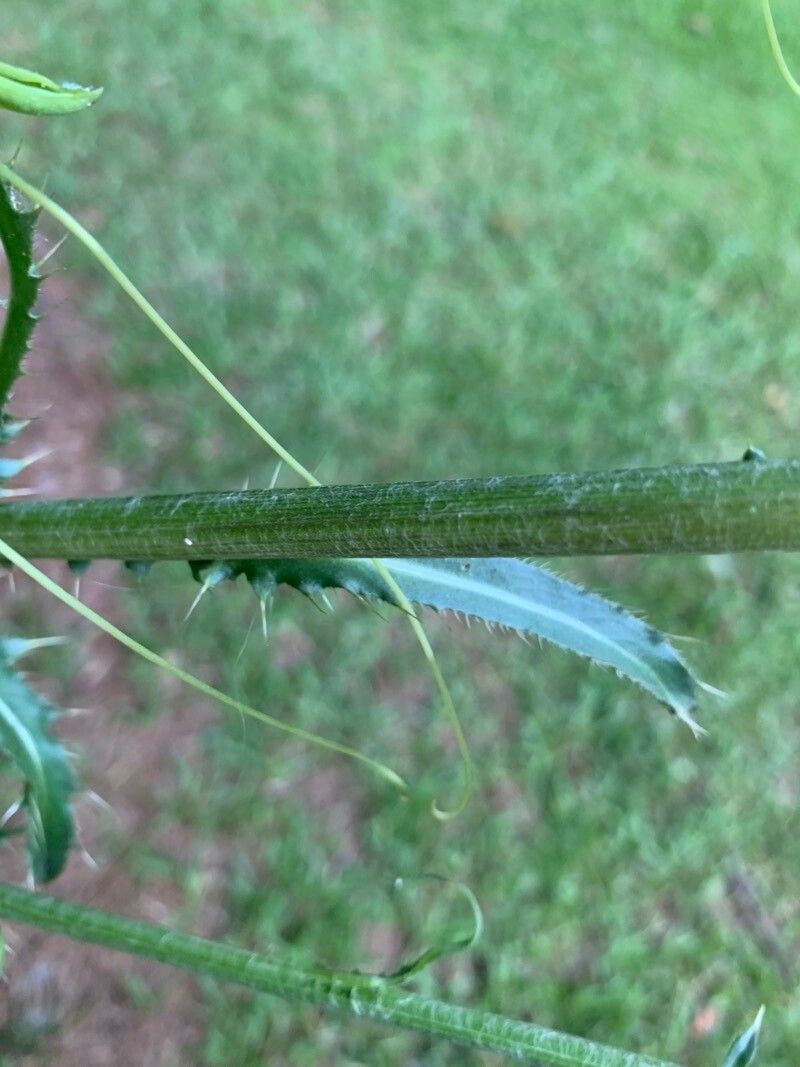
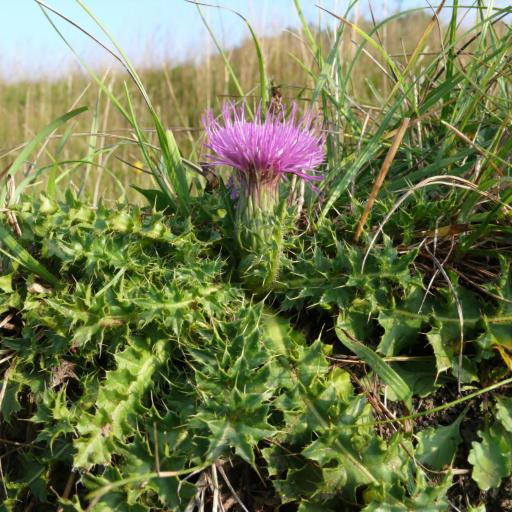
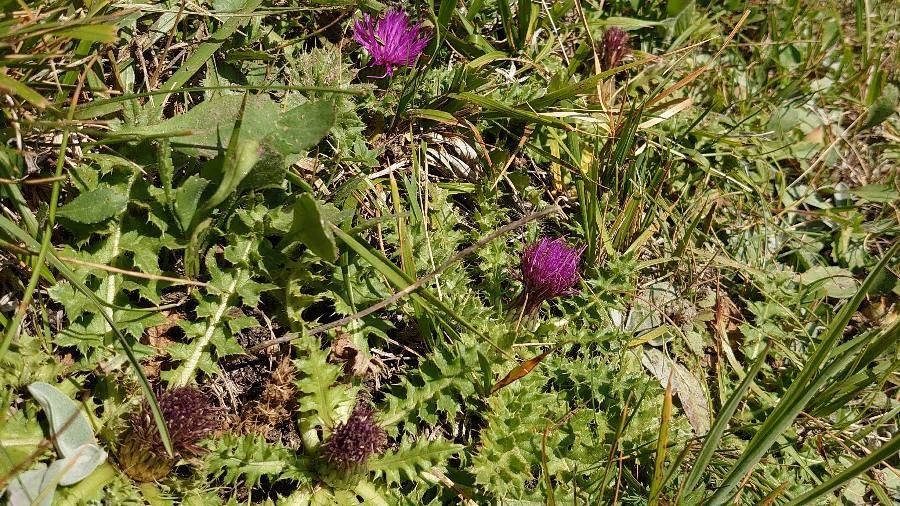
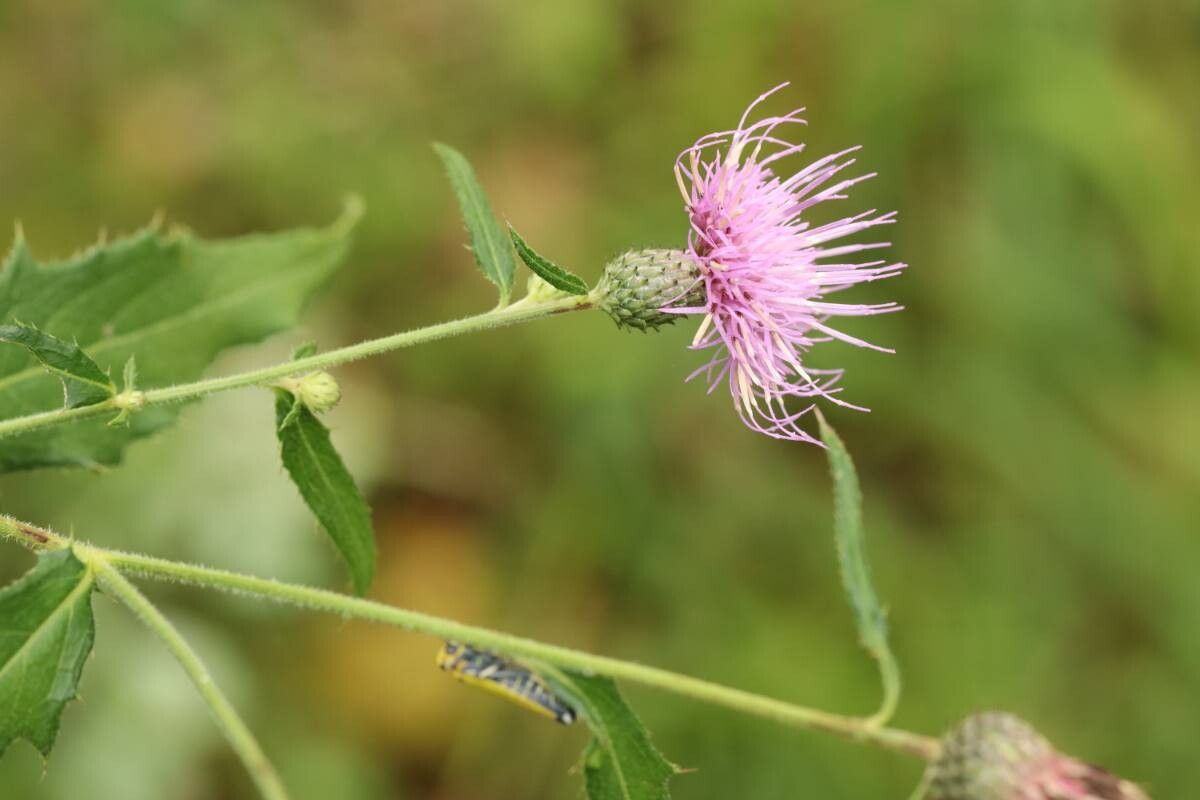
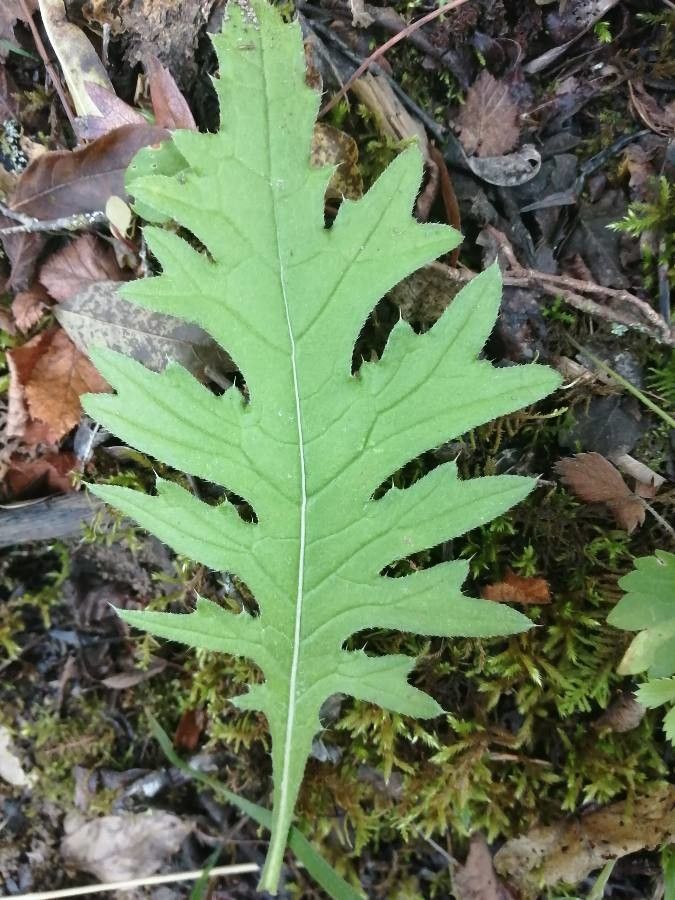
Cirsium texanum is a species of plants in the tribe Cardueae within the family Asteraceae found in North America. Common names include Texas thistle, Texas purple thistle or southern thistle. The species is native to northern Mexico (Coahuila, Durango, Nuevo León, San Luis Potosí, Tamaulipas) and the southern Great Plains of the south-central United States (primarily Texas, Oklahoma, and eastern New Mexico with additional populations in Louisiana, Arkansas, and Missouri).Cirsium texanum is a biennial or perennial herb up to 80 cm (32 inches) tall. Leaves have small, narrow spines along the edges. Flower heads are sometimes produced one at a time, sometimes in small groups, each head with light purple disc florets but no ray florets.
Texas thistle is fairly disease-resistant and typically not prone to illness. However, it can be affected by pests and diseases present in its environment. Such infections are generally mild. In terms of care, the plant requires moderate maintenance. Regular pruning is necessary to maintain a tidy appearance and healthy growth. Applying fertilizer can also encourage flowering. Texas thistle is suitable for anyone with outdoor space, such as a garden or patio, and does not demand extensive care experience. It may need more attention when grown indoors.
How to keep Cirsium Texanum.
Light
Texas thistle requires exposure to sunlight for the whole day to grow best and is naturally tolerant of lacking shade. Coming from very sunny habitats, it is adapted to cope with intense light. Both too much and too little light can affect its growth and vigor and may also influence flowering.
Water
Texas thistle thrives in conditions with balanced moisture, similar to the natural prairie environment. Watering once a week is sufficient, but it is important to ensure the soil drains well to prevent root rot. During its active growing season, Texas thistle needs more water to support healthy growth and produce vibrant flowers.
Temperature
Texas thistle can adapt to a wide range of temperatures, but its distribution may still be limited by different combinations of water and heat conditions. It does best in warm summer climates with adequate rainfall or watering. Prolonged periods of cloudy, rainy weather or extended high temperatures can increase the likelihood of Texas thistle dying. In winter, proper protection from cold can improve the plant's survival rate.
Fertilizer
Texas thistle requires regular fertilization to encourage flowering but is intolerant of excessive amounts. It needs small, frequent applications of fertilizer throughout its life, especially during periods of active growth and while it is flowering. Continue feeding your Texas thistle until it stops blooming.
Pruning
Texas thistle is known for its spiny leaves and striking purple flowers. To keep it healthy and looking its best, prune the plant in early spring to remove any dead stems and to improve airflow. This not only enhances its appearance but also its overall health. By deadheading the spent blooms, you can encourage extended flowering. Additionally, regular trimming helps control the plant's height and spread, ensuring it remains vital and manageable.
Botanical profile.
- Plant Type
- Herb
- Life Cycle
- Biennial, Perennial
- Genus
- Cirsium
- Family
- Asteraceae
- Hardiness Zone
- 6-9
- Mature Height
- 76 cm
- Mature Spread
- 34 cm
- Leaf Color
- Green, Blue, White
- Leaf Type
- Deciduous
- Flower Color
- Pink
- Flower Size
- 2.54 cm
- Bloom Time
- Late spring, Early summer, Mid summer
- Planting Time
- Spring, Autumn
- Harvest Time
- Early summer, Mid summer
- Native Area
- Mexico
Other names.
Reader questions.
How should I water my Texas thistle?
To ensure the health of the Texas thistle, it's best to water it with filtered water at room temperature. Tap water may contain harmful particles, so filtering it is a good precaution. Since this plant is adapted to warm environments, using cold water can be a shock to its system. It's important to avoid overhead watering to prevent foliage problems. Instead, carefully apply filtered room temperature water directly to the soil until it is completely soaked. This helps moisten the roots and allows them to spread and gather essential nutrients.
What are the sunlight requirements for Texas thistle?
Texas thistle requires full sun exposure, meaning it needs above 6 hours of sunlight daily for optimal growth. It's important to observe how sunlight moves through your garden throughout the day and choose locations that provide a balance of light and shade suited for the plant's needs. This ensures the plant remains healthy and happy by receiving the perfect amount of sunlight.
What is the Texas thistle?
The Texas thistle, known botanically as Cirsium texanum, is a plant species native to Texas and surrounding areas. It is part of the thistle family and is recognized for its unique features and natural habitat within the region. However, specific details about its essentials, such as general information about care, growth conditions, or distinct characteristics, have not been provided.
What do I do if I give my Texas thistle too much or too little water?
Both overwatering and underwatering can harm the health of your Texas thistle, but overwatering is more commonly a problem. When this plant receives excess water, its stems and leaves may wilt and turn yellow. Prolonged overwatering can also lead to diseases like root rot, mold, and mildew, which can be fatal. Underwatering is less likely for the Texas thistle because it can tolerate drought to some extent. However, underwatering can still occur and cause the leaves to become brittle and brown. It is important to detect signs of overwatering early when caring for your Texas thistle. Some diseases resulting from overwatering, such as root rot, may be irreparable if left unaddressed for too long. If you notice the early signs of overwatering, reduce your watering schedule immediately. Additionally, assess the quality of the soil where your Texas thistle is growing. If the soil drains poorly, replace it with a loose, well-draining potting mix. On the other hand, if you observe signs of insufficient watering, simply water more regularly until those signs disappear.
How does sunlight affect the growth of Texas thistle?
Texas thistle thrives best when it's exposed to the full sun for the entire day. Since it originates from environments abundant in sunlight, it's well-equipped to handle such conditions. However, both excessive or insufficient exposure to light can negatively affect its growth, vigor, and flowering potential. Proper sunlight exposure is critical for the plant's overall health.
How often do I need to water my Texas thistle plant?
If your Texas thistle is in a pot, the best way to determine if it needs water is by checking the soil. Stick your finger into the soil and if the top two to three inches are dry, it's time to water. The same method can be used if you grow the plant outdoors in the ground. In spring and early fall, watering about once a week is often sufficient. However, during extremely hot weather, you may need to water twice a week or more. It's worth noting that mature, well-established Texas thistles are quite resilient and can withstand drought.
What should I do if natural sunlight is not sufficient for my indoor Texas thistle?
If your Texas thistle is not receiving adequate sunlight indoors, particularly during winter or in less sunny locations, consider supplementing with artificial lighting. Using artificial lights, such as LED lights, can be essential for optimal growth, promoting faster and healthier development. Make sure to choose the right type of light and adjust the distance and duration of exposure to simulate natural sunlight conditions as closely as possible. This includes providing full sun plants with 30-50W/sq ft of light, partial sun plants with 20-30W/sq ft, and full shade plants with 10-20W/sq ft, while ensuring the light source is placed 12-36 inches above the plant.
How much water does my Texas thistle require?
To properly water your Texas thistle, it's important to give it a generous amount of water when the top few inches of soil are dry. You want to thoroughly soak the soil, allowing any excess water to drain out of the pot. If you don't see any excess water draining, you may need to water more. However, be careful not to let the water accumulate in the soil, as this can harm the plant. Additionally, if the water isn't draining well, it could be a sign of poorly draining soil, which is not good for the health of the plant. If the plant is outside, approximately 1 inch of rain per week will be enough for it.
What are the symptoms of light deficiency in Texas thistle?
When Texas thistle is grown indoors or under inadequate light, it may display signs of light deficiency such as smaller new leaves, leggy or sparse growth, faster leaf drop, slower or no new growth, lighter-colored new leaves, chlorosis, sunscald, leaf curling, wilting, and leaf scorching. These symptoms indicate that the plant is not receiving enough light and is struggling to grow properly.
How do I water my Texas thistle as it grows?
The water needs of the Texas thistle can vary depending on its growth stages. In the first few years or after transplanting to a new location, it requires more water. This is because the plant focuses on developing new roots to support future growth, and these roots need extra moisture. However, as the Texas thistle matures, it will require less water. Another stage that may demand more water is during the bloom period, as the flower development relies on a significant amount of moisture.
How can I improve sunlight exposure for my Texas thistle?
To enhance sunlight exposure for Texas thistle, gradually move the plant to a sunnier location each week until it receives at least 6 hours of direct sunlight daily. For indoor plants, utilize a south-facing window or consider artificial lighting options if the plant is large. Outdoors, carefully move the plant to brighter locations, avoiding sudden exposure to intense light. Eliminate any obstructions such as tree branches that may block sunlight, and consider transplanting smaller plants to more sun-exposed areas during their dormant period. Remember, while parts of the plant that suffered from insufficient sunlight might not recover, new growth should be healthy with improved light conditions.
What is the best way to water my Texas thistle throughout the year?
The Texas thistle has different water requirements depending on the season. During the hottest months, which are usually in the summer, the plant will need more water. In fact, you may need to water it more than once per week, depending on how quickly the soil dries out. On the other hand, during the winter, the plant enters a dormant phase and requires much less water. You may not need to water it at all during this time. However, if you do choose to water it, make sure to do so no more than once per month. Overwatering during the winter can increase the risk of disease for your Texas thistle.