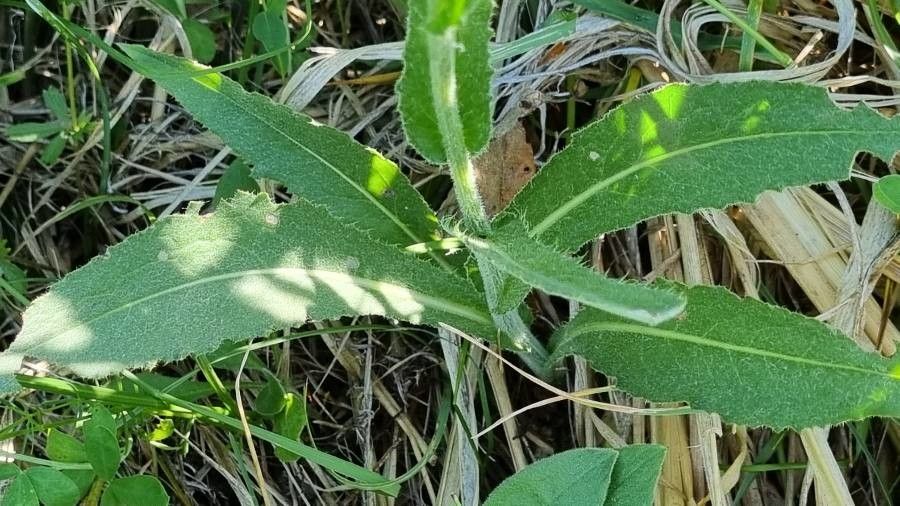
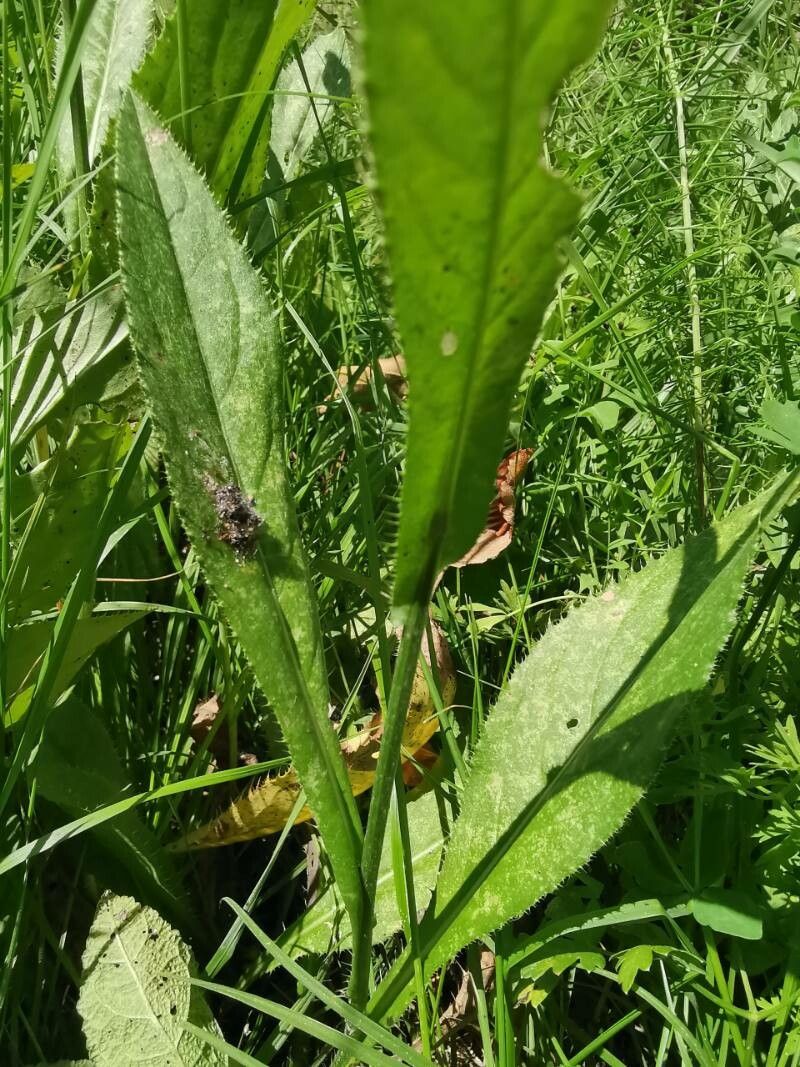
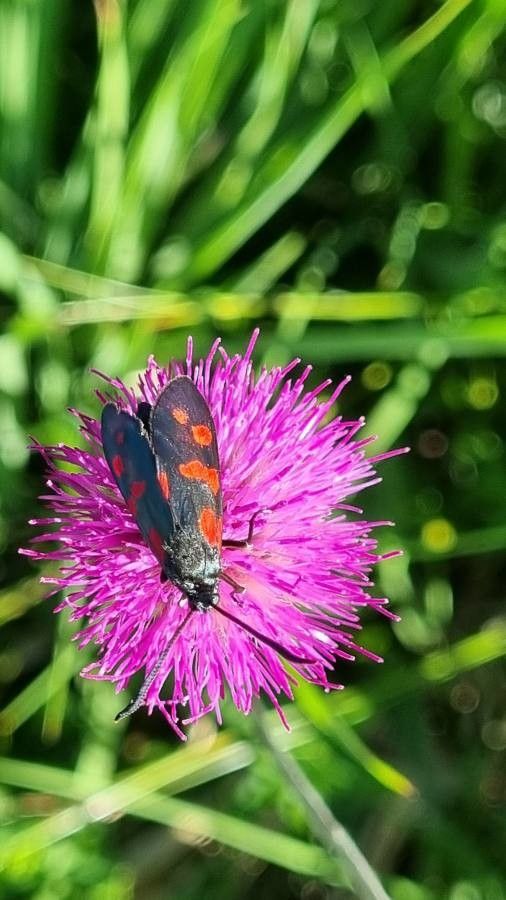
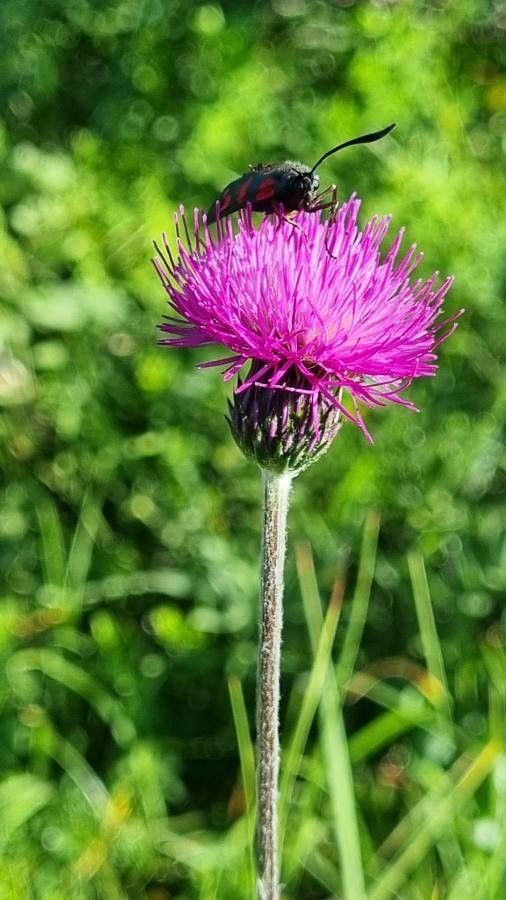
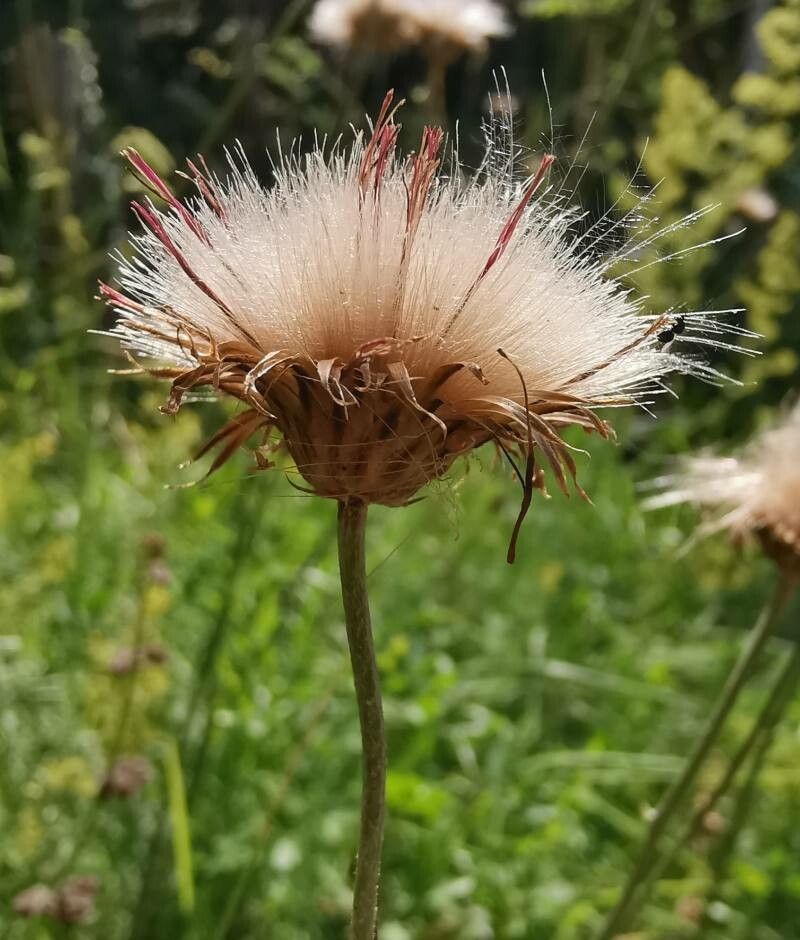
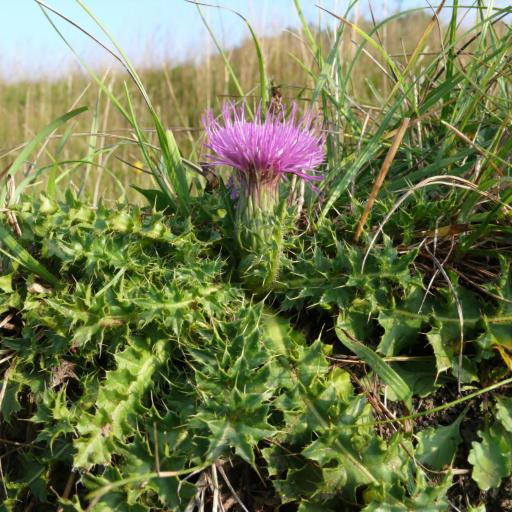
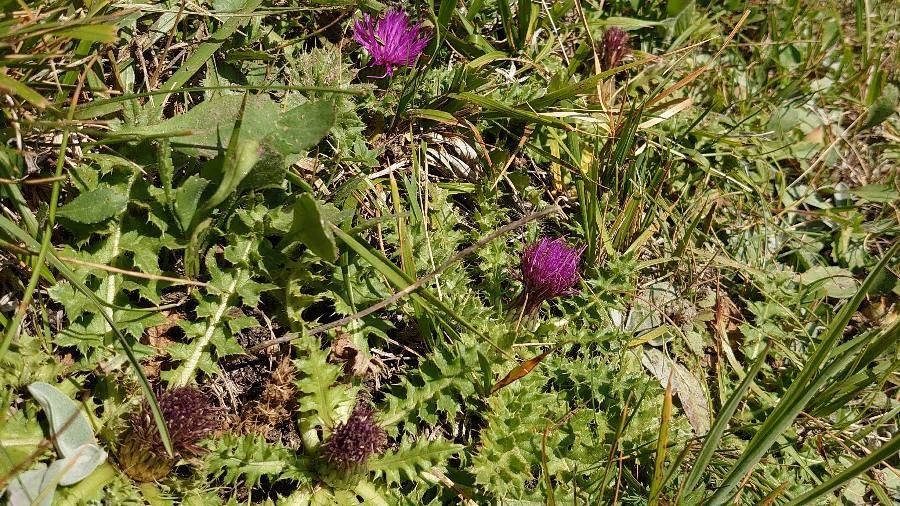
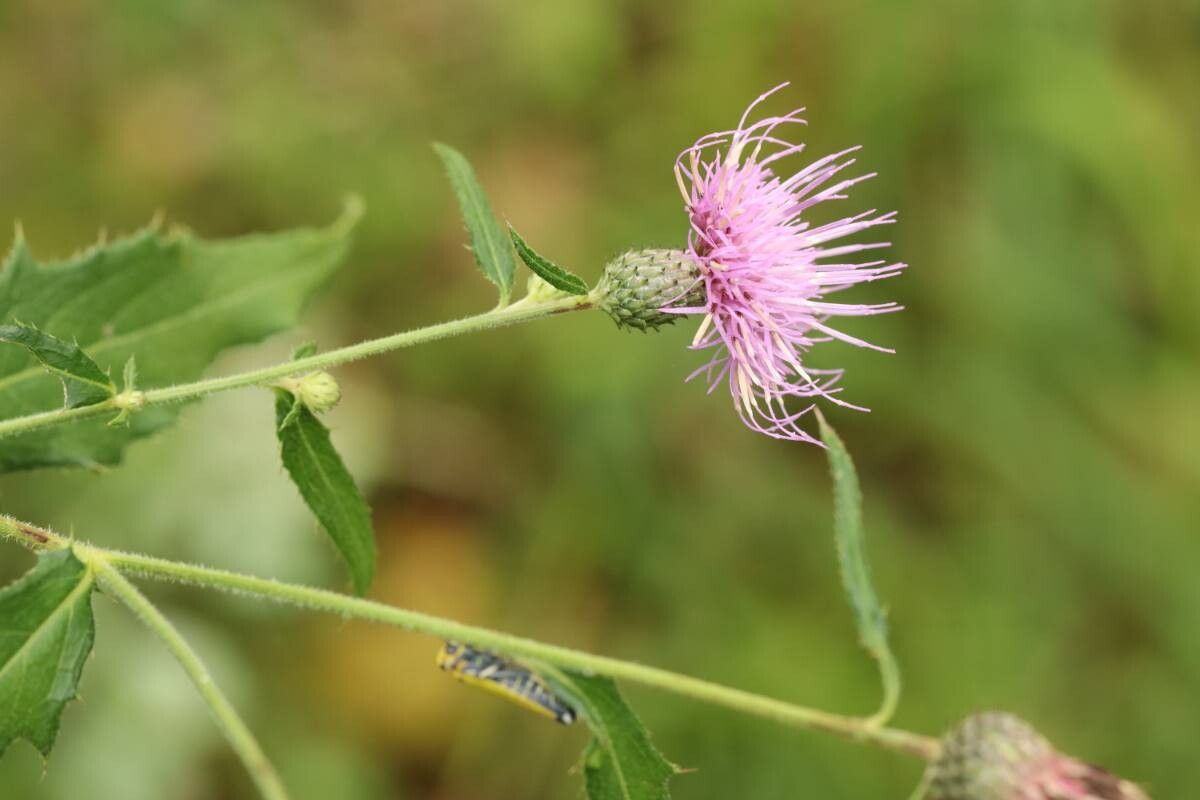
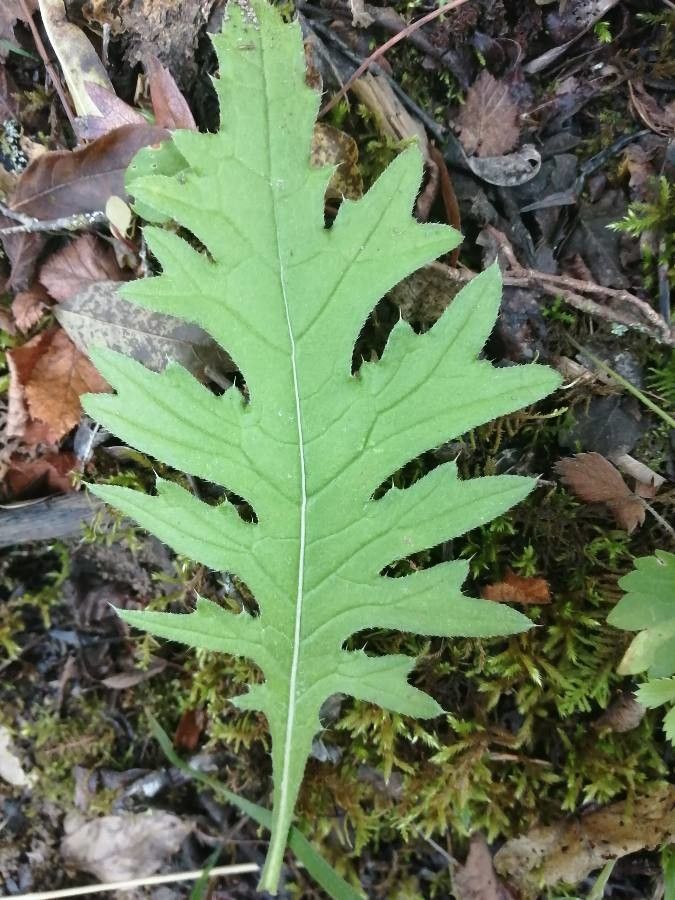
Pannonic thistle is fairly disease-resistant and generally not prone to illnesses. However, it can be affected by pests and diseases present in its environment. These problems are typically not severe. In terms of care, the plant requires moderate maintenance. It should be pruned regularly to retain a tidy appearance and encourage healthy growth. Fertilizing can also help boost flowering. Pannonic thistle is suitable for anyone with outdoor space, such as a garden or patio, and does not demand extensive gardening experience. It may need more attention when grown indoors.
How to keep Cirsium Pannonicum.
Light
Pannonic thistle is a sun-loving perennial herbaceous plant native to open habitats, commonly occurring in meadows and grasslands. It prefers full sun but can also tolerate partial sun.
Water
The Pannonic thistle thrives in temperate regions with moderate moisture levels and is resilient to both adequate watering and occasional drought. Watering it weekly helps maintain its health. As an herbaceous perennial, it needs consistent moisture during its growing season, making it a great choice for climate-conscious gardens.
Fertilizer
One application of fertilizer in spring is generally sufficient for Pannonic thistle, though repeated feedings can maximize growth. Feed every month to every month and a half. Fertilization improves leaf appearance and function, helping maintain even color and a healthy texture. It also promotes root development and nutrient uptake for the plant’s long-term health.
Pruning
The Pannonic thistle is characterized by its spiky leaves and vibrant flowers. To encourage growth and improve airflow, it's best to prune the plant from early to late spring. Make sure to remove any dead stems and spent flowers to promote blooming. Regular pruning helps manage the plant's size and enhances flower production for the next season. Always use clean, sharp tools to prevent the spread of disease.
Botanical profile.