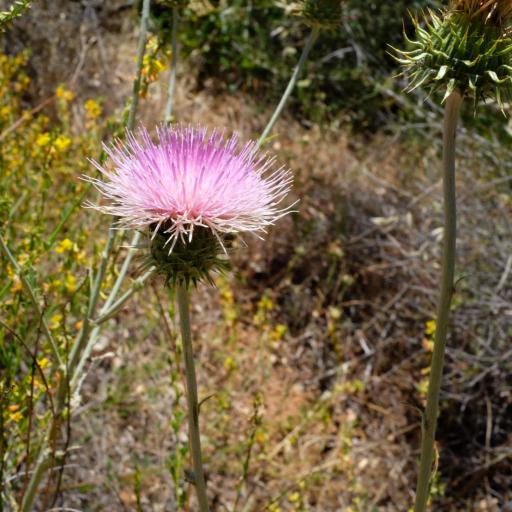
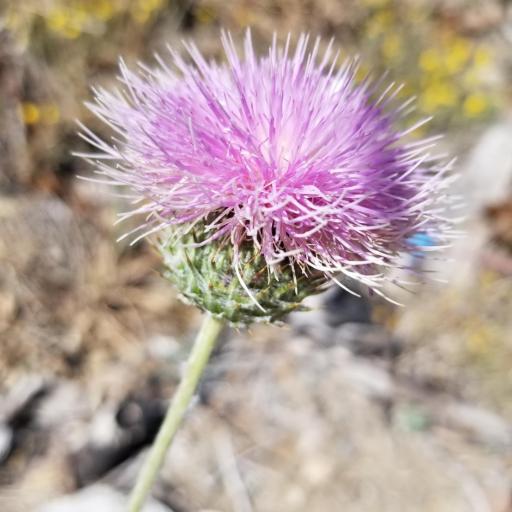
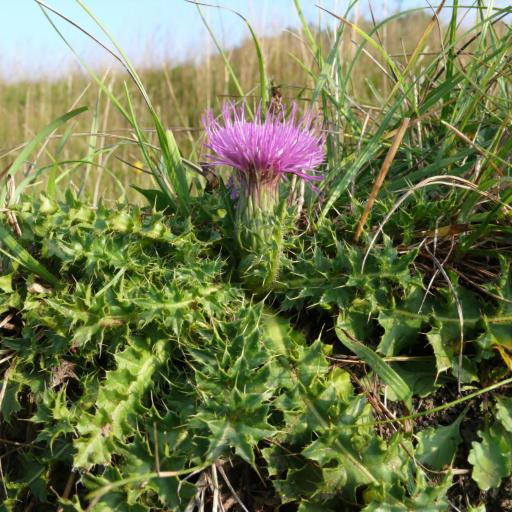
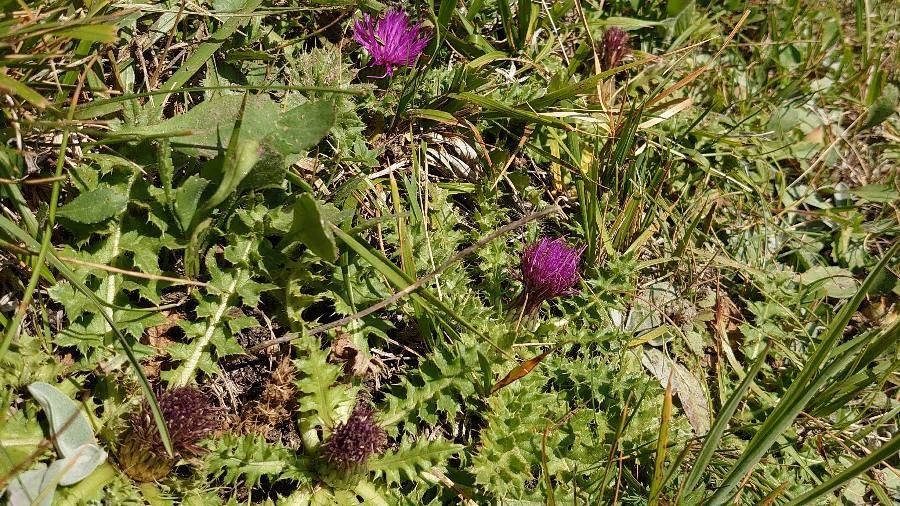
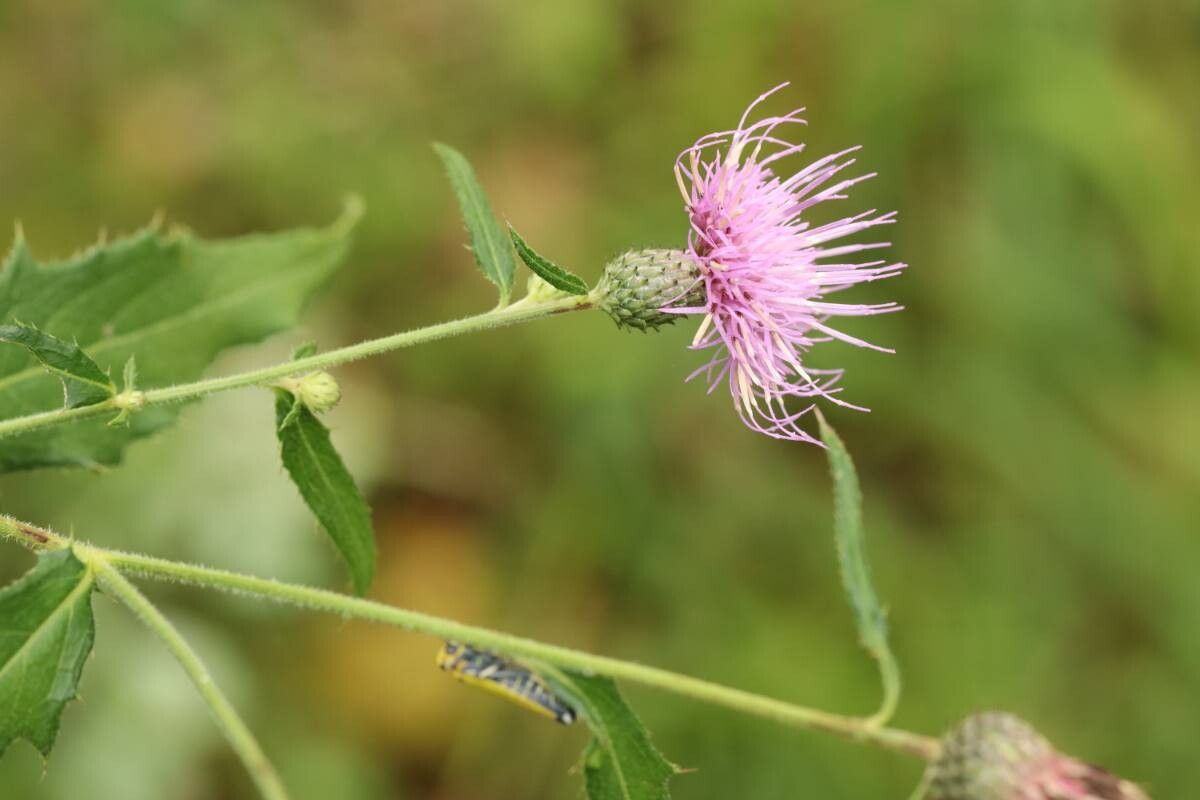
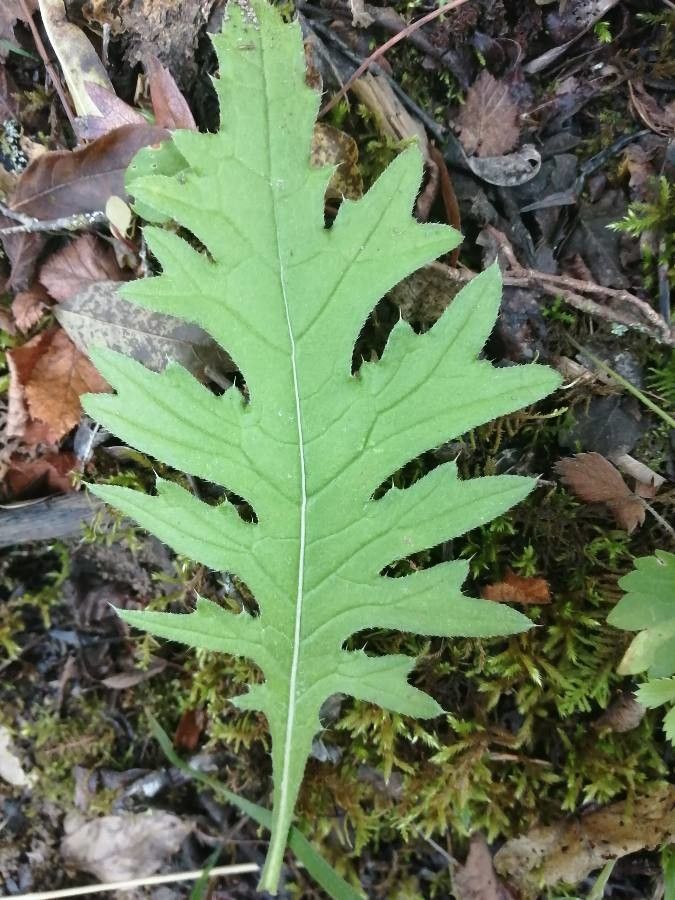
Cirsium occidentale, with the common name cobweb thistle or cobwebby thistle, is a North American species of thistle in the sunflower family.
Cobwebby Thistle is fairly disease-resistant and generally not prone to illnesses. However, it can be vulnerable to pests and diseases present in its environment. These infections are typically mild. For care, this plant requires moderate maintenance. It should be pruned regularly to maintain a good appearance and encourage healthy growth. Fertilizing can also help promote flowering. Cobwebby Thistle is suitable for anyone with outdoor space, such as a garden or patio, and does not demand much gardening experience. It may require more care when grown indoors.
How to keep Cirsium Occidentale.
Light
Cobwebby Thistle prefers locations with plenty of sunlight for best health and growth. It will tolerate partly shaded conditions too, though with reduced vigor. Excessive shade greatly hinders its development. In its native habitat these plants get abundant sun, and those conditions are necessary across their various growth stages.
Water
The Cobwebby Thistle thrives in arid regions, showing remarkable tolerance to drought and a preference for low humidity. It should be watered weekly to mimic its natural dry environment. When grown outdoors, this plant benefits from natural rainfall and occasional deep watering, which helps promote root growth and resilience.
Temperature
Native to milder climates, cobwebby Thistle does best in temperatures of 68 to 100 °F (20 to 38 ℃). In colder weather, providing protection and a warmer environment is recommended to maintain ideal growth conditions.
Fertilizer
The best time to fertilize a Cobwebby Thistle is in early spring, as it comes out of dormancy and begins active growth. Fertilization supplies essential nutrients needed for healthy development. While Cobwebby Thistle has relatively low fertilizer requirements, applying fertilizer annually can improve its survival and encourage better, longer-lasting flowers.
Pruning
The Cobwebby Thistle is known for its unique, web-like markings. It thrives with strategic pruning, which involves removing dead stems in early spring and spent blooms in late spring. These techniques encourage healthy growth and improve the plant’s appearance. Pruning at the right time enhances airflow, reduces the risk of disease, and helps maintain the plant's natural shape.
Botanical profile.
- Plant Type
- Herb
- Life Cycle
- Perennial, Biennial
- Genus
- Cirsium
- Family
- Asteraceae
- Hardiness Zone
- 8-11
- Mature Height
- 0.91 m to 1.22 m
- Mature Spread
- 30 cm
- Leaf Color
- Green, White, Gray
- Leaf Type
- Deciduous
- Flower Color
- Pink, Purple
- Flower Size
- 7.62 cm
- Bloom Time
- Late spring, Early summer, Mid summer
- Planting Time
- Spring, Autumn
- Harvest Time
- Mid summer, Late summer, Early fall
- Native Area
- Mexico
Other names.