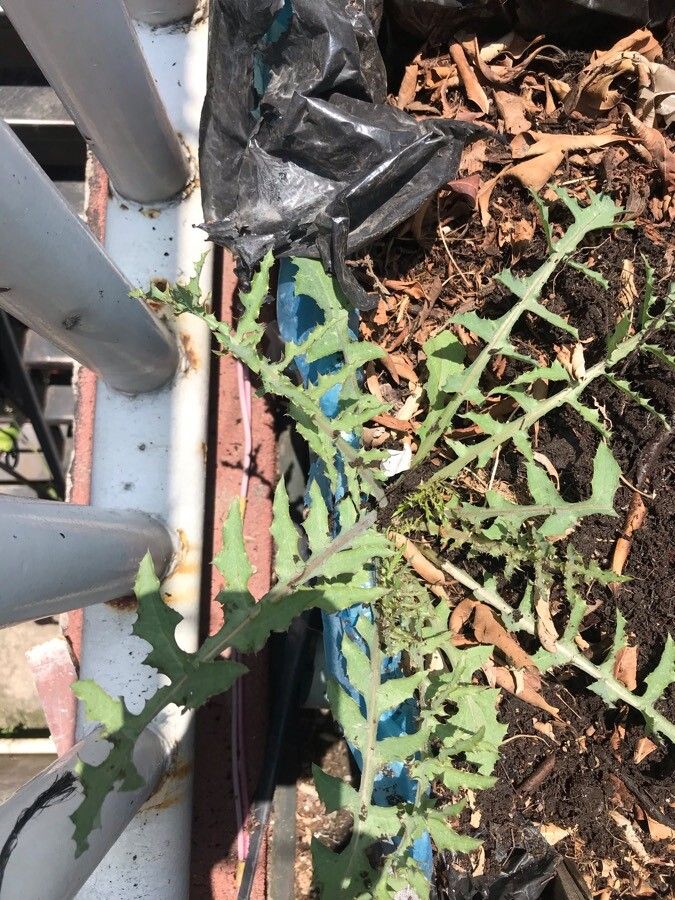
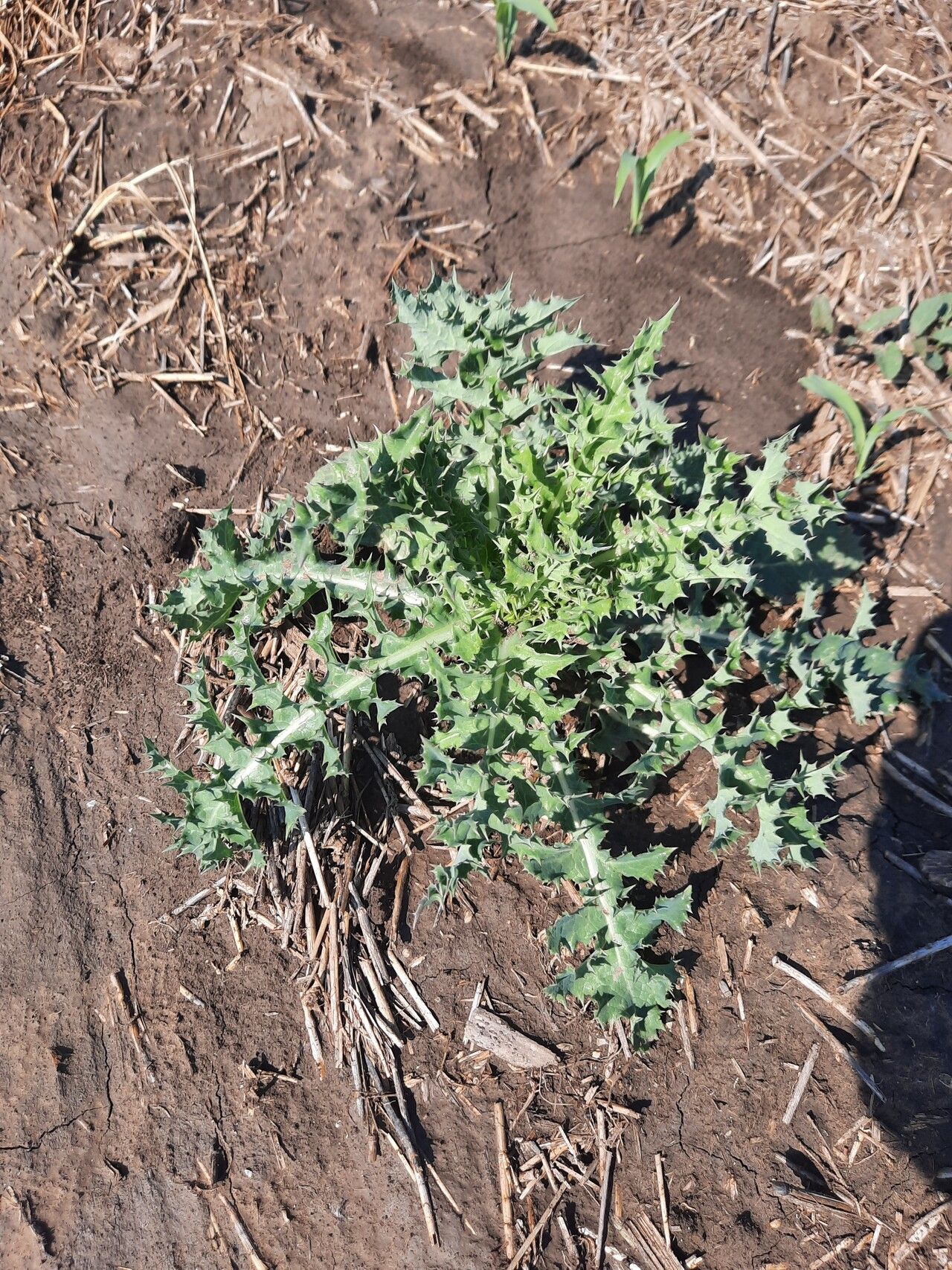
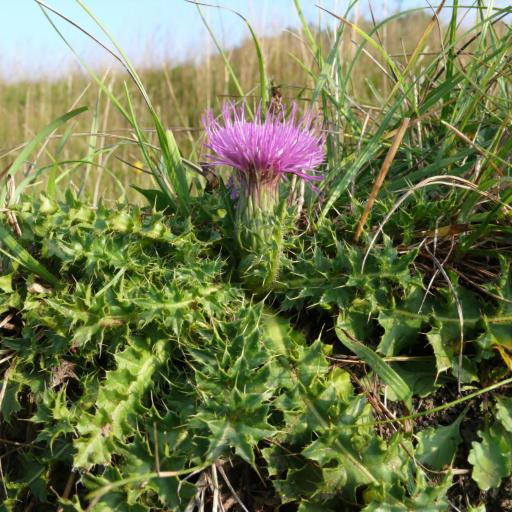
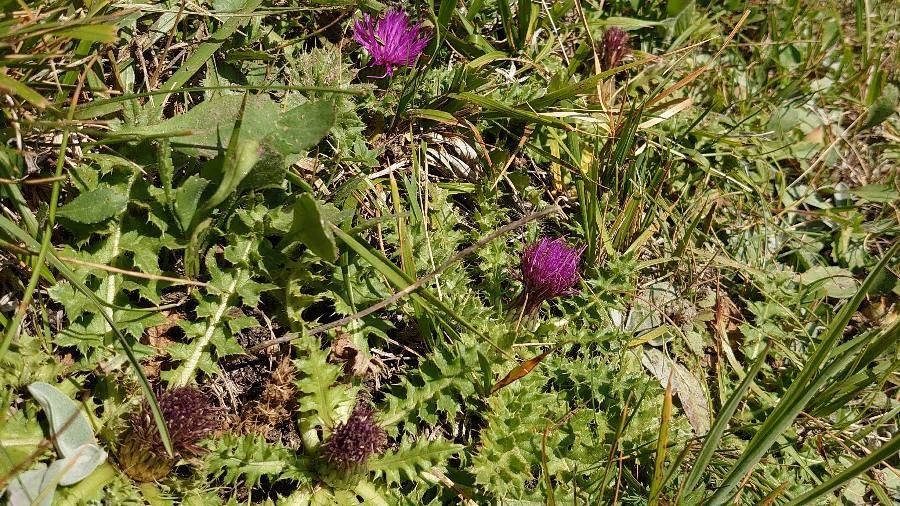
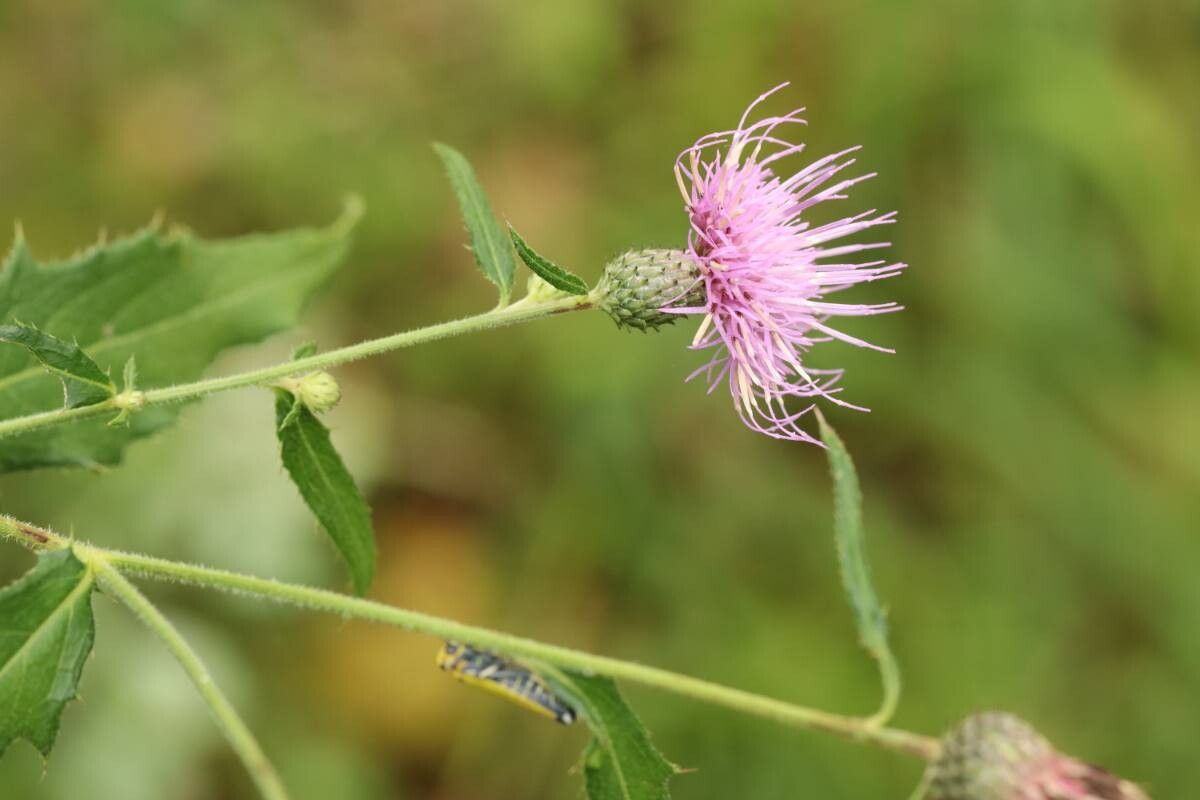
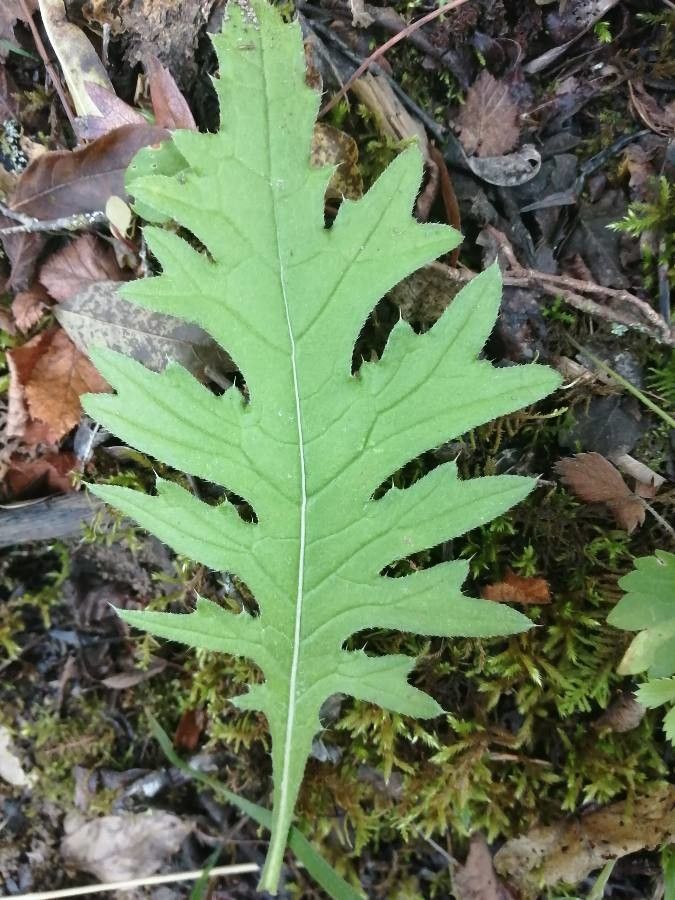
Cirsium fontinale, commonly known as the fountain thistle, is a perennial herbaceous plant that belongs to the Asteraceae family. Native to North America, it thrives in wetlands, marshes, and along stream banks. The plant can reach a height of 1-2 meters and features a stout stem with deeply lobed, spiny leaves. Its flowers, which range in color from pink to purple, bloom from June to September.
The fountain thistle plays a crucial role in wildlife ecosystems, providing food for various insects such as bees and butterflies. It also offers habitat for birds like finches, who feed on its seeds.
Traditionally, Native Americans have used the fountain thistle for medicinal purposes, including treating skin ailments, stomach issues, and respiratory problems.
However, habitat loss due to human activities such as agricultural development and urbanization, combined with competition from invasive species like purple loosestrife and reed canary grass, has led to a significant decline in Cirsium fontinale populations. In some areas, it is now considered an endangered species.
In response, various organizations have initiated conservation efforts, including planting programs aimed at restoring fountain thistle populations to their natural habitats. These efforts are coupled with educational initiatives to raise awareness about the importance of preserving wetlands ecosystems, where this species thrives best.
How to keep Cirsium Fontinale.
Pruning
Fountain thistle is known for its beautiful rosettes and colorful blooms. To promote growth and flowering, prune it in early spring to remove any dead stems. Regularly cutting back spent stalks not only enhances the plant's vigor but also prevents overcrowding. This maintenance supports the overall health and appearance of the plant, ensuring a vibrant garden throughout the season.
Botanical profile.
- Plant Type
- Herb
- Genus
- Cirsium
- Family
- Asteraceae
Other names.