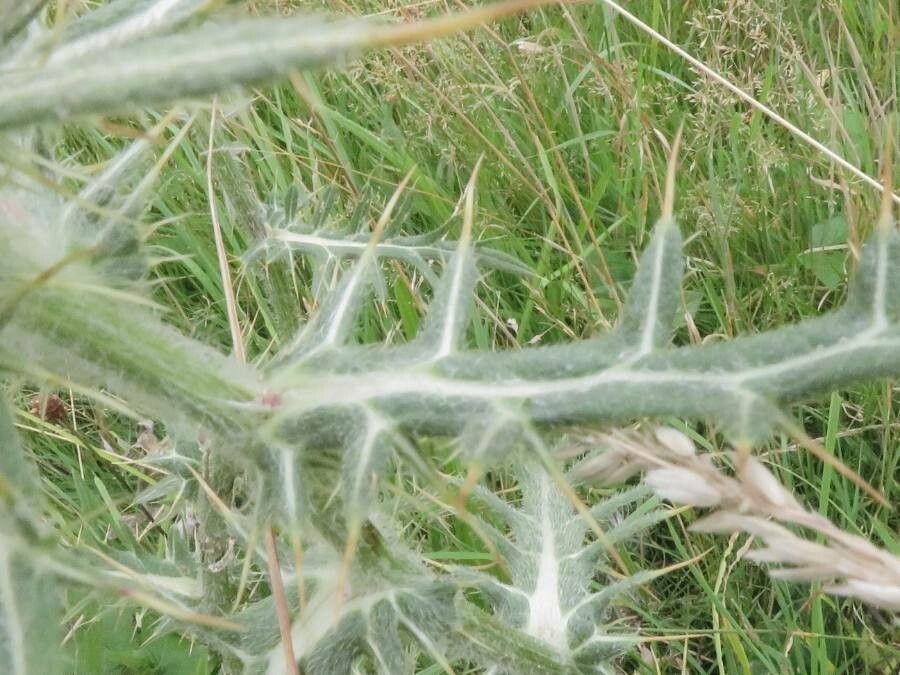
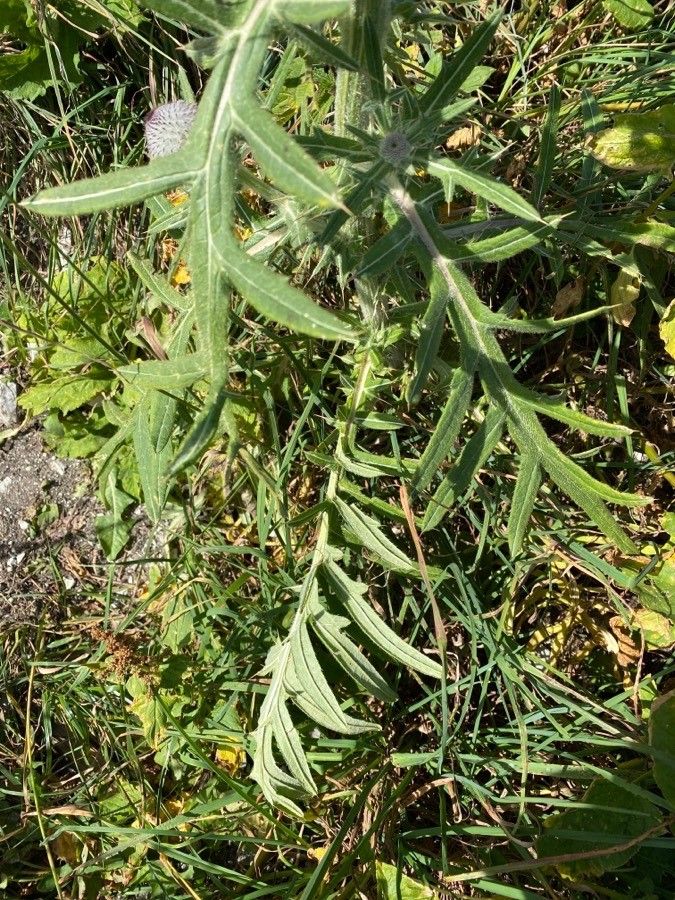
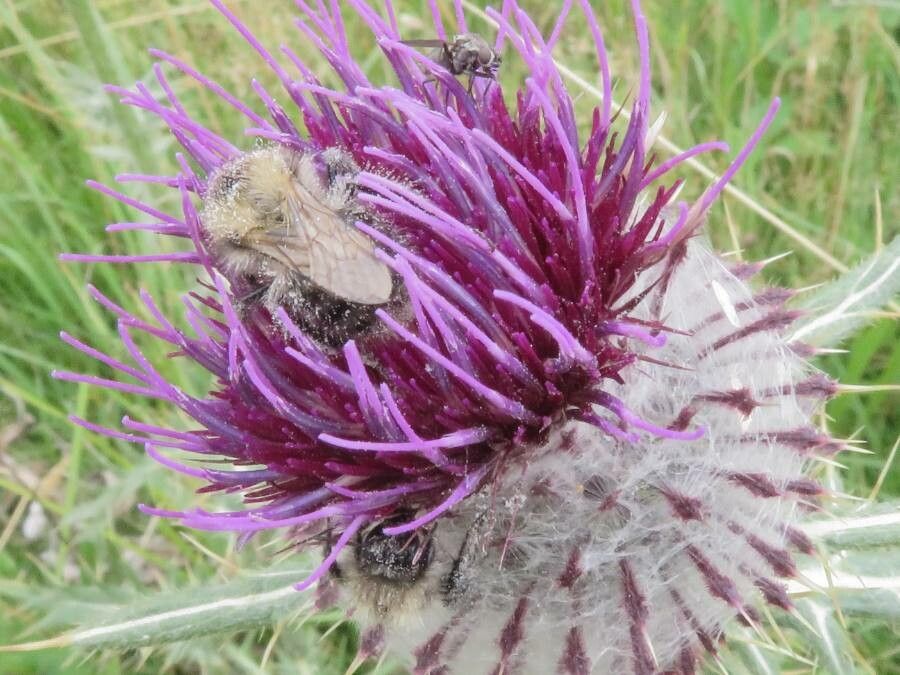
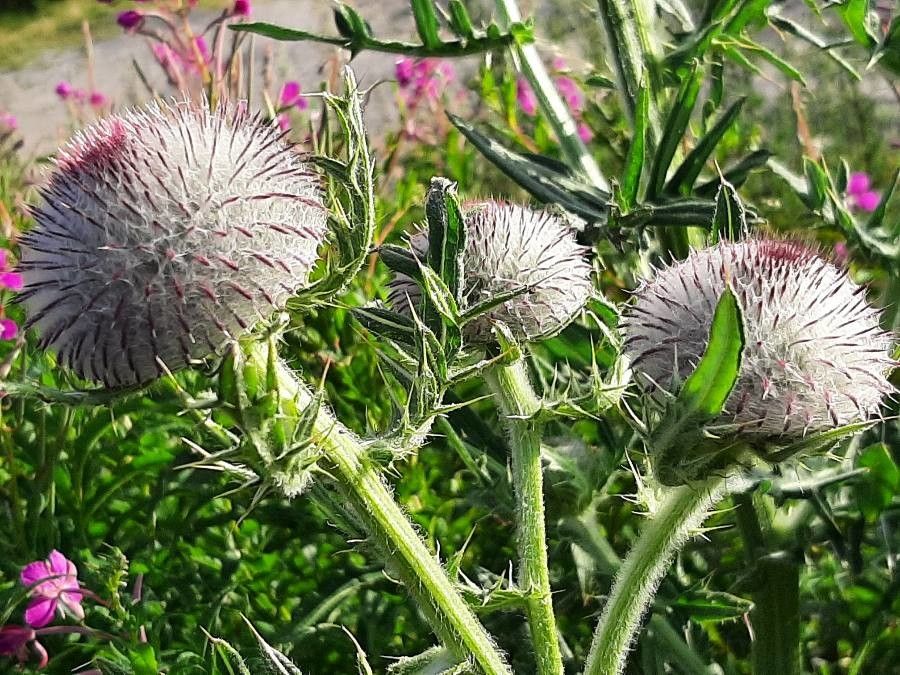
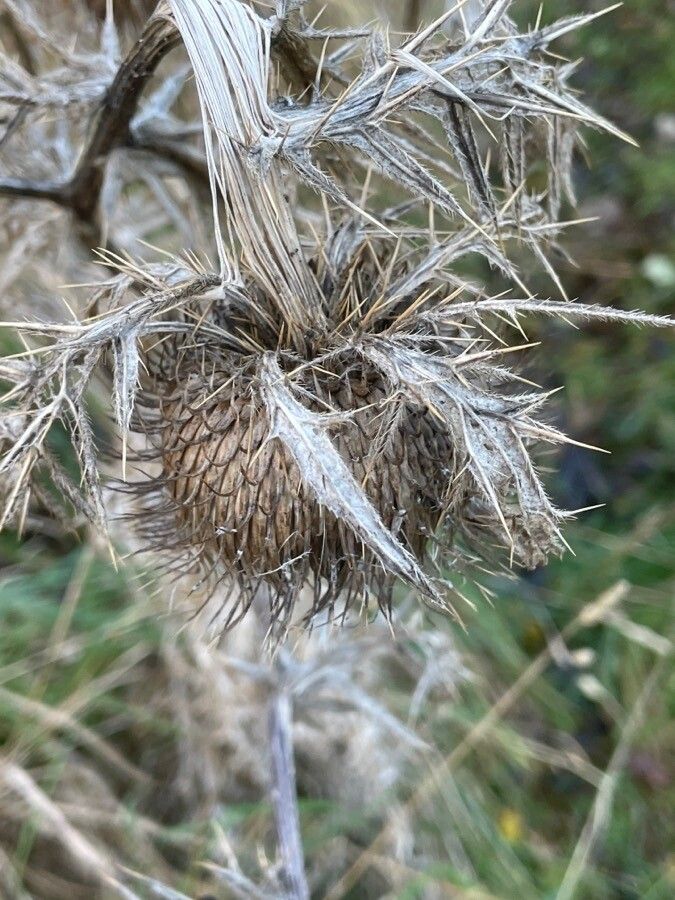
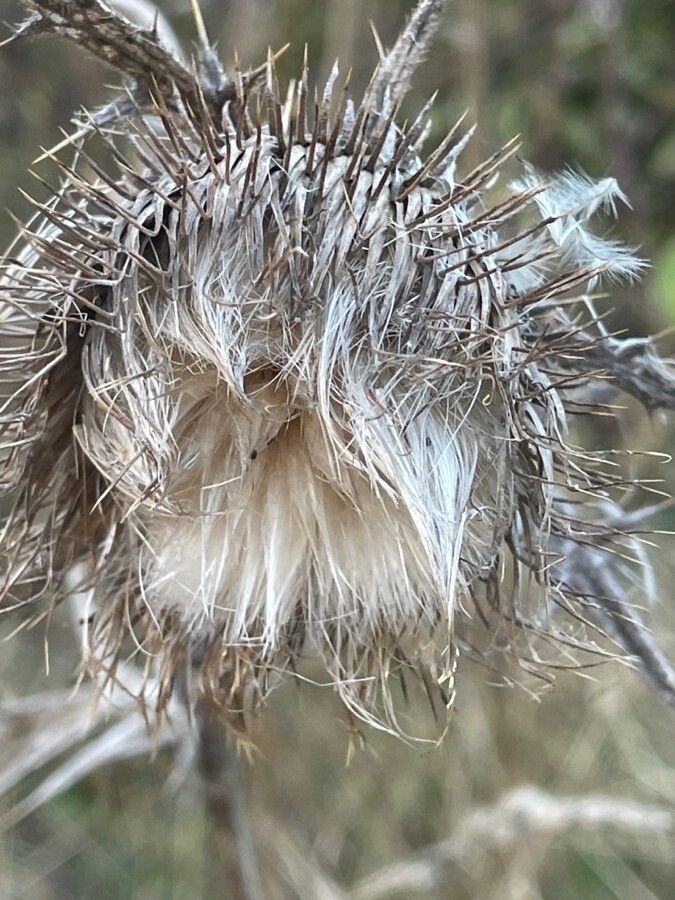
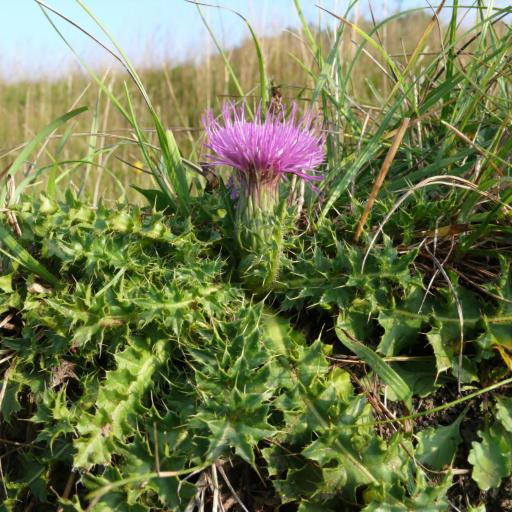
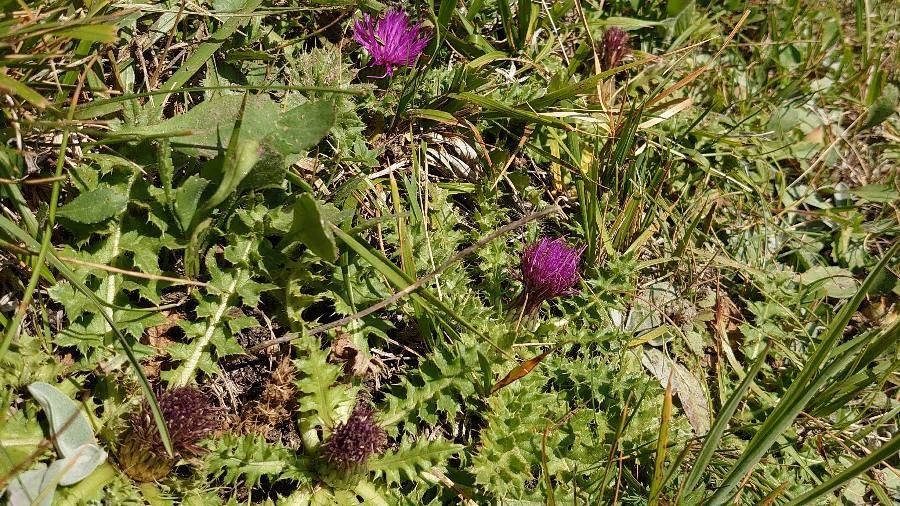
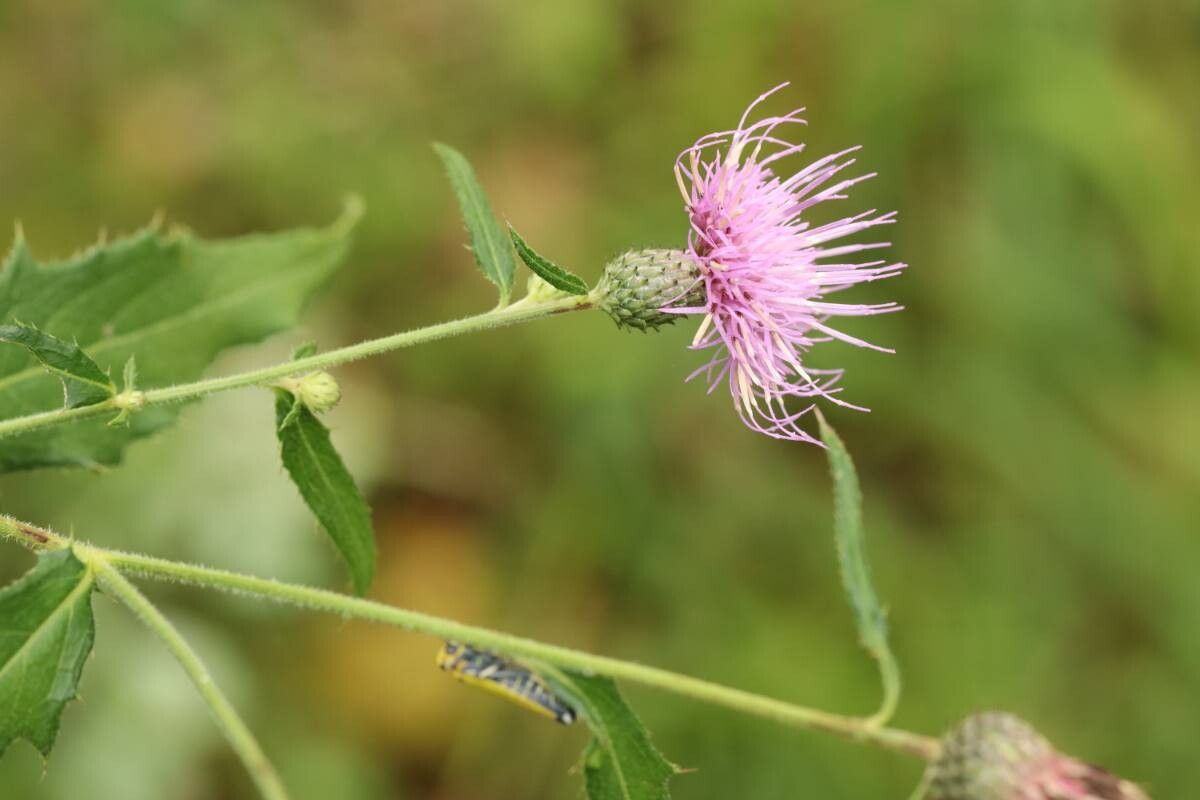
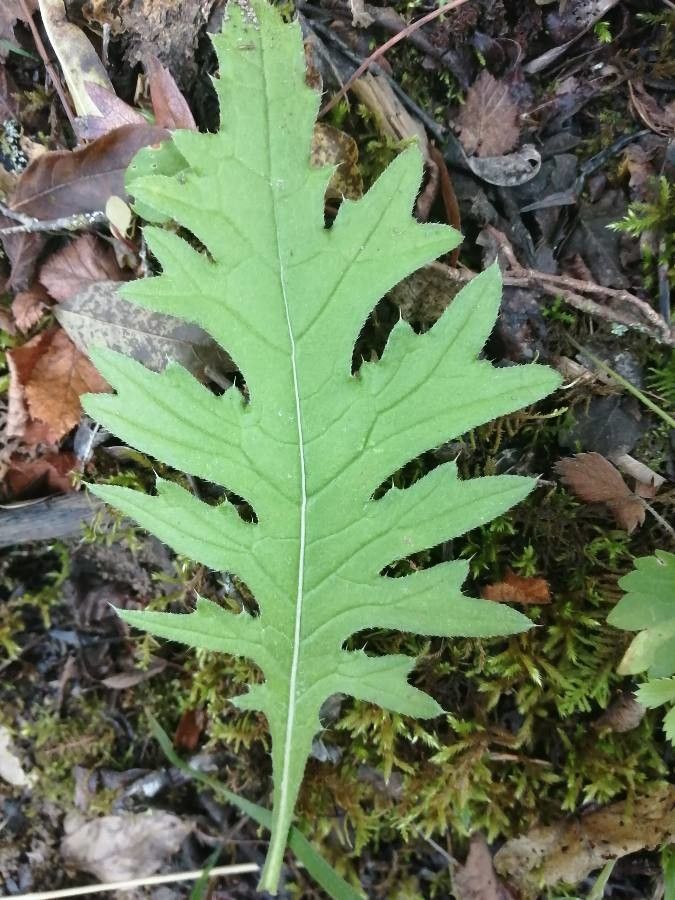
Cirsium eriophorum, the woolly thistle, is a herbaceous biennial species of flowering plant in the genus Cirsium of the family Asteraceae. It is widespread across much of Europe. It is a large biennial plant with sharp spines on the tips of the leaves, and long, woolly hairs on much of the foliage. The flower heads are large and nearly spherical, with spines on the outside and many purple disc florets but no ray florets.
Wooly thistle is fairly disease-resistant and usually not prone to illnesses. However, it can be affected by pests and diseases present in its surroundings, and these problems are typically not serious. In terms of upkeep, this plant requires moderate maintenance. It should be pruned regularly to keep a good appearance and encourage healthy growth. Fertilizing can also help enhance flowering. Wooly thistle is suitable for anyone with outdoor space, such as a garden or patio, and does not demand extensive care experience. It may need more attention when grown indoors.
How to keep Cirsium Eriophorum.
Light
Wooly thistle prefers a place where abundant sunlight falls from the sun all day long. Coming from sun-rich habitats, this plant flourishes in those conditions. Too little or too much light can disrupt its healthy growth; it performs best with steady, plentiful sunlight.
Water
The woolly thistle, native to temperate regions, needs consistent soil moisture and should be watered weekly. As a perennial herb, it grows best in well-draining soil that holds moisture. This balance ensures optimal growth and resilience without causing waterlogging.
Humidity
This plant needs special care because it loves high humidity levels of 60-80% or more. The best way to achieve this is by placing a humidifier near the plant. Daily misting is also essential! Make sure the room has good ventilation.
Temperature
Wooly thistle comes from regions where temperatures range from 68 to 95 °F (20 to 35 ℃). It prospers in those warm environments and may need temperature adjustments during colder seasons to keep optimal growth conditions.
Fertilizer
Wooly thistle requires regular feeding to encourage flowering but does not tolerate too much. It needs light doses of fertilizer given frequently throughout its life, especially during the peak period of active growth and while it's flowering. You will feed your Wooly thistle until it stops blooming.
Pruning
Woolly thistle benefits greatly from regular pruning between early and late spring. The main techniques include removing dead stems and thinning out overcrowded areas to improve airflow. This encourages the plant to grow more densely and produce more flowers. To reduce the risk of infection, always use clean, sharp tools for precise cuts.
Botanical profile.
- Plant Type
- Herb
- Life Cycle
- Biennial, Perennial
- Genus
- Cirsium
- Family
- Asteraceae
- Hardiness Zone
- 5-9
- Mature Height
- 0.91 m to 1.52 m
- Mature Spread
- 30 cm to 61 cm
- Leaf Color
- Green, Dark Green
- Leaf Type
- Semi-evergreen
- Flower Color
- Purple, Pink, Red
- Flower Size
- 5.08 cm to 7.62 cm
- Bloom Time
- Summer
- Planting Time
- Spring, Autumn
- Harvest Time
- Late summer, Early fall, Mid fall
- Native Area
- Turkey, Austria, Czech Republic, Slovakia, Montenegro, Poland, Greece, Croatia, Slovenia, Serbia, Hungary, Germany, Italy, Spain, Switzerland, France, Albania, Ireland, United Kingdom, Romania, Belgium, Netherlands
Other names.
Reader questions.
How should I water my Wooly thistle plant?
To properly water the Wooly thistle, it's best to use filtered water at room temperature. Tap water may have harmful particles, so filtering is recommended. Since the Wooly thistle is native to warm environments, avoid using cold water as it can shock the plant. Additionally, it's not advised to water this plant from above, as it can cause issues with the foliage. Instead, directly apply the filtered room temperature water to the soil until it is completely soaked. This method is beneficial for the plant as it helps moisten the roots and enables them to spread and absorb necessary nutrients from the soil.
Why should I put fertilizer on my Wooly thistle?
Wooly thistle plants have colorful, leafy foliage which requires both nitrogen and potassium for rapid growth. Additionally, nitrogen helps promote taller and fuller plants, while both nutrients are also important for root development and anchoring the plants into the soil.
What are the sunlight requirements for Wooly thistle?
Wooly thistle requires full sunlight to thrive, specifically needing above 6 hours of sunlight daily. It is crucial to watch how sunlight moves through your garden and to select spots that offer a balance of light and shade, ensuring the plants' optimal growth. Wooly thistle originates from environments with abundant sunlight, making it essential to provide adequate light for its healthy development. An imbalance in light exposure can significantly affect its growth, emphasizing the need for a setting rich in sunlight.
What is the ideal climate for wooly thistle?
Wooly thistle, botanically known as Cirsium eriophorum, thrives in warm climates with temperatures ranging from 68 to 95 °F (20 to 35 °C). It is native to areas within these temperature ranges and exhibits strong cold resistance. While it generally does not require special frost protection in winter, it is essential to ensure the plant is protected if temperatures are expected to fall below -25°C by covering it with soil or straw. Additionally, watering the plant abundantly before the first freeze in autumn is recommended to keep the soil moist and prevent drought and water scarcity during the colder seasons.
What should I do if I give my Wooly thistle too much water or too little water?
Overwatering is a more common issue than underwatering for the health of your Wooly thistle. When the plant receives too much water, its stems and leaves may wilt and turn yellow. Overwatering for a prolonged period can also lead to diseases like root rot, mold, and mildew, which can be fatal for your plant. While underwatering is less common for the Wooly thistle due to its drought tolerance, it is still possible. When underwatering occurs, the leaves may become brittle and brown. It is important to notice the signs of overwatering early on as some diseases, like root rot, may not be fixable if you wait too long. If you see early signs of overwatering, reduce your watering schedule immediately and check the quality of your soil. If the soil is poorly draining, replace it with a loose, well-draining potting mix. On the other hand, if you notice signs of underwatering, simply water more regularly until the signs improve.
When should I add fertilizer to my Wooly thistle?
Wooly thistle is a type of plant that needs a lot of nutrients because it grows quickly, has big leaves, and contains a lot of water. To ensure healthy growth and prevent any problems, it's important to provide fertilizer throughout the entire growing season. If you don't, signs of nutrient deficiency will start to show and the plant's growth will be affected. In the past, it was believed that once Wooly thistle started changing color in the autumn, they didn't need as many nutrients and fertilizer applications could be reduced or stopped. However, recent research has shown that even after the plant matures, giving it a small amount of nitrogen fertilizer is still beneficial. This won't significantly impact the plant's color, but it will help prevent the lower leaves from turning yellow and falling off.
How can artificial lighting support Wooly thistle growth indoors?
Indoor Wooly thistle plants require adequate lighting to grow optimally, especially when natural sunlight is insufficient. During winter or in less sunny spaces, artificial lights become crucial, promoting faster, healthier growth. LED lights are recommended for indoor plant lighting as they can be customized to provide specific wavelengths needed by the plants. Full sun plants need 30-50W/sq ft of artificial light, partial sun plants need 20-30W/sq ft, and full shade plants require 10-20W/sq ft. The artificial light source should be placed 12-36 inches above the plant, mimicking natural sunlight, and it's necessary to determine the duration of exposure, typically 8-12 hours per day, to replicate natural daylight hours for your plant species.
How does wooly thistle react to low temperatures?
Wooly thistle is cold-tolerant and performs best when the temperature remains above 20°C. Even though it can survive winter temperatures without noticeable changes, if the temperature falls below -25°C, there might be a decrease in sprouting or failure to sprout at all come spring. For parts of the plant that fail to sprout in the spring, removal is the recommended solution to prevent any detrimental impact on the overall health of the plant.
How many times should I water my Wooly thistle plant?
If your Wooly thistle is in a pot, the most accurate way to determine if it needs water is by sticking your finger into the soil. If the top two to three inches of soil are dry, then it's time to water it. If you grow your Wooly thistle outdoors in the ground, you can use a similar method to check the soil. Once again, if the top few inches of soil have dried out, it's time to water. Typically, during the spring and early fall, watering once a week is sufficient. However, during extremely hot weather, you may need to water twice or even more per week. Keep in mind that mature and well-established Wooly thistle plants have a impressive ability to withstand drought.
When is the best time to not fertilize my Wooly thistle?
Fertilizer can sometimes harm Wooly thistle instead of helping it, especially if the plant is already stressed. If the Wooly thistle is dealing with diseases or insect problems, it's best to avoid fertilizing. Fertilizer can weaken the plant's defenses, making it more susceptible to further pest problems or disease infections. Additionally, it's important to avoid fertilizing when the soil surface is hardened or too dry, as this can cause fertilizer burn on the roots. Instead, water the potting soil lightly to moisten it before applying fertilizer.
What are the symptoms of inadequate light for Wooly thistle when grown indoors?
Wooly thistle exhibits several symptoms when subjected to inadequate light conditions, including smaller new leaves compared to mature ones, leggy or sparse growth, faster leaf drop, and halted or no new growth, signaling the plant's entry into survival mode. Leaves may develop irregular color patterns or appear paler, indicating chlorosis—a condition where leaves lose their green color. Sunscald, resulting from intense sunlight exposure, leaf curling as a defense mechanism against excess sunlight, wilting from increased water loss, and leaf scorching characterized by brown, dry edges on leaves, are also common symptoms of light-related stress.
What should be done if wooly thistle is exposed to high temperatures?
During the summer, it's crucial to ensure that the temperature for wooly thistle does not exceed 35°C. Temperatures above 38°C can cause the leaves to lighten in color, become prone to curling, and suffer from sunburn. In severe cases, high temperatures can lead to the wilting and drying out of the plant. To mitigate these effects, sunburned and dried parts should be trimmed away. Moving the plant to a shaded location or using a shade cloth to protect it from the midday and afternoon sun can help. It's also advisable to water the plant in the morning and evening to maintain soil moisture.