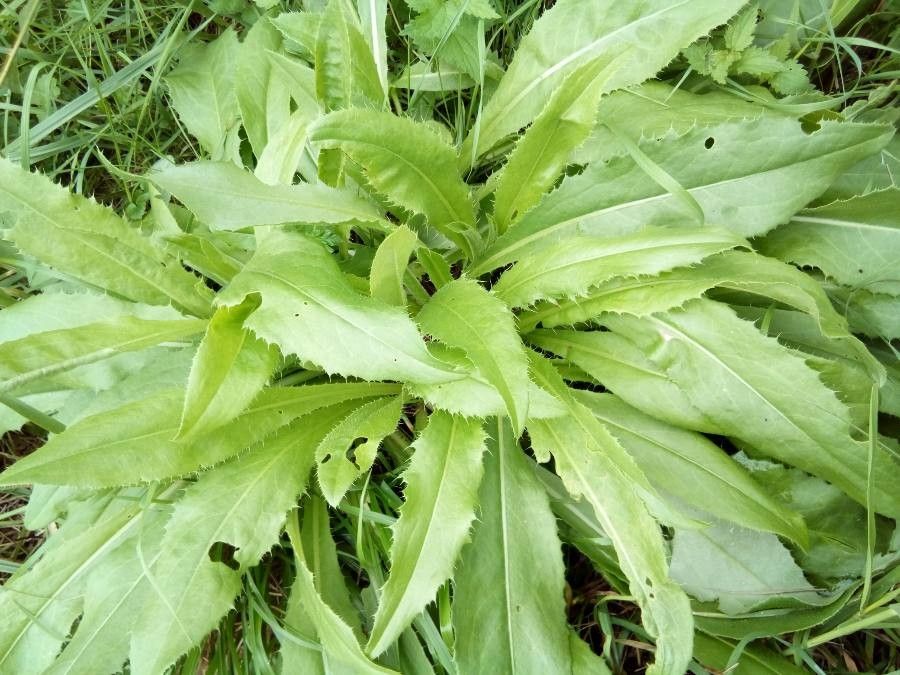
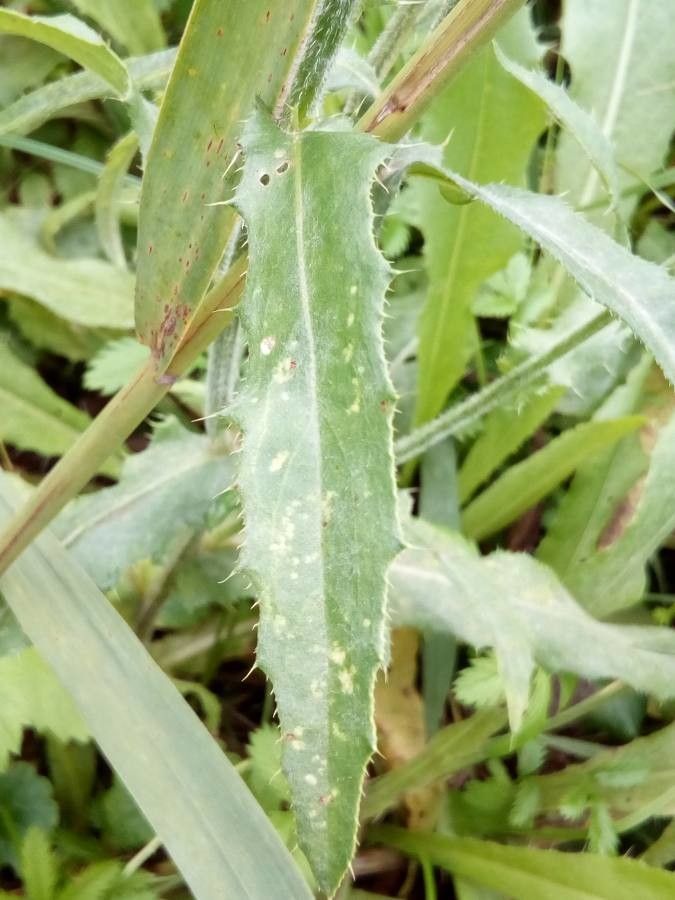
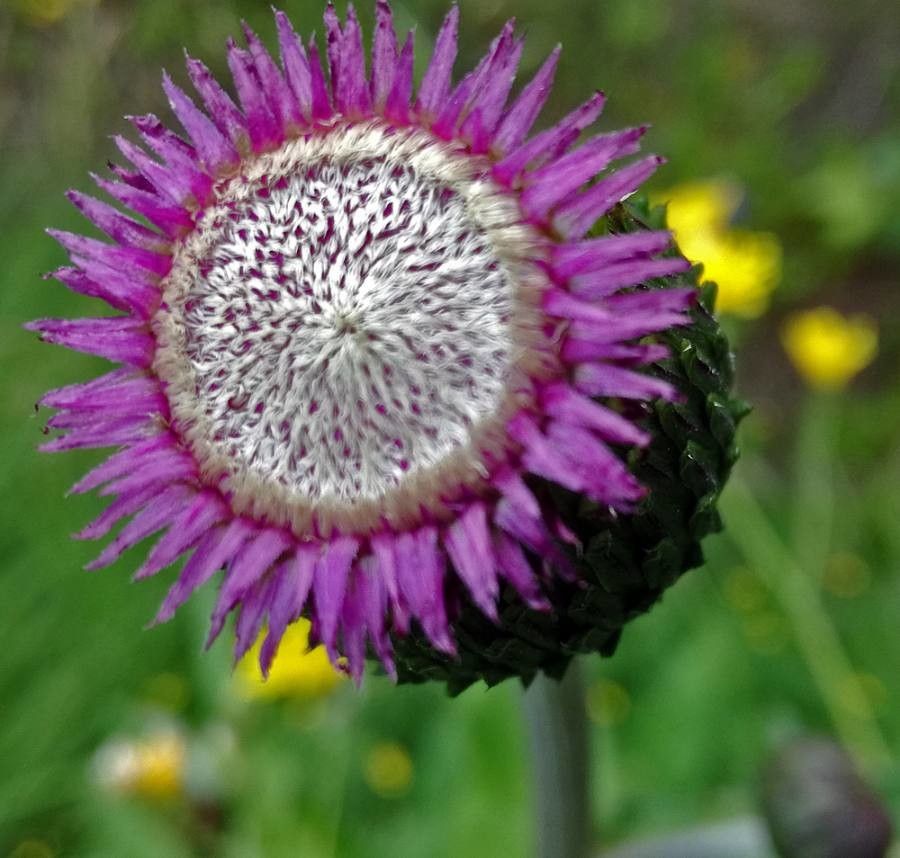
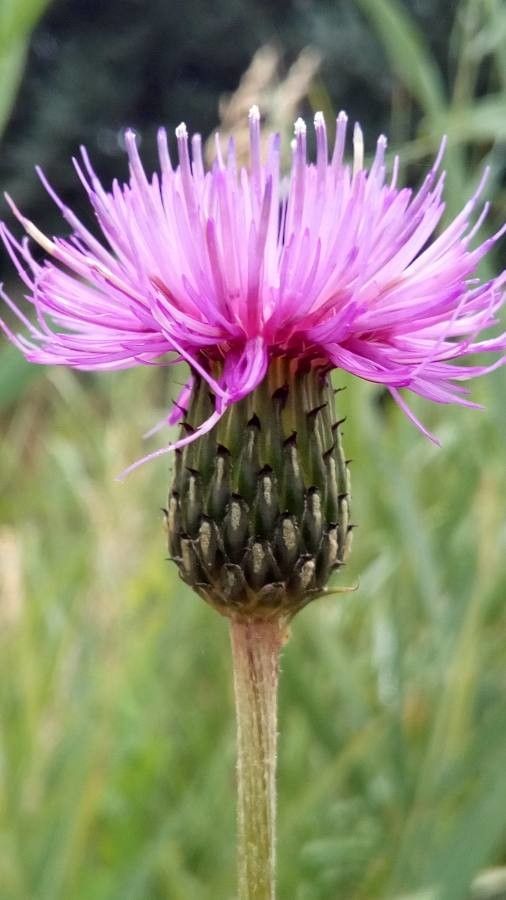
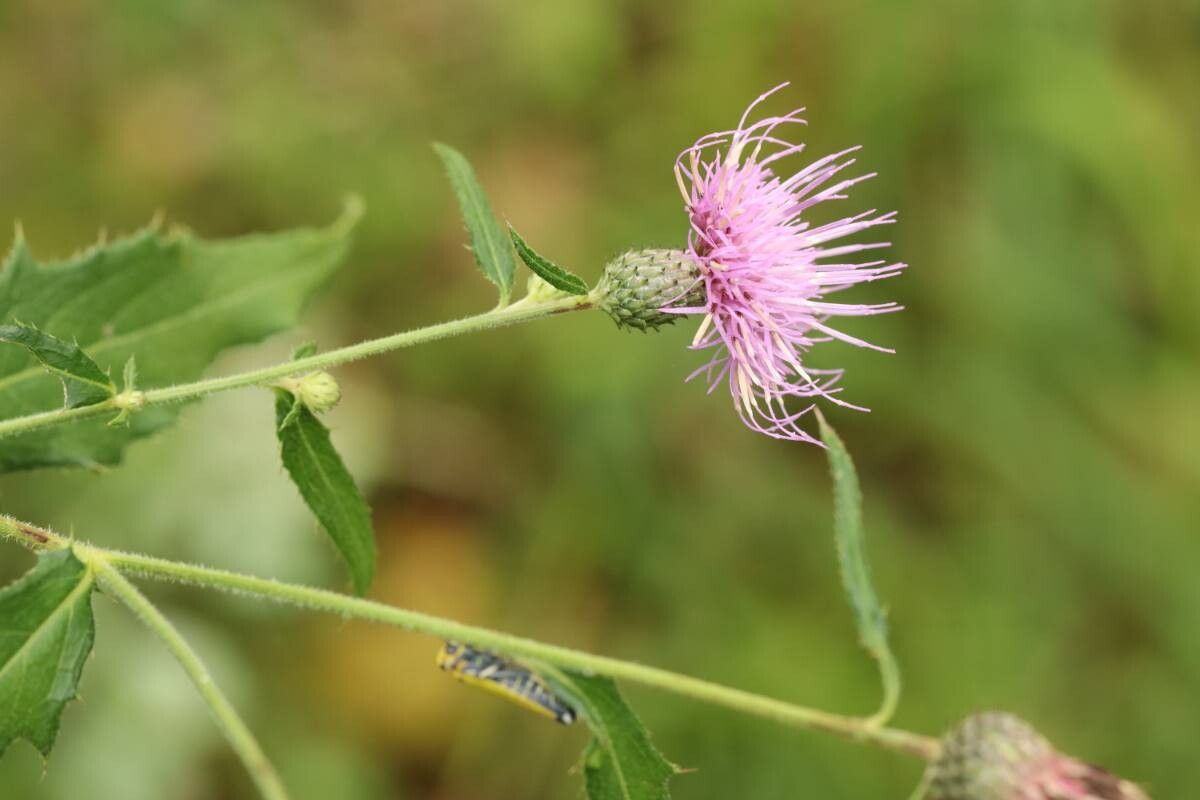
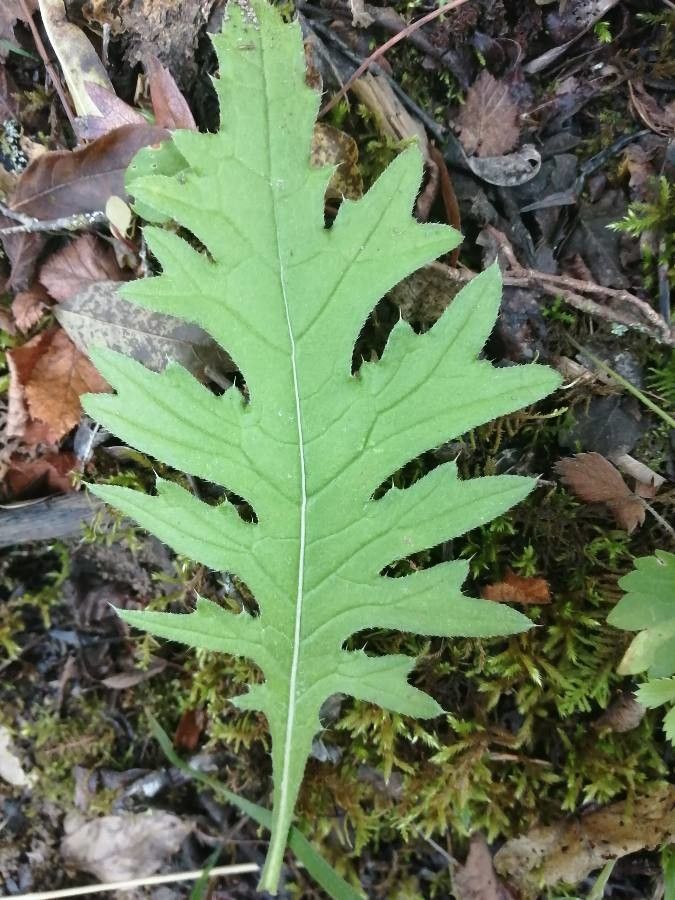
Queen anne's thistle has strong disease resistance and is generally not prone to illnesses. Nevertheless, it can be vulnerable to pests and diseases found in its surroundings, though these infections are usually minor. For care, this plant needs moderate maintenance. It should be pruned regularly to keep a neat appearance and encourage healthy growth. Fertilizing can also help promote flowering. Queen anne's thistle is suitable for people with outdoor spaces, such as a garden or patio, and does not require extensive gardening experience. It may demand more care if grown indoors.
How to keep Cirsium Canum.
Light
Queen anne's thistle is a sun-loving perennial herbaceous plant native to open habitats, frequently thriving in meadows and grasslands. It prefers full sun but can also tolerate partial sun.
Water
Queen Anne's thistle prefers consistent moisture and needs to be watered weekly to thrive. While it can withstand short dry spells, it remains healthiest in humid conditions. When grown outdoors, it requires careful watering during long dry periods, as it is adapted to natural rainfall patterns.
Temperature
Queen Anne's thistle comes from habitats with mild climates. It prefers temperatures from 41 to 77 °F (5 to 25 °C). Matching seasonal temperatures to that range will best support the plant's natural preferences and growth habit.
Fertilizer
The best time to fertilize a Queen anne's thistle is in early spring, as it comes out of dormancy and begins active growth. Fertilization supplies essential nutrients for healthy development. Although Queen anne's thistle has relatively low fertilizer needs, applying fertilizer annually can improve its survival and encourage better, longer-lasting flowers.
Pruning
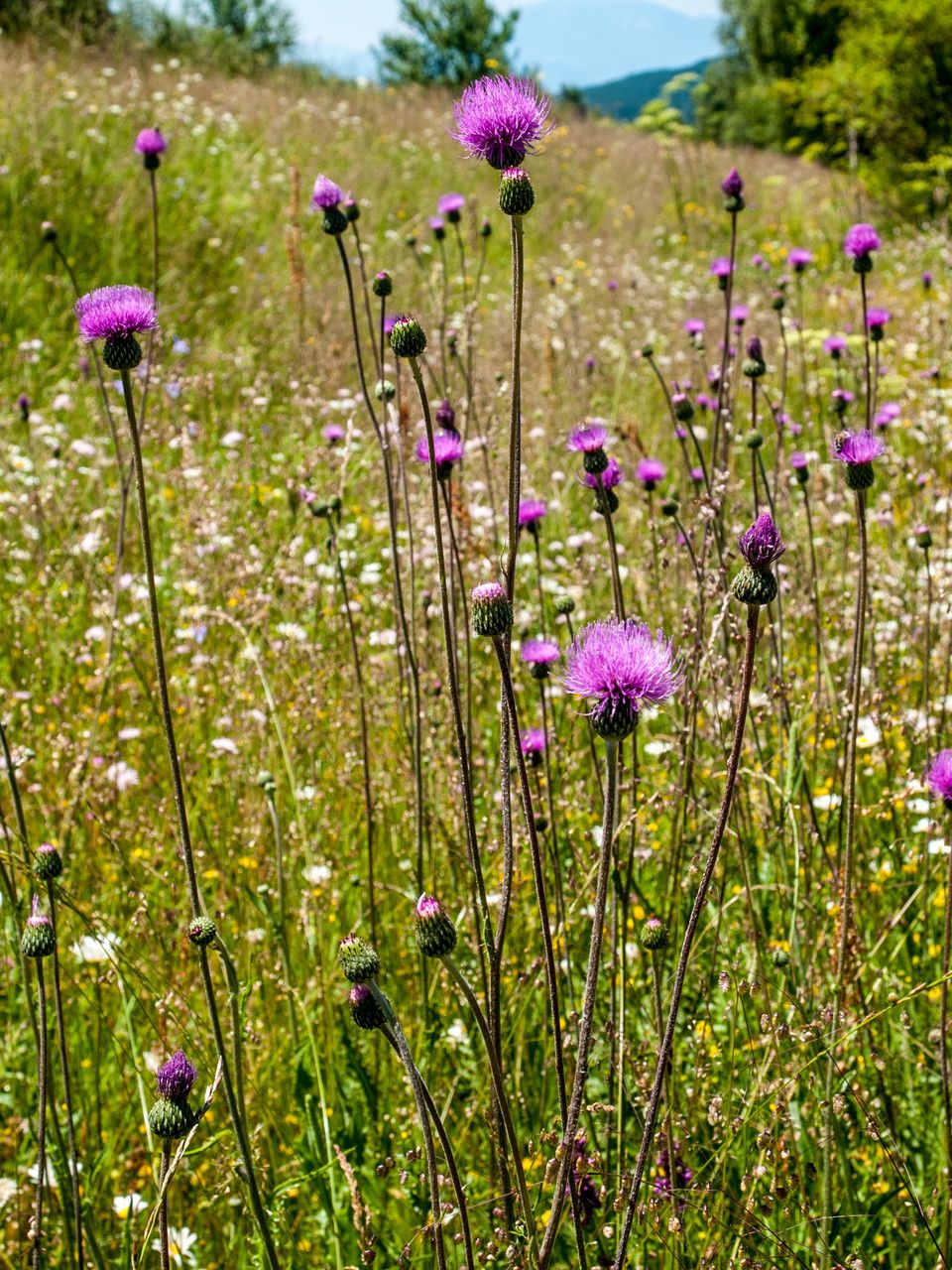
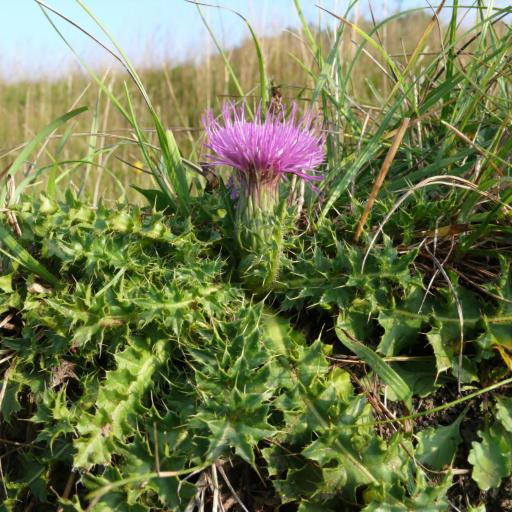
Queen Anne's thistle showcases vibrant purple flowers and spiny leaves. To promote healthy growth, prune the plant from early to late spring by removing dead stems and overgrown shoots. This will improve airflow and sunlight access. Make clean, sharp cuts to minimize stress, prevent disease, and enhance blooming.
Botanical profile.
- Plant Type
- Herb
- Life Cycle
- Perennial
- Genus
- Cirsium
- Family
- Asteraceae
- Hardiness Zone
- 4
- Mature Height
- 1.52 m to 2.13 m
- Mature Spread
- 30 cm
- Leaf Color
- Green, Dark Green
- Leaf Type
- Semi-evergreen
- Flower Color
- Pink, Purple
- Flower Size
- 2.03 cm to 4.06 cm
- Bloom Time
- Mid summer, Late summer, Early fall
- Planting Time
- Spring, Summer
- Harvest Time
- Early fall, Mid fall
- Native Area
- Turkey, Sweden, Austria, Czech Republic, Slovakia, Montenegro, Bulgaria, Armenia, Poland, Croatia, Slovenia, Belarus, Ukraine, Serbia, Russia, Hungary, Germany, Italy, Switzerland, Iran, Azerbaijan, Romania, Moldova, France
Other names.
Reader questions.
How should I water my Queen Anne's thistle plant?
To properly water the Queen Anne's thistle, it is best to use filtered water at room temperature. Tap water may contain harmful particles that can affect the plant's health. Since the plant is accustomed to warm environments, avoid using cold water as it may shock its system. Additionally, it is recommended to avoid overhead watering as it can cause issues with the foliage. Instead, directly apply the filtered, room temperature water to the soil until it becomes completely soaked. This will benefit the plant by ensuring the roots are moist and can continue to spread and absorb necessary nutrients from the soil.
Why should I put fertilizer on my Queen Anne's thistle?
The structural integrity of Queen anne's thistle is largely reliant on its leaves. Fertilization plays a crucial role in enhancing the appearance and function of these leaves. By properly fertilizing, you can ensure that the leaves of your Queen anne's thistle maintain a consistent color and a healthy texture. Moreover, fertilization also aids in the growth of new roots and the upkeep of existing ones underneath the soil. This means that fertilization not only promotes immediate plant health, but it also enhances the plant's ability to absorb nutrients from the soil in the long run.
What are the sunlight requirements for Queen Anne's Thistle?
Queen Anne's Thistle thrives in full sun, which means it needs above 6 hours of sunlight daily. However, it can also tolerate partial sun conditions, requiring about 3-6 hours of sunlight. It's essential to watch how sunlight moves through your garden to find spots that offer a perfect balance of light and shade, ensuring the plant's happiness and healthy growth.
What is the native environment of Queen Anne's thistle?
Queen Anne's thistle is native to environments with mild temperatures. It thrives in temperatures ranging from 41 to 77 °F (5 to 25 °C). To support the plant's natural growth habits best, adjusting the temperature to this range across different seasons is recommended.
What should I do if I give too much or too little water to my Queen Anne's thistle?
Overwatering is a common issue for Queen anne's thistle and can cause wilting, yellowing, and diseases like root rot. Underwatering is less common, but can make the leaves brittle and brown. It's important to recognize the signs of overwatering early and adjust your watering schedule accordingly. If the soil doesn't drain well, replace it with a loose, well-draining mix. If the plant lacks water, simply increase your watering frequency until the signs improve.
When should I put fertilizer on my Queen Anne's thistle?
If you want to grow your Queen Anne's thistle outdoors, you can expect new growth to appear in early spring. This is the signal that it's time to start fertilizing for the year. In most cases, a single application of fertilizer in the spring is enough for the thistle to thrive. However, if you want to see maximum growth, you can fertilize multiple times throughout the spring and early summer. If you decide to do this, you can feed the thistle about once a month to a month and a half.
How can artificial lighting support Queen Anne's Thistle indoor growth?
For optimal growth of indoor plants like Queen Anne's Thistle, especially when natural sunlight is insufficient, artificial lighting can be a vital solution. LED lights are recommended because they can be customized to provide the specific wavelengths of light plants need. Full sun plants require 30-50W/sq ft, partial sun plants need 20-30W/sq ft, and full shade plants need 10-20W/sq ft of artificial light. The light source should be placed 12-36 inches above the plant to mimic natural sunlight, and the duration should mimic natural daylight hours, typically 8-12 hours per day.
Does Queen Anne's thistle require frost protection measures?
No, Queen Anne's thistle does not require additional frost protection measures during winter due to its high cold tolerance. However, to ensure the plant remains healthy through winter and early spring, it is recommended to water it generously before the first freeze in autumn. This step helps keep the soil moist and prevents drought and water scarcity.
How frequently do I need to water my Queen anne's thistle plant?
If your Queen Anne's thistle is in a pot, the most precise way to determine if it needs water is by checking the soil. Plunge your finger into the soil and if the top two to three inches are dry, it's time to water. If you have Queen Anne's thistle growing outdoors in the ground, you can use a similar method to test the soil. Once the top few inches of soil have dried out, it's also time to water. Typically, during spring and early fall, you may need to water this plant once a week using this method. However, during extremely hot weather, you may need to increase watering frequency to twice or more per week. It's worth noting that mature, well-established Queen Anne's thistle has an impressive ability to withstand drought.
When is the best time to not put fertilizer on my Queen anne's thistle?
During the late fall and winter, your Queen Anne's thistle goes into a dormant phase and stops producing new growth. Because of this, it's best to avoid fertilizing it during this time. In the spring and summer, if you decide to fertilize multiple times, gradually reduce the rate as summer approaches because the thistle's growth rate also slows down. It's always a bad idea to fertilize when the weather is unusually hot or the soil is extremely dry, as this can stress the thistle and cause it to die prematurely.
What are the signs of inadequate lighting for Queen Anne's Thistle?
Symptoms of inadequate lighting in Queen Anne's Thistle include smaller new leaves, leggy or sparse growth, faster leaf drop, slower or no new growth, and lighter-colored or chlorotic leaves. Additionally, excessive sunlight can cause leaf curling, wilting, leaf scorching, sunscald, and chlorosis, indicating the plant's need for an optimal balance of light.
What should be done if the temperature drops below -30°C for Queen Anne's thistle?
If the temperature drops below -30°C, Queen Anne's thistle may not show immediate changes during winter but might have decreased or no sprouting in spring. To address this, remove any parts of the plant that have failed to sprout in spring.