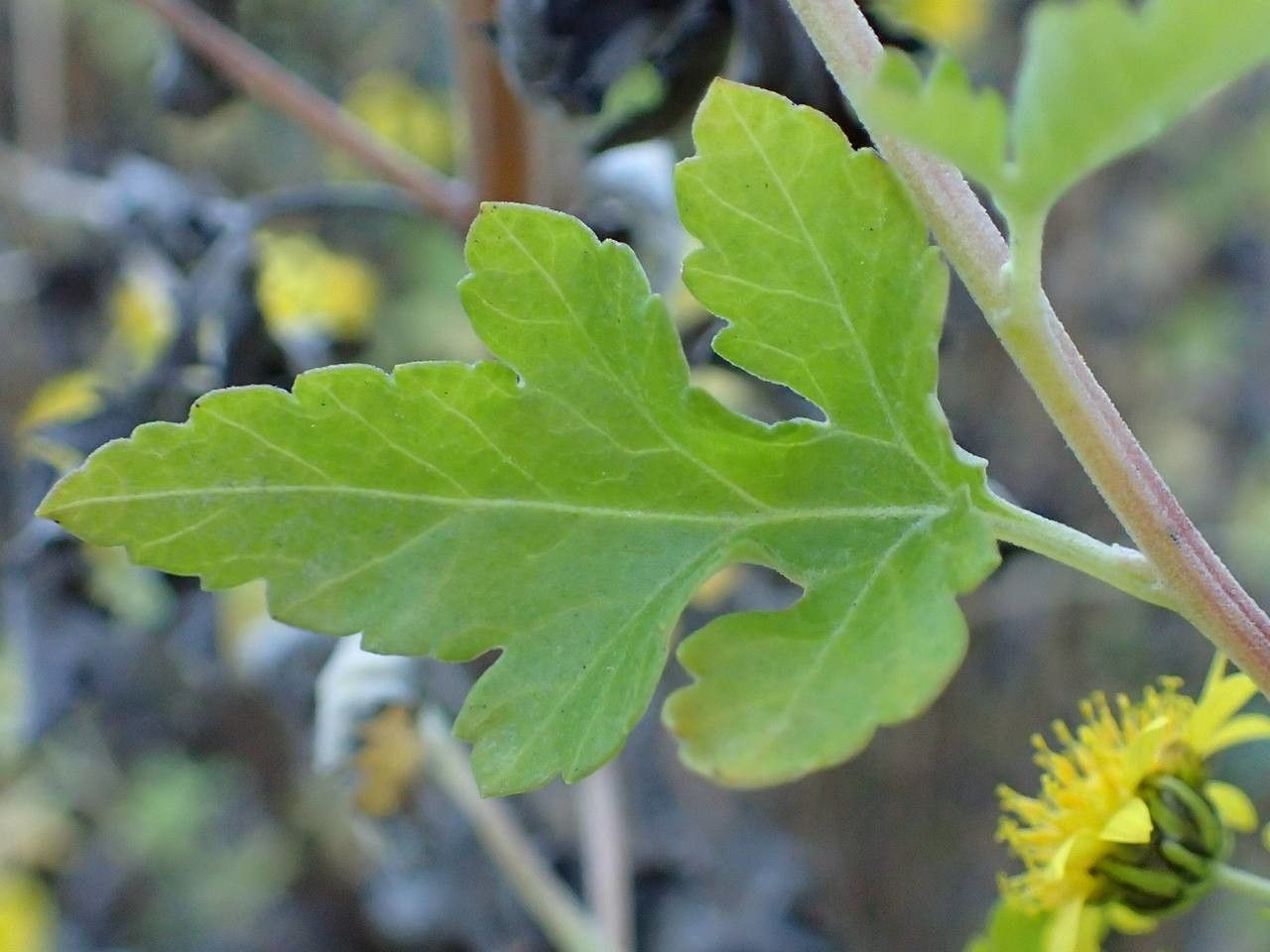
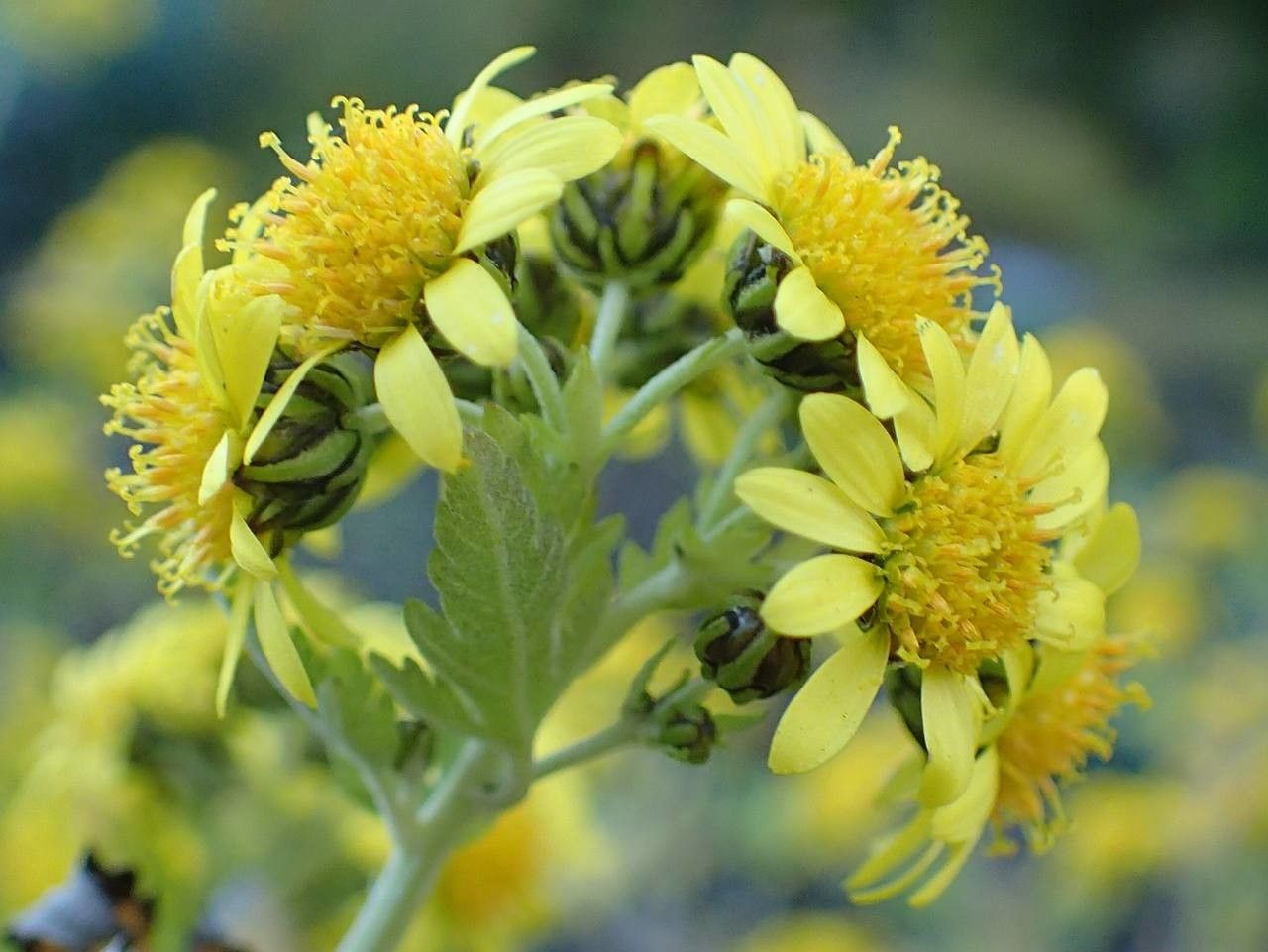
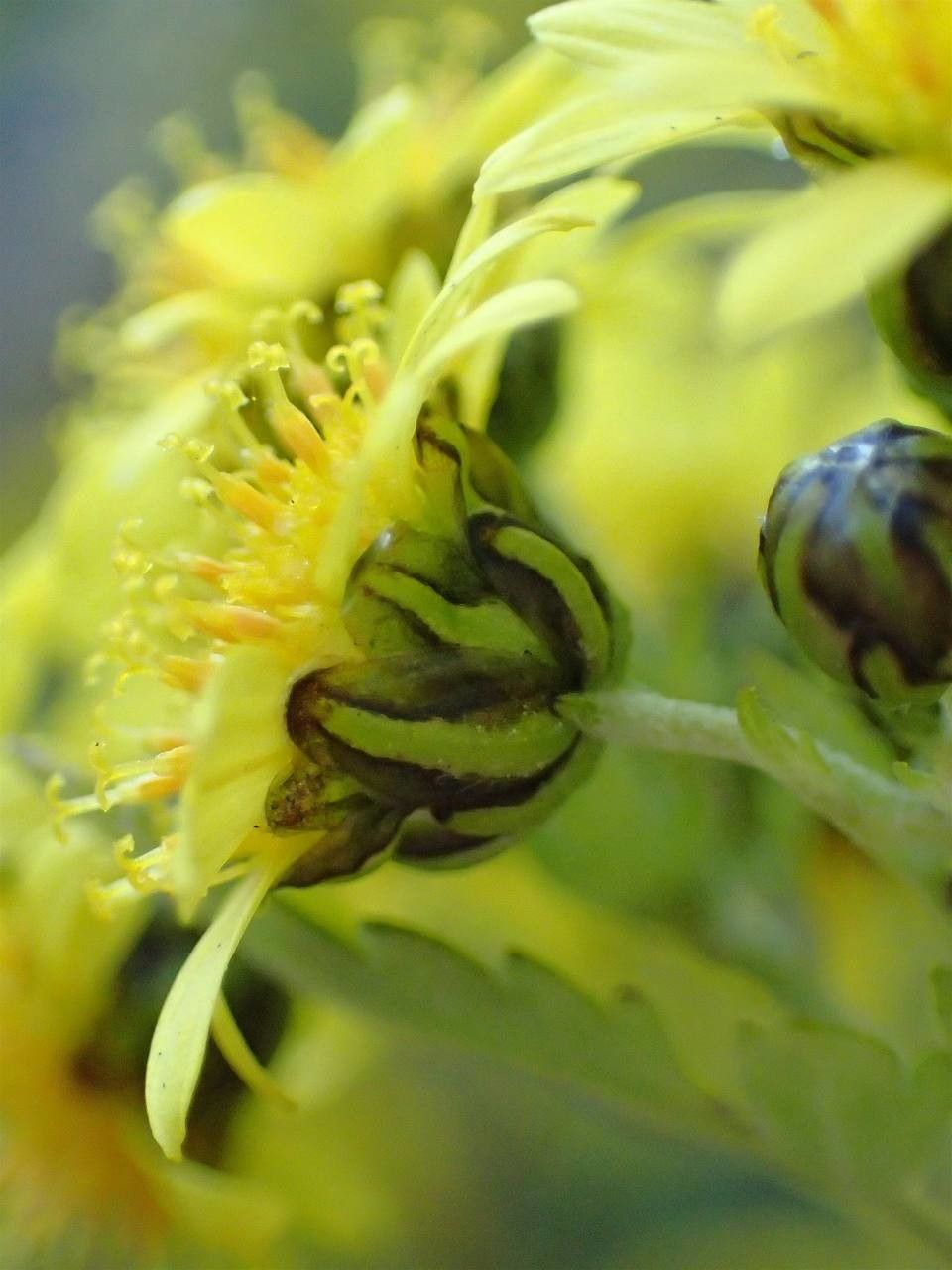
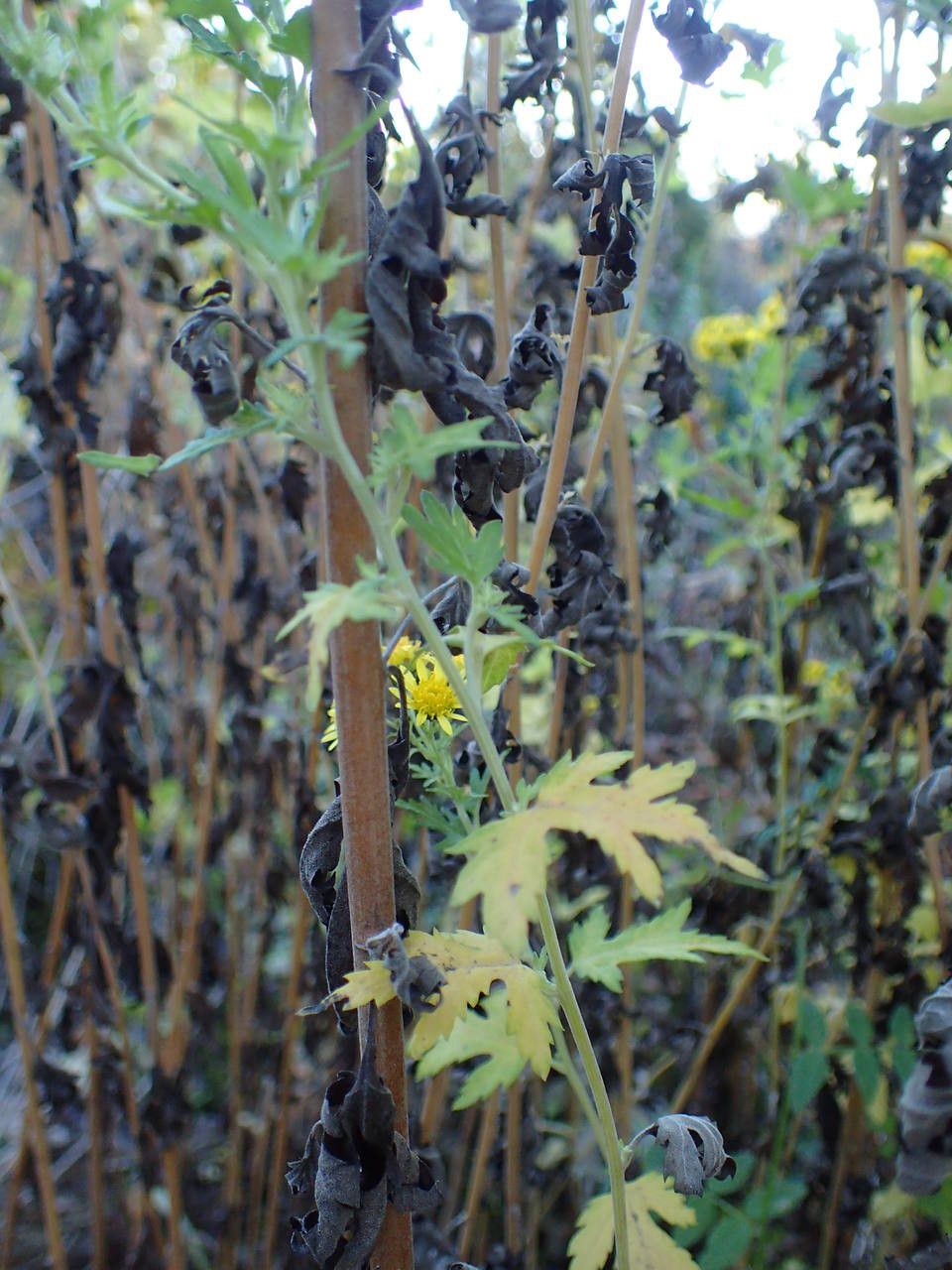
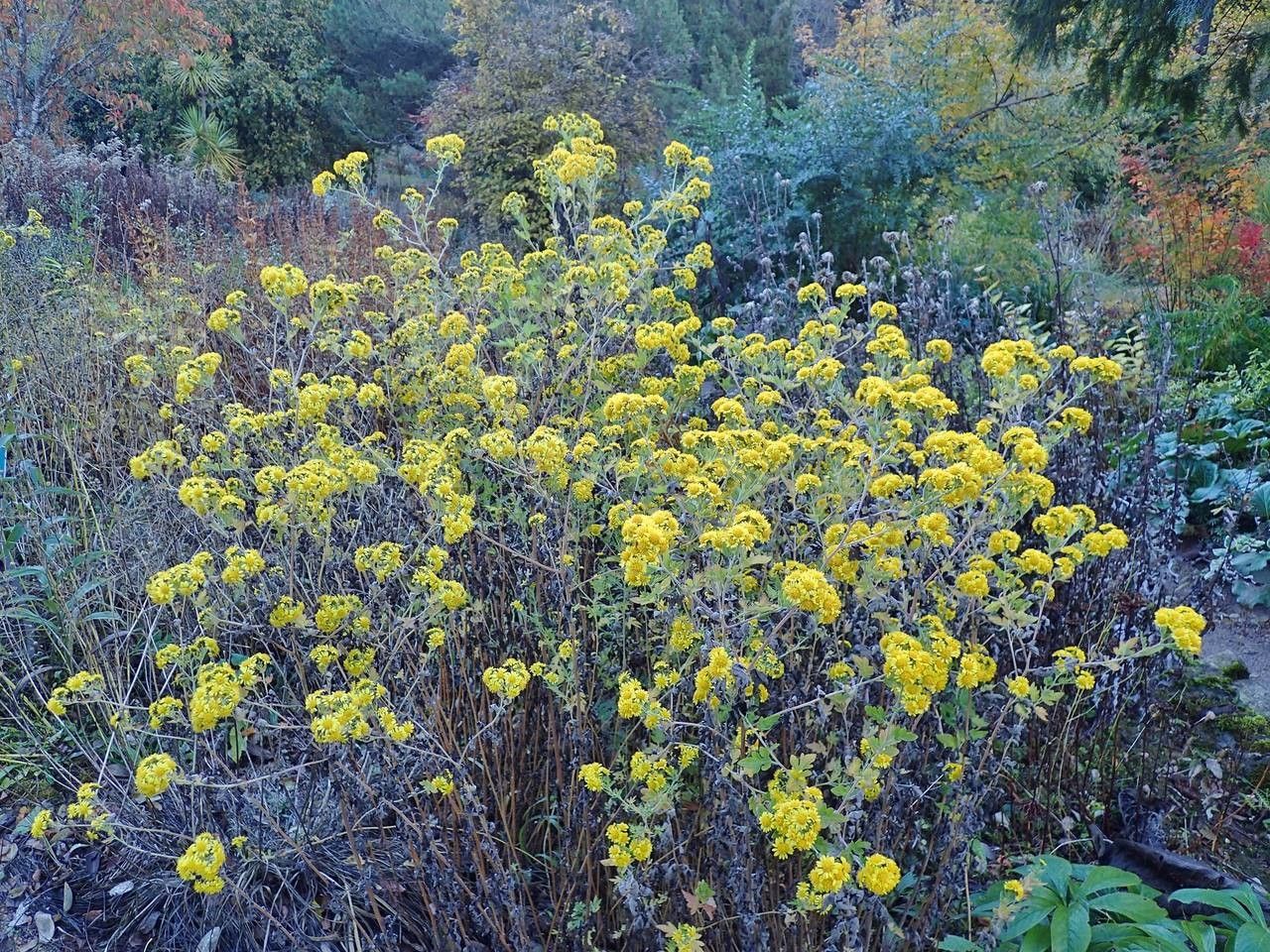
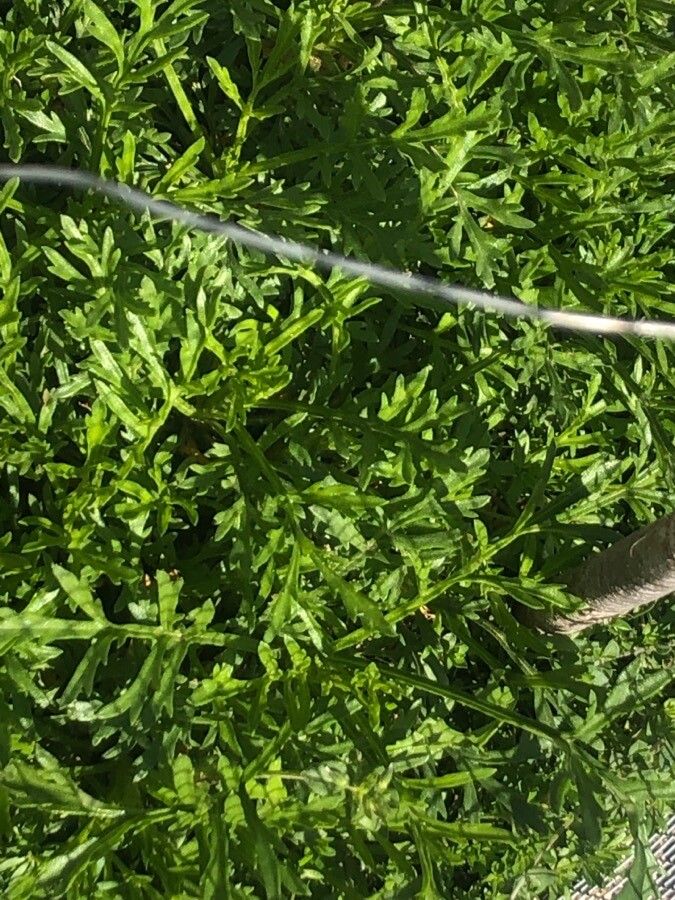
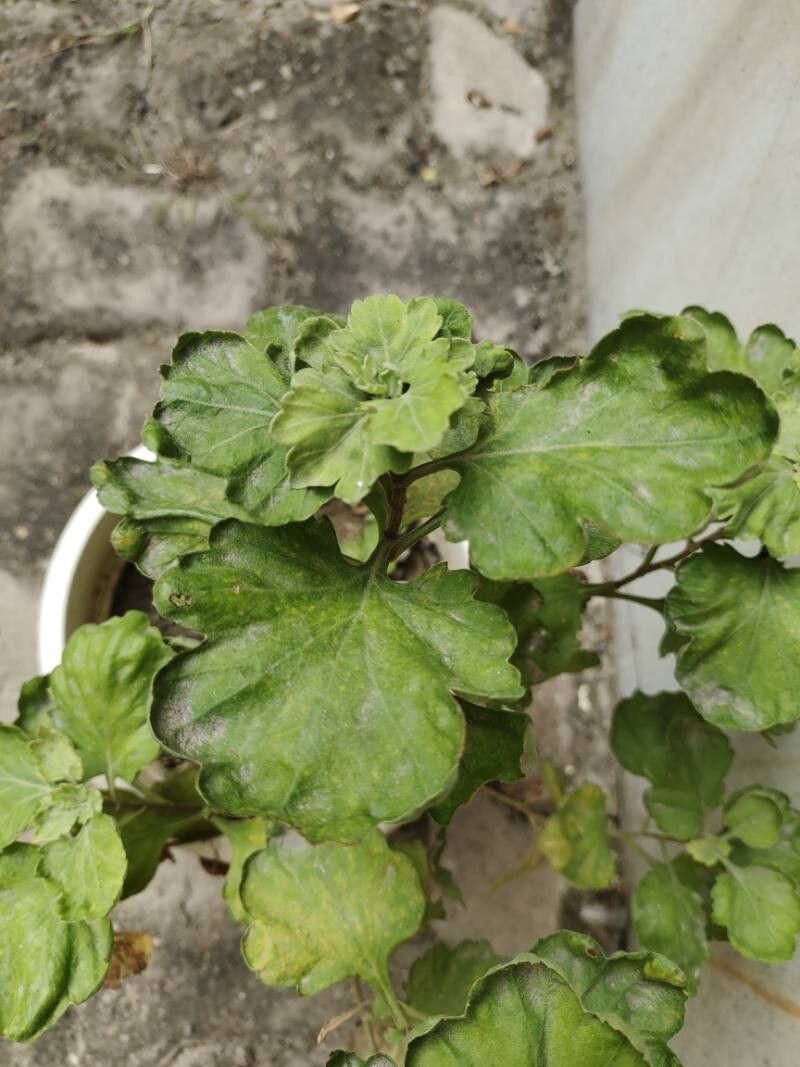
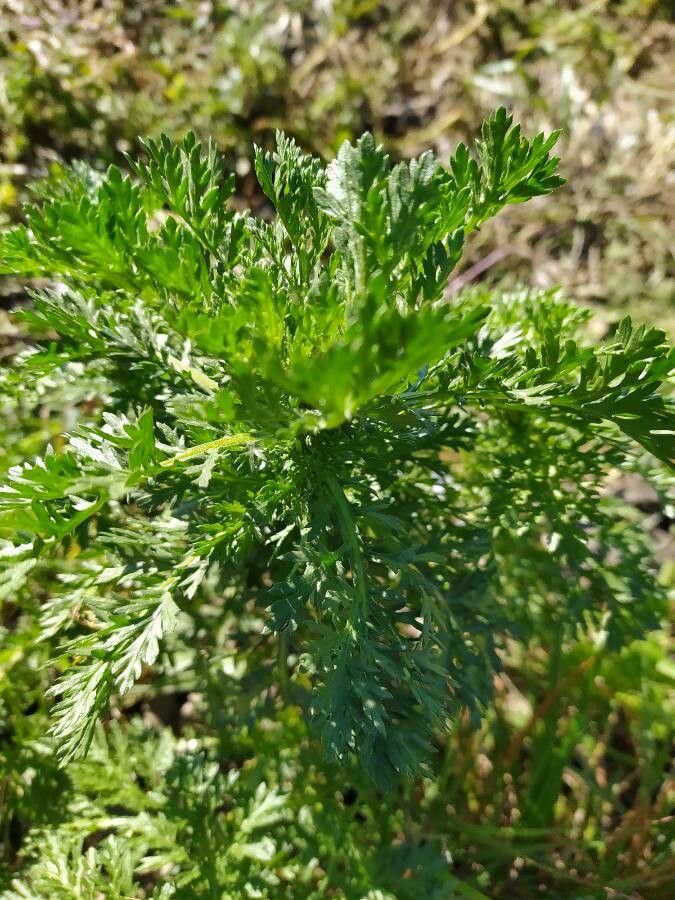
Chrysanthemum lavandulifolium is a flowering plant within the family Asteraceae and the genus Chrysanthemum. It is a perennial flowering plant that is often noted because of its yellow flowers. It has 18 chromosomes at the diploid stage.
Dendranthema boreale is largely disease-resistant and typically not prone to illnesses. Still, it can be affected by pests and diseases present in its environment, though these problems are generally mild. Regarding care, it needs a moderate amount of maintenance. Regular pruning is required to keep a neat appearance and support healthy growth. Applying fertilizer can also help encourage flowering. Dendranthema boreale is appropriate for anyone with outdoor space, such as a garden or patio, and does not demand much plant-care experience. It may need more attention if grown indoors.
How to keep Chrysanthemum Lavandulifolium.
Light
Dendranthema boreale thrives with substantial exposure to sunlight, making it essential for its overall health and growth. Consequently, it does well when constantly exposed to sunlight, but can still progress in regions with partial sun exposure. Nevertheless, an excess or lack of sun can detrimentally impact its health and inhibit growth. Its natural habitat is a place where there's plenty of sunshine.
Water
Dendranthema boreale thrives best with moderate moisture and regular watering each week to maintain its health. While it can endure brief periods of dryness, the increased humidity outdoors during its growing season is advantageous for maintaining its water balance and encouraging vibrant flowering as an herbaceous perennial.
Temperature
Dendranthema boreale originates from cooler climates and grows best in temperatures of 41 to 95 °F (5 to 35 °C). It tolerates seasonal variations, but you should move it when temperatures swing above or below that range to ensure optimal growth.
Fertilizer
The optimal period to administer fertilizer to a Dendranthema boreale is during the early spring as it emerges from dormancy and starts to grow actively. Supplying fertilizer offers vital nutrients for robust growth. Despite the relatively minimal fertilization demands of Dendranthema boreale, providing fertilizer annually can improve its viability and encourage more robust and enduring blooms.
Pruning
Dendranthema boreale benefits greatly from being pruned in the spring. This process helps shape the plant, remove dead wood, and encourage denser growth and better air circulation. As a result, the plant produces more flowers and lives longer. To prevent infection, make sure to use clean, sharp tools when pruning. Taking a balanced approach is key to maintaining the plant's overall health.
Botanical profile.
- Plant Type
- Herb
- Life Cycle
- Perennial
- Genus
- Chrysanthemum
- Family
- Asteraceae
- Hardiness Zone
- 5-9
- Mature Height
- 30 cm to 40 cm
- Mature Spread
- 1 cm to 3 cm
- Leaf Color
- Green
- Leaf Type
- Deciduous
- Flower Color
- Yellow, Gold
- Flower Size
- 1.52 cm
- Bloom Time
- Early fall, Mid fall
- Planting Time
- Spring, Summer, Autumn
- Harvest Time
- Mid fall, Late fall
- Native Area
- Koppen, Japan, South Korea, China