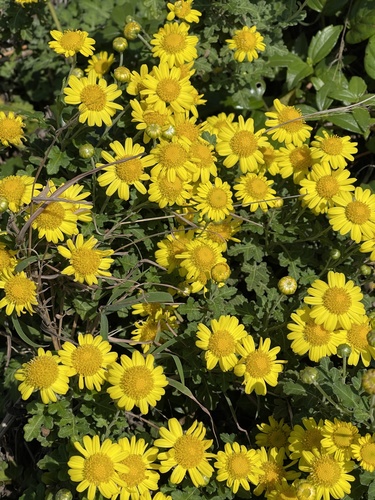
Chrysanthemum coronarium, commonly known as garland chrysanthemum or crown daisy, is a flowering plant that belongs to the Asteraceae family. Native to the Mediterranean region and Asia, it has also been introduced and naturalized in many parts of the world.
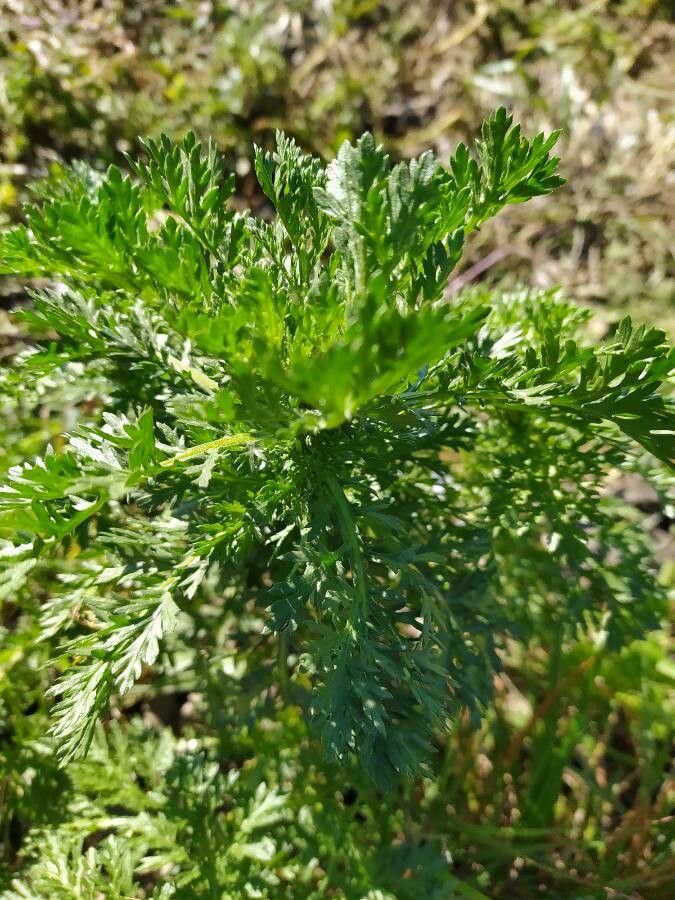
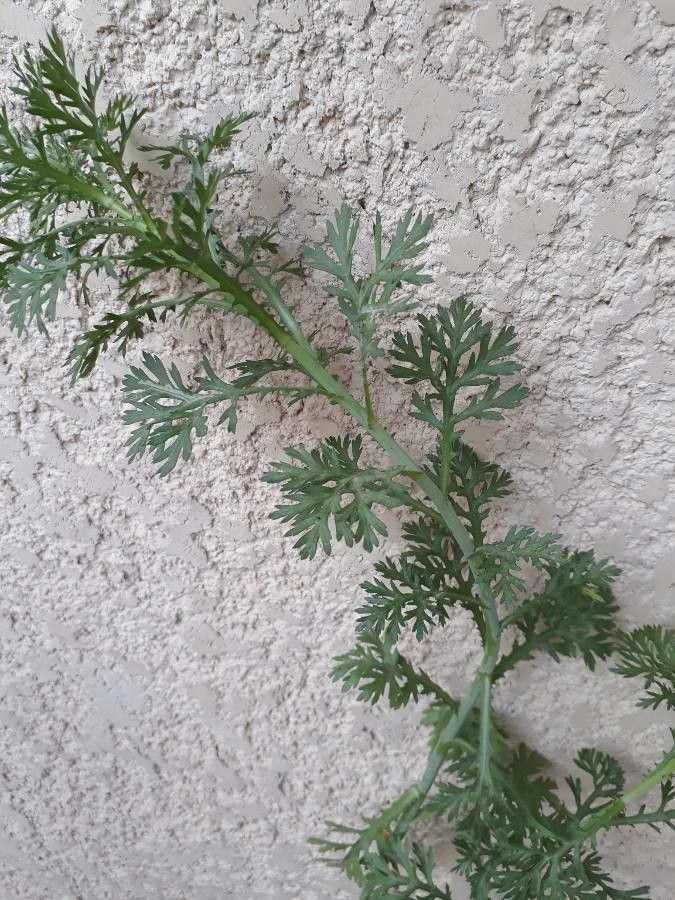
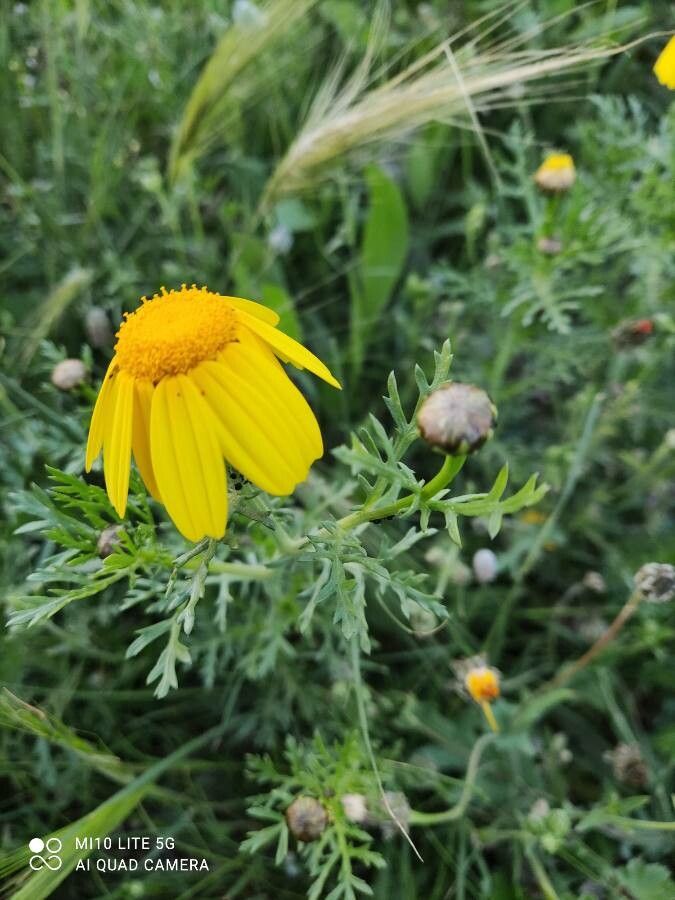
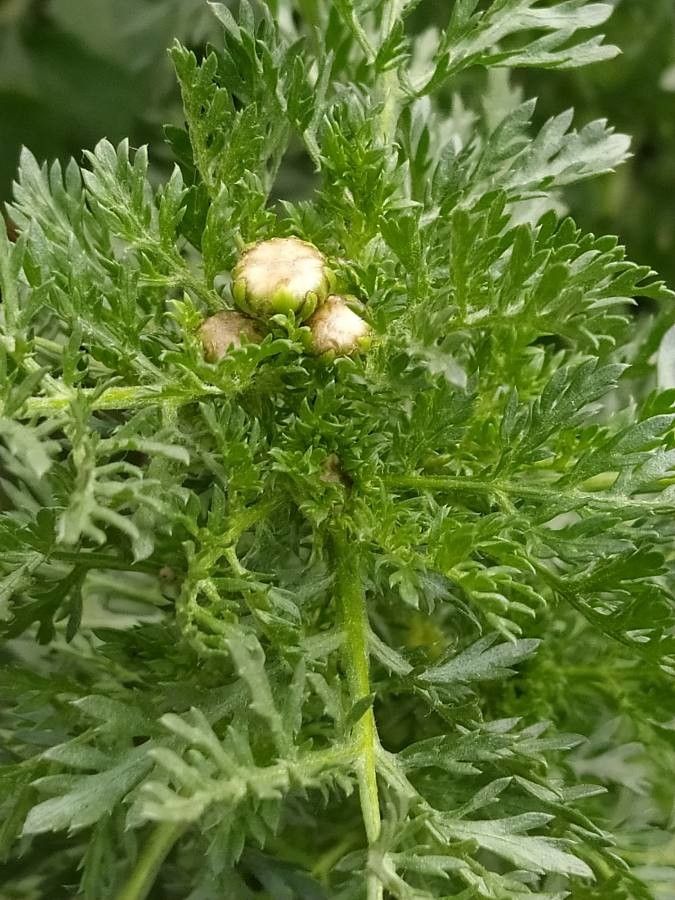
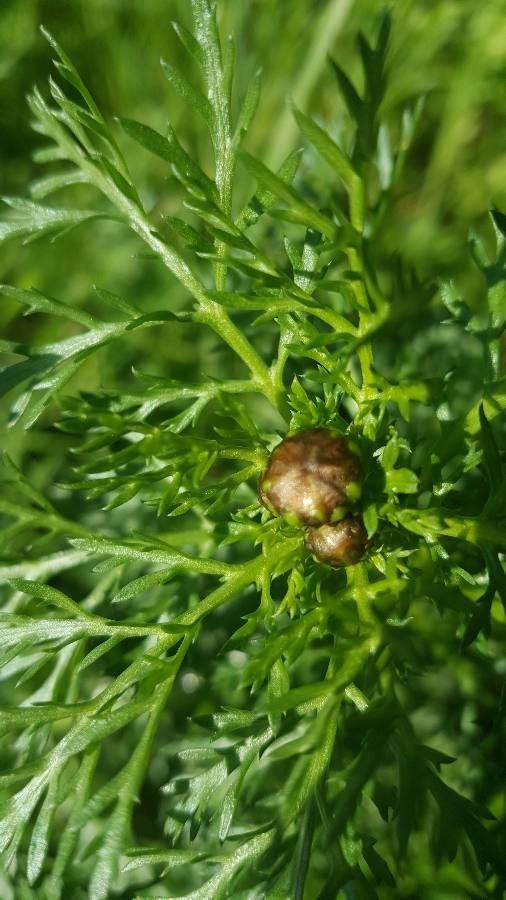
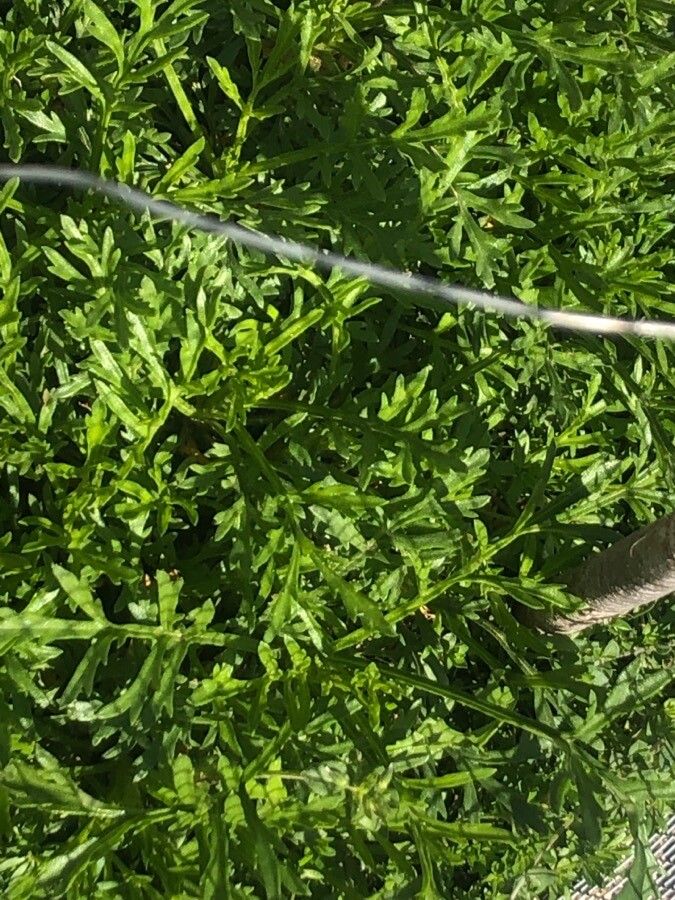
The plant can grow up to 60 cm tall and features deeply lobed, dark green leaves. Its small flowers, which can be yellow or white, are arranged in clusters at the end of each stem and bloom from late summer through fall.
Chrysanthemum coronarium is a popular vegetable crop in Asia. It is often used in soups, stir-fries, salads, and pickled dishes, thanks to its slightly bitter taste with a hint of sweetness.
The plant thrives in well-drained soil with full sun exposure but can also tolerate partial shade. It requires moderate watering during the growing season but is drought-resistant once established.
Beyond its culinary uses, Chrysanthemum coronarium possesses medicinal properties, including anti-inflammatory effects, due to its high flavonoid and phenolic compound content.
Overall, Chrysanthemum coronarium is an attractive ornamental flowering herb that serves both culinary and medicinal purposes, making it an excellent addition to any garden for enthusiasts seeking both beauty and functionality from their plants!
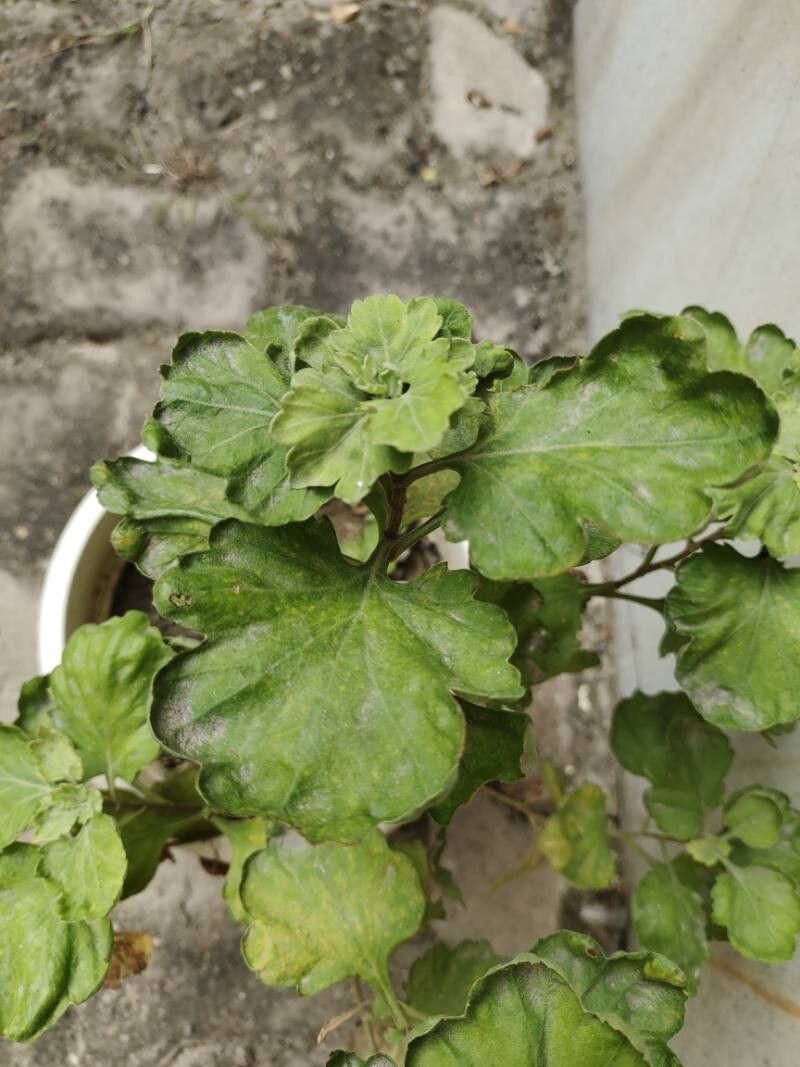
Crown daisy exhibits moderate resistance to disease but can be prone to problems such as leaf spot. Its vulnerability to insect pests varies with the variety, though most types have relatively low pest resistance. Regarding care, crown daisy requires regular watering and feeding, along with frequent removal of yellowing leaves. It’s important to address pests and diseases as soon as they appear and to harvest the plant promptly. Crown daisy is best suited for people who can commit some time and effort to routine care.
How to keep Chrysanthemum Coronarium.
Light
The crown daisy flourishes with generous exposure to sunlight, which is vital for its robust growth. It originates from environments that receive a lot of sunlight, but can adapt to lower light conditions, without diminishing its energy. Too much sunlight can cause it to wilt, while inadequate light can impede its thriving growth.
Temperature
The crown daisy is built to flourish in environments with a temperature scale of 68 to 95 °F (20 to 35 ℃). Its inherent growth patterns imply a fondness for moderate weather conditions. Seasonal changes might necessitate modifications to ensure the crown daisy stays within its ideal temperature spectrum.
Fertilizer
For optimal yield and taste of Crown daisy, the plant requires sufficient nitrogen at all stages of growth, from before planting to harvesting. Plants that are effectively irrigated and fertilized yield numerous vigorous leaves and limit bitterness. It's advisable to fortify the soil with organic substances such as compost or manure before cultivation, preferably between 2 to 8 weeks ahead.
Pot & Repot
When you're replanting the Crown daisy, choose a pot with a diameter that's larger by 1-2 inches (2.5-5 cm), guaranteeing it provides ample drainage. Opt for a potting mix that drains well, and think about incorporating perlite for enhanced drainage. Carry out the repotting in the spring season or at the start of summer, subsequently water it generously, and place it in a spot with less sunlight initially.
Botanical profile.
- Plant Type
- Herb
- Life Cycle
- Annual, Biennial
- Genus
- Chrysanthemum
- Family
- Asteraceae
- Hardiness Zone
- 5-9
- Mature Height
- 76 cm to 91 cm
- Mature Spread
- 25 cm to 30 cm
- Leaf Color
- Green
- Leaf Type
- Deciduous
- Flower Color
- Yellow, White
- Flower Size
- 2.03 cm to 6.35 cm
- Bloom Time
- Mid spring, Late spring, Early summer
- Planting Time
- Spring, Summer, Autumn
- Harvest Time
- Early summer, Mid summer
- Native Area
- Saudi Arabia, Libya, Egypt, Turkey, Tajikistan, Tunisia, United Arab Emirates, Slovakia, Cyprus, Poland, Greece, Croatia, Morocco, Ukraine, Lebanon, Uzbekistan, Russia, Syria, Italy, Spain, France, Iran, Algeria, Romania, Moldova, Turkmenistan, Portugal
Other names.