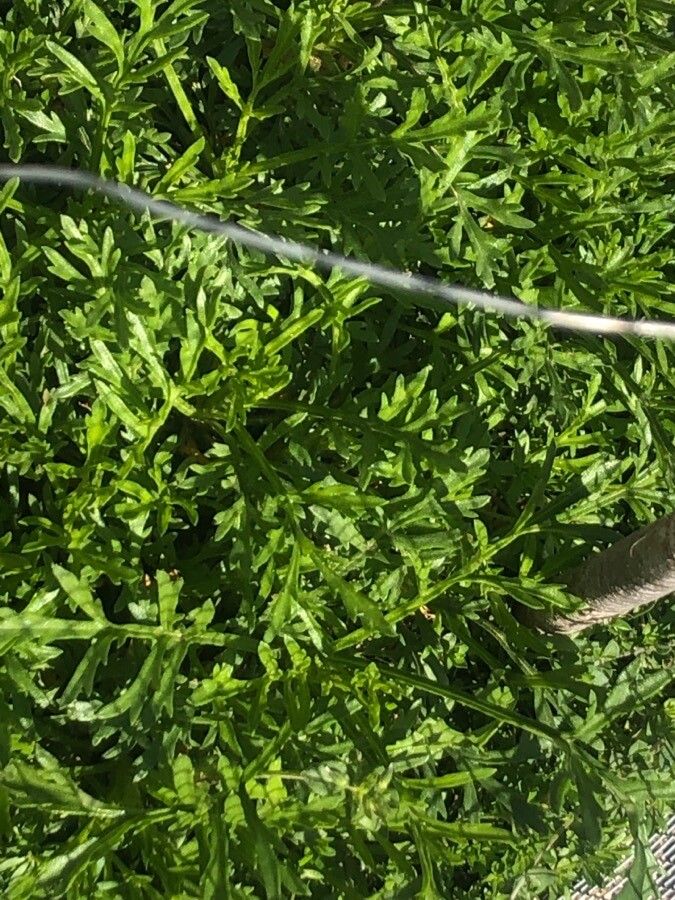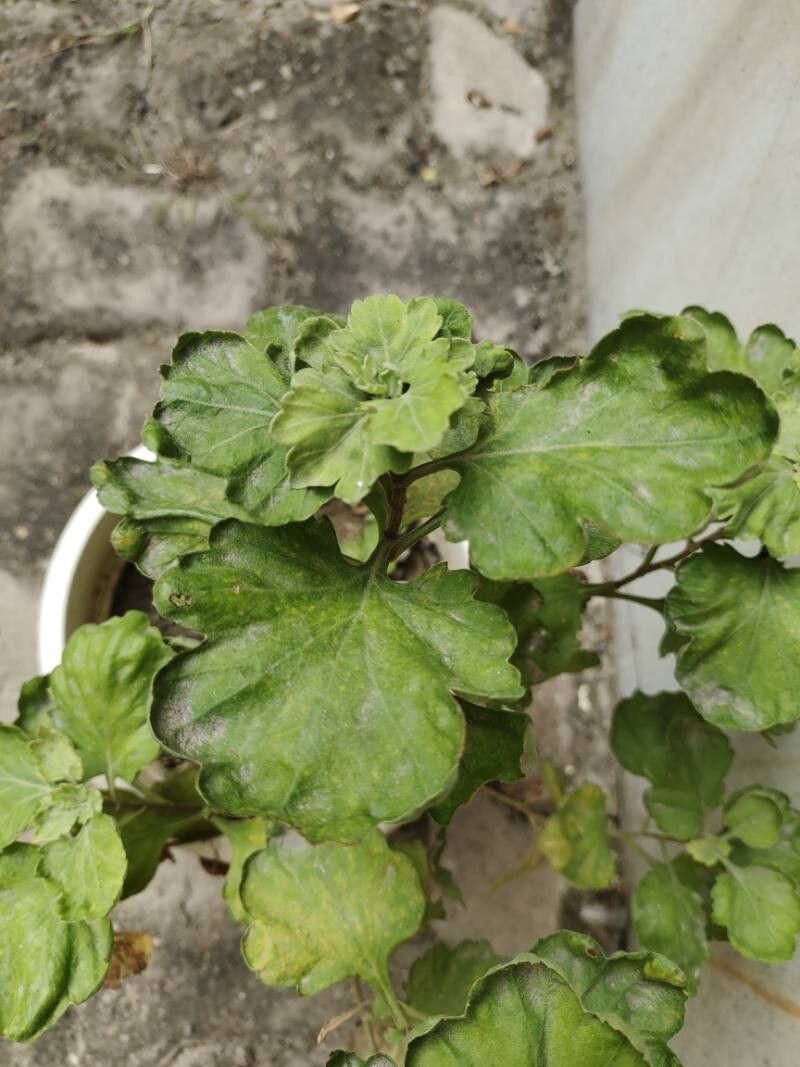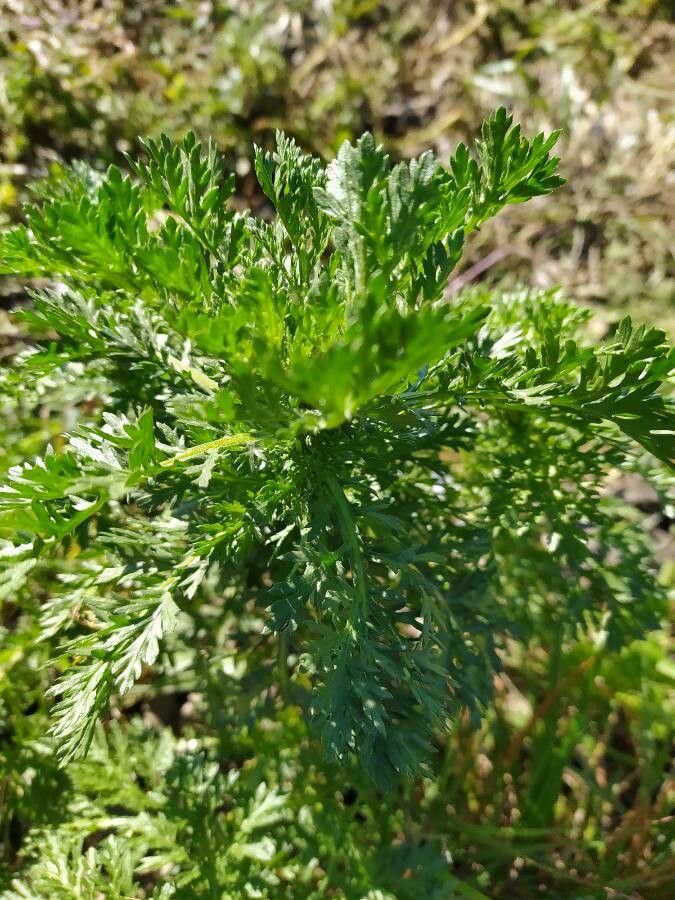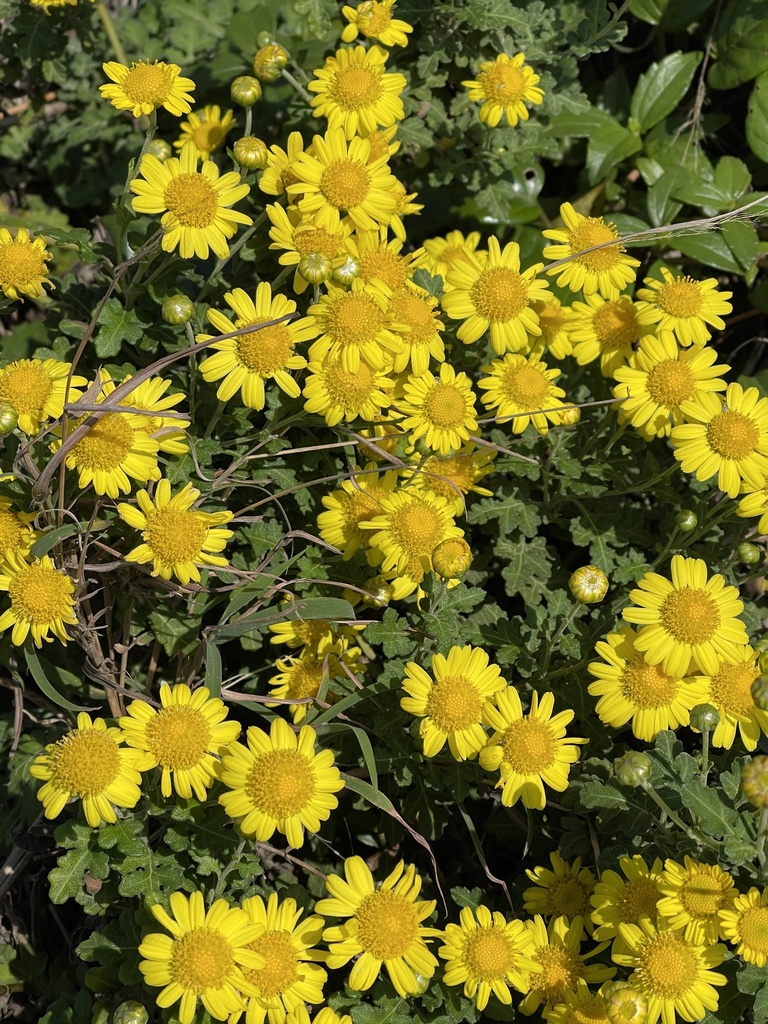
Chrysanthemum indicum, commonly known as the Indian chrysanthemum, is a perennial flowering plant that belongs to the Asteraceae family. Native to China and Korea, it has been widely cultivated across the globe for its ornamental beauty. The plant can grow up to 60 cm in height and has a bushy growth habit, featuring dark green, deeply lobed leaves. Its daisy-like flowers, characterized by yellow centers and white or pink petals, bloom from late summer through fall. In traditional Chinese medicine, Chrysanthemum indicum is valued for its anti-inflammatory, analgesic, and antipyretic properties. The plant contains various bioactive compounds, including flavonoids, terpenoids, and phenolic acids, which have demonstrated potential therapeutic effects. Beyond its medicinal uses, Chrysanthemum indicum is also prized for its ornamental value. Its attractive flowers, available in colors such as white, pink, and yellow, make it a popular choice for gardens. Overall, chrysanthemums are favored garden plants due to their long blooming period from late summer through fall, making them an excellent choice for adding color during this time of year.
The Indian chrysanthemum is fairly disease-resistant and generally not prone to illness. However, it can be vulnerable to pests and diseases present in its surroundings. Such infections are typically mild. In terms of care, this plant needs moderate maintenance. Regular pruning is required to maintain a neat appearance and support healthy growth. Fertilizing can also help encourage flowering. The Indian chrysanthemum is appropriate for anyone with outdoor space, like a garden or patio, and does not demand extensive care experience. It may need more attention if cultivated indoors.
How to keep Chrysanthemum Indicum.
Light
The indian chrysanthemum does best when exposed to full sunlight each day, which is essential for its healthy growth. Originating from sun-rich environments, the plant thrives with continuous daytime sun. However, sunlight that is too intense and scorches it, or too little light that may weaken it, can negatively affect its development.
Water
The Indian chrysanthemum thrives in subtropical climates with moderate humidity and regular rainfall. It needs consistent moisture and should ideally be watered weekly while avoiding waterlogging. As a herbaceous perennial, its flowering relies heavily on adequate hydration during its active growth period.
Humidity
This plant will thrive in moderate humidity, which is probably the level in your home. However, misting it a few times a week can be very beneficial. Make sure the room has good ventilation.
Temperature
Indian chrysanthemum comes from areas with a moderate climate and grows best at temperatures of 68 to 95°F (20 to 35℃). To replicate that, keep it warm in winter, cooler in summer, and avoid sudden temperature changes.
Fertilizer
The best time to fertilize an Indian chrysanthemum is in early spring, when it is coming out of dormancy and starting active growth. Fertilizing supplies essential nutrients for healthy development. Although the Indian chrysanthemum has fairly low fertilizer requirements, applying fertilizer annually can improve its survival and encourage better, longer-lasting flowers.
Pruning
Pruning Indian chrysanthemums from early to late spring helps boost their growth and flower production. To improve airflow, remove any dead stems, and encourage a bushier plant by pinching new growth. By regularly monitoring and trimming overgrown areas, you can promote a healthier plant and a more abundant floral display.
Pot & Repot
Repot your Indian chrysanthemum every 2 to 3 years in early spring to encourage its bushy growth. Choose a medium-sized pot with good drainage. After repotting, keep the soil consistently moist and protect the plant from direct sunlight to minimize stress and promote healthy growth.
Botanical profile.
- Plant Type
- Herb
- Life Cycle
- Perennial, Annual
- Genus
- Chrysanthemum
- Family
- Asteraceae
- Hardiness Zone
- 4-8
- Mature Height
- 25 cm to 91 cm
- Mature Spread
- 61 cm
- Leaf Color
- Green
- Leaf Type
- Deciduous
- Flower Color
- Yellow, Orange
- Flower Size
- 1.52 cm to 2.54 cm
- Bloom Time
- Late summer, Early fall
- Planting Time
- Autumn
- Harvest Time
- Mid fall, Late fall, Winter
- Native Area
- Russia, Nepal, India, Cambodia, Vietnam, Japan, Koppen, Bhutan, Laos, Pakistan, South Korea, China
Other names.
Reader questions.
How should I water my Indian chrysanthemum to keep it healthy?
To properly water the Indian chrysanthemum, it is recommended to use filtered water at room temperature. Tap water should be avoided as it may contain harmful particles. The plant prefers slightly warm water as it is native to warm environments and cold water can be a shock. It is important not to water the plant from above to prevent issues with the foliage. Instead, apply filtered room temperature water directly to the soil until it is thoroughly soaked. This helps to moisten the roots and support their spread through the soil for nutrient absorption.
Why is it important to fertilize my Indian chrysanthemum?
Fertilization plays an important role in the growth of Indian chrysanthemum and other plants. It provides essential nutrients for both above and below ground growth. Although Indian chrysanthemums have relatively low fertilization needs, annual fertilization can greatly benefit the plant and improve flower quality and longevity. Therefore, to ensure the best appearance for your Indian chrysanthemum, regular fertilization is recommended.
What are the sunlight requirements for an Indian Chrysanthemum?
The Indian Chrysanthemum requires full sun exposure to thrive, needing above 6 hours of sunlight a day. However, it can also grow in partial sun, which means about 3-6 hours of sunlight daily. It's important to watch how sunlight moves through your garden to choose spots that provide the perfect balance of light and shade for your plants, ensuring their happiness and healthy growth.
What is the native climate for Indian chrysanthemum, and how can it be mimicked?
Indian chrysanthemum, also known as Chrysanthemum indicum, thrives in moderate climates and prefers temperatures between 68 to 95°F (20 to 35°C). To mimic its native conditions, it is recommended to keep the plant warm during the winter while ensuring a cooler environment during summer, avoiding any drastic temperature changes. Although Indian chrysanthemum exhibits strong cold resistance, in regions where winter temperatures drop below -30°C, it is crucial to provide cold protection by covering the plant with soil or straw. Additionally, watering the plant abundantly before the first freeze in autumn to maintain moist soil can help prevent drought and water scarcity during the colder months.
What should I do if I give too much or too little water to my Indian chrysanthemum?
Your Indian chrysanthemum can be negatively impacted by both overwatering and underwatering, but overwatering is a more common issue. When this happens, the stems and leaves may wilt and turn yellow. Overwatering for a long time can also cause diseases like root rot, mold, and mildew, which can be fatal for your plant. Underwatering is less likely, but still possible. In such cases, the leaves can become brittle and brown. It's important to quickly notice signs of overwatering and take action. If you see early signs, reduce your watering immediately and check the soil drainage. If it's poor, replace it with a well-draining potting mix. On the other hand, if your plant lacks water, increase watering until the signs of underwatering disappear.
When should I fertilize my Indian chrysanthemum?
The best time to fertilize an Indian chrysanthemum is in the late winter or early spring when the plant is coming out of its dormant phase and starting to grow actively. Fertilizing at this time helps promote healthy growth and sets the plant up for a good season. You can also fertilize in the fall, but it's not recommended during summer or winter.
How essential is sunlight for the growth of an Indian Chrysanthemum?
Sunlight is crucial for the healthy growth of an Indian Chrysanthemum. Originating from environments rich in sunlight, this plant thrives when fully exposed to the sun throughout the day. While it needs continuous sunlight for optimal growth, excessive sunlight that scorches or too little sunlight, which may weaken the plant, can have negative effects on its development.
How does low temperature affect Indian chrysanthemum, and what measures should be taken?
Indian chrysanthemum is cold-tolerant and performs best when temperatures remain above 20°C. However, when temperatures fall below -30°C, although the plant may not show visible changes during winter, it could lead to decreased sprouting or a complete lack of sprouting in spring. To address this, it is advisable to remove any parts of the plant that have failed to sprout in the spring, promoting healthier growth and recovery after a cold winter.
How frequently do I need to water my Indian chrysanthemum?
If your Indian chrysanthemum is in a pot, the best way to determine if it needs water is by checking the soil with your finger. If the top two to three inches of soil are dry, it's time to water it. If your Indian chrysanthemum is planted in the ground outdoors, you can use the same method to test the soil. Once the top few inches of soil have dried out, it's time to water it. Typically, during spring and early fall, watering once a week will suffice. However, during extremely hot weather, you may need to increase watering to twice or more per week. It's worth noting that well-established, mature Indian chrysanthemums can handle drought quite well.
When is it not a good idea to fertilize my Indian chrysanthemum?
To properly care for your Indian chrysanthemum, it's important to note the specific times to fertilize and when to avoid it. The plant only requires fertilization during late winter and early spring, as its low fertilization needs can be satisfied with just one annual feeding. Fertilizing during spring, summer, and fall should be avoided as it can lead to overfertilization and related complications, unless you missed fertilizing in spring, in which case a fall feeding is permissible. Additionally, there is no need to fertilize during winter as the plant enters a dormant growth phase, meaning it does not produce new growth. Therefore, fertilizing during most of the winter is not recommended.
What artificial lighting requirements do indoor Indian Chrysanthemums have?
Indoor Indian Chrysanthemums require adequate lighting for optimal growth when natural sunlight is not sufficient. Artificial lights, particularly LED lights, provide a vital solution as they can be customized to supply the specific wavelengths needed by the plant. Full sun plants need 30-50W/sq ft of artificial light, partial sun plants need 20-30W/sq ft, and full shade plants need 10-20W/sq ft. The light source should be placed 12-36 inches above the plant to mimic natural sunlight and should be kept on for 8-12 hours per day to mimic natural daylight hours.
What should be done if Indian chrysanthemum experiences high temperatures?
During the summer, it is vital to ensure that the temperature around the Indian chrysanthemum does not exceed 35°C. Exposure to temperatures above 38°C can cause the leaves to lighten in color, become prone to curling, and susceptible to sunburn. In severe cases, the entire plant may wilt and dry out. To mitigate these effects, trim away any sunburned or dried-up parts of the plant. Relocate the plant to an area that provides shade during the midday and afternoon sun or use a shade cloth. Also, watering the plant in the morning and evening can help keep the soil moist and prevent heat stress.