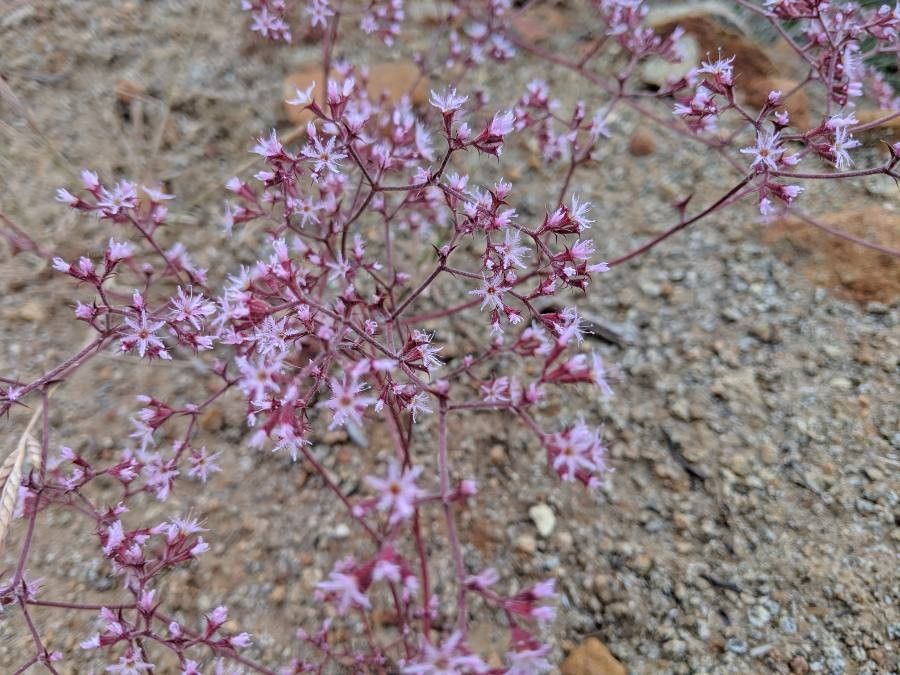
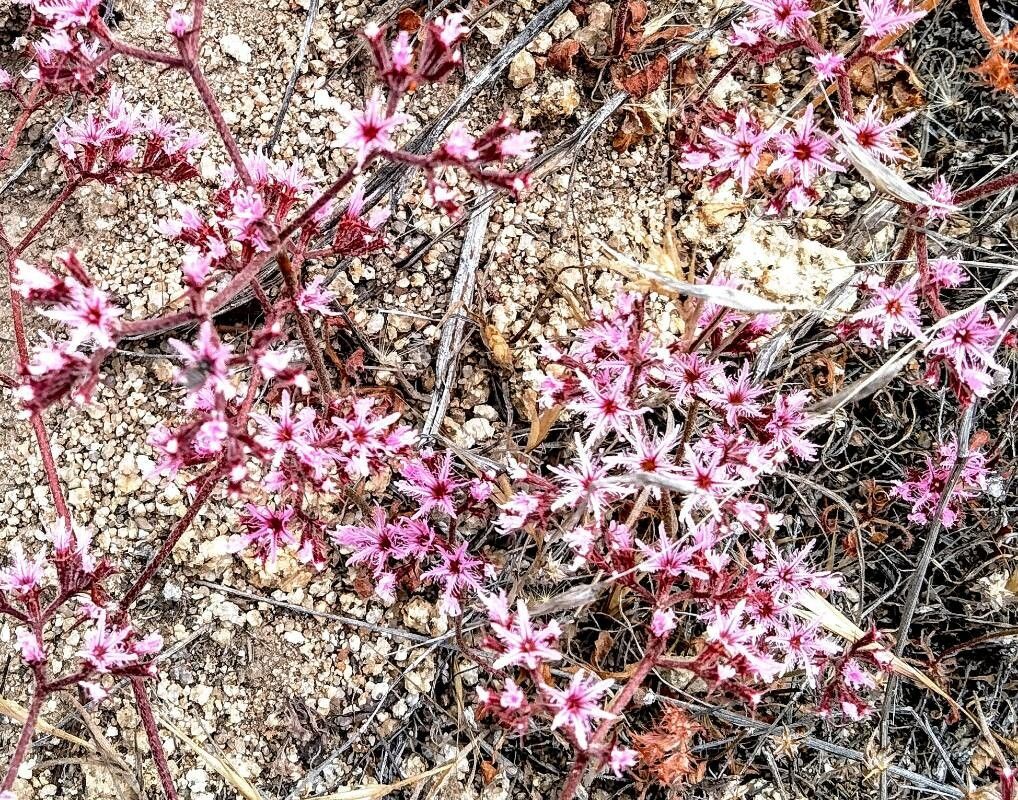
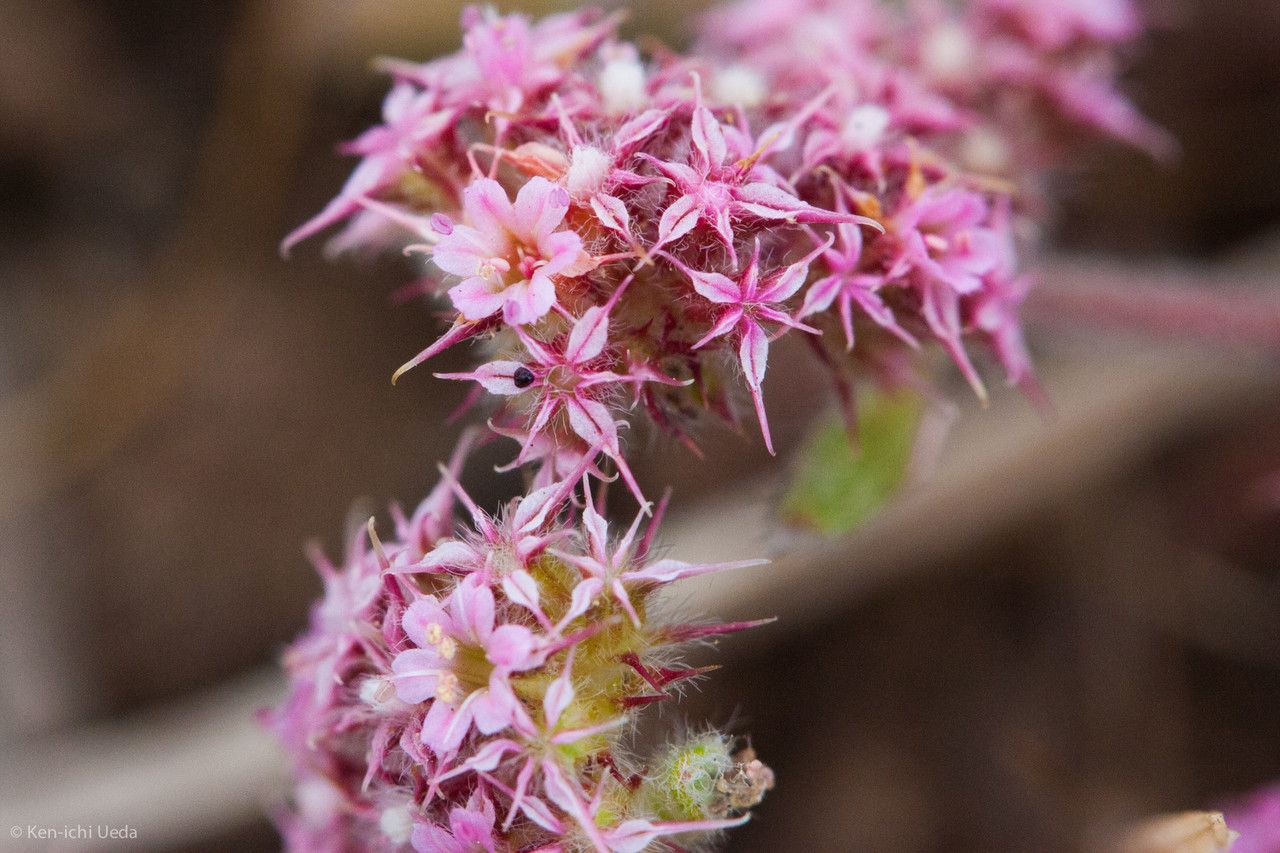
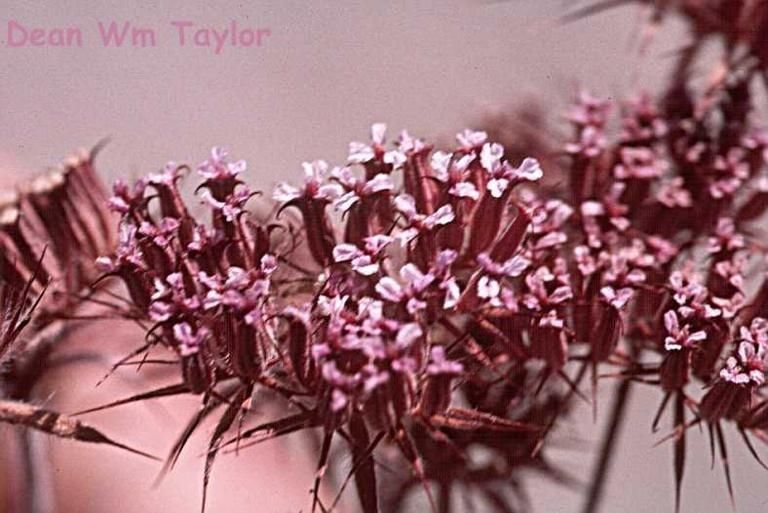
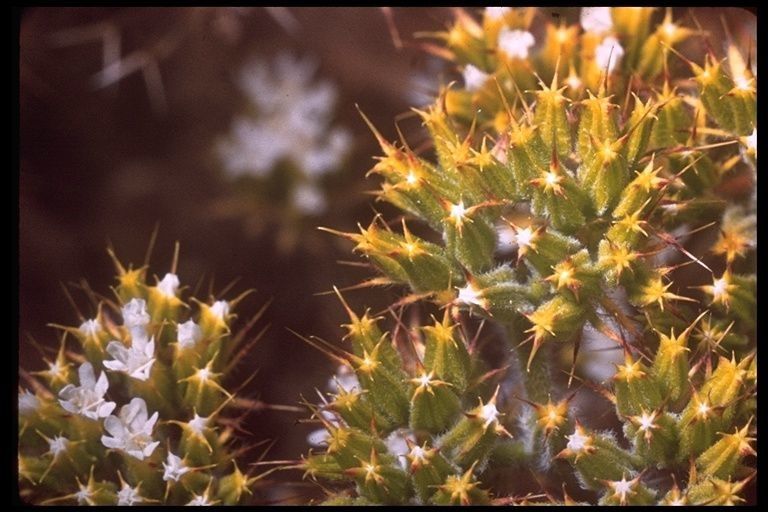
Chorizanthe fimbriata, the fringed spineflower, is an annual plant in the family Polygonaceae, the buckwheats. It is a member of the genus Chorizanthe, the spineflowers, and is native to southern California and northern Baja California.
Fringed spineflower resists disease well and is generally not easily affected by illnesses. That said, it can be vulnerable to pests and diseases present in its environment. Such infections are typically mild. Regarding care, this plant needs moderate maintenance. Regular pruning is necessary to keep a neat appearance and support healthy growth. Applying fertilizer can also encourage flowering. Fringed spineflower is suitable for anyone with outdoor space, such as a garden or patio, and does not require extensive care experience. When grown indoors, it may need more attention.
How to keep Chorizanthe Fimbriata.
Fertilizer
Fringed spineflower benefits from regular, light applications of fertilizer to encourage healthy leaf development. You should fertilize Fringed spineflower about once a month during the summer months. Nitrogen is essential for foliage, and supplying nitrogen-rich sources helps Fringed spineflower thrive.
Pruning
The fringed spineflower, known for its unique fringed blossoms, flourishes when carefully pruned. It's best to prune from early to late spring, after the flowers have bloomed. Focus on trimming dead stems to promote healthy growth, but avoid making heavy cuts. This approach enhances the plant's vigor, improves bloom quality, and boosts air circulation, which helps prevent diseases. For detailed care guidelines, refer to specialized guides.
Botanical profile.
- Plant Type
- Herb
- Life Cycle
- Annual
- Genus
- Chorizanthe
- Family
- Polygonaceae
- Native Area
- Mexico
Other names.