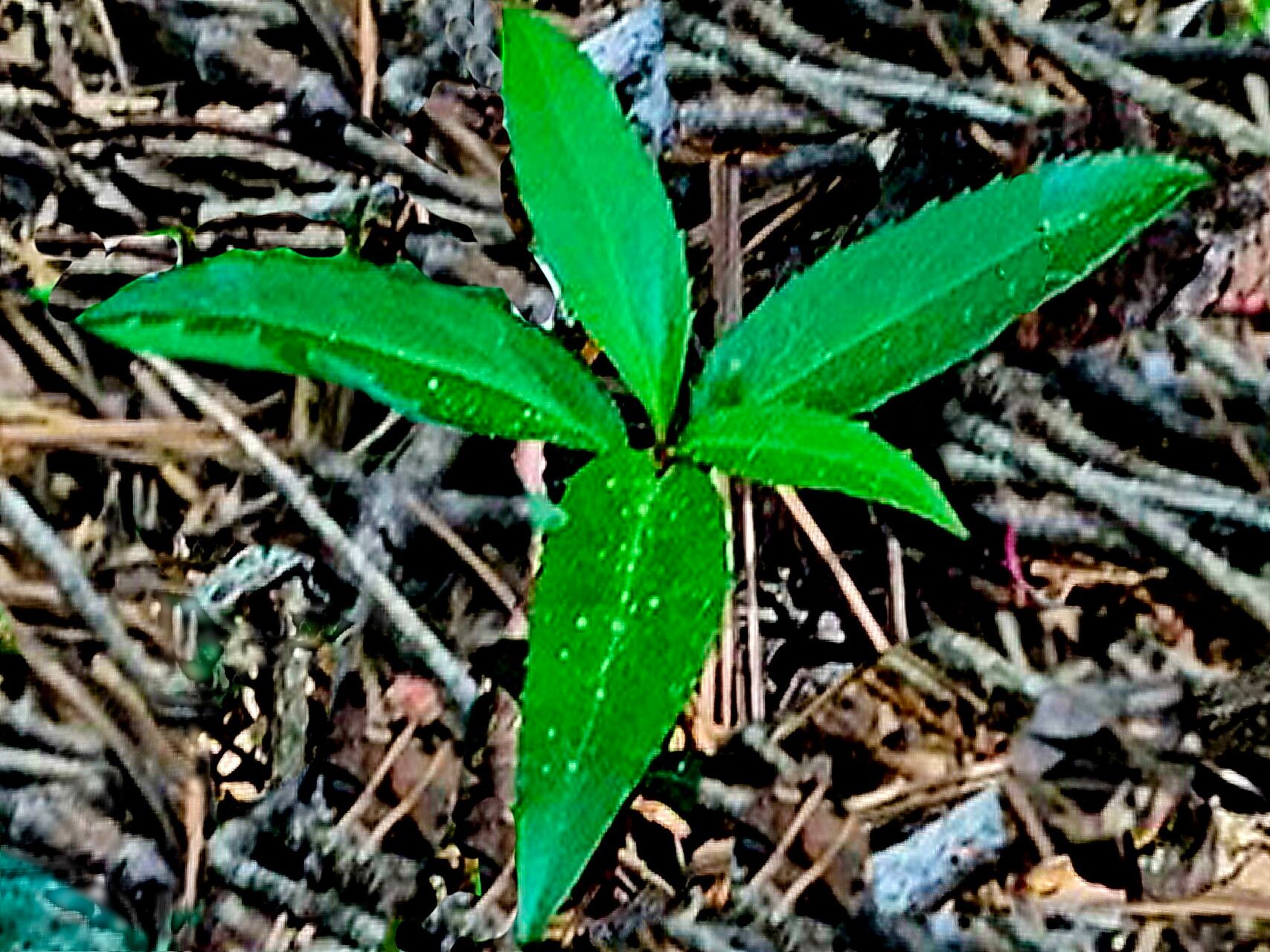
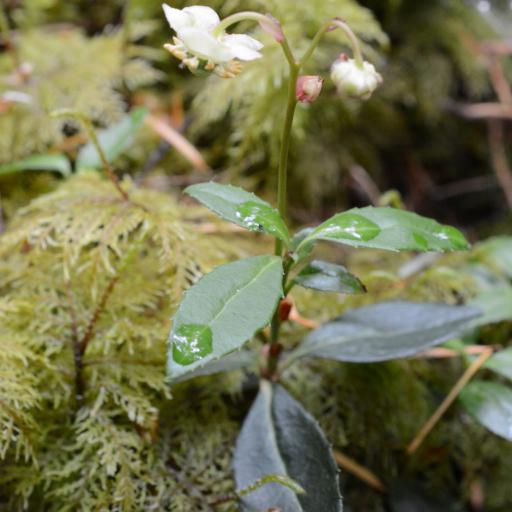
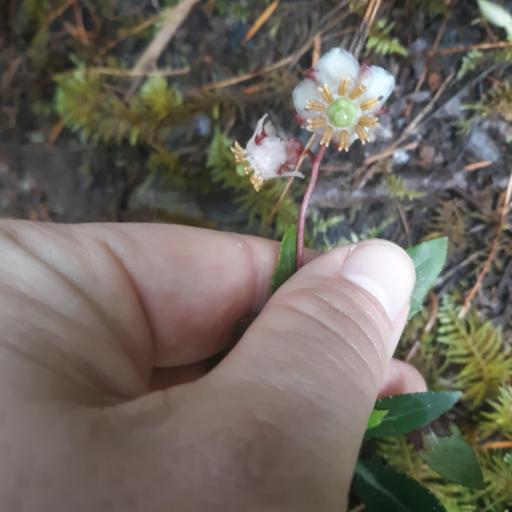
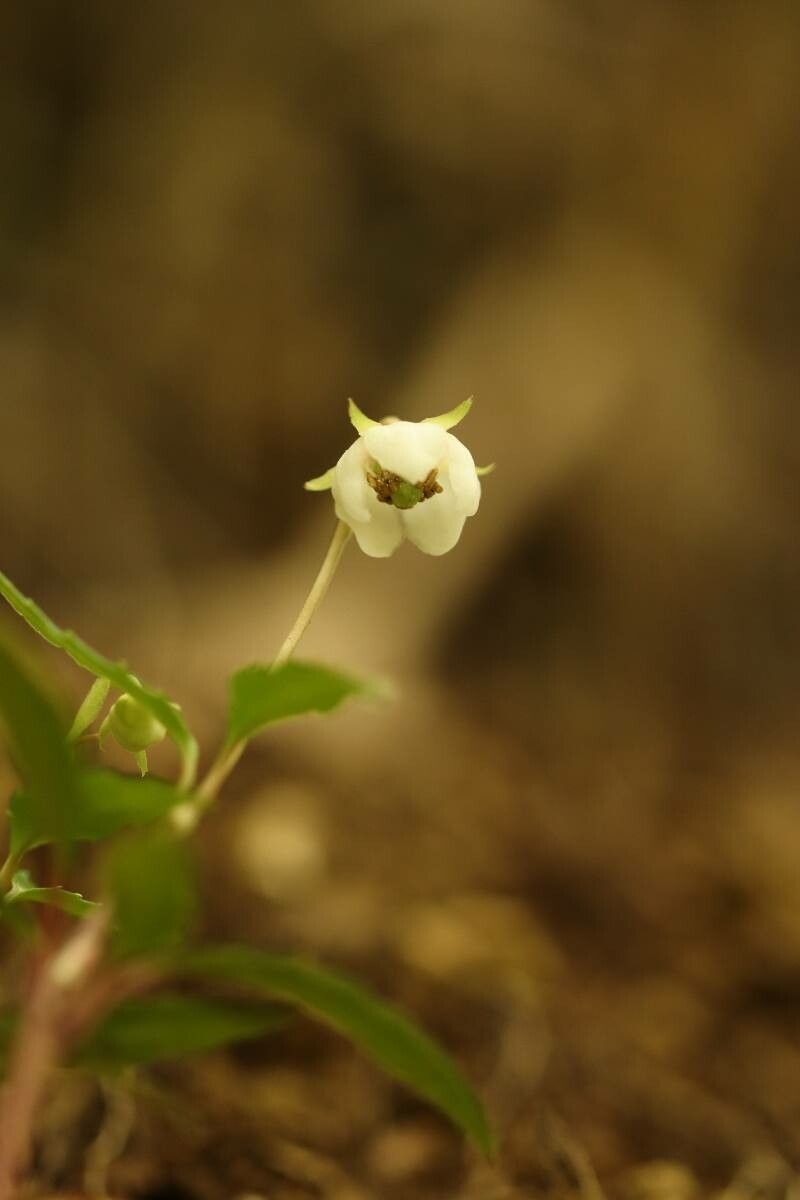
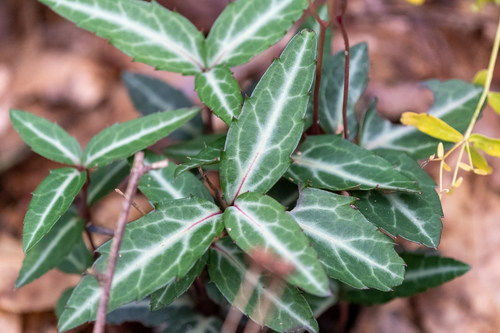
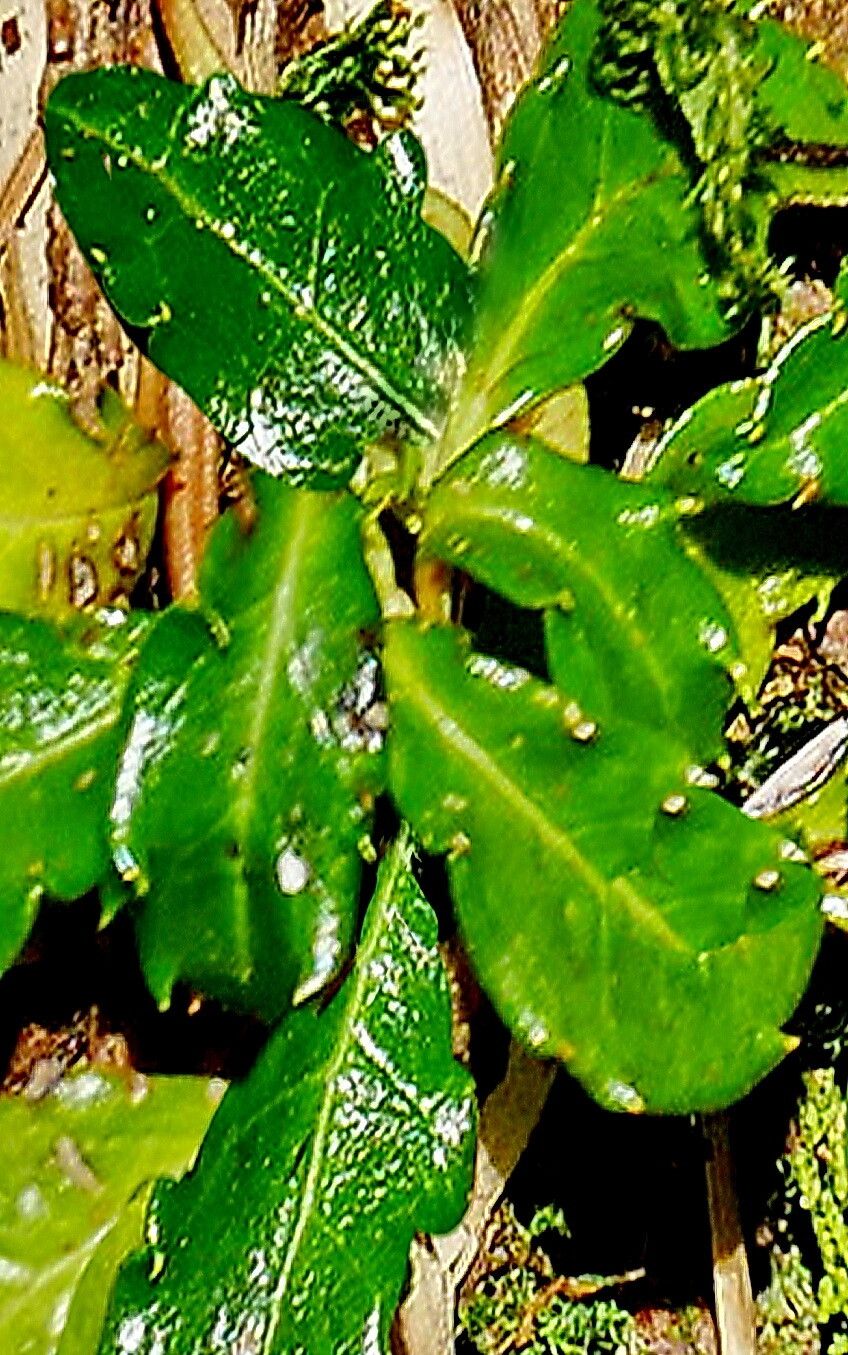
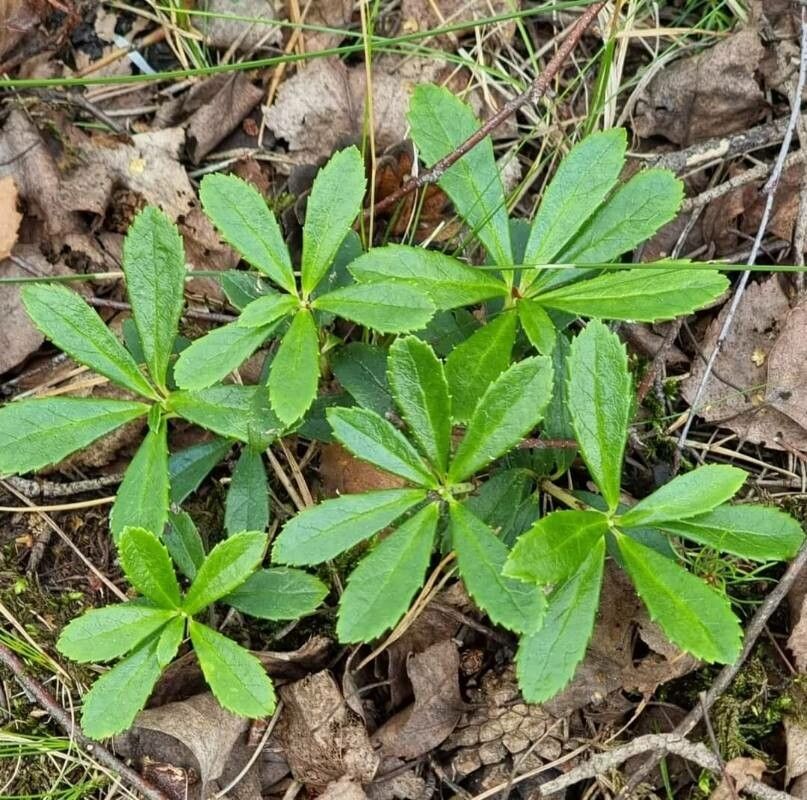
Chimaphila menziesii, known by the common names little prince's pine and Little Pipsissewa, is a species of perennial wildflower in the heath family. This plant is found scattered throughout the mountains of western North America where it grows in the understory of coniferous forests. It is native to the Western United States and Southwest Canada.
Little prince's pine is quite disease-resistant and is generally not susceptible to illnesses. Regarding care, this plant is fairly low-maintenance. When grown outdoors it needs only minimal watering, and larger specimens typically do not require pruning. Smaller plants, however, should be pruned after they bloom. Little prince's pinet is suitable for anyone with an outdoor space, such as a garden or deck, and does not demand much care experience.
How to keep Chimaphila Menziesii.
Light
Little prince's pine is native to habitats such as forest understories or rocky areas, where it grows in natural shade. It prefers partial sun but can tolerate full sun or full shade, showing its versatile and hardy nature.
Temperature
Little prince's pine is native to temperate regions, preferring a temperature range of 41 to 90 °F (5 to 32 ℃). Adjust care as seasons change to suit its preference for milder climate conditions.
Fertilizer
Proper timing is essential for fertilizing Little prince's pine. Apply fertilizer in early spring and continue monthly until early summer. The fertilizer promotes lovely blooms and supplies energy during both dormant and active growth phases.
Botanical profile.
- Plant Type
- Shrub
- Life Cycle
- Perennial
- Genus
- Chimaphila
- Family
- Ericaceae
- Hardiness Zone
- 4-8
- Mature Height
- 5 cm to 15 cm
- Mature Spread
- 15 cm to 30 cm
- Leaf Color
- Green
- Leaf Type
- Evergreen
- Flower Color
- White, Pink
- Flower Size
- 1.02 cm to 2.03 cm
- Bloom Time
- Early summer, Mid summer
- Planting Time
- Spring
- Harvest Time
- Late summer, Early fall, Mid fall
- Native Area
- Mexico
Other names.