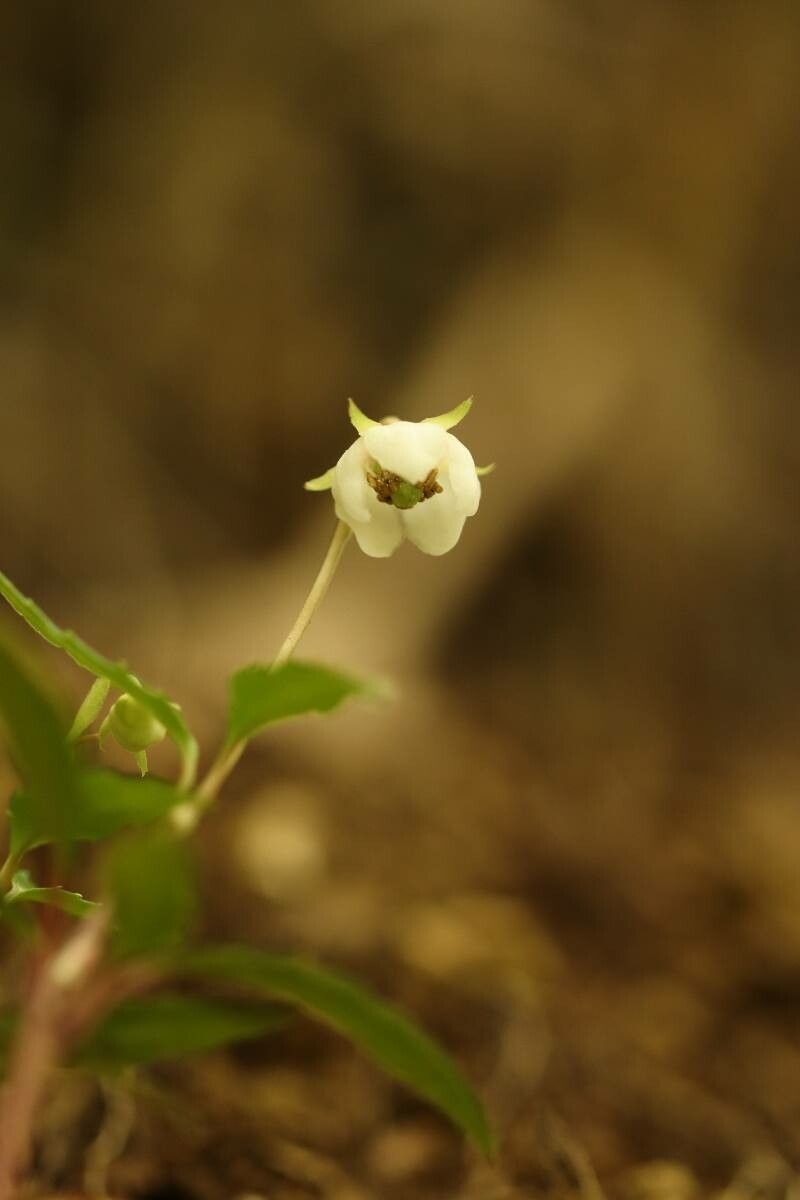
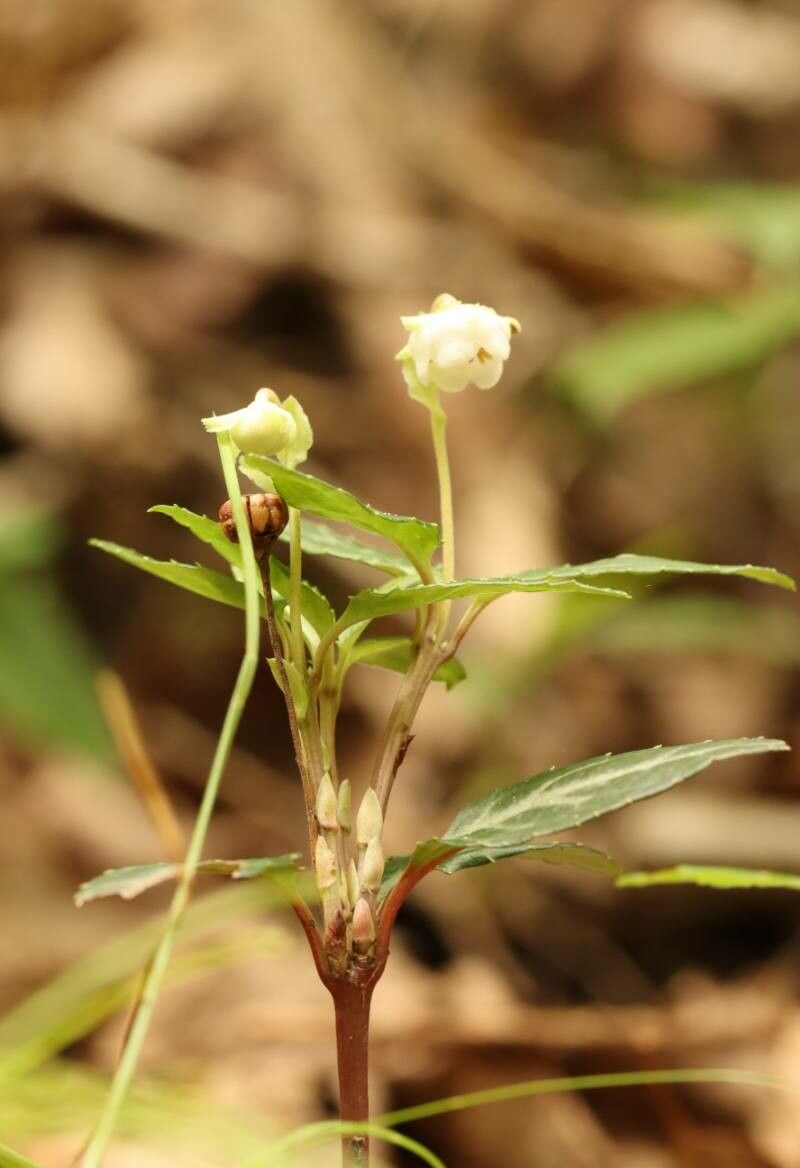
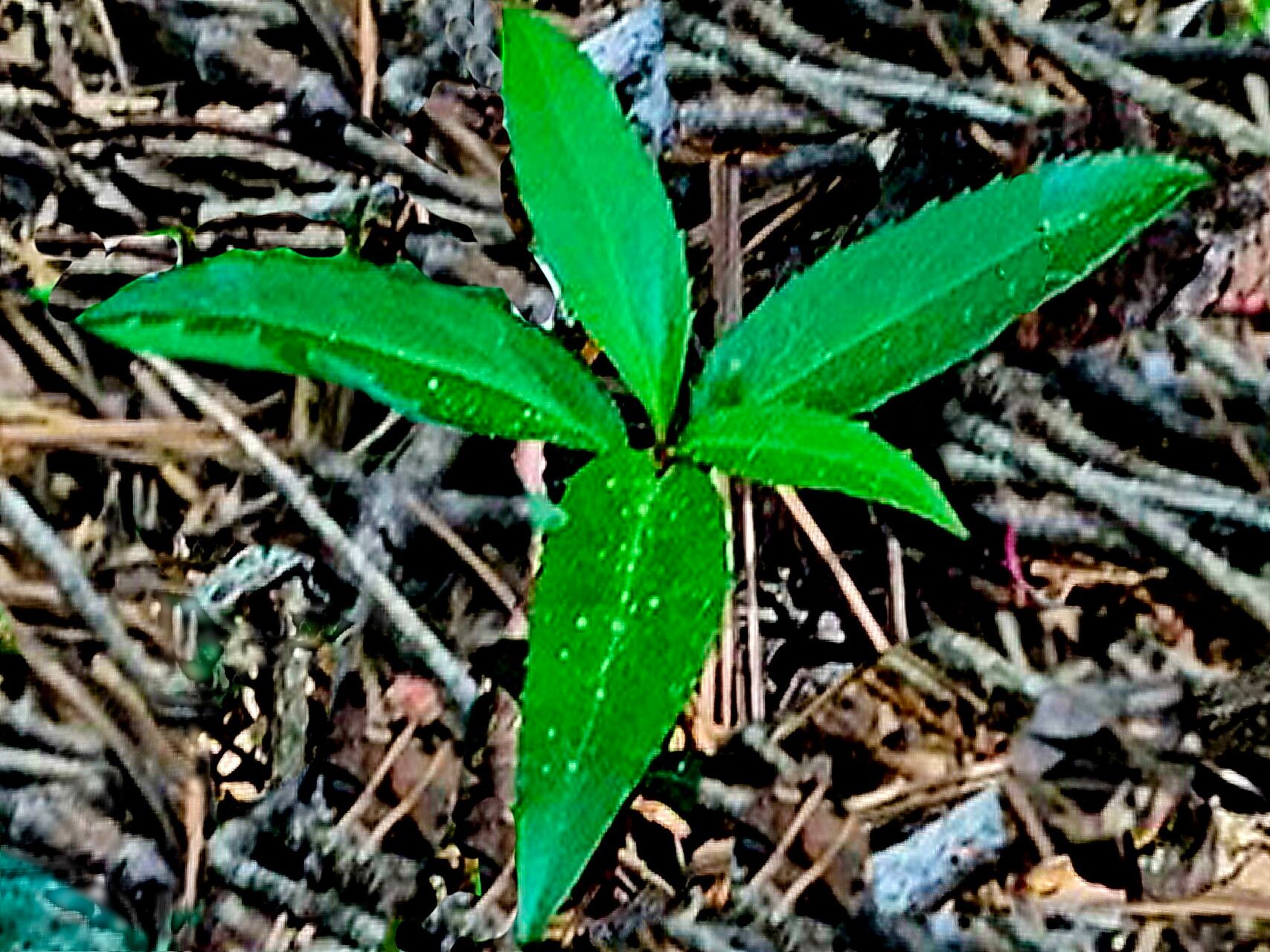
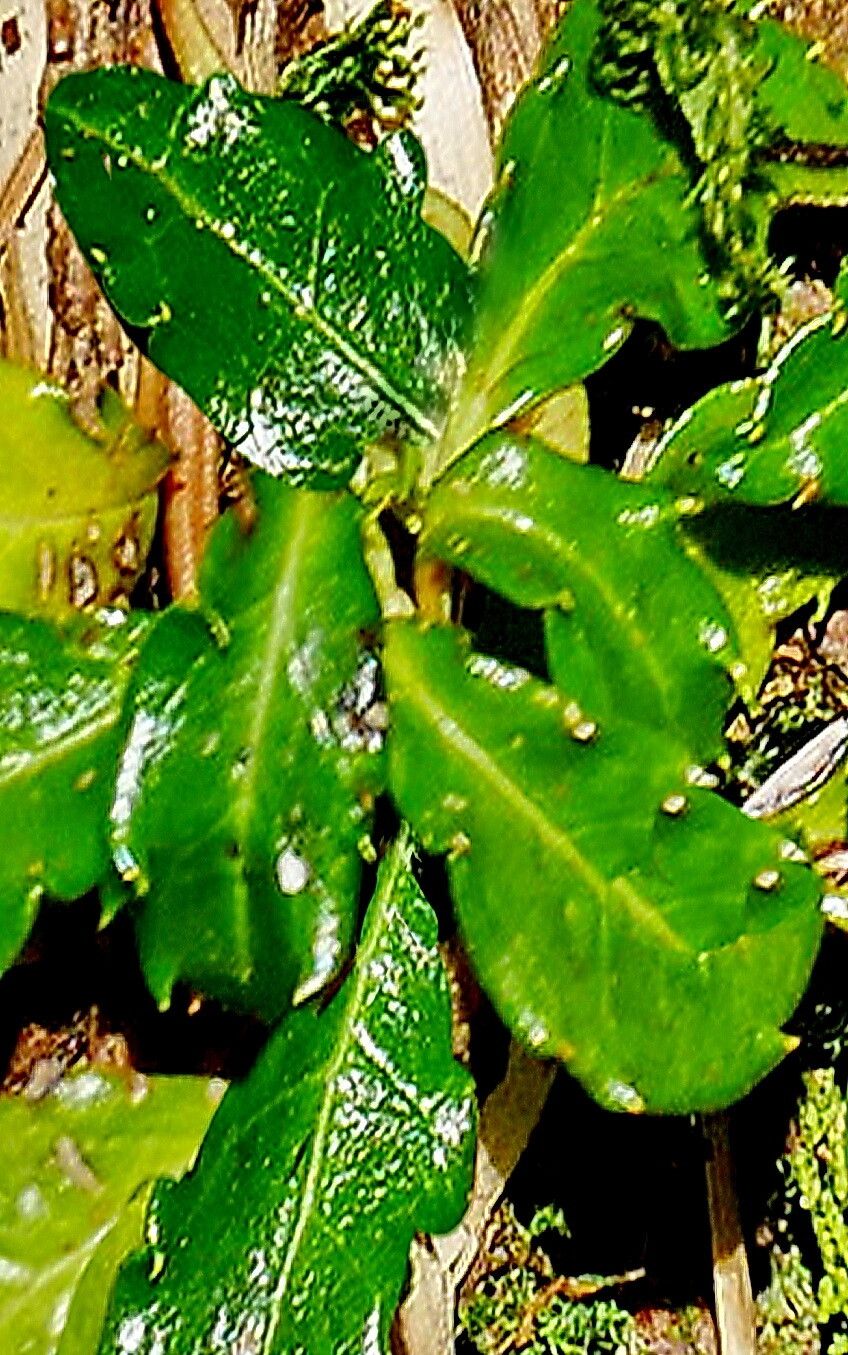
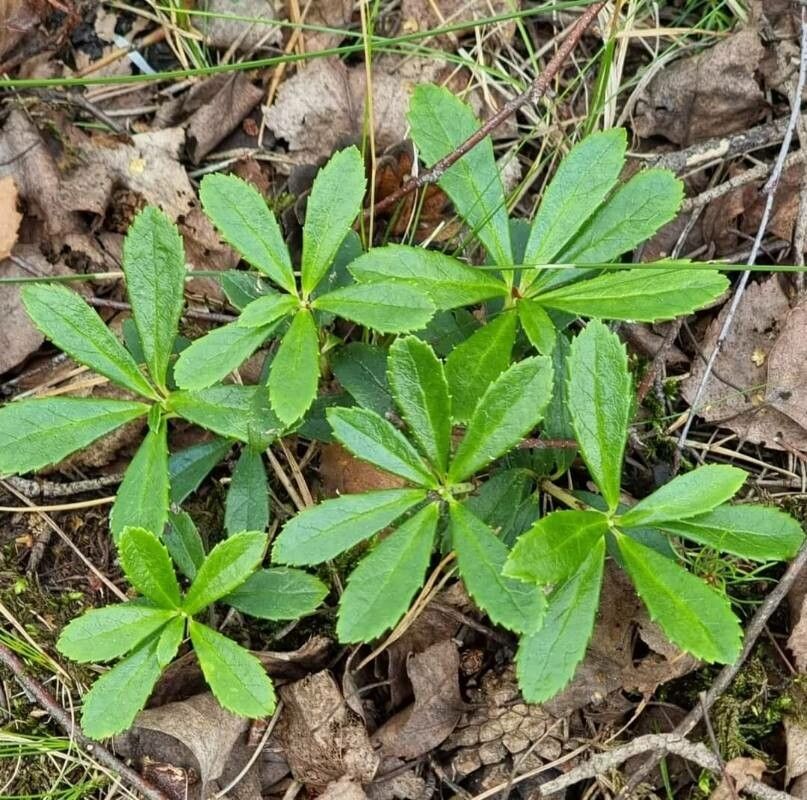
Asian prince’s pine exhibits good resistance to disease and is typically not susceptible to illnesses. Regarding care, this plant is fairly low-maintenance. Outdoors it needs only light watering, and larger specimens usually do not require pruning. Smaller specimens, however, should be pruned after flowering. Asian prince’s pine is appropriate for anyone with outdoor space, such as a garden or a deck, and does not demand extensive care experience.
How to keep Chimaphila Japonica.
Light
Asian prince's pine occurs naturally in habitats like forest understories and rocky sites, where it is subject to natural shade. It prefers partial sun but can tolerate full sun or full shade, illustrating its versatile and hardy nature.
Water
The Asian prince's pine originates from the understories of temperate forests and thrives in environments that are consistently moist but well-drained. It is best to water it every 2 to 3 weeks, allowing the soil to dry out slightly between waterings. As an evergreen plant, it retains leaf hydration throughout the year, making it ideal for indoor settings with controlled humidity.
Temperature
Asian prince’s pine is highly adaptable to different climatic conditions, from scorching summers to cold winters. Nevertheless, it has a specific temperature range in which it grows best. If temperatures become too high, the plant can suffer from heat and humidity stress, potentially causing it to die. In areas where temperatures approach the lower limit of its cold tolerance, taking insulating measures to protect the plant is important.
Fertilizer
The timing of fertilization is critical for Asian prince’s pine. Apply fertilizer in early spring and continue monthly through early summer. Fertilizer encourages lovely blooms and supplies energy during both dormant and active growth phases.
Pruning
The Asian prince's pine flourishes when carefully pruned during its dormant period, from early to late winter. Removing dead branches promotes health and encourages new growth. Thinning the plant enhances air circulation, which helps reduce the risk of fungal diseases. Regular pruning not only improves the structure but also enhances the plant's appearance. For specific pruning practices, consult local guidelines.
Botanical profile.
- Plant Type
- Shrub
- Life Cycle
- Perennial
- Genus
- Chimaphila
- Family
- Ericaceae
- Hardiness Zone
- 5-9
- Mature Height
- 6 cm to 20 cm
- Mature Spread
- 15 cm to 25 cm
- Leaf Color
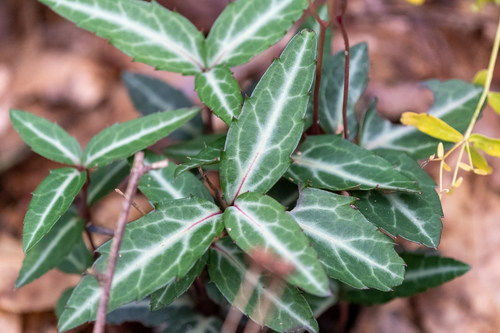
- Dark Green
- Leaf Type
- Evergreen
- Flower Color
- Pink, White
- Flower Size
- 1.27 cm to 1.78 cm
- Bloom Time
- Early summer, Mid summer
- Planting Time
- Spring, Summer, Autumn
- Harvest Time
- Late summer, Early fall, Mid fall
- Native Area
- Russia, Japan, Koppen, Bhutan, South Korea, China
Other names.