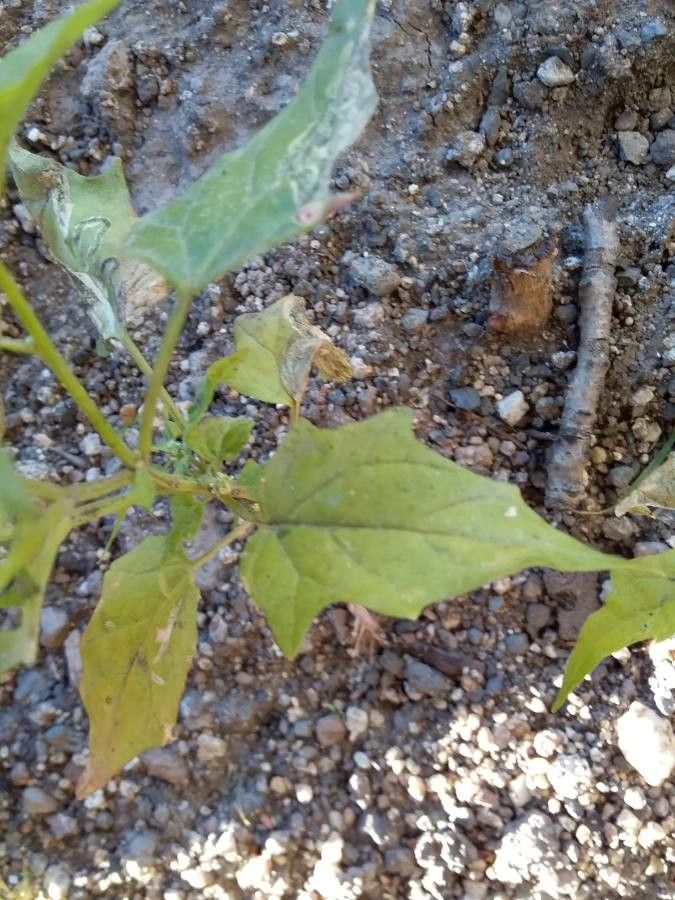
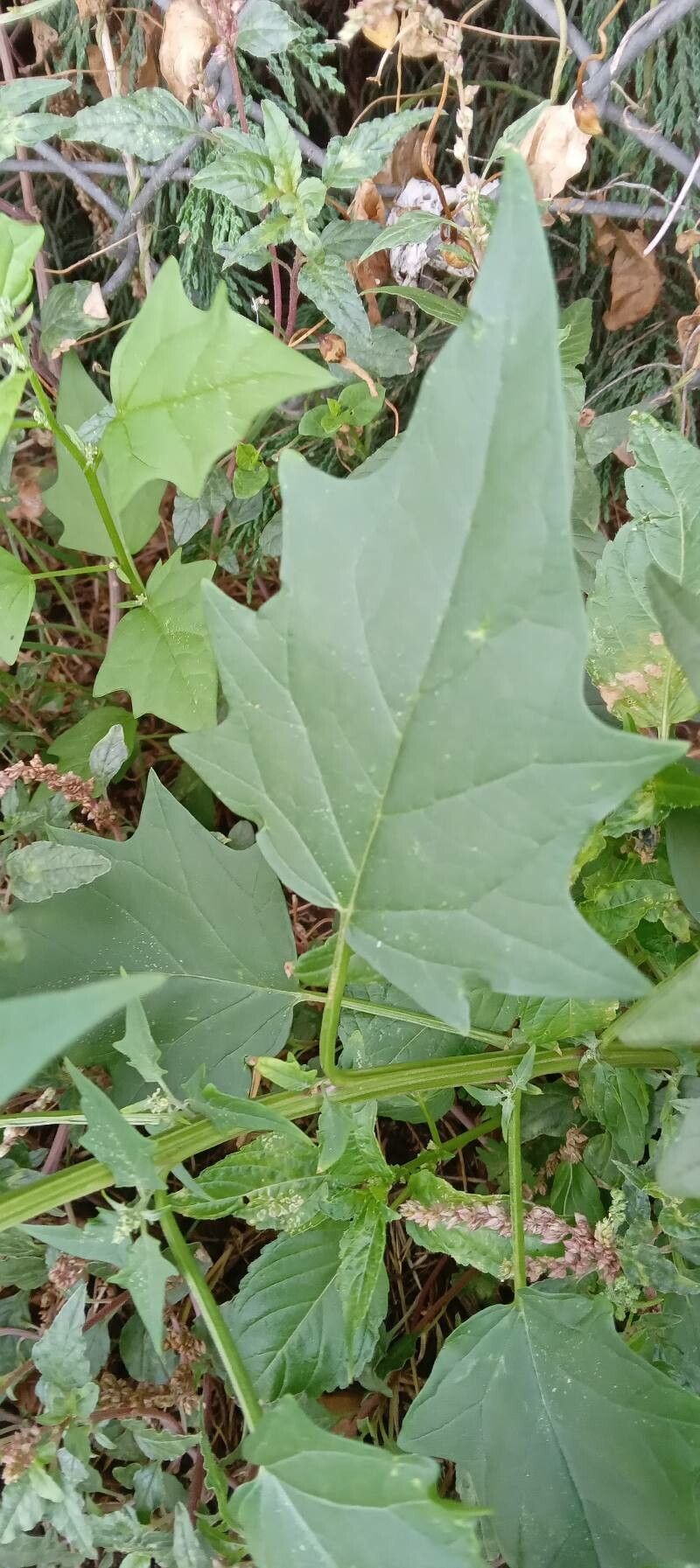
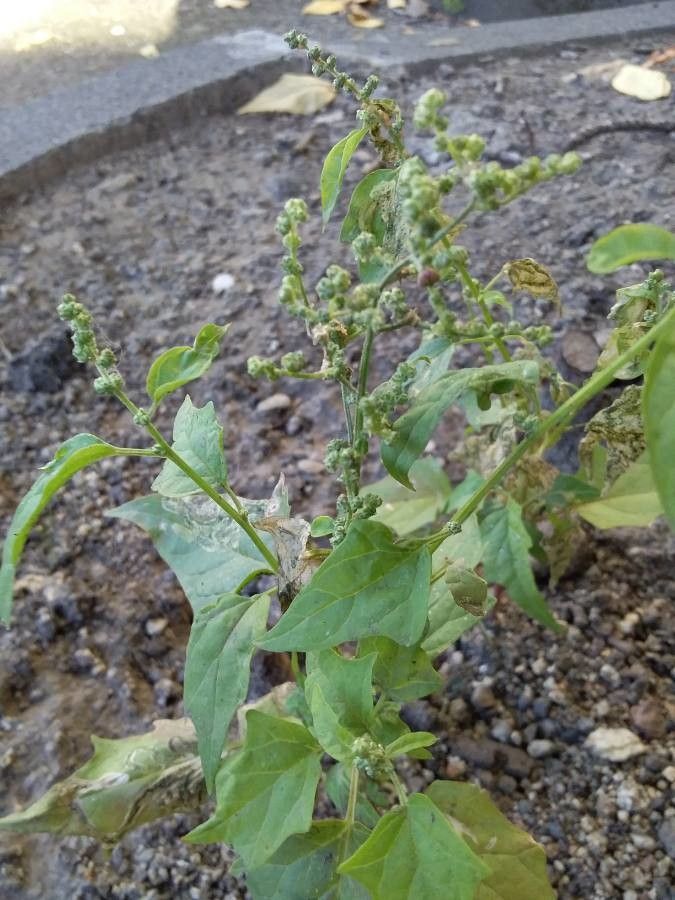
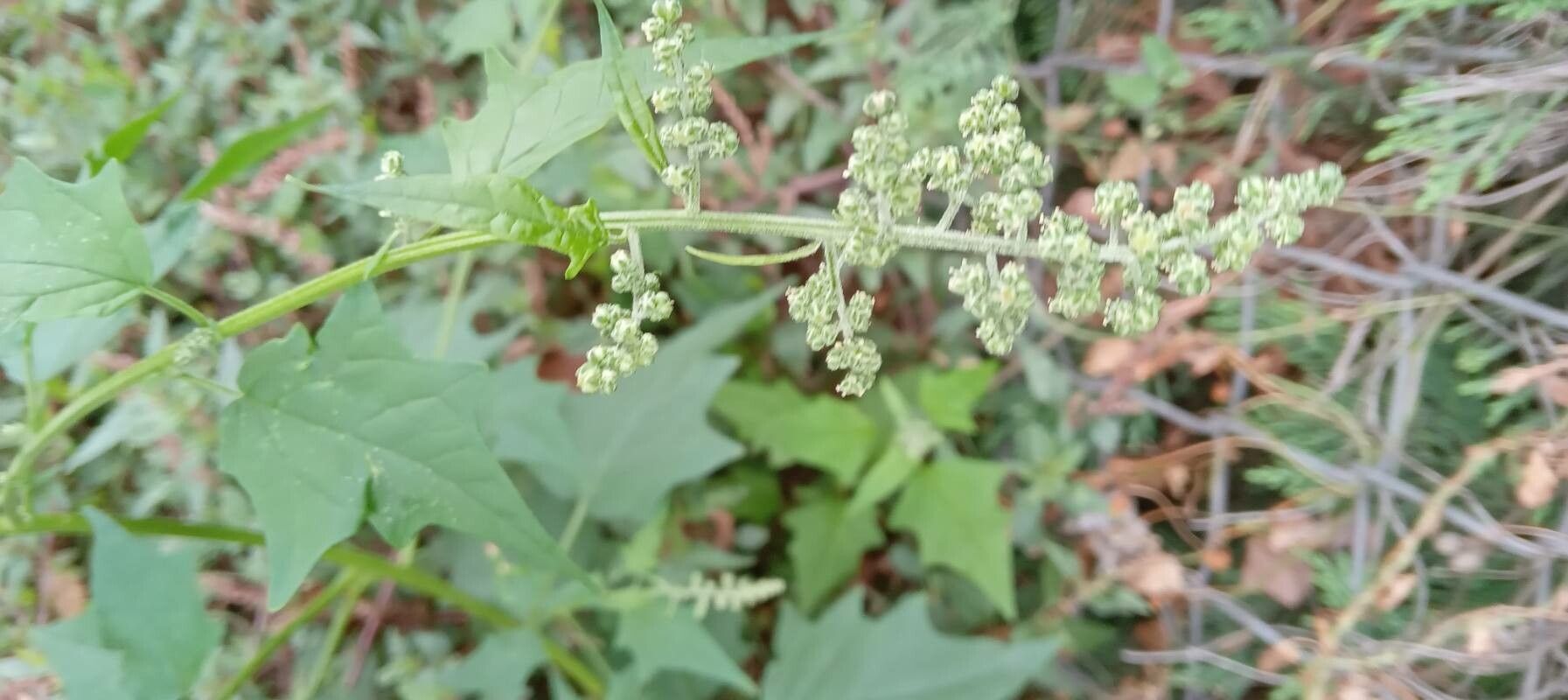
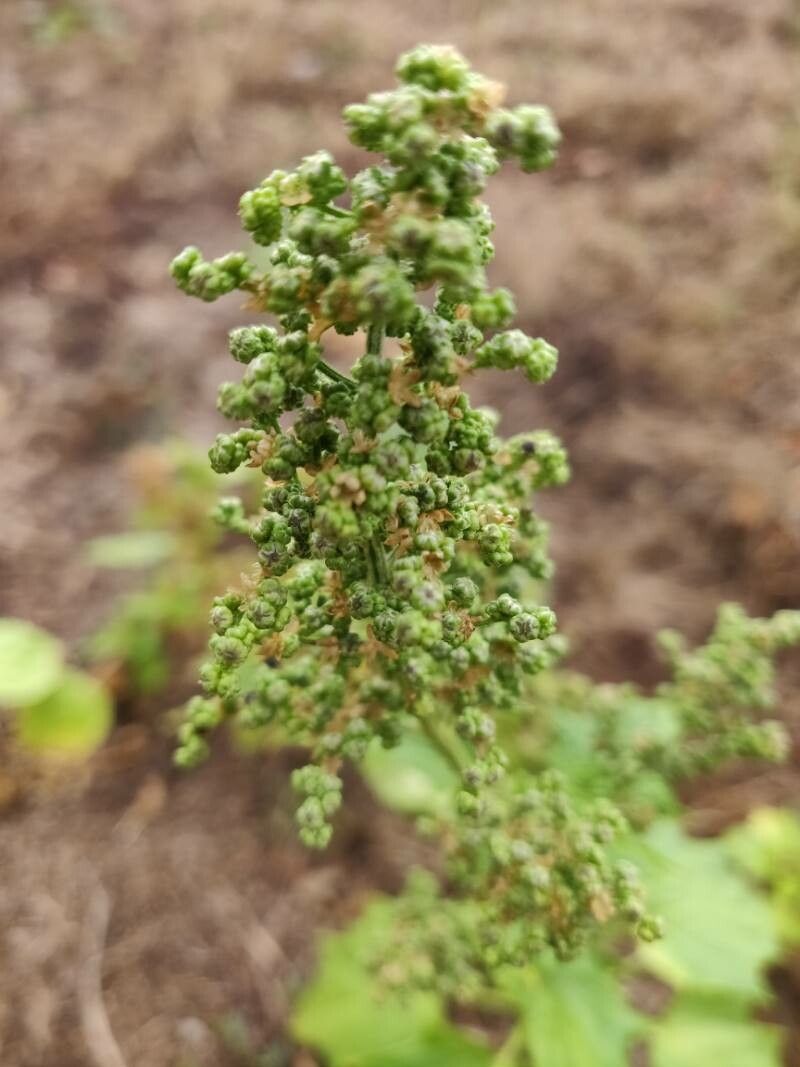
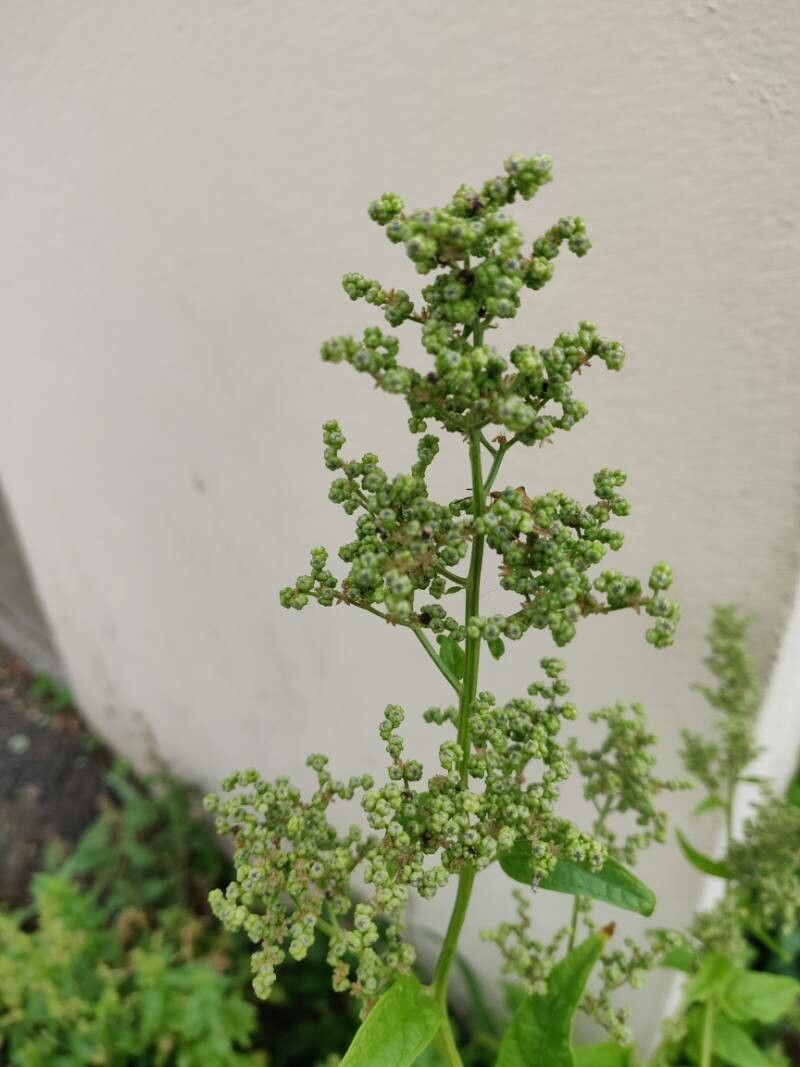
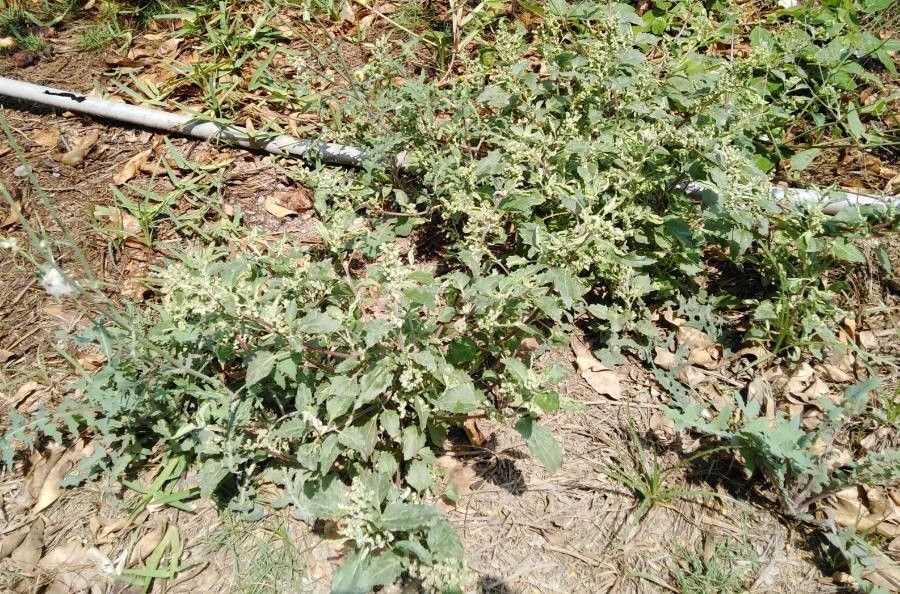
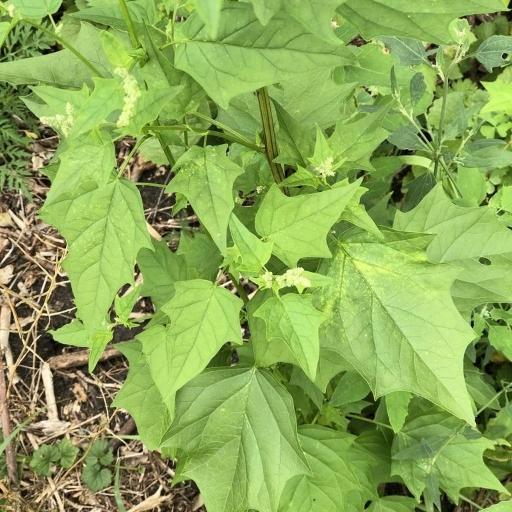
Chenopodiastrum hybridum is a species of flowering plant in the family Amaranthaceae. It is found in Europe and Asia.
Maple-leaved goosefoot has strong resistance to disease and is generally not likely to suffer from illnesses. Still, it can be vulnerable to pests and diseases present in its surroundings. Such infections are typically mild. Regarding care, this plant needs moderate maintenance. It should be pruned regularly to preserve a neat appearance and support healthy growth. Applying fertilizer can also encourage flowering. Maple-leaved goosefoot is appropriate for anyone with outdoor space, like a garden or patio, and does not demand extensive gardening experience. It may need more attention when grown indoors.
How to keep Chenopodiastrum Hybridum.
Light
The Maple-leaved goosefoot, maple-leaved goosefoot, requires a generous amount of sunlight for healthy growth. This requirement reflects its native environment, where light is abundant. Both extremes — too little or too much sunlight — can potentially damage its development and productivity. The exact sunlight needs of the plant may vary with its stage of growth.
Water
Maple-leaved goosefoot thrives in moist soil, similar to its native habitat. While it has moderate drought tolerance, it requires weekly watering to stay hydrated. Careful water management, especially during the growing season, is essential for supporting its growth and maintaining its lush foliage.
Temperature
Maple-leaved goosefoot originates from temperate climates and performs best at 68 to 95 °F (20 to 35 ℃). Temperatures below this range can hinder growth, and higher temperatures may cause wilting. It is recommended to regularly monitor conditions and make adjustments according to seasonal changes.
Fertilizer
Maple-leaved goosefoot does well with regular, dilute fertilizer applications to encourage healthy leaf growth. You should feed Maple-leaved goosefoot roughly once a month during the summer. Nitrogen is important for foliage, and adding nitrogen-rich fertilizers helps Maple-leaved goosefoot thrive.
Pruning
To ensure a healthy and vibrant maple-leaved goosefoot, it's important to prune it properly. The best time to do this is from early to late spring. Begin by removing any dead stems and shape the plant to improve air circulation. Make your cuts just above the leaf nodes to encourage regrowth. Regular pruning enhances the plant's vitality and form, promoting overall health. For the best results, consult horticultural guidelines for detailed practices.
Botanical profile.
- Plant Type
- Herb
- Life Cycle
- Annual
- Genus
- Chenopodiastrum
- Family
- Amaranthaceae
- Hardiness Zone
- 7-10
- Mature Height
- 10 cm to 91 cm
- Mature Spread
- 20 cm to 61 cm
- Leaf Color
- Green, Dark Green
- Leaf Type
- Semi-evergreen
- Flower Color
- Yellow, Green
- Flower Size
- 0.10 cm to 0.20 cm
- Bloom Time
- Summer
- Planting Time
- Spring, Summer, Autumn
- Harvest Time
- Late summer, Early fall, Mid fall
- Native Area
- Turkey, Sweden, India, Austria, Slovakia, Montenegro, Pakistan, Slovenia, Croatia, Belarus, Uzbekistan, Russia, Germany, Estonia, Koppen, Romania, Latvia, Belgium, Netherlands, France, Tajikistan, Czech Republic, Bulgaria, Armenia, Poland, Greece, Ukraine, Serbia, China, Lithuania, Norway, Kyrgyzstan, Kazakhstan, Italy, Spain, Switzerland, Vietnam, Japan, Mongolia, Denmark, Albania, Azerbaijan, United Kingdom, Hungary
Other names.
Reader questions.
How should I water my Maple-leaved goosefoot plant?
To water Maple-leaved goosefoot, you have several options: a garden hose with a spray nozzle, a watering can, or any common watering tool. This plant is not too specific about its water source, as it can thrive with rainwater, tap water, or filtered water. However, it's generally best to avoid watering it from above to prevent damage to the leaves, flowers, and potential disease. A drip irrigation system is often the most effective way to water Maple-leaved goosefoot as it distributes water evenly and directly to the soil. If you're growing this plant in a container, simply adapt the watering method by using a cup, watering can, or tap water to water the soil directly.
What are the sunlight requirements for Maple-leaved goosefoot?
Maple-leaved goosefoot requires full sun, meaning it needs above 6 hours of sunlight daily to ensure its healthy growth. This corresponds to its origin environment where light is ample. It's vital to observe how sunlight moves through your garden to select locations that offer the right balance of light and shade, catering to the plant's needs at different growth stages. Both too little and too much sunlight can harm the plant's development and productivity.
What is the optimal temperature range for Maple-leaved goosefoot?
Maple-leaved goosefoot thrives in a temperate climate, performing best within a temperature range of 68 to 95°F (20 to 35°C). Temperatures falling below or rising above this range can negatively impact the plant's growth, leading to stunted growth at lower temperatures and wilting at higher temperatures. It is advisable to regularly monitor and adjust the care of the plant in response to seasonal temperature changes to ensure its health and productivity.
What should I do if I give my Maple-leaved goosefoot too much or too little water?
To remedy underwatering, simply water the Maple-leaved goosefoot more regularly when it appears to lack moisture. On the other hand, overwatering can be a more serious issue. If not addressed early, it can lead to diseases that cause the plant to decline and die. To prevent this, choose a suitable location with ample sunlight to dry the soil and good drainage to prevent water accumulation. If your potted Maple-leaved goosefoot is overwatered, you may need to change to a new pot with better drainage. When repotting, ensure the use of loose soil and an efficiently draining pot.
How can artificial lighting be used for Maple-leaved goosefoot?
When natural sunlight is insufficient, especially in winter or less sunny spaces, artificial lighting becomes critical for the Maple-leaved goosefoot's growth. LED lights are ideal as they can be customized to provide specific wavelengths needed by the plant. Full sun plants require 30-50W/sq ft of artificial light, partial sun plants need 20-30W/sq ft, and full shade plants need 10-20W/sq ft. The light source should be placed 12-36 inches above the plant, mimicking natural sunlight's distance, and it's suggested to provide 8-12 hours of light per day to replicate the length of natural daylight hours.
Is Maple-leaved goosefoot cold-resistant?
Yes, Maple-leaved goosefoot possesses strong cold resistance, meaning that it usually doesn't require special frost protection measures during the winter season. However, in extremely cold conditions where winter temperatures are expected to plummet below -15°C, additional cold protection should be provided. This can be done by covering the plant with insulating materials such as soil or straw. It's also recommended to water the plant abundantly before the first freeze in autumn to maintain soil moisture, which helps prevent drought and water scarcity through the winter and early spring.
How often do I need to water my Maple-leaved goosefoot plant?
Maple-leaved goosefoot requires regular watering throughout the growing season. In spring, watering once a week is sufficient. However, as the season progresses and temperatures rise, you may need to increase watering to two to three times per week. It's important not to exceed this rate as it can harm the plant. Regardless of watering frequency, ensure that the soil remains moist but not overly wet. When it comes to potted Maple-leaved goosefoot, watering should be done more frequently. Potted soil tends to heat up and dry out faster, so watering a few times per week is usually necessary compared to just once per week for plants in the ground.
What are some common symptoms of improper lighting for Maple-leaved goosefoot?
Maple-leaved goosefoot may show several symptoms if it's not receiving adequate light. These include smaller new leaves, leggy or sparse growth, faster leaf drop, slowed or halted growth, lighter-colored new leaves, and symptoms of too much sunlight like chlorosis, sunscald, leaf curling, wilting, and leaf scorching. These symptoms indicate the plant is struggling with either too little or too much light.
How should I care for Maple-leaved goosefoot in low temperatures?
Maple-leaved goosefoot is cold-tolerant but thrives best when temperatures remain above 20°C. Throughout the winter, it's crucial to maintain environmental temperatures above 0°C to prevent damage. In cases where temperatures fall below -15°C, the plant may not show immediate distress, but there could be a significant decrease in sprouting, or the plant may not sprout at all come springtime. As the weather warms, you should remove any parts of the plant that have failed to sprout to encourage new growth.
How much water does my Maple-leaved goosefoot plant need?
Determining the right amount of water for your Maple-leaved goosefoot can be approached in a few ways. One method is to gauge the soil moisture by feeling it and watering until the top six inches are moist. Another option is using a set measurement like around two gallons per week, considering factors like temperature and soil dryness. However, sticking strictly to these guidelines may result in overwatering if the plant requires less. When growing in a container, you should water enough to moisten all dry layers of soil, which can be checked by feeling with your finger or observing excess water draining from the pot.
What solutions can help Maple-leaved goosefoot with inadequate lighting?
For indoor Maple-leaved goosefoot plants struggling with light, gradually moving them to sunnier spots each week until they receive at least 6 hours of direct sunlight daily is recommended. Use a south-facing window and keep curtains open during the day for maximum exposure. Artificial lights can also supplement light needs, being kept on for at least 8 hours daily. Outdoors, it's crucial to gradually shift plants to sunnier locations to avoid sunburn, adapting them to increased light gradually. For plants in the ground, reducing obstructions like pruning trees or transplanting to sunnier locations with good drainage can help capture more sunlight.
How should I care for Maple-leaved goosefoot in high temperatures?
During summer, it is vital to ensure that the temperature around Maple-leaved goosefoot doesn't exceed 35°C. Exposure to temperatures above 41°C can cause the plant's leaves to lighten in color, become prone to curling, and suffer from sunburn. In severe cases, the plant might wilt and dry out completely. To mitigate these issues, trim the damaged parts and consider moving the plant to a shadier spot or using a shade cloth to protect it from the midday and afternoon sun. Also, make sure to water the plant thoroughly in the morning and evening to keep the soil moist and cool.