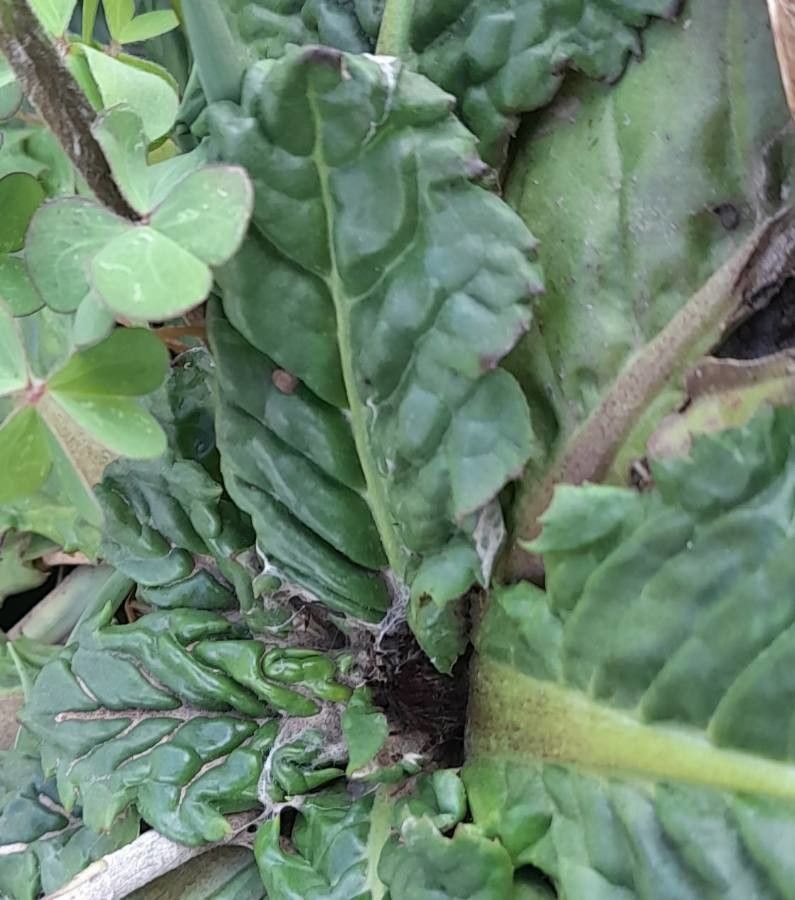
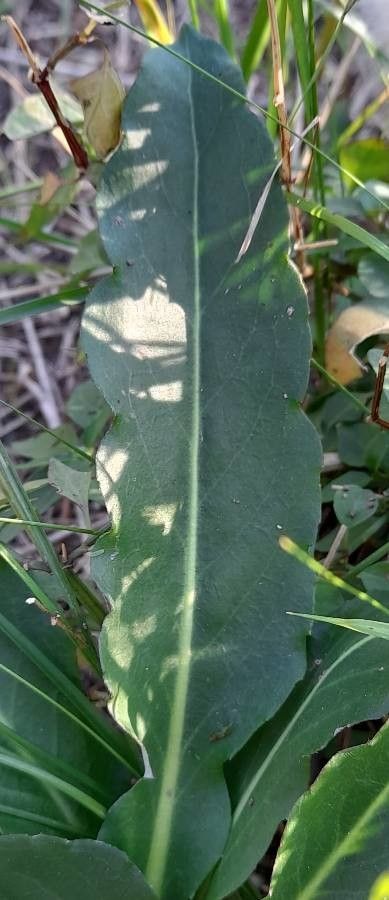
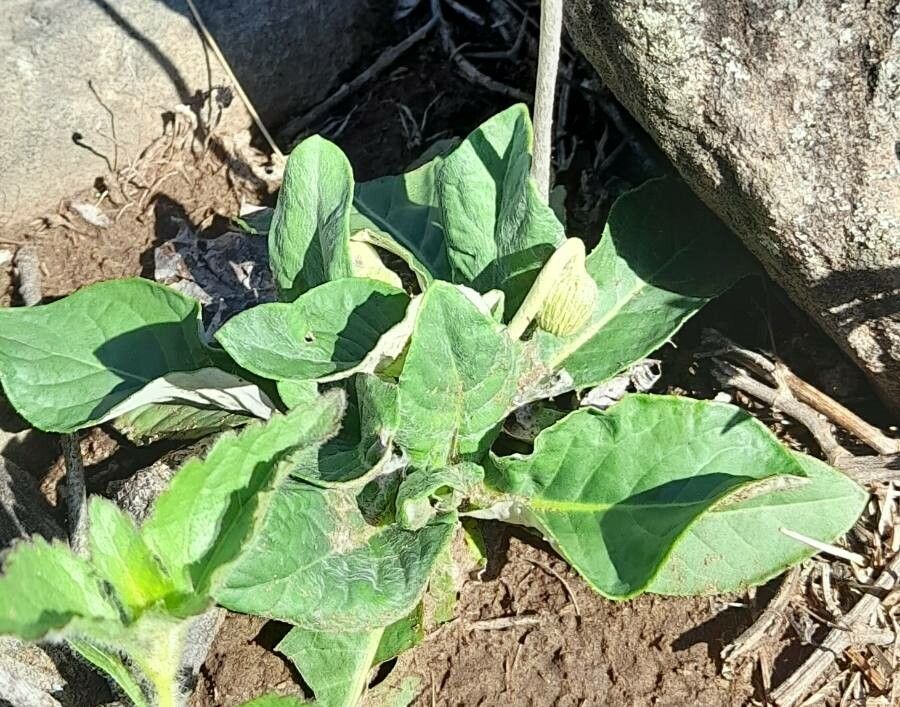
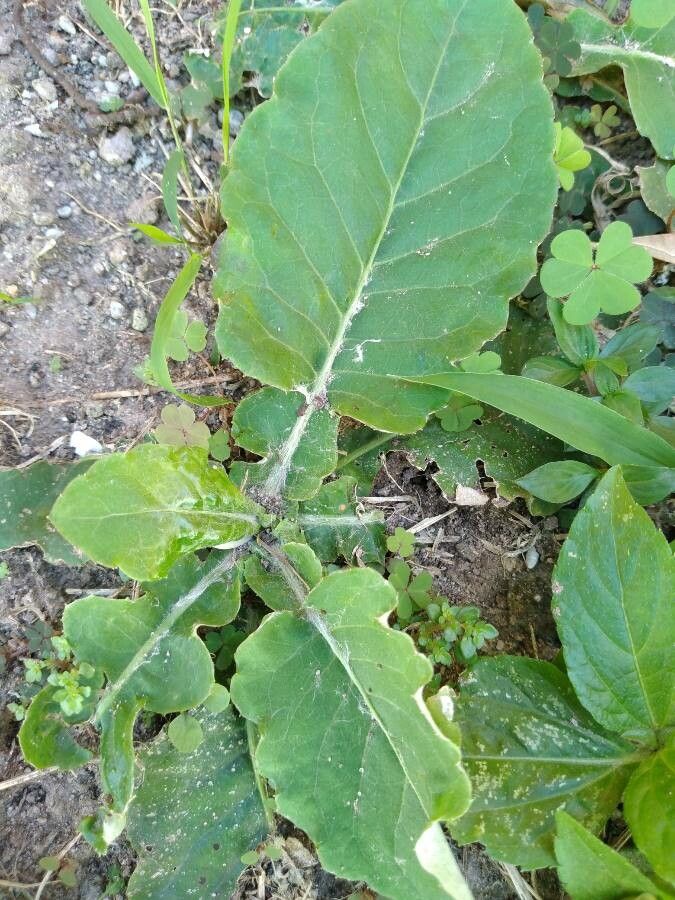
Chaptalia tomentosa, common name pineland daisy, is a plant species native to the southeastern United States. It has been reported from southern Alabama, Florida, southern Georgia, Louisiana, eastern Texas, southern Mississippi, eastern North Carolina and South Carolina. Some publications report the species from the West Indies as well, but this is based on the assumption that C. azurensis is a synonym of C. tomentosa.Chaptalia tomentosa is type species for the genus Chaptalia, and is found in sandy soil in bogs, savannahs, and open areas in the Atlantic and Gulf coastal plain.Chaptalia tomentosa is a perennial herb forming a rosette of leaves, but no underground rhizome. Leaves are elliptical, up to 25 cm long, densely gray-white to orange on the underside because of a thick coat of hairs. Ray flowers are cream-colored with a purple streak along the underside. Achenes are glabrous, up to 6 mm long with a slender hairy neck at the top 20-25% as long as the body of the achene.
Woolly sunbonnets has good disease resistance and is generally not prone to illnesses. However, it can be vulnerable to pests and diseases present in its surroundings. These infections are typically not serious. Regarding care, this plant requires medium maintenance. It needs regular pruning to maintain a pleasing appearance and healthy growth. Fertilizing can also help encourage flowering. Woolly sunbonnets is suitable for anyone with outdoor space, such as a garden or patio, and does not demand much experience in plant care. It may require extra attention when grown indoors.
How to keep Chaptalia Tomentosa.
Light
Woolly sunbonnets thrives in places that receive ample sunlight each day, which supports healthy growth. However, it can also tolerate partially shaded conditions. Its native habitats are typically exposed to abundant sunlight. Both excessive and insufficient sunlight can negatively affect its development, leading to wilting or stunted growth.
Water
Woolly sunbonnets, native to forest understories, flourish in consistently moist environments. To support their lush foliage and maintain evergreen vitality, water them weekly. Outdoors, they benefit from natural rainfall, but it is important to ensure they receive steady hydration throughout the year to stay healthy.
Temperature
Woolly sunbonnets are native to environments where temperatures range from 59 to 95 °F (15 to 35 ℃). They prefer warmer climates and may need temperature adjustments during colder seasons to replicate their natural habitat.
Fertilizer
The best time to fertilize a Woolly sunbonnets is in early spring, when it is coming out of dormancy and beginning active growth. Fertilization supplies essential nutrients for healthy growth. Although Woolly sunbonnets has relatively low fertilization needs, an annual application can improve its survival and promote better, longer-lasting flowers.
Pruning
Woolly sunbonnets have woolly leaves and sun-like blooms. Light pruning from early to late spring can promote healthier growth by removing dead areas and improving air circulation. This maintenance not only enhances the plant's ornamental appeal but also boosts its overall vigor, aligning with its natural growth cycle.
Botanical profile.
- Plant Type
- Herb
- Life Cycle
- Perennial
- Genus
- Chaptalia
- Family
- Asteraceae
- Hardiness Zone
- 8-10
- Mature Height
- 30 cm to 46 cm
- Mature Spread
- 15 cm to 30 cm
- Leaf Color
- Green Yellow, Light Green
- Leaf Type
- Evergreen
- Flower Color
- White, Pink
- Flower Size
- 3.30 cm
- Bloom Time
- Spring
- Planting Time
- Spring, Autumn
- Harvest Time
- Late spring, Early summer, Mid summer
Other names.
Reader questions.
How much sunlight is required for Woolly Sunbonnets (Chaptalia tomentosa)?
Woolly Sunbonnets thrive in full sun, which means they require more than 6 hours of sunlight daily for healthy growth. They can also tolerate partial sun, receiving about 3 to 6 hours of sunlight. It's essential to observe the movement of sunlight through your garden to select the best spots that offer a perfect balance of light and shade, ensuring the plants' happiness.
What is the ideal temperature range for Woolly sunbonnets?
Woolly sunbonnets, or Chaptalia tomentosa, thrive in environments where the temperature ranges from 59 to 95 °F (15 to 35 °C). They are native to warmer climates and may require temperature adjustments during colder seasons to simulate their natural habitat. While Woolly sunbonnets have some cold tolerance and generally do not need additional measures when temperatures are above -5°C, it is necessary to protect them if temperatures are expected to drop below -5°C. In such cases, wrapping the plant with plastic film, fabric, or other materials can help, with these protective measures being removed once temperatures rise again.
What are the symptoms of inadequate or excessive sunlight exposure in Woolly Sunbonnets?
Symptoms of inadequate sunlight in Woolly Sunbonnets include smaller new leaves, leggy or sparse growth, faster leaf drop, slower or no new growth, lighter-colored new leaves, and symptoms of excessive sunlight include chlorosis, sunscald, leaf curling, wilting, and leaf scorching. These symptoms highlight the plant's struggle to adapt to its lighting conditions, affecting its overall health and development.
How does low temperature affect Woolly sunbonnets, and what are the solutions?
Woolly sunbonnets have a moderate tolerance to low temperatures, preferring conditions above 15°C. During winter, it's important to keep them above -5°C to avoid damage. If temperatures fall below -10°C, the plant's leaves may droop, and in severe cases, they can wilt and eventually fall off. To protect Woolly sunbonnets from low temperatures, you should trim off any frost-damaged parts and wrap the plant with materials like non-woven fabric or cloth. Additionally, constructing a wind barrier can help protect the plant from cold winds.
What solutions can help Woolly Sunbonnets receive the right amount of sunlight?
For indoor care, gradually move Woolly Sunbonnets to receive at least 6 hours of direct sunlight daily by using a south-facing window or artificial light sources for at least 8 hours daily. Outdoors, adapt plants gradually to sunnier spots to avoid sunburn. Prune obstructive trees or transplant smaller plants during their dormant period to locations with better sunlight exposure and drainage. Note that parts of the plant affected by poor light may not recover, but new growth can be healthy with improved lighting.
What are the effects of high temperature on Woolly sunbonnets and how can these issues be addressed?
Woolly sunbonnets should be maintained in temperatures below 35°C during the summer to avoid stress. Exposure to temperatures above 41°C can cause the leaves to lighten in color, dry and wither at the tips, curl, and become more susceptible to sunburn. To mitigate these issues, trim away sunburned and dried parts of the plant. Moving the plant to a shaded location or using a shade cloth to protect it from midday and afternoon sun is advisable. Additionally, watering the plant in the morning and evening helps keep the soil moist and reduces stress.
How does artificial lighting support Woolly Sunbonnets' growth?
Artificial lighting can be crucial for Woolly Sunbonnets, especially when natural sunlight is insufficient. LED lights are recommended due to their ability to provide specific light wavelengths needed by plants. Full sun plants need 30-50W/sq ft of light, partial sun plants require 20-30W/sq ft, and full shade plants need 10-20W/sq ft. The light source should be placed 12-36 inches above the plant, mimicking natural sunlight hours, generally 8-12 hours per day for most plant species.
What are essential care tips for Woolly Sunbonnets regarding sunlight exposure?
Woolly Sunbonnets flourish in locations with generous daily sunlight but can also withstand some shaded areas. Native to environments with abundant sunlight, these plants require careful attention to sunlight exposure. Too much or too little sunlight can lead to adverse effects such as wilting or stunted growth. Ensuring they receive the correct amount of sunlight is key to fostering their healthy development.