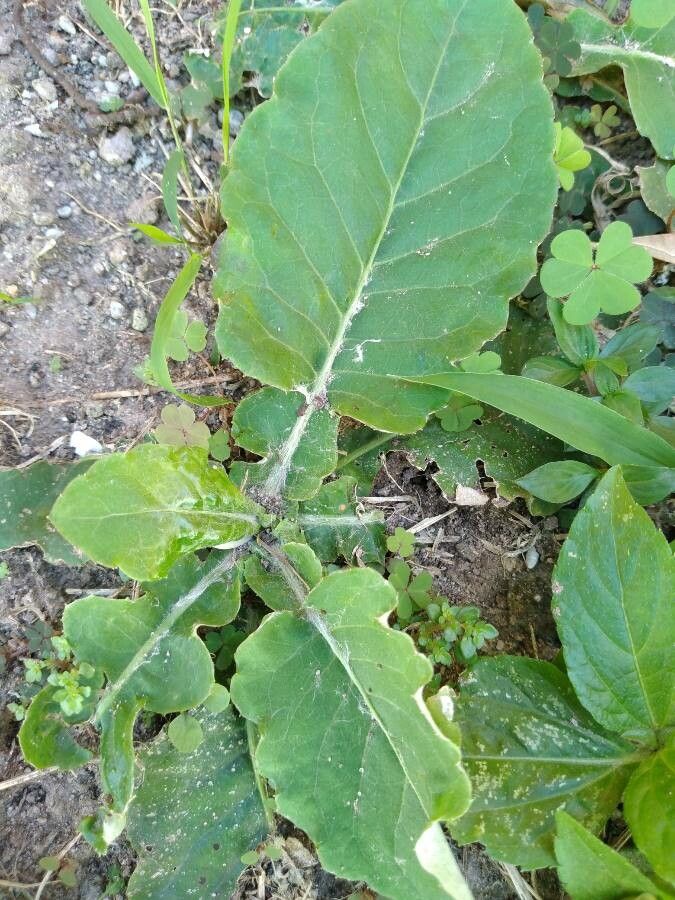
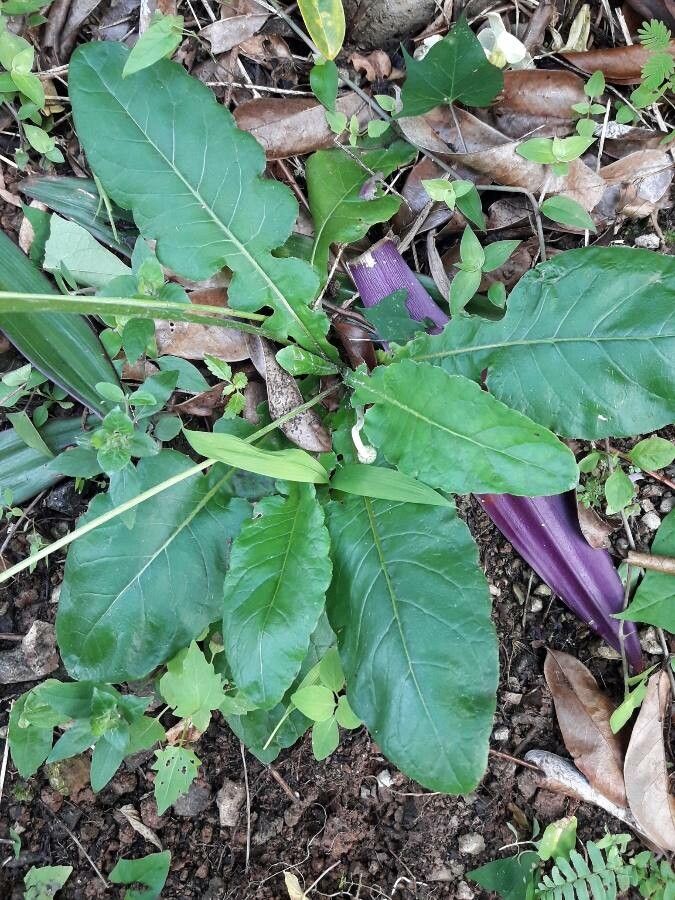
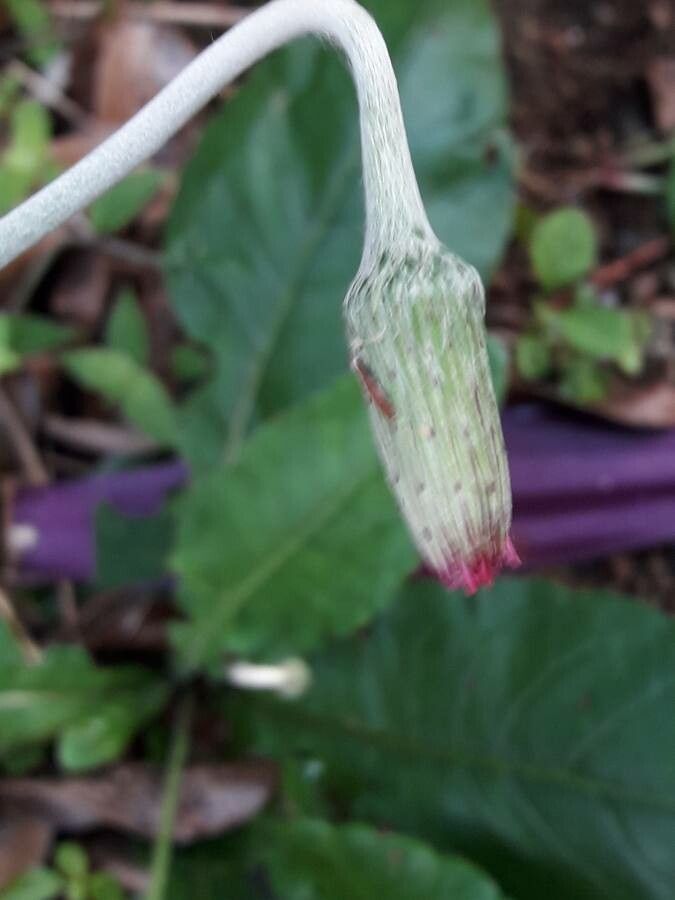
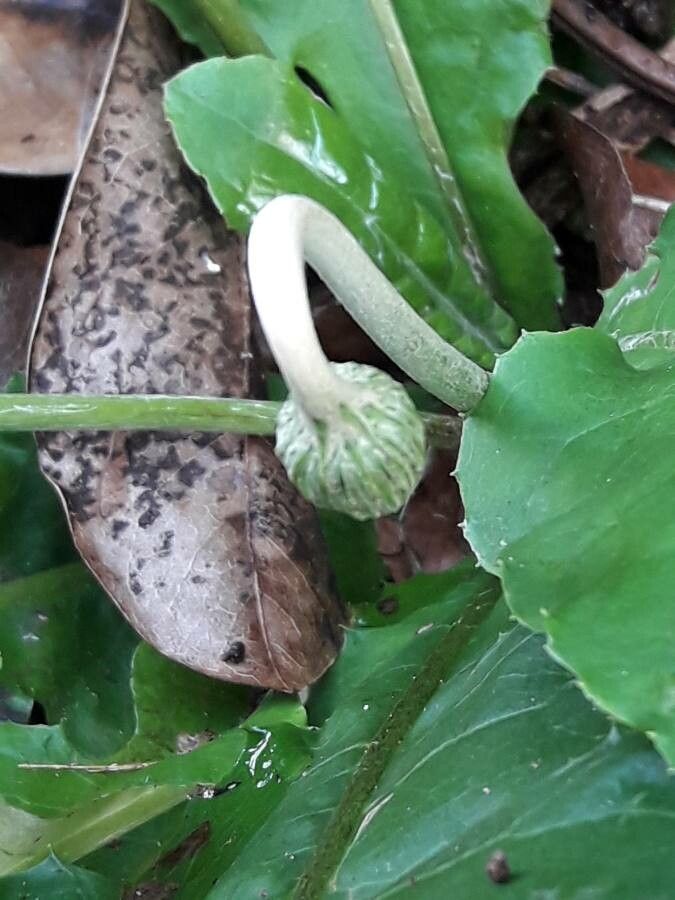
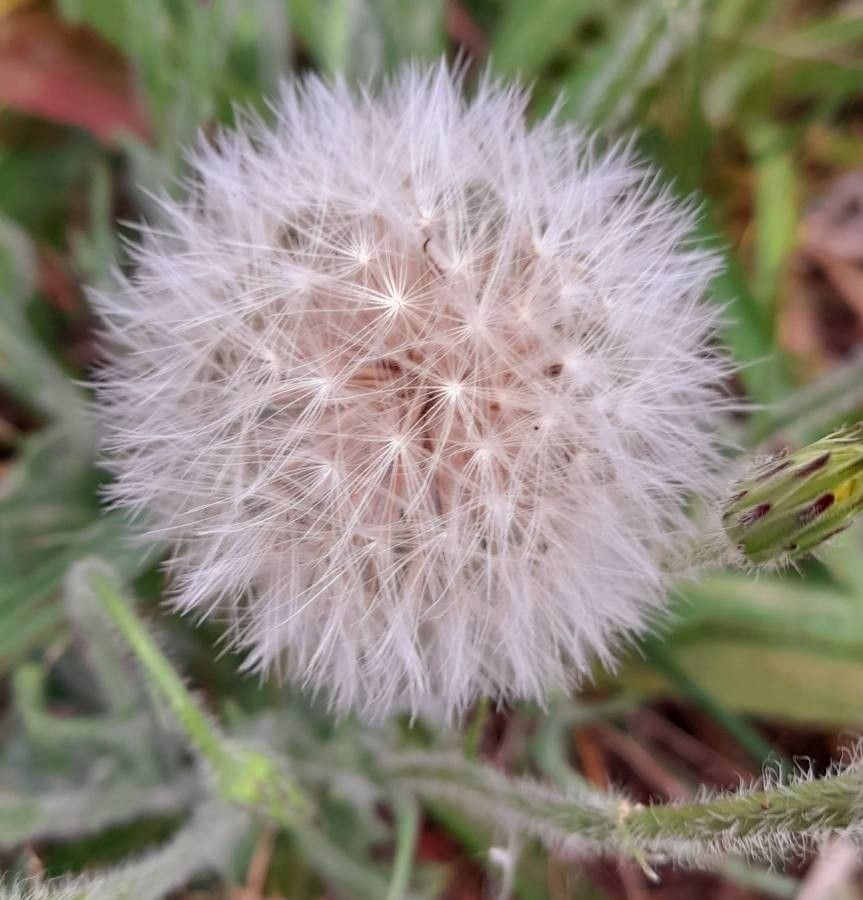
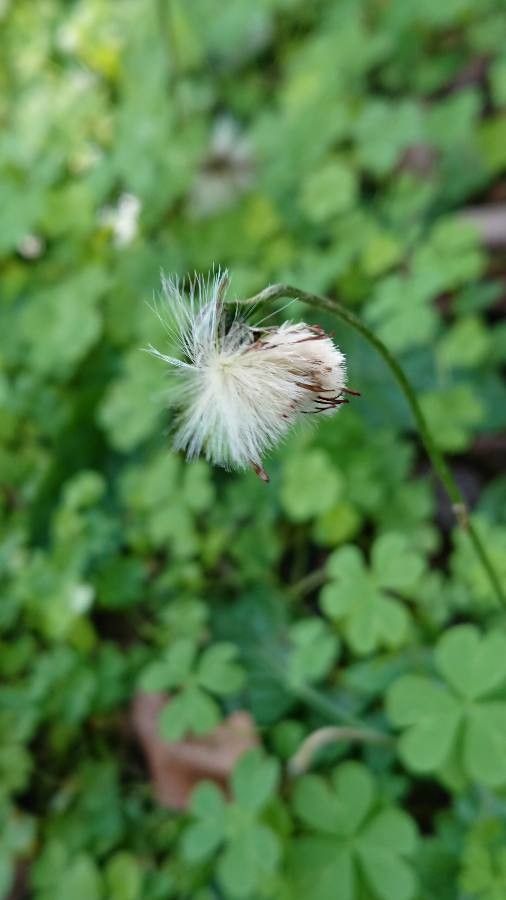
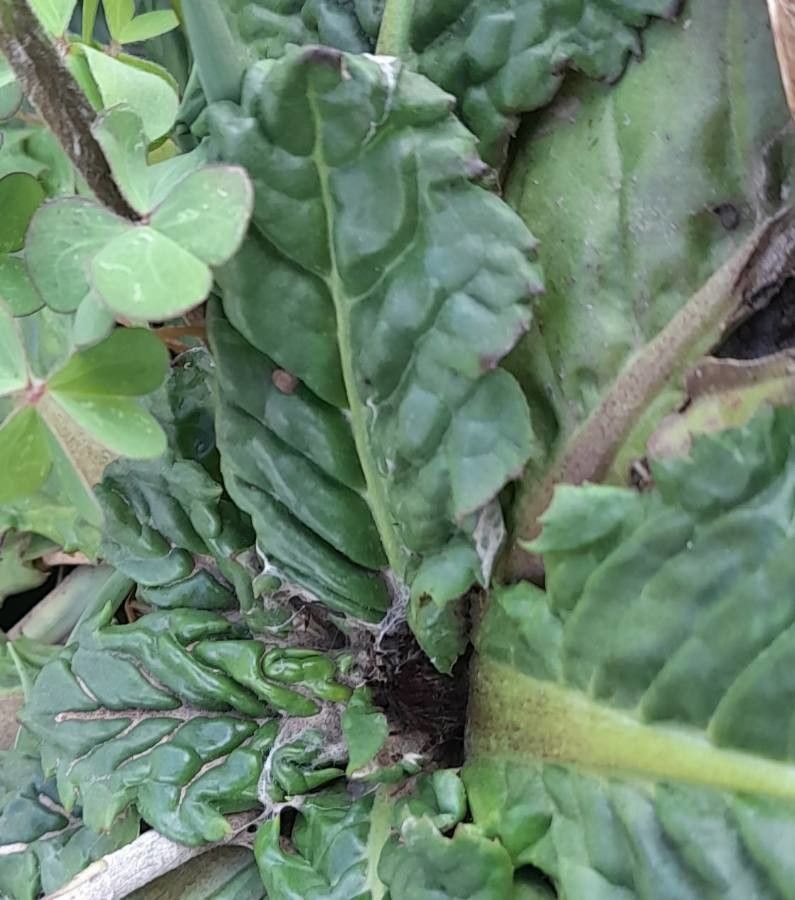
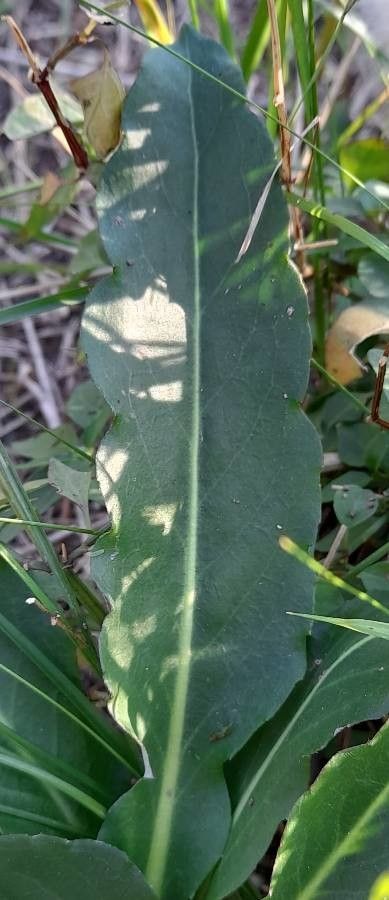
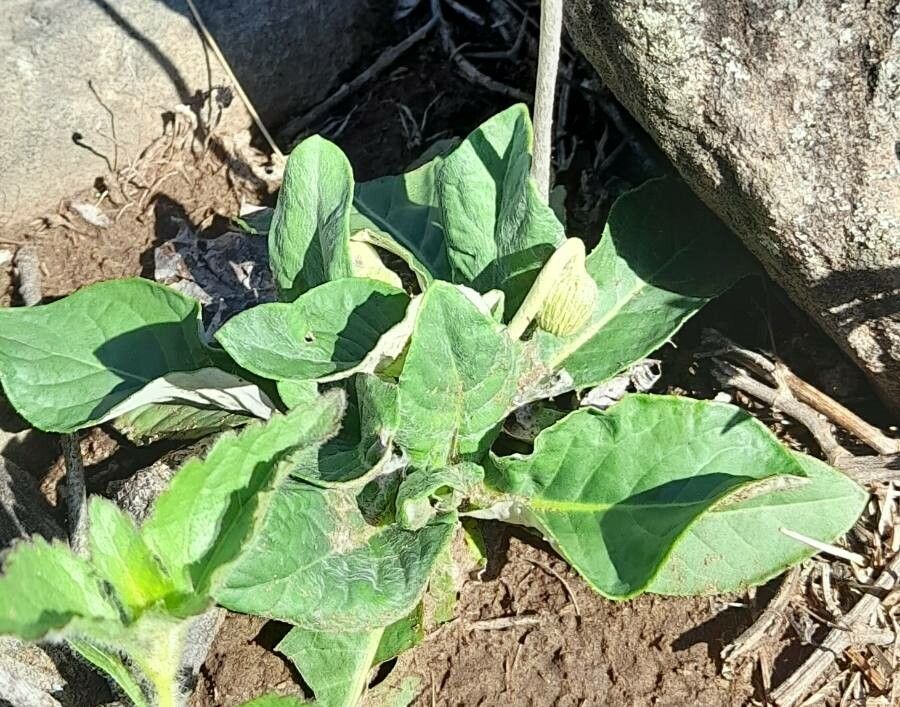
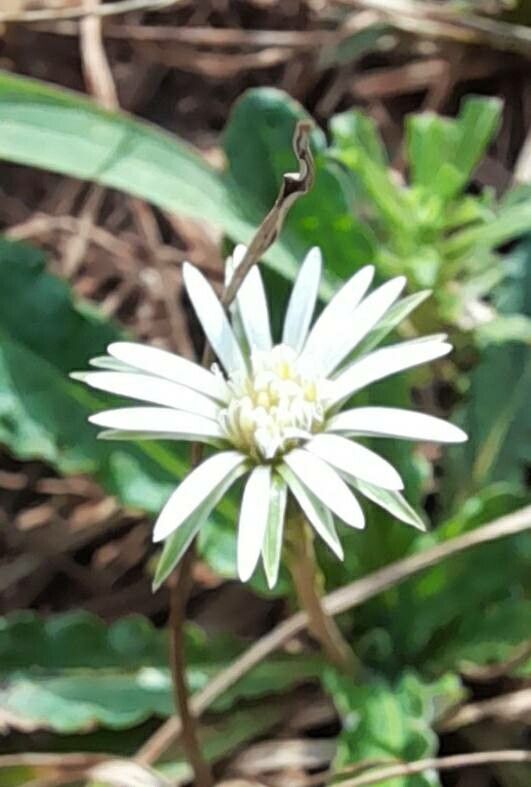
Chaptalia nutans, commonly known as the nodding chaptalia, is a perennial herbaceous plant in the Asteraceae family. Native to North and South America, it thrives in diverse habitats including open woods, fields, and roadsides. The plant grows up to 60 cm tall and features a basal rosette of lance-shaped leaves with toothed margins. Its slender, hairy stem culminates in small yellow flowers that bloom from May to October.
Traditionally, nodding chaptalia has been valued for its anti-inflammatory properties and has even been used as a natural insect repellent. Additionally, it serves as an important food source for various pollinators, such as bees, butterflies, moths, and flies.
Heal and draw has good disease resistance and is generally not prone to illnesses. However, it can be susceptible to pests and diseases present in its surroundings. These infections are usually not severe. In terms of care, this plant requires moderate maintenance. It should be pruned regularly to maintain a pleasing appearance and healthy growth. Fertilizing can also help encourage flowering. Heal and draw is appropriate for anyone with an outdoor area, such as a garden or patio, and does not demand extensive care experience. It may need more attention when grown indoors.
How to keep Chaptalia Nutans.
Light
Heal and draw is native to habitats such as forest understories and rocky areas, where it experiences natural shade. It prefers partial sun but can adapt to full sun or full shade, reflecting its versatile and hardy nature.
Temperature
Heal and draw can tolerate a wide range of temperatures, but its distribution may still be restricted by different combinations of moisture and heat. It does best in warm summer climates with sufficient rainfall or watering. Long stretches of cloudy, rainy weather, as well as extended periods of high temperatures, can raise the risk of Heal and draw dying. In winter, adequate protection from cold can increase the plant's chances of survival.
Fertilizer
The best time to fertilize a Heal and draw is in early spring, as it comes out of dormancy and begins active growth. Fertilizing supplies essential nutrients for healthy development. While Heal and draw has fairly low fertilizer requirements, applying fertilizer annually can improve its survival and encourage better, longer-lasting flowers.
Pruning
"Heal and draw benefit from early spring pruning, which involves trimming old leaves and removing spent flower stalks to encourage new growth and improve appearance. This practice aligns with their growth cycle, promotes health, and helps prevent disease and pest problems."
Botanical profile.
- Plant Type
- Herb
- Life Cycle
- Perennial
- Genus
- Chaptalia
- Family
- Asteraceae
- Hardiness Zone
- 8-11
- Mature Height
- 30 cm to 61 cm
- Mature Spread
- 20 cm to 40 cm
- Leaf Color
- Dark Green, Silver
- Leaf Type
- Deciduous
- Flower Color
- White, Pink
- Flower Size
- 2.03 cm to 3.05 cm
- Bloom Time
- Spring
- Planting Time
- Spring, Summer, Autumn
- Harvest Time
- Late spring, Early summer, Mid summer
- Native Area
- Belize, Honduras, Mexico, Guatemala, Peru, Panama, Jamaica, Colombia, Cuba, Bolivia, Venezuela, Guyana, El Salvador, Nicaragua, Ecuador, Costa Rica
Other names.