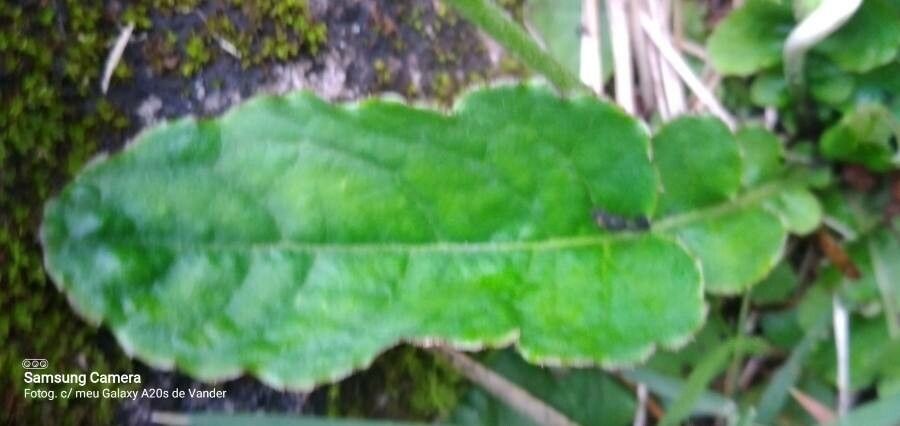
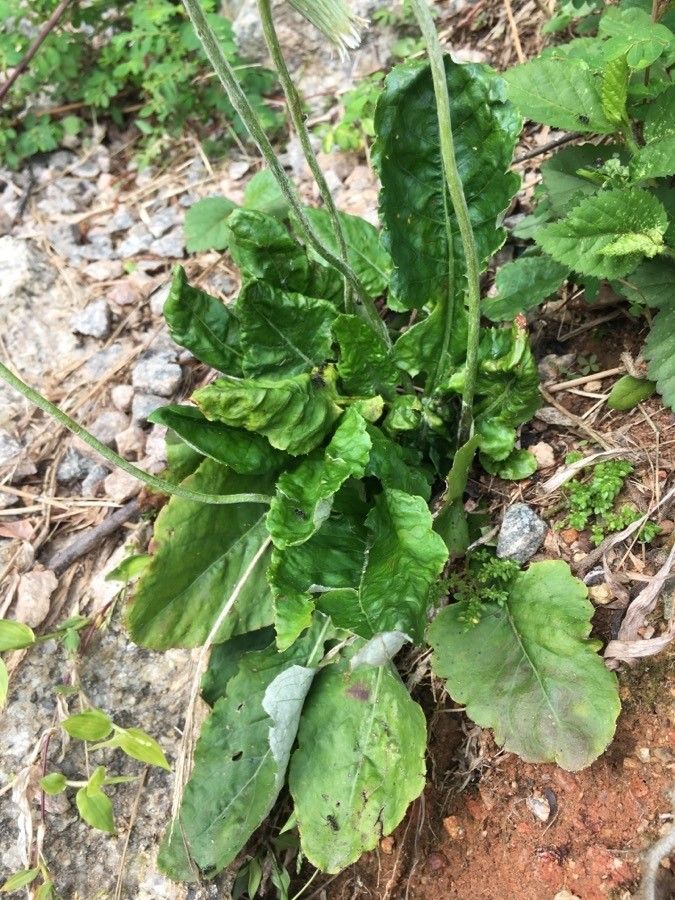
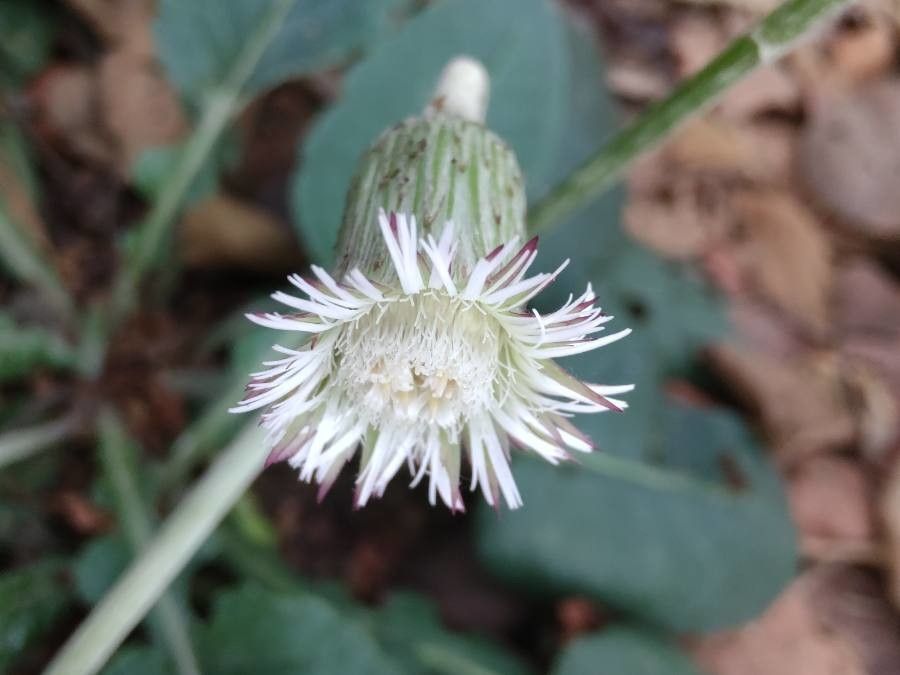
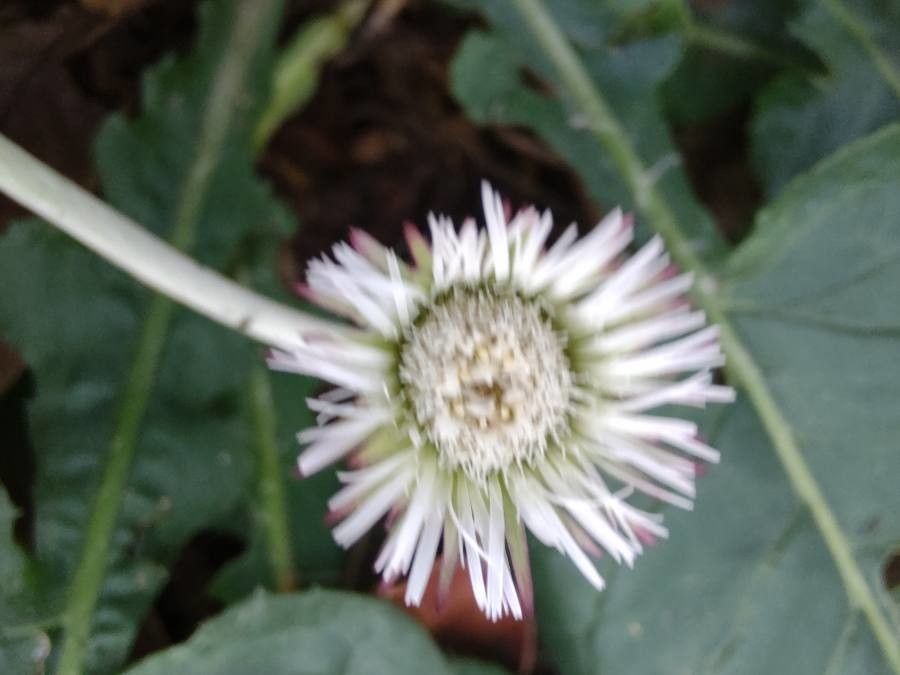
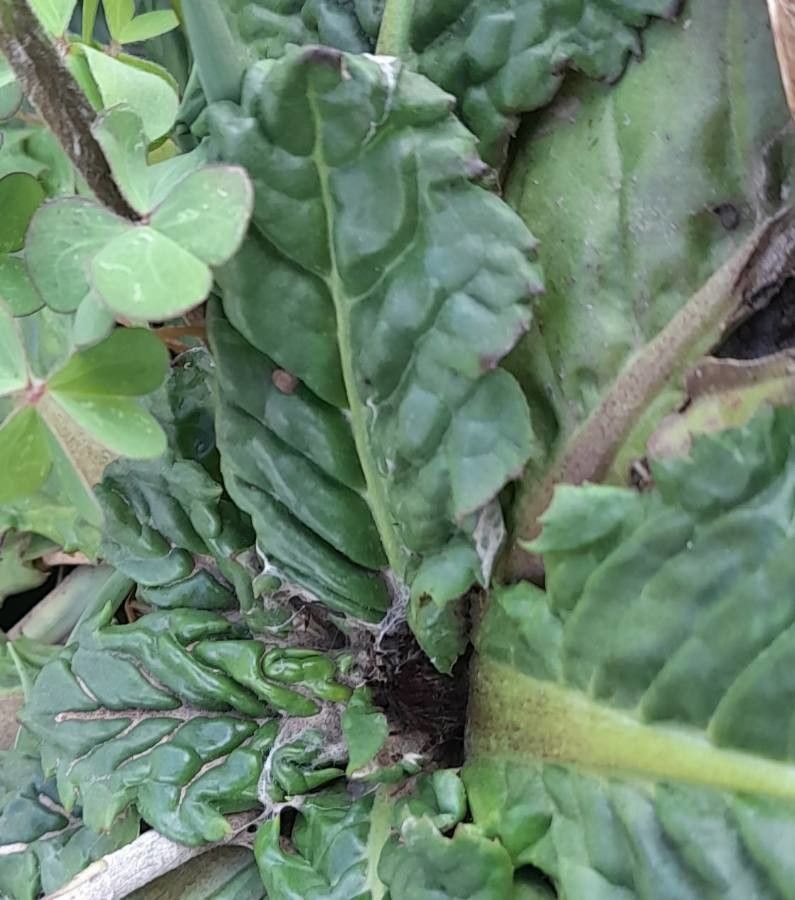
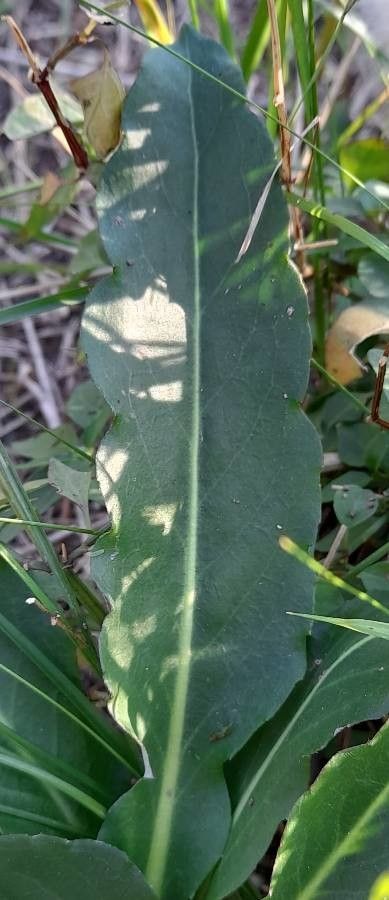
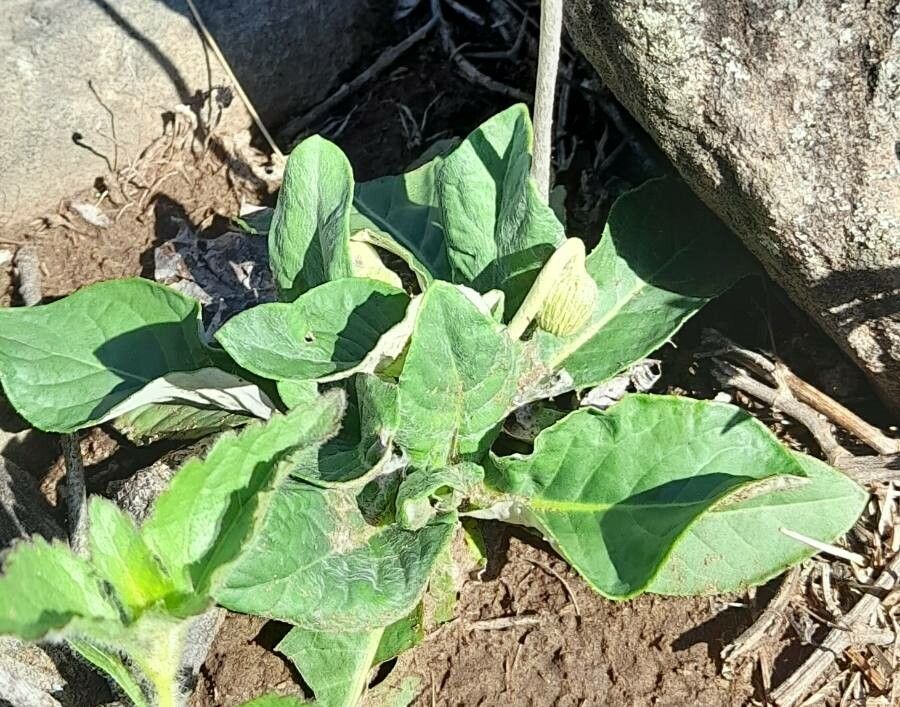
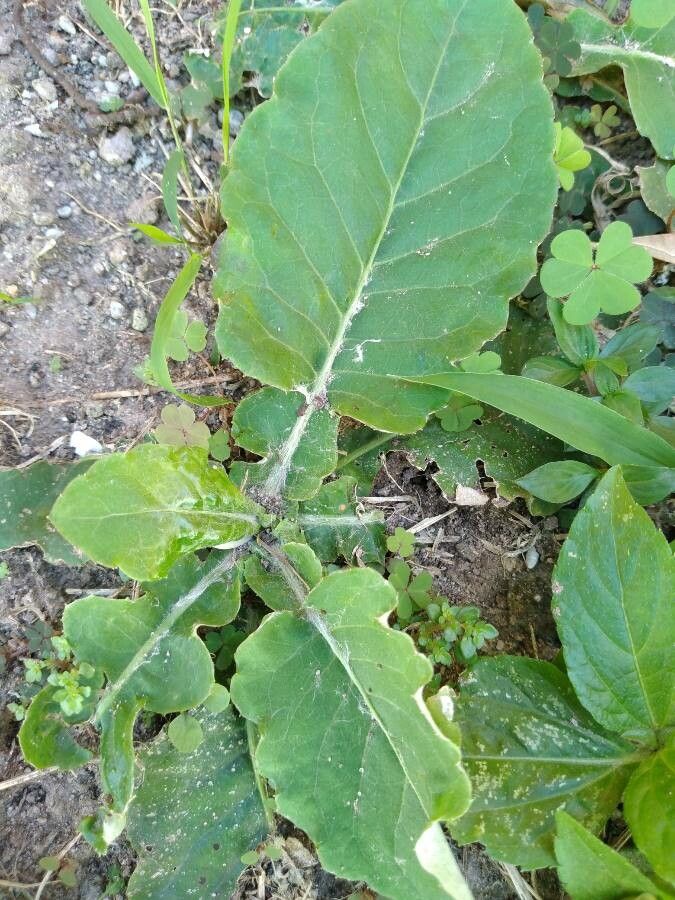
Chaptalia texana, common name silverpuff , is a North American species of plants in the family Asteraceae. It is native to Mexico, Texas, and New Mexico.Chaptalia texana is a perennial plant growing from a large root. Leaves are in a basal rosette close to the ground, with dense woolly hairs on the underside but not on top. There is generally only one flower head, held on an unbranched stalk; head is nodding (hanging) at fruiting time but not at flowering time. Flowers are cream-colored, turning reddish as they get old.
Silverpuff has strong disease resistance and is generally not prone to illnesses. Still, it can be affected by pests and diseases present in its surroundings. Such infections are typically mild. Regarding care, this plant needs a moderate level of maintenance. It requires regular pruning to keep a neat appearance and support healthy growth. Fertilizing can also help encourage flowering. Silverpuff is appropriate for anyone who has outdoor space, like a garden or patio, and does not demand extensive care experience. It may need more attention when grown indoors.
How to keep Chaptalia Texana.
Light
Silverpuff is native to habitats like forest understories and rocky areas, where it grows in natural shade. It prefers partial sun but can also tolerate full sun or full shade, demonstrating its adaptable and hardy nature.
Water
Originating from arid regions, silverpuff is a drought-tolerant plant that thrives with minimal moisture. For optimal growth, it benefits from weekly watering, which mimics natural rainfall patterns. Generally grown outdoors, silverpuff flourishes in well-draining soil, which prevents root rot and ensures the plant remains healthy and vigorous.
Humidity
This plant prefers dry conditions, so don't mist it. However, watering it less often can also thrive in higher humidity.
Temperature
Silverpuff shows strong adaptability to temperature, tolerating higher heat and wider temperature fluctuations. In hot weather, attention should be paid to watering and suitable shade should be provided to prevent sunburn. However, Silverpuff is relatively sensitive to low temperatures; it can handle some cold, but very cold conditions may cause frost damage.
Fertilizer
The best time to fertilize a Silverpuff is in early spring, as it comes out of dormancy and starts active growth. Fertilization supplies essential nutrients for healthy development. Although Silverpuff has fairly low fertilizer requirements, an annual application can improve its survival and encourage better, longer-lasting blooms.
Pruning
Silverpuff displays striking silver-white puffball seed heads and flourishes with light pruning from early to late spring. To promote growth and improve airflow, trim away dead leaves and old stems, which also enhances flowering. Be sure to avoid heavy pruning, as this can stress the plant.
Botanical profile.
- Plant Type
- Herb
- Life Cycle
- Perennial
- Genus
- Chaptalia
- Family
- Asteraceae
- Hardiness Zone
- 8-11
- Mature Height
- 0 cm to 30 cm
- Mature Spread
- 15 cm to 25 cm
- Leaf Color
- Green, Light Green
- Leaf Type
- Evergreen
- Flower Size
- 2.03 cm to 3.05 cm
- Bloom Time
- Spring
- Planting Time
- Spring, Summer, Autumn
- Harvest Time
- Late spring, Early summer, Mid summer
- Native Area
- Mexico
Other names.