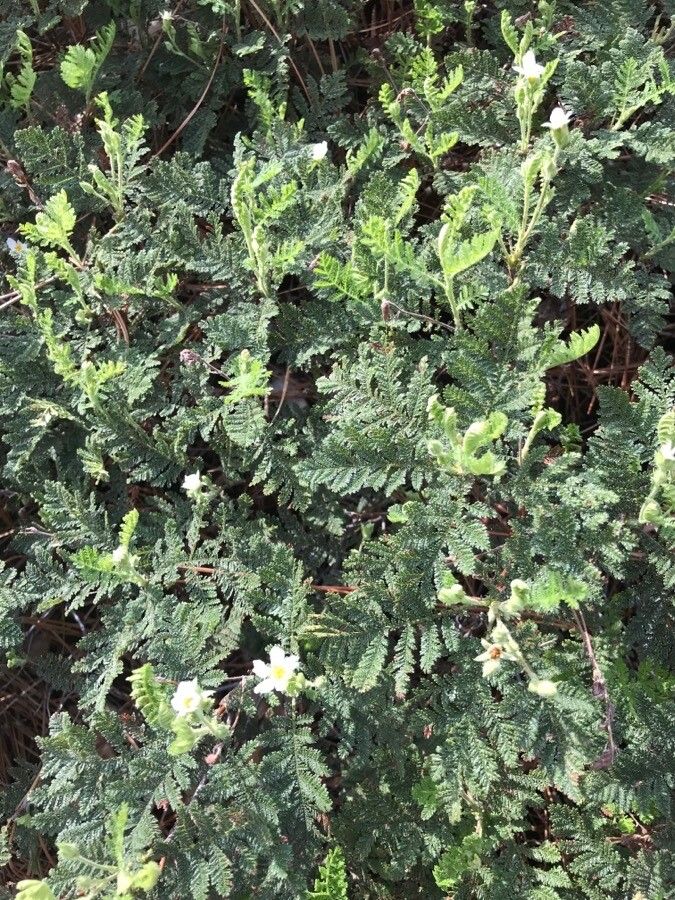
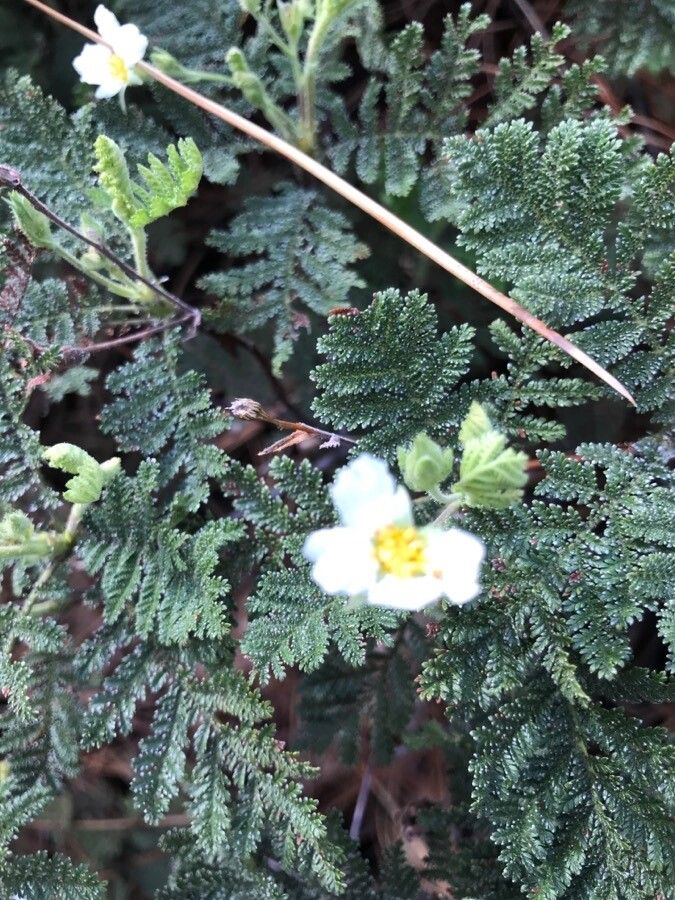
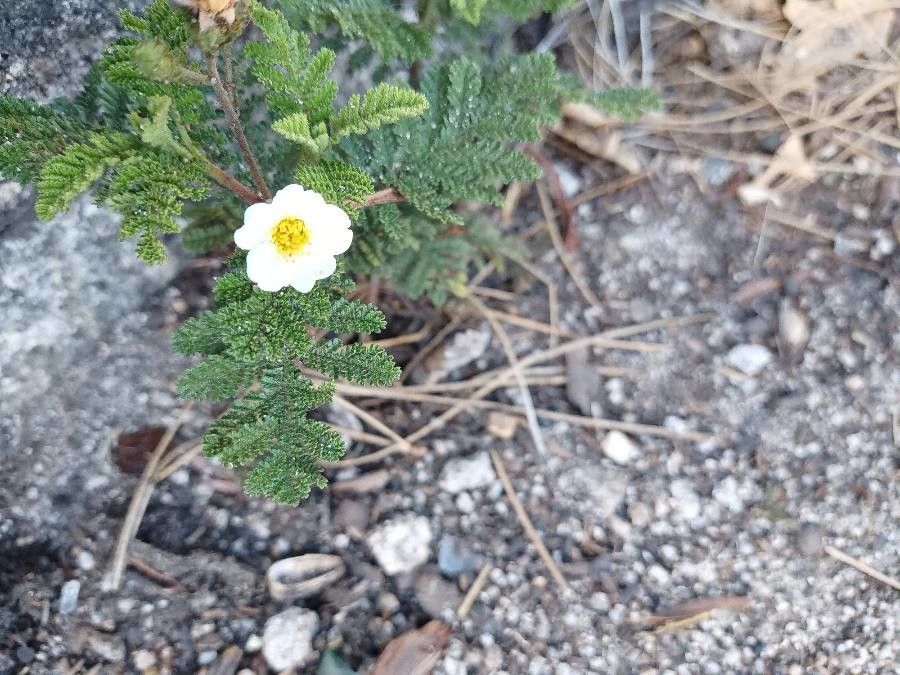
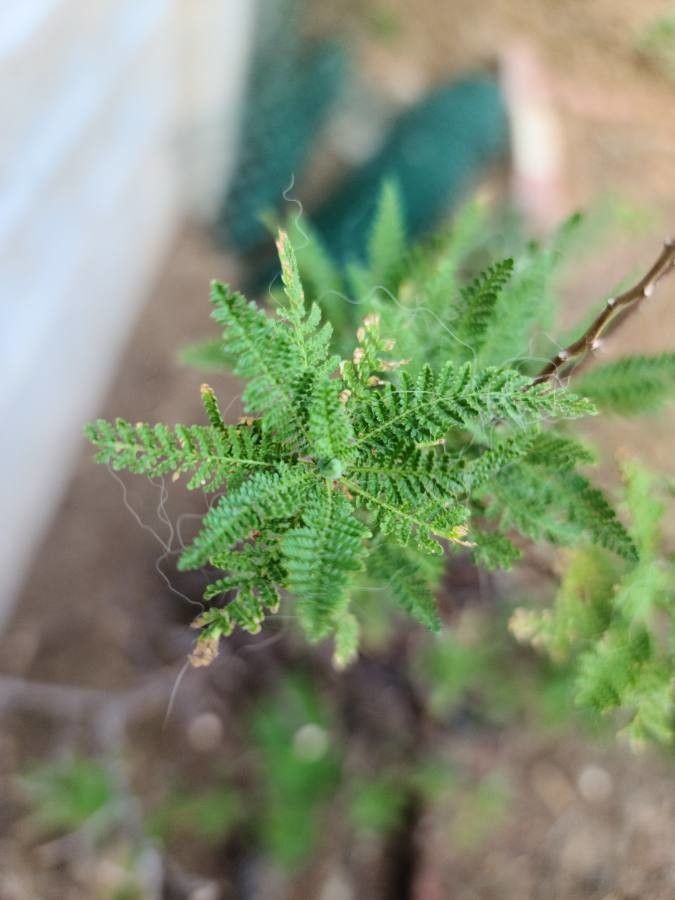
Chamaebatia foliolosa is a species of aromatic evergreen shrub in the rose family known by the common names mountain misery and bearclover. It is endemic to the mountains of California, where it grows in coniferous forests. The Miwok tribe's name for the plant was kit-kit-dizze. It was used as an herbal remedy for colds, coughs, rheumatism, chicken pox, measles, smallpox and other diseases.
Desert sweet has strong resistance to disease and is generally unlikely to be affected by illnesses. In terms of care, this plant is fairly low-maintenance. When grown outdoors it needs minimal watering, and larger plants typically do not require pruning. Smaller plants, however, should be pruned after they have finished blooming. Desert sweet is appropriate for anyone with an outdoor space, such as a garden or deck, and does not demand extensive care experience.
How to keep Chamaebatia Foliolosa.
Light
Desert sweet does best in locations where it can receive the most sunlight throughout the day. Its native habitats are characteristic of areas with plentiful sunshine, which promotes healthy growth. However, either too much or too little sunlight can cause stunted growth or wilting.
Water
Bearmat is well-suited for dry environments due to its excellent drought tolerance, thriving with very little moisture. It is recommended to water it every 2-3 weeks. Ideally grown outdoors, bearmat is perfect for arid climate zones, where it can fully utilize its drought-adaptive traits.
Temperature
Desert sweet is native to environments with moderate temperatures, specifically flourishing between 41 and 77 °F (5 and 25 ℃). Seasonal temperature adjustments may not be required unless temperatures fall outside this range.
Fertilizer
The timing of fertilization is vital for Desert sweet. Apply fertilizer in early spring and repeat monthly through early summer. Fertilizer encourages lovely blooms and supplies energy during both dormant and active growth phases.
Pruning
Bearmat is a hardy shrub known for its fragrant foliage. To maintain its health, prune it during the dormant season, from early to late winter. Focus on removing dead wood and any branches that cross each other to improve air circulation. Regular pruning not only stimulates growth and enhances the shrub's structure but also promotes flowering, which adds to its longevity and visual appeal. Always use clean, sharp tools during pruning to prevent the spread of diseases.
Botanical profile.
- Plant Type
- Shrub
- Life Cycle
- Perennial
- Genus
- Chamaebatia
- Family
- Rosaceae
- Hardiness Zone
- 4-6
- Mature Height
- 0.91 m to 2.44 m
- Mature Spread
- 0.91 m to 1.52 m
- Leaf Color
- Green
- Leaf Type
- Semi-evergreen
- Flower Color
- White
- Flower Size
- 2.54 cm
- Bloom Time
- Early summer, Mid summer
- Planting Time
- Spring, Summer
- Harvest Time
- Late summer, Early fall
Other names.
Reader questions.
What are the sunlight requirements for Bearmat?
Bearmat (Chamaebatia foliolosa) requires more than 6 hours of sunlight daily to thrive, indicative of its origins in open habitats. Insufficient light can affect its growth and vigor, although it showcases remarkable resilience in the right conditions. It is crucial to observe the movement of sunlight through your garden to ensure your Bearmat receives the ideal balance of light and shade, promoting its health and happiness.
What is the preferred temperature range for Bearmat to thrive?
Bearmat thrives in its native environment when temperatures are maintained between 50 to 89.6°F (10 to 32°C). It enjoys temperate climates and adapts well to seasonal changes. For optimal growth, it's recommended to keep the plant within this temperature range. Bearmat is also highly cold-tolerant, so it doesn't require extra frost protection in winter. To prepare for winter, it's advisable to water the plant generously before the first freeze to ensure the soil stays moist and enters a frozen state, helping to prevent drought and water scarcity during the colder months.
How does artificial lighting benefit Bearmat, and what are the guidelines for using it?
Indoor Bearmat plants benefit significantly from artificial lighting, especially when natural sunlight is insufficient, such as in winter or less sunny spaces. Artificial lights, such as LED, can be customized to provide specific wavelengths of light needed for optimal plant growth. Full sun plants like Bearmat require 30-50W/sq ft of artificial light, placed 12-36 inches above the plant. It's essential to mimic natural daylight hours, generally 8-12 hours of light per day, to promote healthier and faster growth.
How does Bearmat react to very low temperatures?
Bearmat is extremely cold-tolerant, capable of withstanding winter temperatures above -25°C. However, if temperatures drop below this threshold, there may not be immediate noticeable changes. As winter turns to spring, affected branches might become brittle, dry, and fail to produce new shoots. To manage this, it is recommended to prune away any dead branches in spring that have not produced new leaves, helping the plant to recover and promote new growth.
What symptoms indicate Bearmat is not receiving enough light?
Symptoms of insufficient light in Bearmat include smaller new leaves, leggy or sparse growth, faster leaf drop, and slower or no new growth. Leaves may appear lighter in color, indicating a lack of chlorophyll. Other symptoms like chlorosis (yellowing leaves), sunscald, leaf curling, wilting, and leaf scorching, although related to excessive sunlight, showcase the plant's sensitivities to its light environment. Proper sunlight exposure is crucial for Bearmat's health.
What should I do if Bearmat is exposed to temperatures above its tolerance level?
Bearmat struggles with high temperatures, particularly those exceeding 32°C, which may cause significant leaf drop. In severe cases, the plant could wither and die. If exposed to such conditions, you should trim away sunburned and dried parts of the plant. Relocating the plant to a shaded area or using a shade cloth can protect it from the harsh midday and afternoon sun. Additionally, watering the plant in the morning and evening helps keep the soil moist, aiding in the plant's recovery and overall health.
What are some solutions for ensuring Bearmat receives adequate sunlight?
To ensure Bearmat receives adequate sunlight, gradually move the plant to sunnier locations, aiming for at least 6 hours of direct sunlight daily. For indoor plants, utilize south-facing windows and consider artificial lighting like desk lamps or professional grow lights for at least 8 hours a day. Outdoors, it's important to acclimate plants to increased sunlight gradually to prevent sunburn. Minimizing obstructions, such as pruning trees that shade the plant, or transplanting to a brighter location, can also help. Note that parts of the plant damaged by insufficient light might not recover, but new growth should be healthy with improved light conditions.
What is the botanical name of Bearmat?
The botanical name for Bearmat is Chamaebatia foliolosa. This name helps in accurately identifying the plant, especially in scientific and horticultural contexts.