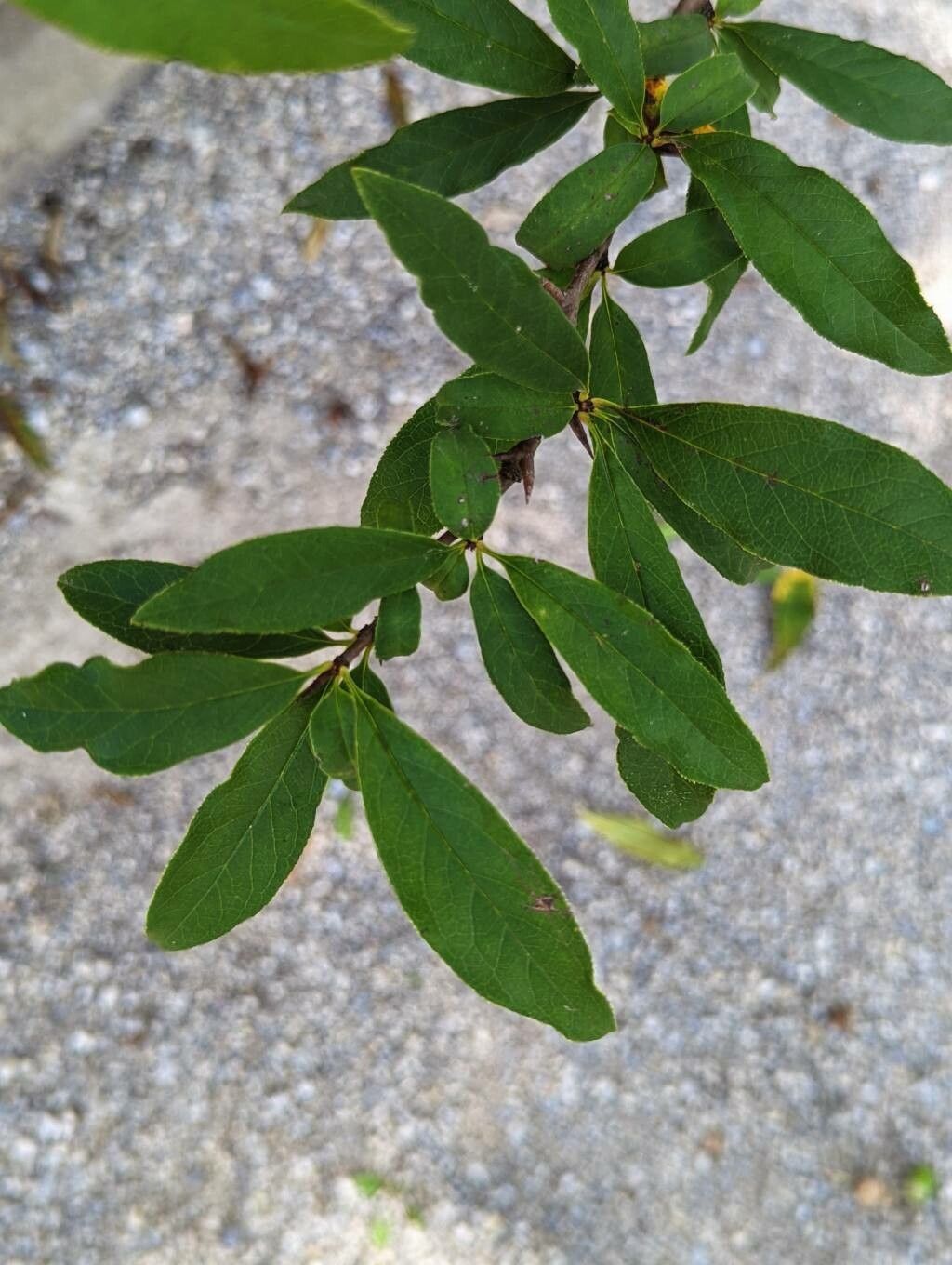
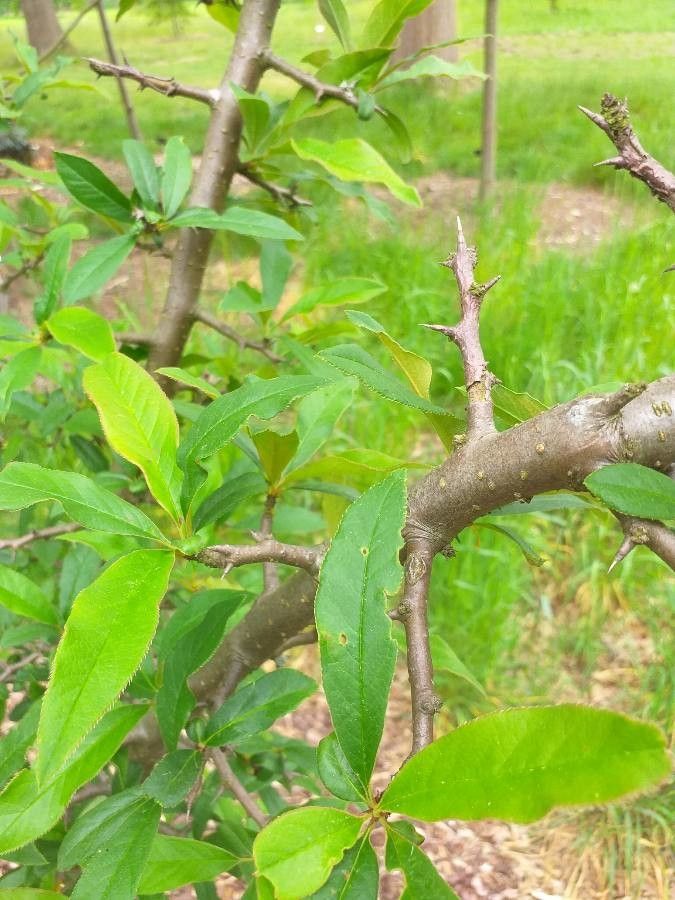
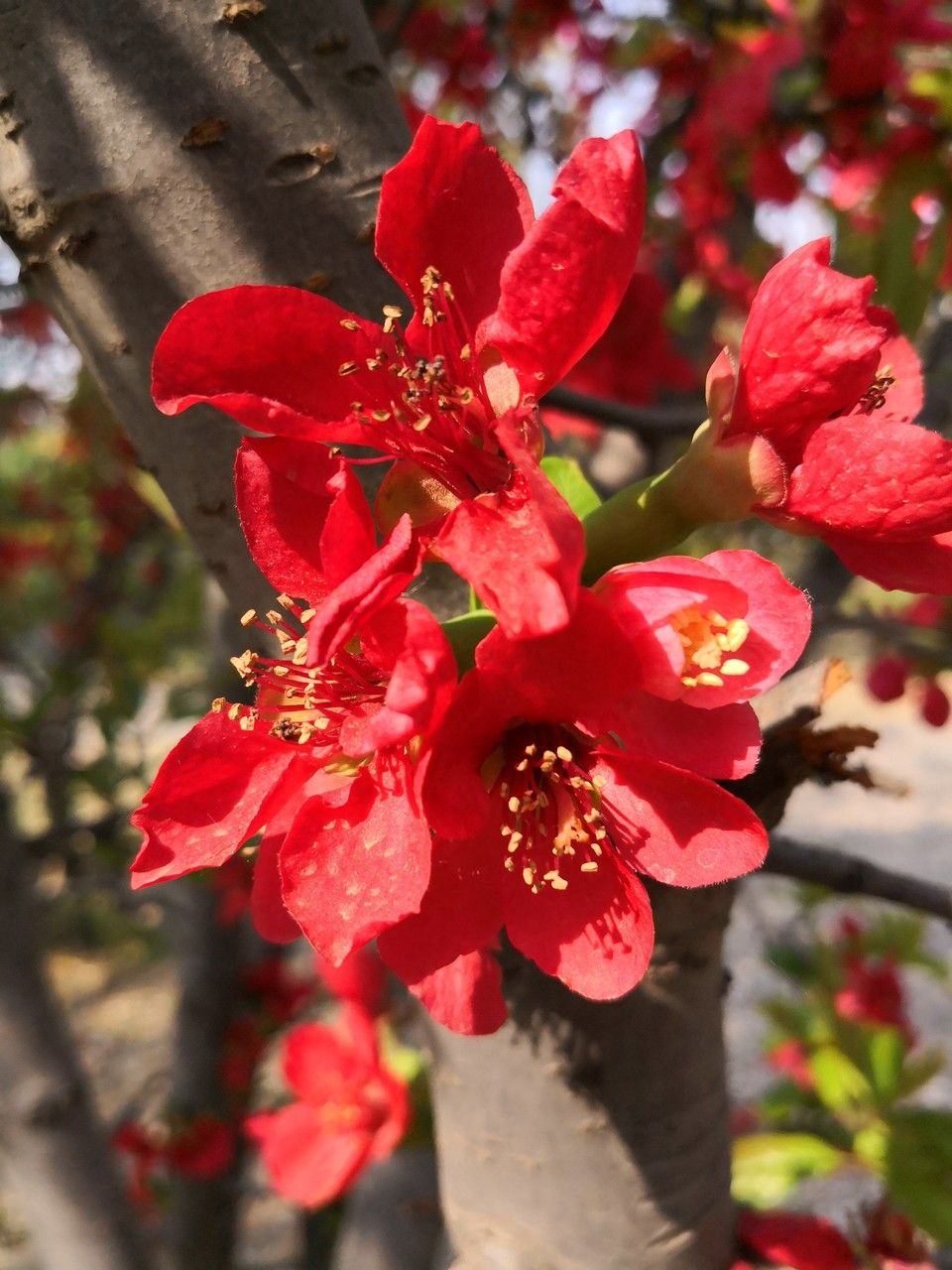
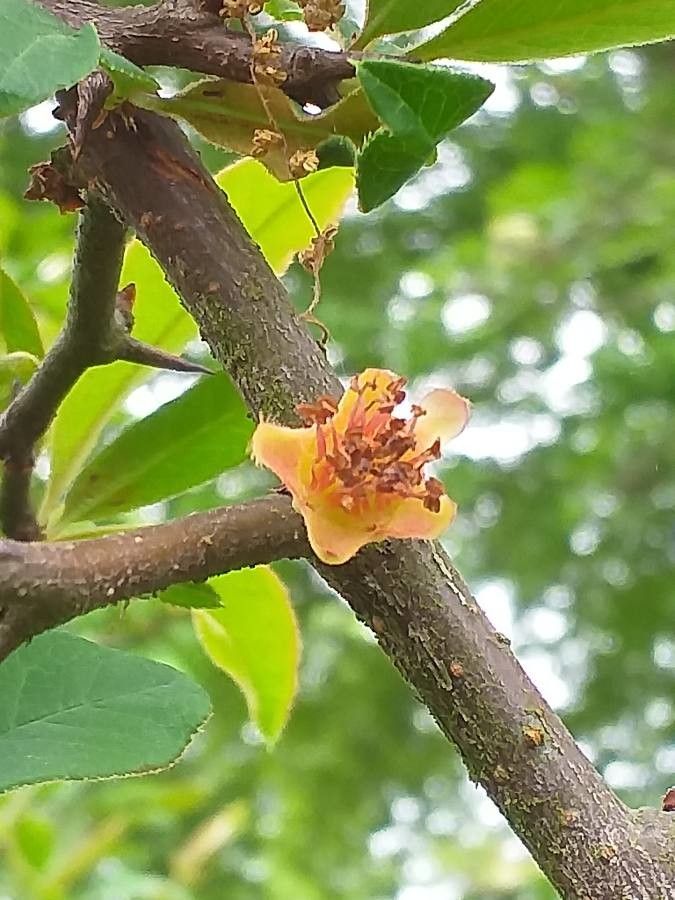
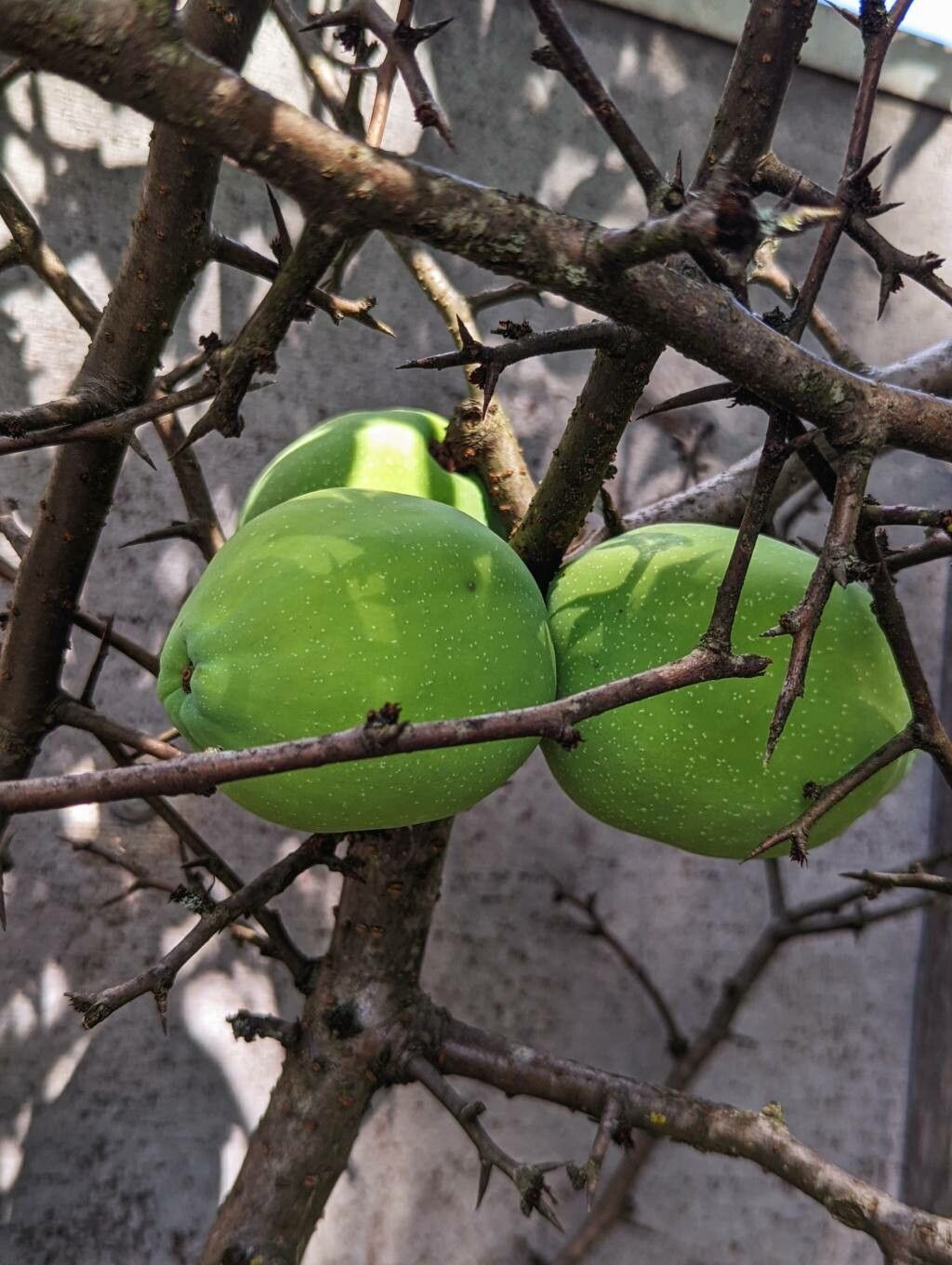
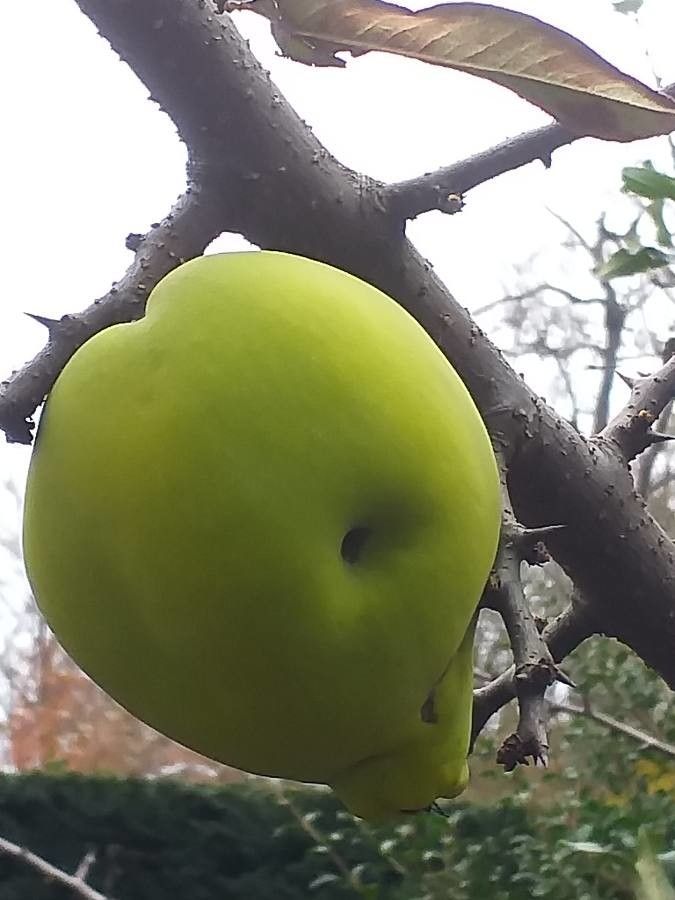
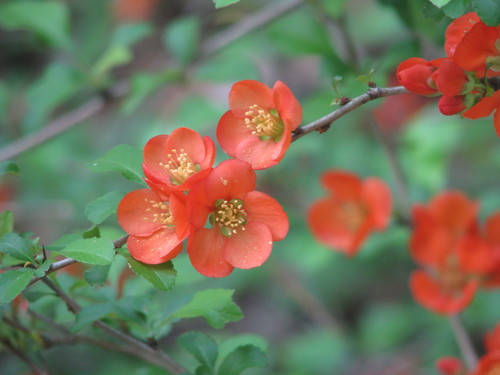
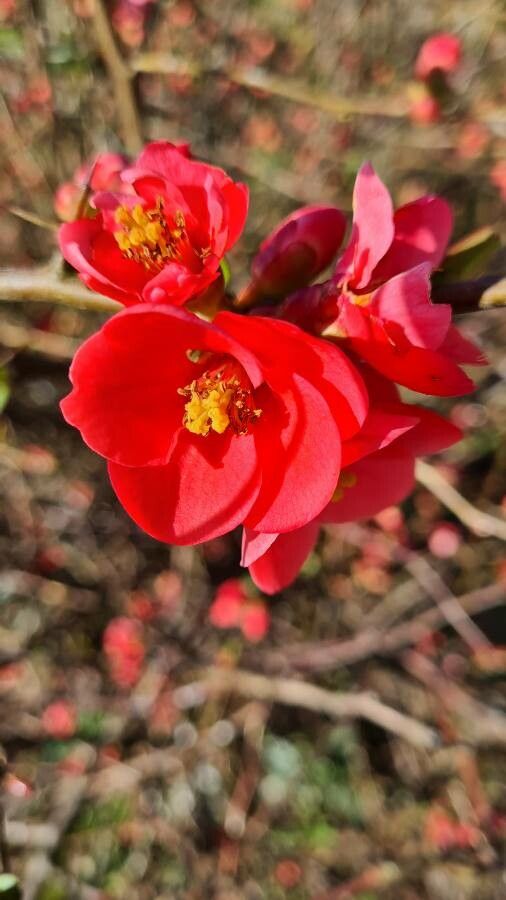
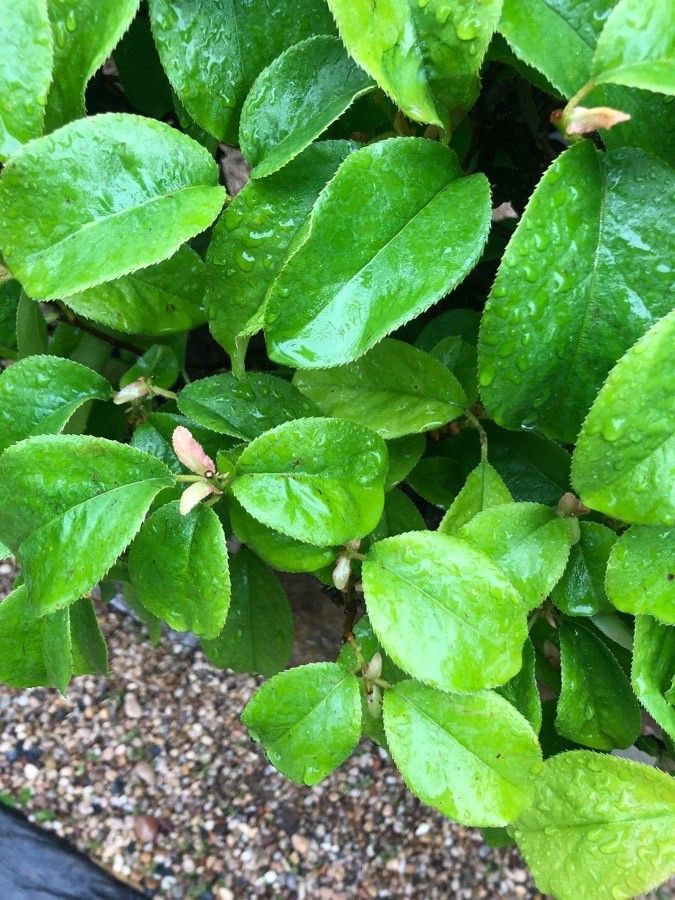
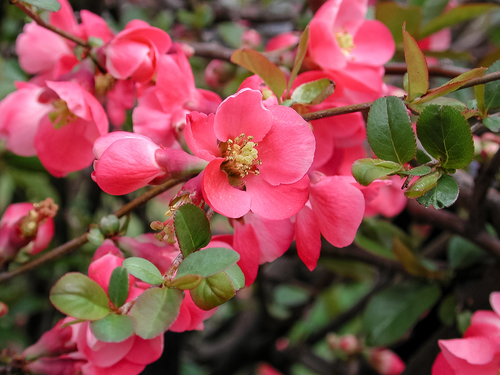
Chaenomeles cathayensis is a species of flowering plant in the rose family. It is native to China, Bhutan, and Myanmar. In Chinese, its common name is mùguā hǎitáng (木瓜海棠) or máo yè mùguā (毛叶木瓜). This is a thorny deciduous shrub or tree growing up to 6 meters tall. The leaves are pointed, often toothed, and oval to lance-shaped. They are woolly-haired on the undersides, at least when new. The pink or white bell-shaped flowers are up to 4 centimeters wide. The fruit is a fragrant yellow-red pome 6 or 7 centimeters wide.The plant is cultivated.
Cathay quince is highly resistant to disease and is generally not susceptible to illnesses. In terms of care, this plant is relatively low maintenance. When planted outdoors it needs minimal watering, and larger plants generally do not require pruning. However, smaller plants should be pruned after they have bloomed. Cathay quincet is suitable for anyone with an outdoor space, such as a garden or deck, and does not require a lot of care experience.
How to keep Chaenomeles Cathayensis.
Light
The Cathay quince performs best with abundant light and can tolerate moderate sunlight. Its native environment indicates it needs considerable light to grow and develop well, while also showing some tolerance for dimmer conditions. Both too much light and too little can harm its health, possibly slowing growth or causing its leaves to discolor.
Water
Cathay quince thrives in moderately moist soil but can also withstand some drought conditions. It should be watered every 1-2 weeks, allowing the soil to dry out slightly between waterings. This plant is best suited for outdoor cultivation, and consistent watering during the growing season encourages lush blooms and enhances overall plant health.
Temperature
Cathay quince is highly adaptable to a range of climate conditions, from very hot summers to cold winters. That said, it has a preferred temperature range for healthy growth. If temperatures climb too high, the plant can suffer from heat and humidity stress, which may kill it. In areas where temperatures approach the lower limit of its cold tolerance, providing insulation to protect the plant is necessary.
Fertilizer
The Cathay quince needs adequate nutrients to achieve the best fruit production. Apply fertilizer in early spring to encourage new growth and flower development. Regular feeding keeps the plant healthy, produces tastier fruit, and prevents nutrient deficiency problems like yellowing leaves and poor fruit yield.
Pruning
Pruning Cathay quince in early spring is beneficial for several reasons. It removes dead wood, which improves air circulation and allows more light to penetrate the plant. By thinning out overcrowded branches and shaping overly long stems, you can encourage the plant to bloom profusely and produce more fruit. Additionally, pruning at the right time helps increase the plant's resistance to disease and boosts its overall health and vitality.
Botanical profile.
- Plant Type
- Shrub
- Life Cycle
- Perennial
- Genus
- Chaenomeles
- Family
- Rosaceae
- Hardiness Zone
- 4-8
- Mature Height
- 3.05 m
- Mature Spread
- 3.05 m
- Leaf Color
- Green
- Leaf Type
- Deciduous
- Flower Color
- Pink, White
- Flower Size
- 2.54 cm to 5.08 cm
- Bloom Time
- Early spring, Mid spring
- Planting Time
- Autumn
- Harvest Time
- Late summer, Early fall, Mid fall
- Native Area
- Myanmar, China
Other names.
Reader questions.
What are the sunlight requirements for Cathay Quince?
Cathay quince requires full sun, which means it should receive more than 6 hours of direct sunlight daily. However, it can also thrive in partial sun, with about 3-6 hours of sunlight. It's crucial to observe how sunlight moves through your garden to find spots that offer the perfect balance of light and shade, ensuring your plants' health and happiness.
What is the botanical name of Cathay quince?
The botanical name of Cathay quince is Chaenomeles cathayensis. This name helps in scientifically identifying the plant, distinguishing it from other species within the quince family.
What essentials should be considered for the optimal growth of Cathay Quince?
For optimal growth, Cathay quince thrives under ample illumination and can handle moderate sunshine. Its natural habitat suggests a significant need for light exposure to flourish properly, with some tolerance to lower light conditions. Inadequate light can lead to health issues, such as decelerated growth or leaf discoloration. If natural sunlight is insufficient, especially during winter or in less sunny spaces, artificial lighting can be a critical solution. LED lights are recommended because they can be tailored to provide specific light wavelengths. The amount of artificial light needed varies: 30-50W/sq ft for full sun plants, 20-30W/sq ft for partial sun plants, and 10-20W/sq ft for full shade plants. The lights should be positioned 12-36 inches above the plant and kept on for 8-12 hours per day to mimic natural daylight.
What are the symptoms of light deficiency or overexposure in Cathay Quince?
Cathay Quince may show various symptoms under suboptimal lighting conditions, including smaller new leaves, leggy or sparse growth, faster leaf drop, slowed or halted growth, and lighter-colored or irregularly pigmented new leaves. Overexposure to sunlight can cause chlorosis (yellowing of leaves), sunscald (pale or necrotic areas on leaves), leaf curling, wilting due to excessive water loss, and leaf scorching, characterized by brown, crispy edges on leaves. These symptoms indicate the plant's struggle with its light environment, either needing more or suffering from too much light.
How can I adjust lighting for optimal Cathay Quince growth?
For indoor plants, gradually move them to sunnier locations until they receive at least 6 hours of direct sunlight daily, using a south-facing window for maximum exposure. If the plant is large or not easily movable, consider using artificial lights, like desk lamps or plant grow lights, for at least 8 hours a day. For outdoor plants, incrementally move them to sunnier spots to avoid sunburn, adapting them to the light gradually. If a plant is shadowed by objects or trees, prune any obstructions to let more sunlight through. For smaller plants, you might consider transplanting them during their dormant period, usually late winter or early spring, to a location with ample sunlight and good drainage. The key is to reduce obstructions and choose the right location for the plant's needs.