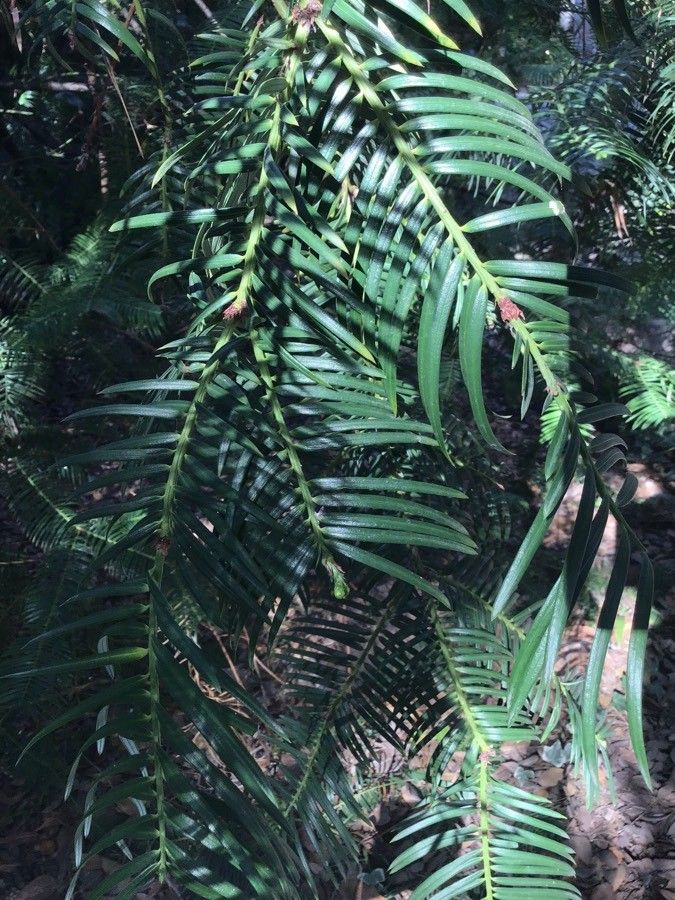
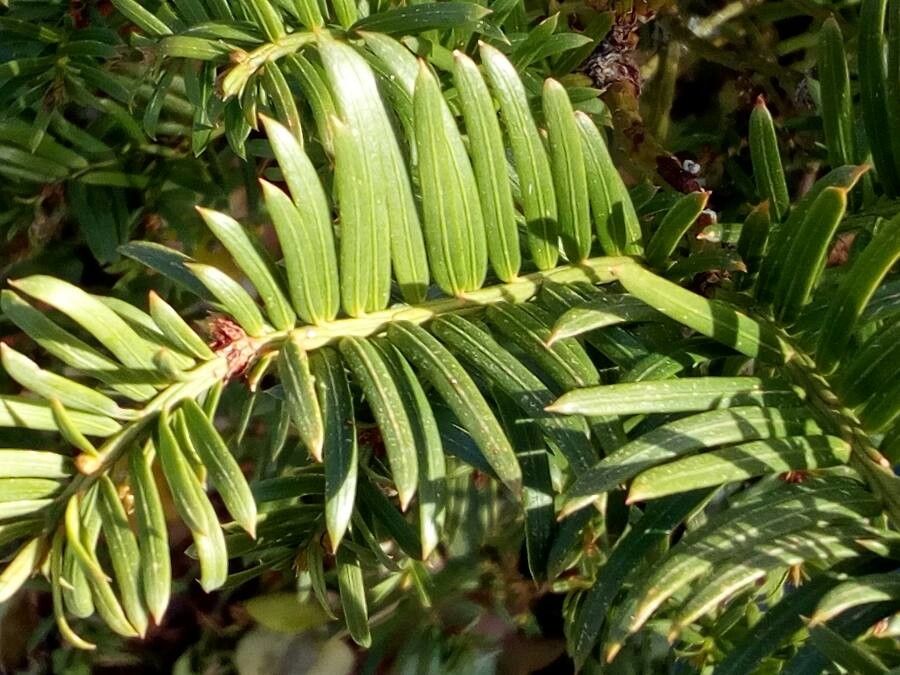
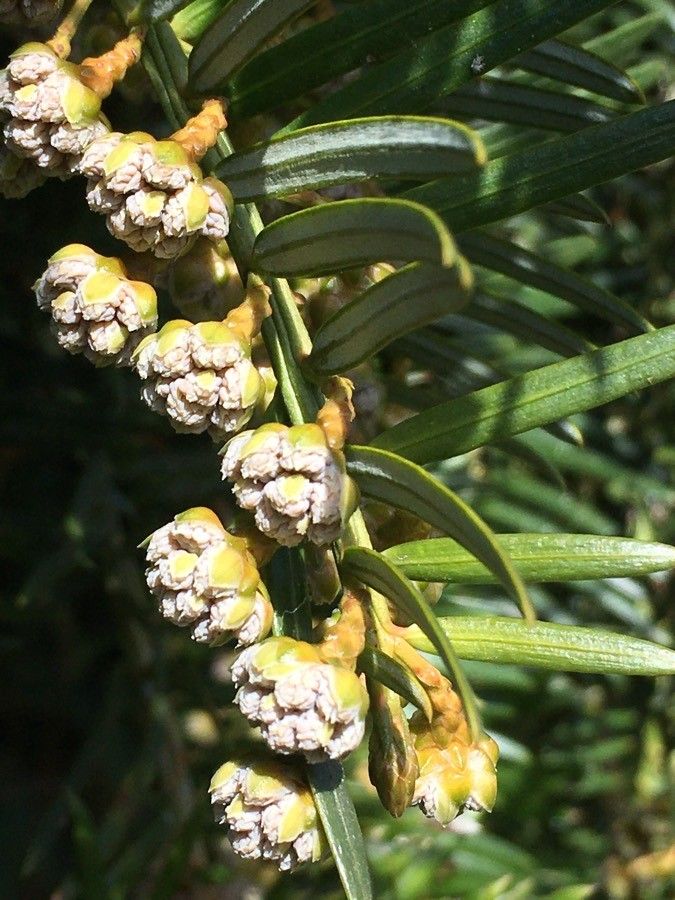
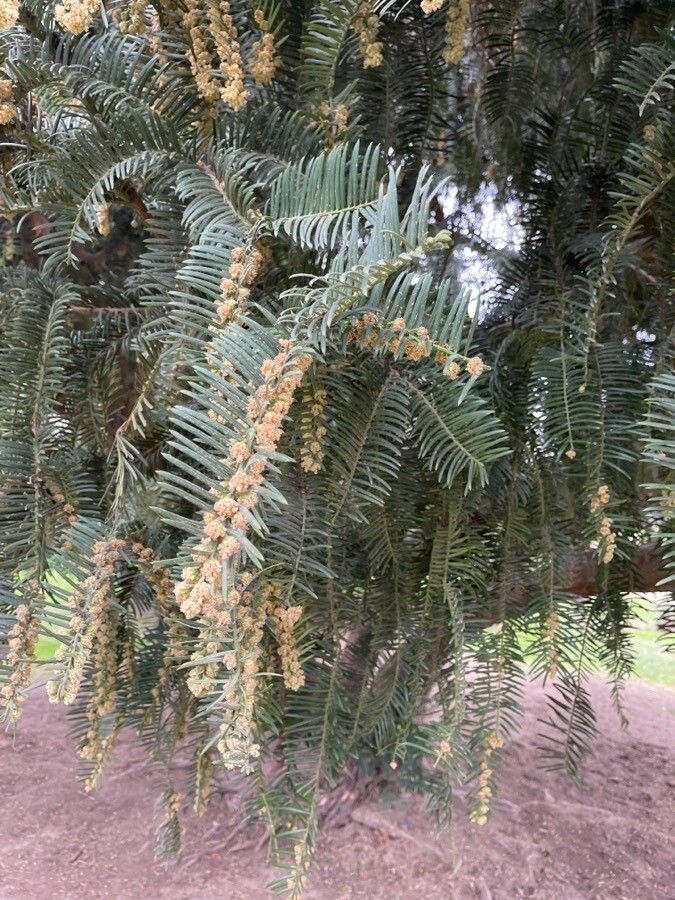
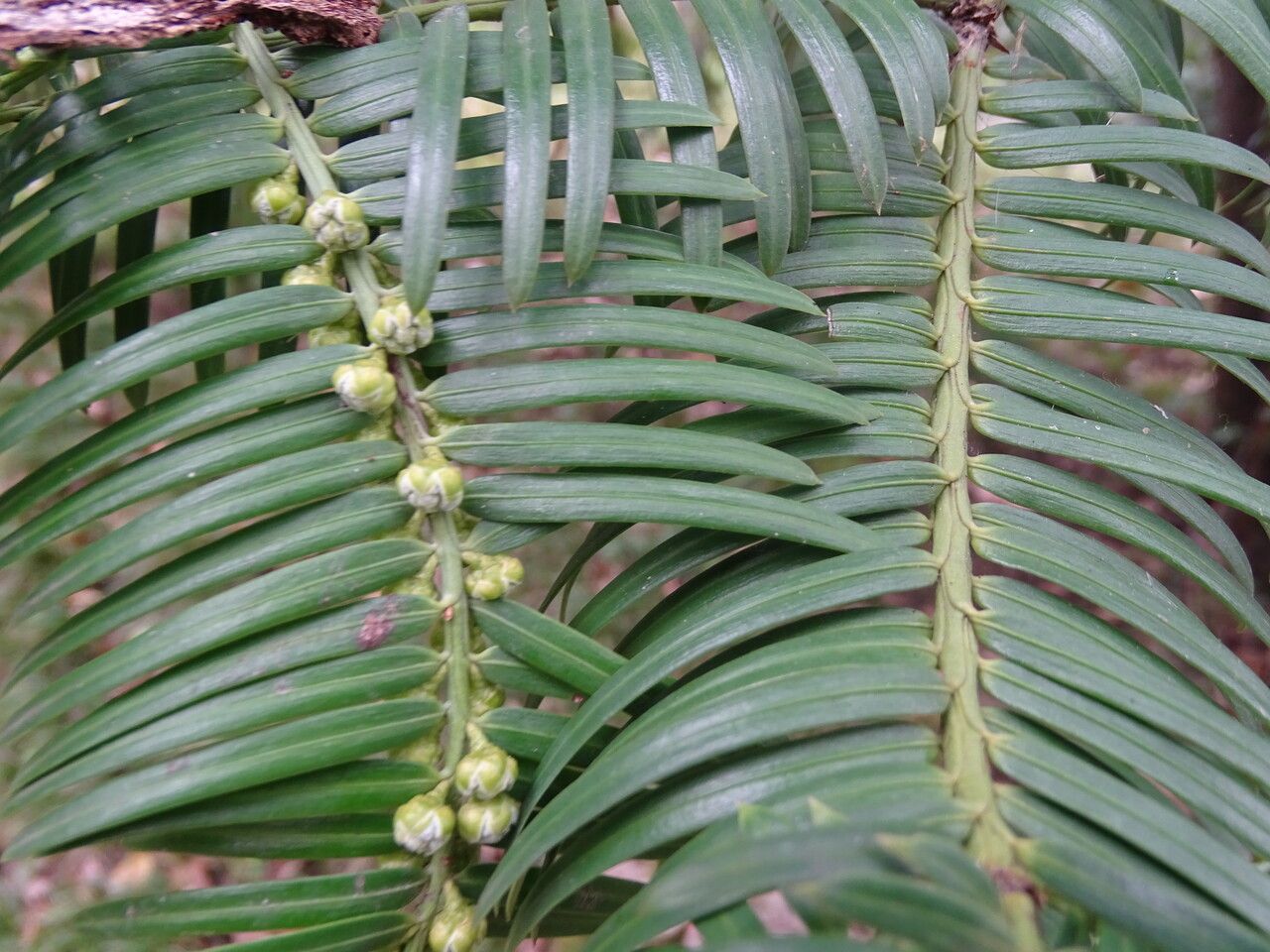
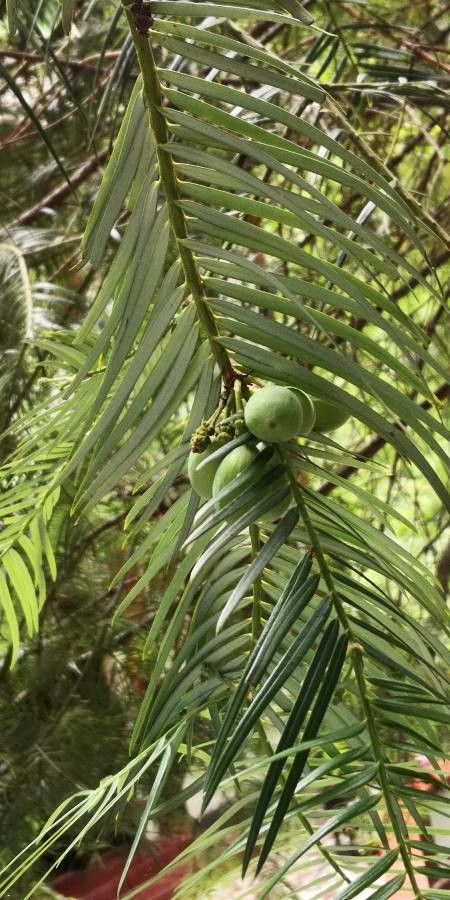
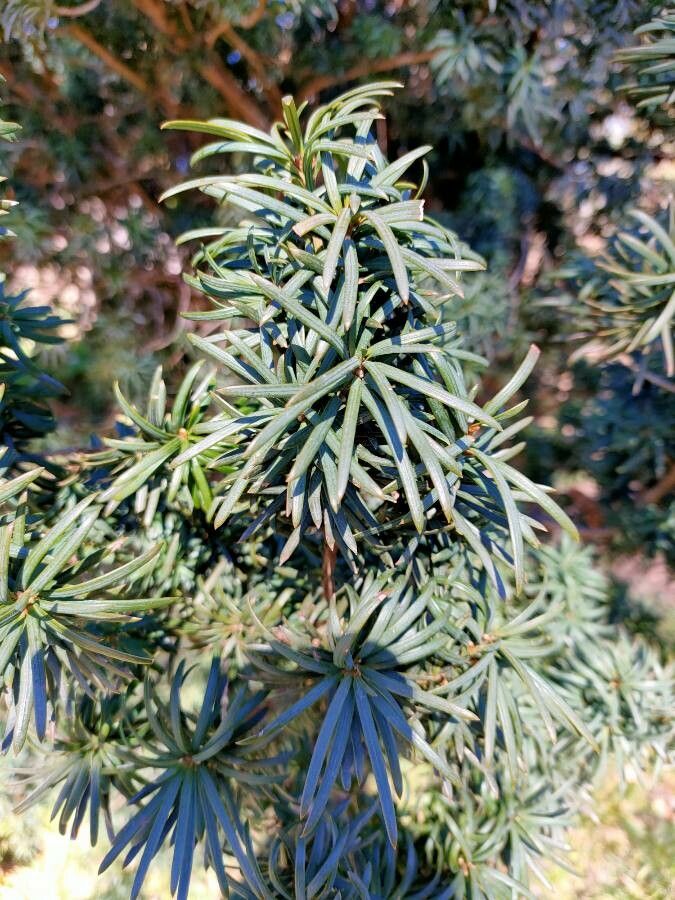
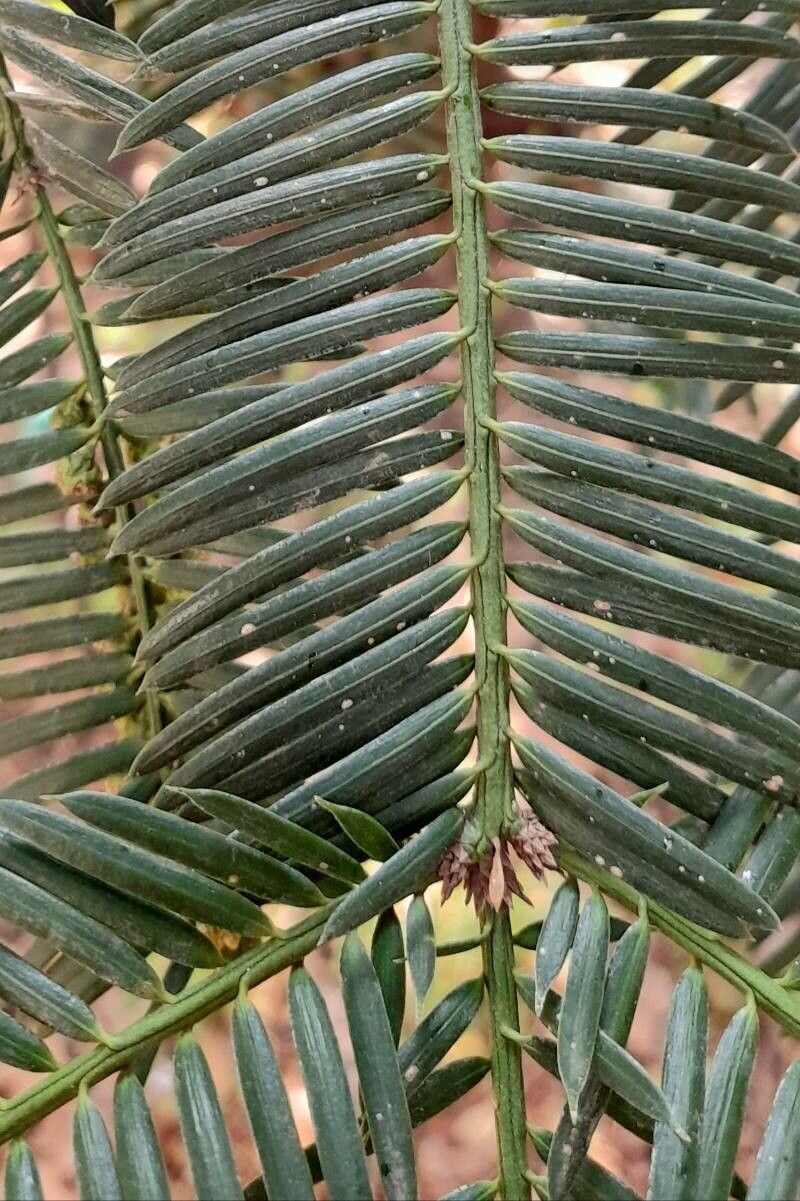
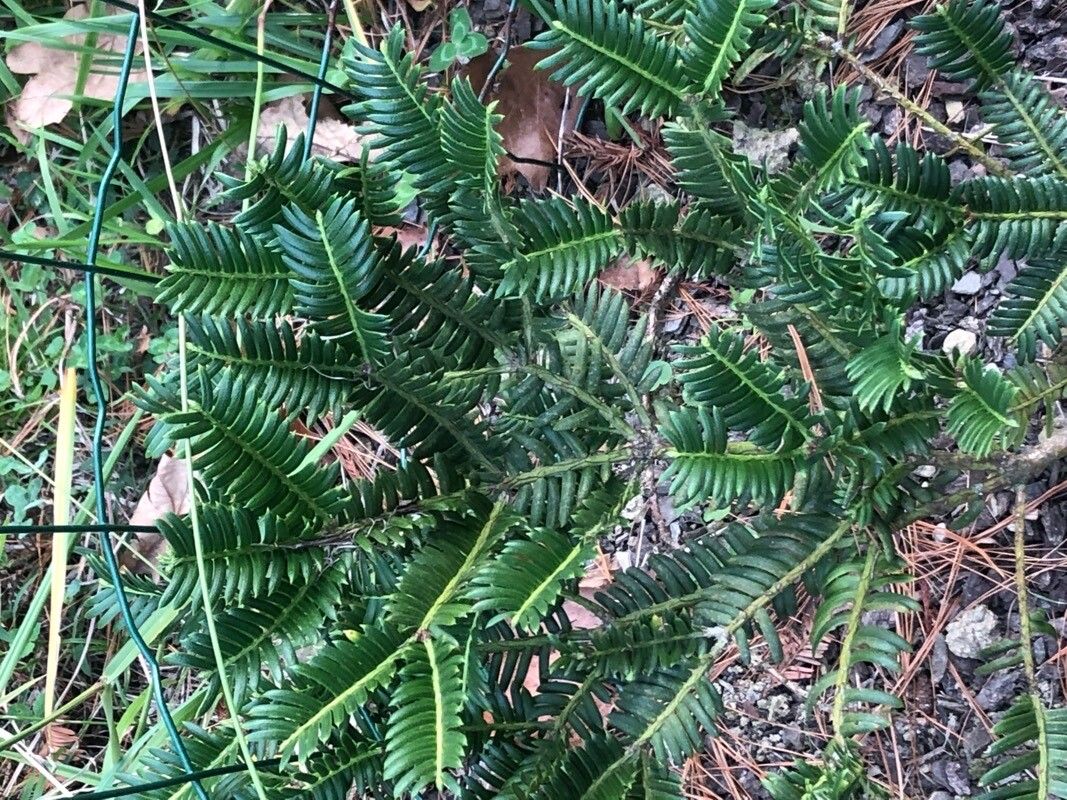
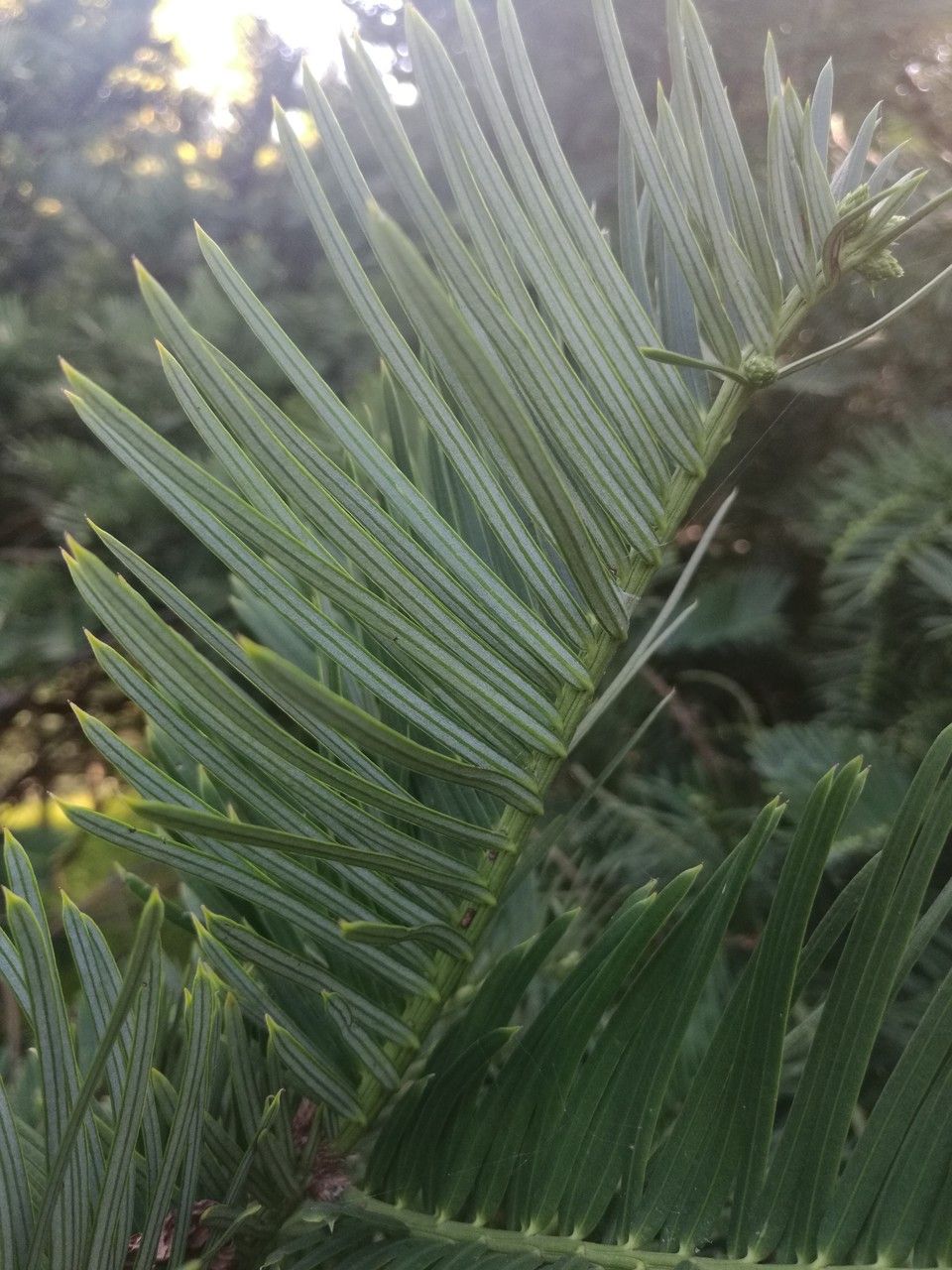
Cephalotaxus fortunei, commonly known as the Chinese plum yew, is an evergreen shrub or small tree native to China and Taiwan. It belongs to the Cephalotaxaceae family and can grow up to 10 meters tall. This plant features a narrow, conical shape with dark green leaves arranged in a spiral pattern along the stem.
In spring, the Chinese plum yew produces small flowers, which are followed by fleshy red or purple fruits in autumn. The plant thrives in moist, well-drained soil and partial shade but can also tolerate full sun if it receives adequate water.
For centuries, Cephalotaxus fortunei has been used in traditional Chinese medicine for its anti-inflammatory properties and as a treatment for respiratory ailments such as asthma. Additionally, it is widely used as an ornamental plant due to its attractive foliage and unique shape.
Although Cephalotaxus fortunei is generally low-maintenance, it is important to note that all parts of the plant are toxic if ingested by humans or animals. Therefore, it should be planted away from areas where children or pets might come into contact with it.
Overall, Cephalotaxus fortunei is a versatile evergreen shrub or tree with both medicinal properties and ornamental value. It can thrive in various growing conditions when properly cared for.
Chinese plum-yew is highly resistant to disease and generally not prone to illnesses. Regarding care, this plant is fairly low-maintenance. When grown outdoors it needs little watering, and larger specimens typically do not require pruning. Smaller plants, however, should be trimmed after they have bloomed. Chinese plum-yewt is appropriate for anyone with an outdoor area, such as a garden or deck, and does not require much gardening experience.
How to keep Cephalotaxus Fortunei.
Light
Chinese plum-yew grows best with steady, adequate sunlight. Because it originates from China, it can tolerate a wide range of lighting conditions, including fairly heavy shade. Still, proper sun exposure greatly encourages healthier foliage and growth, while either too much or too little light can negatively affect its vigor.
Water
The Chinese plum-yew thrives in moist, subtropical woodlands and prefers well-drained soil with moderate moisture. Water it every two weeks, ensuring a balance between hydration and drainage. As an evergreen, the Chinese plum-yew maintains its lush foliage year-round, making it a popular choice for outdoor cultivation due to its resilience.
Temperature
Chinese plum-yew comes from regions with mild climates and prefers temperatures around 50 to 95 °F (10 to 35 ℃). When temperatures become extreme, it is recommended to alter its surroundings to imitate its natural habitat.
Fertilizer
Chinese plum-yew has particular nutrient needs and does not require heavy fertilization. Fertilizing in spring is best for promoting growth. Supplying nutrients enhances its health, increases its resistance to pests and diseases, and helps maintain its long lifespan.
Pruning
The Chinese plum-yew is an evergreen shrub with dense, needle-like foliage. To maintain its health and promote growth, prune the shrub during its dormant period, from early to late winter. Focus on removing dead or crowded branches to improve air circulation. Be sure to use clean, sharp tools and avoid cutting into thick, older wood.
Botanical profile.
- Plant Type
- Tree, Shrub
- Life Cycle
- Perennial
- Genus
- Cephalotaxus
- Family
- Taxaceae
- Hardiness Zone
- 6-9
- Mature Height
- 20.12 m
- Mature Spread
- 4.88 m
- Leaf Color
- Green
- Leaf Type
- Evergreen
- Flower Color
- White, Yellow, Green, Brown
- Flower Size
- 1.02 cm
- Bloom Time
- Mid spring, Late spring
- Planting Time
- Spring, Summer, Autumn
- Harvest Time
- Late summer, Early fall, Mid fall
- Native Area
- Vietnam, Myanmar, China
Other names.
Reader questions.
How should I water my Chinese plum-yew?
Your Chinese plum-yew is not very particular when it comes to watering. You can use any common watering tool, such as watering cans, hoses, or even cups. The important thing is to water the soil directly and evenly so that all parts of the root system receive adequate moisture. Using filtered water is recommended, as tap water may contain harmful particles. Also, it is best to use water at or slightly above room temperature, as extremely cold or hot water can be a bit shocking to the Chinese plum-yew. However, this plant generally responds well to any type of water you provide.
Why should I put fertilizer on my Chinese plum-yew plant?
To ensure the healthy growth of Chinese plum-yew, it is recommended to fertilize it in the spring. It is important to remember that this plant has a long lifespan and requires support. Adding nutrients to the soil not only improves the plant's overall health but also enhances its ability to resist common pests and diseases that can hinder growth or shorten its lifespan.
What are the sunlight requirements for Chinese plum-yew?
The Chinese plum-yew requires full sun, meaning it should receive above 6 hours of sunlight daily, but it can also tolerate partial sun to full shade, with about 3-6 hours of sunlight. It's important to watch how sunlight moves through your garden to place your plants in spots that offer the right balance of light and shade, ensuring their happiness. Although originating from China and adaptable to varying light conditions, the optimal continuous exposure to sunshine is crucial for the plant's health. Adequate sunlight promotes healthier foliage and growth.
What is the ideal climate for Chinese plum-yew?
The Chinese plum-yew, or Cephalotaxus fortunei, thrives in climates with moderate temperatures, ranging ideally between 50 to 95 °F (10 to 35 °C). It originates from such climates and prefers conditions that mimic its native environment. Although the plant possesses strong cold resistance and usually doesn't require special frost protection measures, in areas where winter temperatures are expected to drop below -25°C, providing cold protection by wrapping the trunk and branches with non-woven fabric or cloth is beneficial. Additionally, before the onset of the first freeze in autumn, it's advisable to water the plant abundantly to ensure the soil remains moist and enters a frozen state, which helps prevent drought and water scarcity during winter and early spring.
What do I do if I give my Chinese plum-yew plant too much or too little water?
Outdoor plants, particularly newly planted ones or seedlings, are prone to water deficiency. Remember to water them adequately for a few months when they are small or just planted. This is important because once the roots are established, Chinese plum-yew can rely on rain most of the time. When Chinese plum-yew is planted in pots, overwatering is more likely. In case you accidentally overwater your Chinese plum-yew, you need to take immediate action. First, stop watering the plant to minimize the impact of overwatering. Then, remove the plant from its pot and inspect the roots. If there is no sign of root rot, you can place the plant back in its container. However, if you find any roots affected by rot, trim them and consider applying a fungicide to prevent further damage. Finally, repot the Chinese plum-yew in well-draining soil. For underwatered Chinese plum-yew, simply water the plant more frequently. Underwatering is often an easy fix, as the leaves will droop, dry out, and fall off. Once you water it sufficiently, the leaves will quickly regain their fullness. Therefore, correct the watering frequency as soon as you notice underwatering.
When should I fertilize my Chinese plum-yew?
Chinese plum-yew is unlike typical garden plants because it doesn't need a lot of extra nutrients. Although the growing medium may not provide enough nutrients for healthy growth, Chinese plum-yew is an exception. To fertilize this plant, it is best to do so in the spring before new growth starts.
Can artificial lighting be used for Chinese plum-yew and how?
Yes, artificial lighting can be used for Chinese plum-yew, especially when natural sunlight is insufficient, like in winter or less sunny spaces. LED lights are recommended because they can be customized to provide specific wavelengths needed by your plants. For full sun plants, it's suggested to have 30-50W/sq ft, partial sun plants need 20-30W/sq ft, while full shade plants require 10-20W/sq ft of artificial light. The light source should be placed 12-36 inches above the plant to mimic natural sunlight, and most plants will need 8-12 hours of light per day.
How does low temperature affect Chinese plum-yew and what are the solutions?
Chinese plum-yew is cold-tolerant and generally thrives best when temperatures remain above 10°C. During winter, it's important to ensure the plant is kept above -15°C. Exposure to temperatures below -25°C might not result in immediate visible damage during the winter, but can lead to branches becoming brittle and dry in spring, with no new shoots emerging. To mitigate these effects, it is recommended to prune away any dead branches that have failed to produce new leaves in the spring.
How frequently do I need to water my Chinese plum-yew plant?
Most plants that grow outdoors can rely on rainfall for their watering needs. However, if your area lacks rainfall, here's how you can water your plants: - During spring and fall, water your plants adequately every 2 weeks. - In the summer, you'll need to water more frequently. - In winter, when growth slows down and plants require less water, water sparingly or not at all. If you have a young or newly planted Chinese plum-yew, it's important to water it more frequently initially so it can establish and grow into a more adaptable and drought-tolerant plant. For potted plants, there are two approaches to determine watering frequency for your Chinese plum-yew: 1. You can set a predetermined watering schedule, such as once a week or once every other week. However, this may not always account for the specific conditions in which your plant is growing. 2. Alternatively, you can monitor the soil moisture. Wait until the top two to four inches of soil (about ⅓ to ½ the depth of the pot) have completely dried out before watering again. This method ensures you're not overwatering. Remember, during summer, your Chinese plum-yew will have higher water needs, so a predetermined schedule might not suffice. Adapting your watering frequency based on the season and soil moisture is the way to go.
When is it not a good idea to fertilize my Chinese plum-yew?
Chinese plum-yew does not require a lot of nutrients and applying too much fertilizer can cause it to start dying back. It is best to only apply fertilizer in the spring and avoid adding any fertilizer or organic matter to the soil during the summer, fall, and winter seasons.
What are the symptoms of light deficiency in Chinese plum-yew?
Symptoms of light deficiency in Chinese plum-yew can include small leaves, leggy or sparse growth, faster leaf drop, slower or no new growth, and lighter-colored new leaves. Additionally, problems such as chlorosis (leaves turning yellow due to a breakdown of chlorophyll), sunscald, leaf curling, wilting, and leaf scorching could occur from excessive sunlight exposure, indicating the plant's need for optimal lighting conditions.
How does high temperature affect Chinese plum-yew and what are the solutions?
In the summertime, it's crucial to keep the Chinese plum-yew below 35°C to avoid heat stress. Should temperatures exceed 38°C, the plant's leaves may lighten in color, their tips could become dry and withered, and the plant might become more susceptible to sunburn. Addressing these issues involves trimming away the sunburned and dried-up parts of the plant. Moving the plant to a location that offers shade during the midday and afternoon sun or using a shade cloth can provide necessary protection. Additionally, watering the plant in the morning and evening helps keep the soil moist, thereby supporting the plant's health during high-temperature periods.