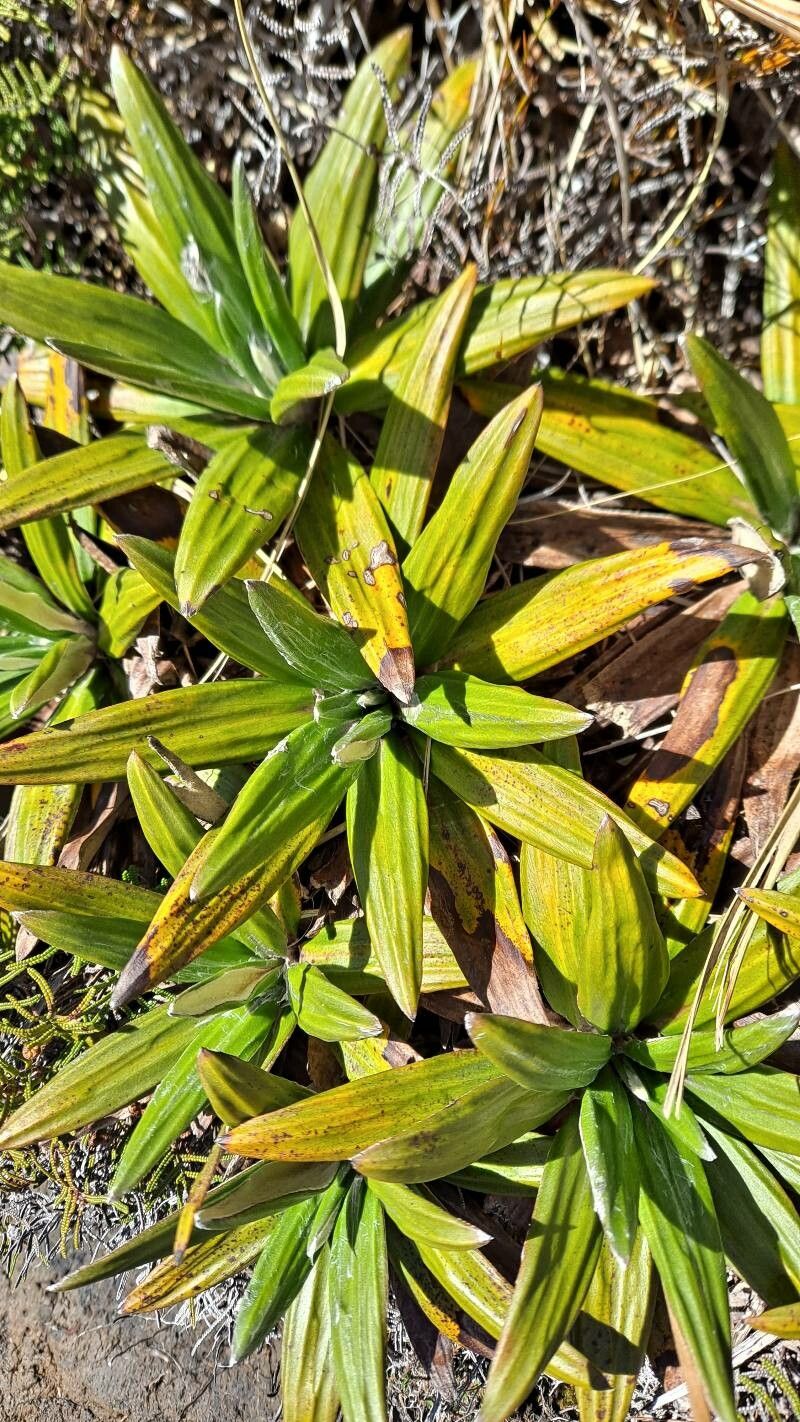
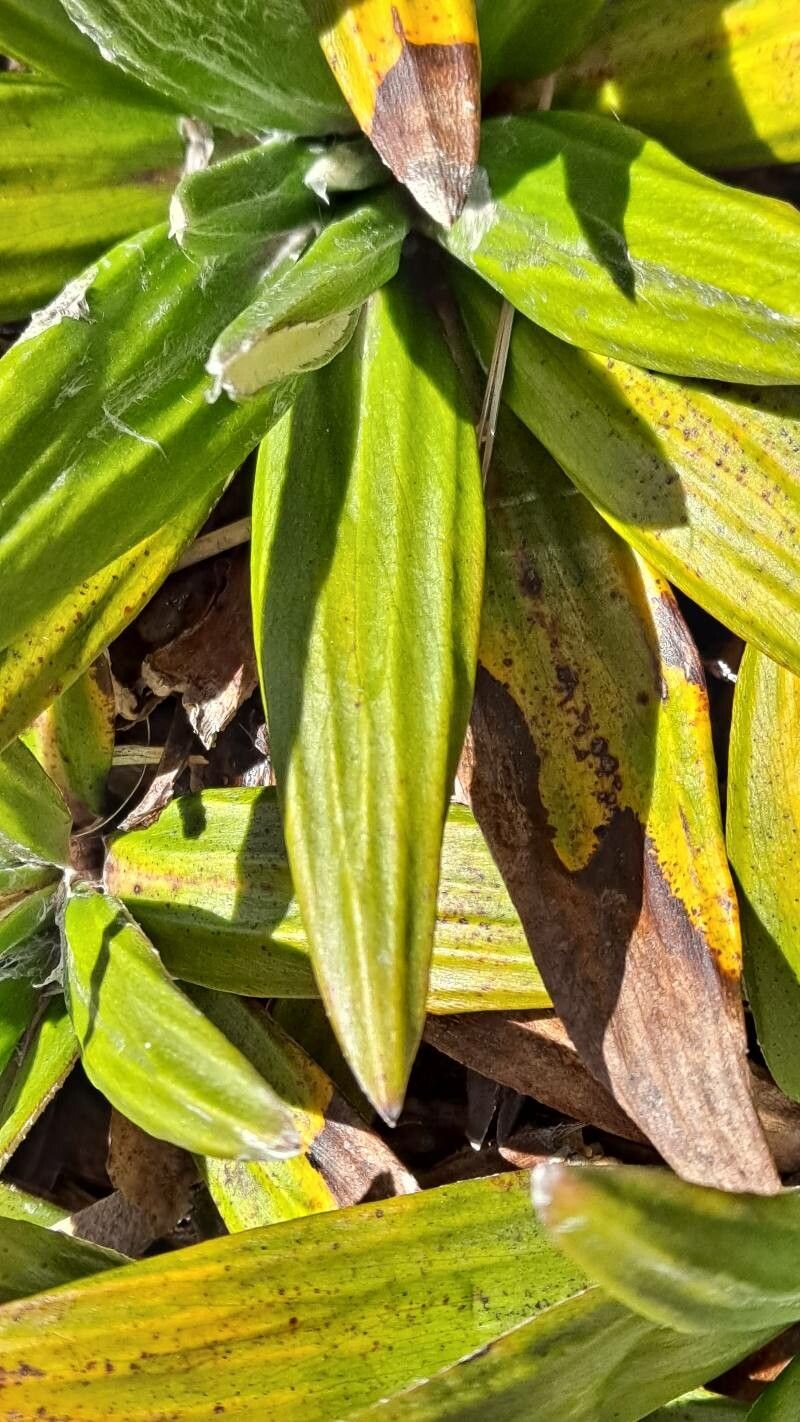
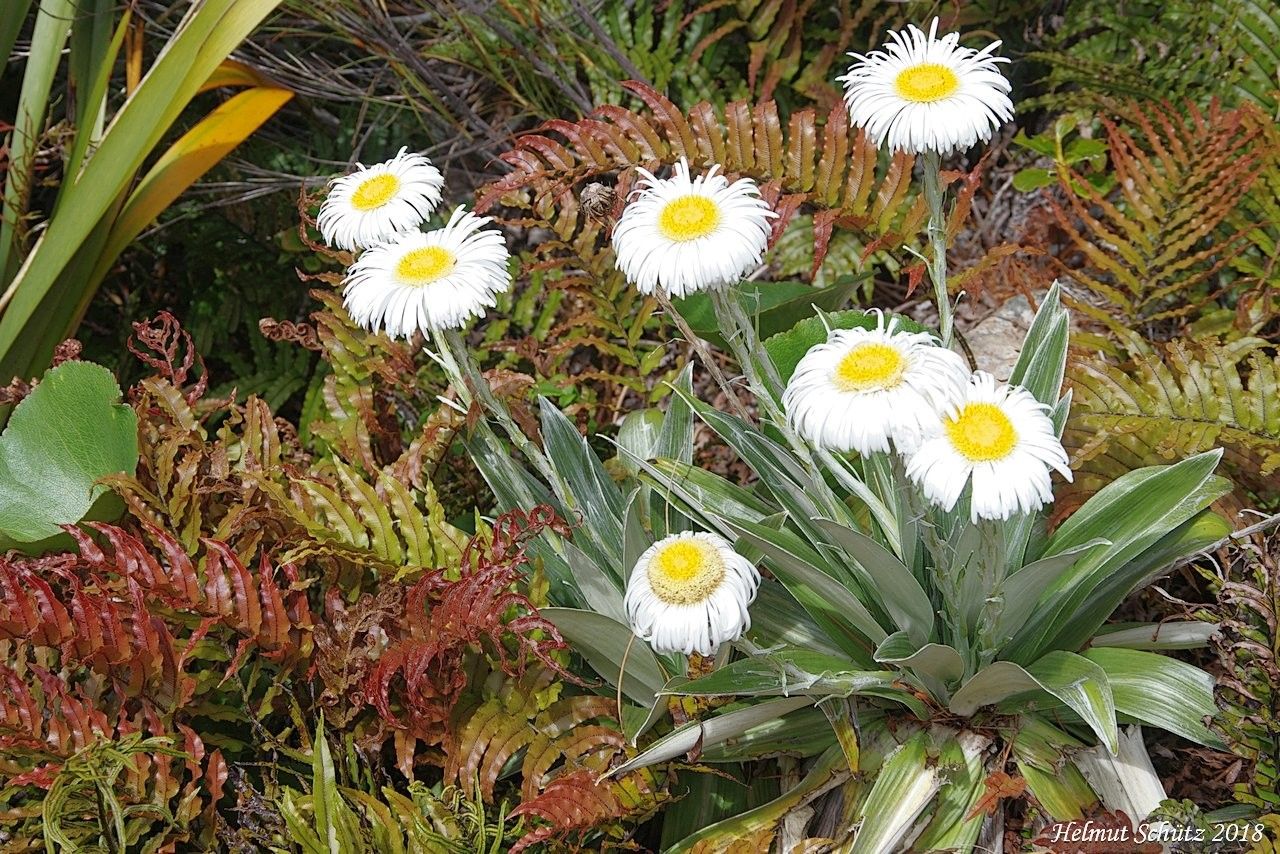
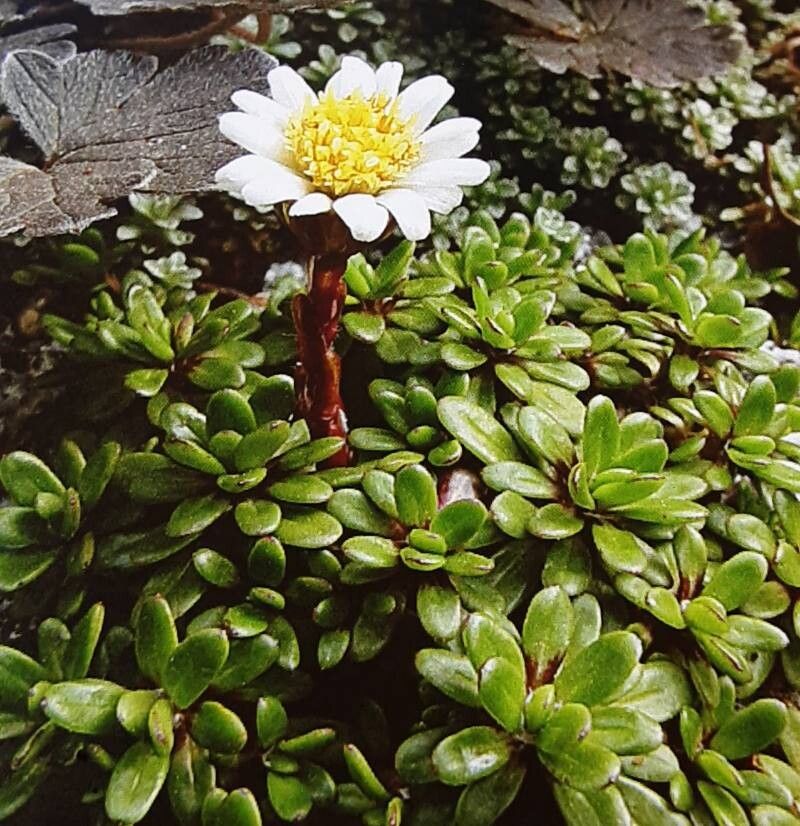
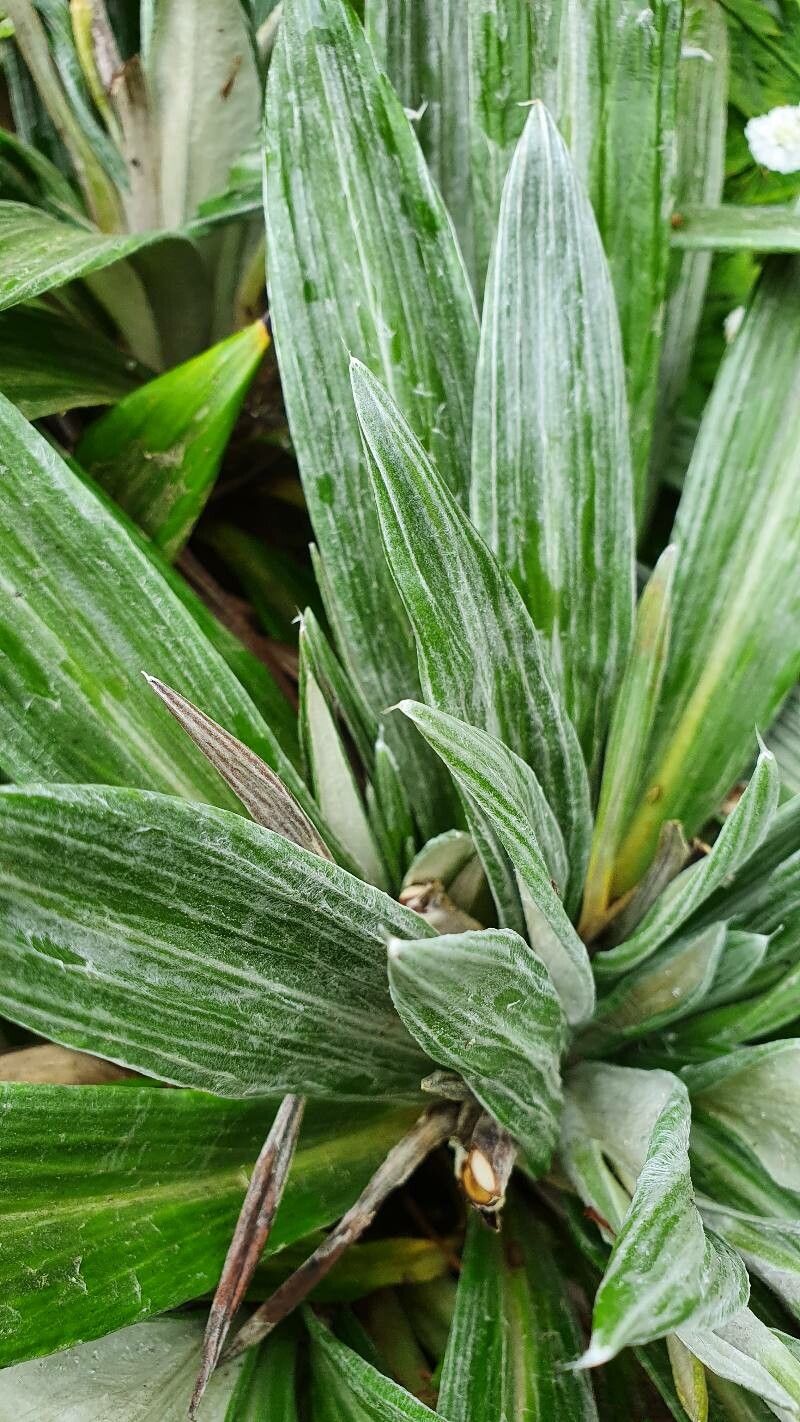
Celmisia spectabilis is a flowering plant belonging to the Asteraceae family, native to New Zealand. It thrives in the alpine and subalpine regions of the South Island. Typically, the plant grows up to 30 cm in height and features a rosette of leaves that are green on top and white underneath, giving it a distinctive appearance.
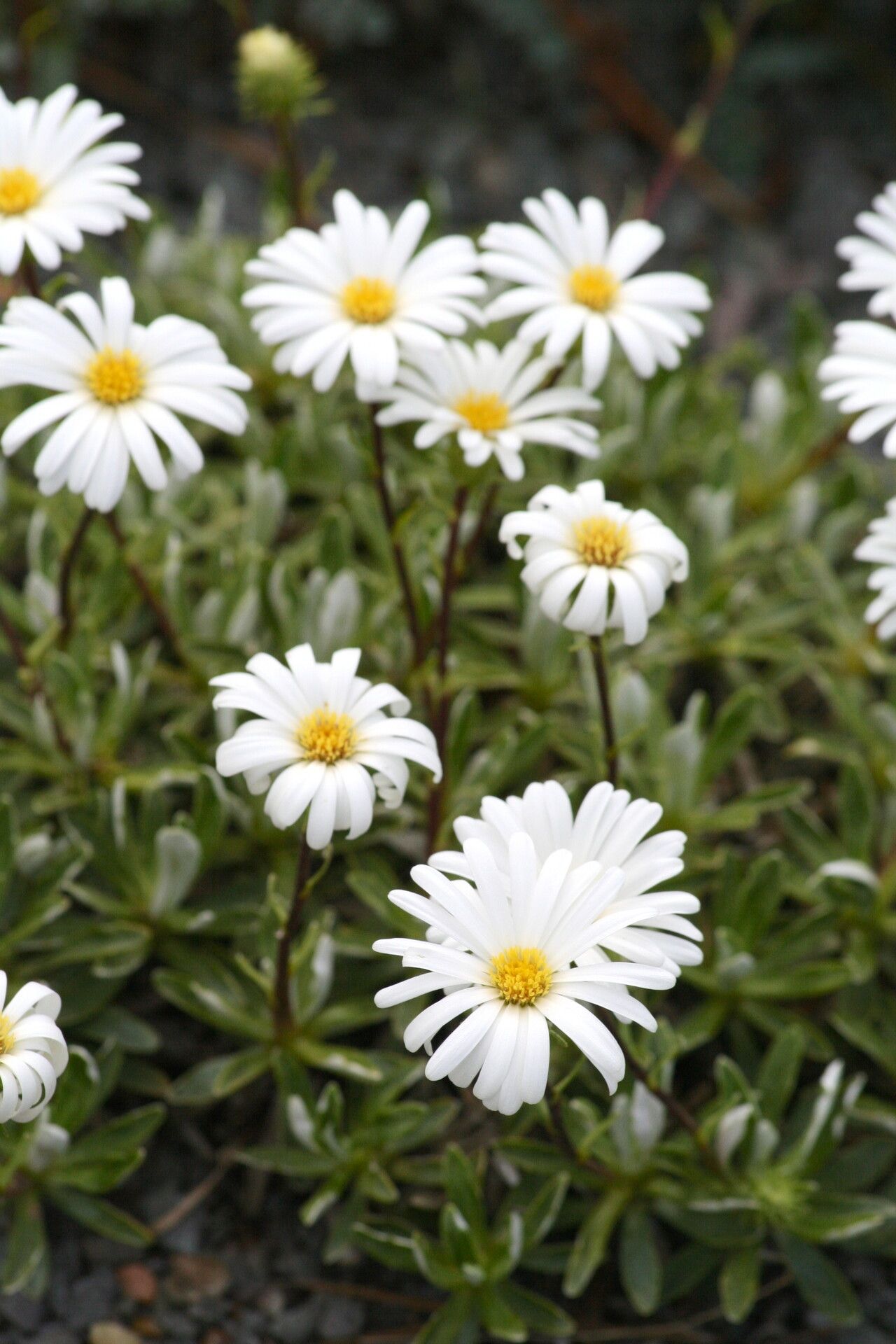
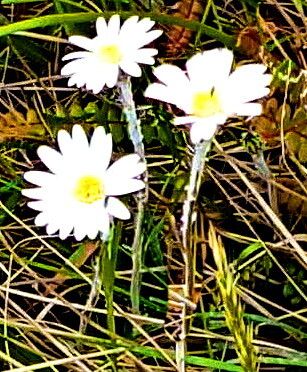
The flowers of Celmisia spectabilis are daisy-like, with white petals encircling a yellow center. These blooms appear from late spring through early summer and attract pollinators such as bees and butterflies.
Celmisia spectabilis is commonly used as an ornamental plant in gardens due to its appealing foliage and flowers. It prefers well-drained soil with ample sunlight but can also tolerate some shade.
In traditional Maori medicine, Celmisia spectabilis was valued for its anti-inflammatory properties and was used to treat wounds, bruises, sore throats, coughs, colds, as well as rheumatism.
Overall, Celmisia spectabilis is an attractive alpine plant that enhances garden beauty while also possessing medicinal properties traditionally used by the Maori people for centuries.
The cotton plant is fairly disease-resistant and typically does not suffer from many illnesses. However, it can be vulnerable to pests and diseases present in its surroundings. These problems are usually not serious. Regarding care, the plant requires moderate maintenance. Regular pruning is necessary to preserve a neat appearance and support healthy growth. Fertilizing can also help encourage flowering. The cotton plant is suitable for anyone with outdoor space, such as a garden or patio, and does not demand extensive experience in plant care. It may need more attention when grown indoors.
How to keep Celmisia Spectabilis.
Light
The cotton plant thrives with abundant light, which is vital for the healthy development of its foliage. Nevertheless, it copes quite well with reduced light. It needs steady sunlight throughout its various growth stages. In its native habitats where sunlight is plentiful it grows vigorously. Too much or too little light leads to poor growth.
Water
The cotton plant flourishes in alpine regions, where it prefers consistent moisture but can tolerate brief dry spells. To ensure optimal hydration, it's best to water the plant weekly, taking care to avoid both waterlogging and drought. Though typically cultivated outdoors, the cotton plant benefits from the cooler temperatures and natural rainfall found in these regions, which support its growth cycle.
Fertilizer
For the Cotton plant, the main time to fertilize is in early spring, when flowers are beginning to form. The correct fertilizer promotes better blooms and helps the Cotton plant produce attractive flowers. Fertilizing in early spring helps ensure good flowers during the season and supplies energy for dormant growth phases.
Pruning
To keep a cotton plant healthy and well-shaped, it's beneficial to prune it from early to late spring. Focus on key techniques such as removing dead stems and thinning crowded areas to improve air circulation. Be sure to use sharp, clean tools to avoid causing damage or spreading disease. For more detailed care tips, consult horticultural guides.
Botanical profile.
- Plant Type
- Herb
- Life Cycle
- Perennial
- Genus
- Celmisia
- Family
- Asteraceae
- Hardiness Zone
- 7-9
- Mature Height
- 30 cm to 61 cm
- Mature Spread
- 40 cm to 76 cm
- Leaf Color
- Silver, Light Gray
- Leaf Type
- Evergreen
- Flower Color
- White
- Flower Size
- 5.08 cm to 7.62 cm
- Bloom Time
- Early summer, Mid summer
- Planting Time
- Spring, Summer
- Harvest Time
- Late summer, Early fall
Other names.
Reader questions.
What are the sunlight requirements for a cotton plant?
Cotton plants thrive best in full sun conditions, requiring more than 6 hours of sunlight daily. They can also grow in partial sun, with about 3-6 hours of sunlight. It's vital to monitor the movement of sunlight through your garden to ensure the plants receive the optimal light balance, promoting their health and growth.
How essential is sunlight for the growth of a cotton plant?
Sunlight plays a crucial role in the healthy growth and development of cotton plants, providing the energy needed for photosynthesis and the flourishing of foliage. While these plants are quite adaptable to varying light conditions, maintaining consistent sunlight exposure is key, especially during different growth stages. In their natural habitats, abundant sunlight encourages robust growth, whereas both overexposure and underexposure to light can lead to poor plant health.
What artificial lighting requirements do cotton plants have?
When natural sunlight is insufficient, artificial lighting becomes necessary for indoor cotton plants, ensuring their growth remains optimal. LED lights are recommended due to their ability to emulate specific light wavelengths needed by plants. Full sun plants require 30-50W per square foot, partial sun plants need 20-30W per square foot, and full shade plants should have 10-20W per square foot. The artificial light source should be positioned 12-36 inches above the plants, simulating natural light conditions as closely as possible, with an exposure duration of 8-12 hours a day.
What are the symptoms of inadequate lighting in cotton plants?
Cotton plants exhibit several symptoms under low light conditions, including smaller new leaves, leggy or sparse growth due to elongated stems or spaces between leaves, faster leaf drop as the plant conserves resources, slower or halted new growth, and lighter-colored or chlorotic leaves. Excessive sunlight exposure can lead to chlorosis, sunscald, leaf curling, wilting, and leaf scorching, damaging the plant's health and reducing its ability to photosynthesize efficiently.
What solutions can be applied to resolve inadequate sunlight exposure for cotton plants?
To counter insufficient sunlight, indoor plants can be gradually moved to sunnier spots until they receive at least 6 hours of direct sunlight per day, utilizing south-facing windows for maximum exposure. For large or immobile plants, supplemental artificial light for at least 8 hours daily can promote growth. Outdoor plants should be transitioned gradually to brighter locations to prevent sunburn. Pruning or strategically relocating plants can minimize sunlight obstructions. Affected plant parts may not recover, but new growth should be healthy following these adjustments.