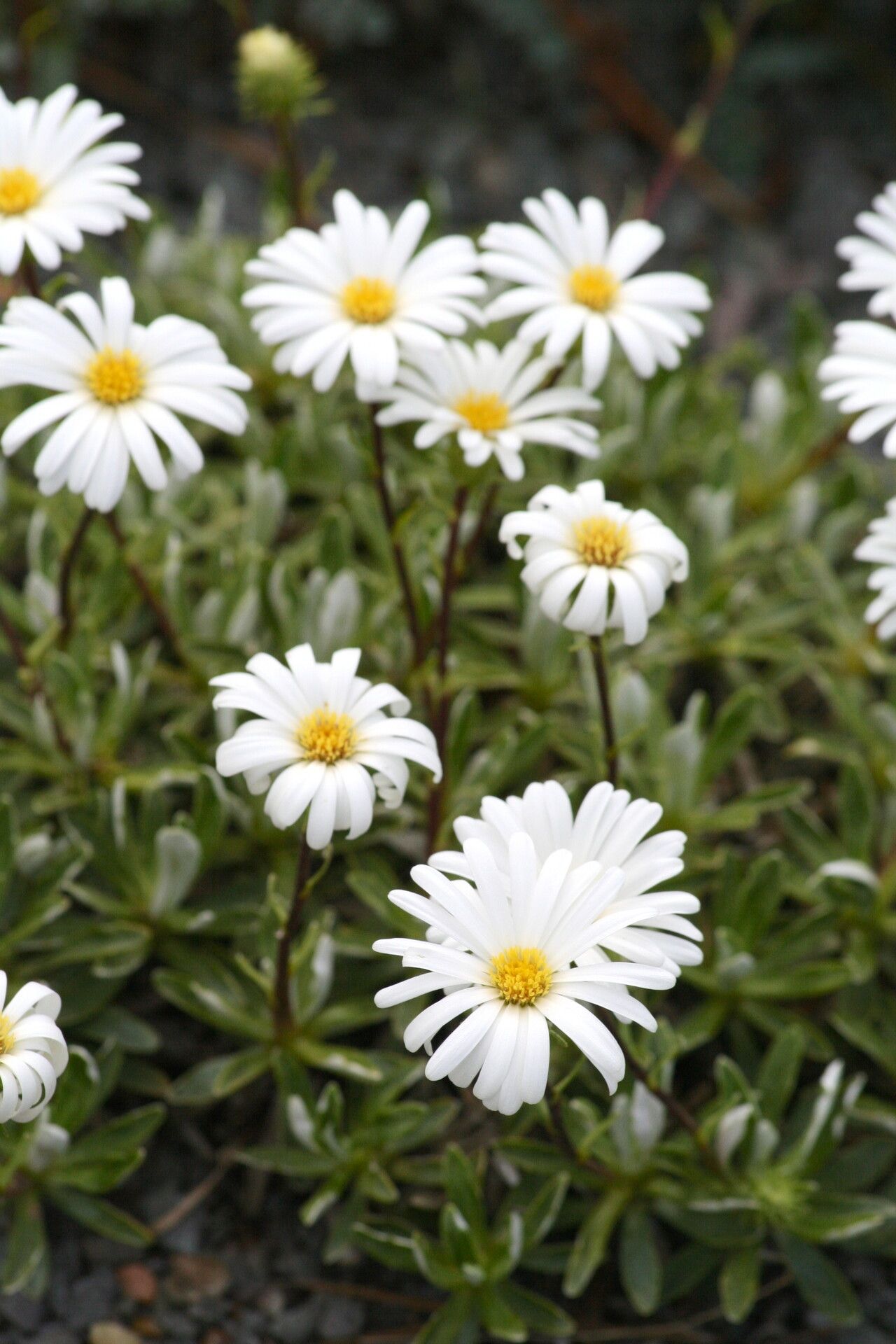
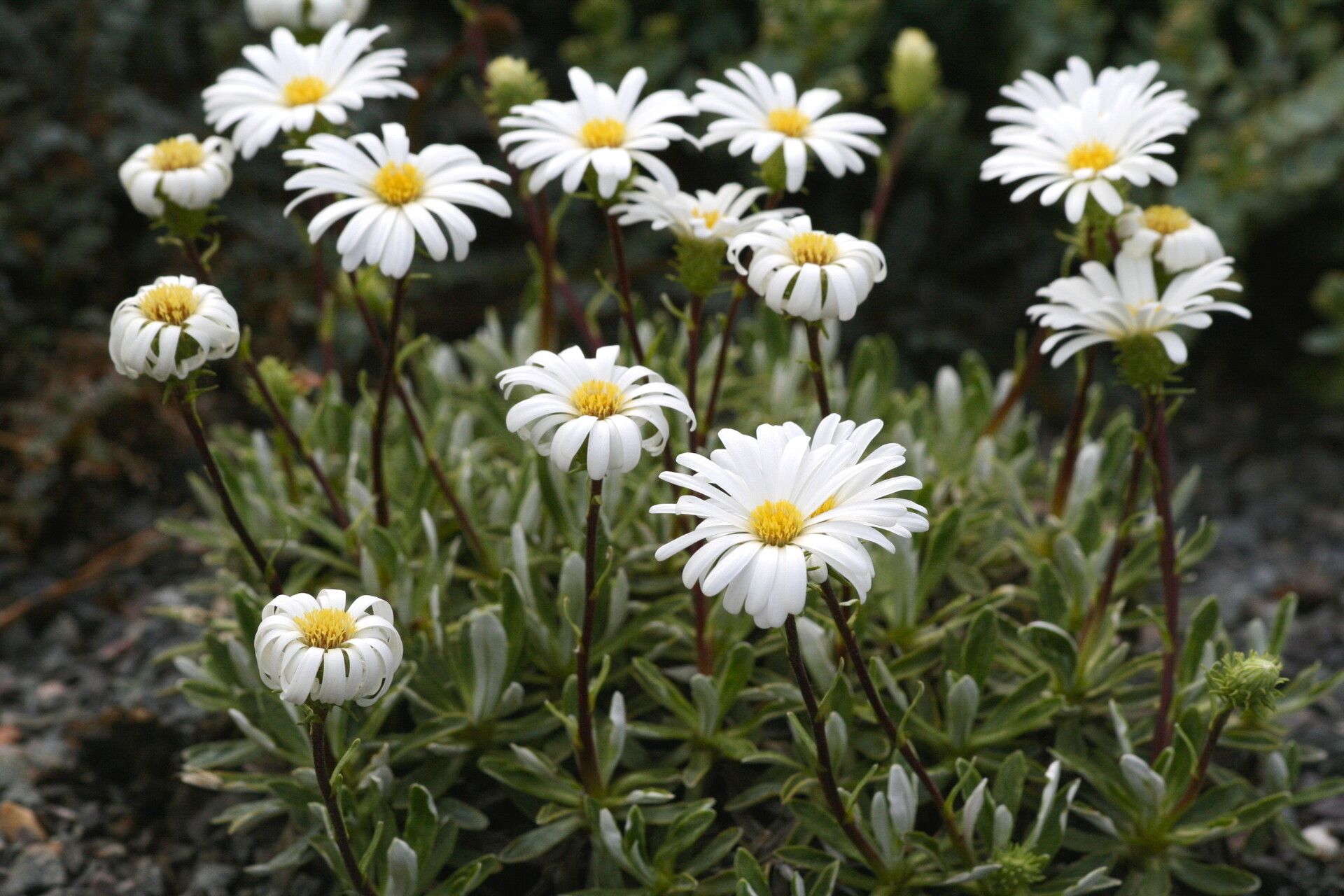
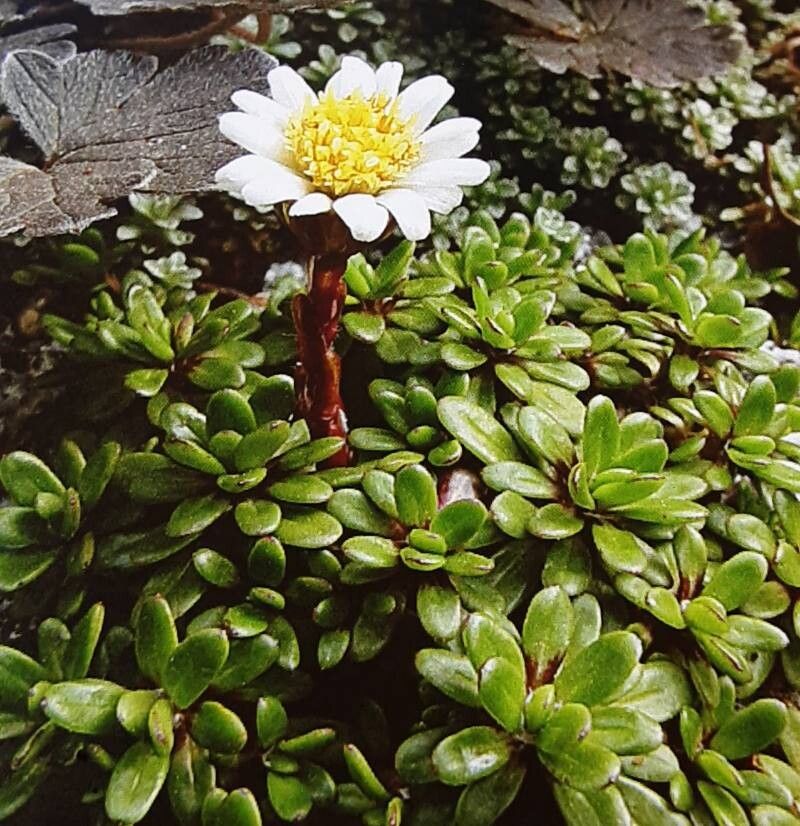
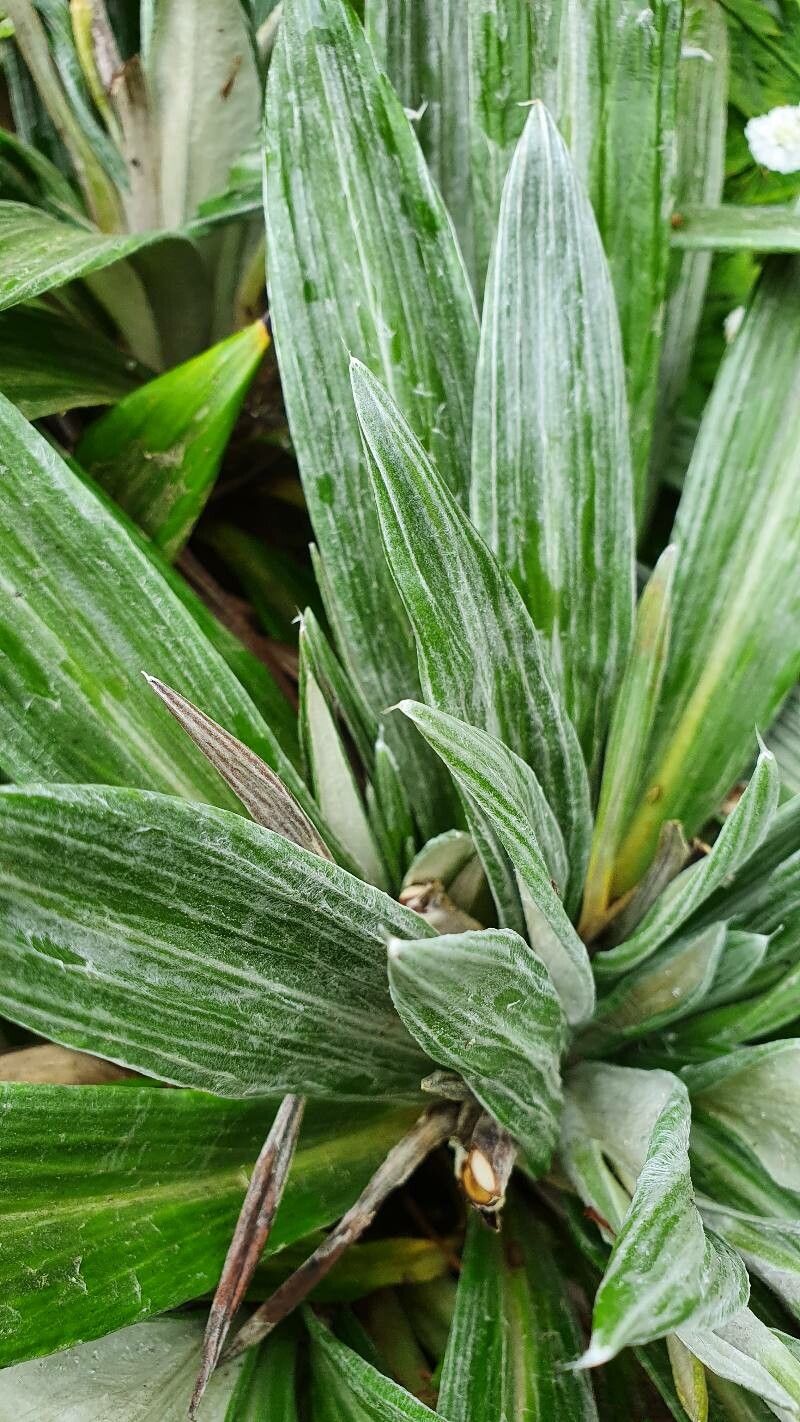
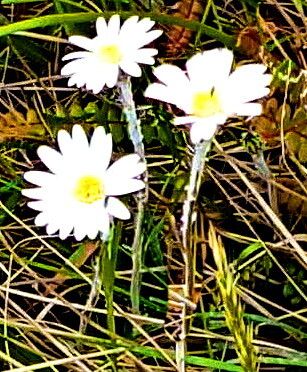
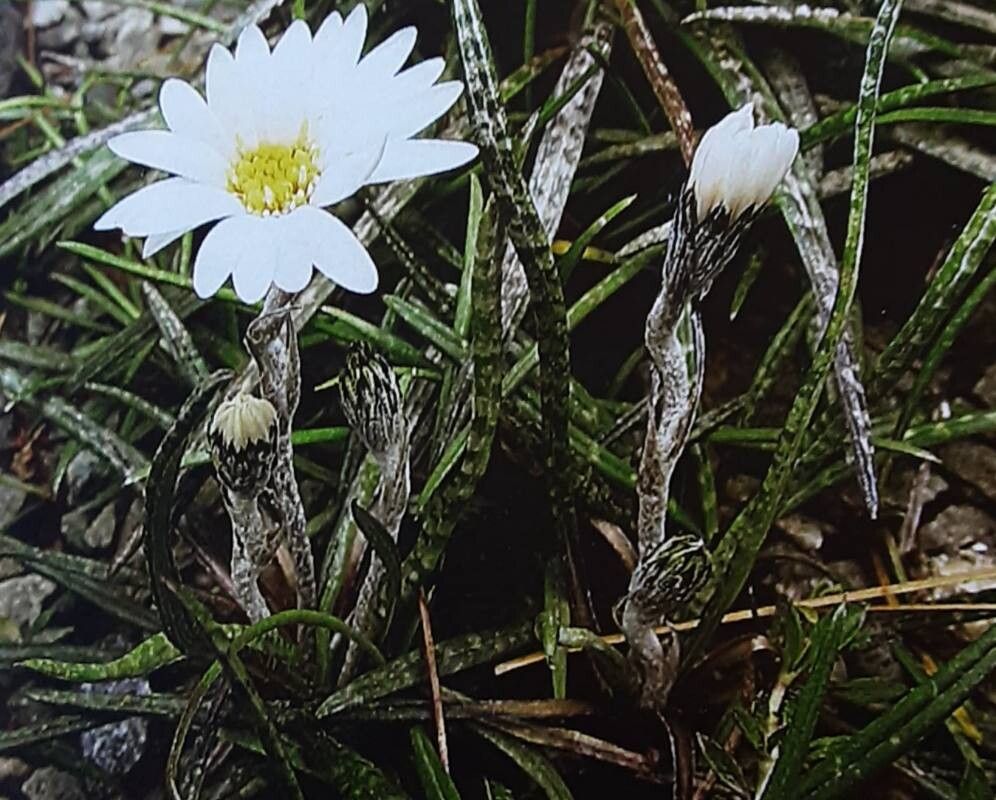
Celmisia angustifolia, called the strap-leaved daisy, is a species of flowering plant in the genus Celmisia, native to the South Island of New Zealand. It has gained the Royal Horticultural Society's Award of Garden Merit.
The strap-leaved daisy has strong disease resistance and is generally not susceptible to illnesses. In terms of care, this plant is fairly low maintenance. When planted outdoors it needs minimal watering, and larger specimens typically do not require pruning. Smaller plants, however, should be pruned after they have bloomed. The strap-leaved daisy is appropriate for anyone with an outdoor area, such as a garden or deck, and does not demand much prior plant-care experience.
How to keep Celmisia Angustifolia.
Light
Strap-leaved daisy is native to open habitats, such as sunny meadows and forest edges, which provide abundant light. It flourishes in Full Sun but can also tolerate Partial Sun, adapting well to a range of sunlight conditions.
Fertilizer
Timing is critical for fertilizing the strap-leaved daisy. Apply fertilizer in early spring and repeat monthly until early summer. Fertilizer promotes attractive blooms and supplies energy during both dormant periods and active growth.
Pruning
The strap-leaved daisy features strap-like leaves and daisy-like flowers. To encourage growth and maintain its shape, prune the plant in early spring by removing dead foliage and leggy stems. Always use clean, sharp tools to make precise cuts, as this helps promote the plant’s health and prevent disease. For additional tips, consult horticultural resources.
Botanical profile.
- Plant Type
- Shrub
- Life Cycle
- Perennial
- Genus
- Celmisia
- Family
- Asteraceae
- Hardiness Zone
- 7-9
- Mature Height
- 20 cm to 30 cm
- Mature Spread
- 30 cm to 40 cm
- Leaf Color
- Silver, Light Gray
- Leaf Type
- Semi-evergreen
- Flower Color
- White
- Flower Size
- 3.05 cm to 5.08 cm
- Bloom Time
- Mid winter, Late winter, Early spring
- Planting Time
- Spring, Summer
- Harvest Time
- Mid spring, Late spring, Early summer
- Native Area
- New Zealand
Other names.
Reader questions.
What are the sunlight requirements for Strap-leaved daisy?
Strap-leaved daisy, known botanically as Celmisia angustifolia, thrives best in full sun, requiring more than 6 hours of sunlight daily. It can also tolerate partial sun, which amounts to about 3-6 hours of sunlight. Observing the movement of sunlight through your garden and selecting spots that offer an ideal balance of light and shade will ensure the well-being of these plants.
Can Strap-leaved daisy adapt to different sunlight conditions?
Yes, the Strap-leaved daisy is adaptable to various sunlight conditions. Originating from open environments such as sunny meadows and forest edges, it naturally grows in locations that provide abundant light. While it shows a preference for full sun, it can also grow well under partial sun, making it versatile for different garden settings.
How can I use artificial lighting for Strap-leaved daisy?
To support the growth of Strap-leaved daisy with artificial light, especially when natural sunlight is insufficient, it's essential to select the correct type of light and ensure it provides adequate power. LED lights, customizable to emit required wavelengths, are recommended. For full sun plants, use 30-50W/sq ft of light, for partial sun, 20-30W/sq ft, and for full shade, 10-20W/sq ft. Position the light 12-36 inches above the plant, mimicking natural sunlight, and keep it on for 8-12 hours a day.
What are the symptoms of light deficiency in Strap-leaved daisy?
Strap-leaved daisy shows certain symptoms when it doesn't receive enough light, including new leaves growing smaller, leggy or sparse growth, faster leaf drop, slower or no new growth, and lighter-colored new leaves. Insufficient light leads to issues like chlorosis, where leaves lose their color, and sunscald, which damages leaves and stems with intense light exposure. Leaves may curl or twist, and the plant might exhibit wilting or leaf scorching as a result of inadequate or excessive sunlight.
How can I address light deficiency and overexposure in Strap-leaved daisy?
To address light deficiency, gradually move Strap-leaved daisy to sunnier locations to receive at least 6 hours of direct sunlight or use artificial lighting, like a desk or ceiling lamp, for at least 8 hours daily. For outdoor plants, ensure a gradual transition to avoid sunburn. Prune trees or reposition plants to minimize obstructions and allow more sunlight. Note that affected parts might not recover, but new growth will be healthy after adjusting light conditions.