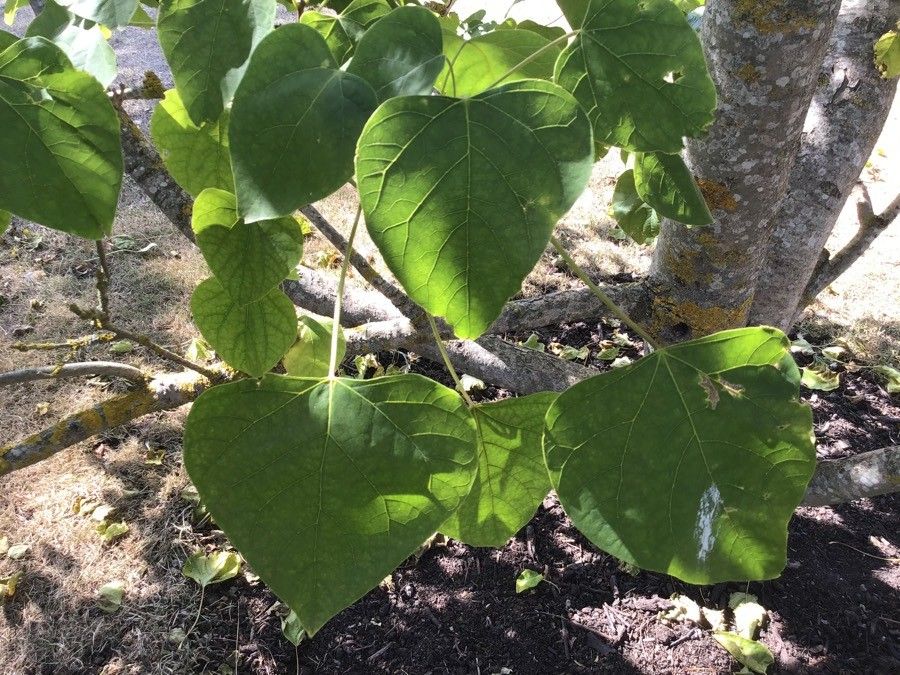
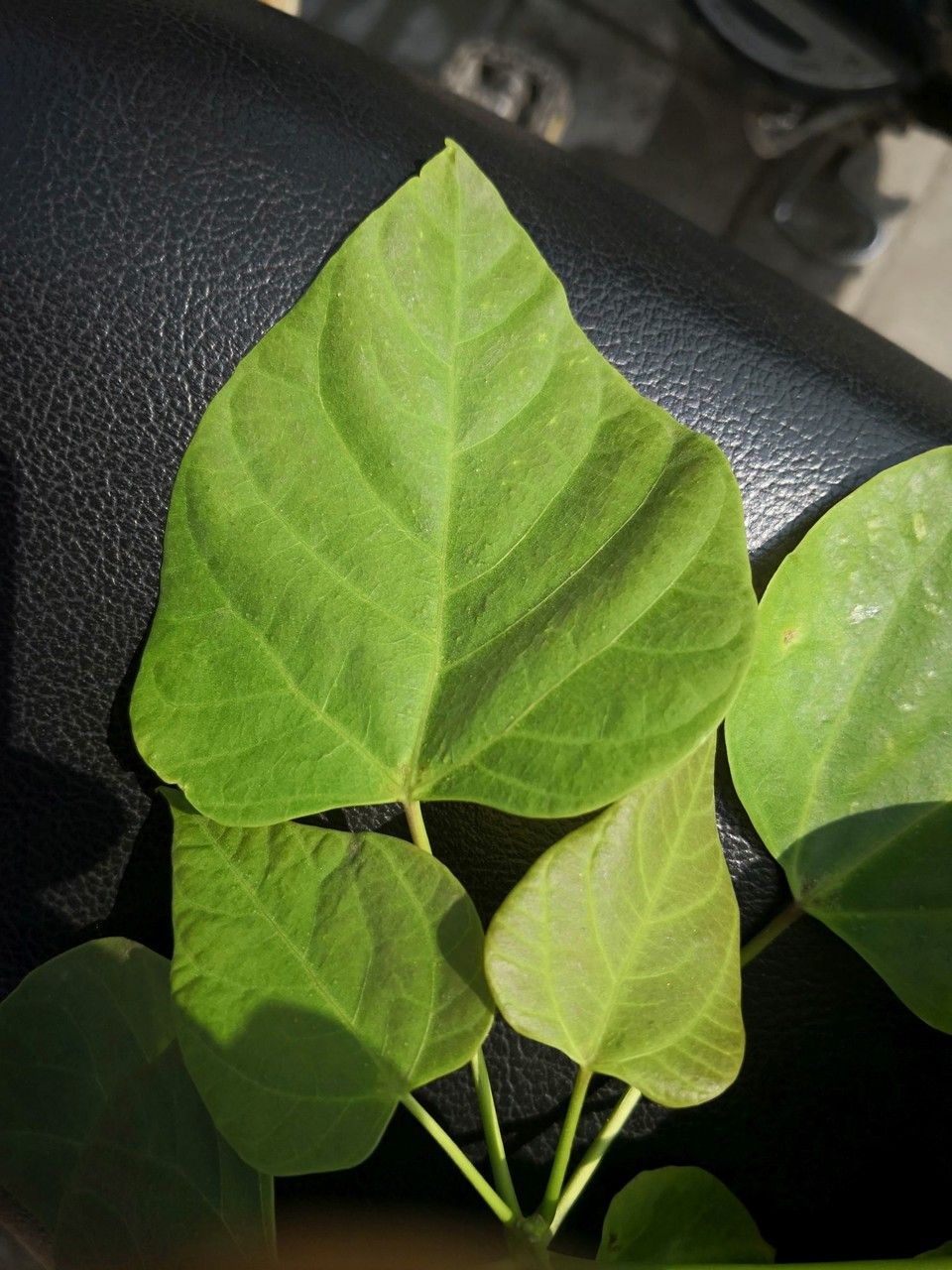
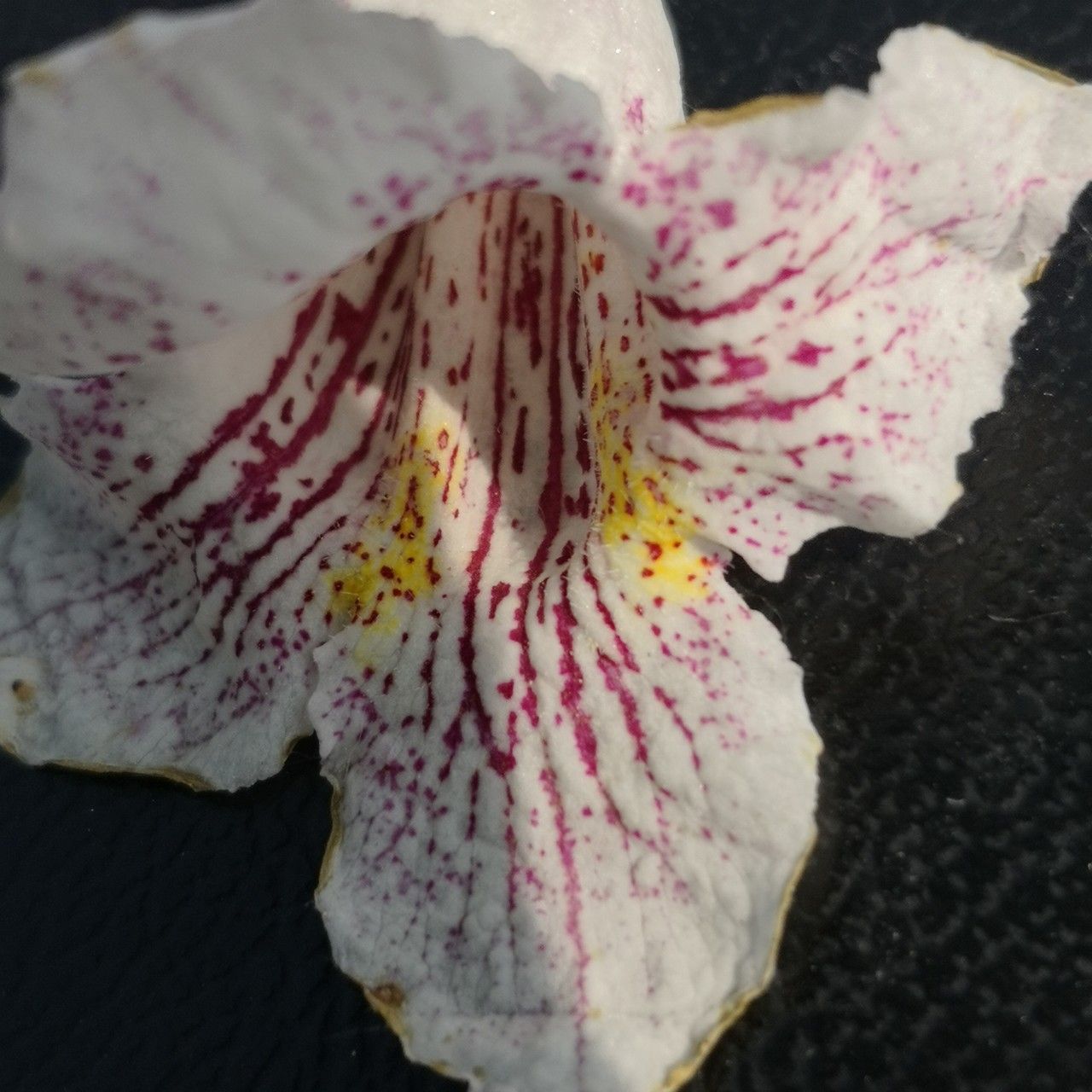
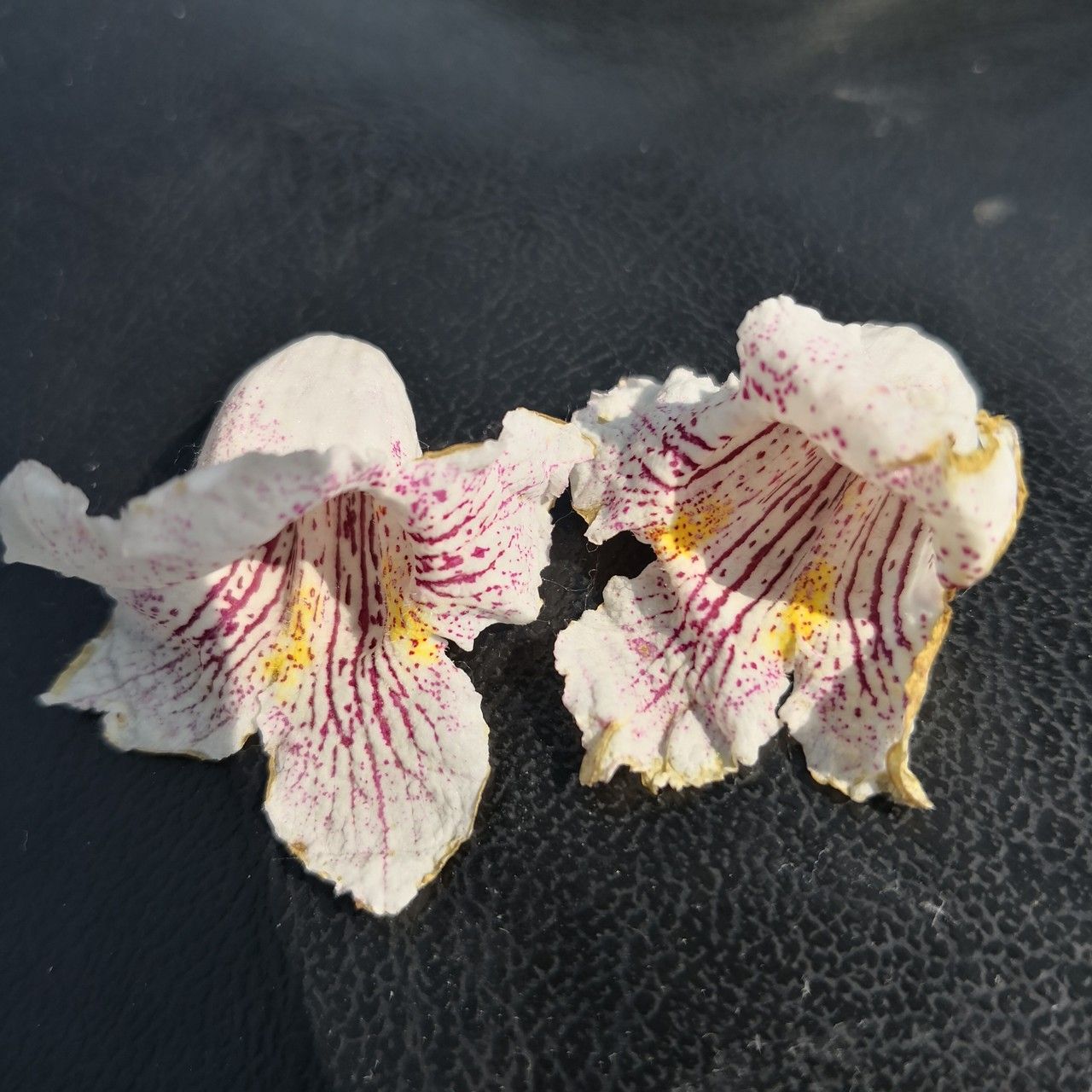
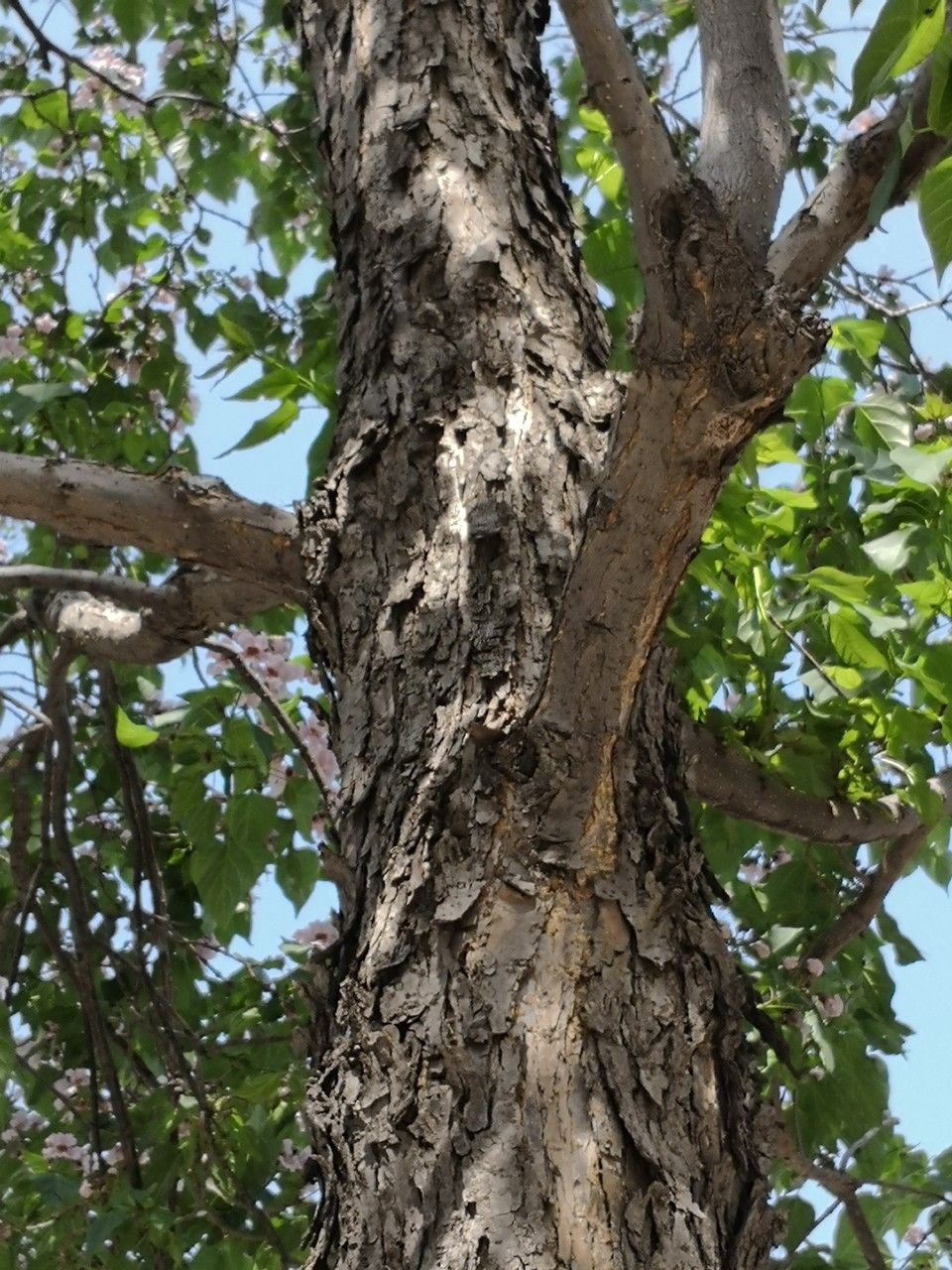
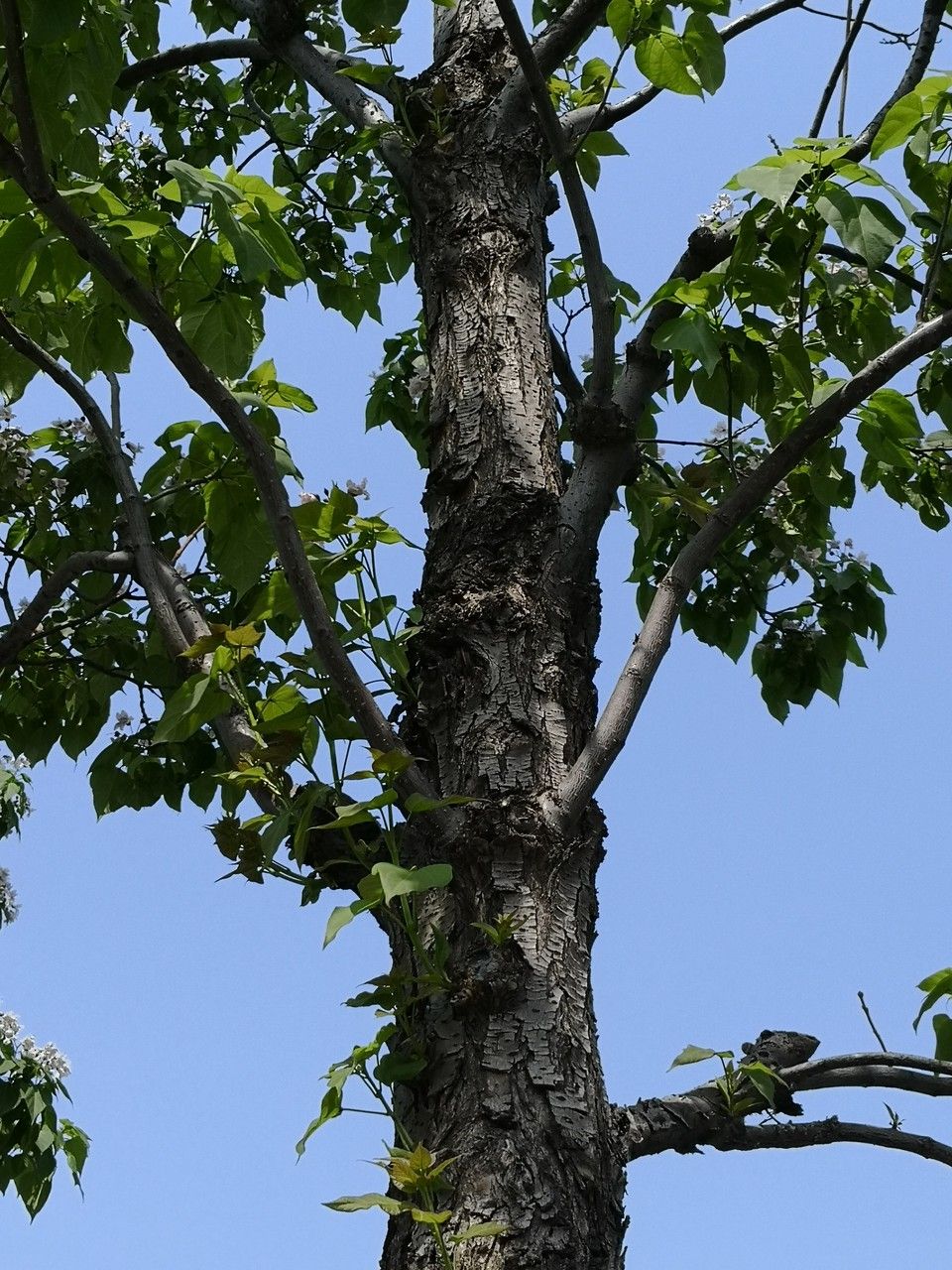
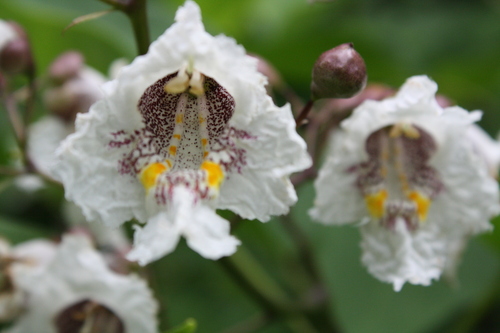
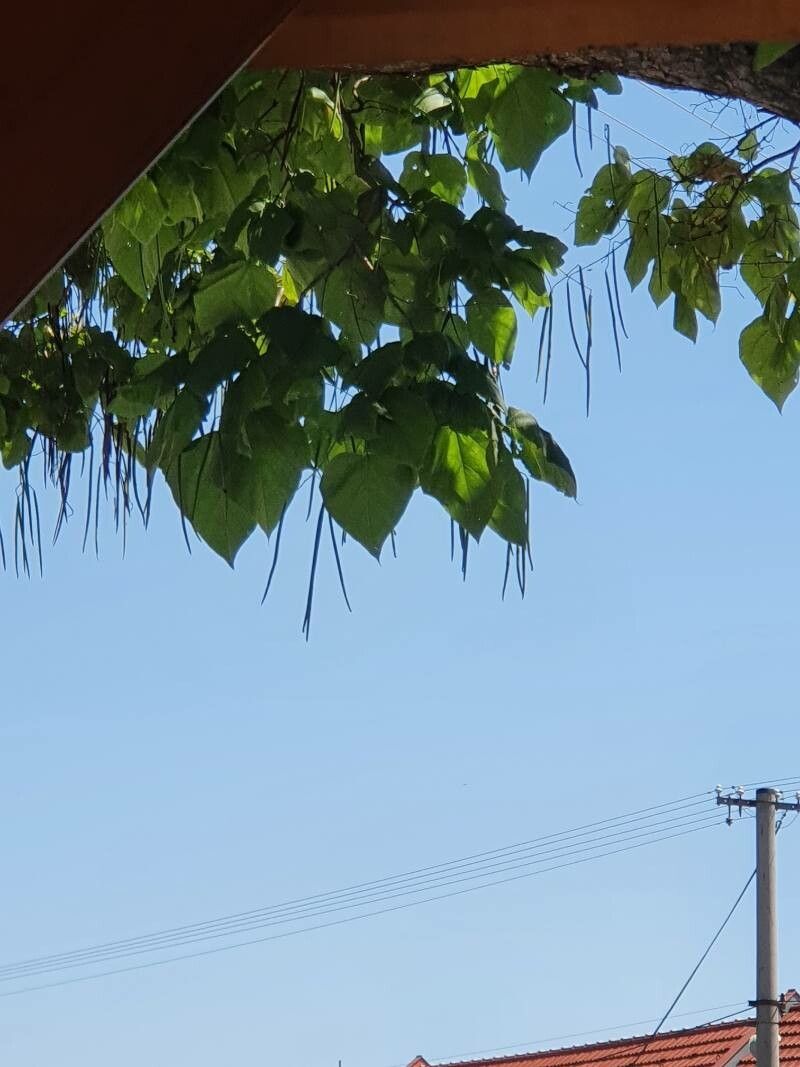
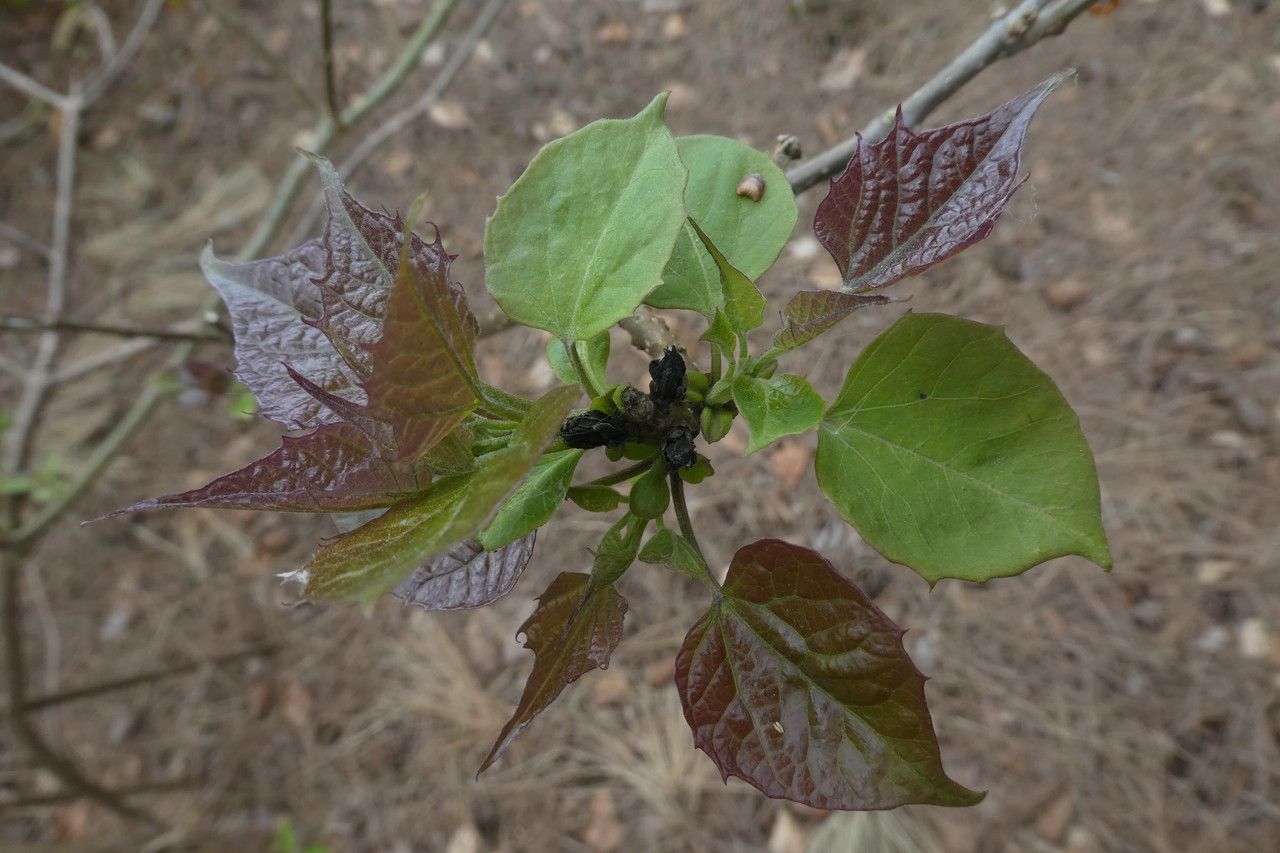
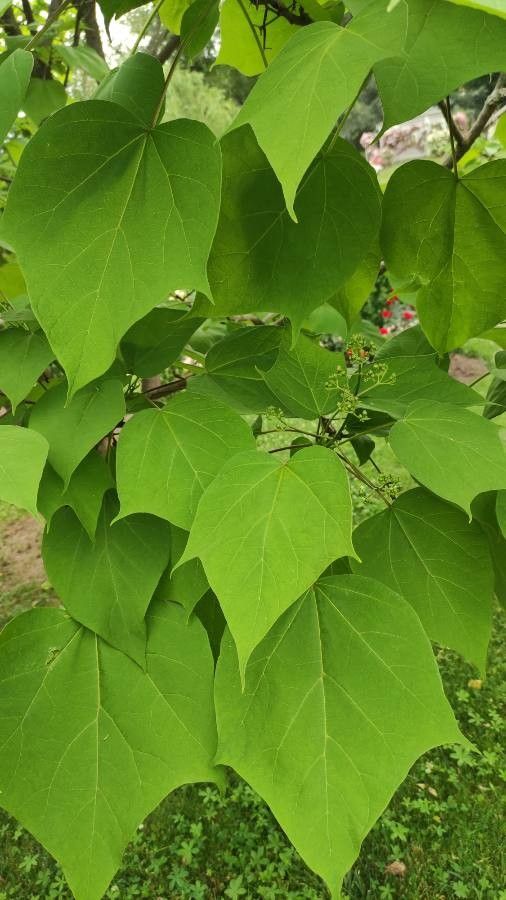
Catalpa bungei, commonly known as Manchurian catalpa, is a species of catalpa native to China. The specific epithet honors the botanist Alexander Bunge, who collected the specimens that Carl Anton von Meyer later described. The flowers are arranged in a corymb and are densely spotted with pink. It is cultivated in China, along with C. ovata, for its wood, which is also used for coffins, ancestral tablets, and oars. It also used as an ornamental tree.
Chinese catalpa has strong disease resistance and is generally not susceptible to disease. In terms of care, this plant is fairly low-maintenance. When planted outdoors, it needs only minimal watering, and larger specimens usually do not require pruning. However, smaller plants should be pruned after they finish blooming. Chinese catalpa is suitable for anyone with an outdoor area, such as a garden or a deck, and does not demand a lot of gardening experience.
How to keep Catalpa Bungei.
Light
Chinese catalpa does best in full sun but can tolerate moderate shade. Coming from a sunny habitat, its growth and health are highly dependent on ample light. Too little light can stunt growth, while too much can burn the leaves.
Temperature
Chinese catalpa is native to climates with temperatures ranging from 41 to 90 °F (5 to 32 ℃). It thrives in temperate regions, preferring moderate warmth. Seasonal adjustments might be needed during periods of extreme heat or cold to ensure its growth.
Fertilizer
Proper timing is important when fertilizing Chinese catalpa. Apply fertilizer in early spring and repeat monthly through early summer. Fertilizer promotes attractive blooms and supplies energy during both dormant periods and times of active growth.
Botanical profile.
- Plant Type
- Tree
- Life Cycle
- Perennial
- Genus
- Catalpa
- Family
- Bignoniaceae
- Hardiness Zone
- 4-8
- Mature Height
- 6.1 m to 9.14 m
- Mature Spread
- 6.1 m to 9.14 m
- Leaf Color
- Green
- Leaf Type
- Deciduous
- Flower Color
- White, Yellow
- Flower Size
- 2.54 cm
- Bloom Time
- Early summer, Mid summer
- Planting Time
- Autumn, Winter
- Harvest Time
- Late summer, Early fall, Mid fall
- Native Area
- China
Other names.