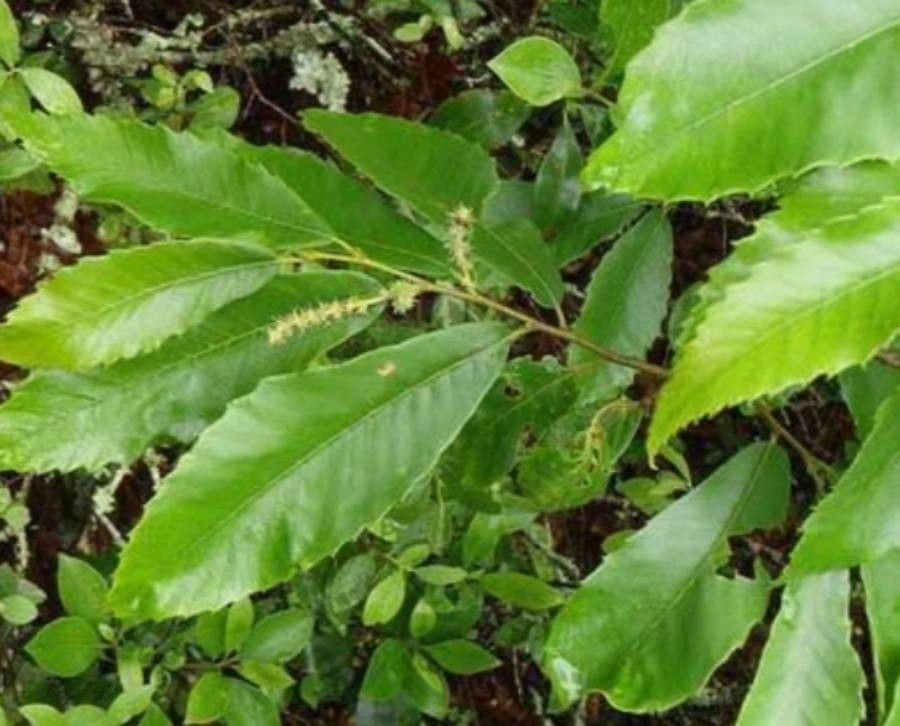
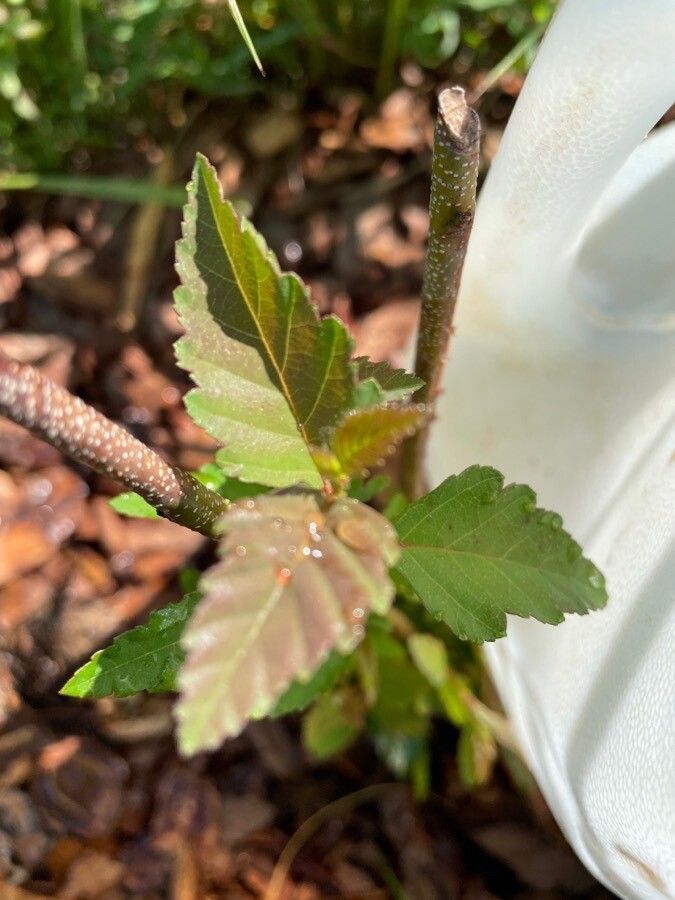
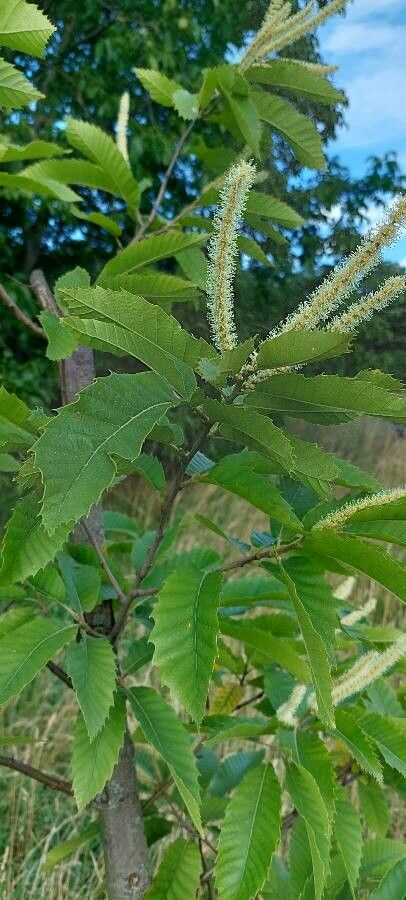
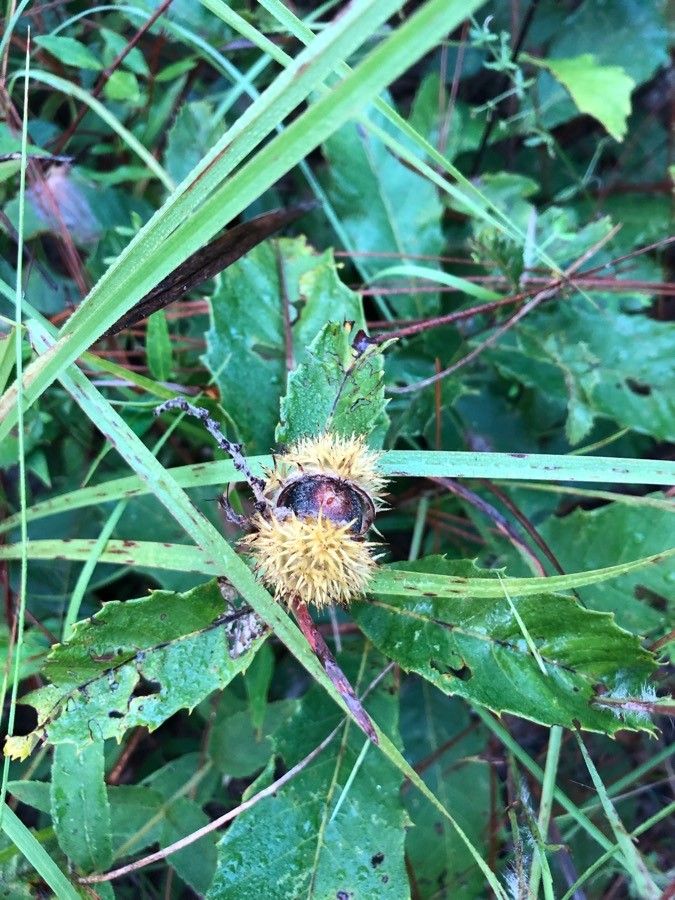
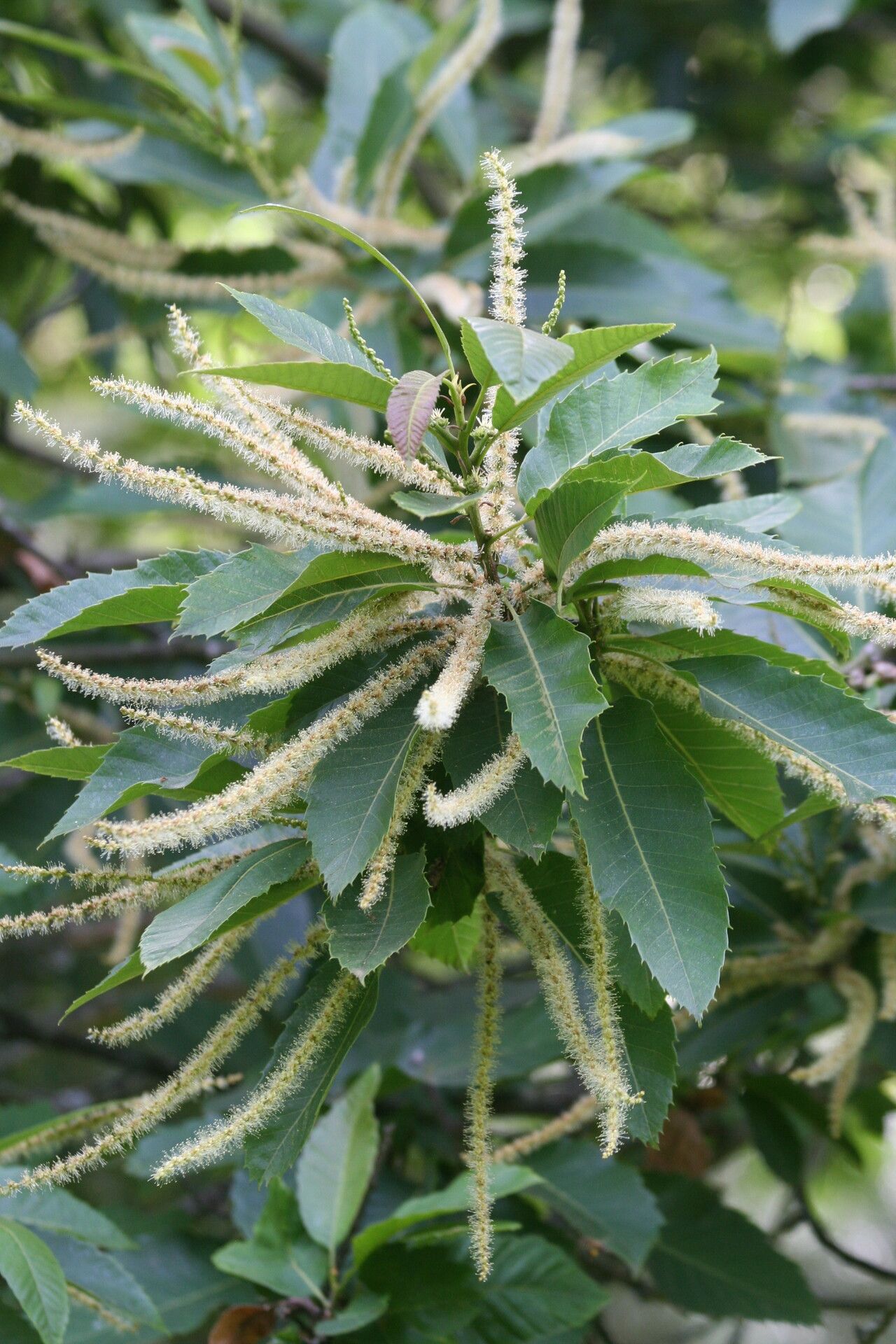
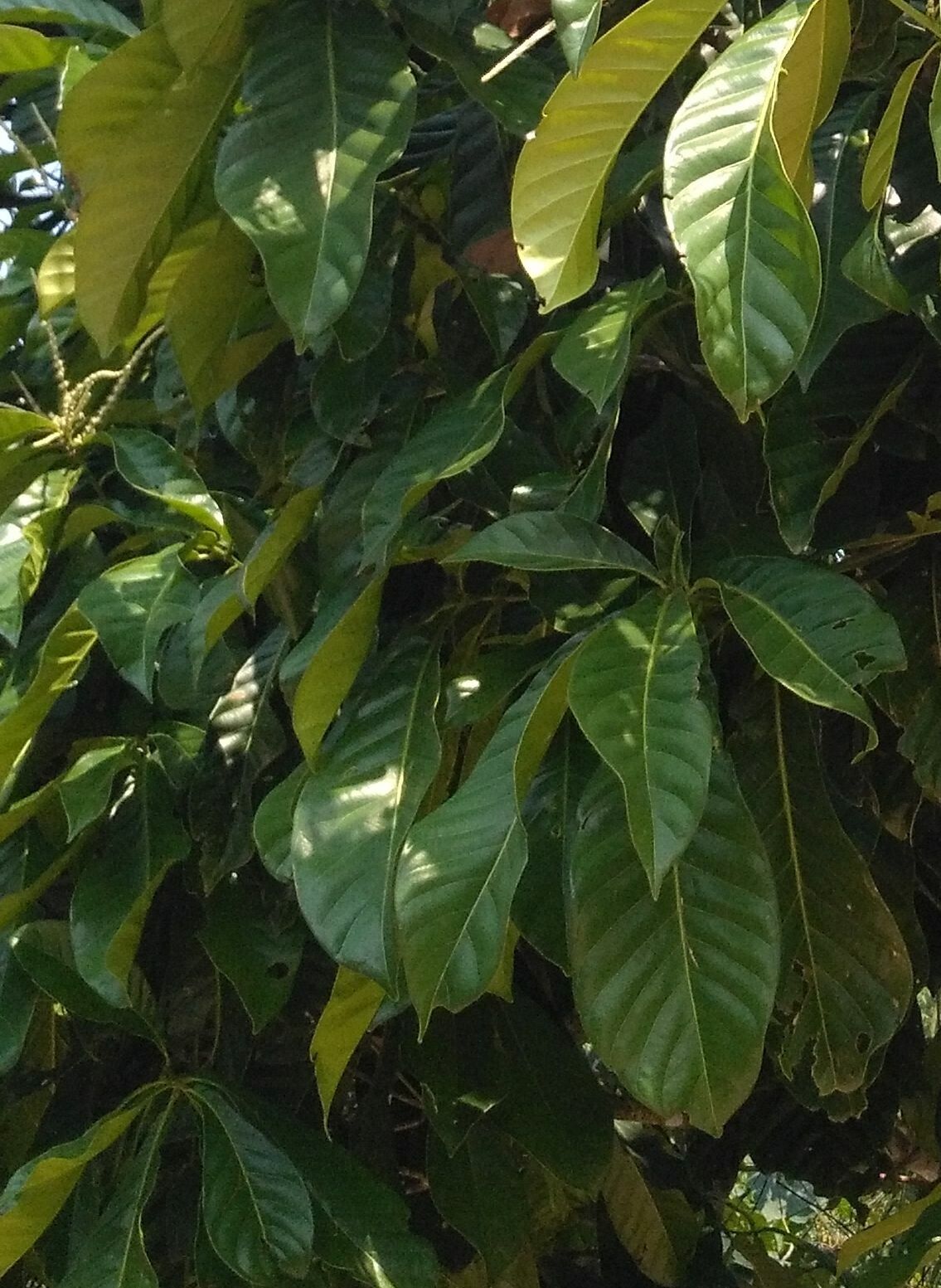
Castanea pumila, commonly known as the Allegheny chinquapin, American chinquapin (from the Powhatan) or dwarf chestnut, is a species of chestnut native to the southeastern United States. The native range is from Maryland and extreme southern New Jersey and southeast Pennsylvania south to central Florida, west to eastern Texas, and north to southern Missouri and Kentucky. The plant's habitat is dry sandy and rocky uplands and ridges mixed with oak and hickory to 1000 m elevation. It grows best on well-drained soils in full sun or partial shade.
The dwarf chestnut is resistant to disease and is generally not susceptible to illnesses. Regarding care, this plant is fairly low-maintenance. When grown outdoors it needs little watering, and larger plants typically do not require pruning. Small plants, however, should be pruned after they finish blooming. The dwarf chestnut is well suited for anyone with an outdoor area, such as a garden or deck, and does not demand extensive care experience.
How to keep Castanea Pumila.
Light
Dwarf Chestnut does best in spots that receive sunlight all day, though it can also survive where sunlight is not continuous. It prefers bright, well-lit conditions like those in its native habitats. Too little light can impede its growth, while excessive light may be harmful.
Water
The dwarf chestnut thrives best in moderate moisture conditions similar to its native woodland environment. For optimal health, it should be watered every two weeks. While this plant does show some drought tolerance, it requires consistent hydration. It is best suited for outdoor growth, and during its dormancy period in colder months, the watering frequency can be reduced.
Temperature
Dwarf Chestnut originates from habitats where temperatures range from 41 to 89.6 °F (5 to 32 ℃). It grows well within that temperature span. Seasonal adjustments should lower temperatures in winter and raise them in summer while remaining within these limits.
Fertilizer
The Dwarf Chestnut plant needs adequate nutrients to achieve optimal fruit production. Apply fertilizer in early spring to support new growth and bloom development. Regular feeding helps the plant remain healthy, produce more delicious fruit, and prevents nutrient deficiency problems such as yellowing leaves and poor fruit set.
Pruning
The Dwarf Chestnut is a deciduous shrub known for its small, nut-producing burrs. To promote healthy growth and fruit production, it is best to prune the shrub in early spring. This involves removing dead branches, thinning out crowded areas, and shaping the plant. Be careful not to prune too heavily, as this can stress the plant. Ensure good air circulation around the shrub to help minimize the risk of disease.
Botanical profile.
- Plant Type
- Tree, Shrub
- Life Cycle
- Perennial
- Genus
- Castanea
- Family
- Fagaceae
- Hardiness Zone
- 4-8
- Mature Height
- 1.83 m to 4.57 m
- Mature Spread
- 1.83 m to 6.1 m
- Leaf Color
- Green
- Leaf Type
- Deciduous
- Flower Color
- White, Cream
- Flower Size
- 2.54 cm
- Bloom Time
- Early summer, Mid summer
- Planting Time
- Spring, Summer, Autumn
- Harvest Time
- Fall
Other names.
Reader questions.
What's the easiest way to water my Dwarf Chestnut plant?
To promote good root development, consider placing a garden hose at the base of the plant. Avoid spraying the leaves directly, and keep in mind that outdoor plants in direct sunlight may need more watering. You can also use bubblers or soaker hoses to moisten the roots, either individually or for the whole garden or bed. Make sure to drain any excess water and allow the soil to dry before watering again. Watering at ground level is recommended to prevent diseases. On a sunny day, spraying the entire bush with water can be beneficial. Whether in a pot or in the ground, remember that Dwarf Chestnut plants prefer deep watering rather than light sprinkling.
What are the sunlight requirements for Dwarf Chestnut?
Dwarf Chestnut requires full sun, defined as over 6 hours of sunlight per day, but it can also grow in partial sun, which is about 3-6 hours of sunlight daily. Observing how sunlight moves through your garden helps in finding spots that provide a balance of light and shade, ensuring the plants thrive. Essentially, Dwarf Chestnut does best under generous sunlight throughout the day, reminiscent of its native habitats. However, too little sunlight impedes its growth, whereas excessive exposure can be detrimental.
What is the native temperature range for Dwarf Chestnut?
The Dwarf Chestnut is native to environments where the temperature varies from 41 to 89.6 °F (5 to 32 °C). It thrives best within this temperature range, requiring seasonal adjustments that lower temperatures in the winter and raise them in the summer to stay within these limits.
What should I do if I give Dwarf Chestnut too much or too little water?
If a Dwarf Chestnut is overwatered, its leaves may turn yellow, drop off, and wilt. The plant's appearance may also become dull and unhealthy, with mushy stems. To address these symptoms, adjusting your watering schedule is recommended. On the other hand, wilting can also indicate under watering, characterized by crispy and dry leaves. In such cases, when the soil is dry, simply watering the plant may not be enough, so it should be given a thorough watering. However, even after the plant recovers from overwatering, it may continue to display dryness and yellow leaves due to the damaged root system. Once the root system has healed, the yellowing of leaves will cease. When growing a Dwarf Chestnut indoors, always check the moisture levels in the pot and avoid overwatering. Look for any signs of black spots, and if present, allow the soil to dry out for a few days by withholding watering. Overwatering can lead to root rot, which can be detected by discolored and slimy roots. If root rot is identified, it is advisable to transfer the plant to a different pot. To prevent root rot, avoid excessively soggy soil. For outdoor planting of the Dwarf Chestnut, ensure that the soil is sufficiently moist. If the soil feels too dry when checked with your fingers, it may indicate underwatering. In this case, adequate watering is necessary to aid the plant's recovery.
Can Dwarf Chestnut be grown indoors with artificial lighting?
Yes, Dwarf Chestnut can grow indoors with the aid of artificial lighting, especially when natural sunlight is insufficient. It's crucial to choose the right type of artificial light, with LED lights being a popular choice because they can provide specific wavelengths needed by the plants. Full sun plants require 30-50W/sq ft, partial sun plants 20-30W/sq ft, and full shade plants 10-20W/sq ft of artificial light. Positioning the light source 12-36 inches above the plant and ensuring it receives 8-12 hours of light per day mimic natural sunlight conditions, promoting healthier growth.
Does Dwarf Chestnut require special frost protection measures?
Dwarf Chestnut has strong cold resistance and usually does not require special frost protection measures during winter. However, if temperatures are expected to drop below -30°C, it's important to provide cold protection by wrapping the trunk and branches with non-woven fabric or cloth. Additionally, watering the plant abundantly before the first freeze in autumn helps to keep the soil moist and prevents drought and water scarcity during winter and early spring.
How often do I need to water my Dwarf Chestnut?
The Dwarf Chestnut prefers deep and infrequent watering. If they are planted in pots, it is important to soak them in a gallon of water each time. This is because pots have limited water storage and the soil dries out faster. In cold regions, watering is needed every 3 to 5 days. It is best to water early in the morning when the soil is dry, both outdoors and indoors. You can check the soil inside to determine if watering is needed. When the top 2-3 inches of soil is dry, it's time for a full watering. During hot days, check the moisture daily as the pot soil can dry out quickly. If you have a garden, irrigation of the soil is also necessary. In hot climates, watering once a week is recommended. Only water if about 2 to 3 inches of soil become too dry, indoors or outdoors. Take into account the amount of rainfall and avoid overwatering to prevent root rot. If there is ample rainfall, additional watering may not be necessary. Dwarf Chestnut plants generally grow in spring and fall. When planted outdoors, adding mulch about 3 to 4 inches deep helps conserve water. Sandy soil requires more frequent watering, while clay soil requires less frequent watering to avoid root rot. You can mark the watering dates on a calendar and pay attention to drooping leaves, which may be a sign of delayed watering.
What are the symptoms of insufficient or excessive sunlight exposure in Dwarf Chestnut?
Dwarf Chestnut shows various symptoms under suboptimal lighting conditions. Insufficient sunlight may cause smaller new leaves, leggy or sparse growth, faster leaf drop, slower or halted growth, and lighter-colored new leaves, indicating a lack of chlorophyll and nutrients. Excessive sunlight can lead to chlorosis (leaves turning yellow due to chlorophyll breakdown), sunscald (damage from intense exposure), leaf curling (to minimize water loss), wilting, and leaf scorching (brown, dry leaf edges). These symptoms reflect the plant's struggle with incorrect light levels.
What are the symptoms of low temperature effects on Dwarf Chestnut and how can they be addressed?
Dwarf Chestnut is cold-tolerant and generally thrives when kept above 5°C. During winter, the temperature should remain above -25°C. If the temperature falls below -30°C, the branches may become brittle and dry by spring, with no new shoots emerging. The solution is to prune away any dead branches that have failed to produce new leaves in spring.
How much water should I give my Dwarf Chestnut?
The Dwarf Chestnut typically requires a gallon of water on a regular basis. For potted plants, water them deeply until you see water dripping from the bottom of the pot. Let the soil dry before watering again. You can use a water calculator or moisture meter to determine how much water your plant needs in a week. Give plenty of water during the flowering period, but allow the moisture to evaporate to prevent root rot. If the Dwarf Chestnut is planted outside and receives enough rainfall, it might not need additional watering. When the Dwarf Chestnut is young or newly planted, make sure it gets 1-2 inches of rain per week. As the tree grows, it can rely on rainfall alone. In cases of extreme heat or no rainfall for 2-3 weeks, water the Dwarf Chestnut during cooler times of the day to prevent heat damage. Additional watering will be necessary during prolonged dry periods.
How can I address light-related issues in Dwarf Chestnut?
To address light-related issues in Dwarf Chestnut, gradually increase its exposure to sunlight if it's been under low light; aim for at least 6 hours of direct sunlight daily, ideally through a south-facing window. For indoor plants that cannot be easily moved, consider artificial lighting options, keeping them on for at least 8 hours a day. Outdoors, adapt plants to brighter conditions by slowly moving them to sunnier spots each week to prevent sunburn. If natural sunlight is blocked, prune obstructing branches or transplant smaller plants to sunnier locations during their dormant period for better growth and health.
How does high temperature affect Dwarf Chestnut and what are the solutions?
During summer, it is essential to keep the Dwarf Chestnut below 32°C. If the temperature exceeds 35°C, the leaves may lighten in color, their tips may become dry and withered, and the plant becomes more susceptible to sunburn. To address this, trim away the sunburned and dried-up parts, move the plant to a shaded location, or use a shade cloth to protect it from midday and afternoon sun. Additionally, water the plant in the morning and evening to keep the soil moist.