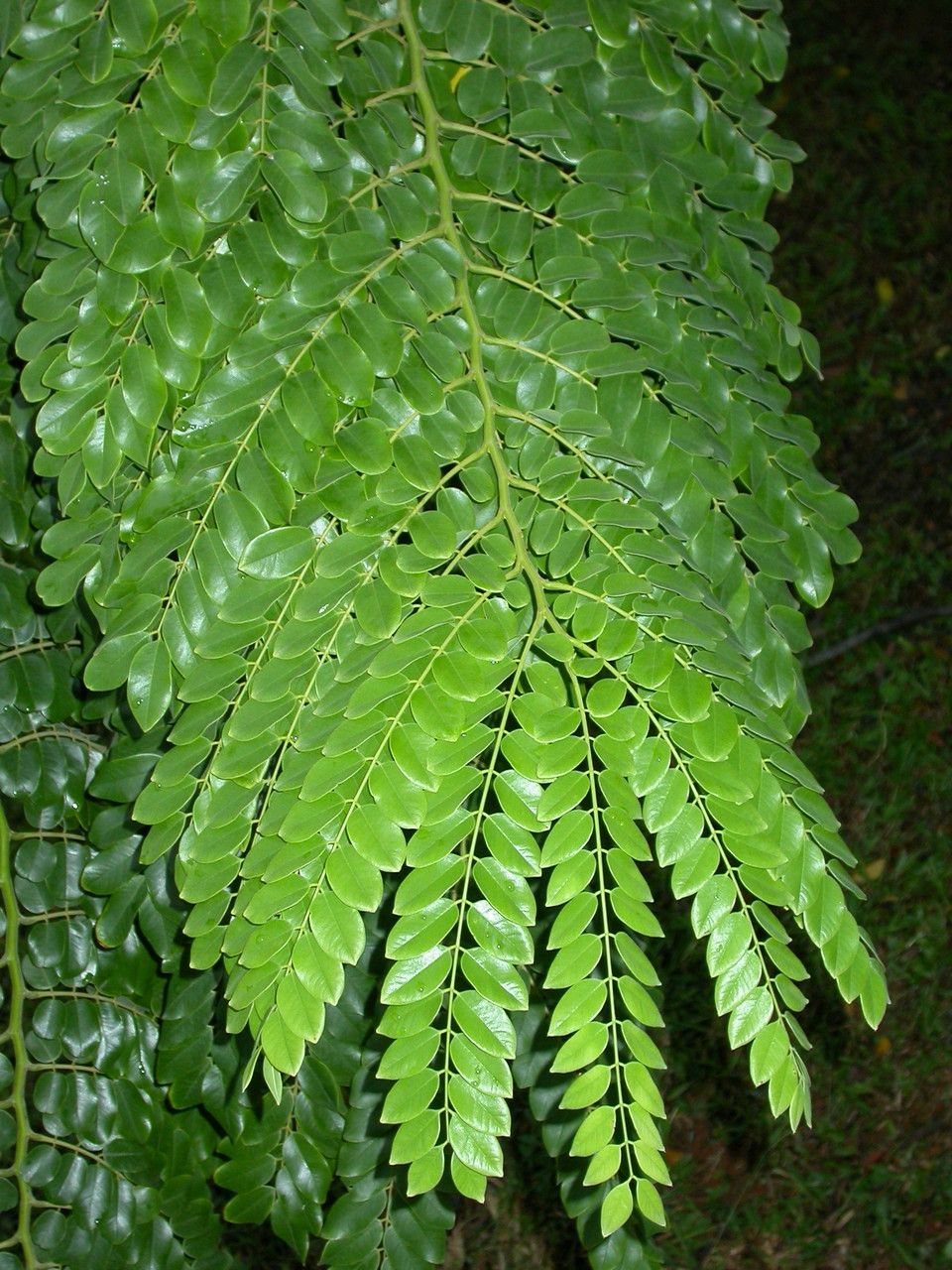
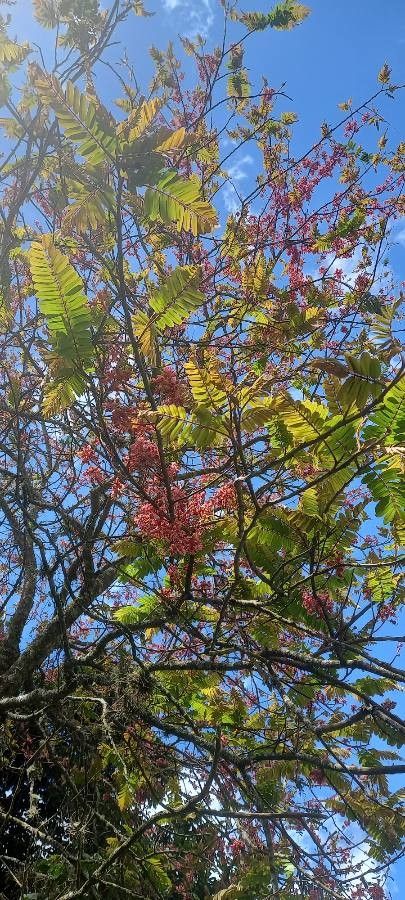
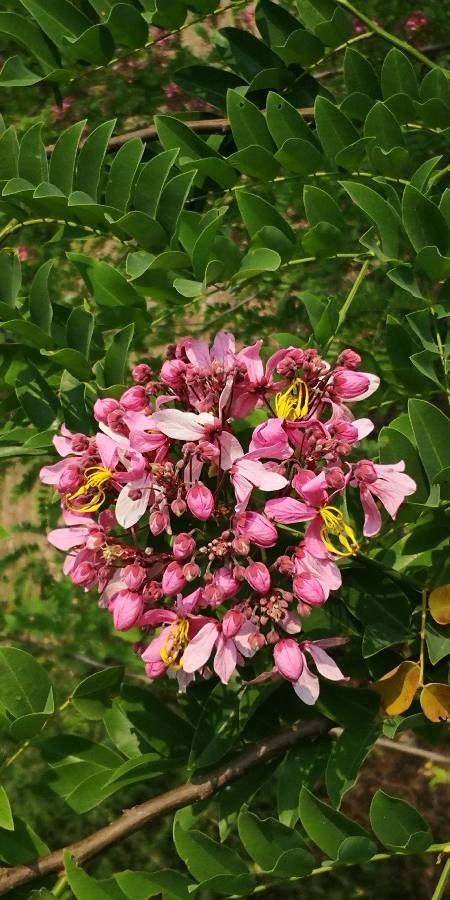
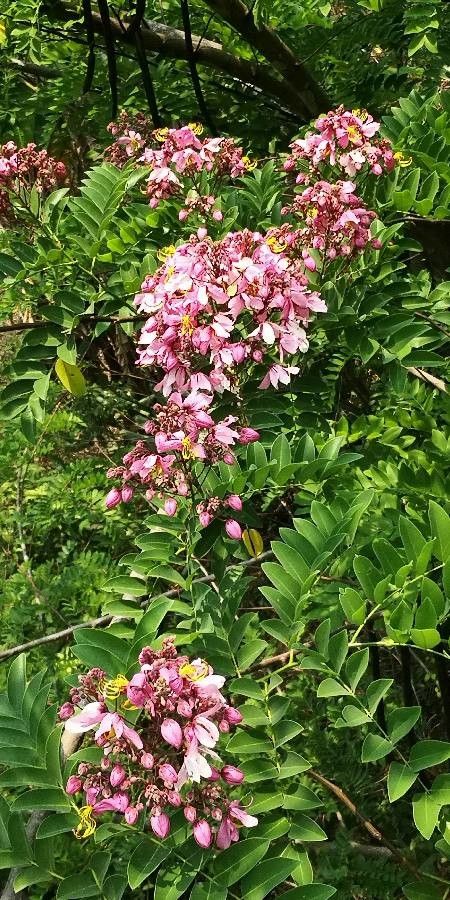
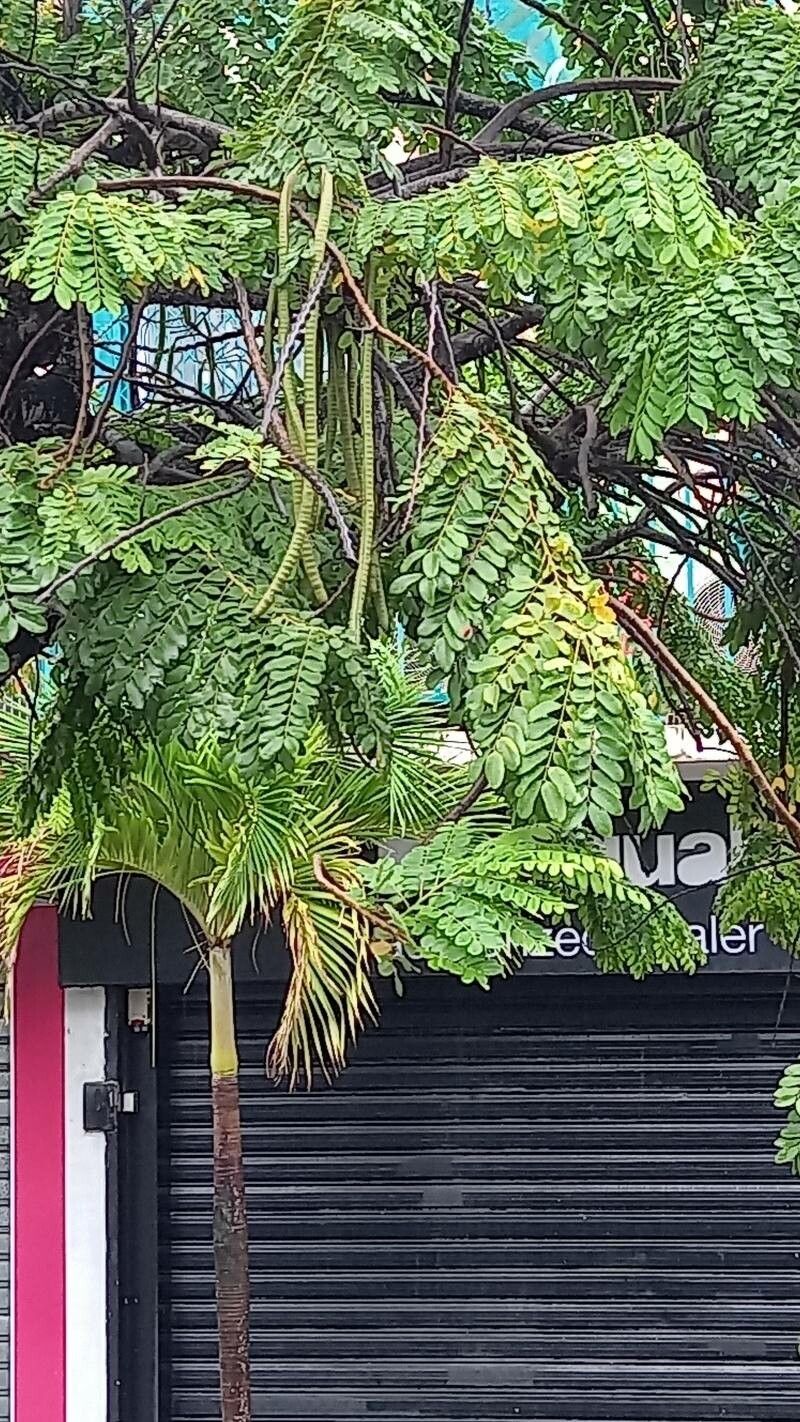
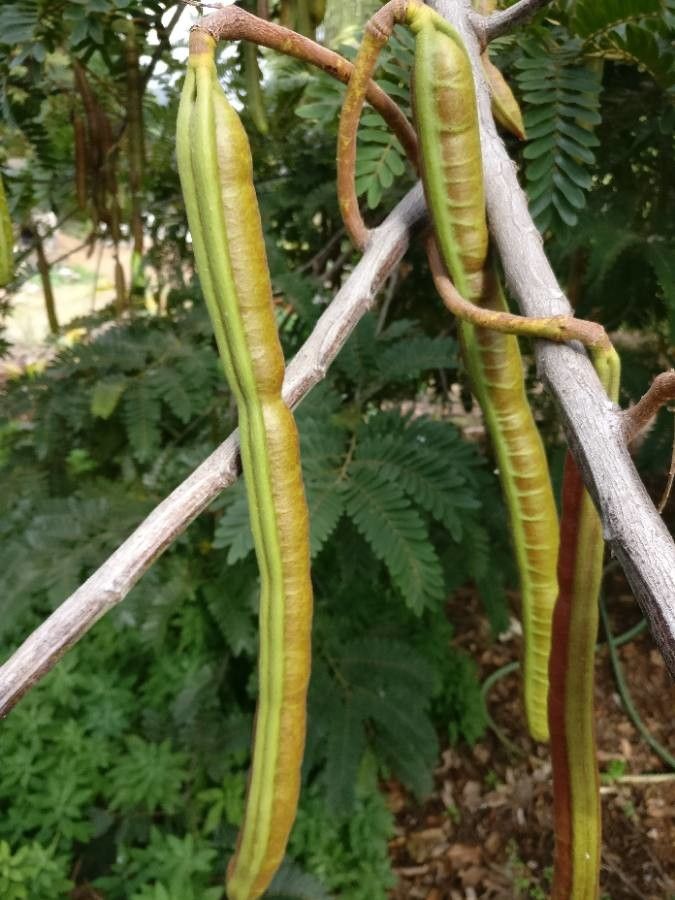
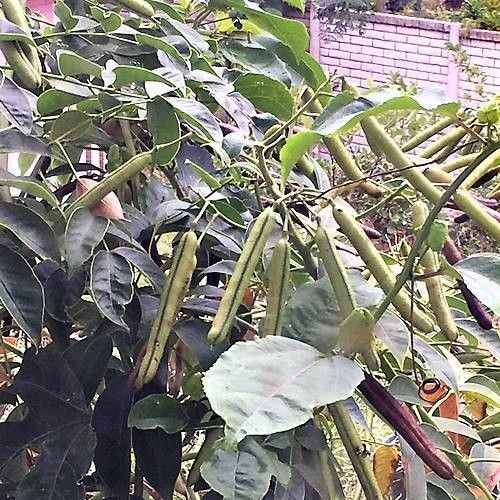
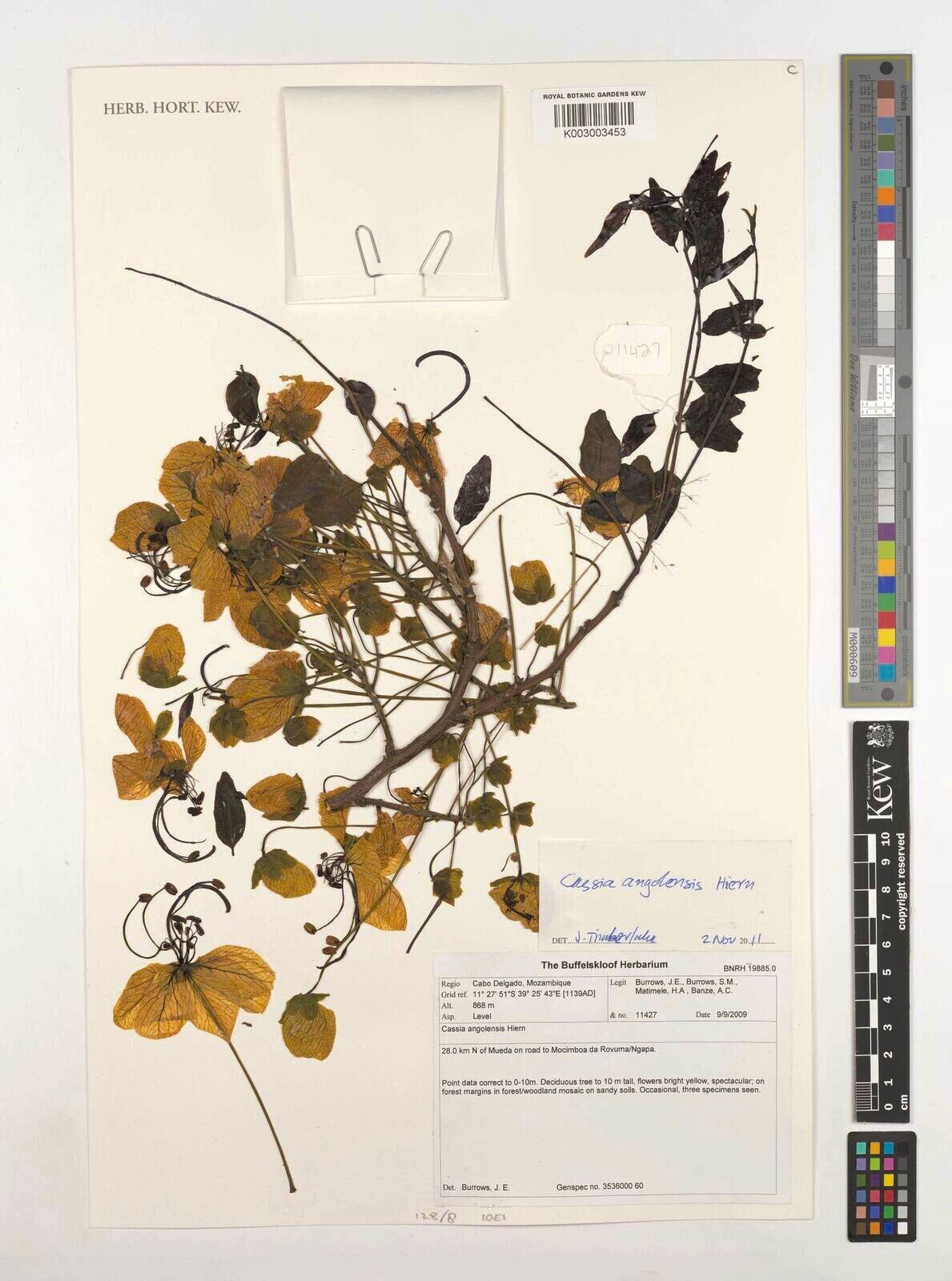
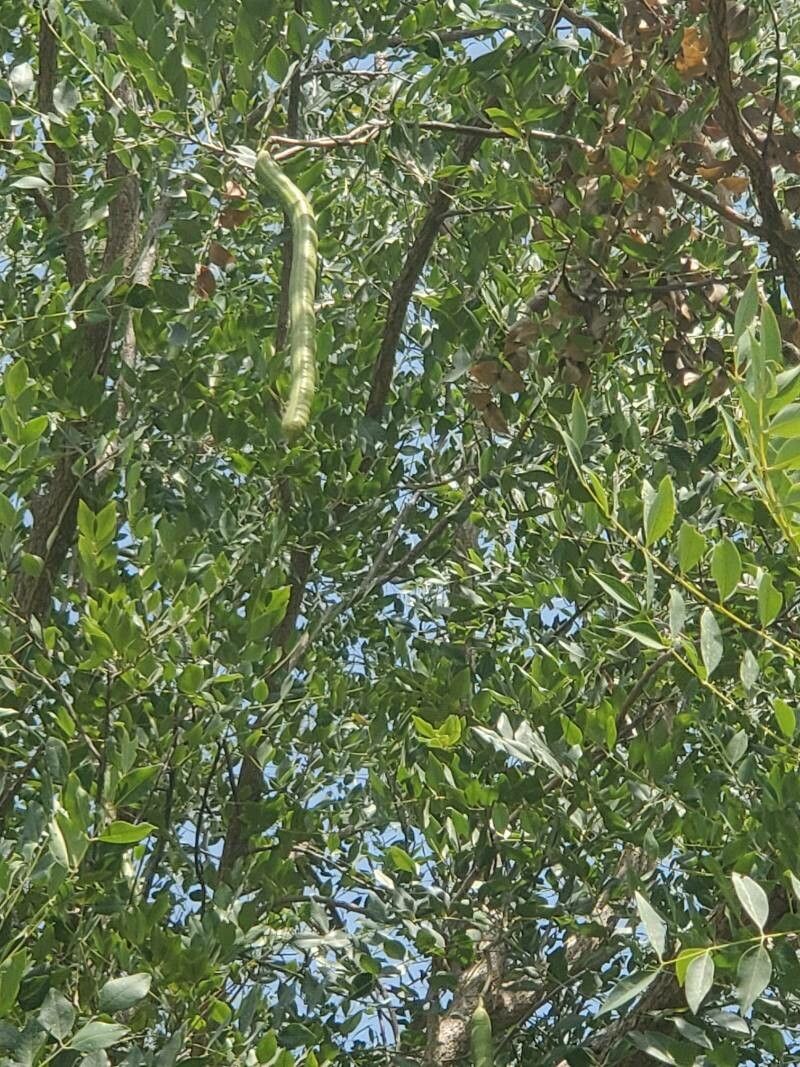
Cassia javanica, also known as the Java Cassia or Pink Shower Tree, is a flowering plant native to Southeast Asia that belongs to the Fabaceae family. This tree can grow to a height of 10-15 meters and features a spreading crown with drooping branches. It produces striking pink or white flowers in clusters during the spring season.
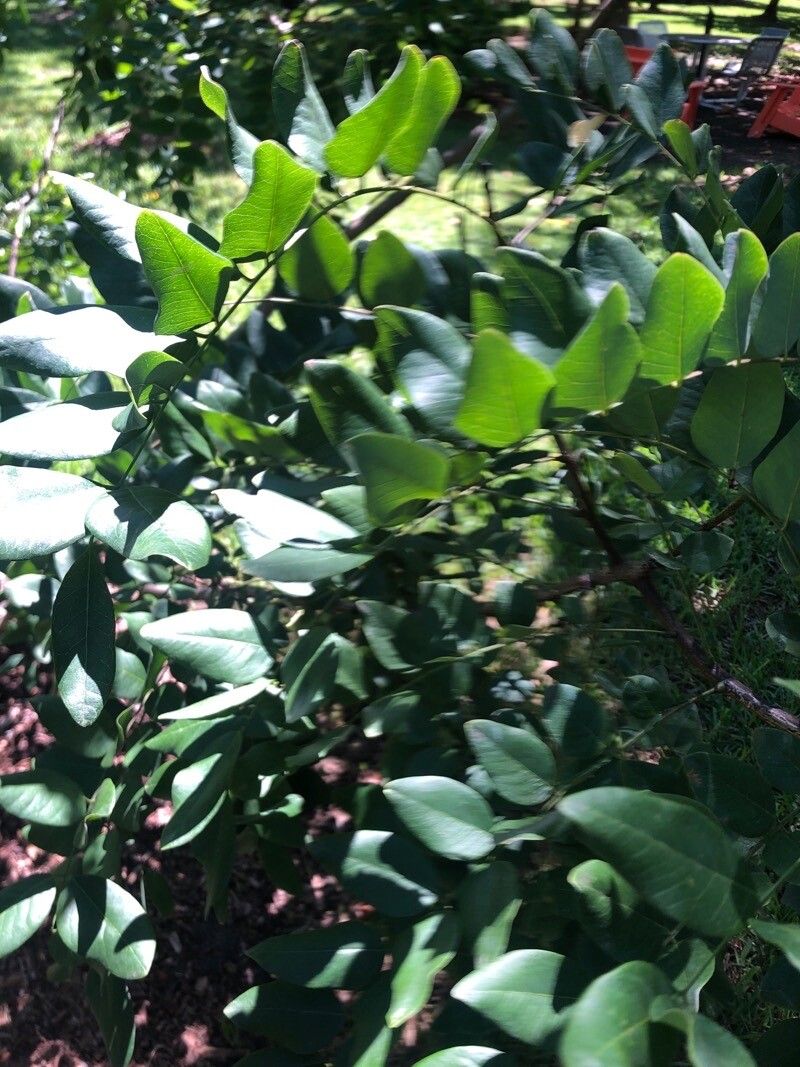
The leaves of Cassia javanica are pinnate, consisting of 6-8 pairs of oblong leaflets. The fragrant flowers are cup-shaped with five petals, attracting bees, butterflies, and birds for pollination.
Renowned for its ornamental value, Cassia javanica is often planted for its stunning flowers and lush foliage. Additionally, the tree possesses medicinal properties; its bark, leaves, and seeds have traditionally been used to treat various ailments such as fever and skin conditions like eczema and psoriasis.
For optimal growth, Cassia javanica prefers well-drained soil and full sun exposure but can also tolerate partial shade. It requires moderate watering during the growing season and should be watered sparingly during the winter when it goes dormant.
Overall, Cassia javanica is an attractive plant that enhances any landscape with its beauty while offering medicinal benefits.
Pink shower is resistant to disease and is generally unlikely to suffer from illnesses. Regarding care, this plant is fairly low-maintenance. When grown outdoors it needs only limited watering, and larger plants typically do not require pruning. Smaller plants, however, should be pruned after they finish blooming. Pink showert is appropriate for anyone with an outdoor area, such as a garden or deck, and does not demand extensive gardening experience.
How to keep Cassia Javanica.
Light
Pink shower flourishes with abundant sunlight but is adaptable enough to tolerate some shade. Its native environment provides ample light, promoting its growth. Excessive shading or shadow negatively affects its development. Conversely, excessive exposure without any shade can also cause damage.
Water
The Pink Shower plant flourishes in high humidity and prefers consistent moisture. Once established, it can tolerate moderate drought. To prevent overwatering, water the plant every two weeks. It is typically grown outdoors and benefits from natural rainfall, which enhances its lush growth and vibrant blooms during the growing season.
Temperature
Pink shower comes from tropical areas, where the climate is generally warm and humid. Consequently, it is adapted to high heat and moisture. It does not do well with sudden temperature shifts and prefers a steady thermal environment, so temperature changes indoors should be avoided. It typically cannot endure cold conditions and needs warmer temperatures to grow. If the surrounding temperature falls too low, the plant may stop growing or even die.
Fertilizer
The best time to fertilize a Pink shower is in early spring as it comes out of dormancy. This supports overall growth and the development of flowers. Fertilization improves the foliage, stems, and branches, while encouraging flowers that are larger, more vibrant, and longer-lasting. It also helps move nutrients from the roots to the flowers and enhances the plant’s health and resistance to disease.
Pruning
The Pink Shower is a plant known for its stunning pink flowers and lush foliage. For optimal growth and blooming, it's important to prune it in early spring. Start by removing any dead branches and thinning out dense areas to improve air circulation. This will promote healthier growth and more abundant blooms. Always use clean, sharp tools during pruning to prevent the spread of disease.
Botanical profile.
- Plant Type
- Tree
- Life Cycle
- Perennial
- Genus
- Cassia
- Family
- Fabaceae
- Hardiness Zone
- 10-12
- Mature Height
- 7.62 m to 12.19 m
- Mature Spread
- 14.94 m
- Leaf Color
- Green, Blue
- Leaf Type
- Deciduous
- Flower Color
- Pink
- Flower Size
- 5.08 cm to 7.62 cm
- Bloom Time
- Early summer, Mid summer
- Planting Time
- Spring, Autumn
- Harvest Time
- Early spring, Late summer, Fall, Winter
- Native Area
- Malaysia, Indonesia, Myanmar, Bangladesh, China
Other names.
Reader questions.
What's the best way to water my Pink shower?
To promote excellent root development, consider using a garden hose at the base of your plants instead of spraying the leaves directly. If your plants are outdoors in direct sunlight, the leaves may require more watering. To moisten the roots, you can use bubblers or soaker hoses for each plant. When adding or removing plants, use soaker hoses that cover the entire garden or bed to encourage deep root growth. After watering, make sure to drain any excess water and allow the soil to dry before watering again. To prevent diseases, water at ground level rather than spraying the leaves. It may be helpful to spray the entire bush with water on a sunny day. Keep in mind that whether your plant is potted or in-ground, Pink shower plants prefer deep watering rather than light sprinkling.
Why should I put fertilizer on my Pink Shower plant?
To maximize the beauty of your Pink shower and ensure abundant blooms, it is important to fertilize it. Fertilizing in early spring is particularly beneficial as it promotes excellent flowering during that season. Additionally, fertilizer provides your Pink shower with ample energy to store during dormant growth phases. By adding extra nutrients during fall planting or late spring, your Pink shower will have more energy reserves for when active growth resumes.
What are the sunlight requirements for Pink Shower (Cassia javanica)?
Pink Shower requires full sun, meaning it thrives best with more than 6 hours of sunlight per day, but it can also adapt to partial sun, which is about 3-6 hours of sunlight. Despite its preference for abundant sun exposure, this plant is adaptable and can survive a little shade. Its natural habitat is characterized by plenty of sunlight which is crucial for its growth. However, too much shade or overly intense, unfiltered sun exposure can both negatively impact the plant's health.
What is Pink shower's botanical name?
The botanical name of Pink shower is Cassia javanica.
What should I do if I give Pink shower too much or too little water?
If a Pink shower plant is overwatered, its leaves may turn yellow, drop off, and wilt. The plant may also look unhealthy with mushy stems. In such cases, it's best to adjust your watering schedule. On the other hand, wilting can also be a sign of under watering. Crispy and dry leaves are an indication of under watering, while overwatered leaves will be soft and wilted. If the soil is dry and regular watering is not enough, give the plant a thorough watering. However, even with enough water, the plant may still appear dry with yellow leaves due to a damaged root system. Once the plant returns to normal, the yellowing of leaves will stop. When growing Pink shower indoors, always check the moisture levels in the pot. Avoid overwatering and look out for signs of black spots. If present, let the potting soil dry out for a few days before watering again. Overwatering can cause root rot, so if you notice discolored and slimy roots, consider transferring the plant to a different pot. To prevent root rot, avoid soggy soil. When planting Pink shower outdoors, ensure the soil is adequately moist. If the soil feels too dry, it may indicate underwatering, in which case, give the plant sufficient water to help it recover.
When should I fertilize my Pink shower?
To successfully fertilize Pink shower, timing is crucial. Applying fertilizer too early, during the dormant period, is ineffective and will end up being washed away by rainwater, leading to waste and pollution. The recommended timing for the first fertilizer application is early spring, followed by monthly applications until early summer.
What is the warning about sunlight exposure for plants?
It's advised to carefully observe how sunlight moves through your garden over the course of the day and select locations that offer a harmonious balance of light and shade. This ensures that your plants receive the ideal conditions for growth, contributing to their overall happiness and wellbeing. Finding the right spot helps in preventing the adverse effects of either too much shade or excessive direct sunlight.
How often should I give water to my Pink shower plant?
The Pink Shower plant prefers deep and infrequent watering, especially when planted in pots. When watering in pots, use a gallon of water each time, as the soil in pots dries out faster. In cold regions, water every 3 to 5 days. Water the plant early in the morning when the soil is dry, whether it's indoors or outdoors. You can also check if watering is needed by feeling the soil - if the top 2-3 inches are dry, it's time to water. On hot days, check the moisture daily as the heat can dry out the soil quickly. If you have a garden, you'll need to irrigate the soil as well. In hot climates, water the plant once a week when you notice the top 2-3 inches of soil are dry. Be mindful of rainfall - if there is a lot of rainwater, additional watering may not be necessary to prevent root rot. Pink Shower plants typically grow in spring and fall. When outdoors, add 3 to 4 inches of mulch to conserve water. Sandy soil drains faster, so water plants growing in sandy soil more frequently. On the other hand, clay soil retains moisture well, so you can water less frequently to avoid root rot. Mark watering dates on the calendar and pay attention to drooping leaves as a sign that you might be overdue for watering.
When is it not a good time to add fertilizer to my Pink shower?
To ensure optimal growth of Pink shower, it is important to be mindful of the amount of nitrogen in the fertilizer. Using a fertilizer with excessive nitrogen can result in an abundance of leaves but few blooms. Instead, opt for a fertilizer that has a lower nitrogen content compared to other nutrients. Moreover, it is crucial to refrain from fertilizing Pink shower in late autumn, as this can lead to excessive growth just before winter. Additionally, avoid fertilizing during hot and dry periods, as dry soil is not as effective at delivering nutrients as moist soil. Fertilizing during such times can stimulate growth that requires more water, which may not be readily available. It is advisable to apply fertilizer earlier in the season when temperatures are cooler. Lastly, it is essential to be cautious of unintentionally giving Pink shower an excess of fertilizer. Pink shower can absorb fertilizers that have been applied to nearby plants or lawns, potentially resulting in a double-dose of nutrients.
How can artificial lighting be used for indoor plants?
When natural sunlight is not sufficient, especially during winter or in spaces that don't get a lot of sunlight, artificial lighting can be a critical supplement for indoor plants' growth. LED lights are recommended because they can be tailored to provide the specific light wavelengths needed by plants. For full sun plants, 30-50W per square foot is necessary; partial sun plants require 20-30W per square foot; and full shade plants need 10-20W per square foot. The light should be placed 12-36 inches above the plant, simulating natural sunlight as closely as possible, and kept on for 8-12 hours per day.
How much water should I give my Pink shower?
The Pink shower plant generally needs about a gallon of water on a regular schedule. For potted plants, water them deeply until water drips out from the bottom of the pot, then wait for the soil to dry before watering again. To determine how much water you've given the plant in a week, use a water calculator or moisture meter. During the flowering period, provide plenty of water, but allow the moisture to evaporate afterward to avoid root rot. If the Pink shower is planted outside and receives adequate rainfall, it may not need extra watering. When the Pink shower is young or newly planted, ensure it receives 1-2 inches of rain per week. As the plant grows, it can rely solely on rainfall. Only during very hot weather or prolonged droughts of 2-3 weeks should you consider giving the Pink shower a complete watering during cooler parts of the day to prevent damage from excessive heat. Additional watering will be necessary during extended dry spells.
What kind of fertilizer does my Pink shower plant need?
An ideal fertilizer for a Pink shower should have a balanced mix of the three main plant nutrients, with slightly higher levels of phosphorus. Some gardeners prefer to improve the soil for their Pink shower by adding organic materials like compost, worm castings, or manure. Experienced gardeners may choose to supplement with water-soluble fertilizers containing phosphorus 1-2 times when flower buds start to appear. This promotes better flower development, larger growth, and longer blooming. Fertilizers for a Pink shower can come in various forms, but liquid and powdered forms are considered the best. Regardless of the form, it is important to dilute the fertilizer and apply it while watering the Pink shower.