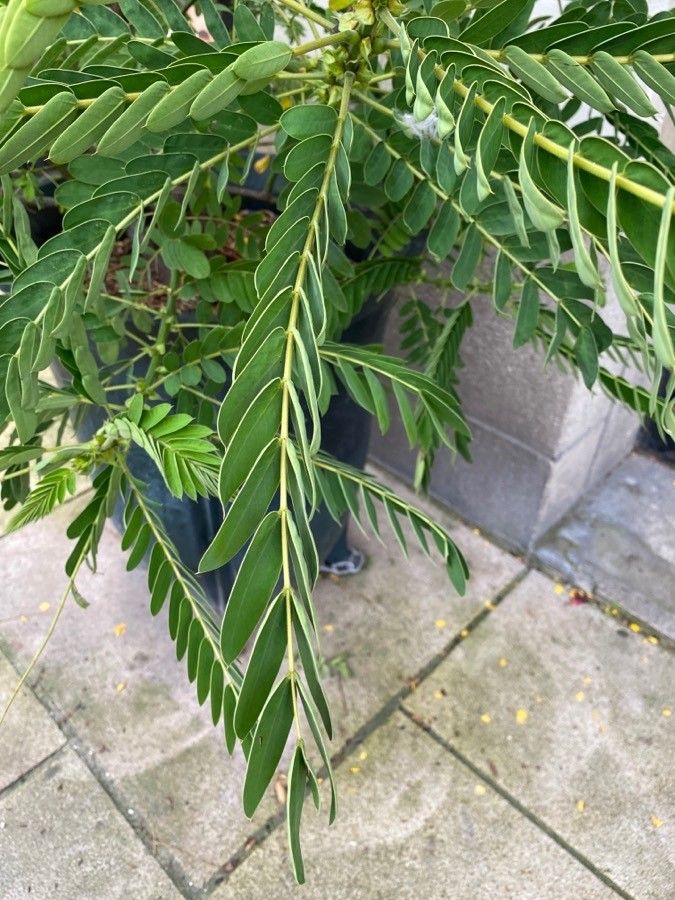
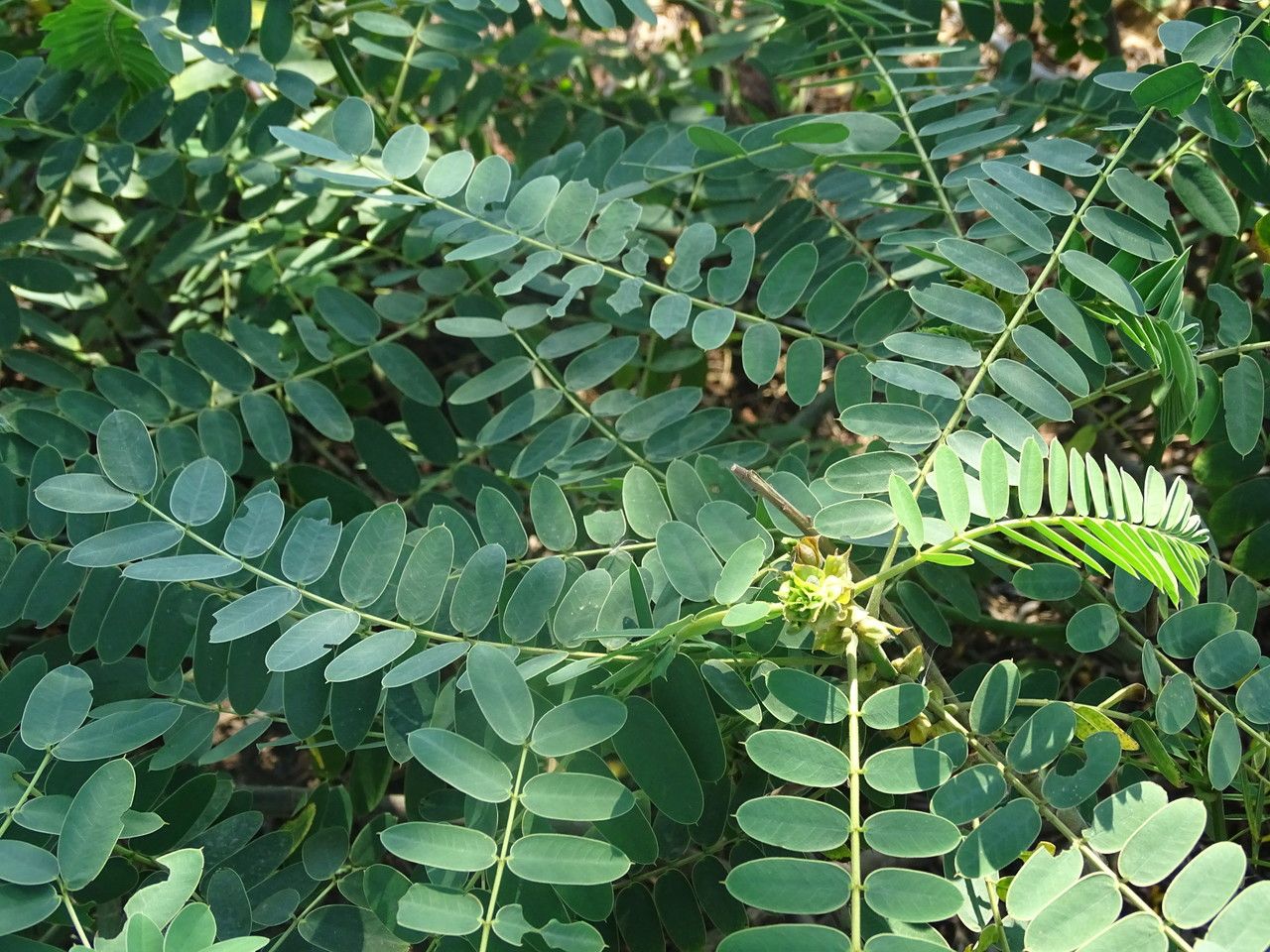
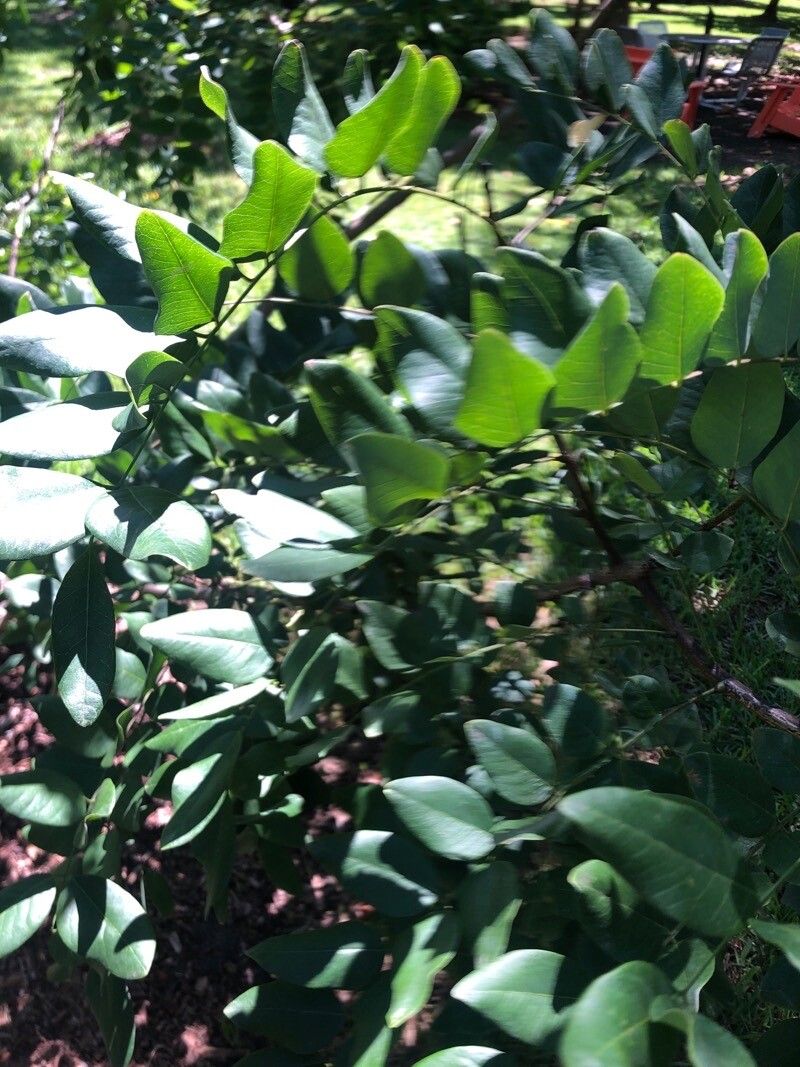
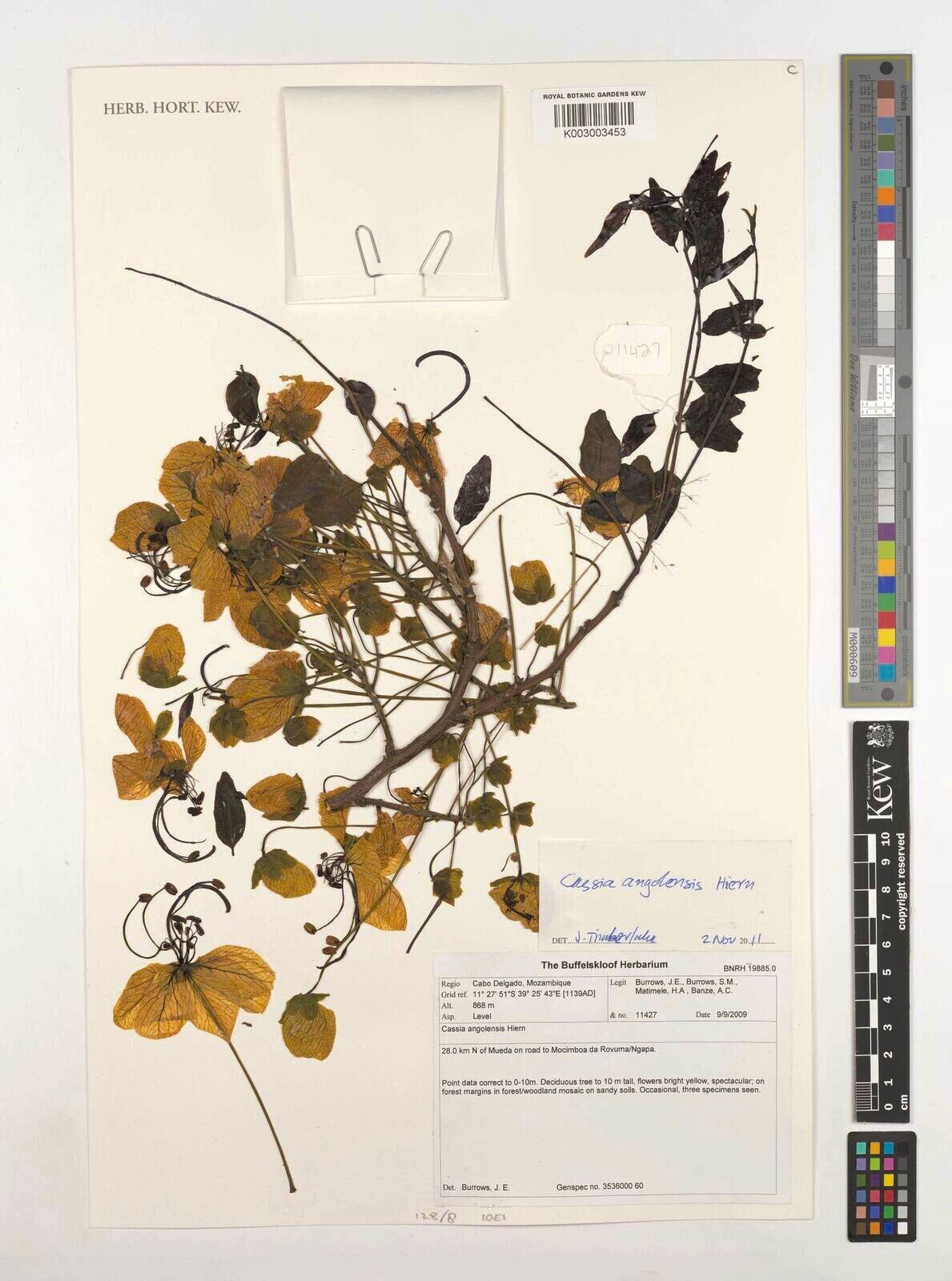
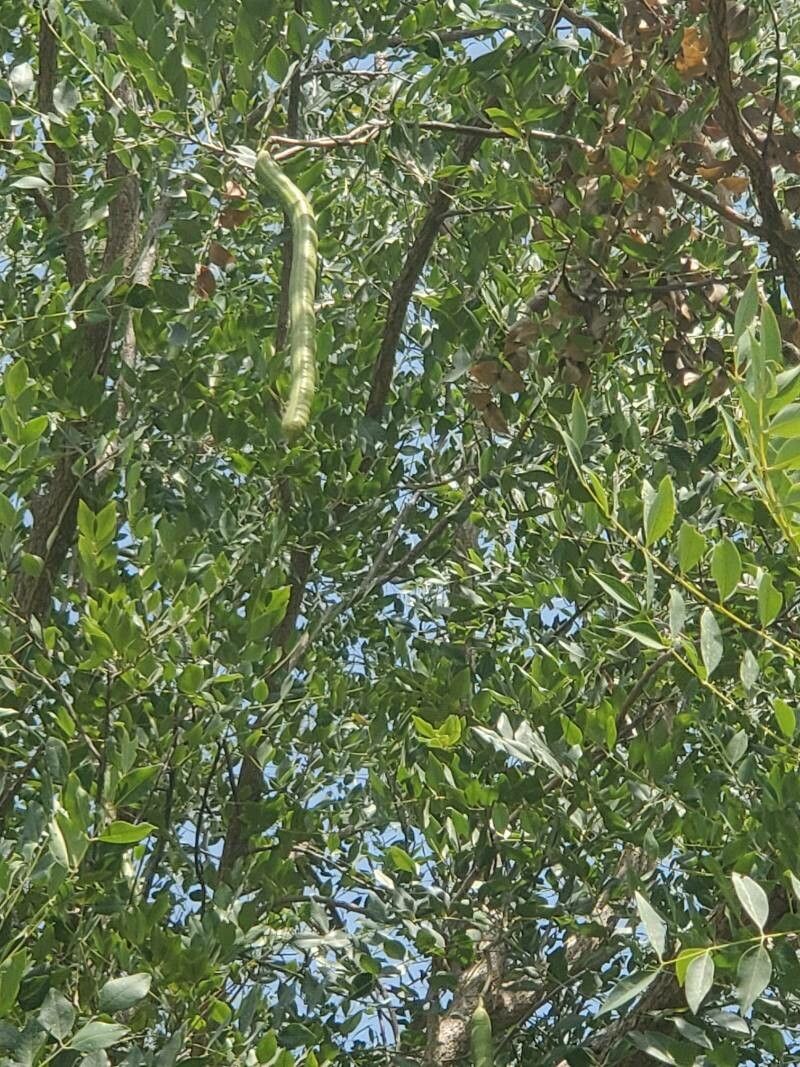
Cassia didymobotrya, commonly known as the golden rain tree or popcorn cassia, is a tropical plant native to South America. This small to medium-sized tree can reach heights of up to 10 meters and features a spreading canopy. Its pinnate leaves can extend up to 30 cm in length, with each lance-shaped leaflet exhibiting a glossy green hue.
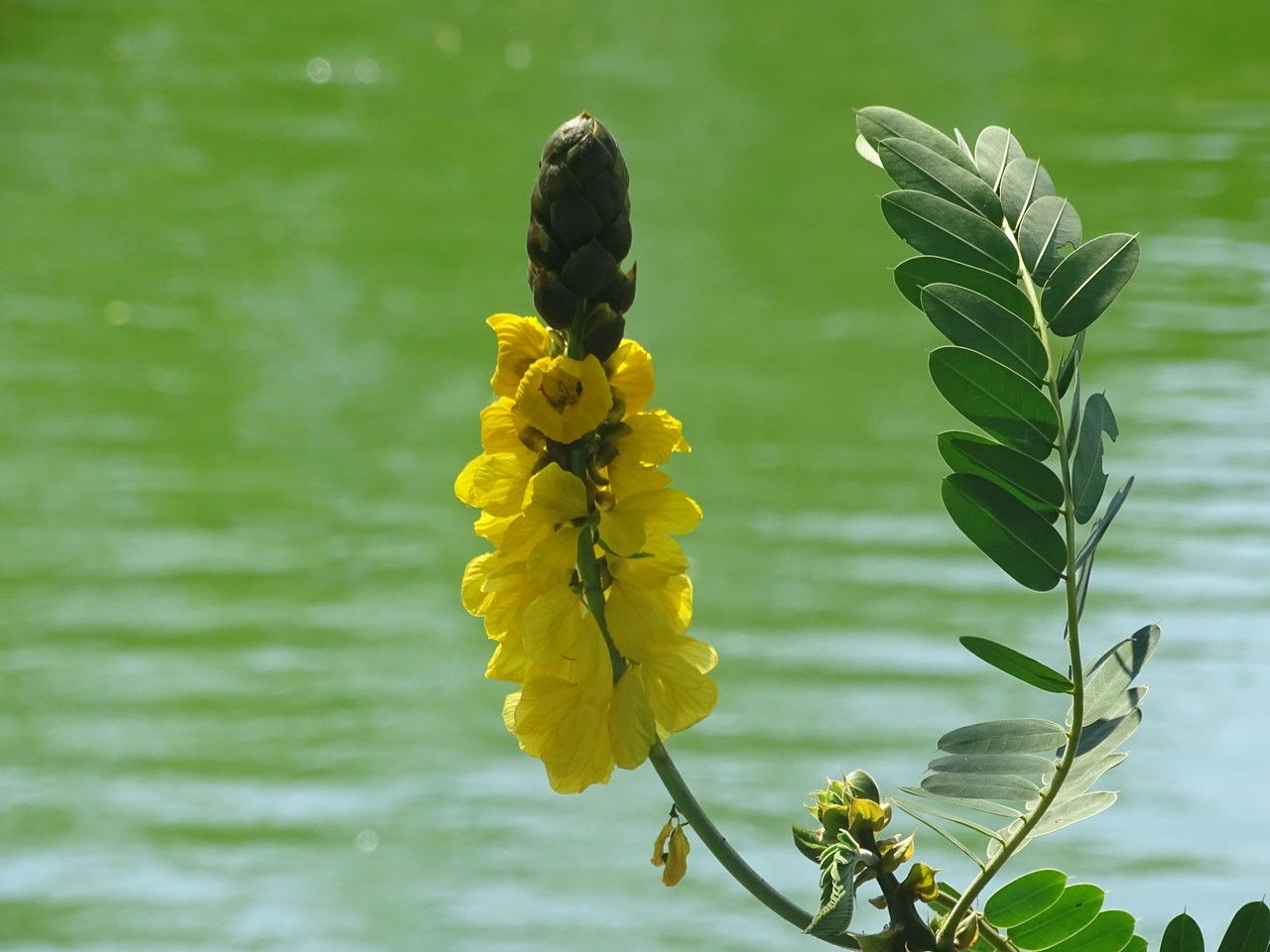
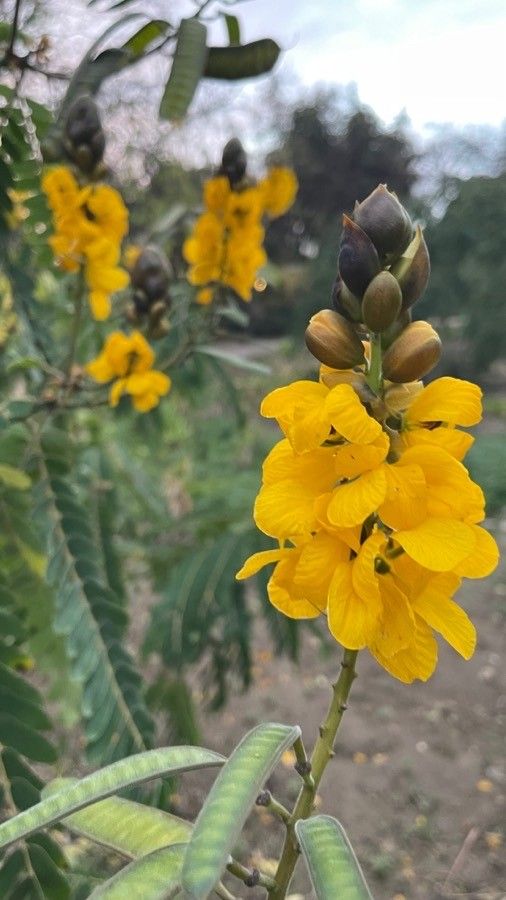
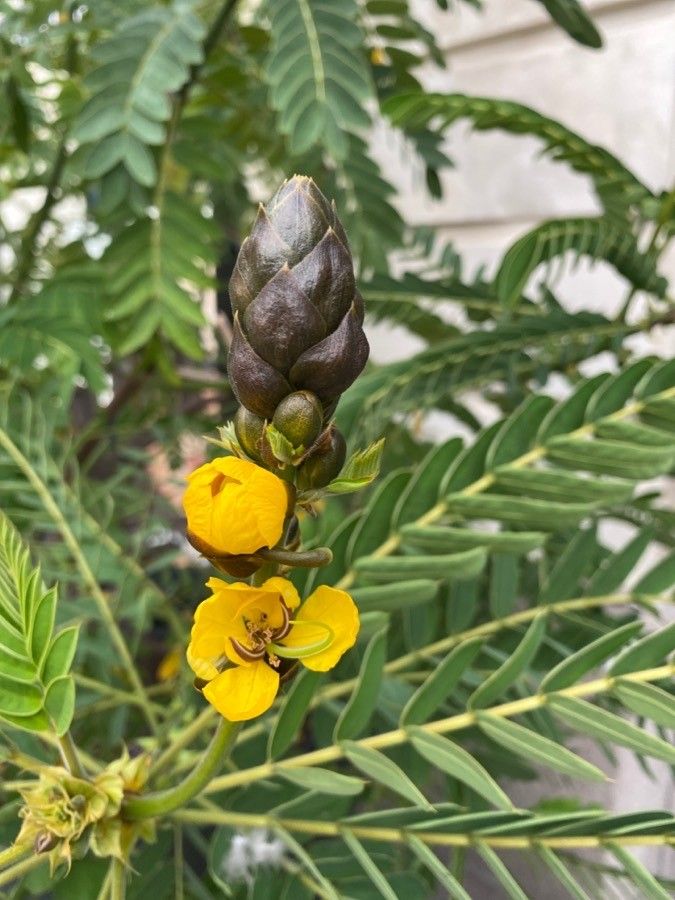
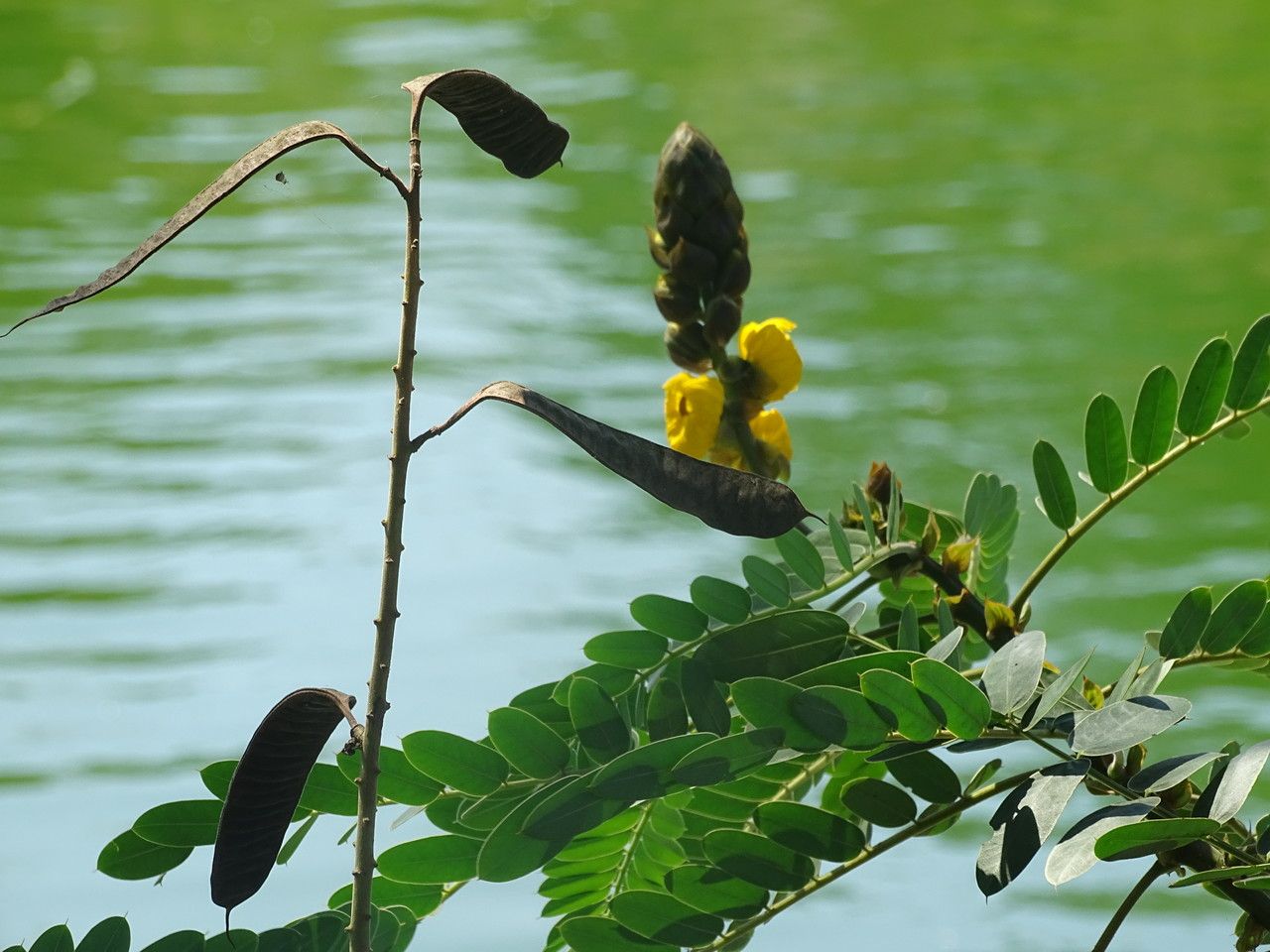
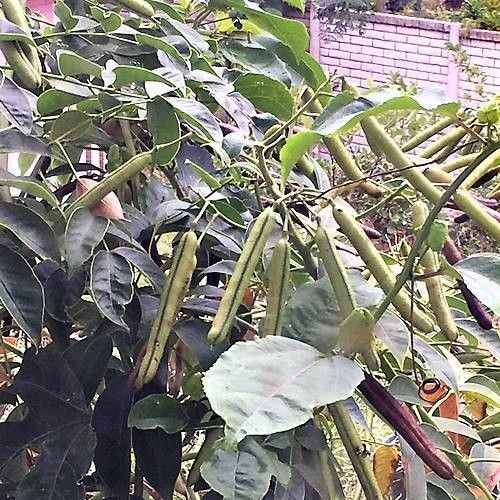
The most striking feature of Cassia didymobotrya is its bright yellow flowers, which bloom in clusters during the summer months. These fragrant blossoms resemble popcorn kernels, earning the plant its nickname, "popcorn cassia." The plant also produces long pods that contain numerous seeds.
Cassia didymobotrya thrives in full sun or partial shade and prefers well-drained soil. While it can tolerate drought conditions, it requires regular watering during dry spells for optimal growth. This plant is valued for its medicinal properties, as it contains compounds such as anthraquinones, which have been used for centuries for their laxative effects.
Overall, Cassia didymobotrya is an attractive ornamental tree that adds a splash of bright yellow to any garden or landscape. In addition to its visual appeal, it offers medicinal benefits, making it a valuable addition to any setting.
African senna is disease-resistant and generally not susceptible to illnesses. In terms of upkeep, this plant is fairly low-maintenance. Planted outdoors, it needs only light watering, and larger specimens typically do not require pruning. Smaller plants, however, should be trimmed after they have finished blooming. African senna is suitable for anyone with outdoor space, like a garden or a deck, and does not demand extensive gardening experience.
How to keep Cassia Didymobotrya.
Light
The african senna does best when exposed to ample light for most of the day. Its natural habitat is in places with high light intensity. Both excessive and insufficient light can hinder its healthy growth, affecting leaf color and the timing of flowering. Likewise, at every stage of growth, light is an essential requirement for its development and vitality.
Temperature
African senna originates from Africa and grows best in temperatures of 68 to 100 °F (20 to 38 ℃). It adapts to varying seasonal temperature changes. In colder conditions, make sure the plant is not subjected to frost.
Fertilizer
The best time to fertilize an African senna is in early spring, when it is coming out of dormancy. This encourages overall growth and flower development. Fertilizing improves the foliage, stems, and branches, and promotes large, vibrant, long-lasting flowers. It also helps move nutrients from the roots to the flowers and enhances the plant’s health and resistance to disease.
Botanical profile.
- Plant Type
- Shrub
- Life Cycle
- Perennial
- Genus
- Cassia
- Family
- Fabaceae
- Hardiness Zone
- 9-11
- Mature Height
- 4.88 m to 9.14 m
- Mature Spread
- 1.22 m to 1.83 m
- Leaf Color
- Green, Orange
- Leaf Type
- Evergreen
- Flower Color
- Yellow
- Flower Size
- 2.54 cm to 5.08 cm
- Bloom Time
- Mid spring, Late spring, Summer, Early fall
- Planting Time
- Spring
- Harvest Time
- Late spring, Summer, Fall
- Native Area
- Angola, Mozambique, Namibia, Sudan, Congo (DRC)
Other names.