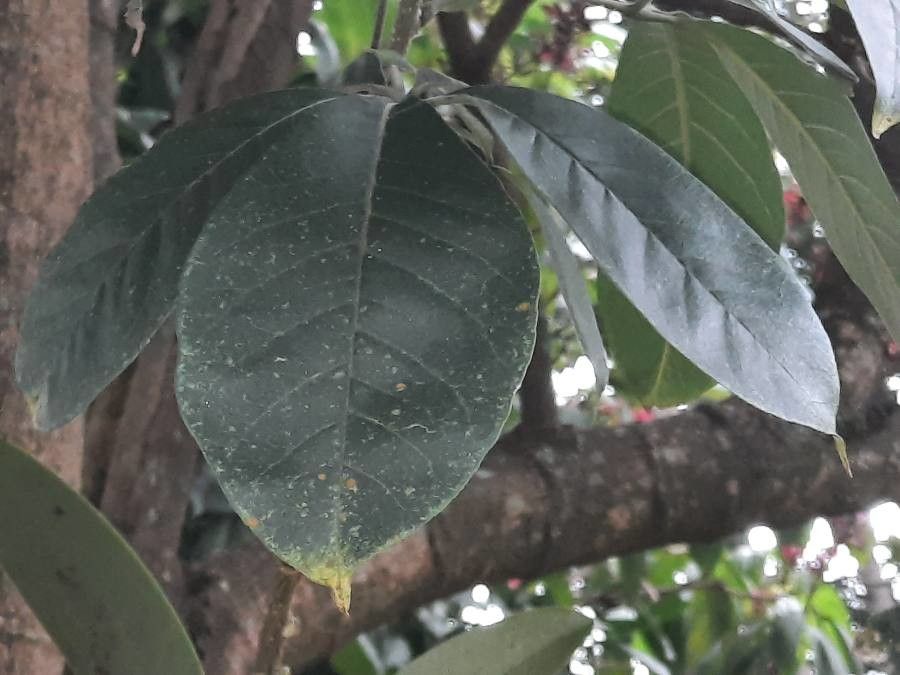
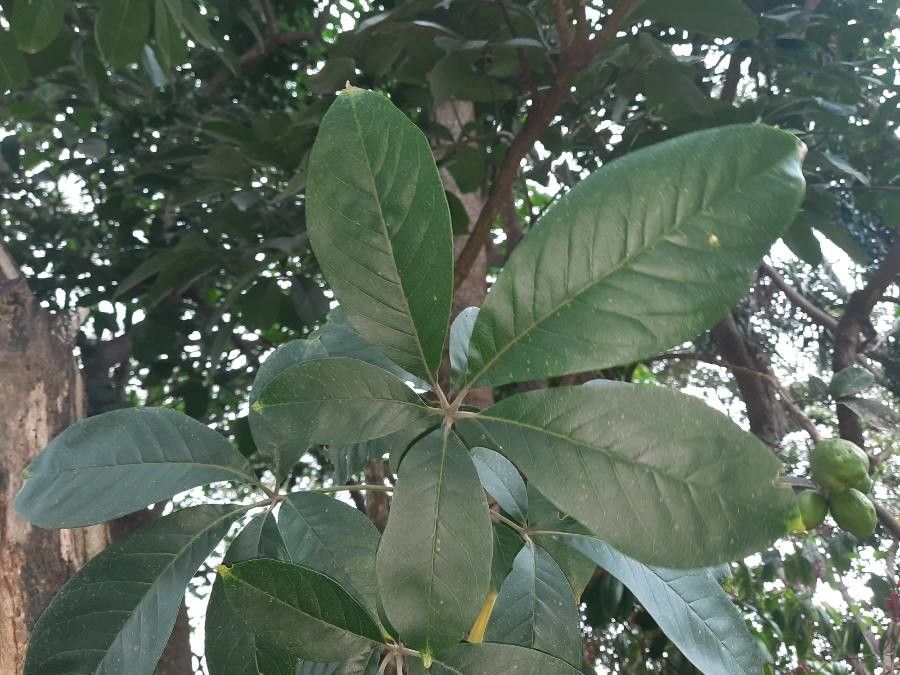
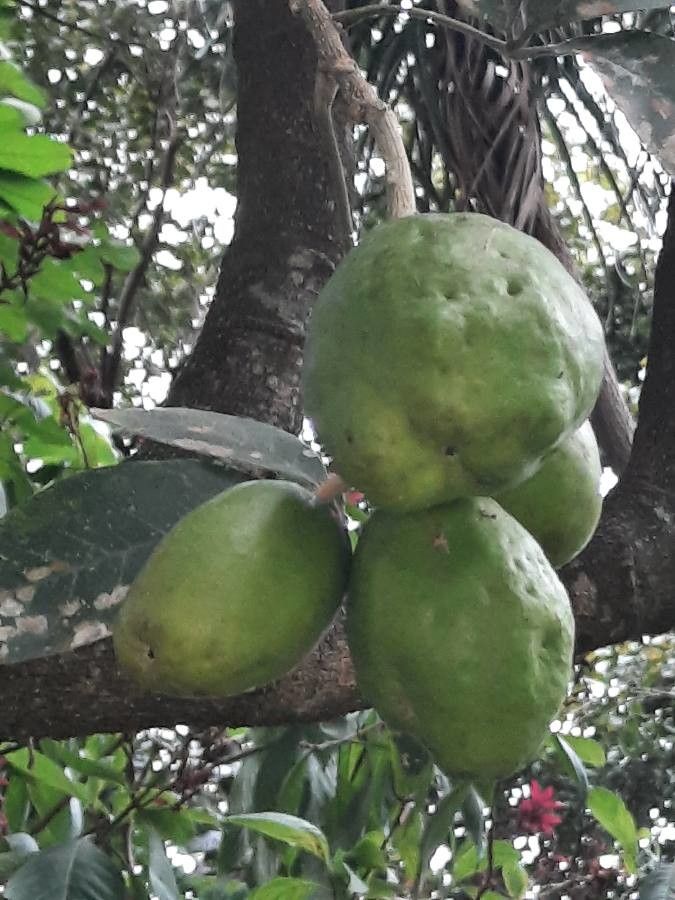
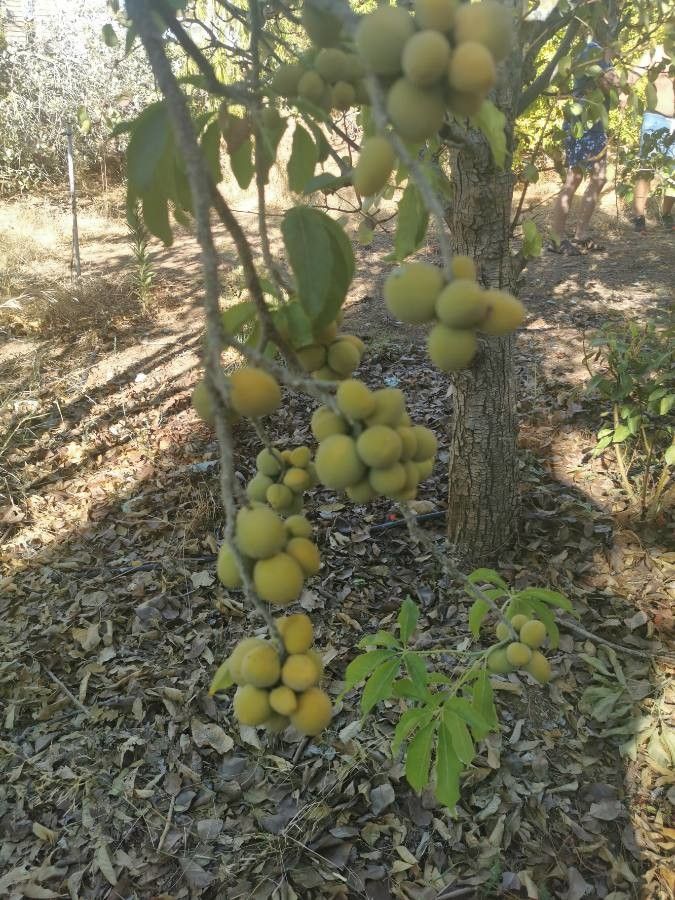
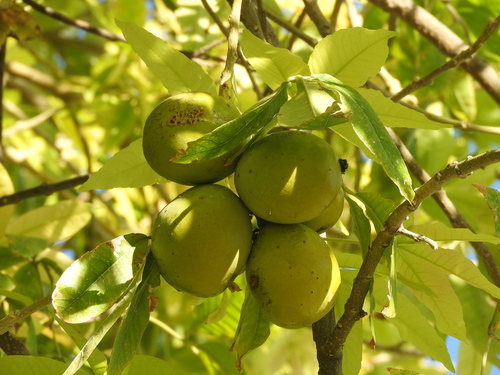
The white sapote belongs to the genus Casimoroa and is one of the several plants from different families to bear the common name "sapote." Others include the mamey sapote (from the Pouteria) genus and the black sapote (from the Diospyros genus). What unites these plants, which can even be from different families, is the edible fruit, which is popular in tropical areas. The white sapote bears a medium-sized, round fruit with a sweet and somewhat delicate white flesh. Aside from the white sapote (C. edulis), there are about five other species in this genus. Typical specimens from the genus grow into small trees or large shrubs and are evergreen in tropical regions. They can be grown in large containers indoors, although as with all tropical fruit, bringing a specimen to fruit will be a challenge. Nevertheless, if you happen to get a white sapote fruit, it can still be fun to dry and sprout the seed and grow it as an ornamental. They are beautiful little trees with contorted and rough trunks and glossy leaves on drooping branches. It can withstand colder temperatures (even down to freezing) and cold drafts and dislikes intense heat and humidity.
How to keep Casimiroa Sapota.
Water
Average water needs, but never let it sit in standing water. Err on the side of arid.
Fertilizer
Feed with a weak liquid citrus fertilizer throughout the growing season.
Botanical profile.
- Plant Type
- Tree
- Genus
- Casimiroa
- Family
- Rutaceae
- Hardiness Zone
- 8-11
- Bloom Time
- May-June
- Native Area
- Mexico to Central America
Other names.