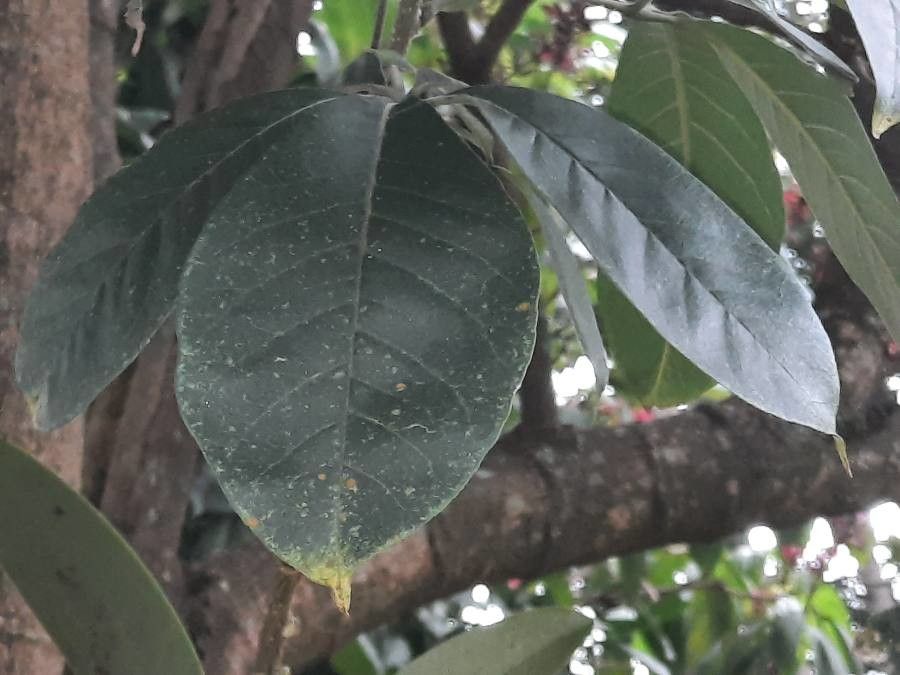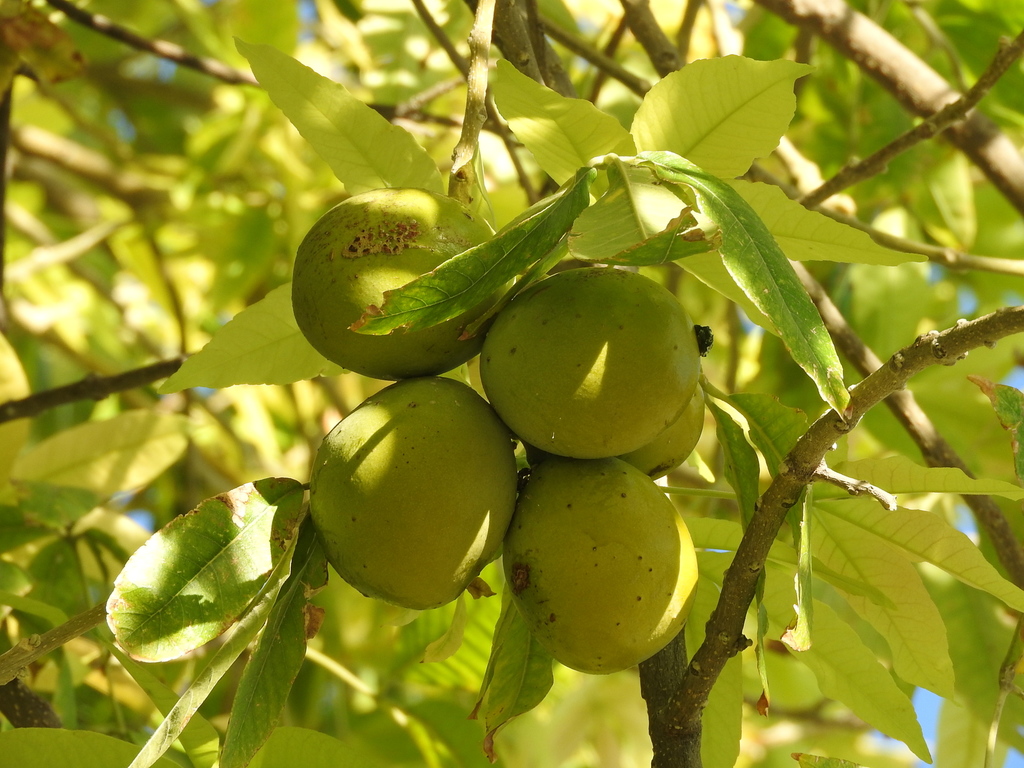
Casimiroa edulis, commonly known as white sapote, is a small to medium-sized evergreen tree belonging to the family Rutaceae. Native to Mexico and Central America, it is widely cultivated in tropical and subtropical regions around the world. The tree can reach a height of 10 to 15 meters and features a dense crown of glossy green leaves. The fruit of the white sapote is a round or oval-shaped berry, measuring 5 to 10 centimeters in diameter. It has thin green skin that turns yellow when ripe, encasing sweet white flesh with several large seeds. The fruit's unique flavor is often described as sweet, creamy, and slightly tangy. Casimiroa edulis thrives in well-drained soils rich in organic matter and requires regular watering during the growing season. While it flourishes in warm temperatures, it can also tolerate mild frost conditions. In traditional medicine, various parts of the plant are utilized for their medicinal properties, such as treating digestive disorders and reducing fever symptoms. Overall, Casimiroa edulis is not only an attractive ornamental tree but also valued for its delicious fruits. These fruits are enjoyed fresh or used to make jams and desserts.
White sapote shows good resistance to disease and is usually not susceptible to illnesses. In terms of upkeep, the plant is fairly low-maintenance. When grown outdoors it needs little watering, and larger specimens typically do not require pruning. Smaller plants, however, should be pruned after they finish blooming. White sapote is suitable for anyone with outdoor space, such as a garden or deck, and does not demand extensive care experience.
How to keep Casimiroa Edulis.
Light
White sapote does best with ample sunlight, which supports its optimal growth. It can also tolerate moderately sunny conditions. However, excessive sun can potentially damage the plant, while insufficient sunlight may lead to stunted growth. This preference for light is consistent with the sun-drenched characteristics of its original habitat.
Water
White sapote thrives best in moderately humid conditions with consistent moisture, although it can adapt to dry spells. To prevent waterlogging, water it every two weeks, especially during the active growing season when extra hydration is crucial. If growing outdoors, consider how seasonal rainfall may impact your watering schedule.
Temperature
White sapote is indigenous to areas where temperatures fall between 59 and 100.4 °F (15 to 38 ℃). This plant performs best within that temperature range. In colder seasons, using heat sources can help preserve the optimal temperature.
Fertilizer
The White sapote plant needs adequate nutrients to achieve optimal fruit production. Fertilize in early spring to encourage new growth and bloom development. Regular fertilization helps the plant stay healthy, produce more delicious fruit, and prevents nutrient-deficiency issues such as yellow leaves and poor fruit production.
Pruning
White sapote benefits from pruning done from early to late spring. During this time, focus on removing dead branches, reducing overcrowding, and shaping the tree for better appearance. Spring pruning aligns with the tree's new growth phase, supporting both recovery and fruit production. For specific guidance, refer to trustworthy horticultural resources that account for your local climate conditions.
Botanical profile.
- Plant Type
- Tree
- Life Cycle
- Perennial
- Genus
- Casimiroa
- Family
- Rutaceae
- Hardiness Zone
- 8-11
- Mature Height
- 7.62 m to 15.24 m
- Mature Spread
- 7.62 m to 9.14 m
- Leaf Color
- Dark Green, Forest Green
- Leaf Type
- Evergreen
- Flower Color
- White, Green
- Flower Size
- 2.54 cm
- Bloom Time
- Mid spring, Late spring, Early summer
- Planting Time
- Spring, Summer, Autumn
- Harvest Time
- Mid summer, Late summer, Early fall
- Native Area
- Colombia, Honduras, Mexico, Venezuela, Peru, Costa Rica
Other names.
Reader questions.
How should I water my White sapote plant?
Watering your White sapote plant is quite flexible as it is not too particular about the watering method. You can use various common watering tools such as watering cans, hoses, or even cups. Regardless of the tool chosen, it is best to water the plant directly onto the soil. Make sure to evenly moisten all areas of the soil to provide sufficient water to the entire root system. Using filtered water is recommended as tap water may contain harmful particles. Additionally, using water at or slightly above room temperature is beneficial to avoid shocking the plant. However, the White sapote usually responds well to different types of water given to it.
Why should I put fertilizer on my White sapote?
Plants, especially fast-growing types, deplete the soil of nutrients as they grow. Regular fertilization is essential for White sapote plants to stay healthy and produce delicious fruit. Lack of fertilization can cause various problems, such as yellow leaves, reddish leaves, deformities, withered tips, or dieback in the plant. Nutrient deficiency can also result in bark disorders, slow growth, poor shoot development, and low fruit production.
What are the sunlight requirements for White sapote?
White sapote requires a generous amount of sun exposure for optimal growth, thriving in conditions of full sun, which entails over 6 hours of sunlight daily. It can also tolerate partial sun, approximately 3-6 hours of sunlight. However, too much sun can be harmful, and insufficient sunlight may lead to stunted growth. This preference for sunlight aligns with its natural habitat, which is typically sun-drenched.
What is the native temperature range for White sapote?
White sapote, botanically known as Casimiroa edulis, is native to regions where temperatures typically range from 59 to 100.4 °F (15 to 38 °C). This range represents the optimal temperature conditions for the plant to thrive. In colder seasons or climates, using heat sources can help in maintaining these optimal temperatures to ensure the health and growth of the White sapote.
What should I do if I give my White sapote too much or too little water?
When caring for outdoor plants, especially new ones or seedlings, it's important to ensure they receive enough water. This is particularly crucial during the first few months when the tree is small or has just been planted. Once the roots are established, White sapote trees can usually rely on rain for hydration. However, when planting White sapote in pots, overwatering becomes a more common issue. If you accidentally overwater your plant, it's important to address the situation promptly. First, stop watering the plant immediately to minimize the impact of overwatering. Next, remove the White sapote from its pot and examine the roots. If there are no signs of root rot, you can safely return the plant to its container. However, if root rot is detected, trim away the affected roots and consider applying a fungicide to prevent further damage. Finally, repot the White sapote in well-draining soil. On the other hand, if your White sapote is underwatered, simply increase the frequency of watering. Underwatering is usually easily resolved. When a plant is underwatered, its leaves tend to droop, dry out, and fall off. However, they will quickly regain fullness once properly watered. Therefore, it's important to adjust your watering schedule as soon as you notice signs of underwatering.
When should I fertilize my White sapote tree?
The best time to fertilize White sapote trees is in early spring, before the buds start to grow. This is because as the tree transitions from its dormant winter state, it relies on the reserves it stored during the winter to produce new growth. To support the development of blooms, it's important to provide enough energy. Therefore, fertilizing the tree 2 to 4 weeks before you expect it to bloom allows the nutrients to soak into the soil and be absorbed by the plant. While you can continue to fertilize White sapote trees throughout the spring, it is not recommended to fertilize them in autumn. This is because excessive foliage growth may occur late in the season, making the leaves vulnerable to damage during winter.
How does sunlight affect the growth of White sapote, and what precautions should be taken?
Sunlight plays a crucial role in the health and growth of White sapote. Observing how sunlight moves through your garden helps in selecting spots that provide the right balance of light and shade, ensuring the plant's well-being. Adequate exposure to sunlight is necessary for the plant's growth, while excessive sunlight can damage the plant. Conversely, inadequate sun exposure might hinder its growth. Monitoring and adjusting the plant's exposure to sunlight is key to maintaining its health.
How does White sapote handle cold temperatures?
White sapote shows some degree of cold tolerance, usually not requiring special protection if temperatures stay above -5°C. However, if temperatures are expected to dip below -5°C, it's necessary to take temporary cold protection measures such as wrapping the plant in plastic film, fabric, or other insulating materials. These protections should be removed once temperatures rise again, to prevent any potential damage from overheating or lack of air circulation.
How frequently should I water my White sapote?
If your area receives natural rainfall, most outdoor plants can grow normally without extra watering. However, if your area lacks rainfall, you should consider giving your plants adequate watering every 2 weeks during the spring and fall. In the summer, you will need to water them more frequently. During the winter when plants need less water, you can water them sparingly or not at all. However, if your White sapote is young or newly planted, you should water it more frequently to help it establish and grow. For potted plants, there are two main ways to determine how often to water your White sapote. The first way is to have a set watering schedule of once a week or once every other week. However, this approach may not always work as it doesn't take into account the unique growing conditions of your White sapote. The watering frequency should also change depending on the season. During summer, when the plant's water needs are highest, a predetermined schedule may not be enough. An alternative approach is to check the soil moisture before watering. It is usually best to wait until the top two to four inches of soil have dried out completely before giving more water.
When is it best not to use fertilizer on my White sapote?
Here are some tips for fertilizing White sapote to follow easily: - In the first year of growth, avoid fertilizing entirely. Even if necessary, be cautious with providing fertilizer. - If you pruned 20% or more of the plant the previous year, refrain from fertilizing. - Do not fertilize diseased or damaged plants, as this can do more harm than good. Address the root cause of the issue first before considering fertilizer. - Avoid fertilizing after the peak of summer, as this can cause excessive growth before winter. - During hot and dry times of year, refrain from fertilizing as dry soil does not distribute fertilizer effectively, and it can stimulate growth that requires more water. - Apply fertilizer earlier in the season when temperatures are cooler. - Keep in mind that White sapote can absorb fertilizer from nearby plants or lawns, so be cautious about unintentionally giving plants an extra dose of fertilizer.
What are the implications of using artificial lighting for White sapote indoors?
When natural sunlight is insufficient, especially during winter or in less sunny spaces, artificial lighting is essential for White sapote's growth. LED lights are beneficial as they can be customized to provide specific wavelengths needed by the plant. For plants that require full sun, 30-50W/sq ft of artificial light is needed, 20-30W/sq ft for partial sun plants, and 10-20W/sq ft for full shade plants. The light source should be placed 12-36 inches above the plant to simulate natural sunlight, and most plants require 8-12 hours of light per day.
What should I do if the temperature drops below -10°C?
If the temperature falls below -10°C, the leaves of the White sapote may droop, and in severe cases, they might wilt and fall off. To mitigate this, it's advised to trim off the frost-damaged parts of the plant. Before facing such low temperatures again, protect the plant by wrapping it with non-woven fabric or cloth and constructing a wind barrier to shield it from cold winds. These steps can help the plant to recover and prevent further damage.