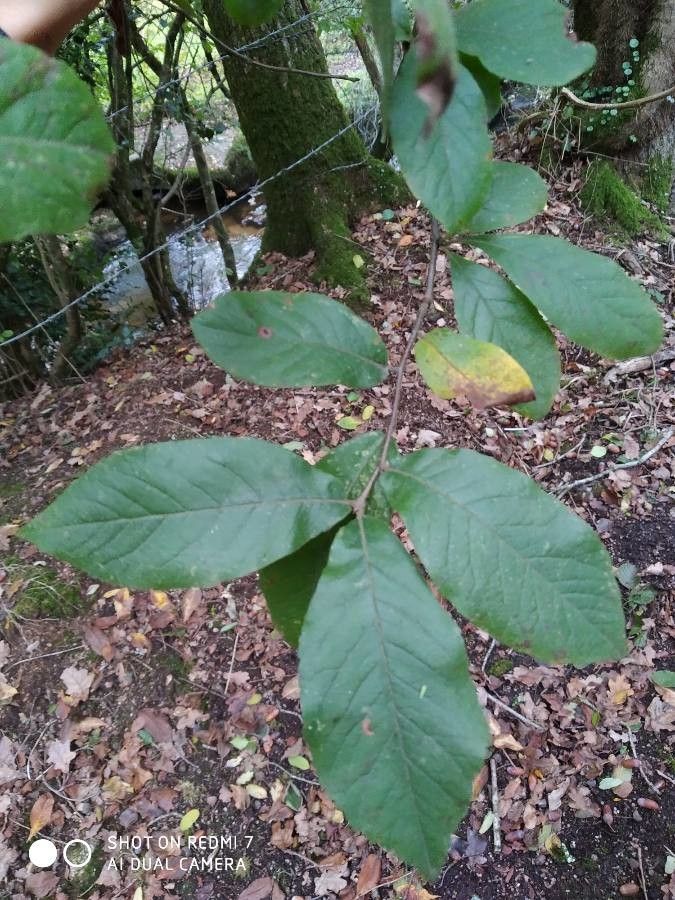
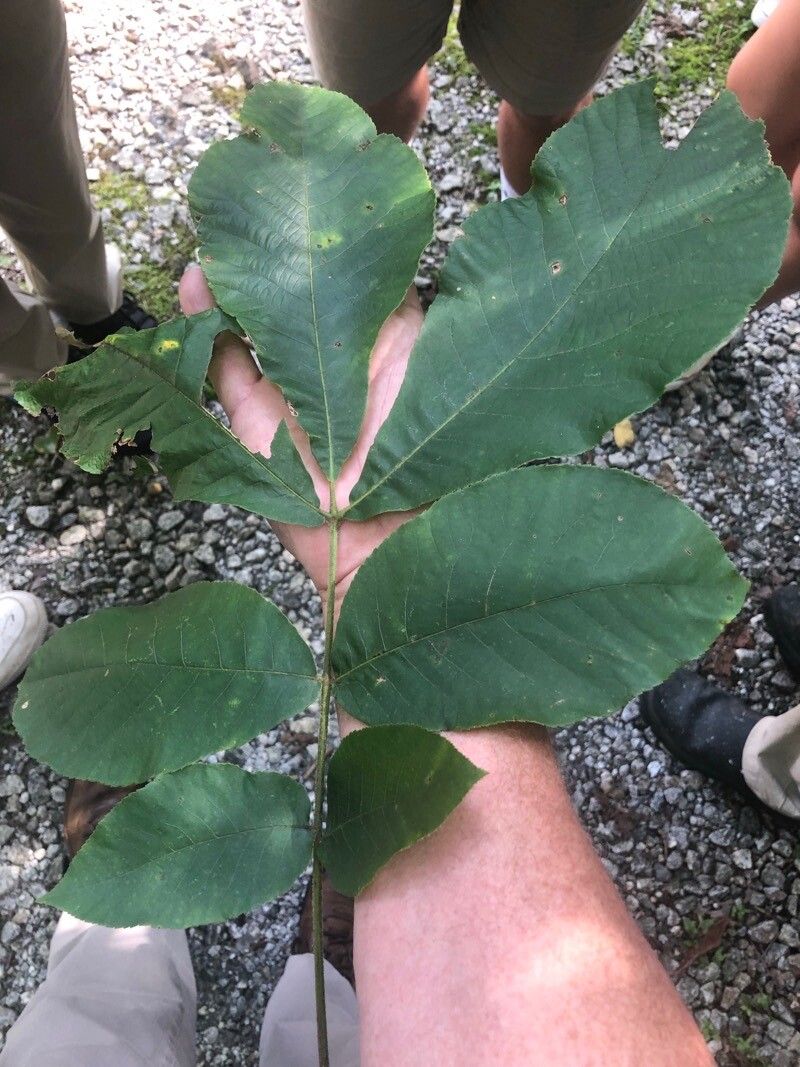
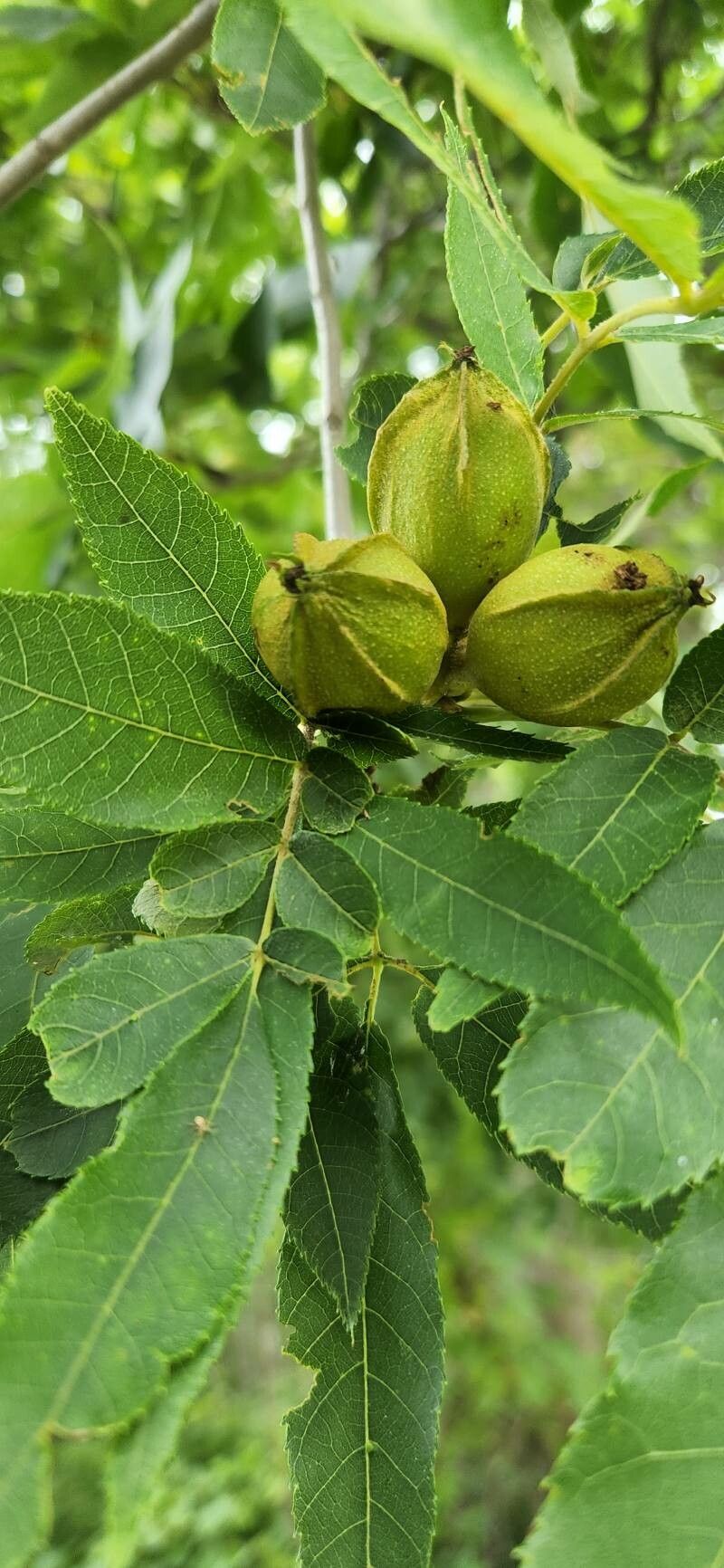
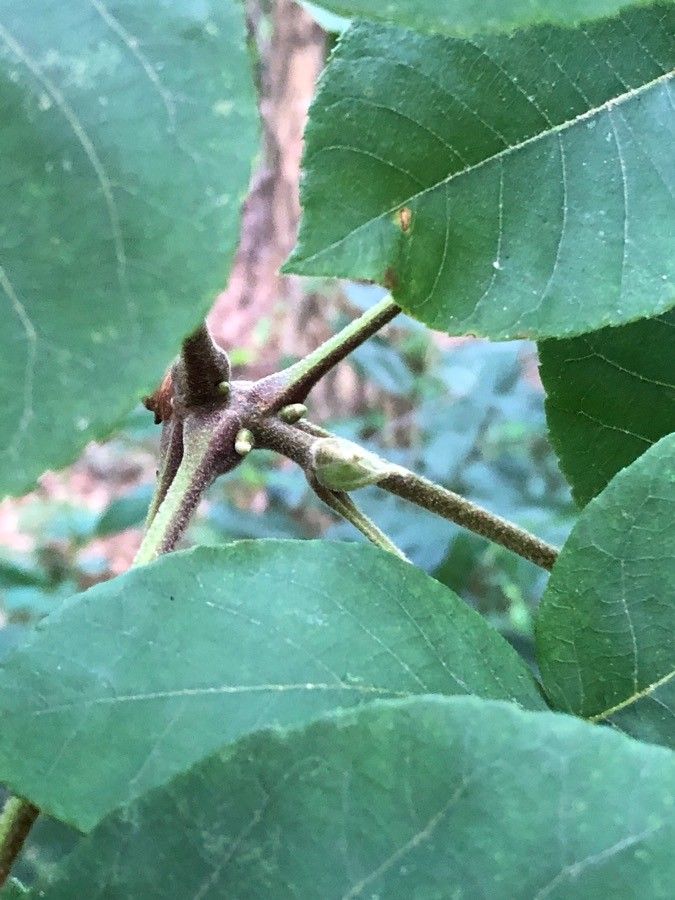
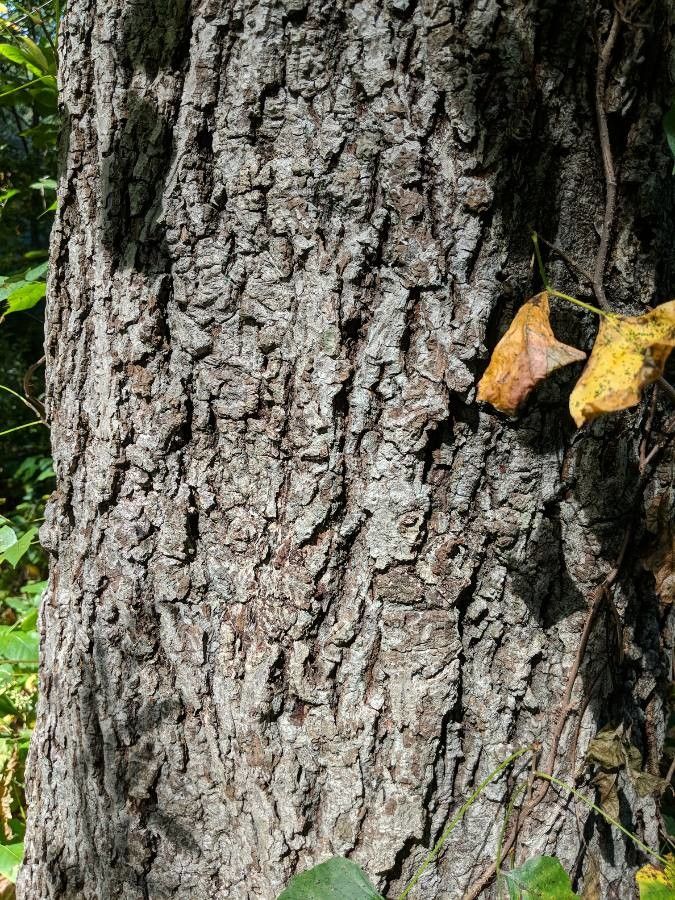
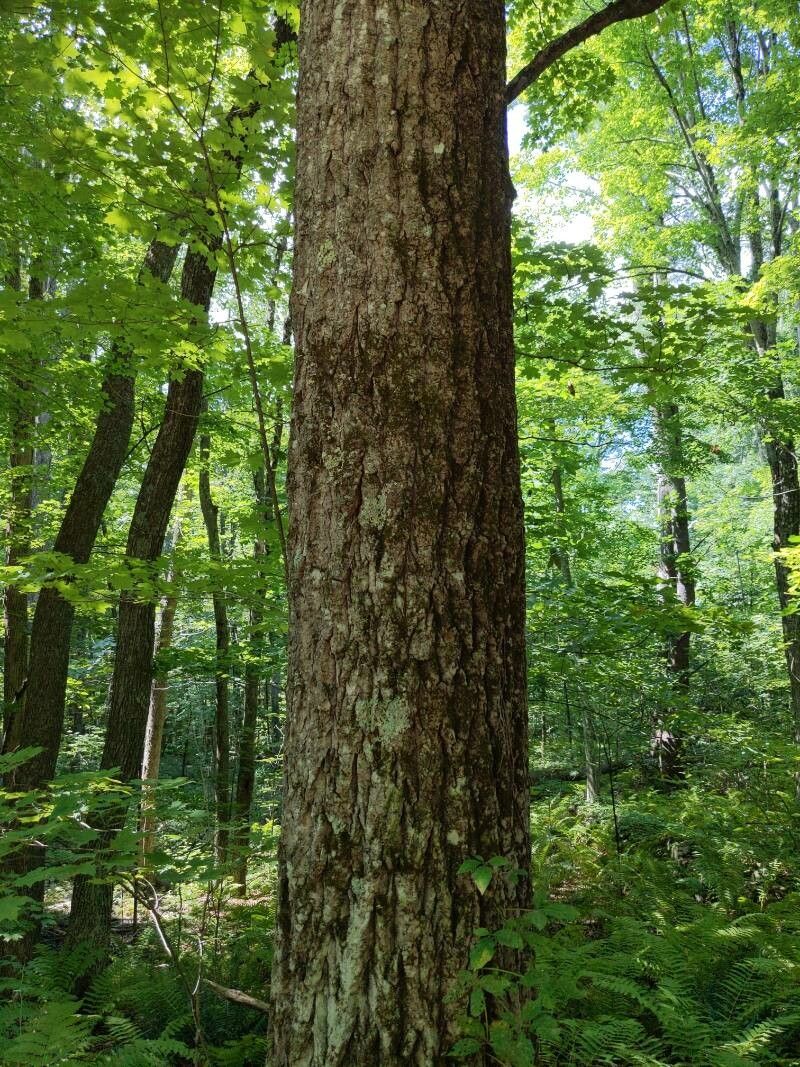
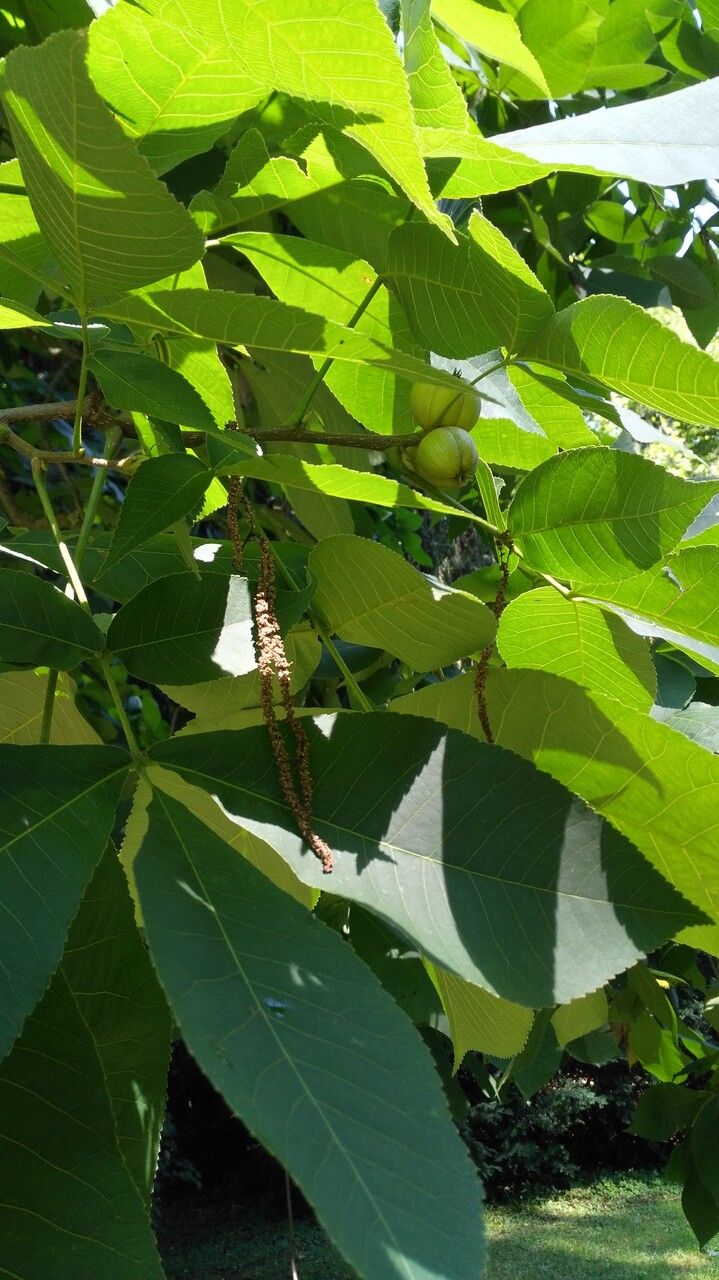
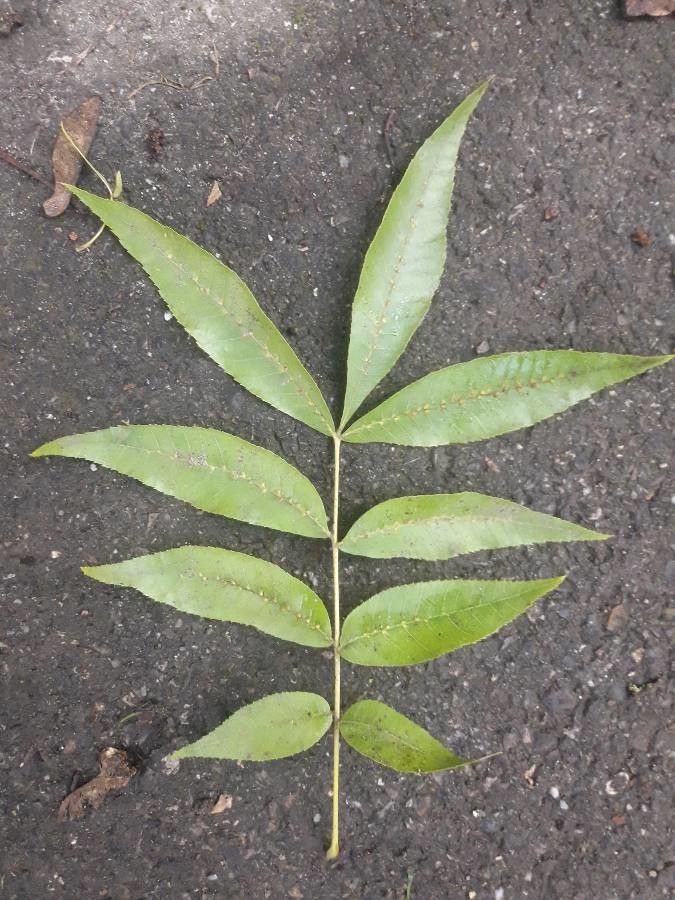
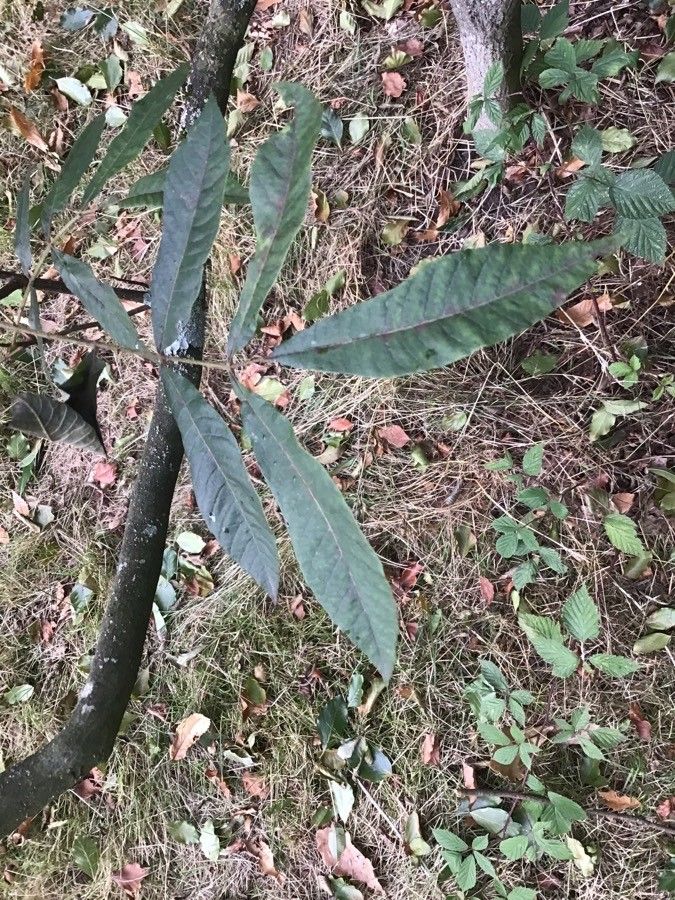
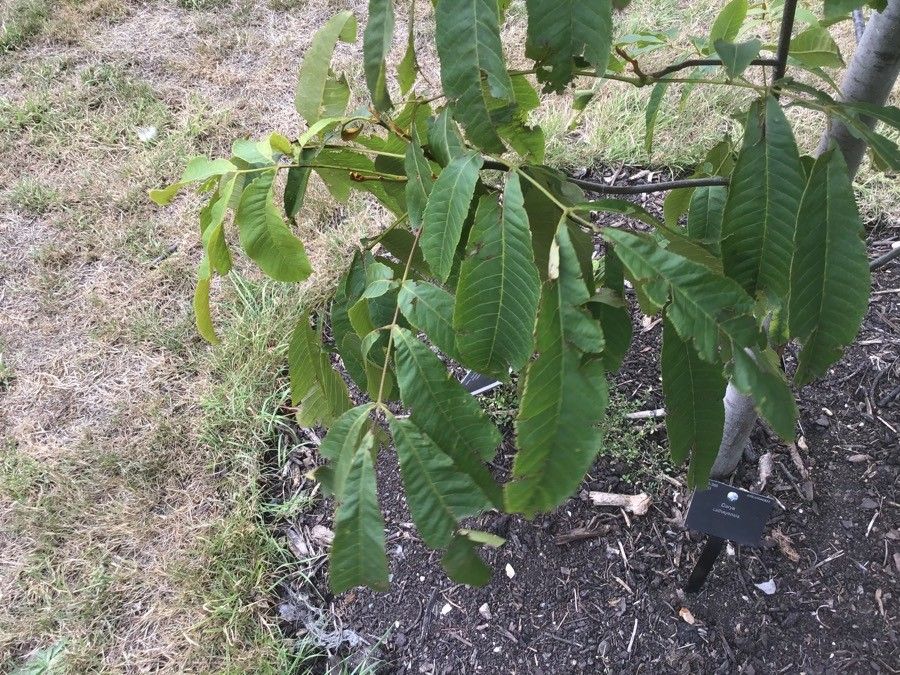
Carya tomentosa, commonly known as mockernut hickory, is a deciduous tree native to eastern North America. It can grow up to 30-40 meters tall and features a broad, rounded crown. The bark is gray and smooth when the tree is young, but it develops ridges and furrows as it matures. The leaves are pinnately compound, composed of 7-9 leaflets that are dark green on top and paler underneath. In the fall, the leaves turn yellow before dropping.
Mockernut hickory produces edible nuts with thick shells, making them difficult to crack open, but the nuts are highly nutritious once accessed. The wood of this tree is strong and durable, making it valuable for use in furniture making, tool handles, or firewood.
This tree prefers well-drained soils in full sun or partial shade environments, such as forests or along riverbanks, where it can tolerate occasional flooding events.
Overall, Carya tomentosa is an important species in eastern North America for both its ecological value and its economic significance. Humans have utilized this plant for centuries in various ways, from food sources to building materials.
Mockernut hickory has strong disease resistance and is generally not prone to disease. In terms of care, this plant is fairly low-maintenance. When grown outdoors it needs little watering, and larger specimens usually do not require pruning. Smaller plants, however, should be pruned after they have finished blooming. Mockernut hickory is suitable for anyone with outdoor space, such as a garden or deck, and does not require extensive care experience.
How to keep Carya Tomentosa.
Light
The mockernut hickory prefers plentiful sunlight for vigorous growth, though it tolerates moderate light. Excessive shade can impede its development. Native to sunny habitats, it can handle varying light levels at different growth stages and shows resilience in less well-lit areas.
Temperature
Native to North America, the mockernut hickory does well across a broad temperature range of 5 to 35 ℃ (41 to 95 ℉). During winter it can tolerate lows down to -20 ℃ (-4 ℉), and in summer it favors temperatures of 25 to 30 ℃ (77 to 86 ℉). Adjusting watering frequency and providing shade in hot summer months can help keep the mockernut hickory within its ideal temperature range.
Fertilizer
Fertilize your Mockernut hickory in early spring to encourage healthy growth. Regular fertilization boosts overall health, producing vigorous growth, increased tolerance of harsh conditions, and improved resistance to diseases and pests. Keep a specific fertilization schedule for your Mockernut hickory to maintain foliage that is richly colored and lush in appearance.
Botanical profile.
- Plant Type
- Tree
- Life Cycle
- Perennial
- Genus
- Carya
- Family
- Juglandaceae
- Hardiness Zone
- 4-9
- Mature Height
- 18.29 m to 24.38 m
- Mature Spread
- 11.89 m to 17.98 m
- Leaf Color
- Green, Blue, Yellow
- Leaf Type
- Deciduous
- Flower Color
- Yellow, Green
- Flower Size
- 10.16 cm to 12.70 cm
- Bloom Time
- Late spring, Early summer
- Planting Time
- Autumn, Winter
- Harvest Time
- Mid summer
Other names.