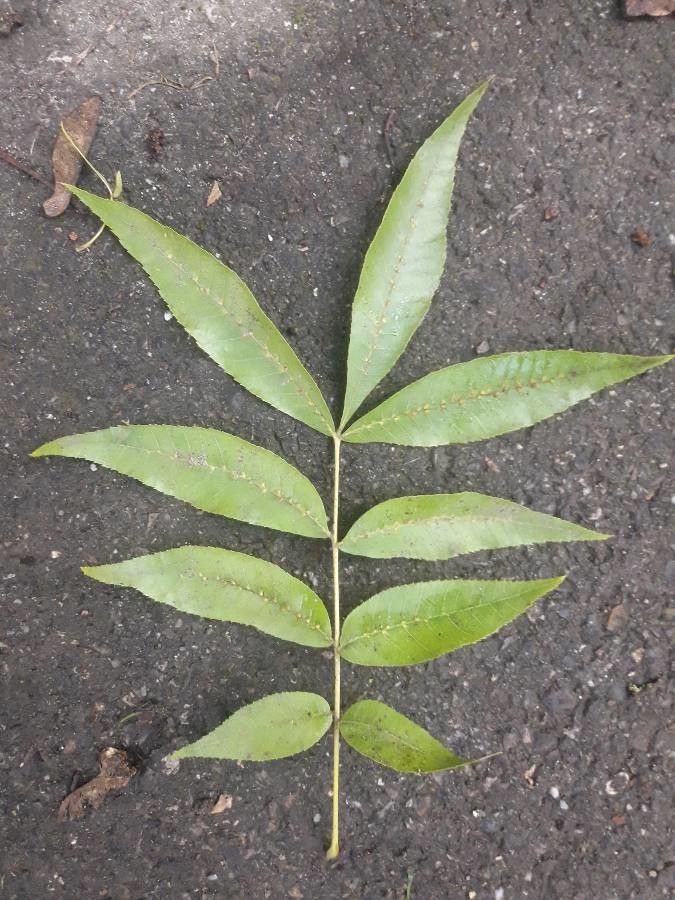
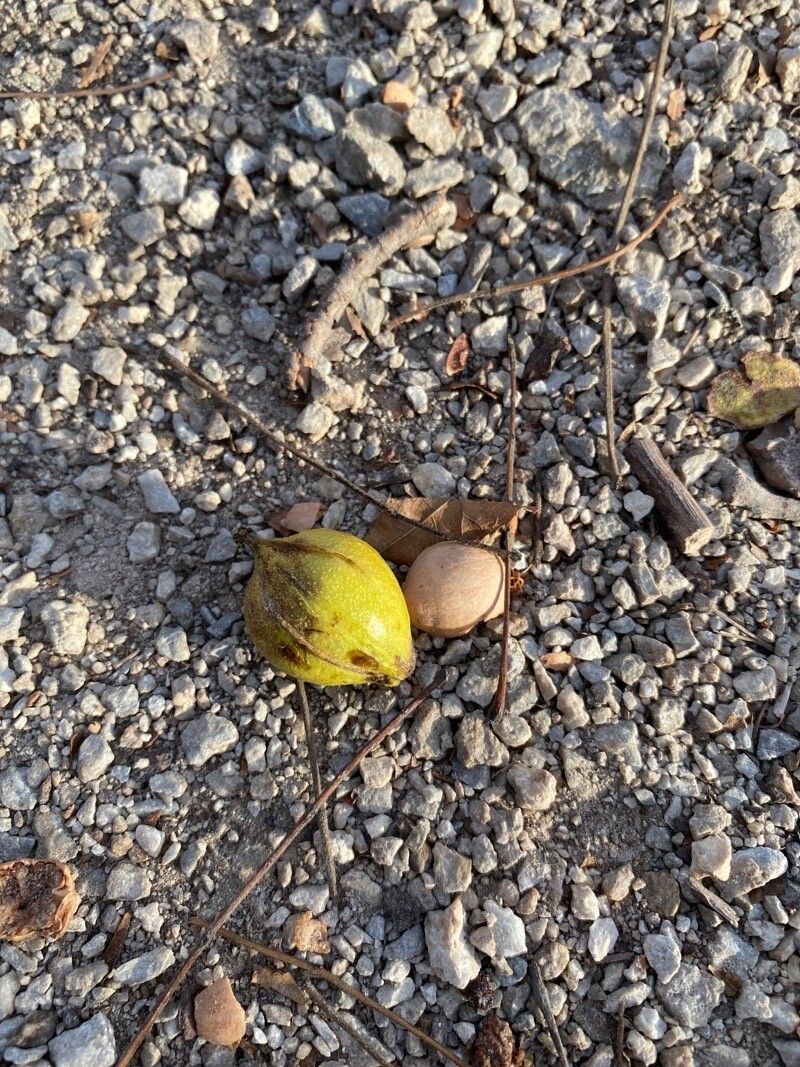
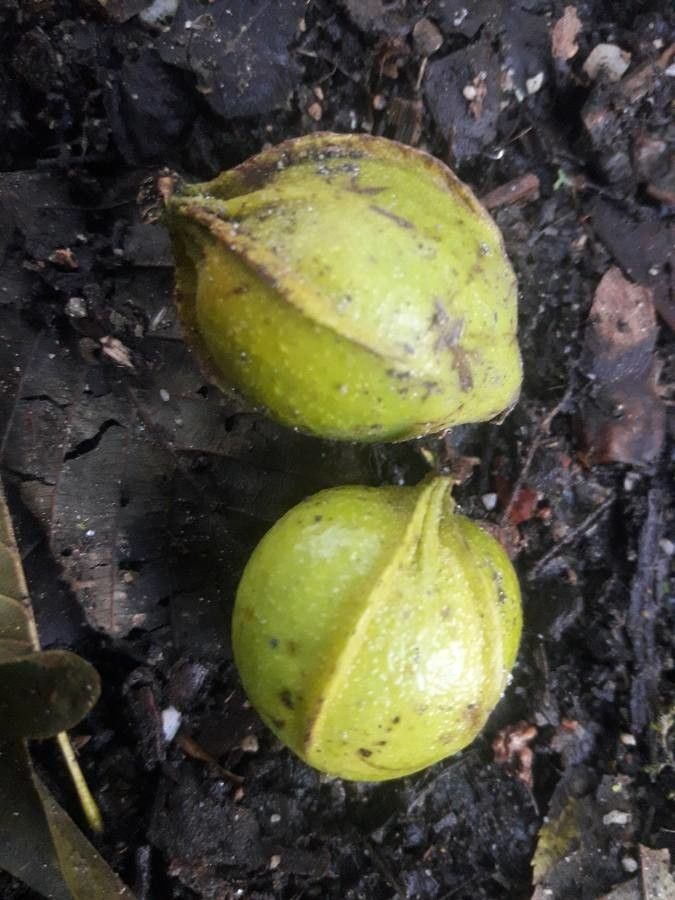
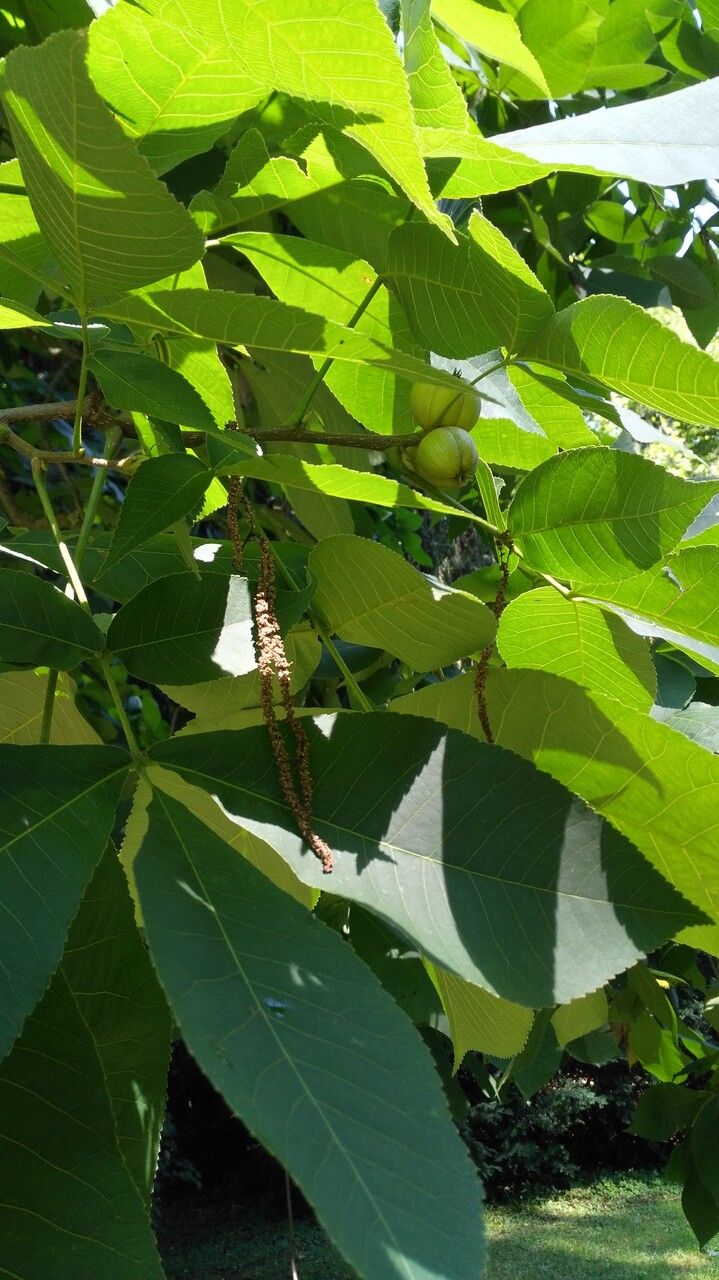
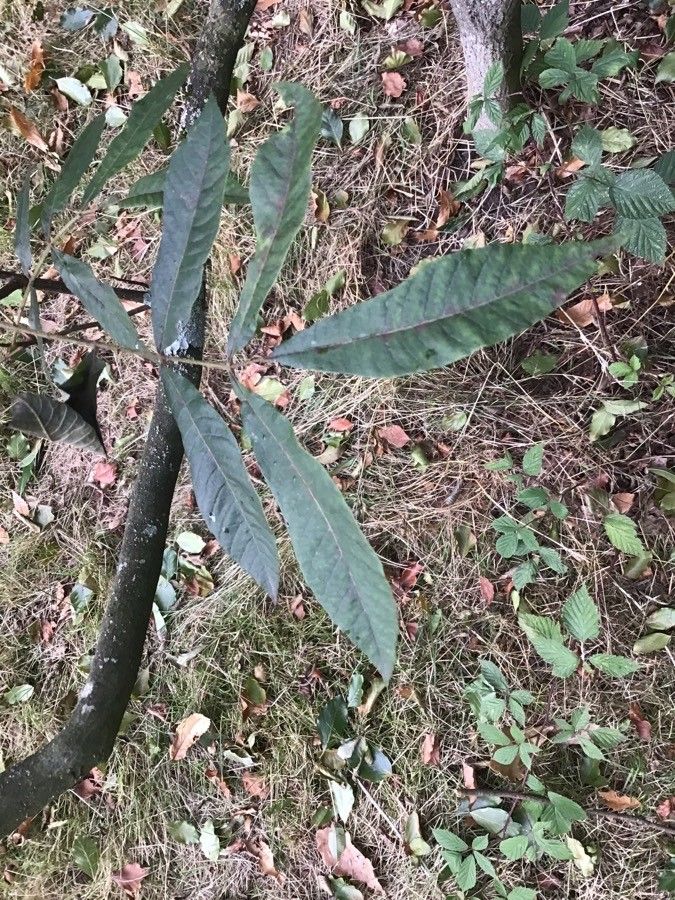
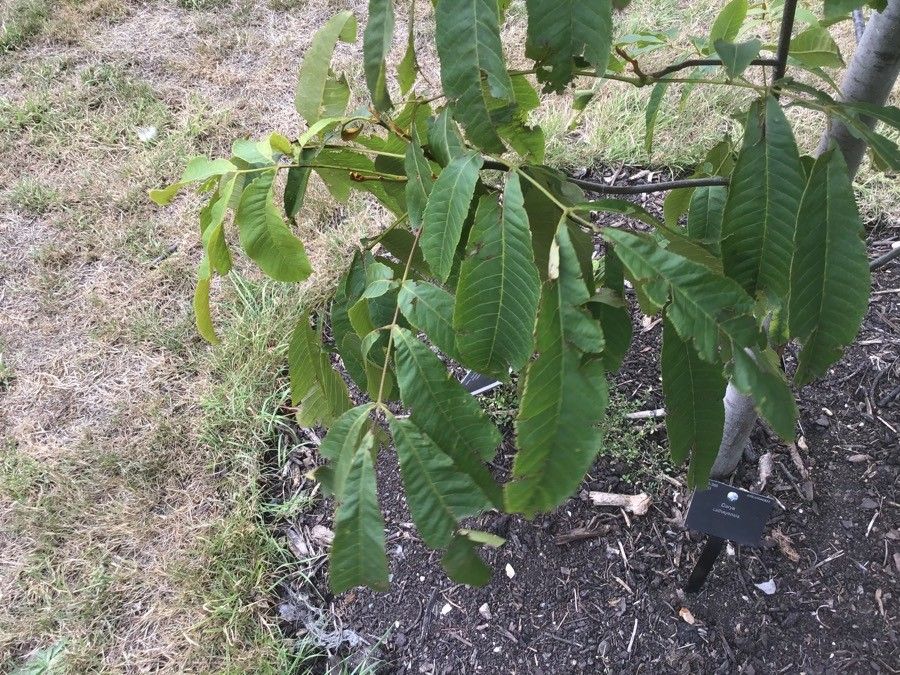
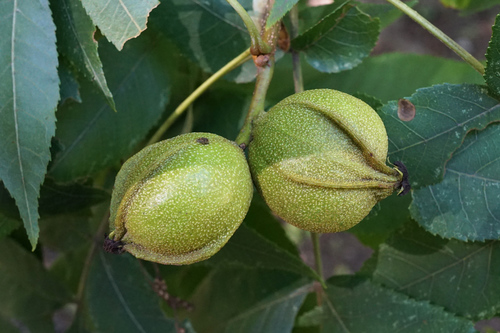
Bitternut hickory shows good resistance to disease and is generally not susceptible to illnesses. In terms of maintenance, this tree is fairly low-maintenance. When grown outdoors it needs only minimal watering, and larger specimens typically do not require pruning. Smaller plants, however, should be pruned after they have finished blooming. Bitternut hickoryt is suitable for anyone who has an outdoor area, such as a garden or a deck, and it does not demand a great deal of care experience.
How to keep Carya Amara.
Light
The Bitternut hickory flourishes when exposed to abundant daily sunshine, which bolsters its healthy development. Nonetheless, it can still proliferate in environments that do not receive consistent strong sunlight. Excessive or insufficient sunlight can stifle its growth, mirroring the plant’s origins in areas rich in sunlight.
Temperature
The bitternut hickory thrives in a temperature spectrum of 41 to 95 ℉ (5 to 35 ℃) and has the capacity to endure extreme cold conditions down to -30 ℉ (-34 ℃). It originates from temperate areas and requires a cold spell to emerge from dormancy during spring.
Fertilizer
For the benefit of healthy development, apply fertilizer to your Bitternut hickory at the onset of spring. Steady fertilizing bolsters overall wellbeing, promoting robust growth, tolerance to adverse conditions, and heightened resistance to diseases and pests. Stick to a particular fertilizing routine for your Bitternut hickory to guarantee vibrant leaves with rich color and a full-bodied look.
Botanical profile.
- Plant Type
- Tree
- Life Cycle
- Perennial
- Genus
- Carya
- Family
- Juglandaceae
- Hardiness Zone
- 4-9
- Mature Height
- 35.05 m to 46.94 m
- Mature Spread
- 9.14 m to 14.94 m
- Leaf Color
- Green, Yellow, Gold
- Leaf Type
- Deciduous
- Flower Color
- Green, Yellow
- Flower Size
- 2.54 cm
- Bloom Time
- Late spring, Early summer
- Planting Time
- Spring, Autumn
- Harvest Time
- Mid summer
Other names.