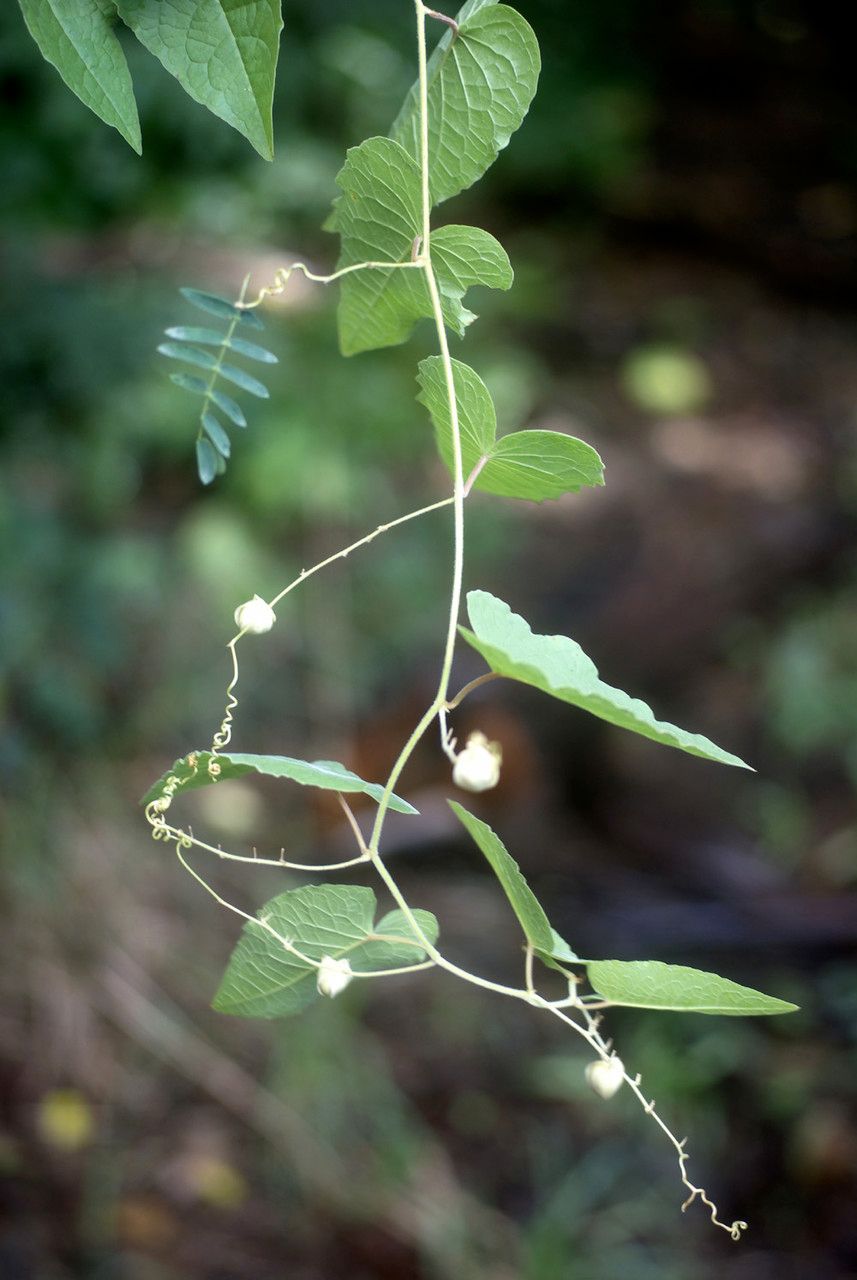
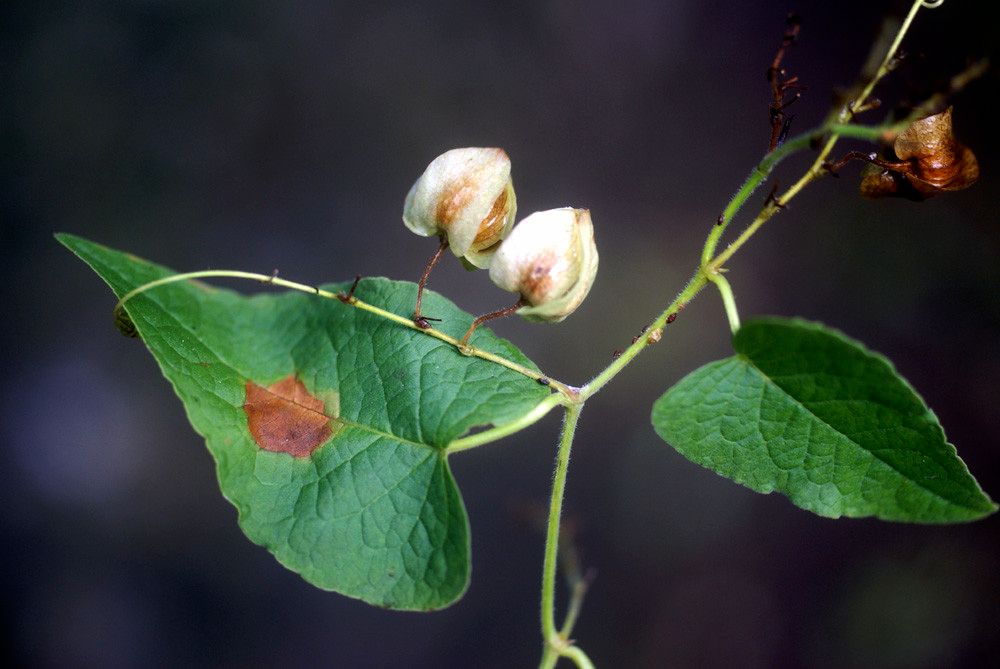
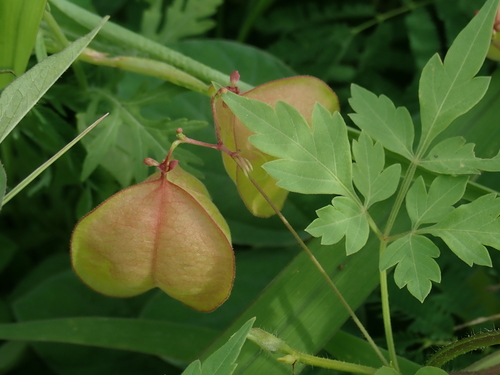
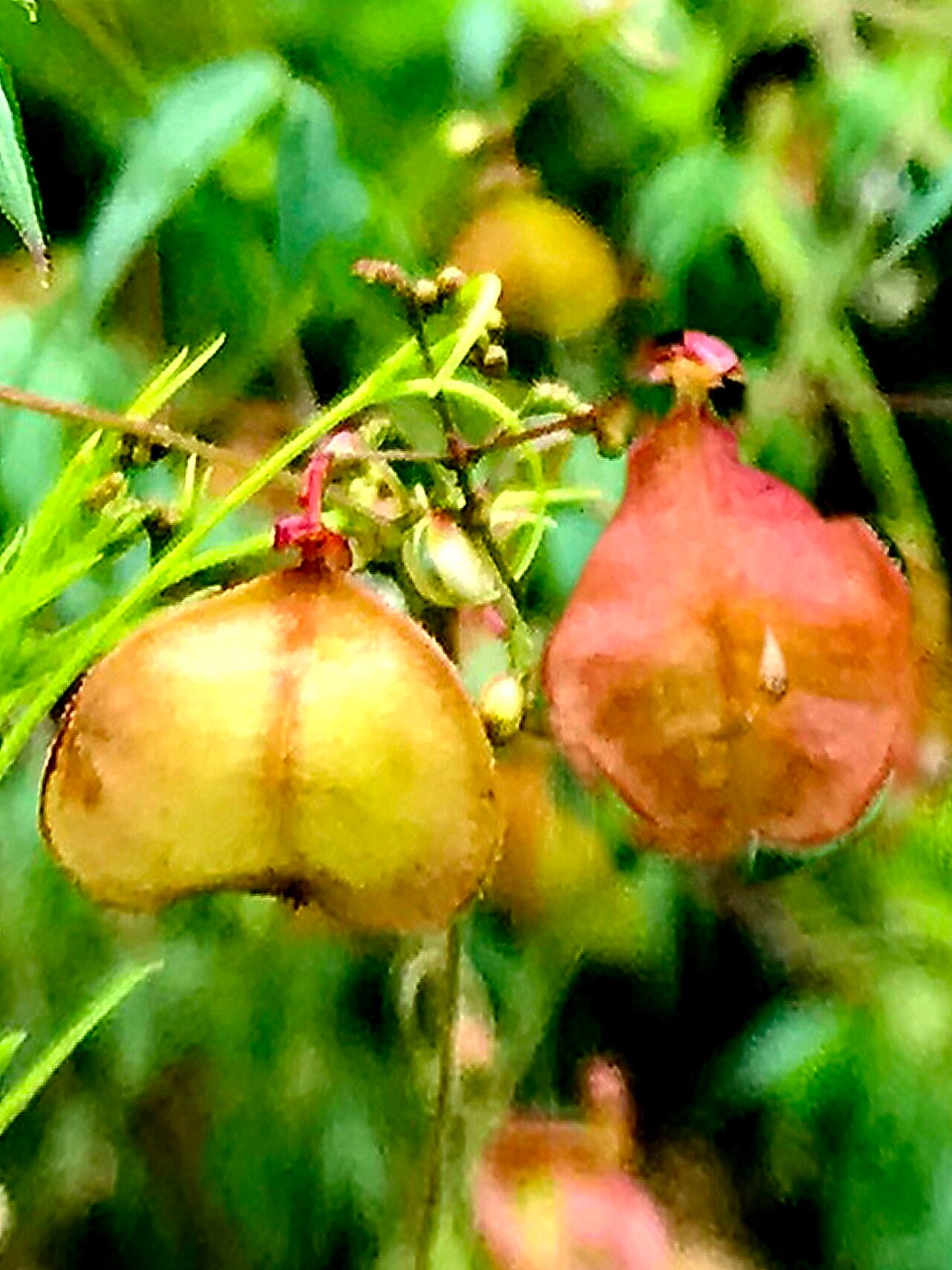
Cardiospermum corindum, commonly known as balloon vine or love-in-a-puff, is a climbing plant that belongs to the soapberry family. Native to tropical regions of Africa and Asia, it has spread and become naturalized in many parts of the world. The plant earns its common name from its distinctive, inflated seed pods that resemble small balloons.
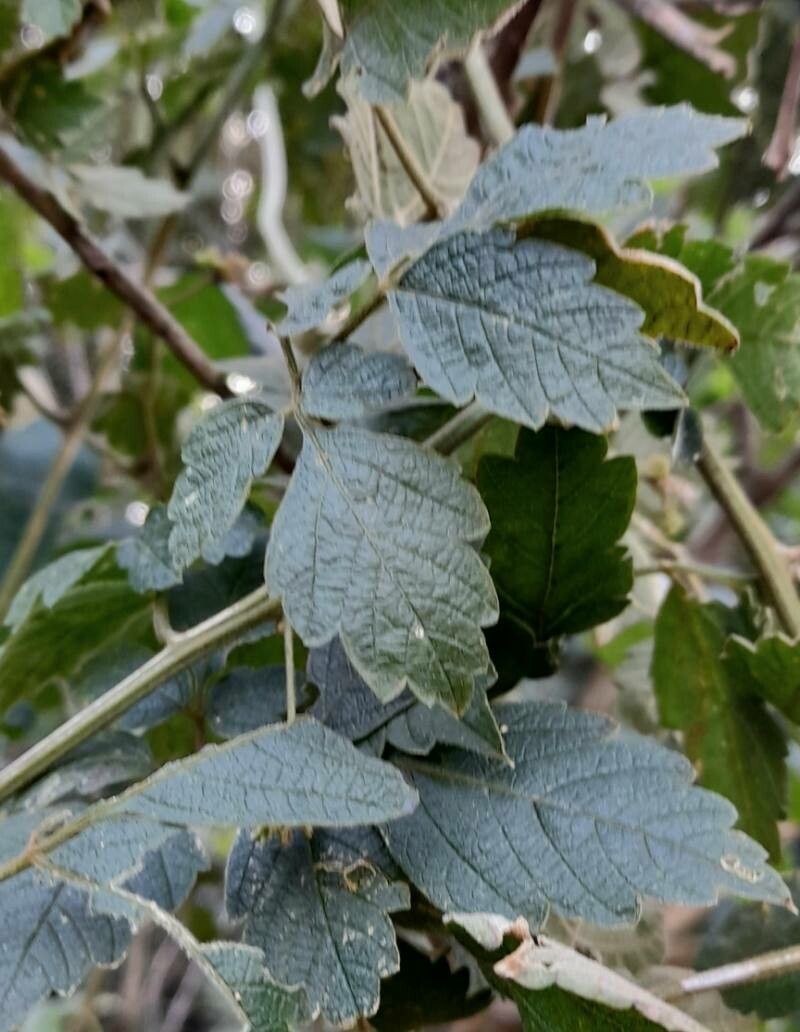
The leaves of Cardiospermum corindum are light green and compound, consisting of three leaflets. The small flowers, which appear in clusters from summer to fall, are either white or pale pink. The fruit is a round capsule with three chambers, each containing black seeds marked with a white, heart-shaped pattern.
Traditionally, Cardiospermum corindum has been used to treat various ailments such as skin diseases, rheumatism, fever, and respiratory problems. It contains compounds, including saponins, that possess anti-inflammatory properties.
The plant is often grown for ornamental purposes due to its attractive foliage and unique seed pods, which add visual interest to gardens or indoor spaces. It can be cultivated on trellises or allowed to climb walls.
Overall, Cardiospermum corindum is an intriguing climbing plant that offers both ornamental beauty and medicinal benefits, making it a popular choice among gardeners worldwide.
Faux persil is fairly disease-resistant and typically does not tend to develop illnesses. However, it can be affected by pests and diseases present in its environment. Such infections are usually mild. For care, this plant needs moderate maintenance. It should be pruned regularly to keep a neat appearance and support healthy growth. Fertilizing can also help encourage flowering. Faux persil is well suited for anyone with outdoor space, like a garden or patio, and does not demand extensive care experience. It may need more attention when grown indoors.
How to keep Cardiospermum Corindum.
Light
Faux persil needs abundant sunlight to grow best. It comes from habitats where unobstructed sun is common and does well in those conditions. Too much shade or low light can interfere with its normal growth and ongoing health, potentially harming the plant’s development.
Water
Faux persil thrives in tropical climates with consistent moisture and needs to be watered weekly. As an evergreen, it maintains its foliage throughout the year, so it requires steady soil moisture. This makes it well-suited for indoor environments where humidity levels can be easily controlled.
Temperature
Faux persil displays strong adaptability to temperature, able to withstand higher heat and considerable temperature fluctuations. In hot weather, attention should be paid to watering and suitable shading should be provided to avoid sunburn. Conversely, Faux persil is less tolerant of cold. While it can endure some chill, very cold conditions can cause frost damage.
Fertilizer
The best time to fertilize a Faux persil is in early spring, as it comes out of dormancy and begins active growth. Fertilization supplies essential nutrients for healthy development. Although Faux persil has relatively low fertilizer requirements, applying fertilizer once a year can improve its survival and encourage better, longer-lasting flowers.
Pruning
Faux parsley, with its delicate, parsley-like leaves, grows vigorously and requires regular maintenance. To encourage bushiness and manage its size, prune the plant from early to late spring. Remove any dead branches and overgrown stems to promote healthier growth and improve air circulation. Always use clean, sharp tools when pruning to ensure the best results.
Botanical profile.
- Plant Type
- Herb, Vine
- Life Cycle
- Perennial
- Genus
- Cardiospermum
- Family
- Sapindaceae
- Hardiness Zone
- 9-11
- Mature Height
- 3.05 m
- Mature Spread
- 3.05 m
- Leaf Color
- Green, Dark Green
- Leaf Type
- Deciduous
- Flower Color
- White
- Flower Size
- 2.54 cm
- Bloom Time
- Summer, Early fall, Mid fall
- Planting Time
- Spring, Summer, Autumn
- Harvest Time
- Late summer, Fall, Early winter
- Native Area
- Sri Lanka, Somalia, India, Angola, Mexico, Peru, Namibia, South Africa, Zambia, Eritrea, Sudan, Yemen, Kenya, Uganda, Jamaica, Tanzania, Zimbabwe, Colombia, Cuba, Bolivia, Mozambique, Venezuela, Myanmar, Brazil, Eswatini, Ethiopia, Ecuador, Botswana
Other names.
Reader questions.
What are the sunlight requirements for Faux persil?
Faux persil requires more than 6 hours of sunlight daily to flourish, thriving best in full sun conditions typical of its natural habitat. This plant's growth and health can be significantly hindered by excessive shade or poorly-lit environments. It is crucial to observe the movement of sunlight through your garden to find an ideal balance of light and shade that will ensure the optimal growth of your plants.
How can I supplement my plant's light intake if natural sunlight is insufficient?
To supplement light for indoor plants when natural sunlight is insufficient, especially during winter or in less sunny locations, artificial lighting can be a great solution. It's recommended to use LED lights, as they can be customized to provide specific wavelengths needed by the plant, with full sun plants requiring 30-50W/sq ft, partial sun plants 20-30W/sq ft, and full shade plants 10-20W/sq ft of artificial light. The light source should be placed 12-36 inches above the plant to mimic natural sunlight, and the duration should mimic natural daylight hours, generally 8-12 hours per day.
What are the symptoms of light deficiency in Faux persil?
Symptoms of light deficiency in Faux persil include smaller new leaves, leggy or sparse growth, faster leaf drop, slower or halted growth, and lighter-colored new leaves. Additional symptoms can be chlorosis, sunscald, leaf curling, wilting, and leaf scorching, indicating the plant's struggle with inadequate sunlight or overexposure.
What steps can I take to ensure my Faux persil receives adequate light?
To ensure your Faux persil receives adequate light, gradually move it to a location with at least 6 hours of direct sunlight daily, using a south-facing window for indoor plants and keeping it unobstructed during the day. For outdoor plants, ensure a gradual adaptation to sunlight to prevent sunburn. Reduce light obstructions by pruning or relocating the plant to a sunnier spot. If needed, use artificial light sources for additional illumination, keeping them on for at least 8 hours daily or investing in professional grow lights. Note that parts of the plant affected by insufficient light may not recover, but with adequate light exposure, new growth will be healthy.