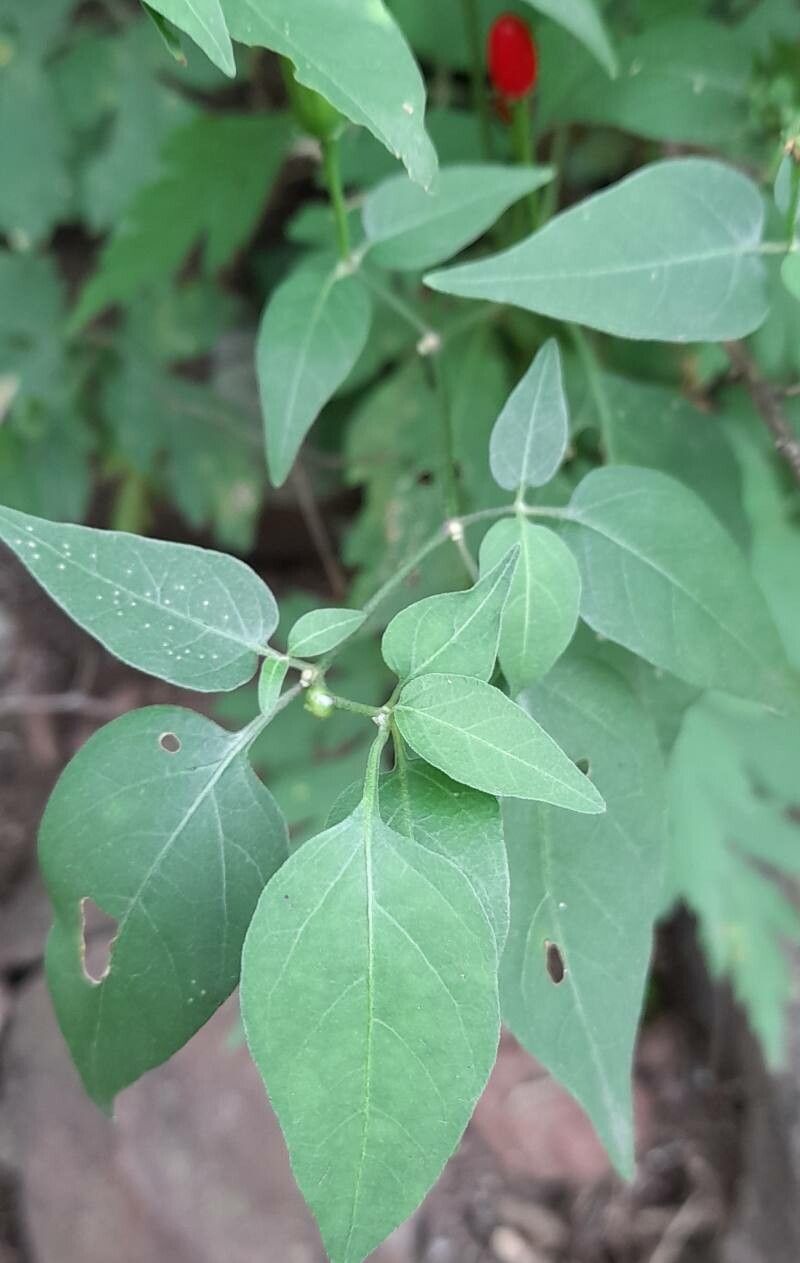
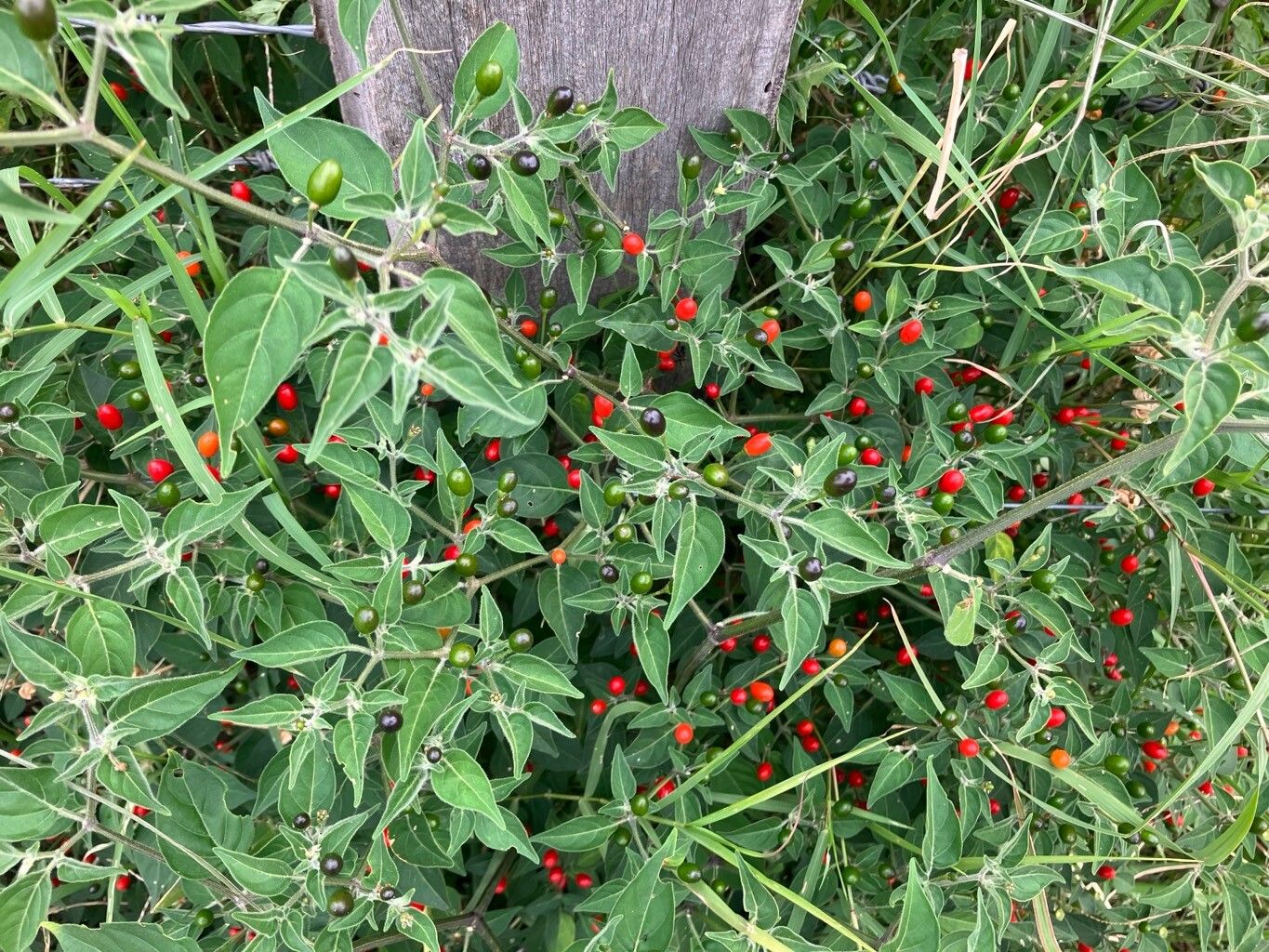
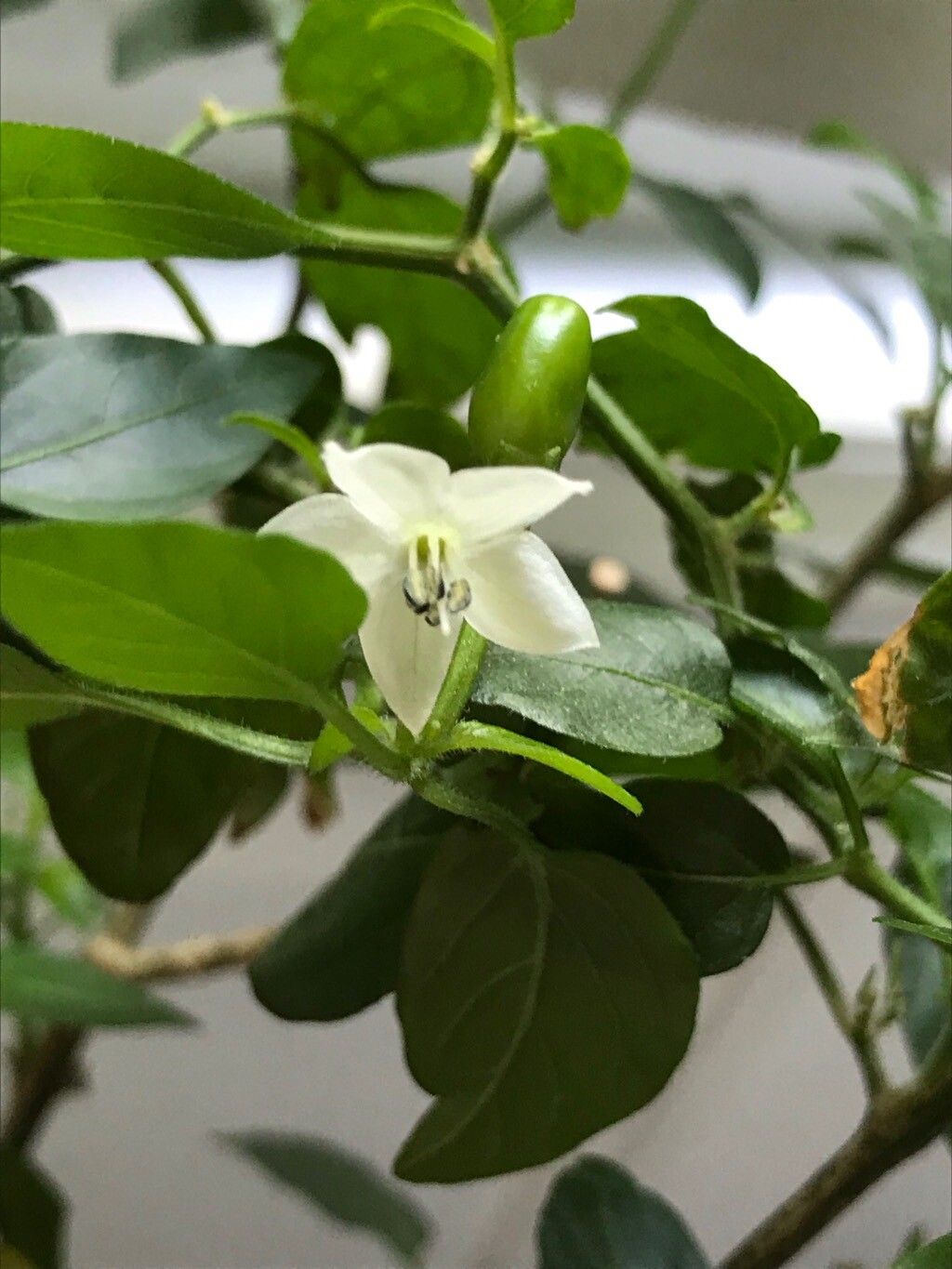
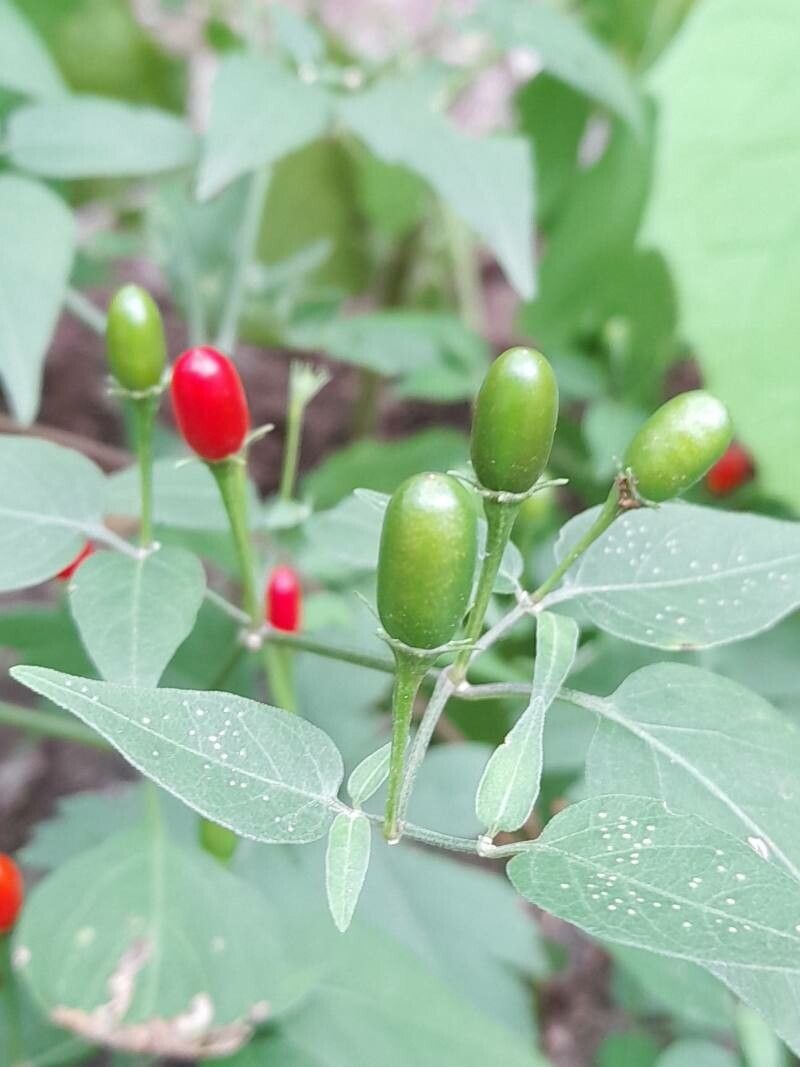
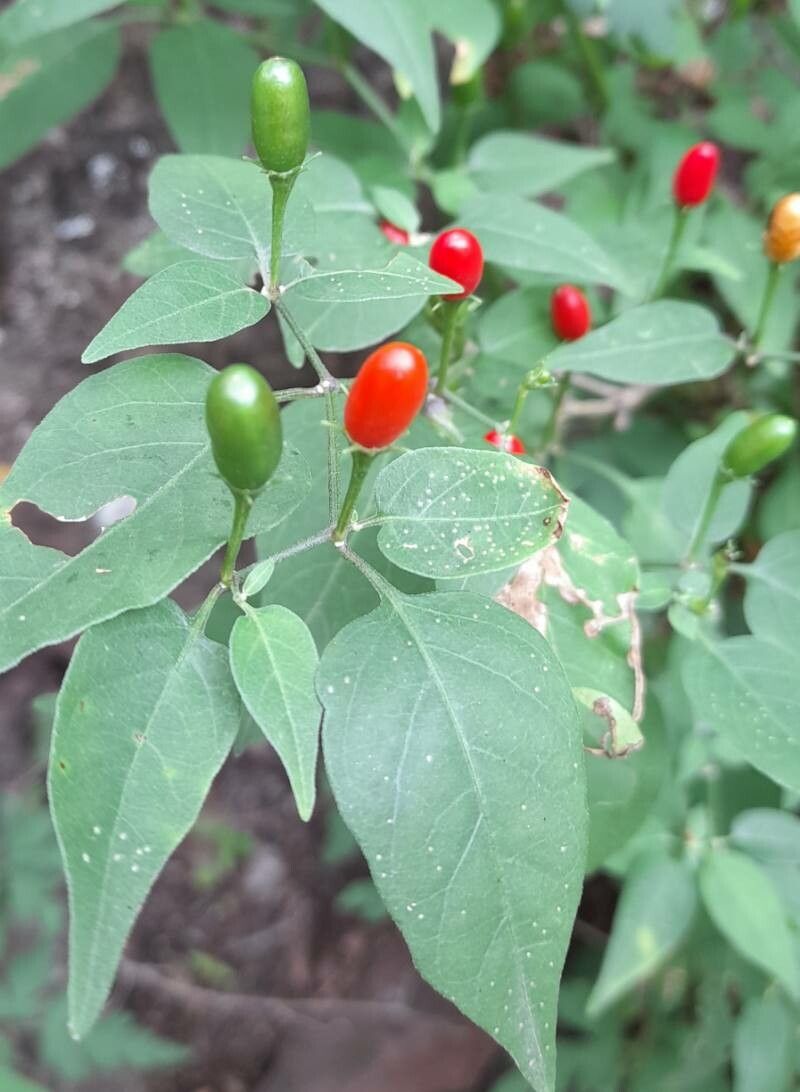
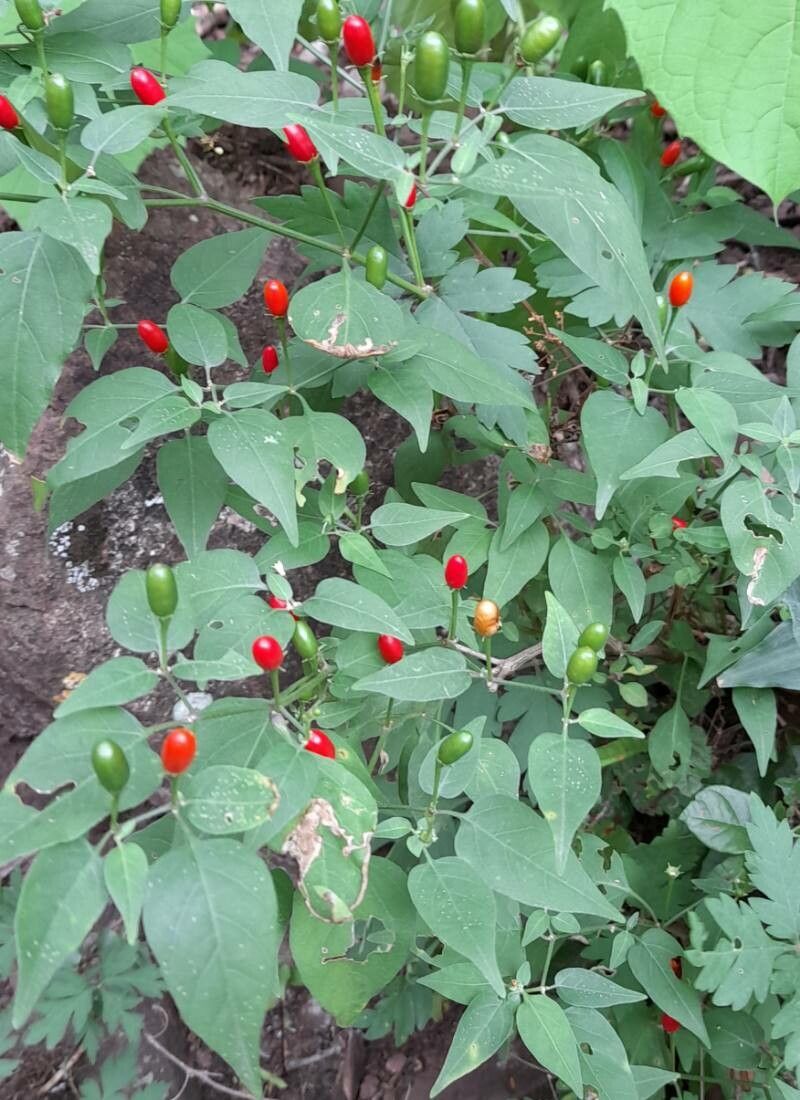
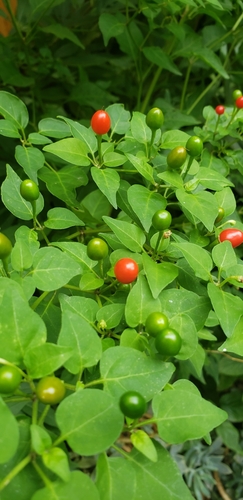
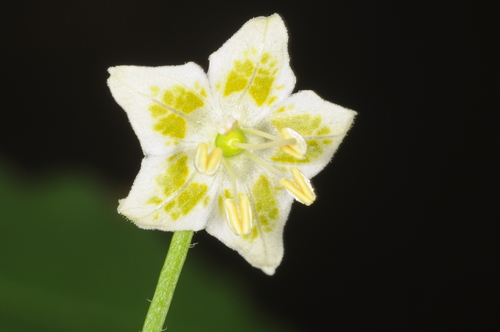
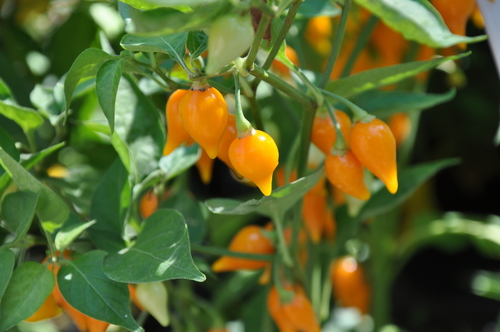
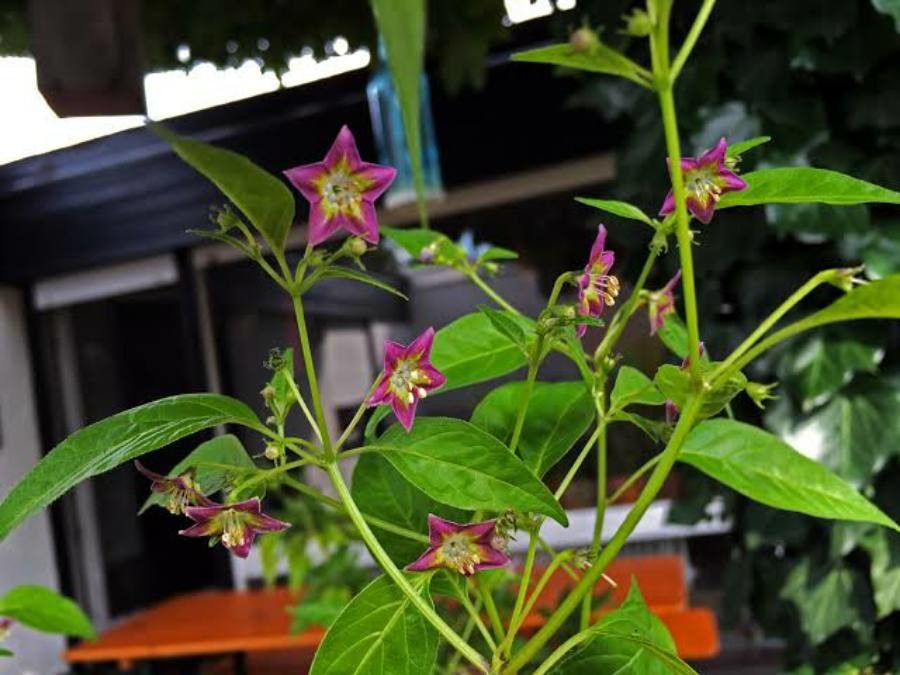
Capsicum chacoense is a species of the genus Capsicum native to South America. While it is rarely cultivated by humans, it, like domesticated Capsicum species, produces edible fruit.
Wild chilli pepper has moderate resistance to disease and is not highly prone to leaf spot or powdery mildew. It may incur some insect damage, but that is usually mild. Its care level is considered easy, as it needs only regular watering and occasional fertilizing. It generally does not require pruning. Wild chilli pepper is suitable for most people to grow outdoors with little attention, and it can also be cultivated indoors with some care and effort.
How to keep Capsicum Chacoense.
Light
Wild chilli pepper is native to areas with plenty of sunshine, like open fields and sunny meadows. It favors full sun but can also tolerate partial sun.
Water
Wild chili peppers require ample water throughout their growth stages. It's best to water them in the morning to help prevent disease. The watering requirements change as the plant develops: keep the soil moist during the seedling stage, reduce moisture to a moderate level in the early blooming stage, and maintain 60-80% soil moisture during the full bloom stage. As the fruit matures, gradually reduce the water supply.
Temperature
For Wild chilli pepper, moderate temperatures are best, about the range people typically find comfortable. It does well in conditions that are neither excessively hot nor too cold. The main concern with very high temperatures is sunburn, so in summer it's advisable to provide some shade to avoid overheating. When temperatures fall, Wild chilli pepper becomes dormant. If continuous growth is required, higher temperatures must be maintained through the winter. Frost can injure the plant and should be avoided.
Fertilizer
Feed Wild chilli pepper with organic or commercial fertilizer high in nitrogen for leaf development, phosphorus for root growth and flowering, and potassium for photosynthesis and maximal fruit production. Plant in spring, improve the soil with compost or manure, and feed seedlings when they reach 2-4 inches in height. A lack of macronutrients causes slow growth, wilting, and reduced fruit quality.
Pruning
The wild chili pepper is a bushy plant that produces small, vibrant fruits. To promote healthier growth and better fruiting, prune the plant in mid-spring. Start by removing any dead or diseased branches, as well as leggy stems, to improve airflow and sunlight exposure. Make sure to use clean tools to prevent the spread of diseases. This will also enhance the plant's appearance and productivity.
Pot & Repot
Wild chili peppers can be successfully grown both in pots and directly in the ground.
Botanical profile.
- Plant Type
- Herb
- Life Cycle
- Perennial
- Genus
- Capsicum
- Family
- Solanaceae
- Hardiness Zone
- 9-11
- Mature Height
- 30 cm to 61 cm
- Mature Spread
- 30 cm to 49 cm
- Leaf Color
- Green, Dark Green
- Leaf Type
- Deciduous
- Flower Color
- White
- Flower Size
- 1.02 cm to 1.52 cm
- Bloom Time
- Late spring, Summer, Early fall
- Planting Time
- Spring, Summer, Autumn
- Harvest Time
- Mid summer, Late summer, Fall
- Native Area
- Bolivia
Other names.