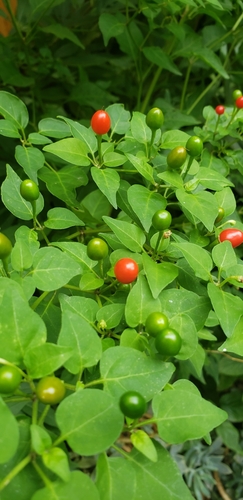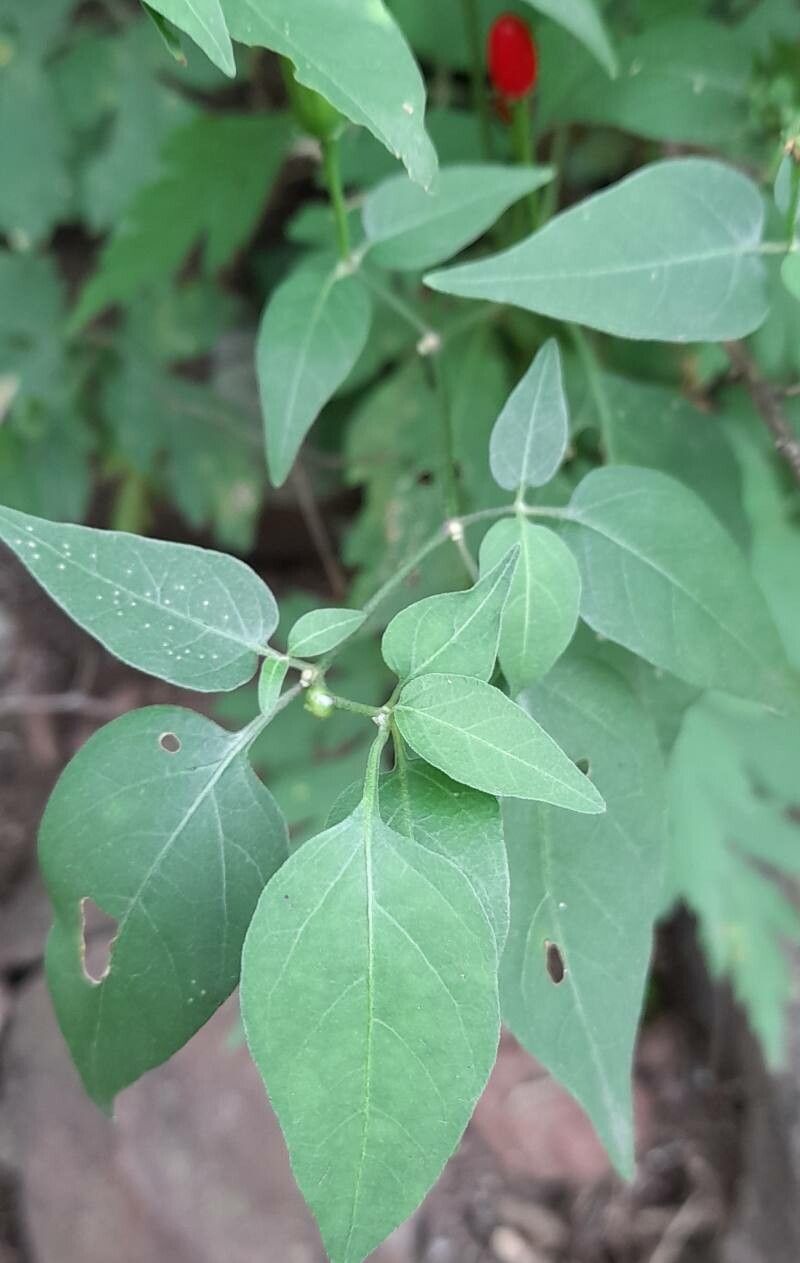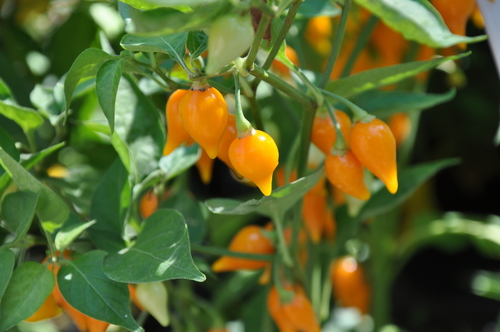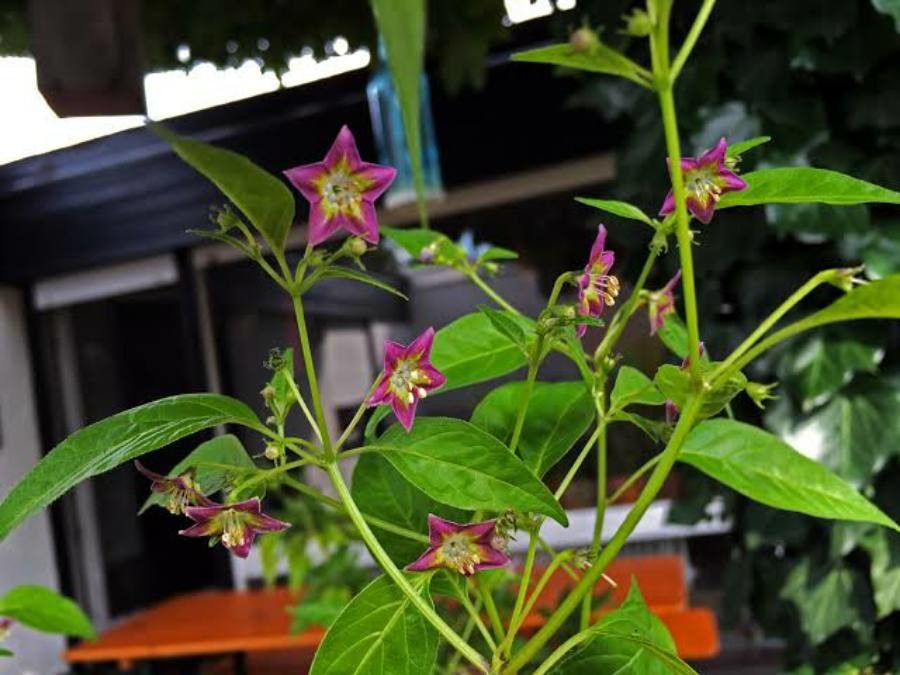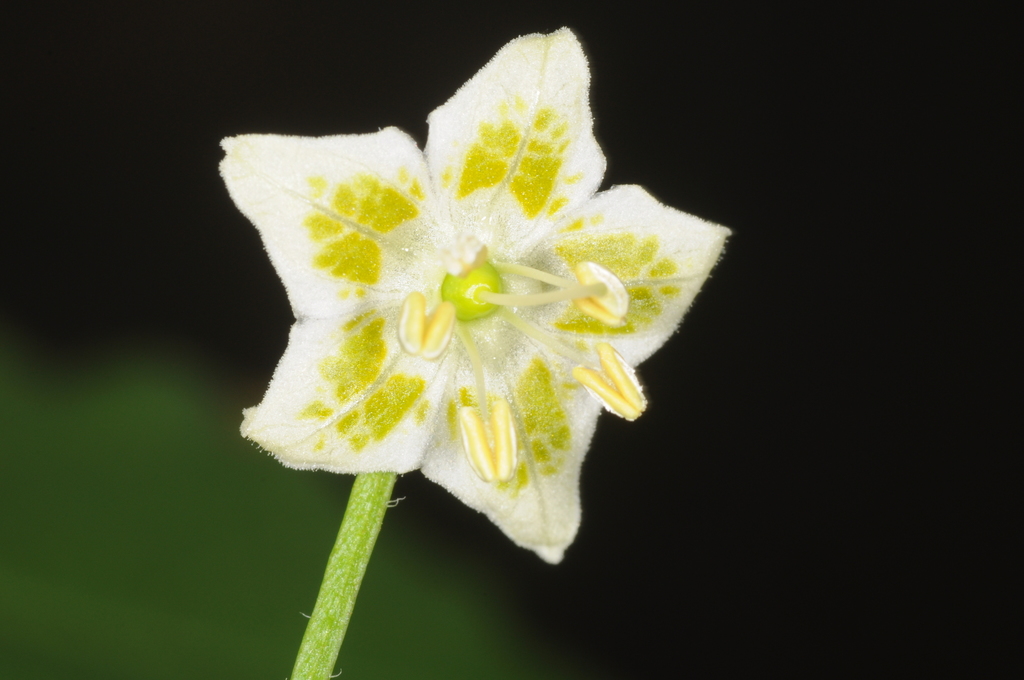
Capsicum baccatum, commonly known as the Aji pepper, is a chili pepper species native to South America. This perennial plant can grow up to 1.5 meters tall and bears small, cone-shaped fruits typically measuring 2-3 cm in length and 1-2 cm in width. The fruits are available in a variety of colors, including yellow, orange, red, and green.
The Aji pepper has been cultivated in South America for thousands of years, valued both for its culinary uses and medicinal properties. It offers a mild to medium heat with fruity undertones, making it a popular ingredient in many dishes such as salsas and sauces.
The plant thrives in warm temperatures ranging from 20-30°C and requires well-drained soil and full sun exposure. It can be grown both indoors and outdoors, depending on the climate conditions.
The word "aji," which refers to various types of chilies, has been part of South American languages for over 6,500 years, dating back to at least 4500 BCE. Cultures such as the Moche, Nazca, and Chimú incorporated aji motifs into their textiles and pottery. Additionally, aji was used in cleansing ceremonies and other rituals. FUN FACT · FROM THE LIBRARY
Capsicum baccatum is also renowned for its high vitamin C content, which makes it a significant source of nutrition in many traditional South American diets.
Overall, Capsicum baccatum is a culturally and nutritionally important plant species with versatile culinary applications, earning it popularity worldwide among chili enthusiasts.
Aji Peanut Pepper: The name "capsicum" may have two origins—it could be derived from the Greek word "kapto," meaning "to gulp," or from the Latin word "capsa," meaning "box." The term "baccatum" translates to "like a berry." The common name "aji peanut pepper" comes from its irregular shape, which resembles a peanut shell.
Tabasco pepper has moderate resistance to disease and shows low susceptibility to leaf spot and powdery mildew. It can incur some insect damage, though this is generally mild. The plant is easy to care for, needing only regular watering and occasional fertilization, and it usually does not require pruning. Most people can grow Tabasco pepper outdoors with minimal attention, and it can also be grown indoors if given some care and effort.
How to keep Capsicum Baccatum.
Light
Tabasco pepper needs abundant sunlight for best growth, though it has a limited tolerance for less brightly lit conditions. Its native habitat gets extensive sun exposure, so ample sunlight is an important factor in its healthy development. Both excessive and insufficient sunlight can impede its growth.
Water
The Aji peanut pepper thrives in warm, moist conditions, much like its native environment. While it can tolerate moderate drought, it benefits from weekly watering to avoid waterlogging and promote consistent growth. Providing the right amount of water outdoors is especially important during the growing season to ensure optimal fruiting.
Temperature
The Tabasco pepper comes from a climate with temperatures between 68 and 100 °F (20 to 38 ℃). It does best in warm conditions and can adapt to seasonal temperature shifts, provided the temperature doesn't fall below its comfort zone.
Fertilizer
To feed Tabasco peppers, apply natural or commercial fertilizer high in nitrogen for leaf growth, phosphorus for root and flower development, and potassium for photosynthesis and maximum fruit production. Plant in spring, enrich the soil with compost or manure, and fertilize seedlings when they reach a height of 2–4 inches (5.1–10.2 cm). Insufficient macronutrients cause slow growth, wilting, and problems with fruit quality.
Pruning
The Aji peanut pepper thrives when properly pruned, ideally in the middle of spring during its growth phase. Key pruning techniques include removing any dead or diseased branches and thinning out crowded areas to improve air circulation. This practice not only strengthens the branches and increases fruit yield but also helps maintain an open canopy, which reduces the risk of disease.
Pot & Repot
For the Aji peanut pepper to thrive, it's important to use pots that provide excellent drainage. This ensures proper aeration, prevents waterlogging, and ultimately enhances root health, supporting the overall vitality of the plant.
Botanical profile.
- Plant Type
- Herb
- Life Cycle
- Perennial, Annual
- Genus
- Capsicum
- Family
- Solanaceae
- Hardiness Zone
- 8-11
- Mature Height
- 61 cm
- Mature Spread
- 40 cm
- Leaf Color
- Green
- Leaf Type
- Evergreen
- Flower Color
- White
- Flower Size
- 1.02 cm to 1.52 cm
- Bloom Time
- Late spring, Summer
- Planting Time
- Spring, Summer
- Harvest Time
- Mid summer, Late summer, Fall
- Native Area
- Colombia, Belize, Cuba, Honduras, Mexico, Guatemala, Bolivia, Venezuela, Guyana, El Salvador, Nicaragua, Ecuador, Costa Rica, Panama, Jamaica
Other names.
Reader questions.
How should I water my Aji peanut pepper plant in the best way?
The Aji peanut pepper has specific preferences for water, including how it is provided. Not using the proper watering technique can harm your tomatoes. The best method is to water the Aji peanut pepper by applying water directly to the soil in a slow and gentle manner. Avoid pouring all the water at once or using overhead watering. While watering slowly, be sure to water deeply to ensure the soil is moist throughout.
Why should I put fertilizer on my Aji peanut pepper?
To ensure the best harvest of Aji peanut pepper, it is important to supplement the soil with nutrients that the plant needs. Each macronutrient has a specific role in supporting plant growth. Phosphorus, in particular, is essential for the development of flowers and fruit. However, for a plant to produce flowers and fruit, it also requires a strong root system and healthy leaves that can absorb sunlight. Without sufficient macronutrients, plants become weak, grow slowly, and may even wilt. Since flowering and fruiting require a lot of energy, a deficiency in these essential components can also impact the quality of the resulting fruits.
What are the sunlight requirements for Aji peanut pepper?
Aji peanut pepper necessitates full sun exposure for its health and optimal growth, ideally thriving in environments that provide an abundant exposure to sunlight, much like its native habitat. To fulfill these requirements, it should receive above 6 hours of sunlight daily. However, it can also manage in partial sun conditions, which entail about 3-6 hours of sunlight. The essence is to watch how sunlight moves through your garden and choose spots that offer a perfect balance of light and shade, ensuring your plants grow happy and healthy.
What are the optimal temperature conditions for growing Aji peanut pepper?
Aji peanut pepper thrives in environments with temperatures ranging from 59 to 100°F (15 to 38°C). Originally from regions that enjoy moderate to high temperatures, this plant requires warmth for optimal growth. To ensure the health and vitality of Aji peanut pepper, it's important to keep the temperature above 15°C (59°F) during the winter months. The plant should not be exposed to freezing conditions, so it's crucial to prevent the temperature from falling below the freezing point to avoid damage. Additionally, when outdoor temperatures approach -5°C (25°F) in winter, it is advisable to bring the plant indoors or protect it by setting up a temporary greenhouse or wrapping it in materials like plastic film or fabric.
What should I do if I give my Aji peanut pepper too much or too little water?
If you have overwatered your Aji peanut pepper and are worried about disease, it's essential to take immediate action. The best way to handle an overwatered Aji peanut pepper is to remove it from its current location. Once you've taken it out of the ground, let the roots dry a bit before replanting it in a new location with well-draining soil. If you grow it in pots, you might consider transferring it to a pot with more or larger drainage holes. On the other hand, if you have underwatered your plant, simply increase the frequency of watering.
When should I fertilize my Aji peanut pepper plant?
To successfully grow Aji peanut peppers, it's important to follow a few steps. First, plant the crop in the spring so it can produce fruits during the summer. Make sure to check the specific variety for the recommended planting time. Aji peanut peppers thrive in rich, fertile soil, so before planting, mix in a 2 inch layer of compost or well-rotted manure to provide the necessary nutrients. These materials also improve soil drainage. After planting, transplants can be fertilized right away, but seedlings should reach a height of 2 to 4 inches before their first fertilization. For established plants, feed them every 3 to 4 weeks throughout the growing season, until the first frost or until the plant stops producing. It's important to check the specific fertilizer type and the Aji peanut pepper variety to ensure you're tailoring your fertilization schedule accordingly. If you're unsure, it's better to fertilize less.
Why is sunlight essential for Aji peanut pepper, and what are the additional lighting options?
Sunlight plays a crucial role in the health and growth of Aji peanut pepper, originating from a sunlit environment it thrives in. Inadequate sunlight exposure may inhibit its growth and development, making it essential to provide ample sunlight. For indoor plants or in situations where natural sunlight is insufficient, especially during winter or in less sunny spaces, artificial lighting serves as an excellent alternative. LED lights are recommended for their ability to mimic the specific wavelengths of light that plants need. Full sun plants require 30-50W/sq ft of artificial light, while partial sun plants need 20-30W/sq ft. It's also important to adjust the light source's distance (12-36 inches) and duration (8-12 hours daily) to suit the plant's needs.
How does low temperature affect Aji peanut pepper, and what measures can be taken?
Aji peanut pepper has a moderate tolerance to low temperatures but flourishes best between 15°C and 38°C. It is important to keep the plant above -5°C during the colder months. Exposure to temperatures below -10°C can lead to darkening of the leaves, wilting, drooping, and even water-soaked necrosis, with the leaves eventually turning brown. To mitigate frost damage, it is recommended to trim the frost-damaged parts and move the plant to a warmer indoor setting immediately or create a makeshift greenhouse for protection. Additionally, placing the plant near a south-facing window can ensure it receives enough sunlight, and if necessary, supplemental lighting can be used.
How often do I need to water my Aji peanut pepper?
To ensure the successful growth of Aji peanut pepper, it is important to provide a sufficient amount of water throughout its growing season. To meet this high water requirement, you should water your plants regularly and frequently, especially during the spring and summer months. Initially, it is recommended to water the Aji peanut pepper once or twice per week. As the season progresses, you should increase the frequency of watering. Depending on the weather, it may be necessary to water them twice per day or even more frequently during the summer. After the Aji peanut pepper plants have completed their major growth phases, you can reduce the frequency of watering to approximately once per week until the end of the growing season.
When is it not a good time to fertilize my Aji peanut pepper?
To ensure optimal growth and blooming of Aji peanut pepper, it's important to choose a fertilizer that has a lower nitrogen content compared to other nutrients. Avoid applying fertilizers with excessive nitrogen, as they can lead to abundant leaf growth but limited blooming and fruit development. Additionally, it's advisable not to fertilize the plants during periods of high temperatures or dry conditions. In such situations, the fertilizer may simply flow through the soil without being absorbed, and the plants have reduced ability to absorb nutrients during hot weather. This can result in the fertilizer remaining in the soil and obstructing water uptake by the plants, which can be particularly risky during a drought or heatwave.
What are the symptoms of improper light conditions in Aji peanut pepper?
Improper light conditions can have varied effects on Aji peanut pepper. When exposed to low light, it may display small and lighter-colored new leaves, indicating a deficiency in light and nutrients. The plant might also experience leggy or sparse growth, faster leaf drop, slower or no new growth due to energy conservation efforts. Conversely, excessive sunlight exposure can lead to chlorosis, sunscald, leaf curling, wilting, and leaf scorching, which affects the plant's ability to photosynthesize efficiently. These symptoms reflect the plant's stress and adaptation responses to light conditions, highlighting the need for balanced sunlight exposure.
How does high temperature affect Aji peanut pepper, and what solutions are available?
During the hot summer months, it's essential to ensure that Aji peanut pepper is not subjected to temperatures exceeding 38°C, as its growth can be stunted at temperatures above 43°C. The plant may exhibit signs of stress such as lighter colored leaves and susceptibility to sunburn under extreme temperatures. Managing high temperature stress involves trimming away sunburnt or dried parts of the plant, relocating it to a shaded area to protect it from the intense afternoon sun, and maintaining soil moisture by watering in the morning and evening.