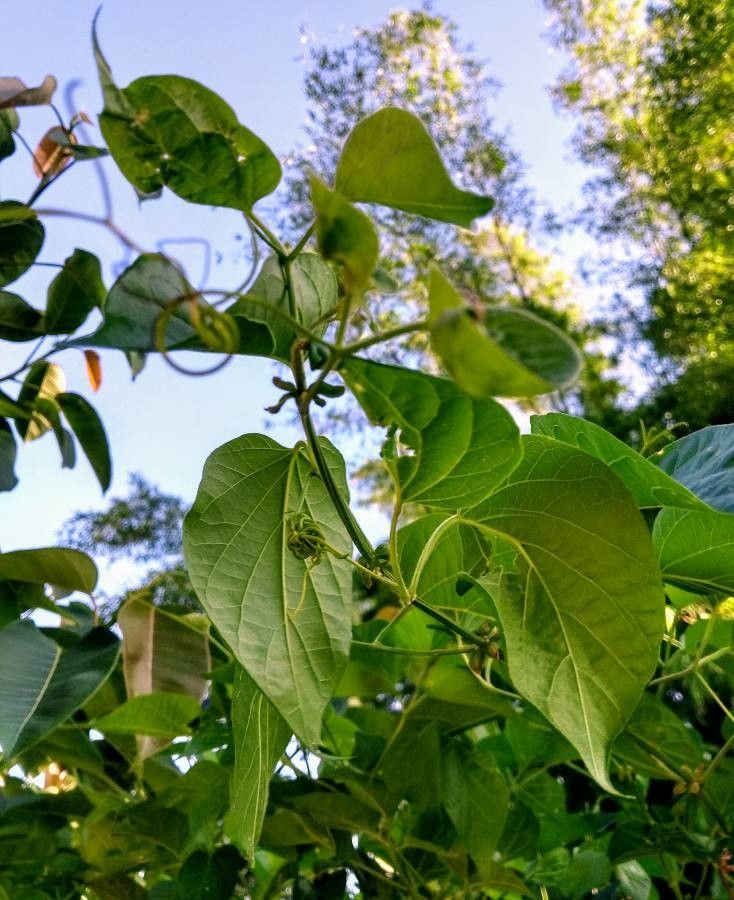
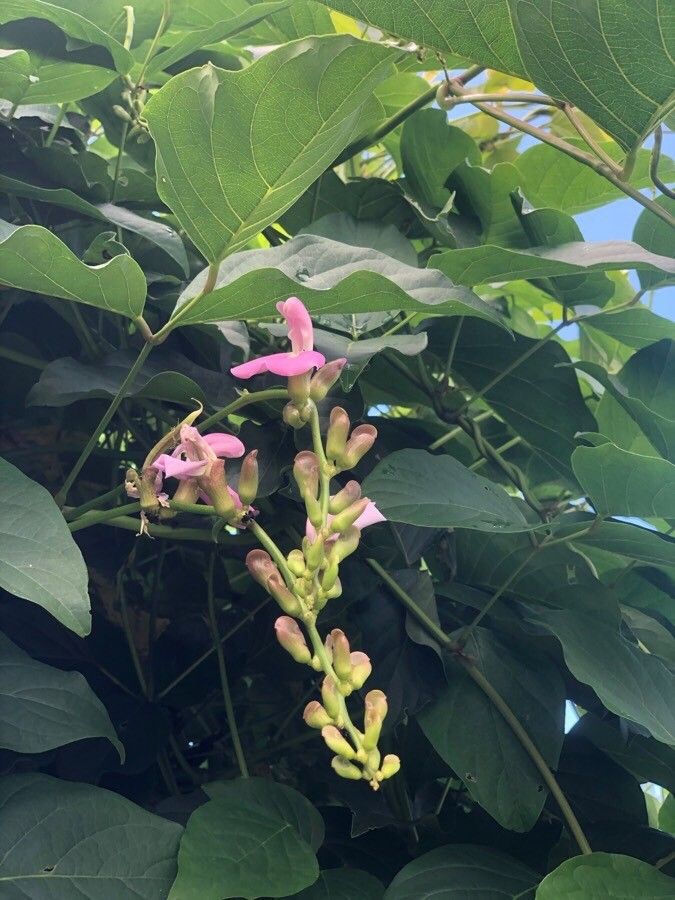
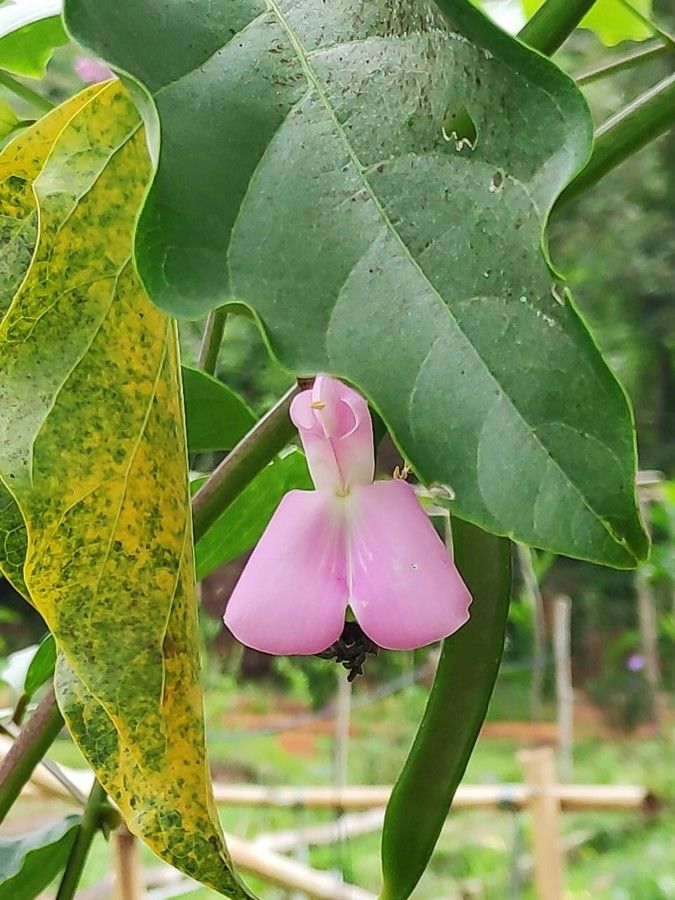
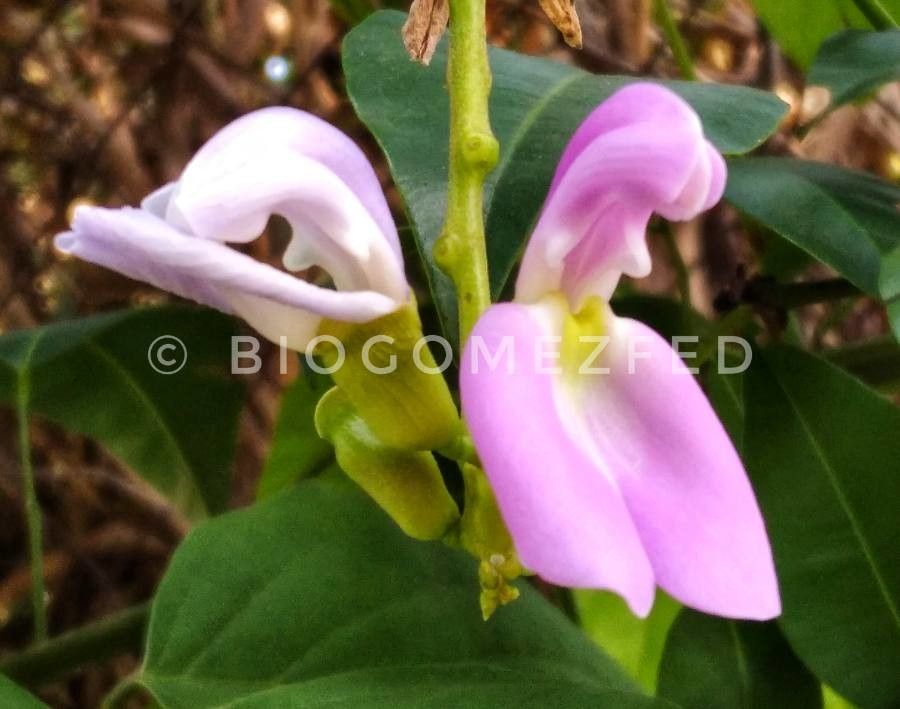
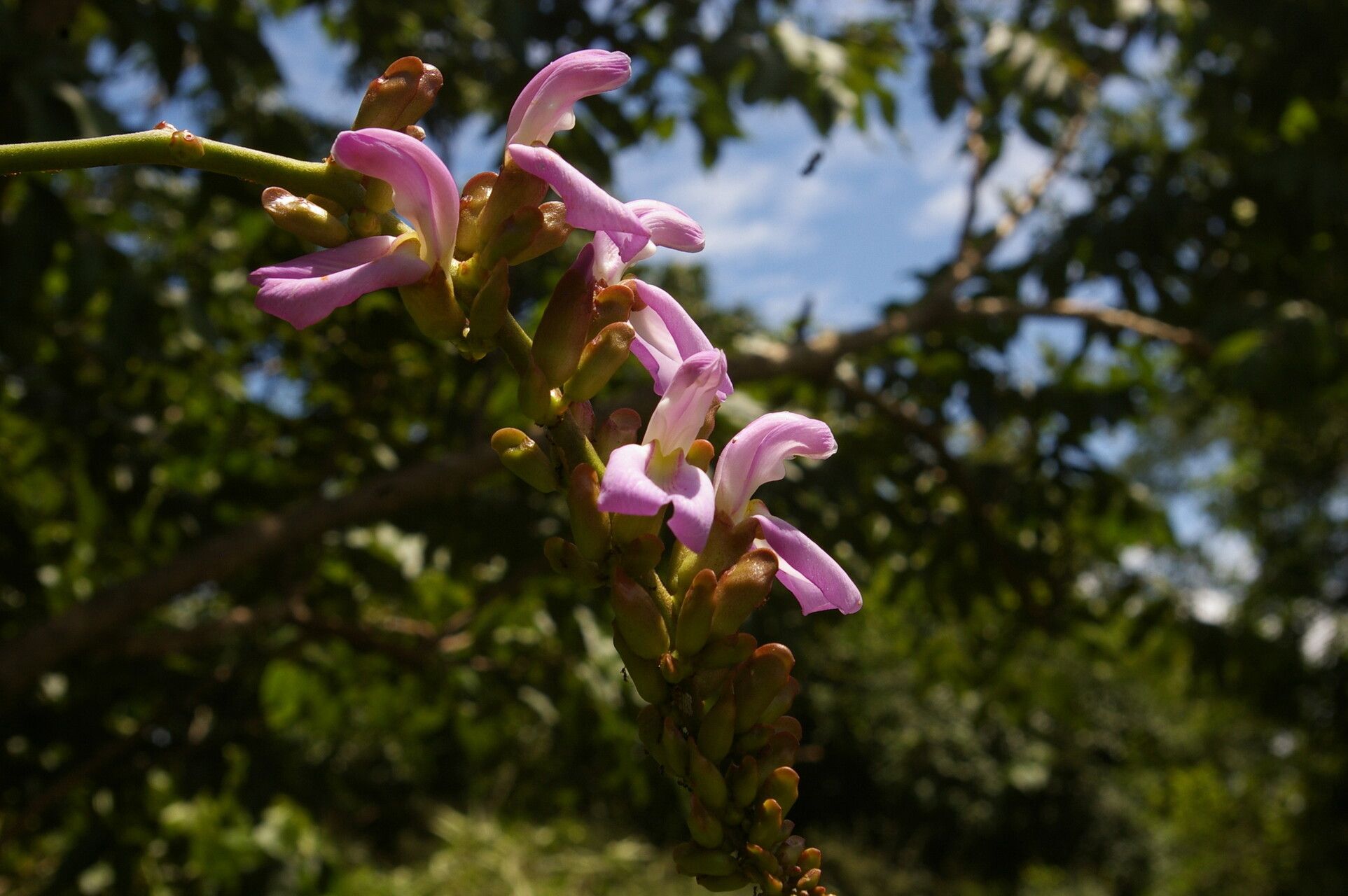
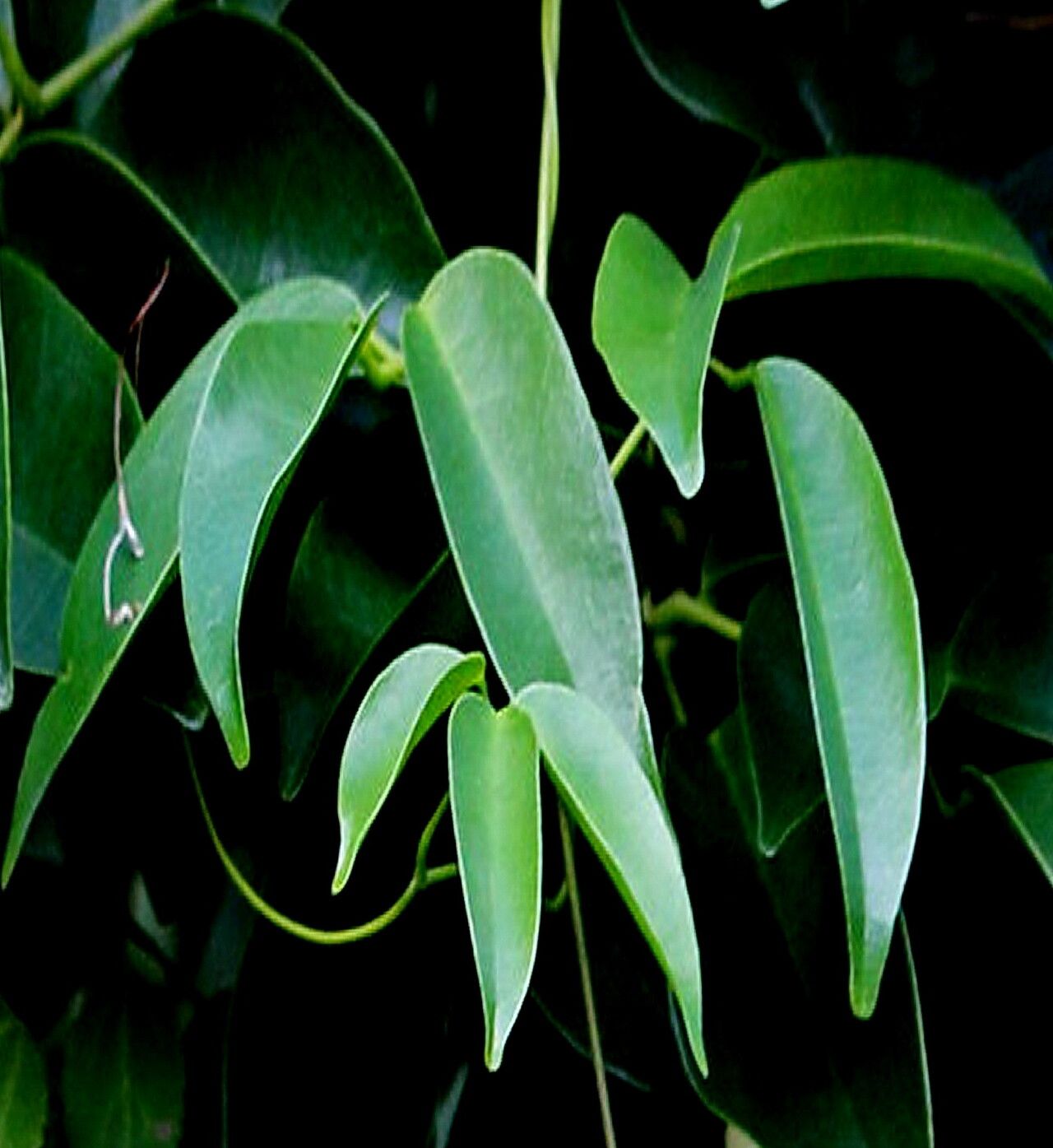
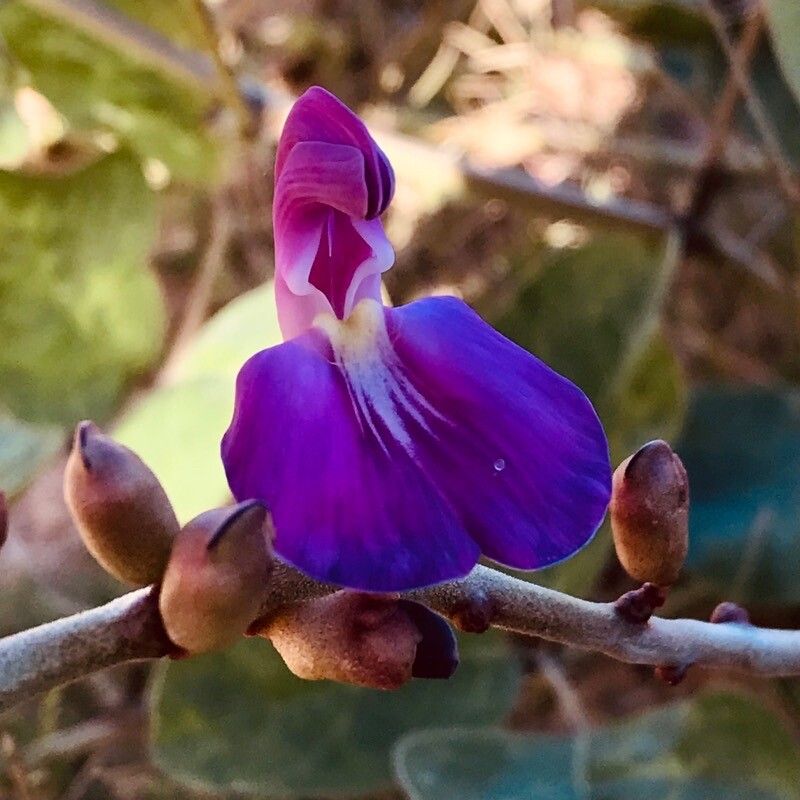
Canavalia gladiata, commonly known as sword bean or jack bean, is a legume that belongs to the Fabaceae family. Native to the tropical regions of Central and South America, it has been introduced and cultivated in many other parts of the world. The plant can grow up to 3 meters tall and features large leaves divided into three leaflets. Its flowers, which are either white or purple, grow in clusters on long stalks.
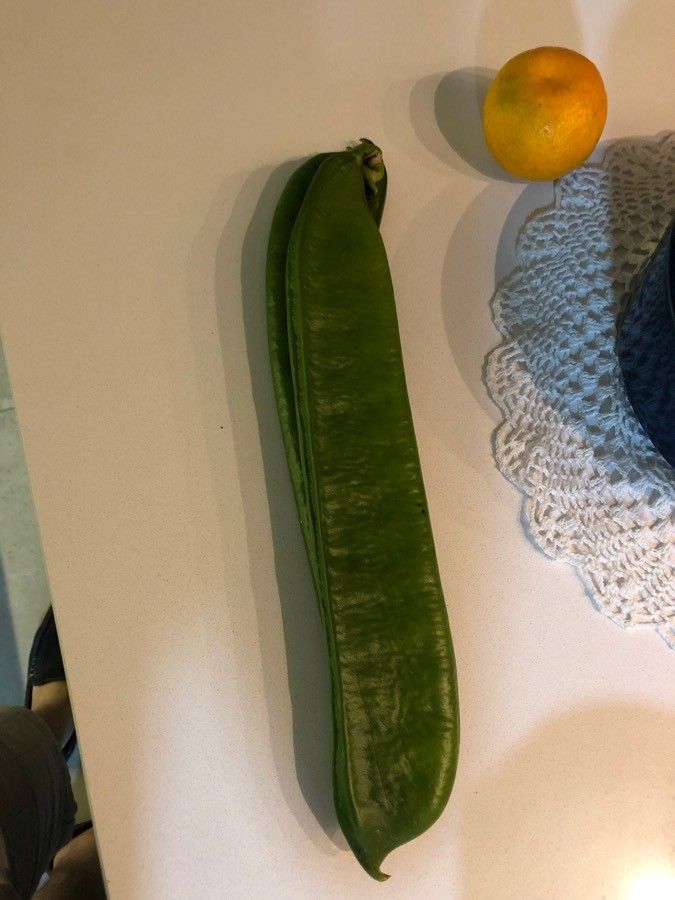
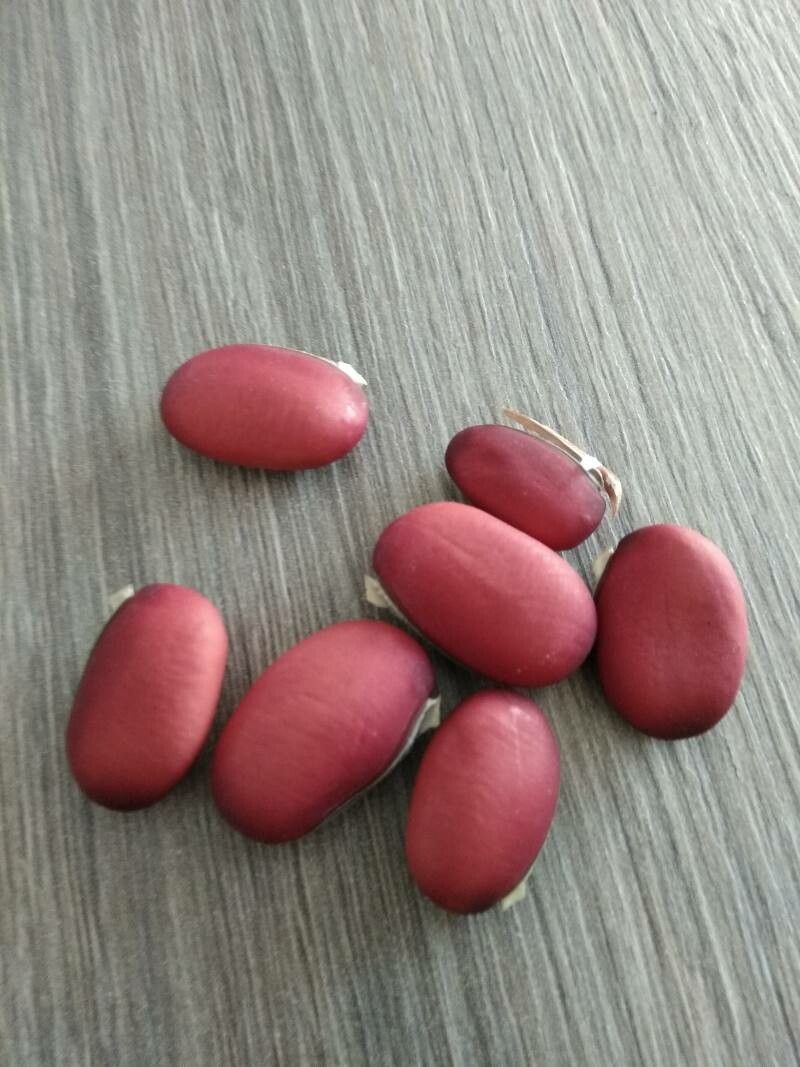
Sword bean produces long pods that can reach up to 60 cm in length, containing large seeds commonly used for food or animal feed. The seeds are high in protein, containing up to 30%, and are rich in essential amino acids such as lysine, tryptophan, methionine, and cysteine.
Additionally, the plant contributes to soil improvement due to its ability to fix nitrogen from the air into the soil through its root nodules. It is also known for its medicinal properties, offering anti-inflammatory effects for skin diseases.
Overall, Canavalia gladiata is an important crop due to its high nutritional value, which is particularly beneficial for food security in low-income communities where access to protein-rich foods may be limited.
Sword bean has moderate disease resistance but can be prone to ailments like leaf spot. Its vulnerability to insect pests differs by variety, though most varieties tend to be relatively susceptible to pests. Regarding care, Sword bean requires consistent watering and fertilizing, along with frequent removal of yellowing leaves. It is important to manage pests and diseases as they arise and to harvest the plant promptly. Sword bean is best suited for people who can commit some time and effort to regular maintenance.
How to keep Canavalia Gladiata.
Light
The sword bean does best with abundant light throughout the day. While it can tolerate reduced light for a time, a prolonged shortage can impede its growth. In its native habitat the plant is used to plenty of sun, but excessive exposure can still cause damage.
Water
Sword bean, a plant native to tropical regions, thrives best in humid environments with consistent moisture. While it can tolerate short dry spells, it requires regular watering each week to maintain healthy growth. As an outdoor plant, it also benefits from rainfall, which helps meet its hydration needs and supports its natural growing cycle.
Humidity
This plant will thrive in moderate humidity, which is probably the level in your home. However, misting it a few times a week can be very beneficial. Make sure the room has good ventilation.
Temperature
Sword bean is a plant that performs best in moderate to high temperatures, favoring a range of 68 to 100 °F (20 to 38 ℃). Native to warmer climates, it can readily adjust to seasonal temperature fluctuations when given proper care.
Fertilizer
To feed Sword bean, apply natural or commercial fertilizer high in nitrogen for leaf development, phosphorus for root growth and flowering, and potassium for photosynthesis and optimal fruit set. Plant in spring, enrich the soil with compost or manure, and fertilize seedlings once they reach a height of 2-4 inches. A deficiency of macronutrients causes slow growth, wilting, and reduced fruit quality.
Pruning
The sword bean is known for its large, sword-shaped pods and benefits from strategic pruning between early and late spring. To encourage growth and prevent pests, remove any dead branches to improve air circulation. After pruning, apply a balanced fertilizer to aid in the plant's recovery. For more detailed techniques, consult reliable gardening resources.
Botanical profile.
- Plant Type
- Herb, Vine
- Life Cycle
- Annual, Perennial
- Genus
- Canavalia
- Family
- Fabaceae
- Hardiness Zone
- 10-12
- Mature Height
- 10.06 m
- Mature Spread
- 30 cm
- Leaf Color
- Green, Dark Green
- Leaf Type
- Deciduous
- Flower Color
- Pink, Purple
- Flower Size
- 2.54 cm to 4.06 cm
- Bloom Time
- Summer, Early fall, Mid fall
- Planting Time
- Spring, Summer
- Harvest Time
- Late summer, Fall, Early winter
- Native Area
- India, Malaysia, Cambodia, Vietnam, Myanmar, Japan, Bhutan, Bangladesh, Laos, Thailand, China
Other names.
Reader questions.
What are the ideal temperature conditions for growing Sword bean?
Sword bean thrives in moderate to high temperatures, with an ideal range between 68 to 100°F (20 to 38°C). Originating from warmer climates, it adapts well to variations in seasonal temperatures if properly cared for. During winter, it's beneficial to maintain temperatures above 20°C, ensuring that the plant is protected from freezing by keeping the minimum temperature above the freezing point. In regions where outdoor temperatures fall close to -5°C (25°F) in winter, it is advisable to bring Sword bean plants indoors or provide protection with a temporary greenhouse or by wrapping the plant in plastic film or fabric.
How does the Sword bean plant react to low temperatures?
Sword bean has a moderate tolerance to low temperatures and thrives best between 20°C and 38°C. During the winter months, it is important to keep the temperature above 5°C to protect the plant. Exposure to temperatures below 1°C can lead to symptoms such as the darkening of leaves, and in severe cases, water-soaked necrosis, wilting, drooping, with leaves gradually turning brown. To manage frost damage, trim away the affected parts and move the plant to a warmer indoor environment or a makeshift greenhouse. Positioning the plant near a south-facing window ensures ample sunlight, or you can use supplemental lighting if natural light is insufficient.
What should be done if the Sword bean plant is exposed to high temperatures?
During summer, it's crucial to keep Sword bean plants in temperatures below 38°C. When exposed to temperatures above 43°C, the plant's growth slows, leaves may lighten in color, and the plant becomes more susceptible to sunburn. To recover from sunburn, trim away sunburned and dried-up parts of the plant. Relocate the plant to a shaded area, particularly to avoid the afternoon sun. Ensure the soil remains moist by watering the plant in the morning and evening.