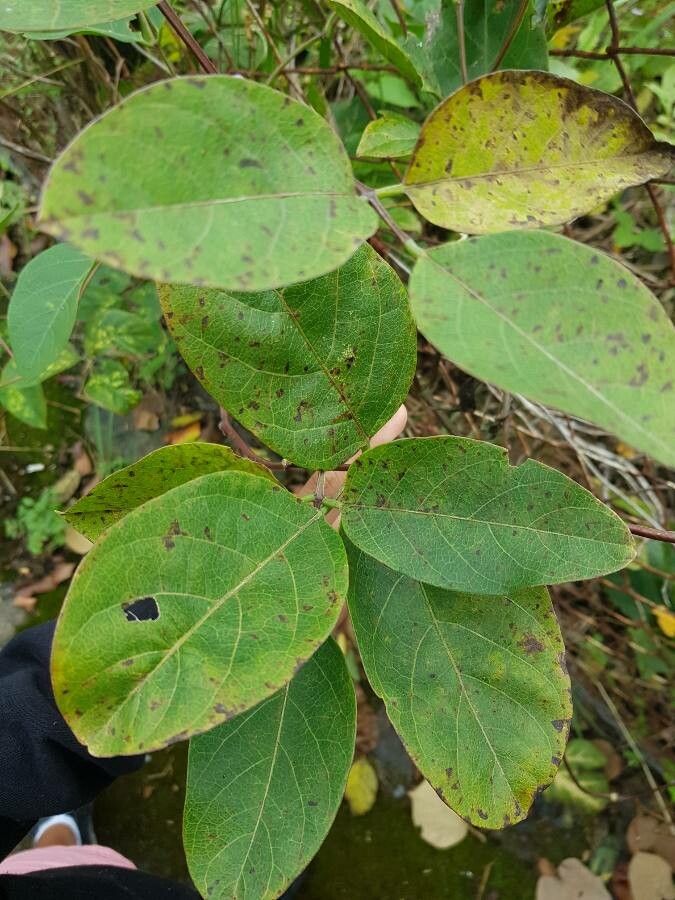
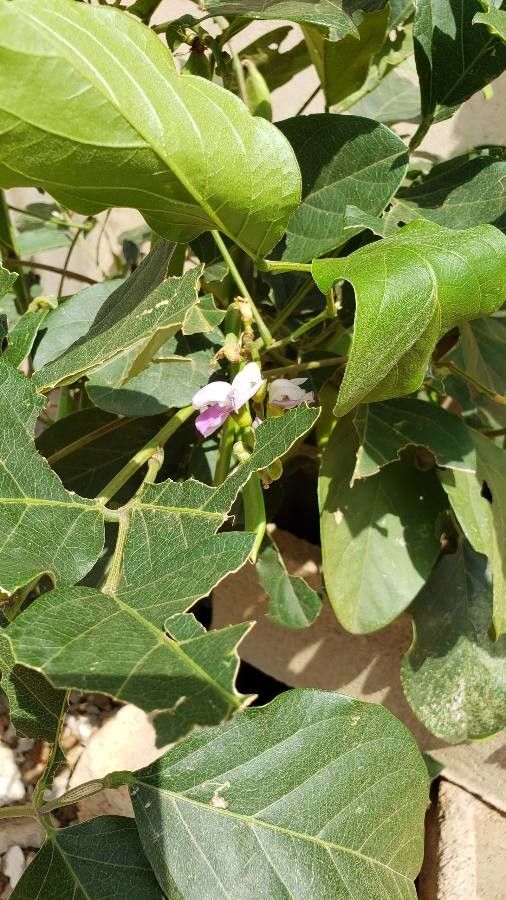
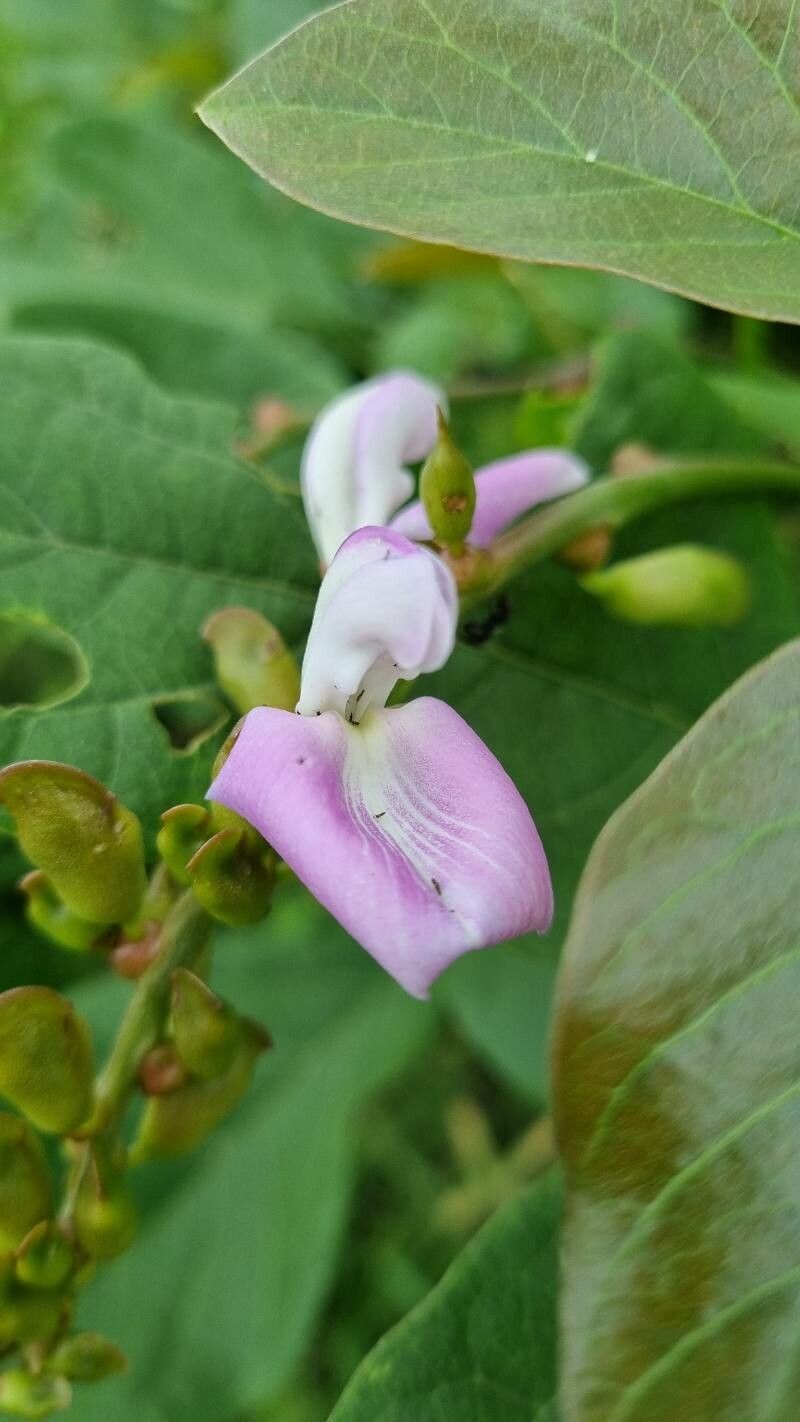
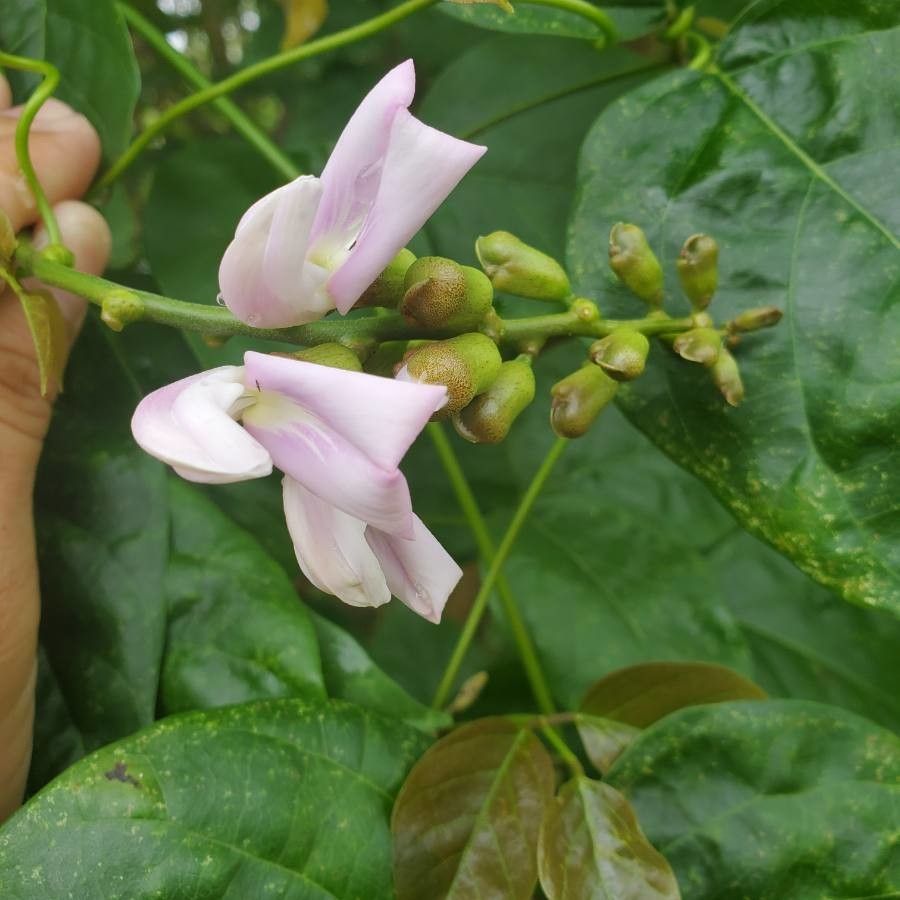
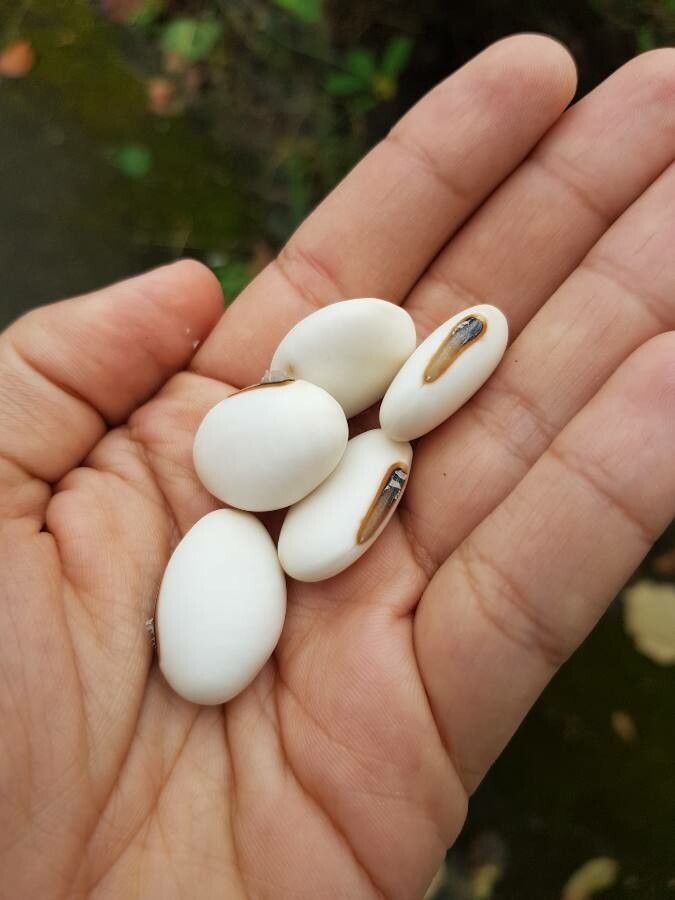
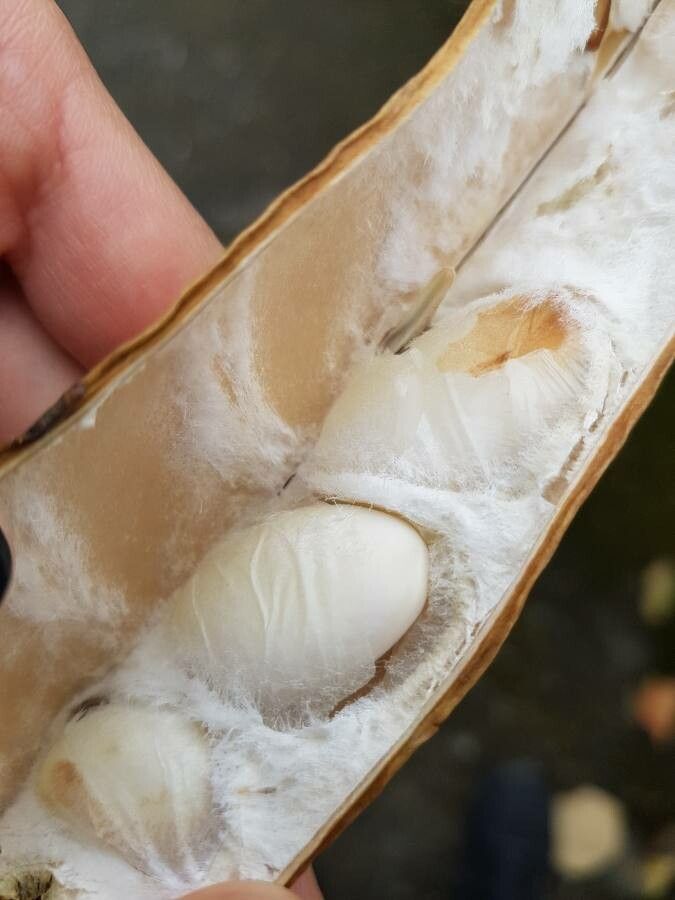
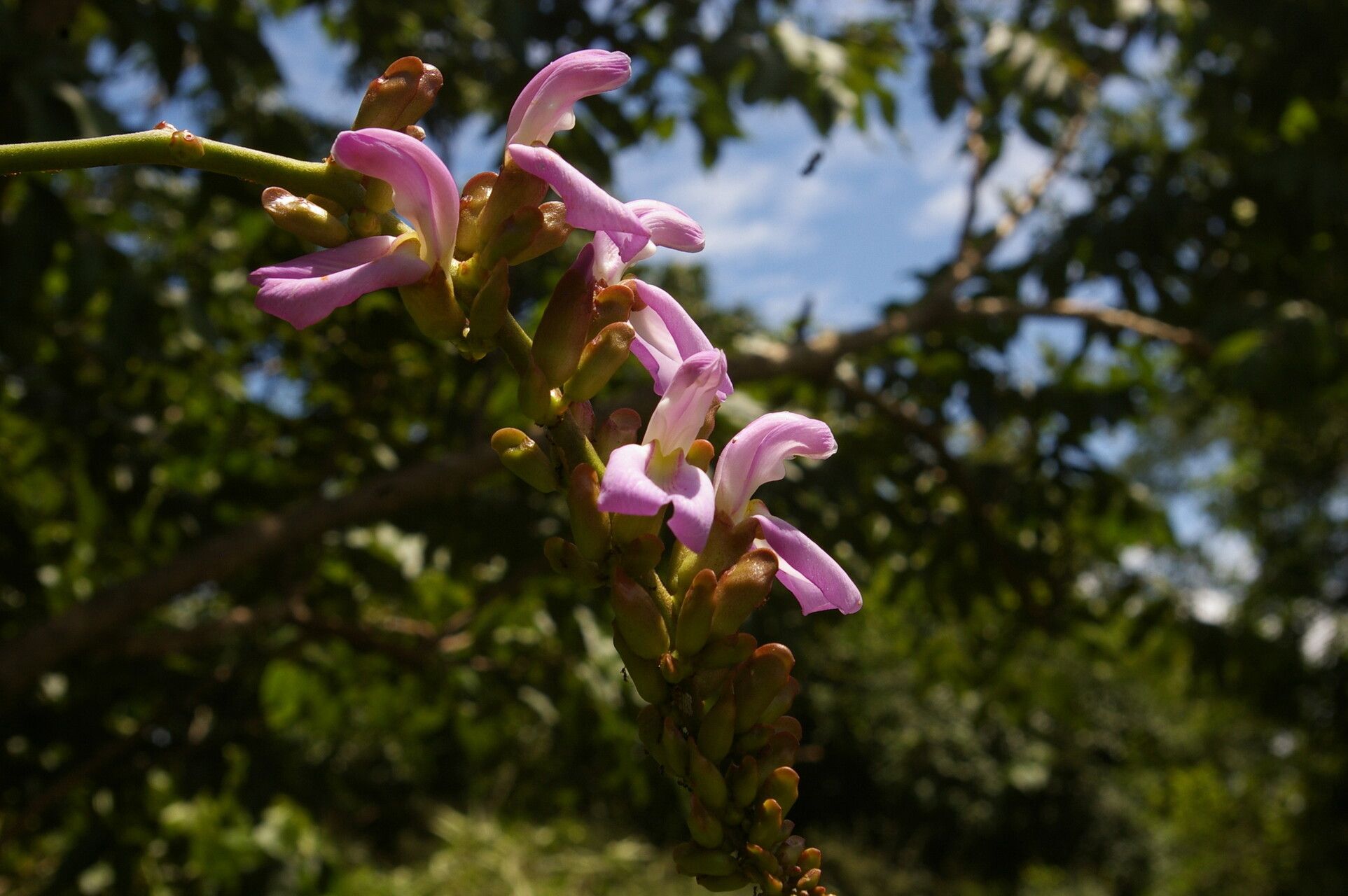
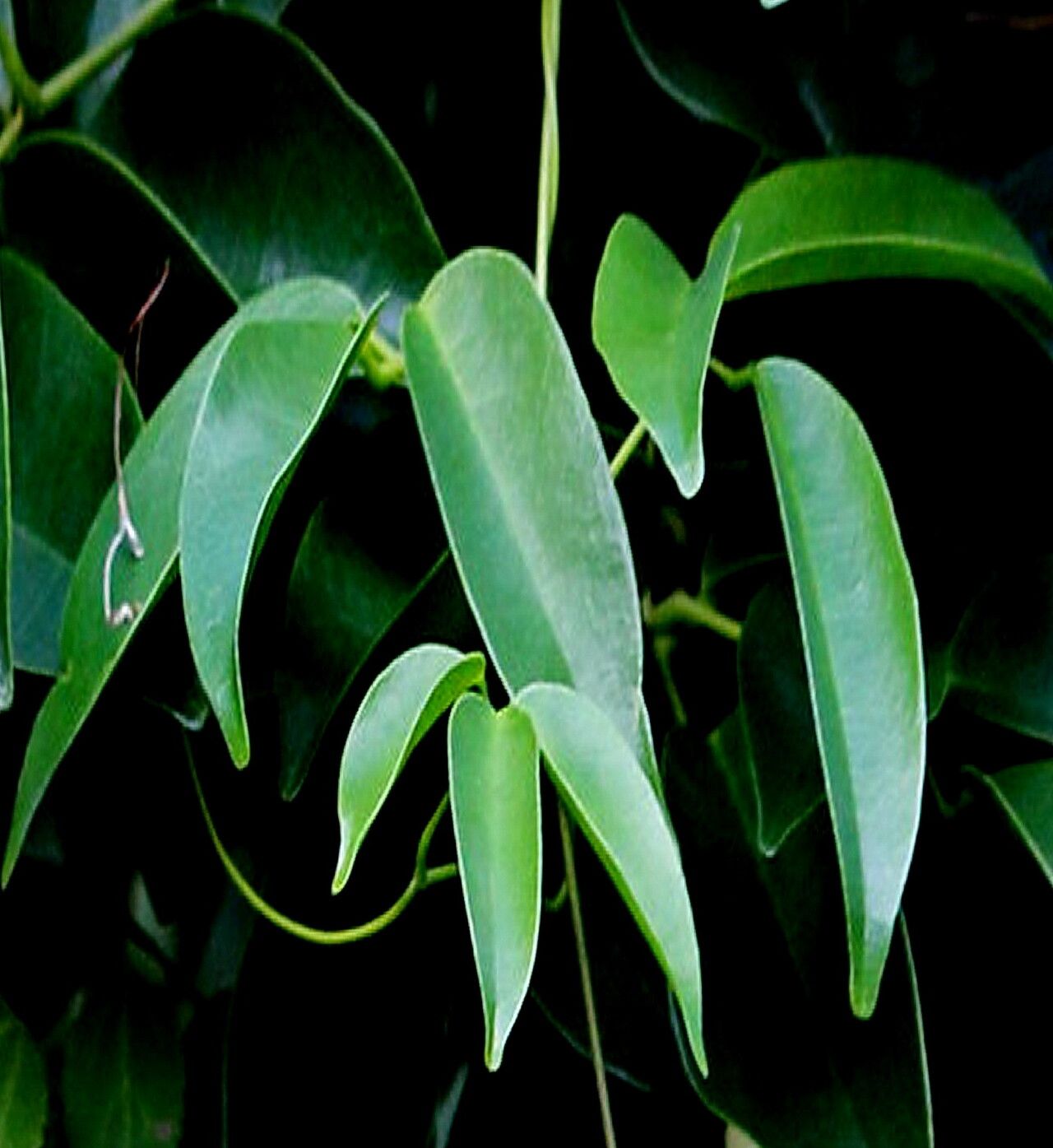
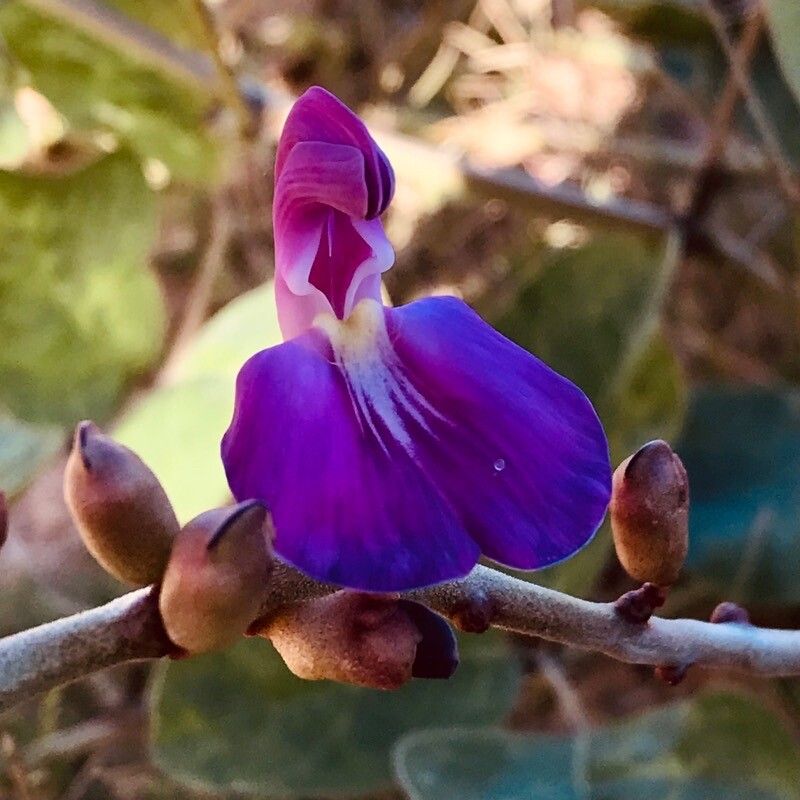
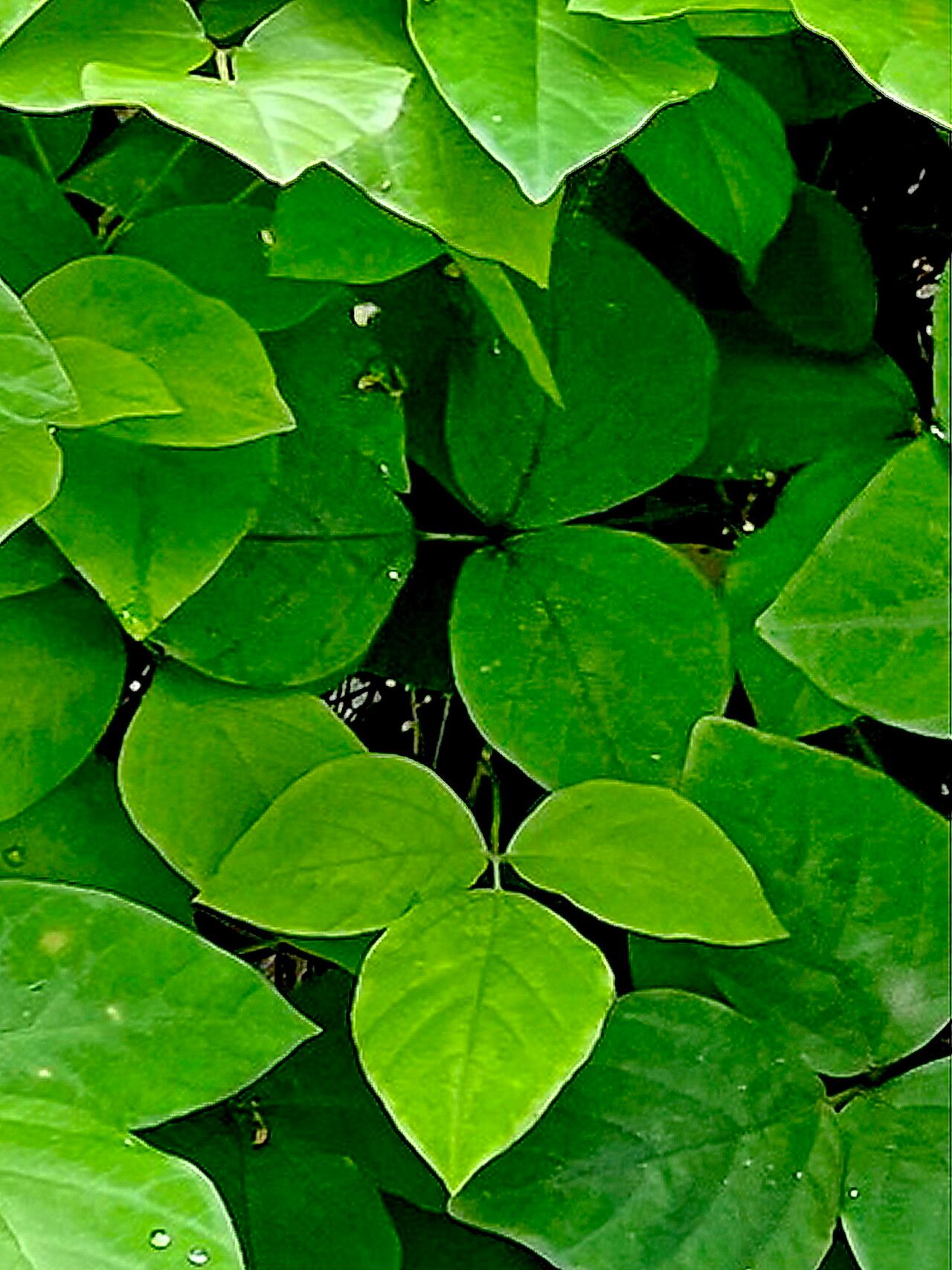
Canavalia ensiformis, commonly known as jack bean, is a leguminous plant in the Fabaceae family. Native to the tropical regions of Central and South America, it has been introduced and cultivated worldwide. This plant can grow up to 2 meters tall and features large, trifoliate leaves with ovate leaflets.
Jack bean is a valuable crop for both food and feed. Its seeds are protein-rich, containing up to 30% protein, and can serve as a substitute for soybean meal in animal feed formulations. Additionally, they are suitable for human consumption after proper cooking or processing.
Beyond its nutritional value, jack bean offers several other benefits. It improves soil quality by fixing atmospheric nitrogen into the soil, controls erosion with its deep root system, and enhances soil fertility when used as green manure in cover cropping or intercropping systems.
The plant thrives in warm temperatures above 20°C and requires moderate rainfall for optimal growth, although it can withstand drought once established. It is relatively easy to cultivate from seed and demands minimal maintenance once settled.
Overall, Canavalia ensiformis, or jack bean, is a versatile legume that provides multiple advantages, including food production, animal feed, and soil improvement. Its diverse benefits make it an important agricultural commodity worldwide.
Chickasaw is fairly disease-resistant and generally does not suffer from many illnesses. However, it can be vulnerable to pests and diseases present in its environment. These problems are typically not severe. For care, this plant requires moderate maintenance. It should be pruned regularly to keep a tidy appearance and encourage healthy growth. Fertilizing can also help stimulate flowering. Chickasaw is suitable for anyone who has outdoor space, such as a garden or patio, and does not demand extensive care experience. It may need more attention when grown indoors.
How to keep Canavalia Ensiformis.
Light
The chickasaw, native to sunny habitats, needs a location with plenty of light throughout the day to grow healthily. Insufficient light can lead to poor stature and fading foliage. Excessive exposure does not harm it.
Water
Chickasaw plants, native to tropical environments, thrive in warm, humid conditions with consistent moisture. To maintain the health of your chickasaw, water it weekly to keep the soil evenly moist. During dry spells, increase the frequency of watering to support its lush foliage, especially if it is grown in an outdoor garden.
Temperature
Chickasaw originates from a tropical environment and prefers temperatures of 68 to 95°F (20 to 35 ℃). In colder climates, seasonal measures to mimic this warmth should be considered.
Fertilizer
The best time to fertilize a Chickasaw is in early spring, as it comes out of dormancy and begins active growth. Fertilizing supplies essential nutrients for healthy growth. Although the Chickasaw has relatively low fertilizer requirements, applying fertilizer annually can improve its survival and encourage better, longer-lasting flowers.
Pruning
The Chickasaw is appreciated for both ornamental and agricultural uses. For the best results, prune it in early spring. This encourages healthy growth, improves air circulation, and enhances flowering. Regular pruning also helps reduce the risk of disease and maintain the plant's structure. Be sure to consider local climate variations to determine the optimal timing for pruning.
Botanical profile.
- Plant Type
- Herb, Vine
- Life Cycle
- Perennial, Annual
- Genus
- Canavalia
- Family
- Fabaceae
- Hardiness Zone
- 9
- Mature Height
- 0.91 m to 2.13 m
- Mature Spread
- 40 cm to 49 cm
- Leaf Type
- Deciduous
- Flower Color
- White, Pink
- Flower Size
- 2.03 cm to 3.05 cm
- Bloom Time
- Summer, Early fall, Mid fall
- Planting Time
- Spring, Summer, Autumn
- Harvest Time
- Late summer, Fall, Early winter
- Native Area
- Malaysia, Indonesia, Cambodia, Mexico, Ecuador, Dominican Republic
Other names.
Reader questions.
What are the sunlight requirements for Chickasaw?
Chickasaw plants flourish in full sunlight, requiring more than 6 hours of sunlight daily to ensure healthy growth. It's important to observe sunlight patterns in your garden carefully, opting for locations that offer a balanced combination of light and shade. This careful placement supports the well-being of your plants, ensuring they thrive.
What is the ideal temperature range for Chickasaw?
Chickasaw thrives best in a tropical environment, with ideal temperature preferences ranging from 68°F to 95°F (20°C to 35°C). It's native to conditions where seasonal warmth is consistent, and in colder climates, it will require seasonal adjustments to replicate this level of warmth. Although Chickasaw possesses some degree of cold tolerance, it generally doesn't need special measures if the temperature remains above 0°C.
What are some key essentials for growing Chickasaw?
Originating from sunny habitats, Chickasaw demands areas with plentiful light for the majority of the day to sustain healthy growth. Without adequate sunlight, the plant might exhibit stunted growth and a decline in foliage vibrance. Interestingly, Chickasaw tolerates excessive light without adverse consequences. For indoor cultivation, especially under low light conditions in winter or darker areas, artificial lighting serves as a beneficial alternative, ensuring optimal growth. LED lights are recommended for their efficiency and the ability to simulate natural sunlight conditions, with different wattages suggested based on the plant's sunlight needs.
What should I do to protect Chickasaw when temperatures drop below freezing?
When temperatures are expected to drop below 0°C, Chickasaw requires temporary cold protection measures to prevent damage. This can involve wrapping the plant with plastic film, fabric, or other insulating materials to shield it from the cold. It's crucial, however, to remove these protective measures once the temperature rises again, ensuring the plant is not unnecessarily encased.
What are common symptoms of insufficient light in Chickasaw, and how can they be addressed?
When Chickasaw is deprived of sufficient light, several symptoms may arise including smaller new leaves, leggy growth, premature leaf drop, halted growth, lighter-colored new leaves, chlorosis, sunscald, leaf curling, wilting, and leaf scorching. To combat these issues, gradually increase the plant's exposure to sunlight, aiming for at least 6 hours daily. For indoor plants, either move them to a sunnier spot progressively each week or utilize artificial lighting, like desk or grow lights, for at least 8 hours a day. Outdoors, ensure plants are placed in optimal sunlight and avoid sudden changes in light exposure to prevent sunburn. If necessary, reduce any obstructions to sunlight and consider transplanting smaller plants to more sunlit locations.
How does Chickasaw react to low temperatures and how can I care for it in cold conditions?
Chickasaw has a moderate tolerance to low temperatures, performing best when the temperature is above 20°C, and it should be kept above 0°C during winter. Exposure to temperatures below -5°C may cause the leaves to droop, and in severe cases, leaves will wilt and fall off. Recovery is possible for mild frost damage by trimming off the frost-damaged parts. For future cold events, wrap the plant with insulating material, such as non-woven fabric or cloth, and erect a wind barrier to protect it from cold winds.
What precautions should be taken for Chickasaw in high temperatures?
During summer, it's important to ensure Chickasaw's temperature does not exceed 35°C. High temperatures, especially beyond 38°C, can lead to lighter leaf color, dry and withered leaf tips, curled leaves, and increased susceptibility to sunburn. To mitigate these issues, trim away the damaged parts of the plant, move it to a shaded location away from direct midday and afternoon sun, or use a shade cloth. Additionally, watering the plant in the morning and evening helps keep the soil moist and supports the plant's wellbeing in high temperatures.