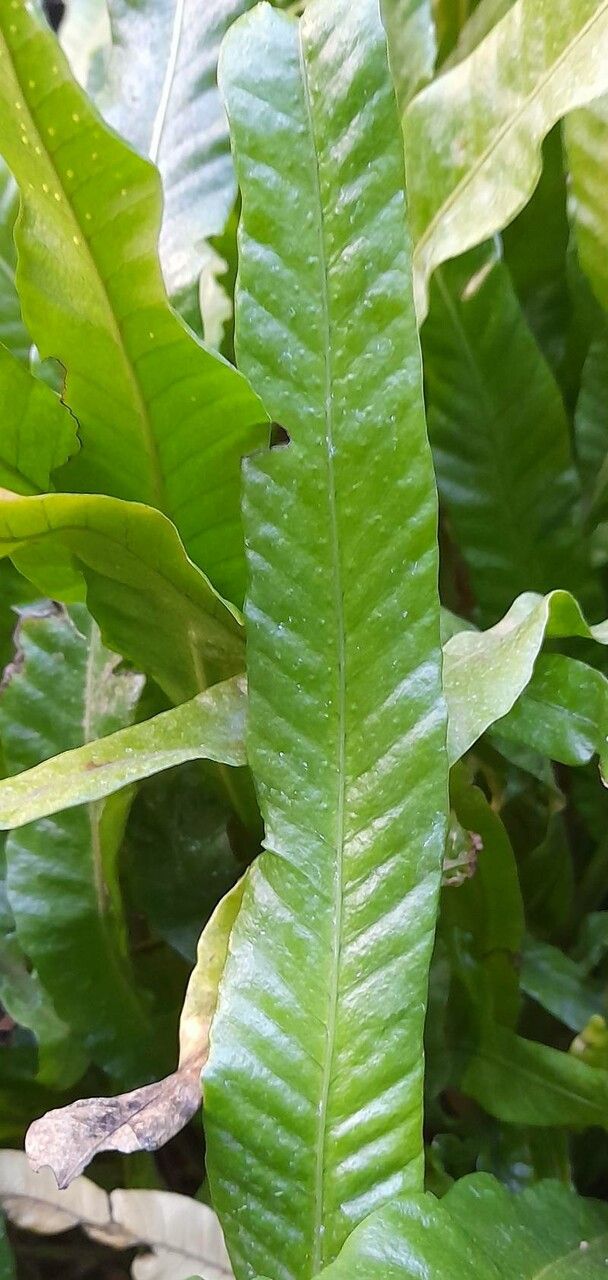
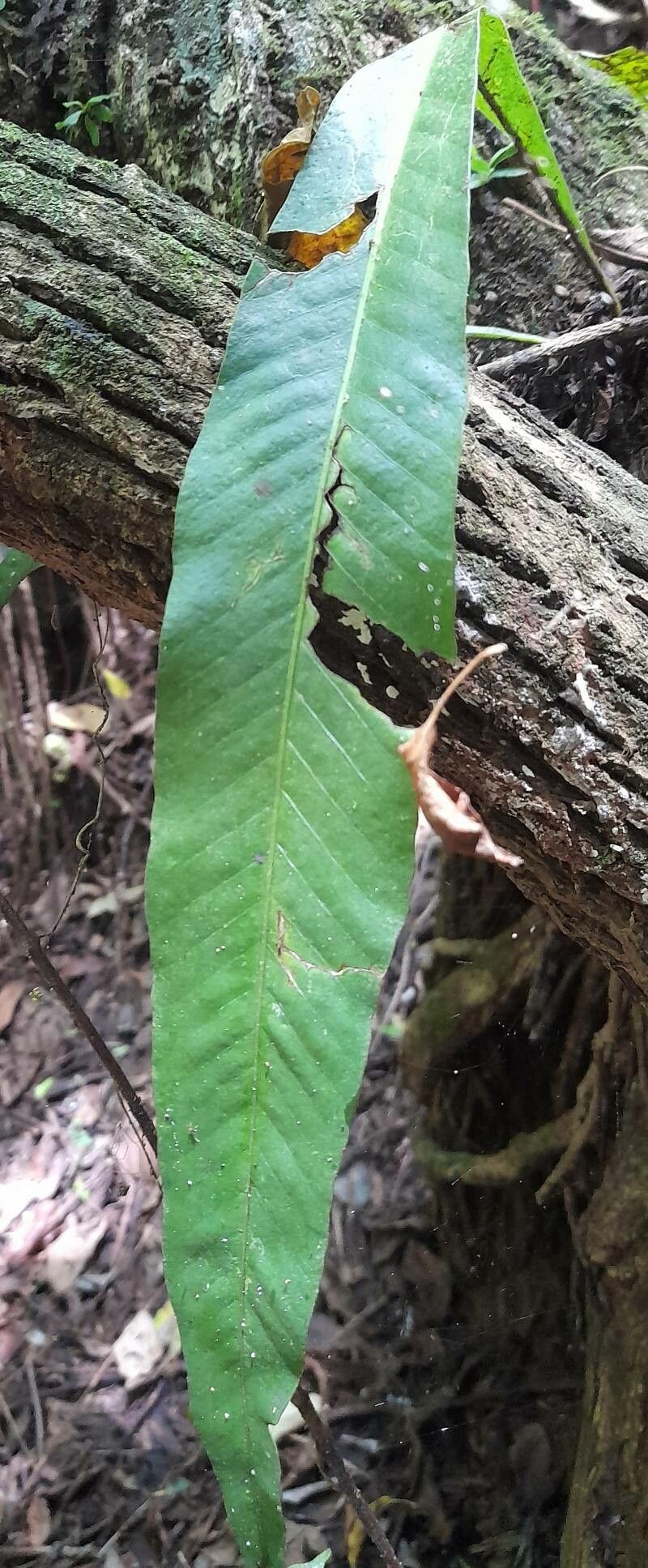
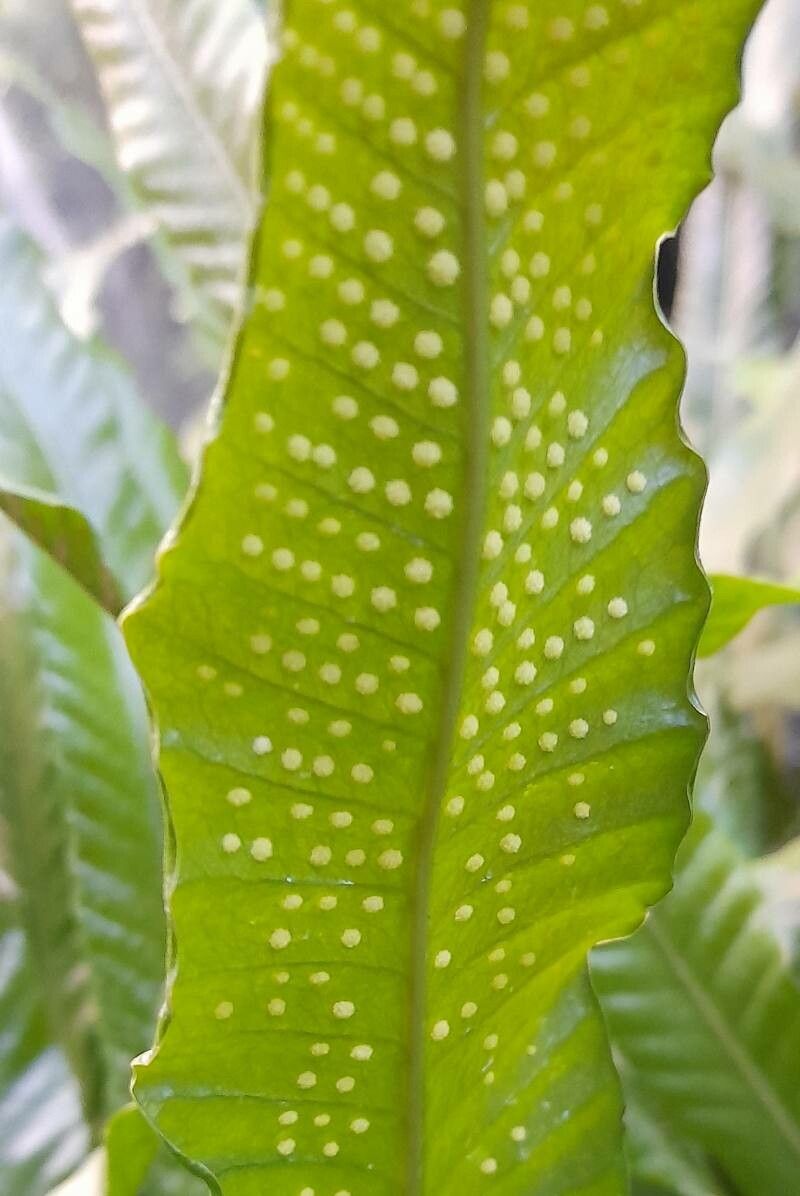
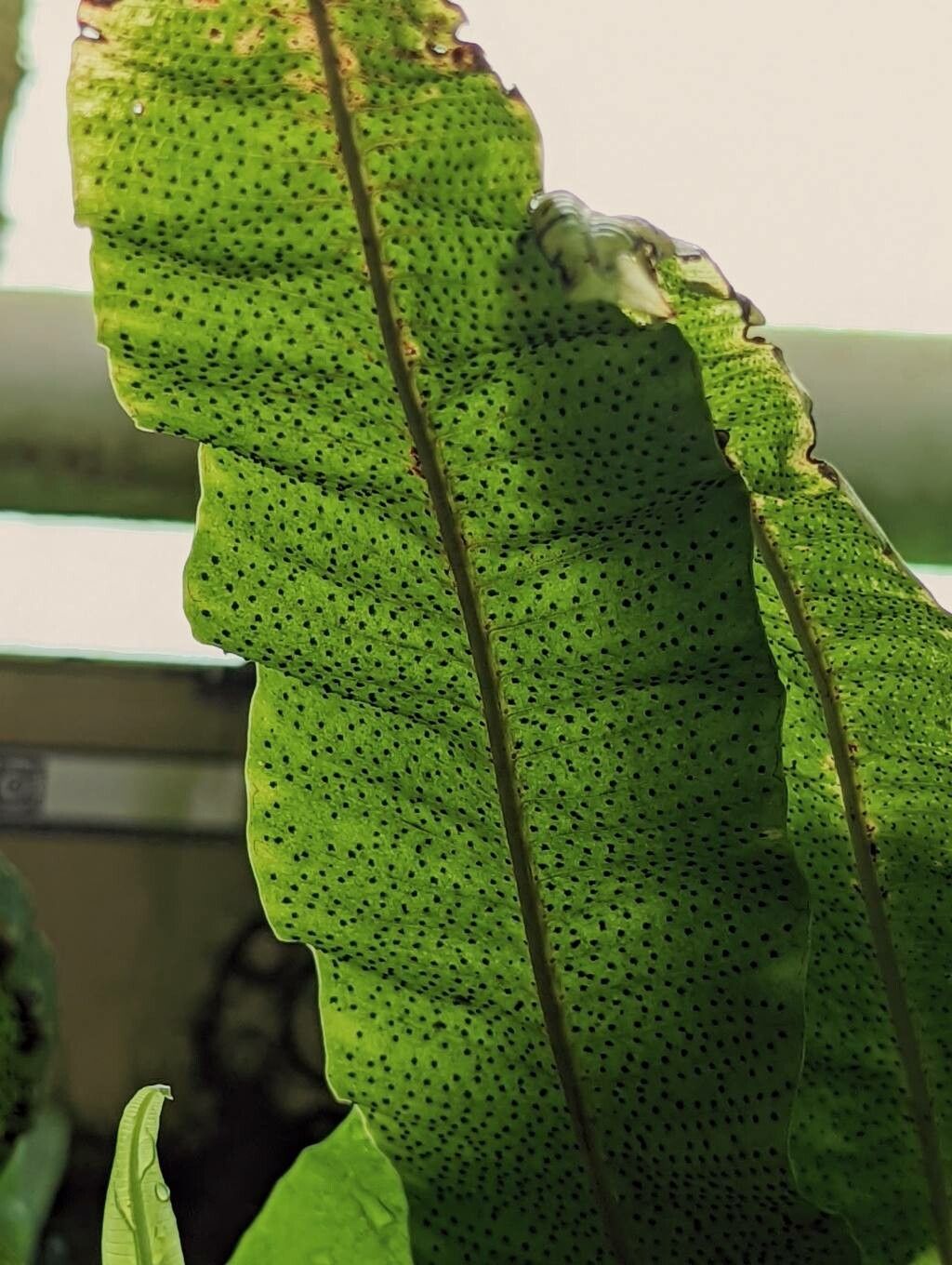
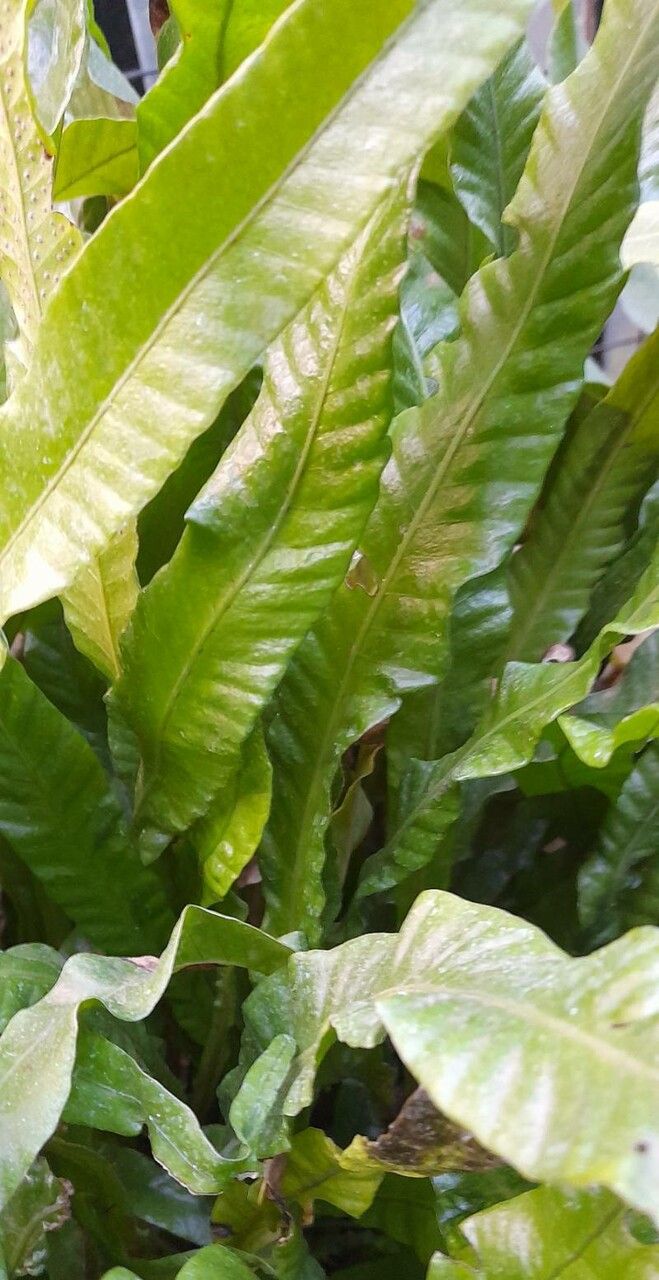
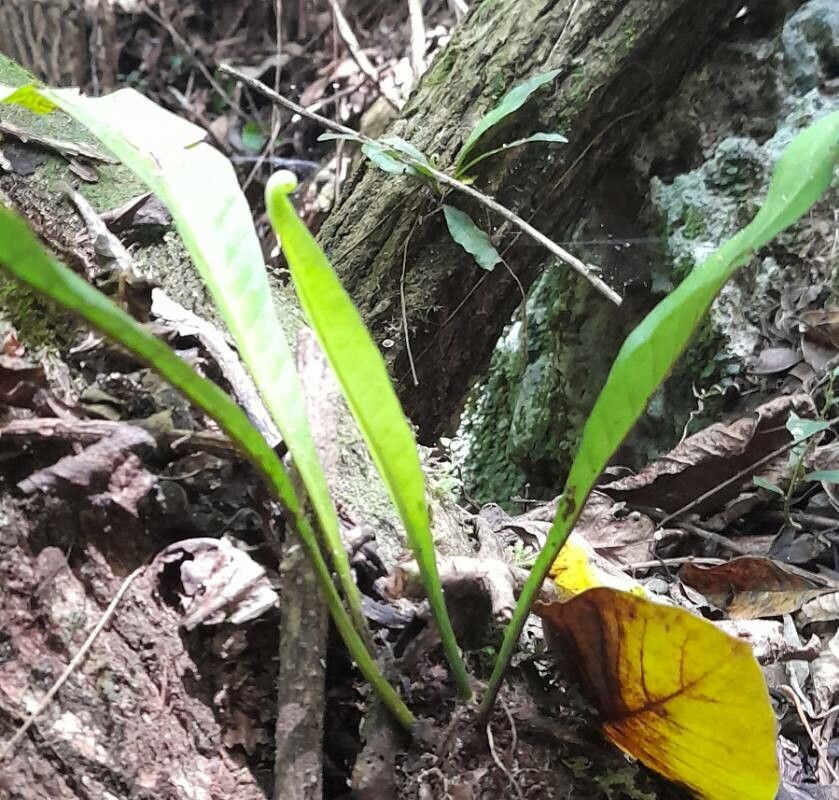
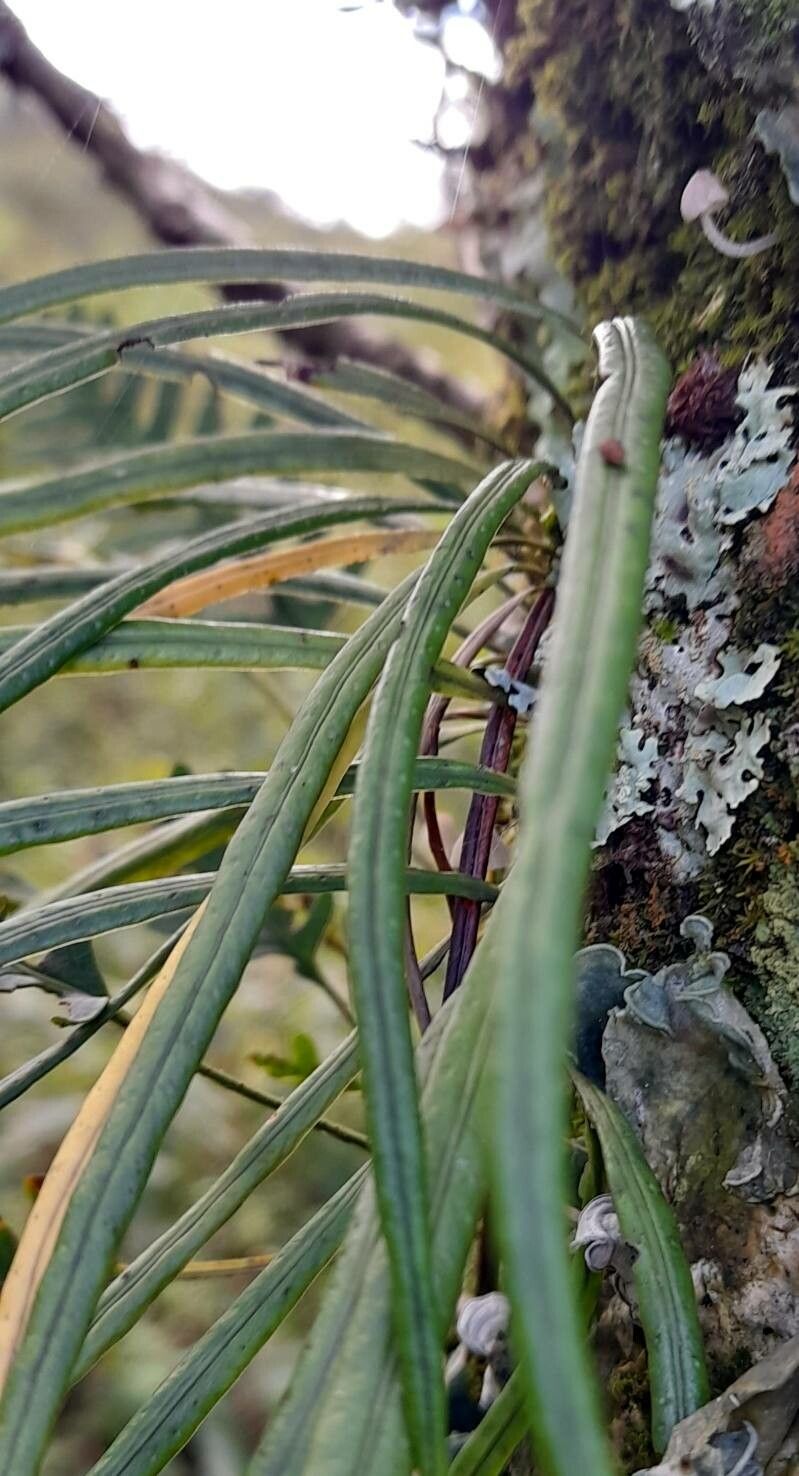
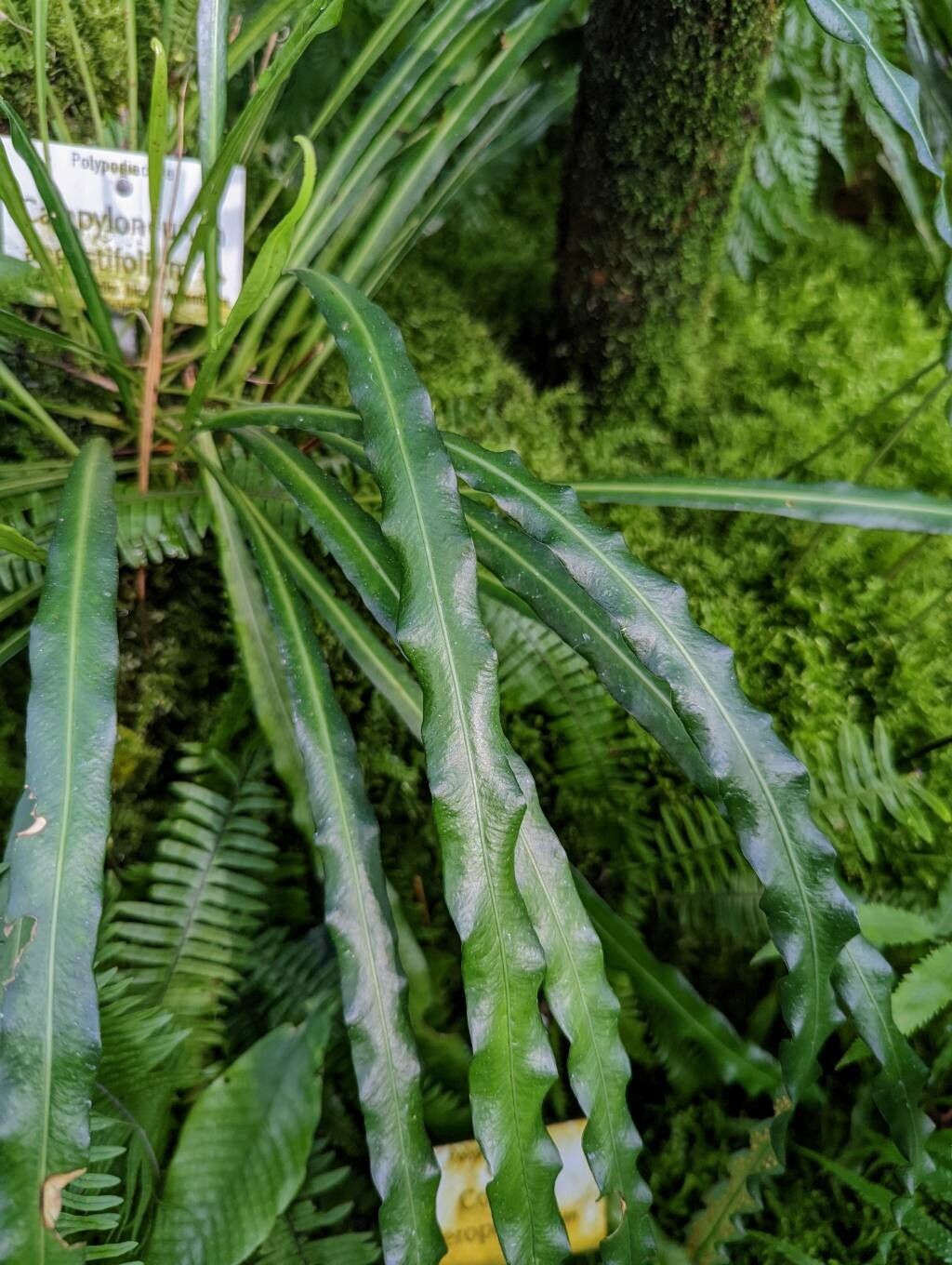
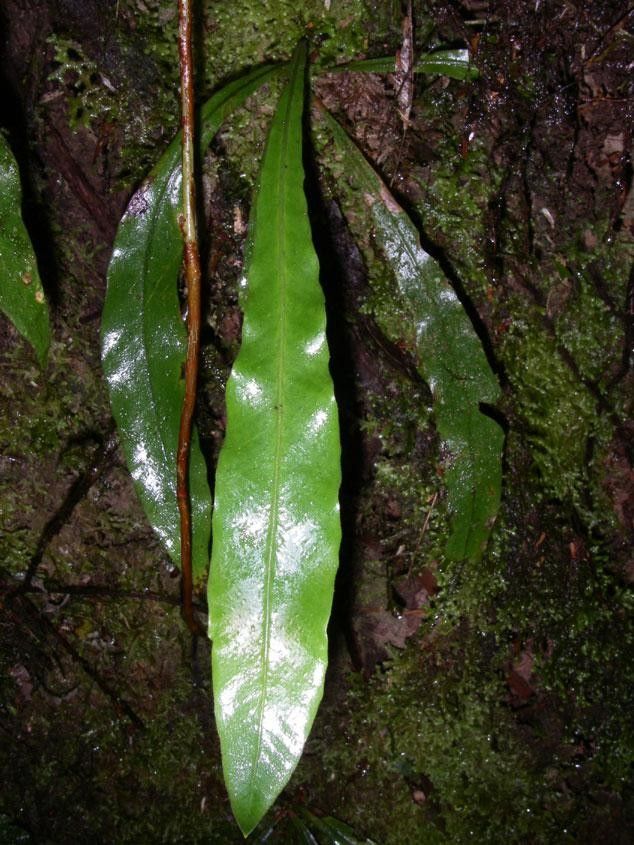
Campyloneurum phyllitidis, commonly known as the long strap fern, is a species of fern in the family Polypodiaceae.
The long strap fern is fairly disease-resistant and typically does not suffer from illnesses. Still, it can be affected by pests and pathogens present in its environment. Such infections are generally mild. In terms of care, the plant requires a moderate level of maintenance. Regular pruning is needed to preserve a neat appearance and encourage healthy growth. Fertilizing can also help stimulate flowering. The long strap fern is suitable for anyone with outdoor space, like a garden or patio, and does not demand extensive experience in plant care. It may need more attentive care when grown indoors.
How to keep Campyloneurum Phyllitidis.
Light
Long strap fern grows best in moderate light and can also tolerate shaded conditions. It comes from habitats with filtered light, which increases its adaptability. Its essential growth stages are not affected by different light intensities. However, too much light can burn the leaves, while too little light may slow its growth.
Water
The long strap fern, native to tropical rainforests, thrives in high humidity and prefers soil that is evenly moist but well-drained. To maintain the right moisture levels, it should be watered weekly. Often grown indoors, this fern requires stable conditions that mimic its natural habitat, prioritizing ambient moisture over direct watering.
Temperature
Long strap fern originates from habitats where temperatures range from 68 to 95 °F (20 to 35 °C). It does best within that temperature band. When seasons change, it is recommended to keep indoor conditions near its natural warmth.
Fertilizer
Usually one fertilizer application in spring is enough for the Long strap fern, though repeated feedings can optimize growth. Feed every month to every month and a half. Fertilizing improves the leaves' appearance and function, maintaining even color and a healthy texture. It also encourages root development and nutrient uptake for the plant's long-term health.
Pruning
The long strap fern has elongated, strap-like fronds and requires minimal pruning. To maintain its health, trim any dead or damaged fronds from early to late spring, making sure to use clean cuts that help prevent fungal infections. Regular pruning not only improves air circulation but also enhances the plant's appearance. Always use sterilized tools to prevent the spread of diseases.
Pot & Repot
Repot the long strap fern every 2 to 3 years during the spring. Use a shallow, wide container for best results. After repotting, place the fern in a location with bright, indirect light and maintain high humidity around it. For optimal growth, use a well-draining, nutrient-rich potting mix to support healthy fronds and rhizomes.
Botanical profile.
- Plant Type
- Herb
- Life Cycle
- Perennial
- Genus
- Campyloneurum
- Family
- Polypodiaceae
- Hardiness Zone
- 9-10
- Mature Height
- 61 cm
- Mature Spread
- 61 cm
- Leaf Color
- Dark Green
- Leaf Type
- Evergreen
- Flower Size
- 0.51 cm
- Planting Time
- Spring, Summer, Autumn
- Native Area
- Belize, Honduras, Mexico, Guatemala, Peru, Dominican Republic, Panama, Jamaica, Colombia, Bahamas, Cuba, Haiti, Bolivia, Venezuela, Brazil, Guyana, El Salvador, Nicaragua, Ecuador, Suriname, Costa Rica
Other names.
Reader questions.
How should I water my Long strap fern?
To properly water the Long strap fern, follow these guidelines: 1. Use filtered water at room temperature. Tap water may contain harmful particles that can affect the plant's health. 2. It is important for the water to be at room temperature or slightly warmer. The Long strap fern is accustomed to a warm environment, and cold water can shock its system. 3. Avoid overhead watering to prevent issues with the foliage. 4. Instead, apply the filtered room temperature water directly to the soil until it is completely soaked. 5. Soaking the soil is highly beneficial for the plant as it helps moisten the roots and enables them to extend and acquire necessary nutrients.
Why is it necessary to fertilize my Long strap fern?
The main structure of the Long strap fern is made up of its leaves. Fertilization is a crucial way to make sure these leaves look great and function well. By fertilizing properly, you can ensure that the leaves have a consistent color and a healthy texture. Fertilization also benefits the fern's root system by promoting the growth of new roots and maintaining existing ones. This not only keeps your plant healthy in the present, but it also helps the fern absorb nutrients from the soil more effectively in the future.
What kind of sunlight does the Long strap fern require?
Long strap ferns thrive indoors with full, indirect sunlight. This means exposing the plant to bright sunlight that doesn't directly hit it from a window or light source. To protect it from direct sunlight, you can use a sheer curtain or position it behind a window with a dark screen.
What temperature is best for the Long strap fern?
Plants are affected by colder temperatures because they match the temperature of the air around them. When they are in sunlight, they can warm up, but this doesn't happen in winter. The Long strap fern thrives in temperatures ranging from 70~85℉(21~30℃). They can handle temperatures as low as 20~30℉(-6~0℃) or even 15℉(-10℃), but not for long since this can cause damage from frost. To ensure their well-being, keep temperatures between 70~85℉(21~30℃), and remember to provide occasional water sprays and shade to prevent wilting.
What do I do if I give too much or too little water to my Long strap fern?
Overwatering is a common issue that can harm your Long strap fern. Excess water can cause wilting, yellowing leaves, and diseases such as root rot, mold, and mildew, which can be fatal to the plant. Underwatering is less likely, but it can still occur and result in brittle, brown leaves. It is important to notice the signs of overwatering early on to prevent irreversible damage. Reduce watering and check the soil's drainage if you suspect overwatering. If underwatering is the issue, simply increase the frequency of watering until the plant recovers.
When should I fertilize my Long strap fern?
If you grow your Long strap fern outdoors each year, it will send new growth shooting out in early spring. This is the time to start fertilizing. You only need to fertilize once in the spring for the fern to do well. However, if you want maximum growth, you can fertilize multiple times throughout the spring and early summer. In this case, you can feed the fern about once every month to a month and a half.
How can I keep my new Long strap fern from getting damaged by sunlight?
If you have just brought a Long strap fern home for the first time, it's best to gradually expose it to sunlight instead of immediately placing it in bright, indirect light. It is recommended to take about two weeks or so to slowly move the plant into the sunlight to prevent the leaves from experiencing shock or burning due to sudden intense light exposure. By gradually introducing it to light, your Long strap fern is more likely to adapt well to its new home environment.
Do I need to change the temperature for the Long strap fern as it grows?
To ensure successful growth of the Long strap fern, it is important to research and understand the optimal temperature requirements. Some growers may consider lowering the temperature during the growing season to save on HVAC costs. However, it is crucial to recognize that temperature can impact flowering, pest management, and overall plant quality. During the winter, certain species of Long strap ferns may enter into a dormant state, causing growth to cease. As the seasons change and temperatures warm, the base temperature increases, promoting faster growth of the Long strap fern. Species naturally found in warmer habitats generally have higher temperature preferences compared to those thriving in cooler climates. Exposing Long strap fern seeds to cooler temperatures can lead to decreased uniformity and delays in growth. It may be beneficial to lower the temperature during the flowering phase, while keeping it consistent during other growth stages. Cooler nighttime temperatures also reduce water requirement, necessitating adjustments to irrigation accordingly.
How often should I water my Long strap fern? -> How much should I water my Long strap fern?
If your Long strap fern is in a pot, the most precise way to determine if it needs water is to check the soil. Stick your finger into the soil and if the top two to three inches are dry, it's time to water. If you have your Long strap fern planted outdoors in the ground, you can use a similar method to test the soil. Once the first few inches of soil have dried out, it's time to water. In the spring and early fall, watering your plant once a week is typically sufficient. However, during periods of hot weather, you may need to increase the frequency to twice or more per week. It's worth noting that mature, well-established Long strap ferns have a remarkable ability to tolerate drought.
When is the best time to not fertilize my Long strap fern?
During late fall and winter, your Long strap fern will go into a dormant phase and stop producing new growth. It is important to refrain from fertilizing your fern during this time. In the spring and summer, if you decide to fertilize, gradually reduce the amount of fertilizer as summer approaches because the fern's growth rate will decrease. It is generally not recommended to fertilize your Long strap fern during extremely hot weather or when the soil is overly dry. Fertilizing in these conditions can stress the fern and lead to premature death.
How do I know if the Long strap fern is getting too much light?
Long strap ferns are prone to sunburn when exposed to excessive sunlight. In their natural habitat, these plants thrive under gentle, filtered light that seeps through tree canopies. While they require more light indoors to thrive, too much sunlight can lead to problems. If your Long strap fern is receiving too much light, you will observe that the foliage appears faded or washed out, the tips of the leaves may turn yellow or brown and become dry, and the plant may grow rapidly without adequate support.
How do I make sure that the Long strap fern stays warm during cold seasons?
To help the Long strap fern tolerate colder temperatures, stop fertilizing it to prevent new growth and allow the existing ones to become more resilient. To protect the plant from the cold, you can create structures such as cages or trellises around it. Another option is to use heat mats to gently warm the soil, maintaining an optimal temperature range for the Long strap fern.