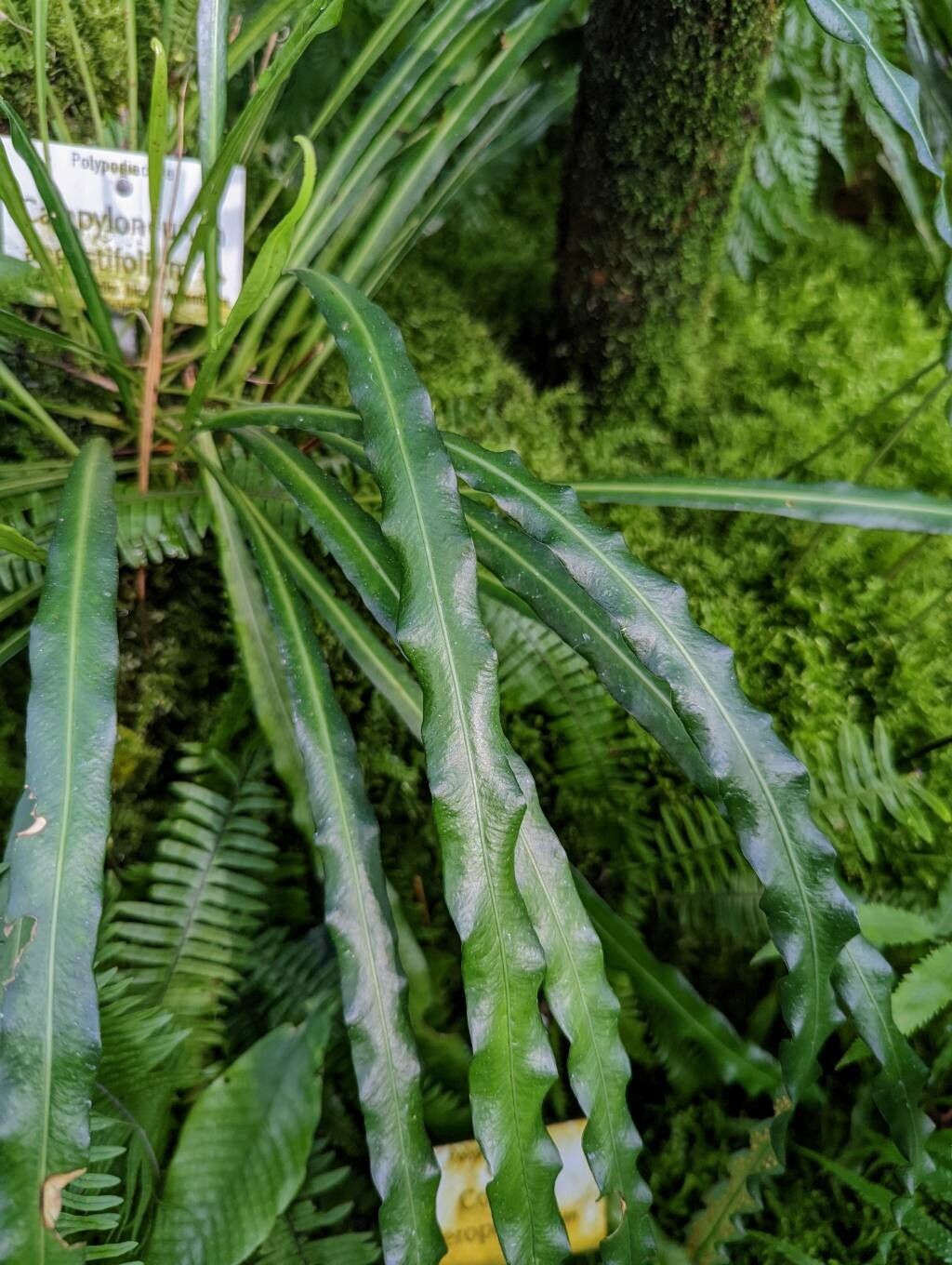
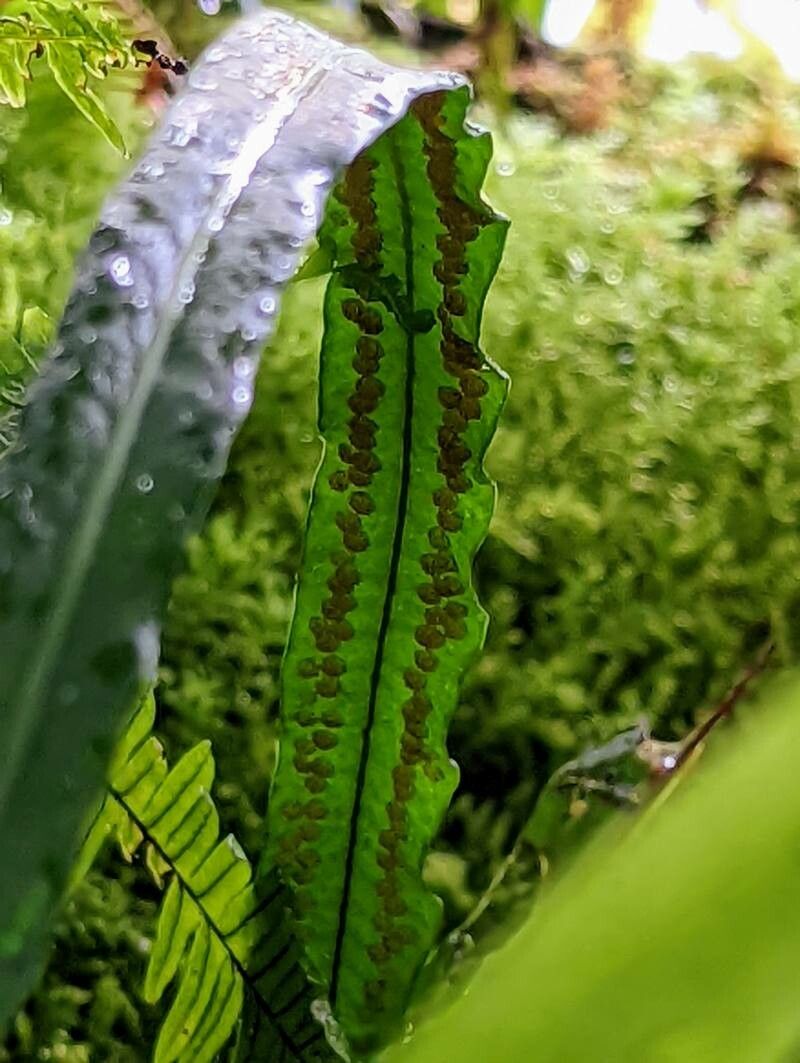
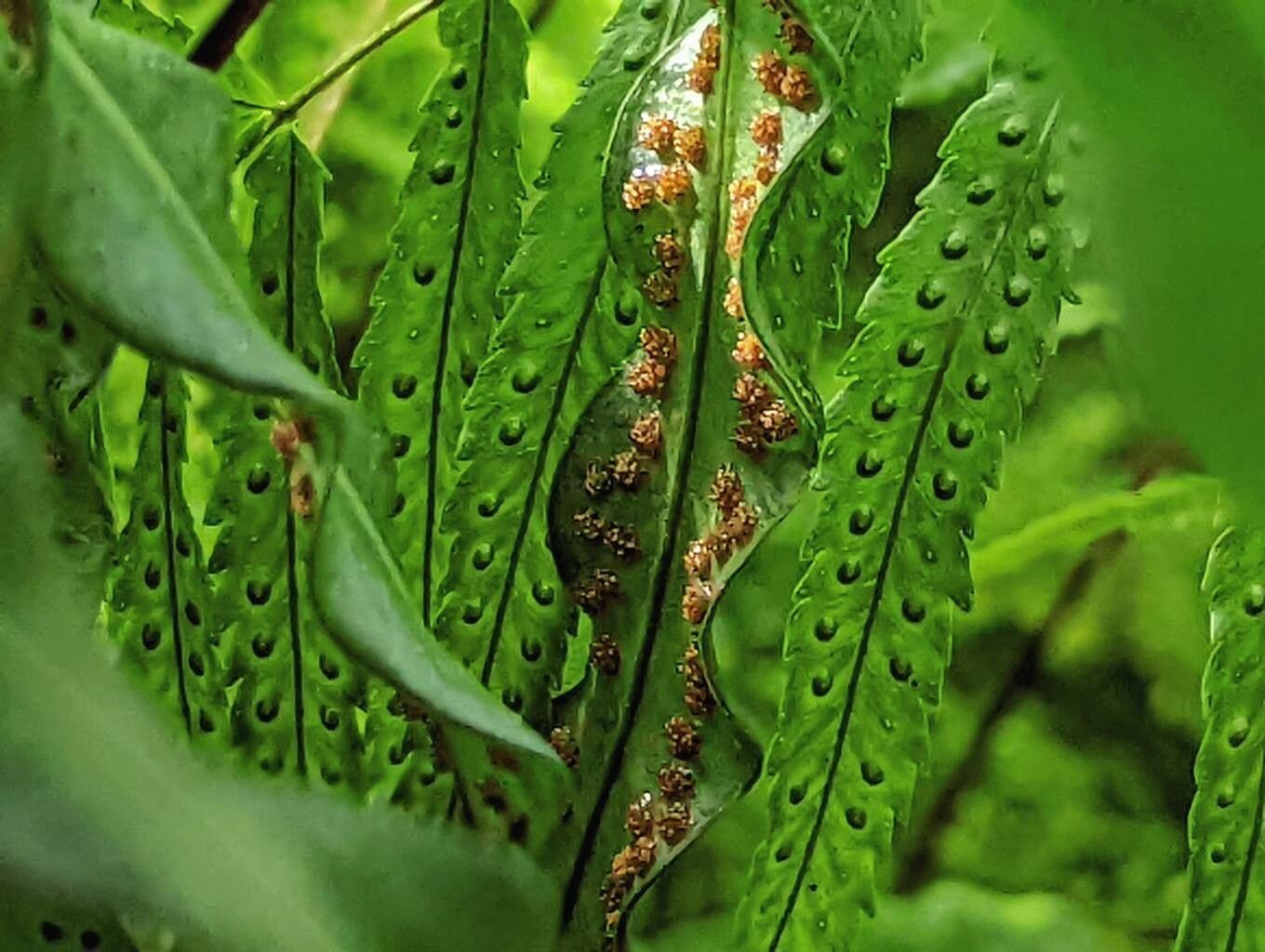
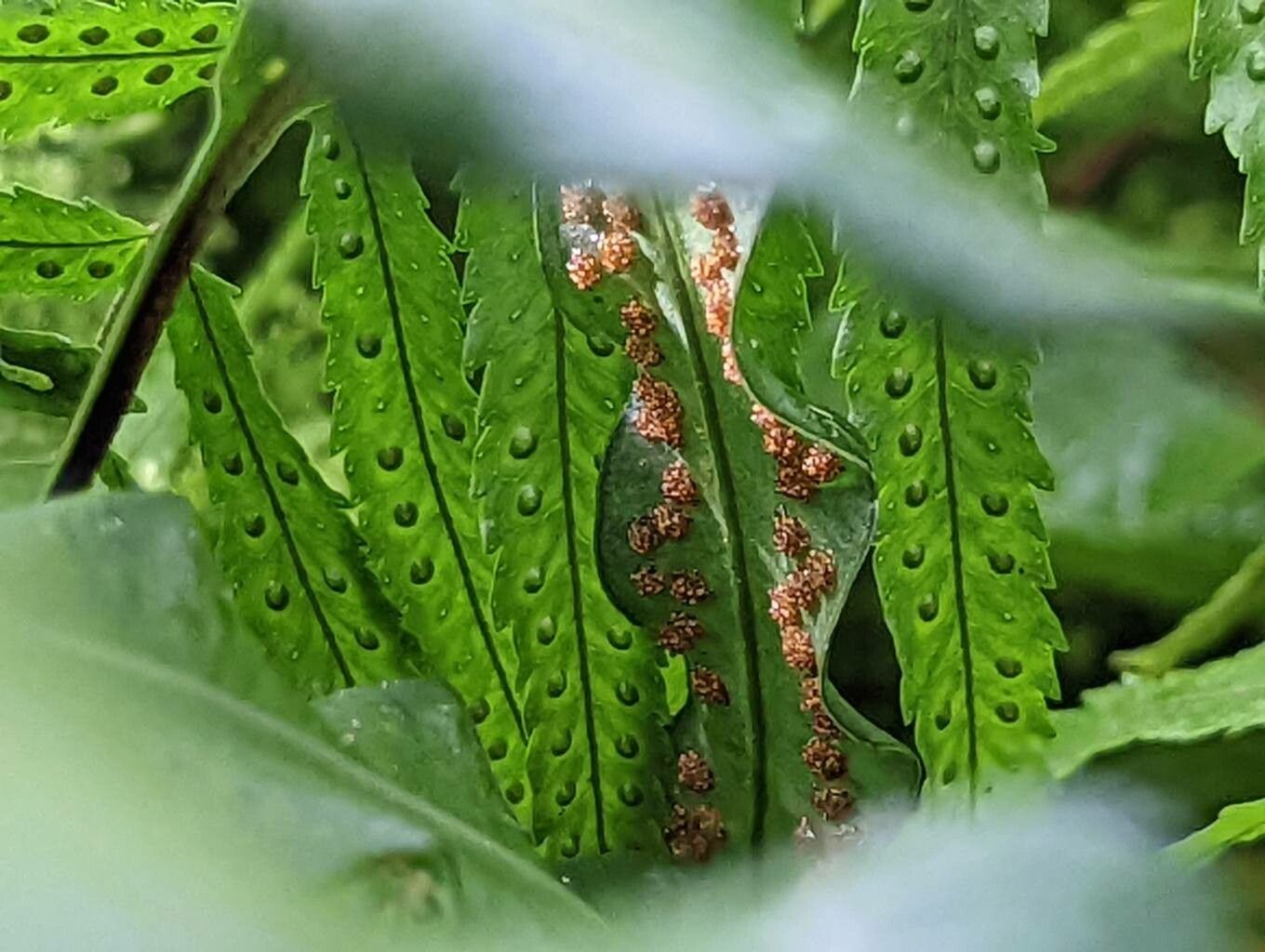
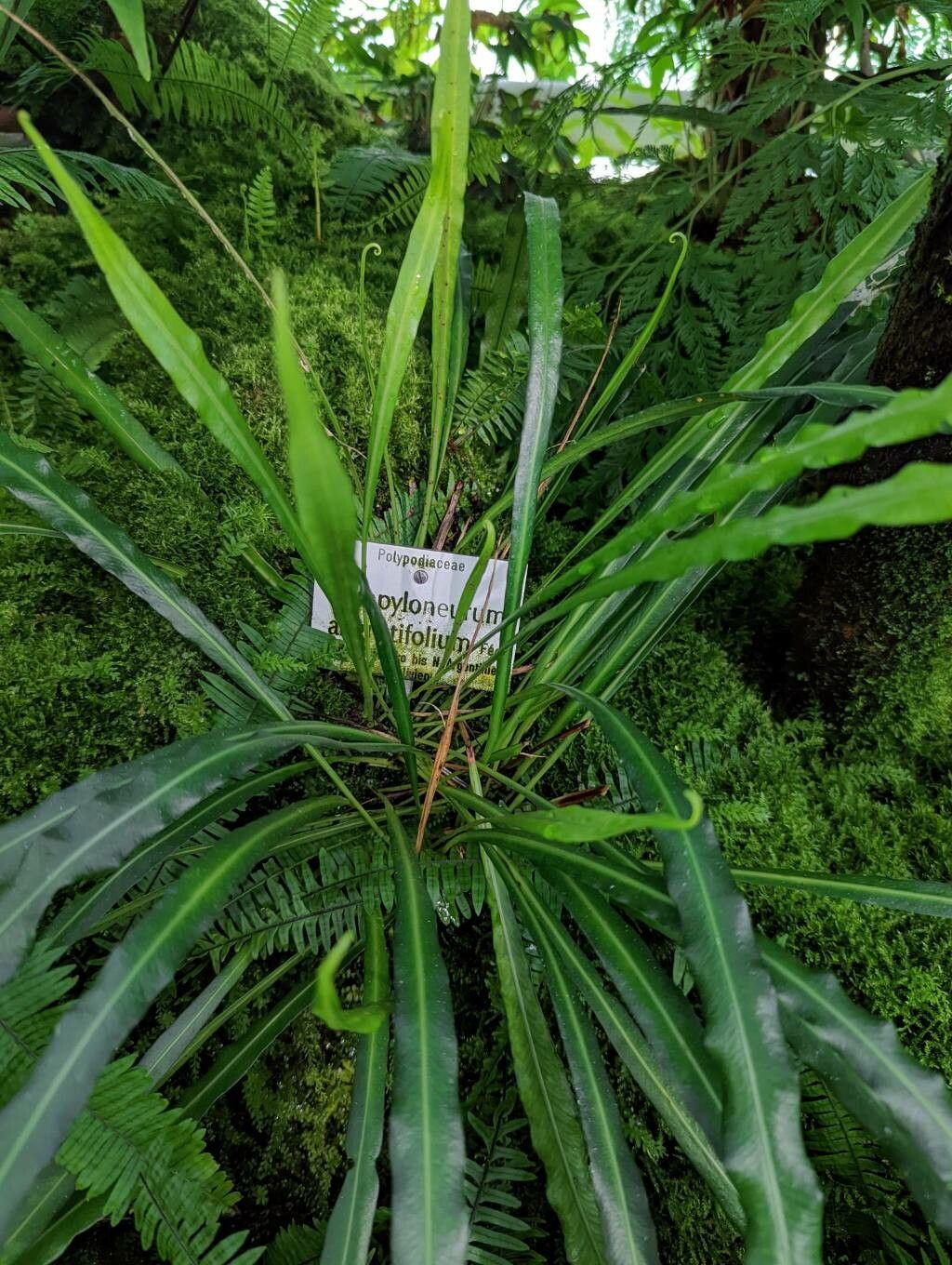
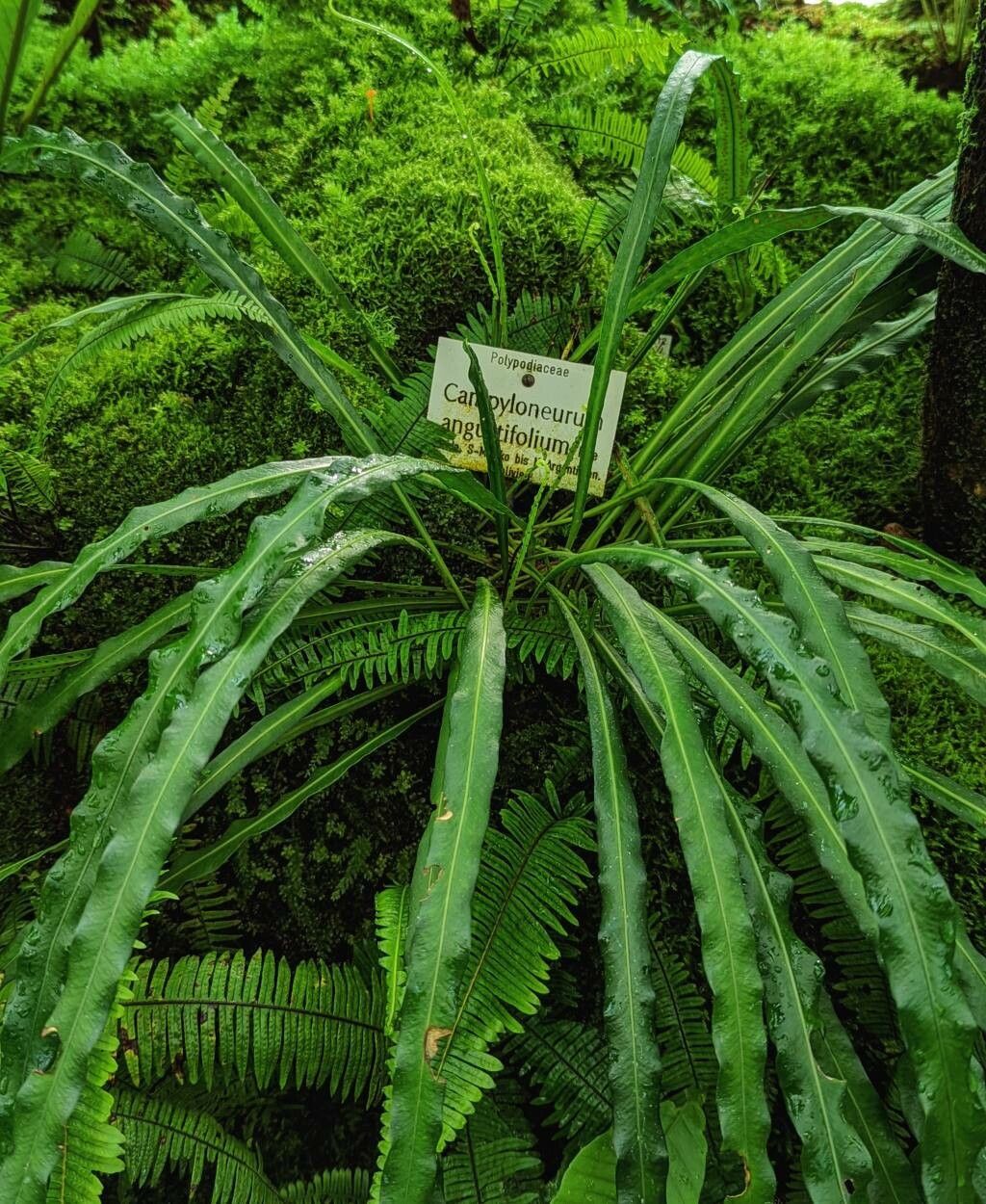
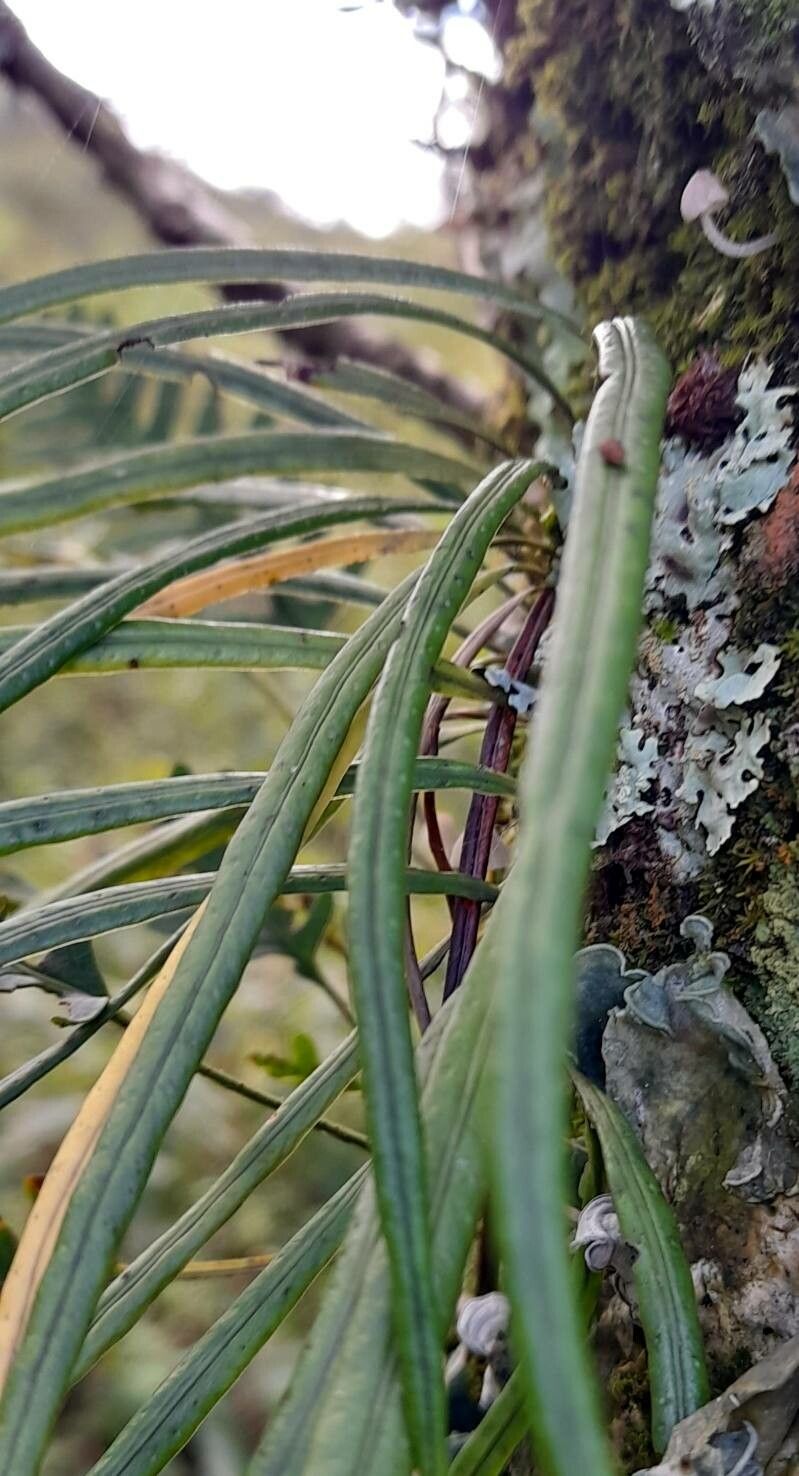
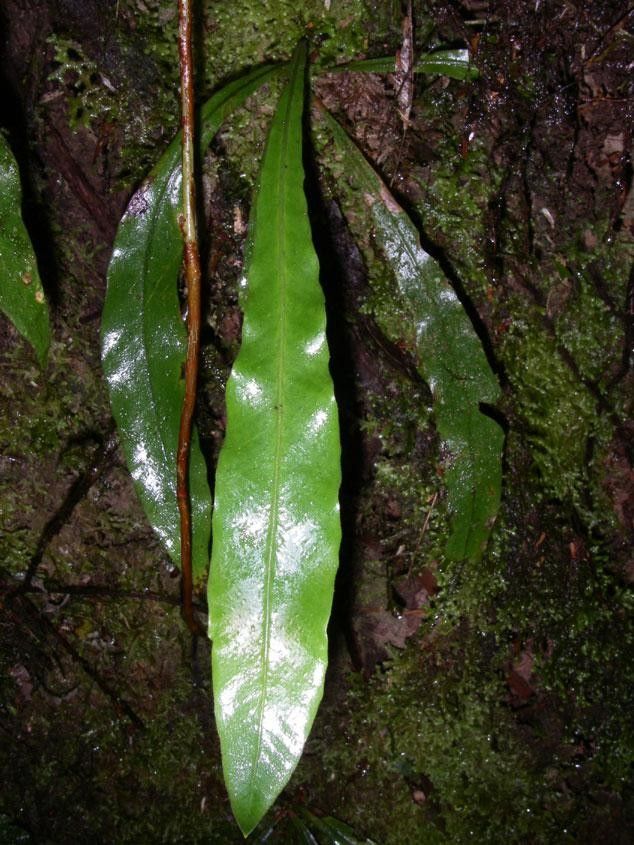
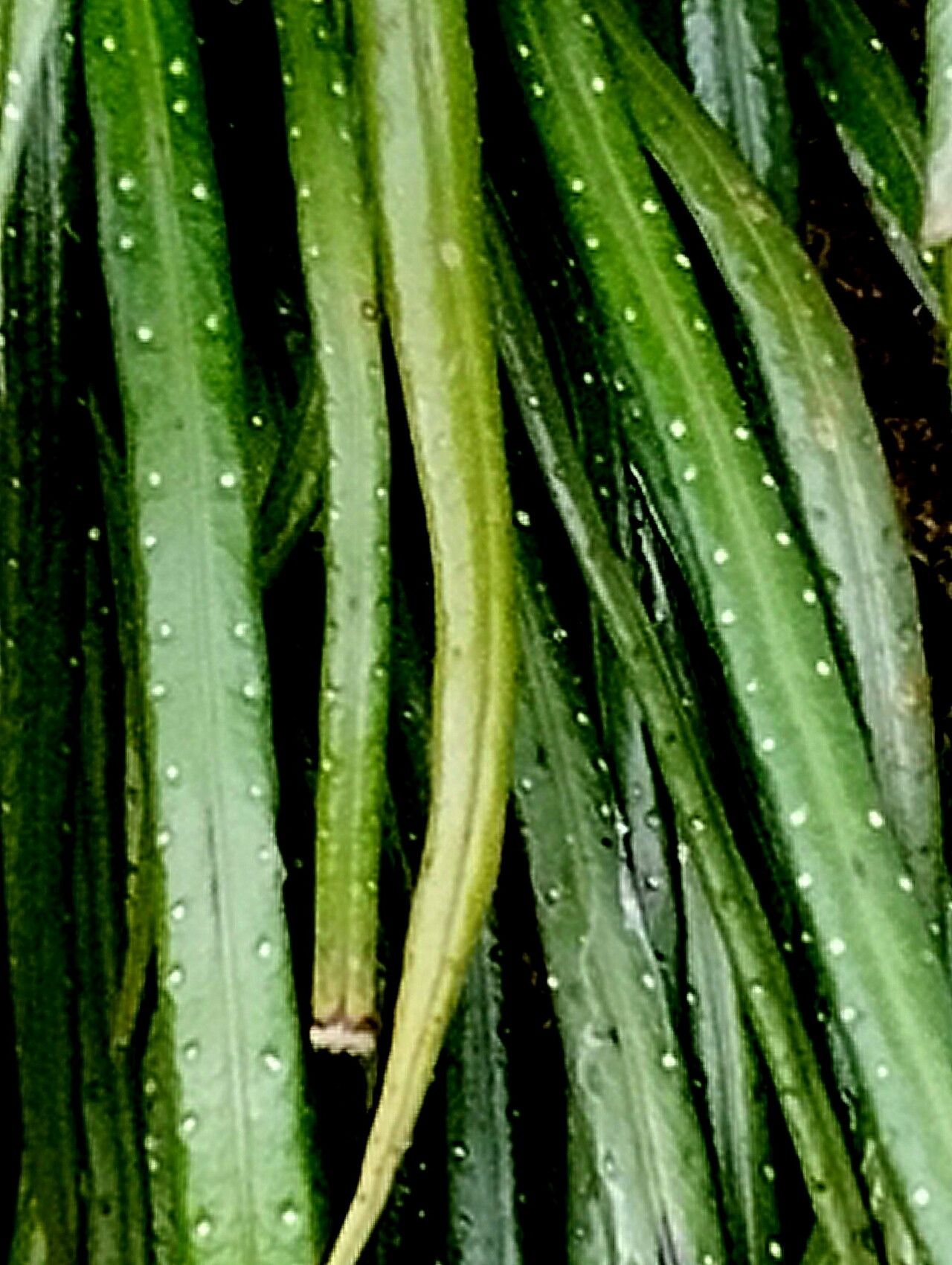
Campyloneurum angustifolium is a fern species in the family Polypodiaceae, commonly known as narrow strapfern or narrow-leaf strap fern.It is native to Florida, Puerto Rico, Cuba, Jamaica, Mexico, Mesoamerica, Central America, Kerala, and tropical South America.
The Narrow strapfern typically exhibits strong resistance to disease and is affected by relatively few insect pests. Its care is considered challenging because it requires a consistently moist environment and frequent watering. However, the roots can rot if overwatered or if the surroundings are not well ventilated. The Narrow strapfern is suitable for growers with some experience, and most people can keep it alive for a limited time. Nevertheless, it may struggle to thrive, with leaves drying out and becoming less healthy over time.
How to keep Campyloneurum Angustifolium.
Light
Narrow strapfern is native to habitats such as forest understories or rocky sites that provide natural shade. It prefers full shade but can tolerate partial sun.
Temperature
Narrow strapfern comes from tropical areas, where the climate is generally warm and humid. Consequently, it is well suited to high temperatures and humidity. It does not tolerate abrupt temperature shifts and favors a steady temperature, so avoiding indoor temperature fluctuations is important. It typically cannot withstand cold conditions and needs warmer temperatures to grow. If the surrounding temperature falls too low, the plant may stop growing or even die.
Botanical profile.
- Plant Type
- Fern
- Life Cycle
- Perennial
- Genus
- Campyloneurum
- Family
- Polypodiaceae
- Hardiness Zone
- 10-12
- Mature Height
- 30 cm to 61 cm
- Mature Spread
- 20 cm to 40 cm
- Leaf Color
- Dark Green, Forest Green
- Leaf Type
- Evergreen
- Planting Time
- Spring, Summer, Autumn
- Native Area
- Belize, Honduras, Mexico, Guatemala, Peru, Dominican Republic, Jamaica, Colombia, Cuba, Haiti, Bolivia, Venezuela, Brazil, Guyana, El Salvador, Nicaragua, Ecuador, Suriname, Costa Rica
Other names.