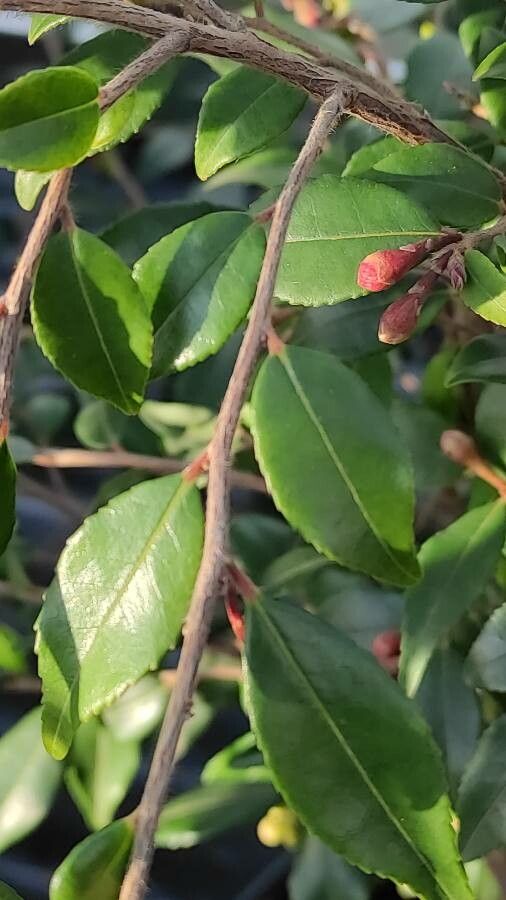
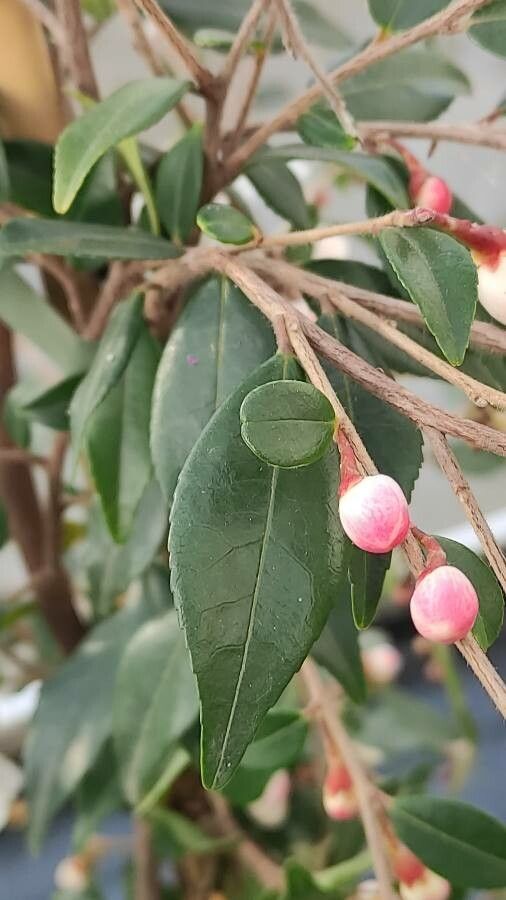
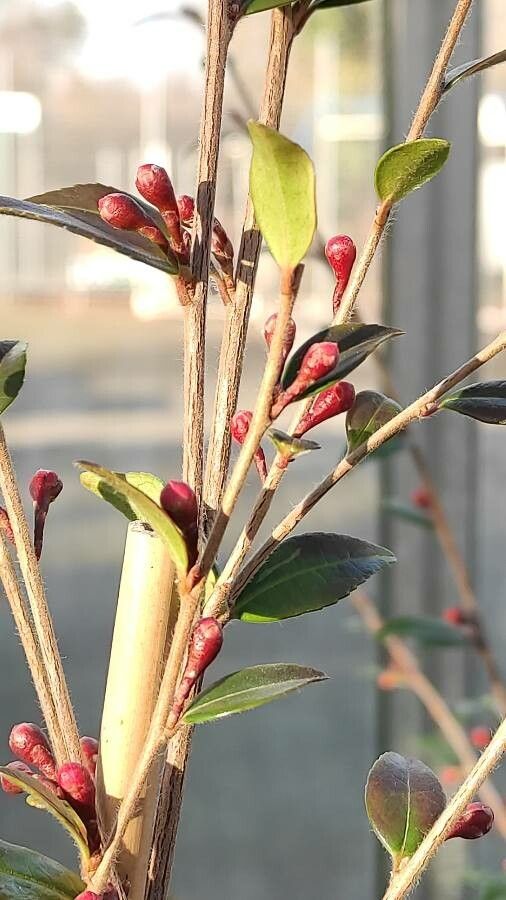
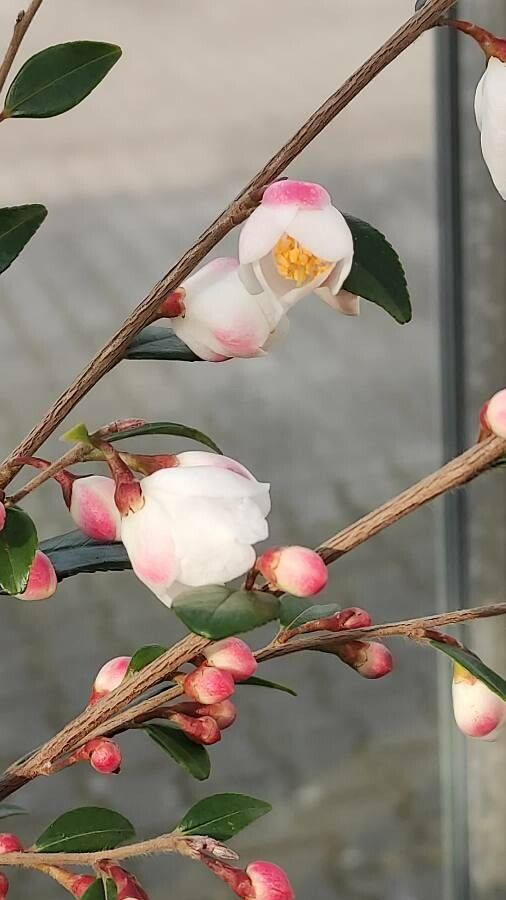
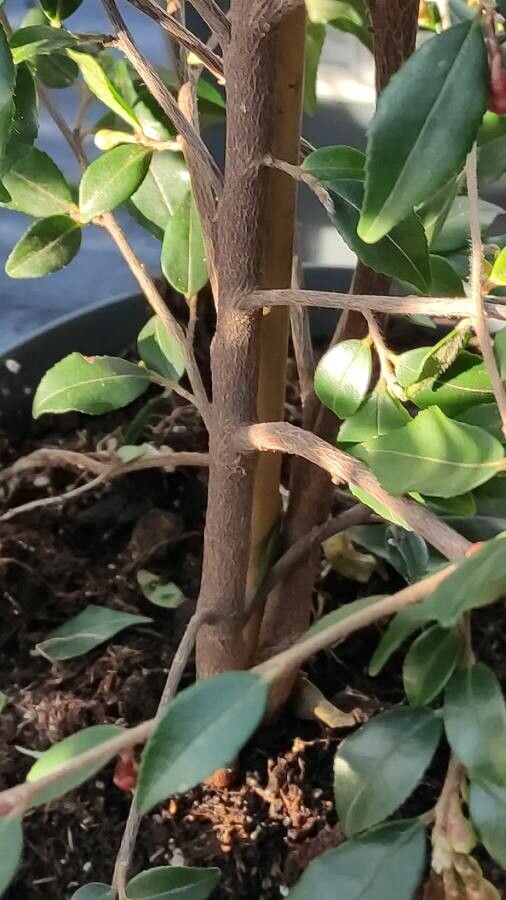
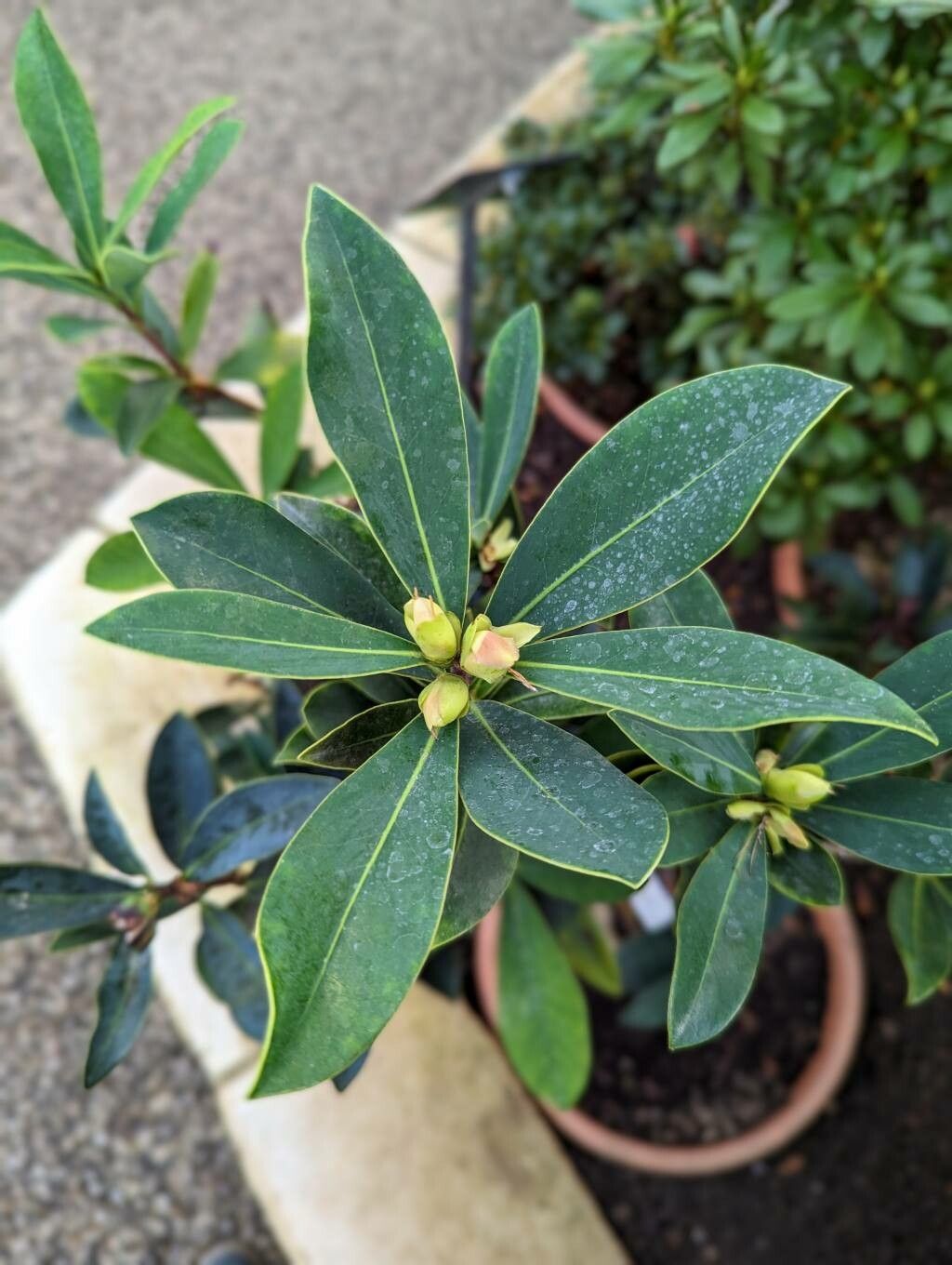
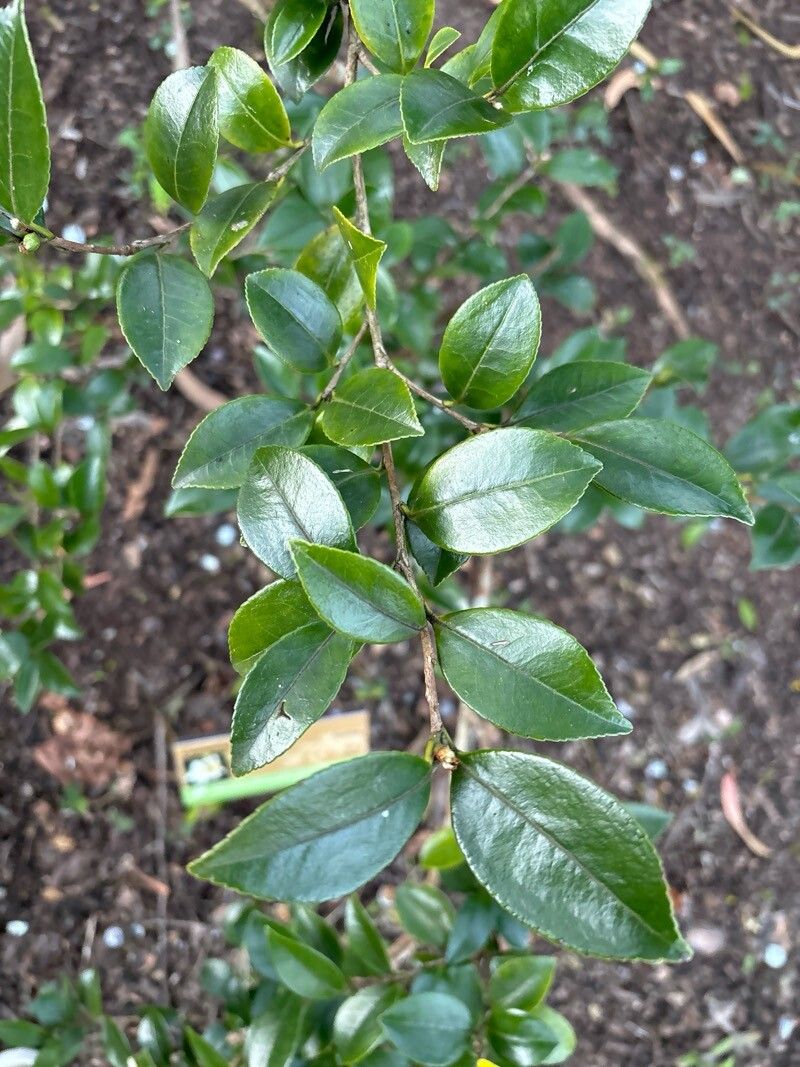
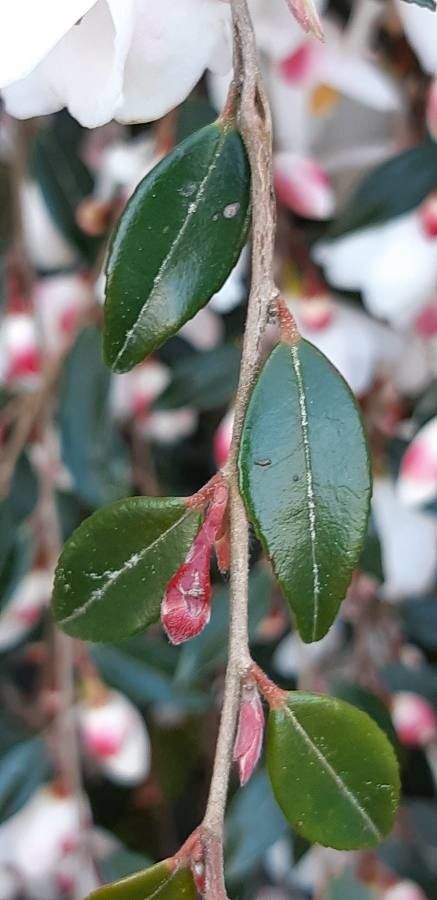
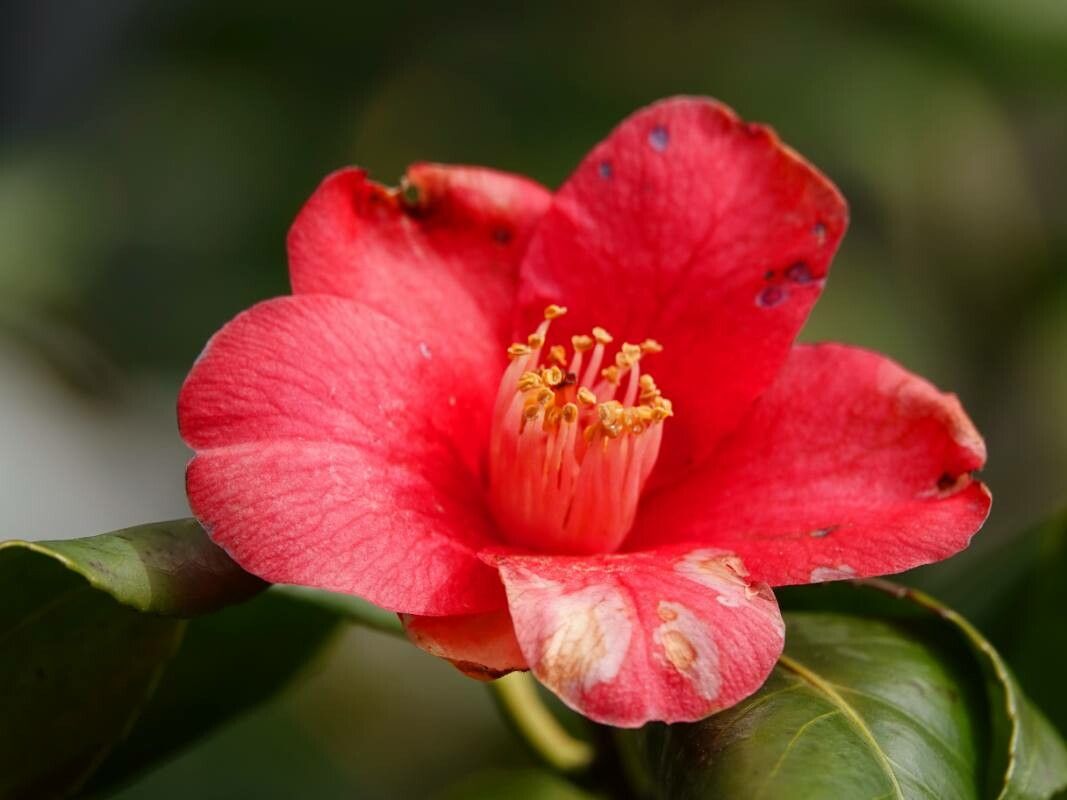
Camellia rosthorniana is fairly resistant to disease and generally not prone to illnesses. Regarding care, this plant is relatively low-maintenance. Planted outdoors, it needs minimal watering, and larger plants usually do not require pruning. Smaller plants, however, should be pruned after they finish blooming. Camellia rosthornianat is suitable for anyone with an outdoor area, such as a garden or deck, and does not demand extensive care experience.
How to keep Camellia Rosthorniana.
Light
Camellia rosthorniana does best with plenty of sun but can survive in partly shaded locations. As in its native habitat, the plant's growth and health may decline if it lacks adequate sunlight or if it is exposed to too much.
Temperature
Camellia rosthorniana is fairly adaptable to temperature, capable of withstanding high heat and considerable temperature fluctuations. In hot weather, attention should be paid to watering and providing suitable shade to avoid sunburn. Conversely, Camellia rosthorniana is not very tolerant of low temperatures; although it can endure some cold, excessively low temperatures can cause frost damage.
Fertilizer
The timing of fertilization is important for Camellia rosthorniana. Apply fertilizer in early spring and repeat every month through early summer. Fertilizer promotes attractive blooms and supplies energy during both dormancy and active growth.
Pruning
To enhance the health and appearance of your Camellia rosthorniana, follow these pruning tips: Begin by pruning in early spring, removing any dead branches and thinning crowded areas to improve air circulation. Shape the plant to ensure balanced growth. After the plant has finished blooming, prune again to protect the buds for next season, which promotes healthy blooms and enhances its ornamental appeal.
Pot & Repot
Repot Camellia rosthorniana every 2-3 years during the spring to encourage healthy growth. Choose a pot that is slightly larger than the current one and use well-drained soil. Water the plant regularly to reduce transplant shock and maintain evenly moist soil. Providing a nurturing environment will help the plant thrive.
Botanical profile.
- Plant Type
- Shrub
- Life Cycle
- Perennial
- Genus
- Camellia
- Family
- Theaceae
- Hardiness Zone
- 6-10
- Mature Height
- 3.05 m
- Mature Spread
- 49 cm to 91 cm
- Leaf Color
- Green
- Leaf Type
- Evergreen
- Flower Color
- White
- Flower Size
- 3.05 cm to 5.08 cm
- Bloom Time
- Mid winter, Late winter, Early spring
- Planting Time
- Spring, Autumn
- Harvest Time
- Late summer, Early fall, Mid fall
- Native Area
- China
Reader questions.
What are the sunlight requirements for Camellia rosthorniana?
Camellia rosthorniana requires generous exposure to sunlight for optimal growth. It thrives in conditions where it receives full sun, defined as above 6 hours of direct sunlight daily, but can also grow in partial sun, receiving about 3-6 hours of sunlight. It is crucial to observe how sunlight moves through your garden, choosing spots that offer a balance of light and shade to ensure the plants' well-being.
What are the essential care tips for Camellia rosthorniana under different lighting conditions?
For Camellia rosthorniana to flourish, it is essential to replicate its natural habitat's sunlight conditions as much as possible. This means ensuring that it receives adequate direct or partially filtered sunlight. In spaces where natural sunlight is insufficient, especially during winter or in less sunny areas, the use of artificial lighting becomes imperative. LED lights are recommended due to their customizability, providing the specific wavelengths your plants need. For full sun plants, aim for 30-50W/sq ft of artificial light, 20-30W/sq ft for partial sun plants, and 10-20W/sq ft for full shade plants. Position the light source 12-36 inches above the plant, and mimic natural daylight hours, typically 8-12 hours per day, to promote healthy growth.
What symptoms should I look for in Camellia rosthorniana due to improper lighting?
Improper lighting can lead to several symptoms in Camellia rosthorniana. These include smaller new leaves, leggy or sparse growth, premature leaf drop, halted growth, pale new leaves indicating a lack of chlorophyll, chlorosis marked by yellowing leaves, sunscald which damages plant tissues, leaf curling as a defense against intense sunlight, wilting from excess water loss, and leaf scorching. These symptoms illustrate the plant's need for optimal light conditions to avoid health and growth issues.
How can I address Camellia rosthorniana's lighting issues?
To address lighting issues in Camellia rosthorniana, begin by adjusting the plant's exposure to natural sunlight. Gradually move the plant to sunnier spots, aiming for at least 6 hours of direct sunlight daily. For indoor plants not easily moved or that are too large, consider artificial lighting. Keeping a desk or ceiling lamp on for at least 8 hours daily, or investing in specialized plant grow lights, can significantly help. When dealing with outdoor plants, ensure a careful transition to avoid sunburn. Additionally, for plants in the ground, minimize obstructions such as overhanging branches, or consider transplanting to a sunnier location, especially during the plant's dormant period for minimal stress.