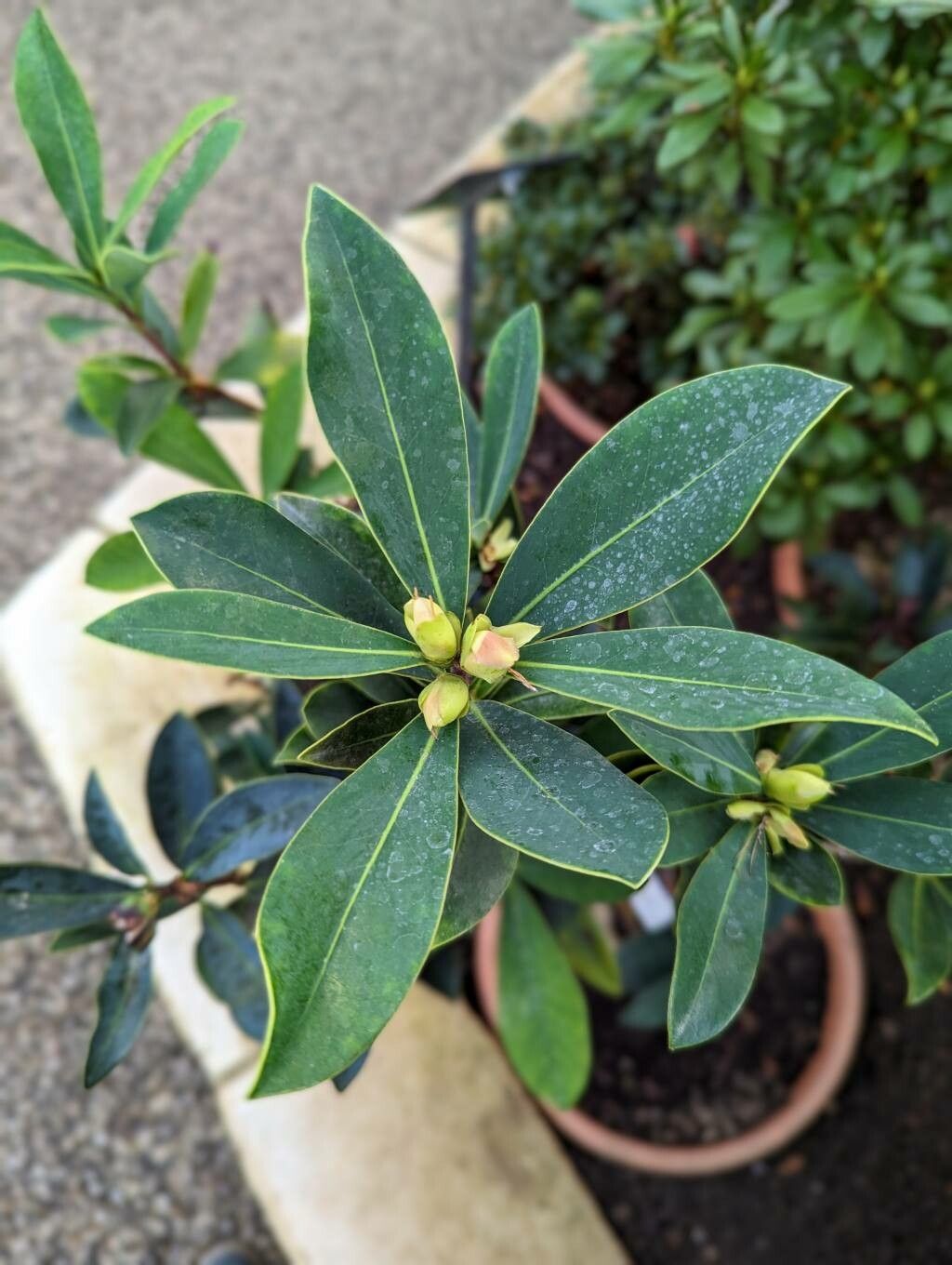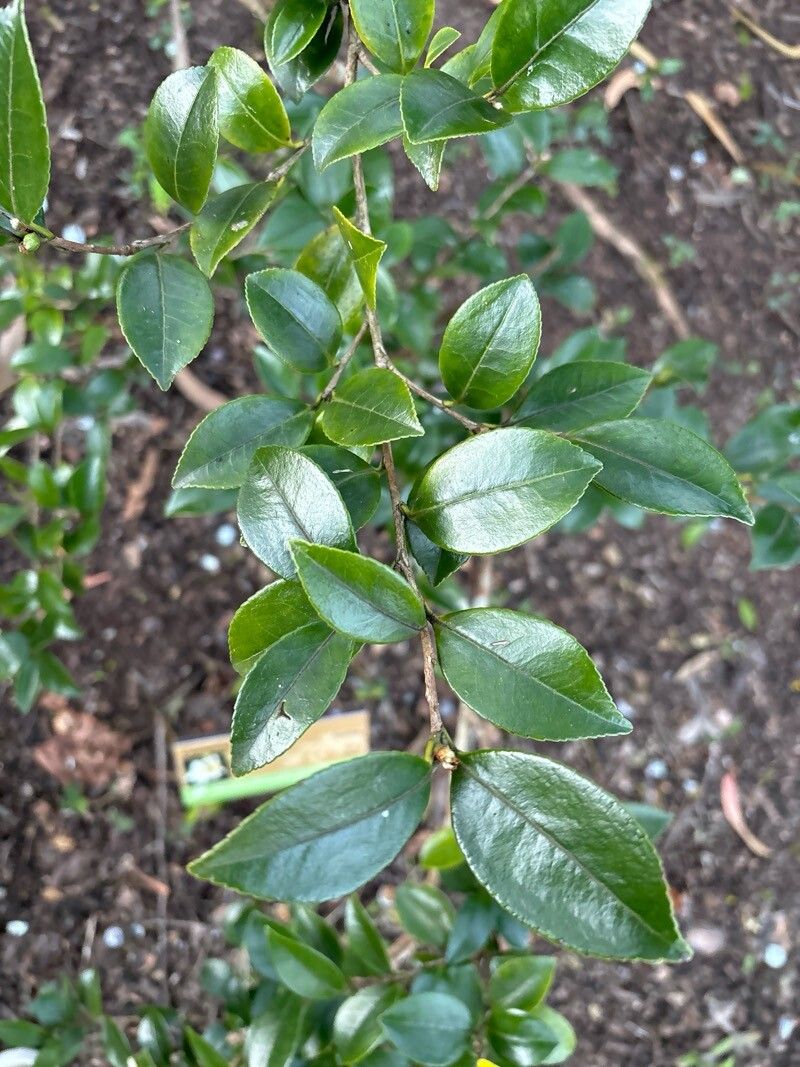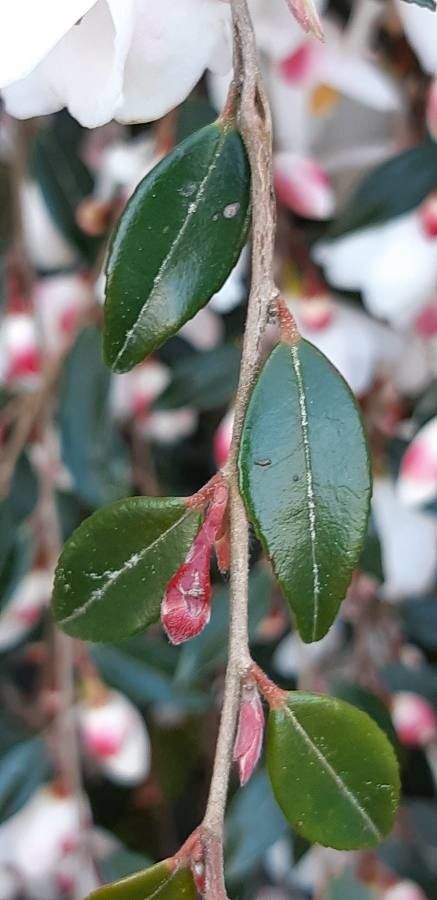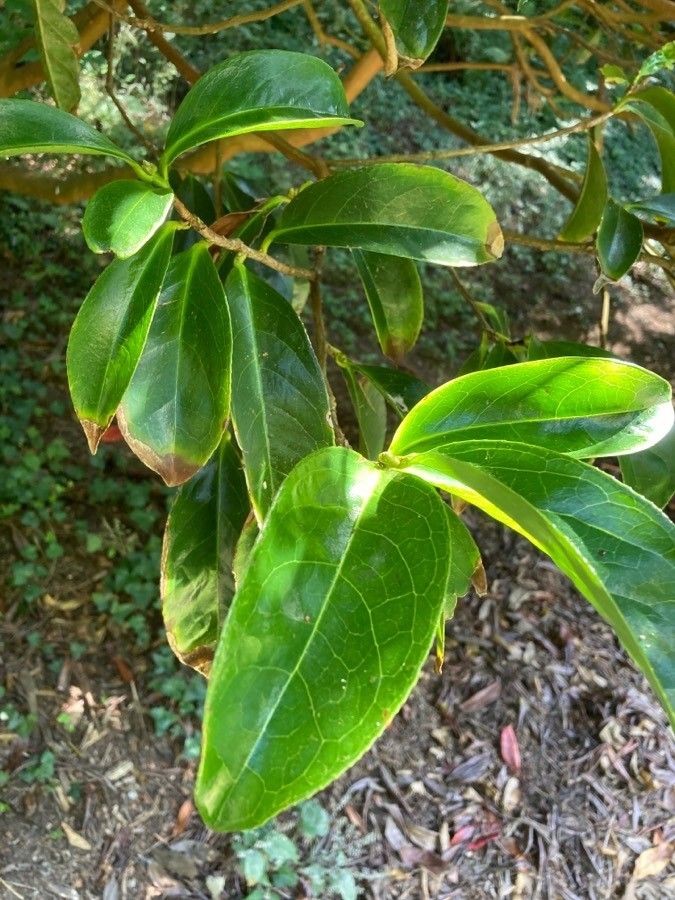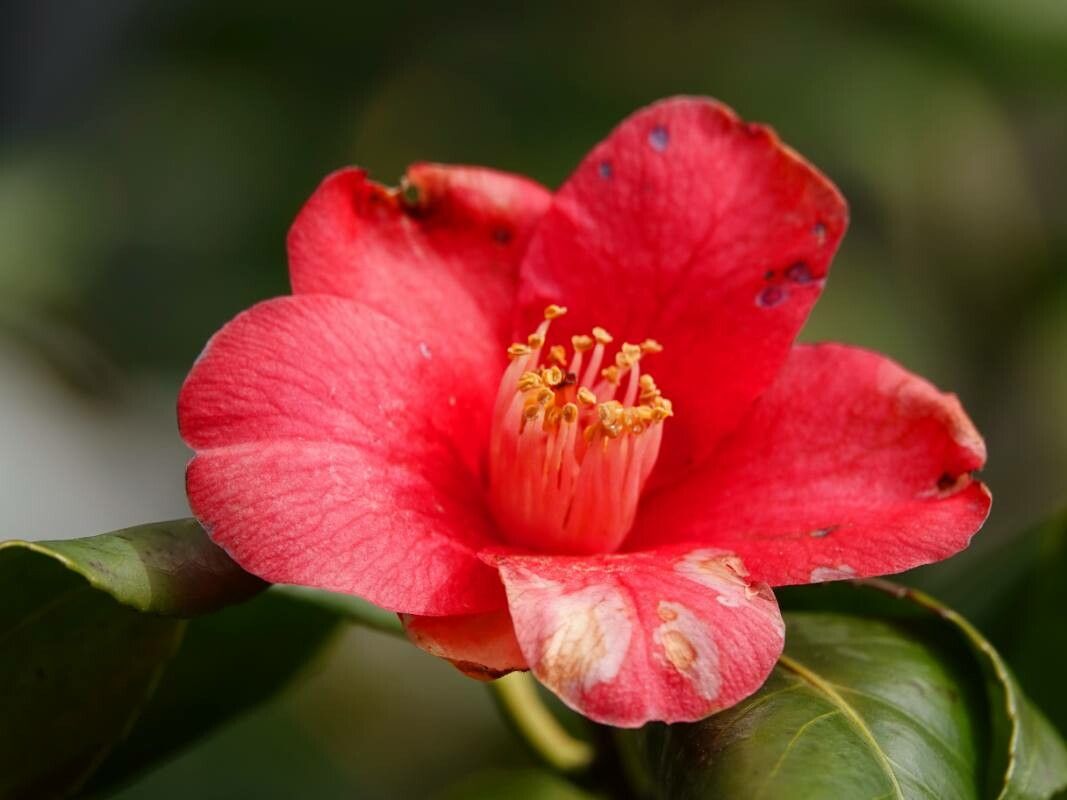
Camellia is fairly disease-resistant and typically does not suffer from many illnesses. As for upkeep, this plant is relatively low-maintenance. When grown outdoors it needs only light watering, and larger specimens generally do not require pruning. Smaller plants, however, should be trimmed after they finish blooming. Camelliat is appropriate for anyone with outdoor space, like a garden or a deck, and does not demand extensive plant-care experience.
How to keep Camellia Chekiangoleosa.
Light
The camellia is moderately tolerant of sun and does well in strong sunlight because of its native habitat. However, excessive exposure to intense solar rays can be harmful to its health. It grows best with substantial but not extreme sunlight, particularly during its early growth stages.
Water
Camellias, which originate from humid subtropical regions, thrive best when they have consistent moisture and moderate humidity. To maintain optimum soil moisture, water the plant every 2–3 weeks, ensuring the soil remains evenly moist without becoming waterlogged. As an outdoor plant, camellias benefit greatly from natural rainwater during the growing season, which aids in proper hydration and nutrient absorption.
Temperature
Camellia comes from regions where temperatures range between 59 and 95 °F (15 and 35 ℃). It grows best under those climatic conditions. Seasonal adjustments to its environment may be necessary to reproduce this preferred temperature range.
Fertilizer
Timing is essential for fertilizing Camellia. Apply fertilizer in early spring and continue every month until early summer. Fertilizer promotes lovely blooms and supplies energy during both dormant and active growth phases.
Pruning
Camellia is an evergreen shrub with glossy leaves and vibrant blooms. To improve air circulation and shape, prune it from early to late winter by removing dead or crossing branches. Making clean cuts promotes the plant's health, resulting in better aesthetics and more abundant flowering.
Pot & Repot
Repot your potted camellia every spring. When you do, be sure to prune the branches and leaves to maintain the plant's health and shape.
Botanical profile.
- Plant Type
- Tree
- Life Cycle
- Perennial
- Genus
- Camellia
- Family
- Theaceae
- Hardiness Zone
- 7-10
- Mature Height
- 6.1 m
- Mature Spread
- 2.13 m to 3.05 m
- Leaf Color
- Green
- Leaf Type
- Evergreen
- Flower Color
- Pink, White
- Flower Size
- 6.35 cm to 10.16 cm
- Bloom Time
- Late winter, Early spring, Mid spring
- Planting Time
- Spring, Autumn
- Harvest Time
- Late summer, Fall
- Native Area
- China
Reader questions.
What are the sunlight requirements for Camellia plants?
Camellias require varying amounts of sunlight depending on their specific needs. They can thrive in partial sun, which consists of about 3-6 hours of sunlight daily, or full sun, which is above 6 hours of sunlight per day. It's crucial to observe the movement of sunlight in your garden to find the ideal location that provides a balance of light and shade, ensuring the well-being of your Camellias. These plants have a moderate preference for sun exposure, benefiting from strong but not excessive sunlight, akin to their native habitats. However, excessive exposure to intense sunlight can harm them, especially during their early growth stages.
What is the native climate for Camellia, and how should its environment be adjusted seasonally?
Camellia thrives in native regions where temperatures fluctuate between 59 to 95 °F (15 to 35 °C), which are its optimal growth conditions. To mirror these preferred conditions, seasonal environmental adjustments might be necessary. Despite Camellia's strong cold resistance, winter temperatures falling below -15°C require protective measures. Wrapping the trunk and branches with non-woven fabric or cloth can provide cold protection. Additionally, before the first freeze in autumn, abundant watering to ensure the soil remains moist helps the plant avoid drought and water scarcity during winter and early spring.
How do artificial lights affect Camellia growth?
For indoor Camellias, or when natural light is insufficient, artificial lighting is essential for optimal growth. This is particularly true during winter or in less sunny indoor locations. LEDs are recommended for indoor plants because they can be tailored to provide specific light wavelengths needed by the plants. Full sun plants require 30-50W/sq ft of artificial light, partial sun plants need 20-30W/sq ft, and full shade plants require 10-20W/sq ft. It's important to position the light source 12-36 inches above the plant, simulating natural sunlight conditions, and ensure the plants receive 8-12 hours of light per day.
What should be done if Camellia is exposed to temperatures below its cold tolerance level?
Camellia's tolerance to cold means it generally thrives above 15°C and should remain above -10°C during winter. Exposure to temperatures below -15°C may not show immediate issues, but could lead to brittle, dry branches in spring with no new shoots emerging. To address this, any dead branches that have failed to produce new leaves by spring should be pruned away.
What are the symptoms of incorrect light exposure in Camellias?
Camellias exhibit several symptoms when exposed to inappropriate light conditions. Insufficient light can lead to smaller new leaves, leggy or sparse growth, quicker leaf drop, stunted growth, and paler new leaves, indicating a deficiency in chlorophyll and essential nutrients. Conversely, excessive sunlight can cause chlorosis (yellowing leaves due to chlorophyll breakdown), sunscald (damage from intense sun), leaf curling (a defense mechanism against too much sun), wilting (due to increased water loss), and leaf scorching (brown, crispy leaf edges from too much sun). Properly managing sunlight exposure is crucial for maintaining healthy Camellias.
How should Camellia be cared for during high temperature conditions?
In summer, it is important to keep Camellia below 35°C. Temperatures exceeding 41°C may cause the leaves to lighten in color, the tips to become dry and withered, and make the plant more susceptible to sunburn. In such cases, sunburned and dried parts should be trimmed away. The plant should be moved to a location that provides shade during the midday and afternoon sun or covered with a shade cloth. Watering in the morning and evening is crucial to keep the soil moist and support the plant's health.
How can I optimize Camellia growth with correct sunlight exposure?
To optimize Camellia growth, gradually acclimate your plants to the correct sunlight conditions. For indoor plants, move them to sunnier spots weekly until they receive 3-6 hours of direct sunlight daily. Use artificial light if the plant is large or not easily movable, keeping lights on for at least 8 hours a day. For outdoor plants, also gradually move them to sunnier spots to prevent sunburn. Observe your garden to identify and reduce obstructions, like pruning trees that block sunlight, and consider transplanting smaller plants during their dormant period to locations with ample sunlight and good drainage. It's key to allow for gradual adaptation to new light conditions for the plants' health.
What are the recommended care and protection measures for Camellia during cold seasons?
For camellias, protection during colder seasons includes wrapping the plant's trunk and branches with protective materials like non-woven fabric or cloth to guard against extreme cold, especially if temperatures are anticipated to drop below -15°C. Additionally, it's advised to water the plant abundantly before the autumn's first freeze, ensuring the soil stays moist. This precaution helps prevent drought and water scarcity for the plant throughout the winter and early spring months.
What is the botanic name of Camellia?
The botanic name of Camellia is Camellia chekiangoleosa.