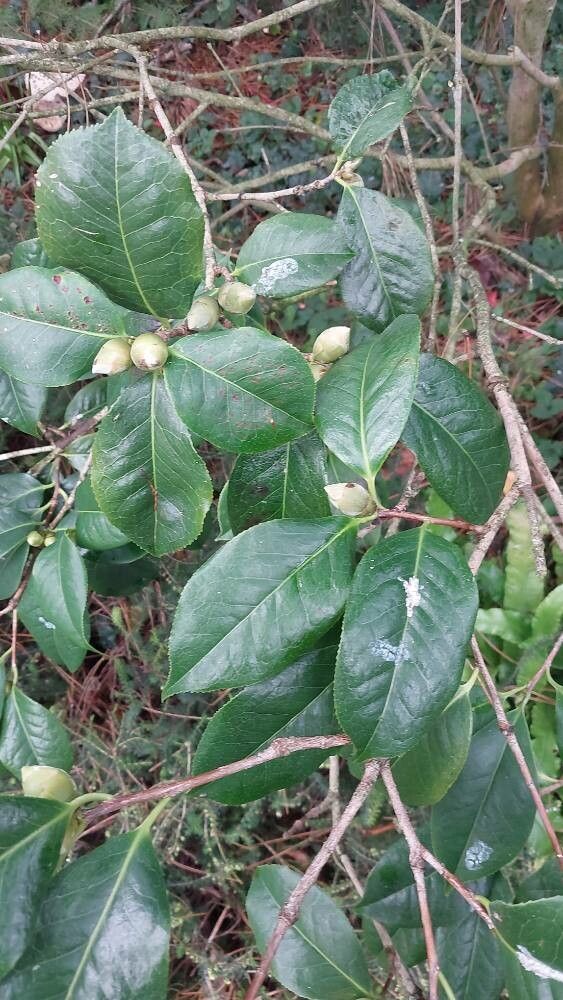
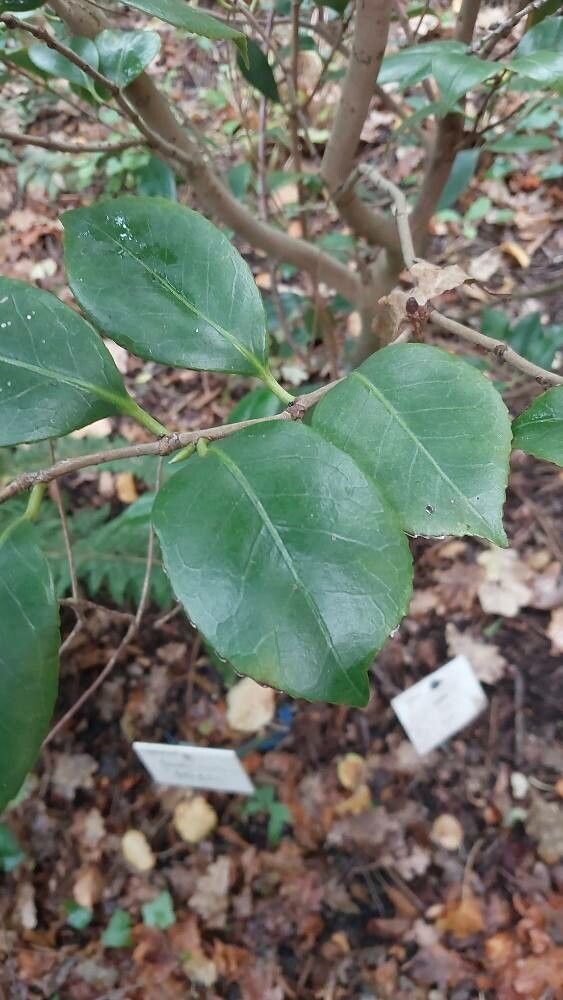
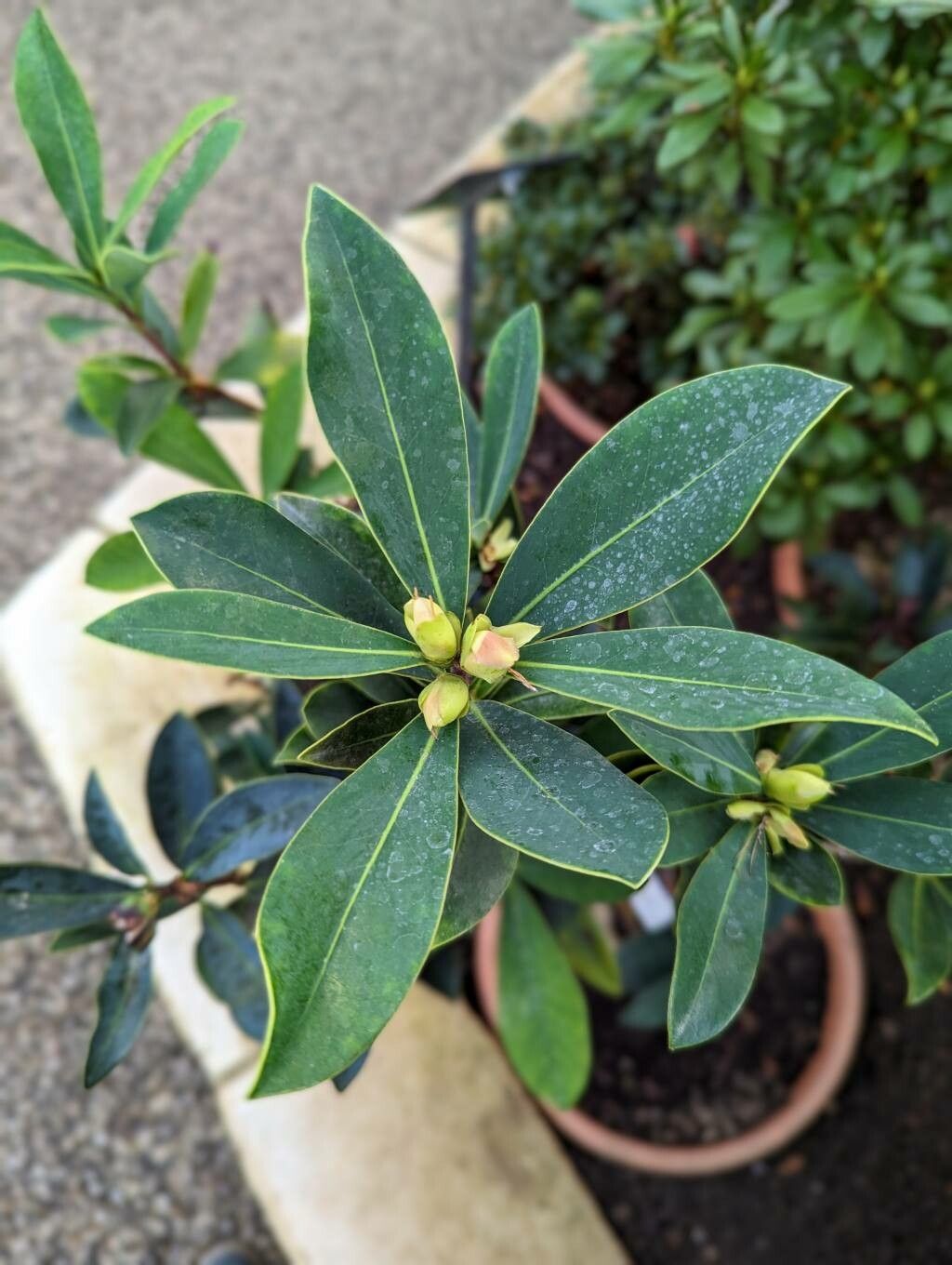
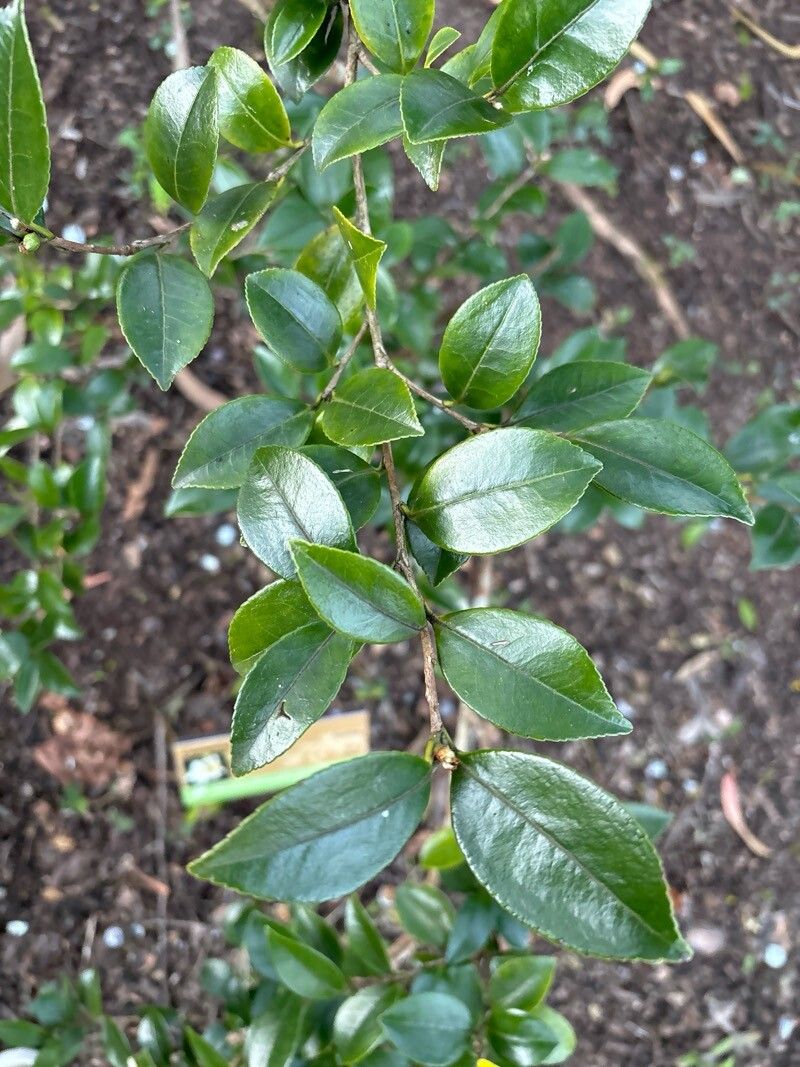
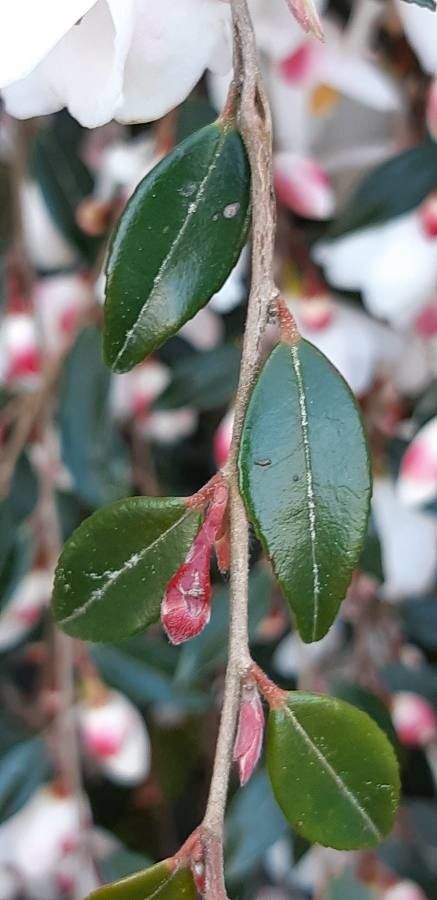
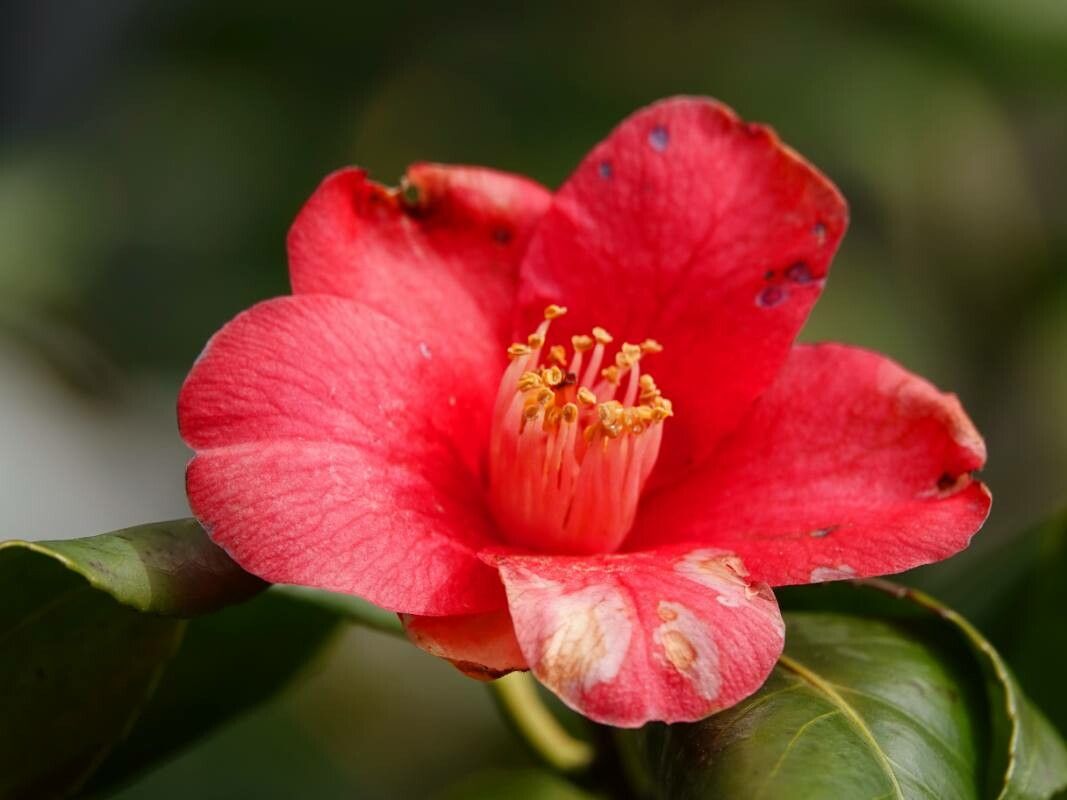
Camellia reticulata is a species of flowering plant in the tea family Theaceae, native to southwestern China, in Yunnan and Sichuan Provinces.
Temple flower resists disease well and is generally not susceptible to illnesses. Regarding care, the plant is fairly low-maintenance. When grown outdoors it needs only minimal watering, and larger specimens usually do not require pruning; however, smaller plants should be pruned after they finish blooming. Temple flower is suitable for anyone with an outdoor space, such as a garden or deck, and does not require much care experience.
How to keep Camellia Reticulata.
Light
Temple flower prefers an environment where it receives gentle, diffused light for most of the day. Though it tolerates and can withstand brighter light, excessive exposure may cause harm. Native to areas with dappled illumination, insufficient light can prevent it from growing as healthily.
Water
The temple flower originates from subtropical regions and prefers moist environments, although it can tolerate short periods of drought. For optimal growth, water the plant every 1-2 weeks, making sure the soil remains evenly moist but not waterlogged. As an outdoor ornamental plant, providing sufficient water during the growing season will enhance its foliage and blooms.
Temperature
Temple flower is accustomed to the mild climate of its native habitat, doing well in temperatures from 50 to 95 °F (10 to 35 ℃). For best growth, reproducing this temperature range by adjusting indoor heating and cooling throughout the year is recommended.
Fertilizer
The timing of fertilization is important for the Temple flower. Fertilize in early spring and continue monthly until early summer. Fertilizer promotes attractive blooms and supplies energy during both dormant and active growth phases.
Pruning
To maintain the optimal health of your temple flower, it's important to prune it annually during its dormant period, which is from early to late winter. Aim to remove any dead or crossing branches to increase air circulation and light penetration. Light pruning helps encourage denser growth and more abundant flowering. Additionally, regularly check for any signs of pests or diseases to ensure the plant remains healthy and visually appealing.
Pot & Repot
Every 2-3 years, in the spring, repot the temple flower into a slightly larger pot that provides good drainage. Keep the soil consistently moist and position the plant away from direct sunlight to aid in its recovery and maintain its health. This bush-type plant flourishes when it has plenty of space for its extensive root system.
Botanical profile.
- Plant Type
- Tree, Shrub
- Life Cycle
- Perennial
- Genus
- Camellia
- Family
- Theaceae
- Hardiness Zone
- 6-10
- Mature Height
- 10.06 m to 14.94 m
- Mature Spread
- 4.88 m
- Leaf Color
- Green
- Leaf Type
- Evergreen
- Flower Color
- Red, Pink
- Flower Size
- 6.35 cm to 10.16 cm
- Bloom Time
- Late winter, Early spring, Mid spring
- Planting Time
- Spring, Autumn
- Harvest Time
- Late summer, Early fall, Mid fall
- Native Area
- China
Other names.