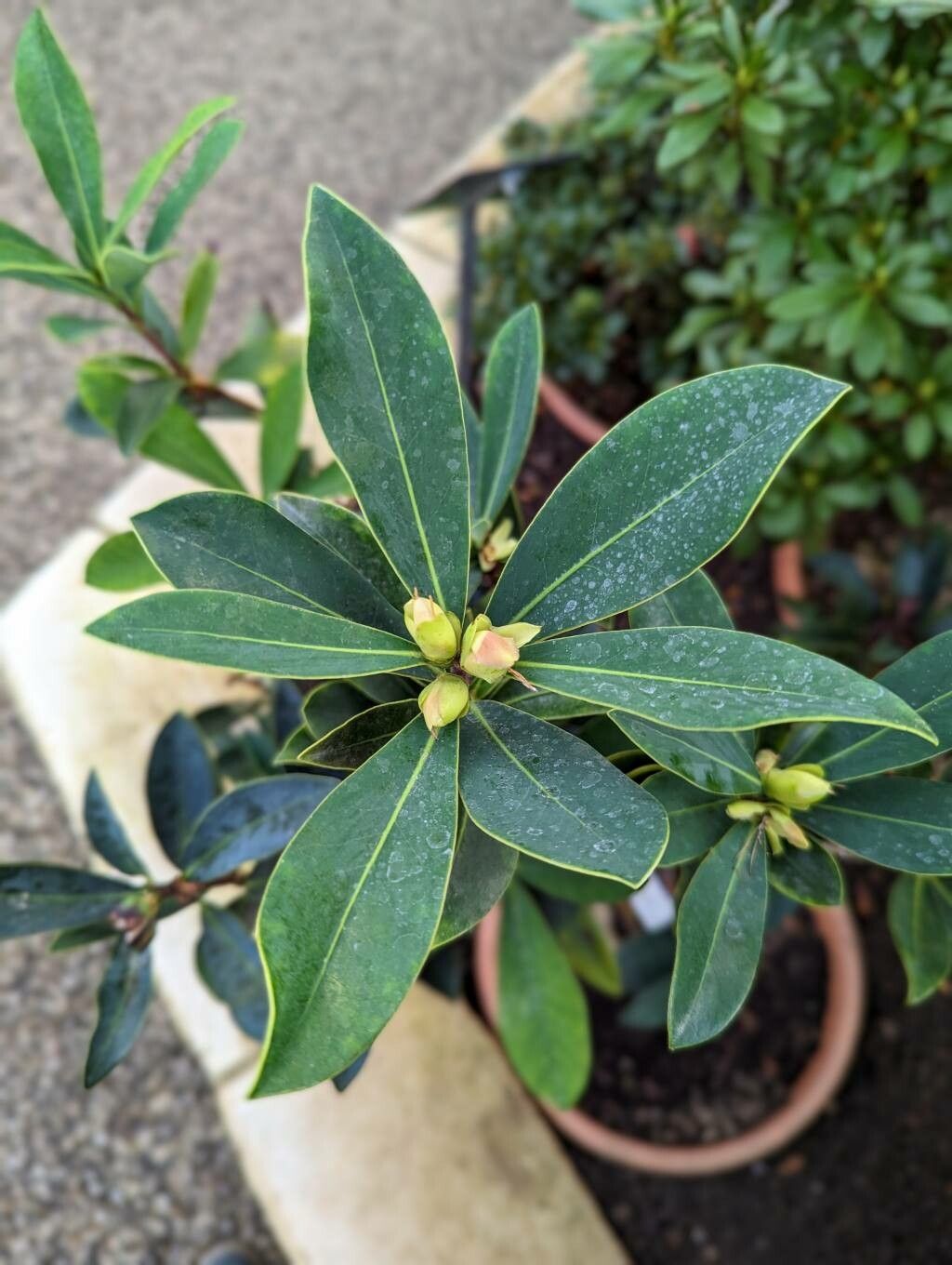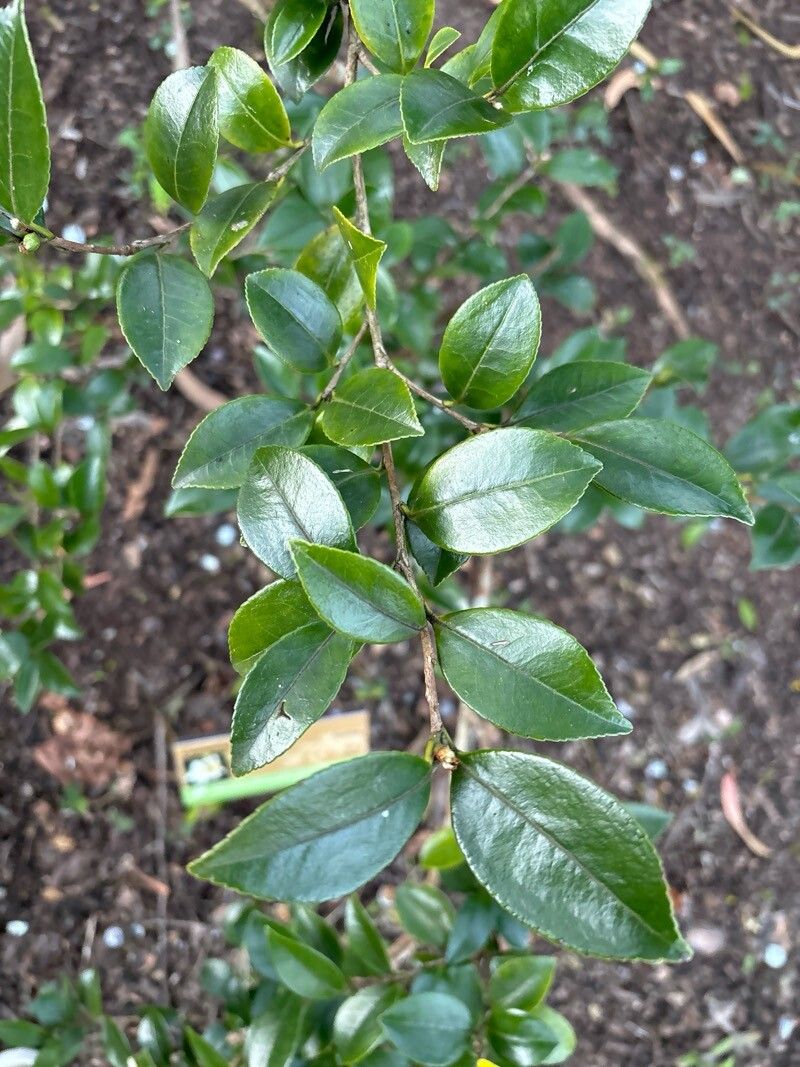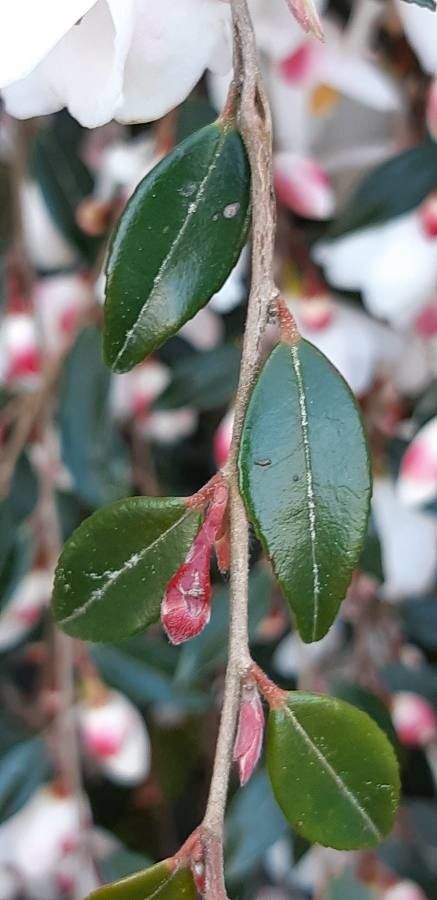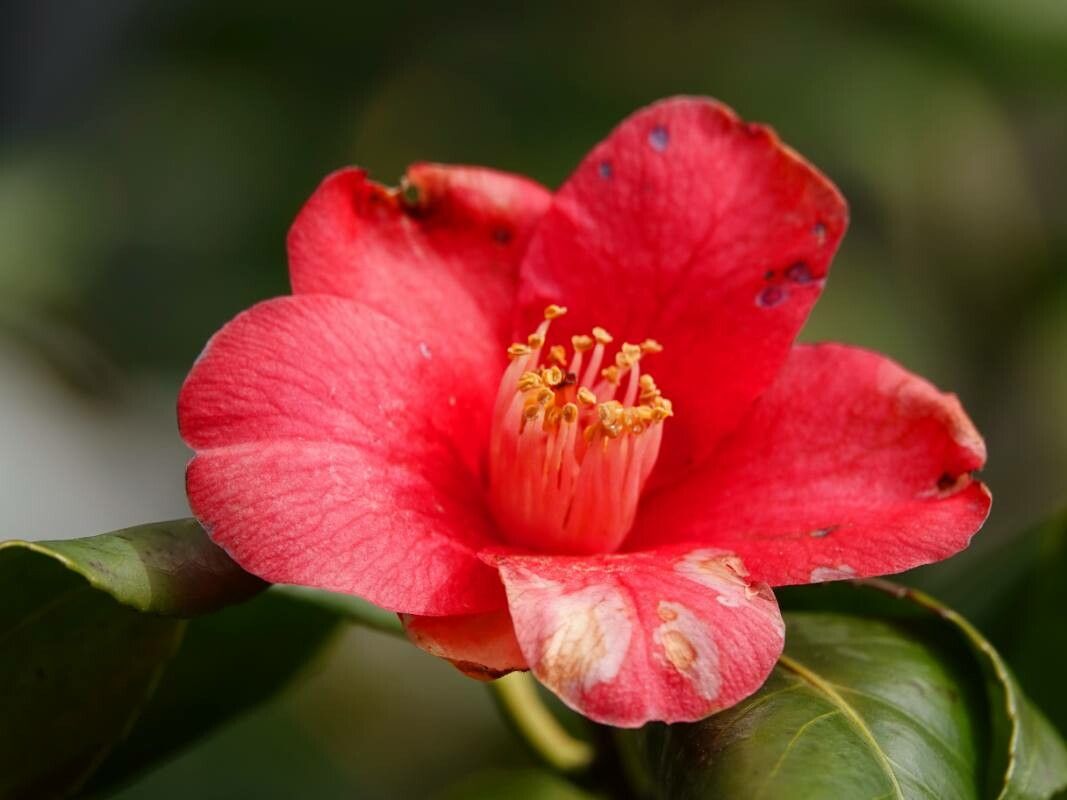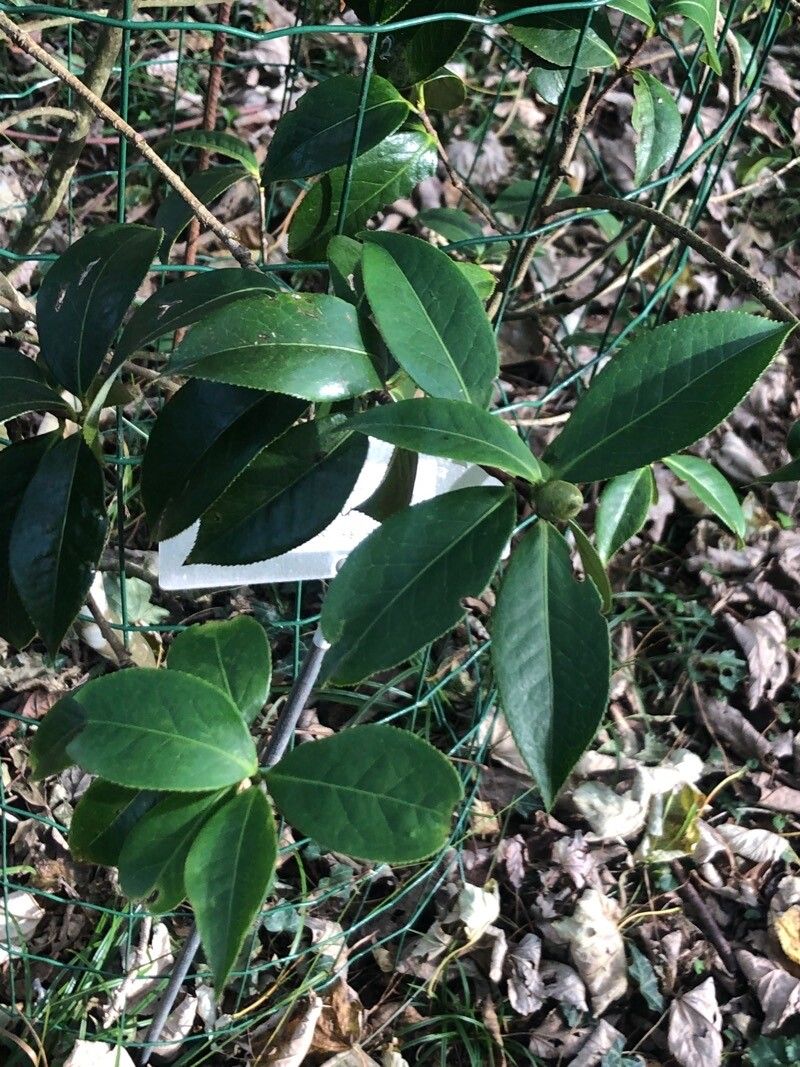
Pitard's camellia is highly disease-resistant and generally does not suffer from illnesses. As for care, this plant is fairly low-maintenance. When grown outdoors it needs only occasional watering, and larger specimens typically do not require pruning. Smaller plants, however, should be pruned after they have finished blooming. Pitard's camelliat is suitable for anyone who has an outdoor area, such as a garden or deck, and does not need extensive care experience.
How to keep Camellia Pitardii.
Light
Pitard's camellia performs best in full, intense daylight but can also tolerate reduced sunlight. Its natural habitat prefers areas with plentiful sun exposure, which supports healthier growth. However, excessive exposure can be harmful, while insufficient exposure may lead to inadequate growth.
Temperature
Pitard's camellia is native to temperate areas, flourishing in temperatures of 50 to 95 °F (10 to 35 ℃). In colder months it should be kept protected from frost, and in hotter seasons it should be shaded from strong afternoon sun to help maintain its preferred temperature.
Fertilizer
Getting the timing right is important when fertilizing Pitard's camellia. Apply fertilizer in early spring and continue once a month until early summer. Fertilizer encourages attractive blooms and supplies energy during both dormant and active growth stages.
Pruning
Pitard's camellia is an evergreen shrub known for its glossy leaves and stunning flowers. To keep it healthy and blooming, it's best to prune in late spring. Focus on removing dead branches and thinning crowded areas to improve air circulation and encourage blooming. Avoid pruning while the plant is in flower, and make sure to cut just above healthy buds to maintain the shrub's shape and vitality.
Pot & Repot
Potted pitard’s camellias should be repotted each spring. During this time, you can also prune the branches and leaves to encourage healthy growth and maintain their shape.
Botanical profile.
- Plant Type
- Shrub
- Life Cycle
- Perennial
- Genus
- Camellia
- Family
- Theaceae
- Hardiness Zone
- 6-10
- Mature Height
- 7.01 m
- Mature Spread
- 1.52 m to 3.05 m
- Leaf Color
- Dark Green, Forest Green
- Leaf Type
- Evergreen
- Flower Color
- Pink, White
- Flower Size
- 5.08 cm to 10.16 cm
- Bloom Time
- Winter
- Planting Time
- Spring, Autumn
- Harvest Time
- Late summer, Early fall, Mid fall
- Native Area
- China
Other names.
Reader questions.
What are the sunlight requirements for Pitard's camellia?
Pitard's camellia requires full intensity of daylight to flourish, thriving best in environments that provide ample sun exposure. It is capable of managing with diminished sunlight intensity but prefers full sun for healthier growth. Full sun is defined as above 6 hours of sunlight, while partial sun is about 3-6 hours of sunlight. It is important to monitor your garden's sunlight patterns to ensure plants are placed in areas with the ideal balance of light and shade, promoting their well-being.
What is the indigenous environment for Pitard's camellia?
Pitard's camellia is indigenous to temperate areas and thrives best in temperatures ranging from 50 to 95 °F (10 to 35 °C). It prefers environments where it can be protected from frost during colder months and shaded from intense afternoon sun during hotter seasons, to maintain its ideal temperature range.
How does artificial lighting benefit indoor plants like Pitard's camellia?
Indoor plants, including Pitard's camellia, require adequate lighting for optimal growth, especially when natural sunlight is insufficient, like in winter or less sunny spaces. Artificial lights, such as LED lights, provide a vital solution by offering the specific wavelengths of light that plants need. Full sun plants should receive 30-50W/sq ft of artificial light, partial sun plants 20-30W/sq ft, and full shade plants 10-20W/sq ft. It's also essential to place the light source 12-36 inches above the plant and mimic natural daylight hours, with most plants needing 8-12 hours of light per day.
Does Pitard's camellia require special frost protection?
Pitard's camellia has a strong cold resistance and usually does not require special frost protection measures during winter. However, if temperatures are expected to drop below -25°C, it's important to provide cold protection. This can be done by wrapping the trunk and branches with non-woven fabric or cloth. Additionally, watering the plant abundantly before the first freeze in autumn to keep the soil moist is recommended, as it helps prevent drought and water scarcity during winter and early spring.
What are the symptoms of light deficiency or overexposure in Pitard's camellia?
Pitard's camellia may show various symptoms due to light deficiency or overexposure. Symptoms of light deficiency include smaller new leaves, leggy or sparse growth, faster leaf drop, slower or no new growth, lighter-colored new leaves, indicating insufficient sunlight and a lack of essential nutrients. Overexposure symptoms comprise chlorosis (leaves turning yellow due to chlorophyll breakdown), sunscald, leaf curling, wilting, and leaf scorching, reflecting the plant's struggle with excessive sunlight and its effects on plant health.
How does low temperature affect Pitard's camellia and what are the recommended solutions?
Pitard's camellia is cold-tolerant, thriving best when temperatures stay above 10°C and should be kept above -15°C during winter. If temperatures fall below -25°C, the plant may not show immediate damage during winter, but come spring, its branches might become brittle, dry, and fail to produce new shoots. The recommended solution for spring is to prune away any dead branches that have not produced new leaves.
How can I alleviate symptoms of improper sunlight exposure in Pitard's camellia?
To ensure optimal growth for Pitard's camellia, gradually move the plant to a sunnier location to receive at least 6 hours of direct sunlight daily. For indoor plants, use a south-facing window or artificial light if the plant is large. Keep a desk or ceiling lamp on for at least 8 hours a day, or invest in professional plant grow lights. Outdoors, avoid sudden and drastic changes in light intensity that may cause sunburn. If sunlight is obstructed, prune trees or transplant smaller plants during their dormant period to a sunny location with good drainage. Note that parts of the plant affected by insufficient sunlight may not recover, but new growth will be healthy after increasing light exposure.
What effects do high temperatures have on Pitard's camellia and how can they be mitigated?
During summer, it's best to keep Pitard's camellia below 35°C to prevent stress from high temperatures. Exceeding 41°C can cause the leaves to become lighter in color and the tips to dry and wither, making the plant more susceptible to sunburn. To mitigate these effects, trim away sunburned and dried parts, move the plant to a shaded location or use a shade cloth to protect it from midday and afternoon sun. Additionally, ensure the soil remains moist by watering the plant in the morning and evening.