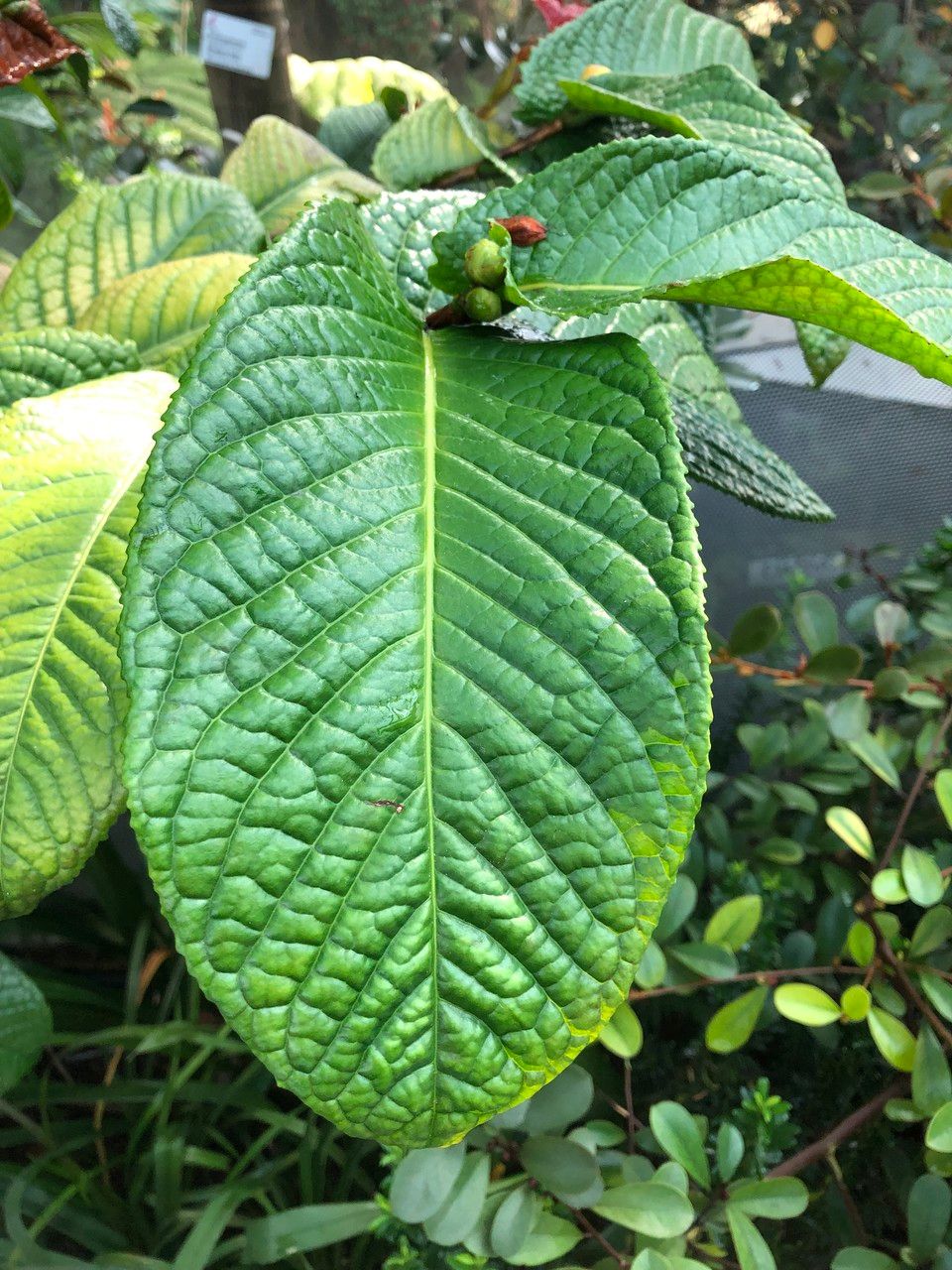
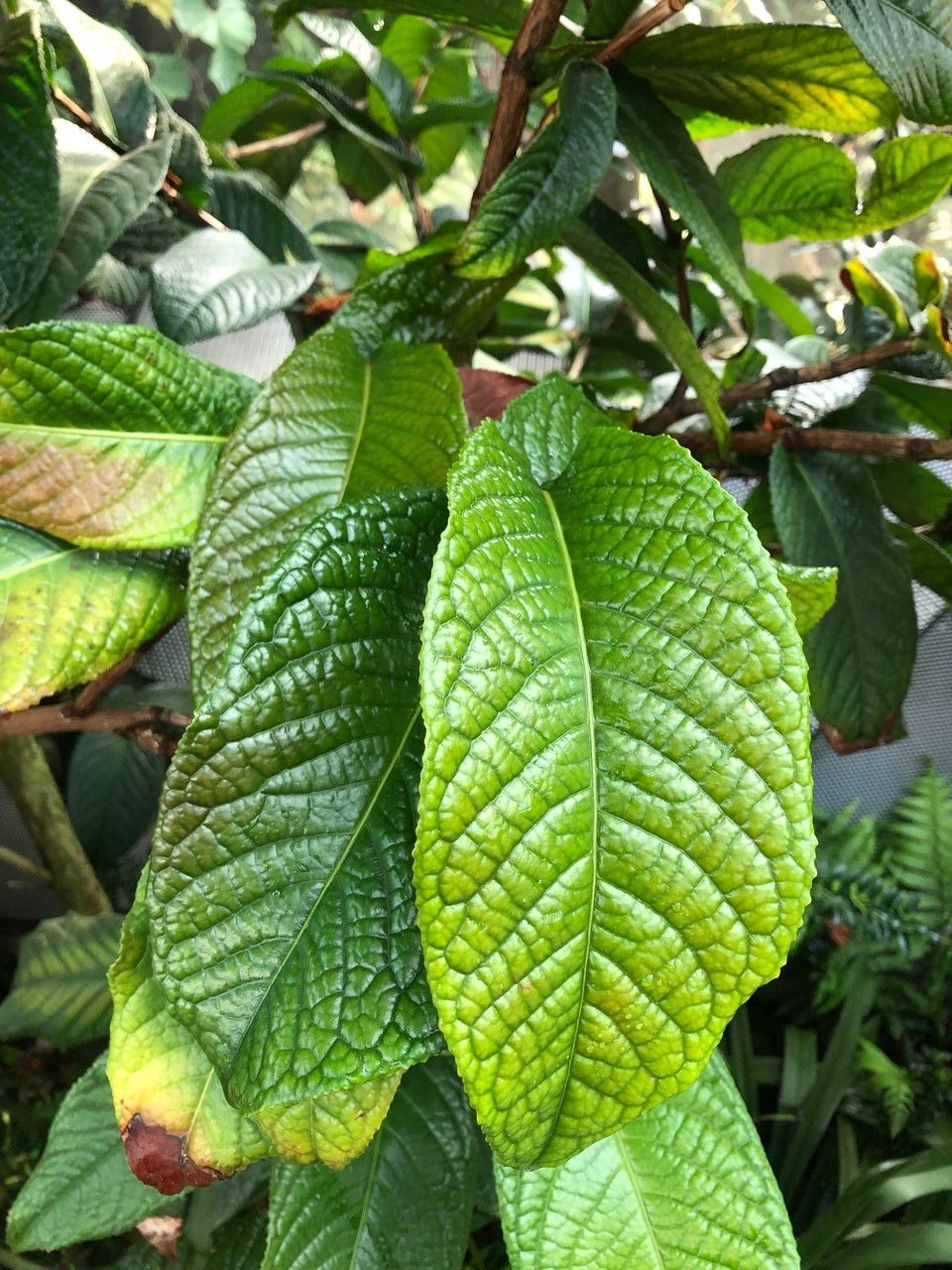
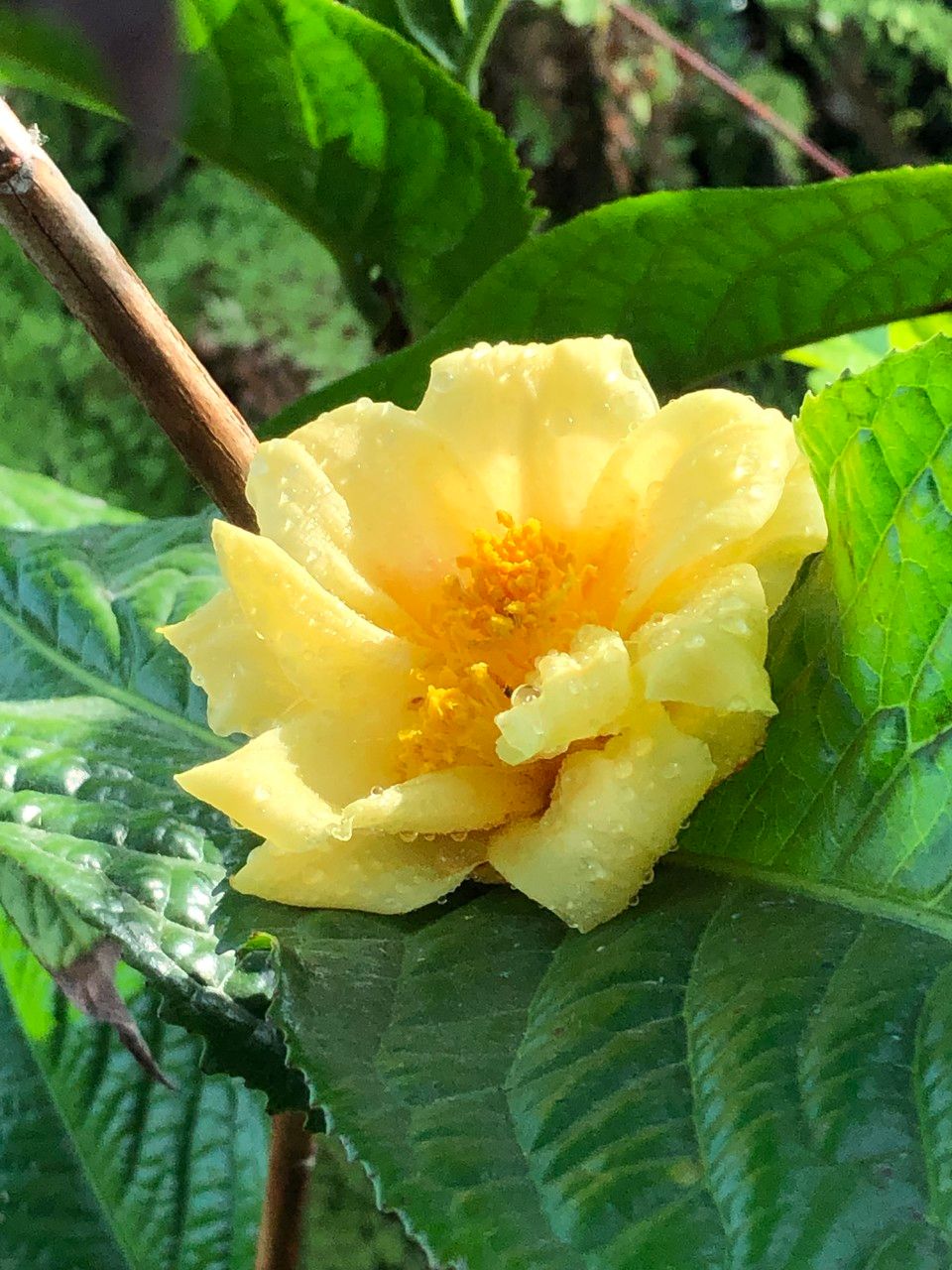
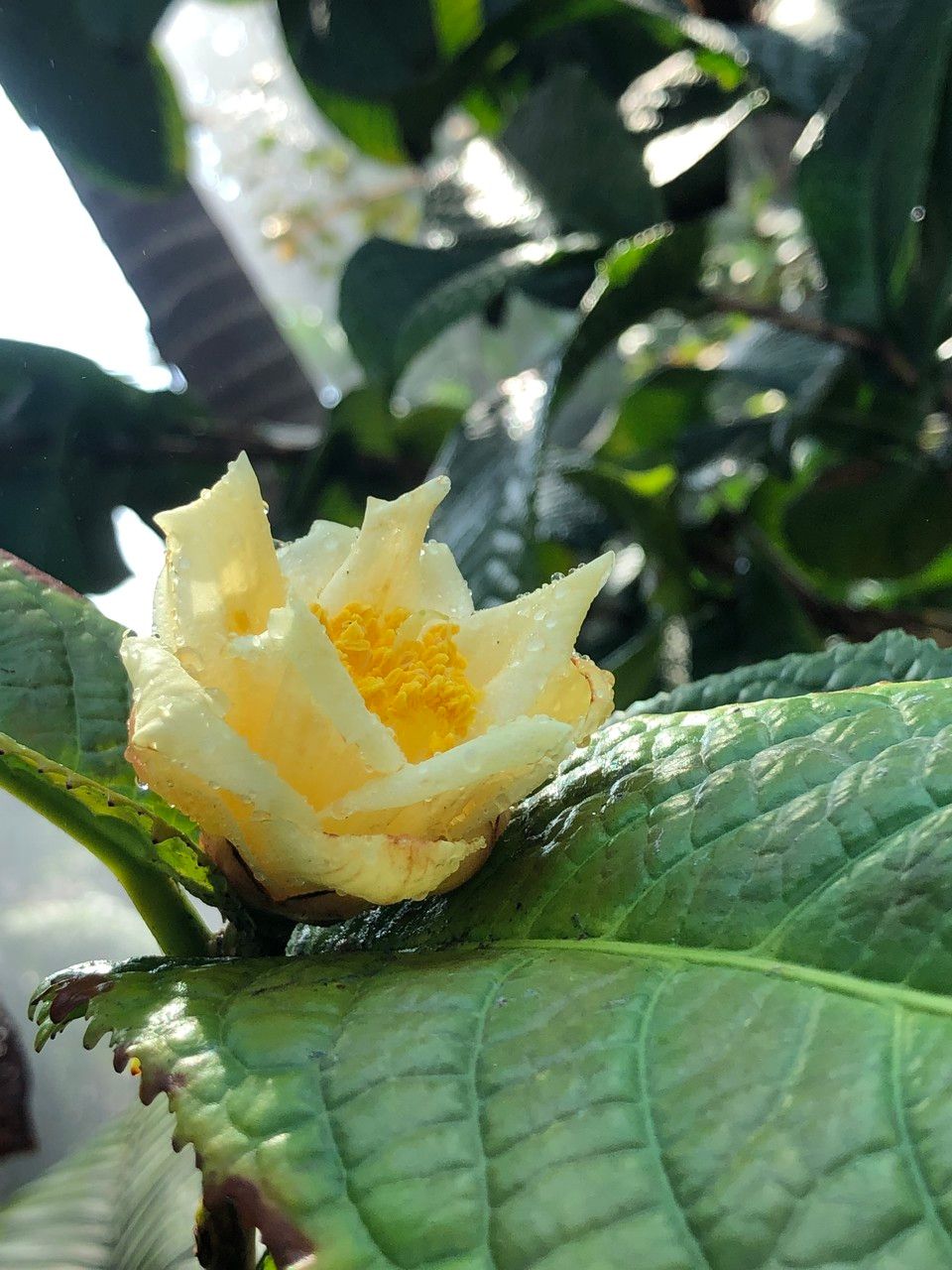
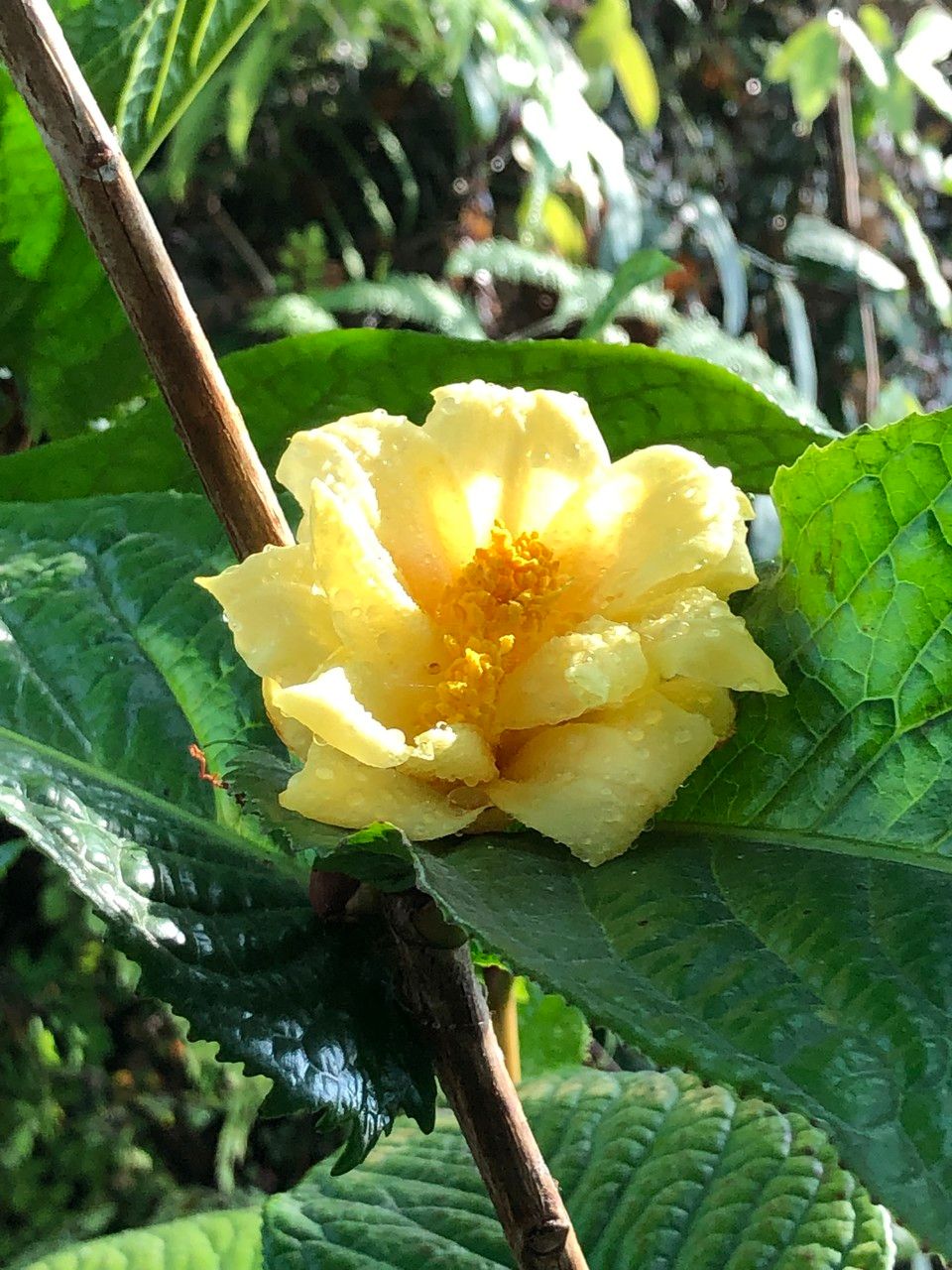
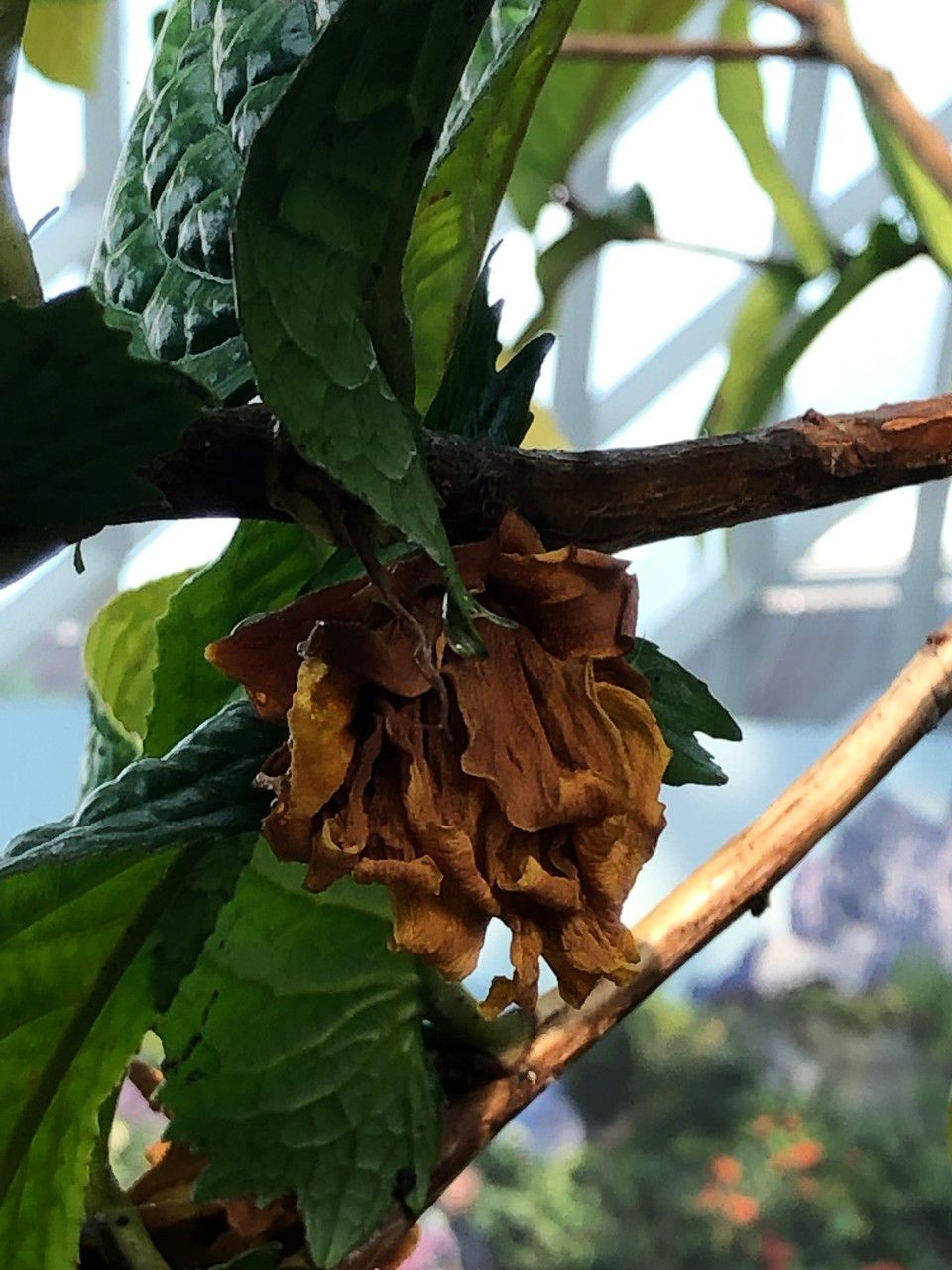
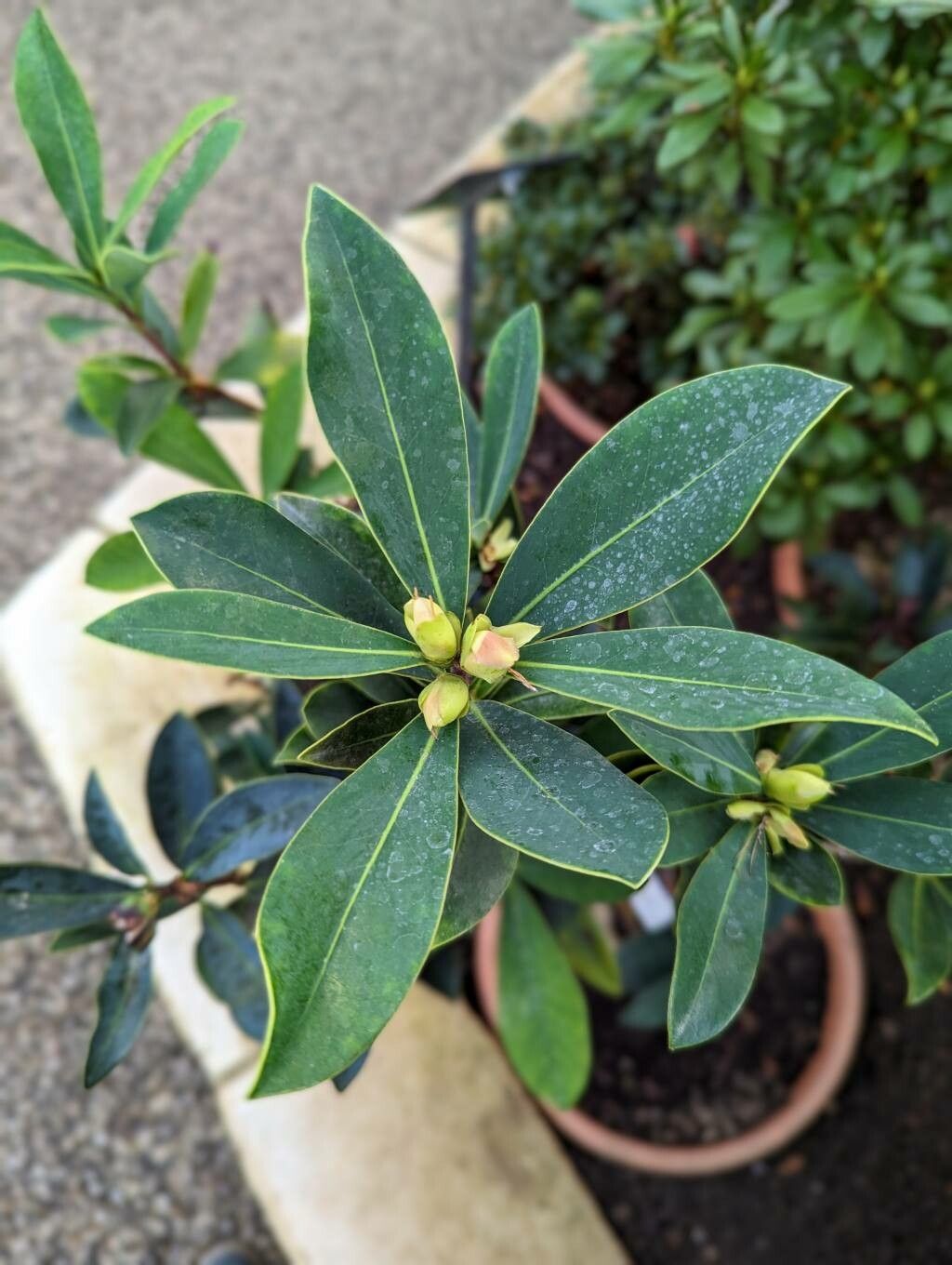
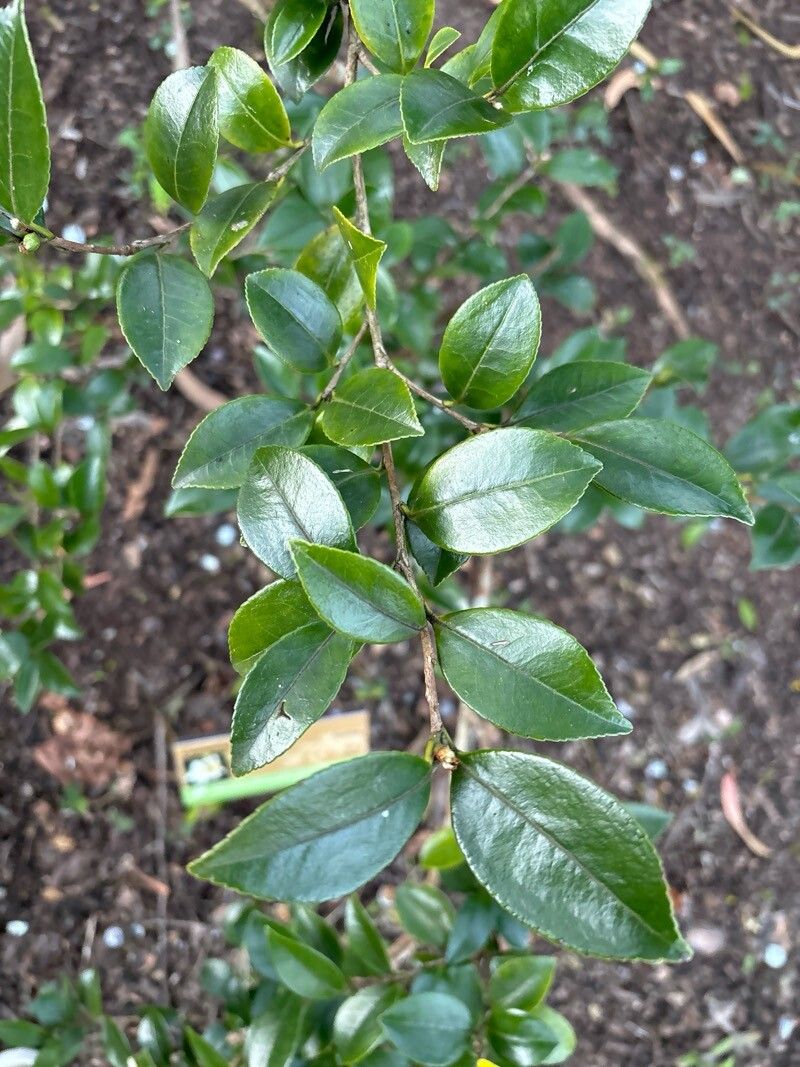
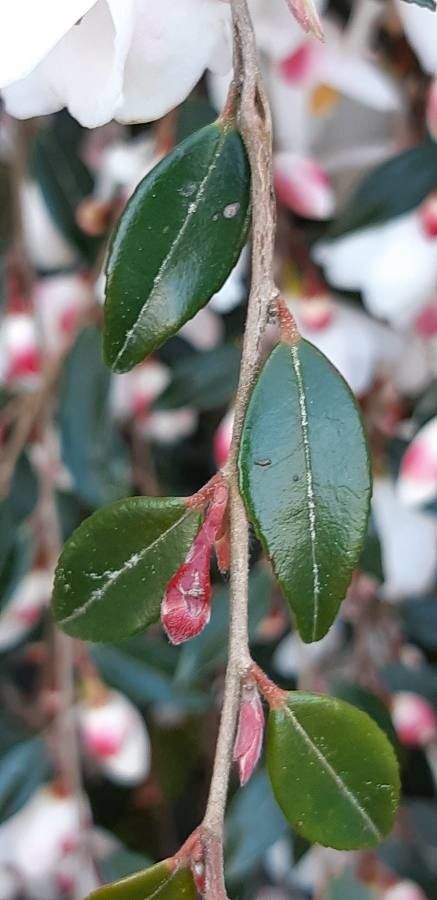
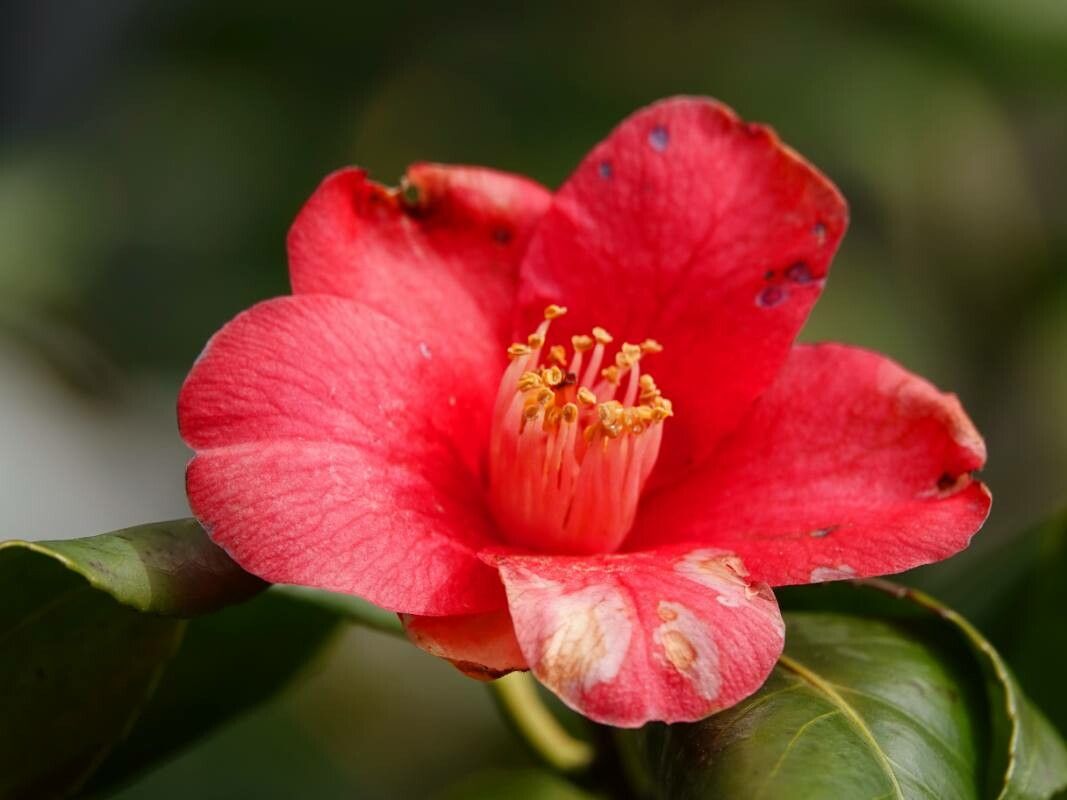
Camellia petelotii is a species of plant in the family Theaceae. It is found in China (endemic in the Guangxi Zhuang Autonomous Region in southern China) and Vietnam. It may be called the golden camellia and synonyms include C. chrysantha and Camellia nitidissima. The golden camellia originated 170 million years ago, it is a first-class nationally protected plant in China. The golden camellia is extremely demanding on the growth environment, and its genes are extremely difficult to replicate, once transplanted, it will die or genetically mutate. Therefore, in 1986, the Golden Camellia National Nature Reserve was built in Fangcheng, Guangxi, with a total area of 9195.1 hectares.It is threatened by habitat loss. It originates from southern China and Vietnam where it has been used to make tea; it has also been propagated as a garden plant for its waxy yellow flowers, which are unusual in a camellia. It is endangered in the wild, but favored as a garden plant.
The golden camellia has strong resistance to disease and is typically not susceptible to illnesses. Regarding maintenance, this species is fairly easy to care for. When grown outdoors it needs only light watering, and mature specimens usually don't require trimming. By contrast, smaller plants should be cut back after flowering. The golden camellia is appropriate for anyone who has an outdoor area, like a garden or a deck, and it doesn't demand extensive gardening experience.
How to keep Camellia Petelotii.
Light
Golden camellia strongly prefers plentiful sunlight to achieve its best growth. The plant can tolerate places with moderate light, although this may reduce its growth and how often it blooms. In its native habitat it became adapted to sun-rich conditions. Too much or too little light can damage the plant's vigor and overall health.
Water
Golden camellia thrives in humid environments, needing consistent moisture without becoming waterlogged. To mimic its native rainfall, it's best to water it weekly. Often grown indoors, this plant flourishes in maintained humidity, echoing its rainforest origins where it enjoys sheltered, moist conditions.
Humidity
This plant will thrive in moderate humidity, which is probably the level in your home. However, misting it a few times a week can be very beneficial. Make sure the room has good ventilation.
Temperature
Golden camellia is indigenous to regions where temperatures usually fall between 50 to 90 °F (10 to 35 ℃). It performs best within that range, so replicating those conditions is beneficial. Temperatures should be adjusted seasonally if needed, ensuring they never fall below 50 °F (10 ℃).
Fertilizer
The timing of fertilizing Golden camellia is crucial. Apply fertilizer in early spring and continue monthly until early summer. Fertilizer helps produce lovely blooms and supplies energy during both dormant and active growth phases.
Pruning
The golden camellia is known for its vibrant yellow blooms. To encourage growth and future flowering, prune it in late spring after it has finished blooming. Remove any dead branches and thin out crowded areas to improve airflow, but be careful not to remove more than one-third of the plant. This approach improves the plant's shape, promotes its vigor, and reduces the risk of disease, leading to a healthier plant overall.
Pot & Repot
Repot potted golden camellias every spring. During the repotting process, prune the branches and leaves to keep the plant healthy and encourage growth.
Botanical profile.
- Plant Type
- Shrub
- Life Cycle
- Perennial
- Genus
- Camellia
- Family
- Theaceae
- Hardiness Zone
- 6-10
- Mature Height
- 2.13 m to 3.05 m
- Mature Spread
- 2.13 m to 3.05 m
- Leaf Color
- Green
- Leaf Type
- Evergreen
- Flower Color
- Pink, White
- Flower Size
- 2.03 cm to 6.35 cm
- Bloom Time
- Winter
- Planting Time
- Spring, Autumn
- Harvest Time
- Mid spring, Late spring, Early summer
- Native Area
- Vietnam, Laos, China
Other names.
Reader questions.
What should I do if I give my Golden camellia too much water or not enough water?
Outdoor plants, especially newly planted ones or seedlings, can be prone to lack of watering. It's important to ensure you water them enough for the first few months when the tree is small or just planted. Once the roots are established, Golden camellia can rely on rain for most of its water needs. When you have a Golden camellia planted in a pot, overwatering is more likely to happen. If you accidentally overwater your Golden camellia, you should take immediate action to fix the situation. Firstly, stop watering the plant right away to minimize the impact of overwatering. Then, remove the Golden camellia from its pot to inspect the roots. If you find that none of the roots have developed root rot, you can return the plant to its container. However, if you notice signs of root rot, trim away the affected roots and consider applying a fungicide to prevent further damage. Lastly, repot the Golden camellia in well-draining soil. On the other hand, if your Golden camellia is underwatered, simply water it more frequently. Underwatering is usually easy to fix. When a plant is underwatered, its leaves may droop, dry out, and fall off. However, the leaves will bounce back quickly after sufficient watering. Make sure to adjust your watering frequency as soon as you notice signs of underwatering.
Why should I put fertilizer on my Golden camellia plant?
To ensure your Golden camellia produces beautiful blooms, it's important to fertilize it. Fertilizing in early spring is particularly effective for maximizing flower quality. Additionally, fertilizer provides the necessary energy for the camellia to store during dormant periods. By supplementing with extra nutrients in the fall or late spring, your Golden camellia will have more stored energy to use when it resumes active growth.
How many hours of sunlight does a Golden camellia need each day to grow healthy?
To ensure healthy growth, it is important to give Golden camellia a minimum of 3-6 hours of sun per day. Most plants that tolerate part sun can also thrive in full sun. However, they are more adaptable because they require less light for photosynthesis compared to plants that need full sun or part shade.
What temperature is best for Golden camellia?
The ideal temperature for Golden camellia to thrive is between 65 and 80°F (18-27°C). During the main growing phase, the highest tolerable temperature is 95°F (35°C), while the lowest tolerable temperature is 15°F (-10°C). This species can tolerate low temperatures and survive freezing winters. The recommended temperature range is: Ideal: 65-80°F (18-27°C), Highest: 85-95°F (30-35°C), Lowest: -5-15°F (-20 to -10°C) or colder.
How frequently should I give water to my Golden camellia plant?
Here are some tips for watering your outdoor plants and potted Golden camellias: 1. Most outdoor plants can grow naturally with rainfall, but if your area lacks rain, you'll need to water them regularly. 2. In spring and fall, water your plants every 2 weeks if there's little rainfall. Increase watering frequency in the summer. 3. During winter, when plants grow slower and need less water, water them sparingly. You may not need to water them at all. 4. If you have a young or newly planted Golden camellia, water it more often to help it establish and grow. 5. For potted plants, you can determine how often to water based on a predetermined schedule or soil moisture. 6. A predetermined schedule might be once a week or once every other week, but it may not consider the specific needs of your Golden camellia. 7. Adjust your watering frequency depending on the season, especially during summer when water needs are highest. 8. An alternative approach is to check the soil moisture before watering. Wait until the top 2 to 4 inches of soil (about ⅓ to ½ depth of the pots) have dried out completely before giving more water. By following these guidelines, you can ensure that your Golden camellias and other plants get the right amount of water they need.
When should I fertilize my Golden camellia for the best results?
To effectively fertilize Golden camellia, timing is crucial. Applying fertilizer too early, while the plant is still dormant, will result in ineffective usage and washing away due to rainwater, leading to waste and pollution. It is recommended to apply the first round of fertilizer in early spring and continue fertilizing monthly until early summer.
What kind of sunlight does Golden camellia require?
Golden camellia thrives in full or part sun, particularly benefiting from direct morning light. However, during the summer, they should be shielded from the intense afternoon sun. Too much hot afternoon sun in temperate environments can scorch the leaves, leading to a decline in the plant's overall beauty and well-being.
Do I need to change the temperature for the Golden camellia plant as it goes through different stages of growth?
According to research, Golden camellia experiences stunted growth when exposed to high temperatures, especially during the development of axillary buds and main shoots. To promote healthy growth after germination or transplanting, it is recommended to maintain consistent and cooler temperatures, around 65℉ (18℃).
How much water does my Golden camellia plant need?
Watering your Golden camellia can be done with a smaller amount of water than you might expect. If only a few inches of soil have dried since the last watering, giving it about five to ten ounces of water each time can promote healthy growth. To determine the appropriate amount of water, take note of how many inches of soil have dried out between waterings. Ideally, moisten all the dry soil layers since the last watering. If over half of the soil has become dry, consider giving more water until excess water drains from the pot's holes. If your Golden camellia is exposed to ample rains outdoors, it may not require extra watering. For young or newly established plants, ensure they receive 1-2 inches of rain per week. As they grow and establish, they can rely solely on rainwater, but during hot weather without rainfall for 2-3 weeks, a thorough watering should be provided to prevent stress.
When should I not put fertilizer on my Golden camellia plant?
To ensure optimal growth and blooming of Golden camellia, it is important to follow a few guidelines regarding fertilizer usage. First, it is advisable to avoid fertilizers with high nitrogen content, as these may lead to excessive leaf growth but limited blooming. Instead, opt for fertilizers that have a lower nitrogen level compared to other nutrients. Secondly, it is crucial not to fertilize the Golden camellia after early autumn, as this can promote excessive growth right before winter, which is not ideal. Additionally, refrain from fertilizing the plant during hot and dry periods, as dry soil does not effectively deliver fertilizer, and the increased growth may require more water that may not be readily available. It is best to apply fertilizer earlier in the season when temperatures are cooler. Lastly, keep in mind that Golden camellias can absorb fertilizer from nearby plants or lawns. Therefore, it is vital to exercise caution and prevent accidentally giving the tree/shrub a double dose of fertilizer.
Can the sun harm Golden camellia? How can I keep Golden camellia safe from sun and heat damage?
If you have a golden camellia planted indoors and want to move it outdoors, be careful about exposing it to direct sunlight right away. To prevent sunburn, gradually move the pots from a shaded area to a brighter spot. Even if the plants are acclimated to the summer sun, extreme heat can still harm them. During a heatwave, it's crucial to keep the soil consistently moist so the plants can handle the excessive heat. To protect sensitive golden camellias during extreme weather events, you can move them to areas with afternoon shade or use a shade cloth to cover them.
How do I make sure my Golden camellia stays warm during the cold seasons?
The golden camellia is a plant that can tolerate freezing temperatures when grown in the ground. As long as the temperature does not drop below 15℉ (-10℃), it can survive the winter. However, if the golden camellia is planted in pots or containers, it's important to protect the roots from the cold. This can be done by wrapping the container in a blanket or bringing it indoors, where it will be fully shielded from the harsh winter elements.