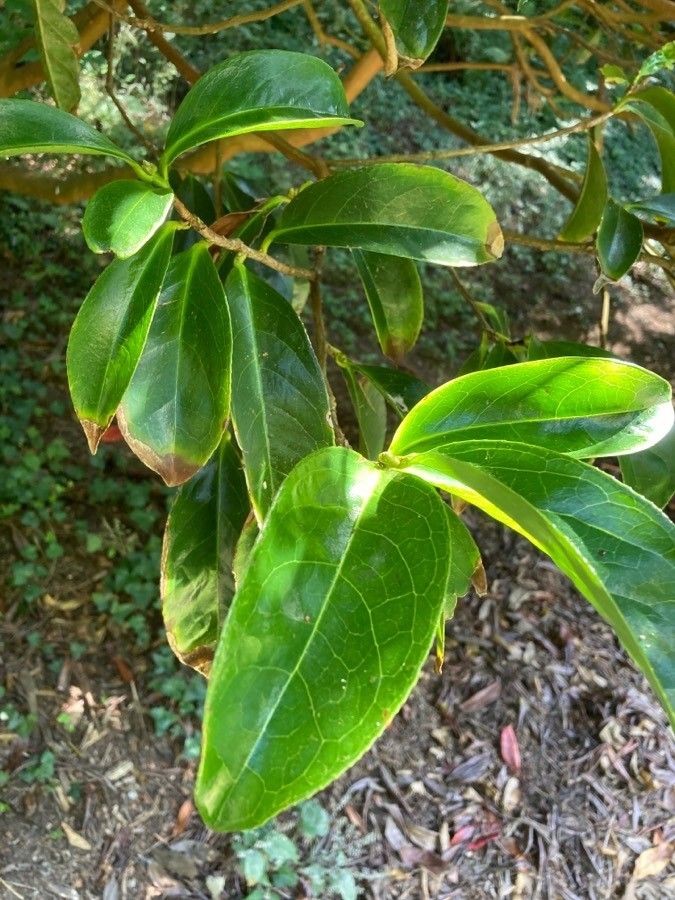
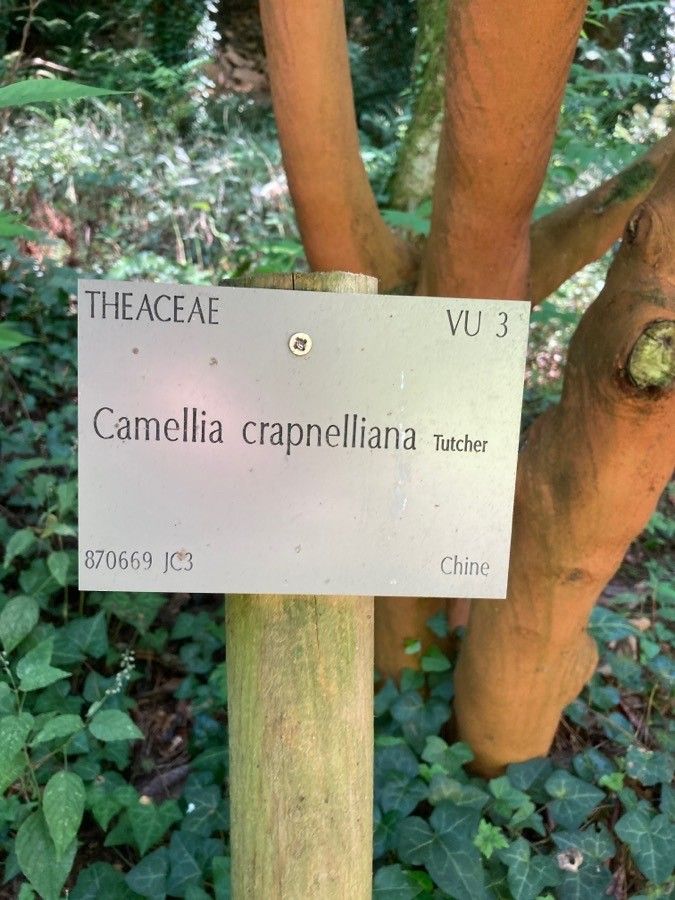
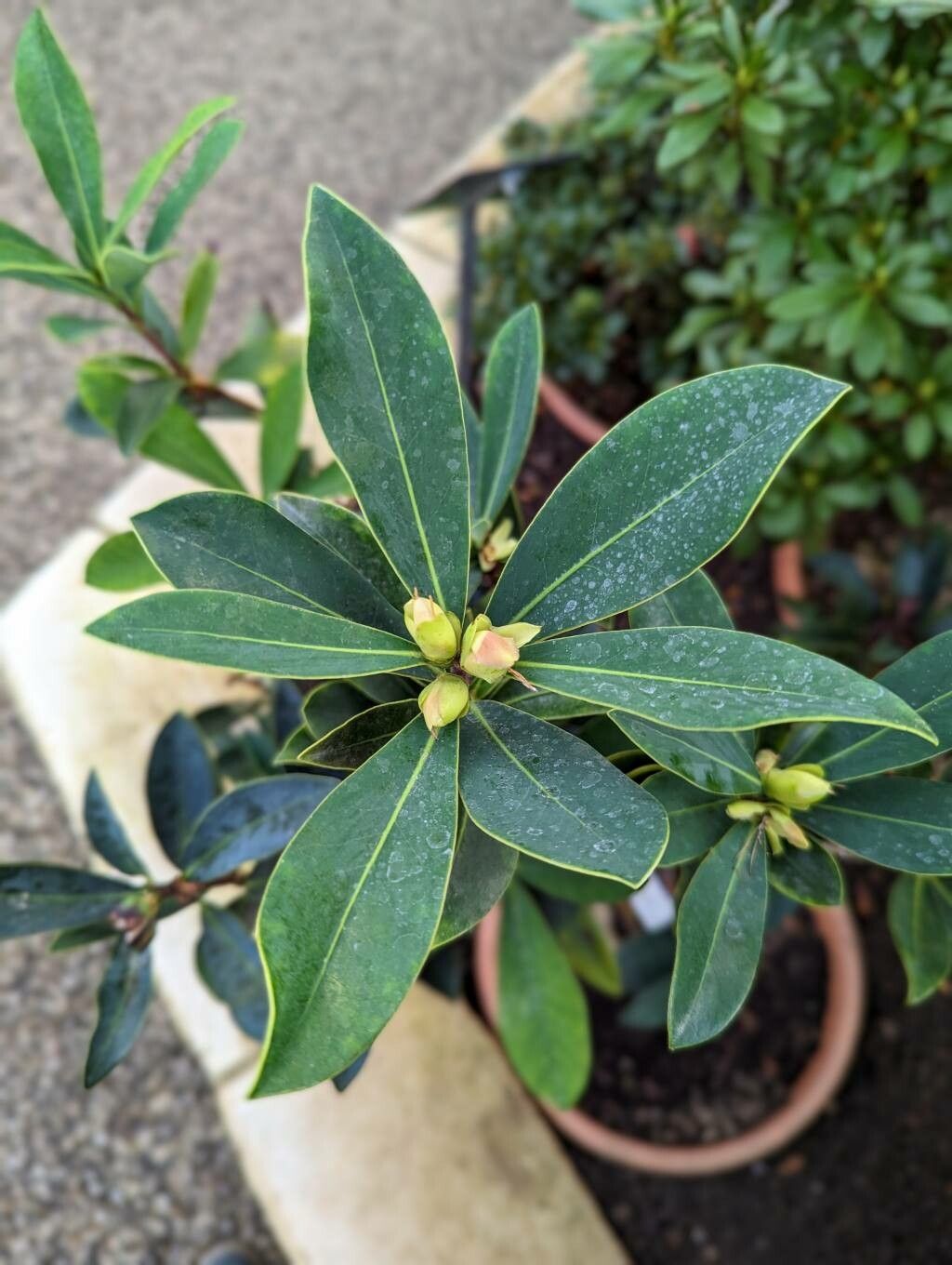
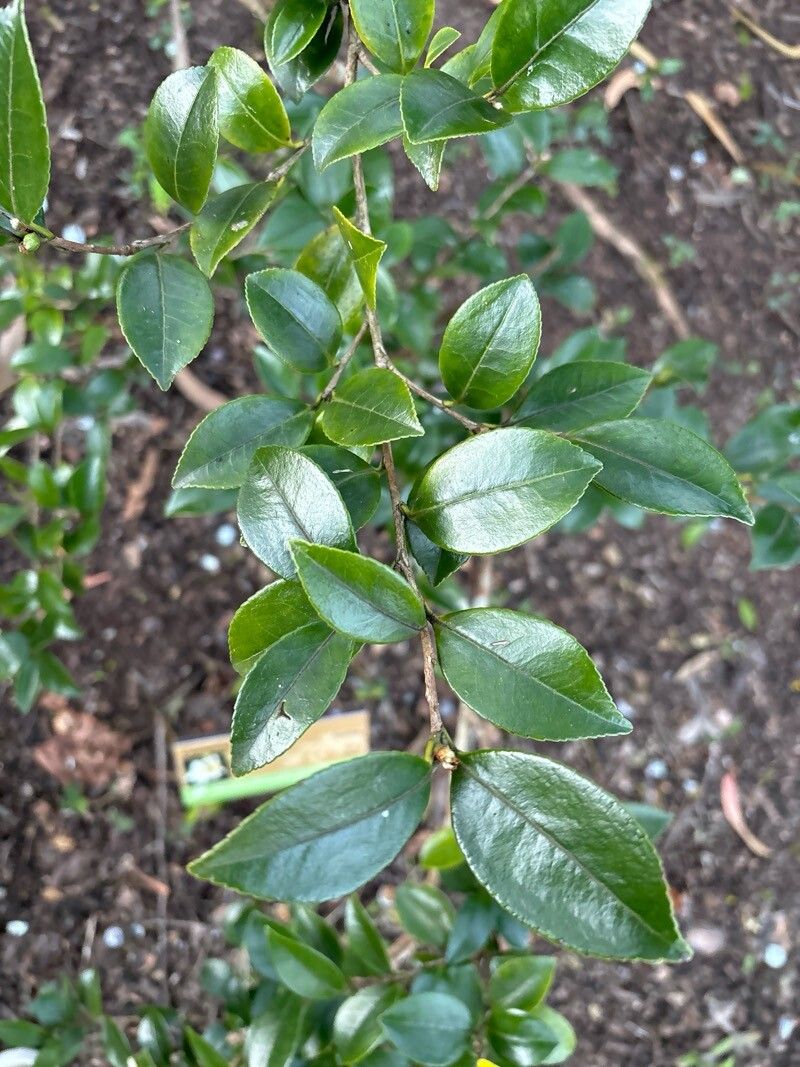
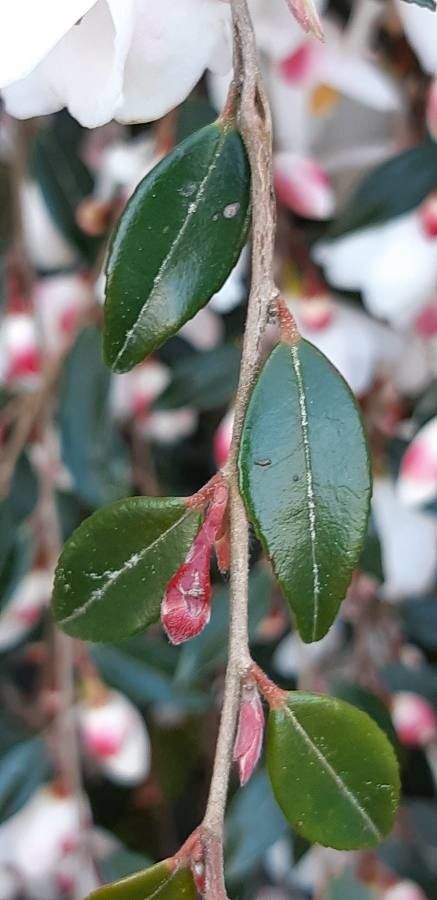
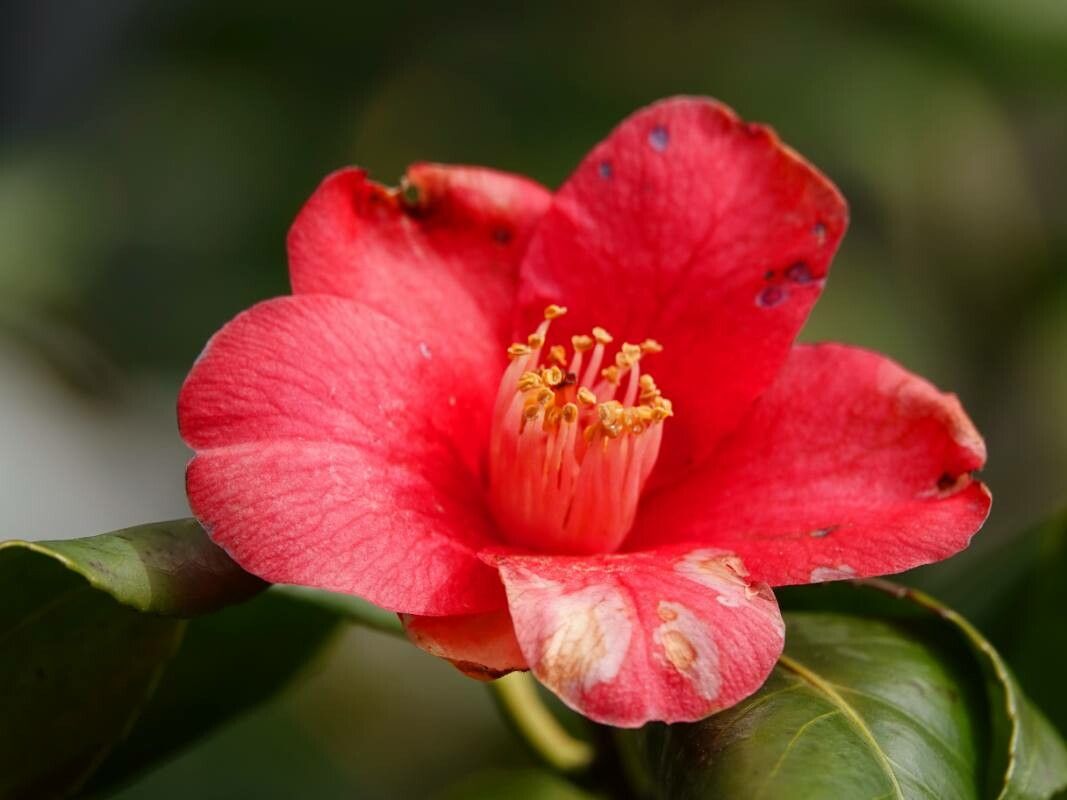
Camellia crapnelliana, Crapnell's camellia (Chinese: 紅皮糙果茶 or 克氏茶), is a flowering Camellia native to Hong Kong and other parts of south-eastern China. In 1903, the species was first collected and described by W. J. Tutcher from Mount Parker, Hong Kong; only one plant was found at that time.
Crapnell's camellia exhibits strong resistance to disease and is typically not susceptible to illnesses. When it comes to care, the plant is fairly low-maintenance. Planted outdoors it needs only minimal watering, and larger specimens usually do not require pruning. Smaller plants, however, should be pruned after they finish blooming. Crapnell's camelliat is suitable for anyone with an outdoor area, such as a garden or deck, and does not demand much prior gardening experience.
How to keep Camellia Crapnelliana.
Light
Crapnell's camellia is native to habitats like forest understories and rocky areas, where it grows in natural shade. It favors partial sun but can tolerate both full sun and full shade, showing that it is adaptable and hardy.
Water
Crapnell's camellia thrives in consistently moist soil. During the spring and summer months, it is best to water the plant every 1 to 2 days. In the autumn and winter, reduce the watering frequency to twice a month. Use rainwater or distilled water for best results, and cover the soil surface with 3 inches of bark to help retain humidity.
Temperature
Crapnell's camellia comes from tropical areas, where the climate is generally warm and humid. For that reason it is adapted to high temperatures and humidity. It does not tolerate sudden shifts in temperature and prefers a consistent thermal environment, so avoid temperature fluctuations indoors. It typically cannot withstand cold and needs warmer conditions to grow. If the ambient temperature falls too low, the plant may stop growing or even die.
Fertilizer
The best time to fertilize a Crapnell's camellia is in early spring when it breaks dormancy. This encourages overall growth and flower development. Fertilizing strengthens the foliage, stems, and branches, and promotes larger, more vibrant, and longer-lasting flowers. It also helps move nutrients from the roots to the blooms and improves the plant's health and resistance to disease.
Pruning
Crapnell's camellia is a slow-growing plant that requires minimal pruning. To encourage healthy growth and new flower buds, promptly remove any withering flowers to reduce nutrient loss. Additionally, remove weak, diseased, downward-growing, and non-blooming old branches from the shrub.
Botanical profile.
- Plant Type
- Tree
- Life Cycle
- Perennial
- Genus
- Camellia
- Family
- Theaceae
- Hardiness Zone
- 8-10
- Mature Height
- 6.1 m to 9.14 m
- Mature Spread
- 3.05 m to 4.88 m
- Leaf Color
- Dark Green
- Leaf Type
- Evergreen
- Flower Color
- White
- Flower Size
- 6.35 cm to 7.62 cm
- Bloom Time
- Late fall, Early winter, Mid winter
- Planting Time
- Spring, Summer, Autumn
- Harvest Time
- Late summer, Early fall, Mid fall
- Native Area
- China
Other names.