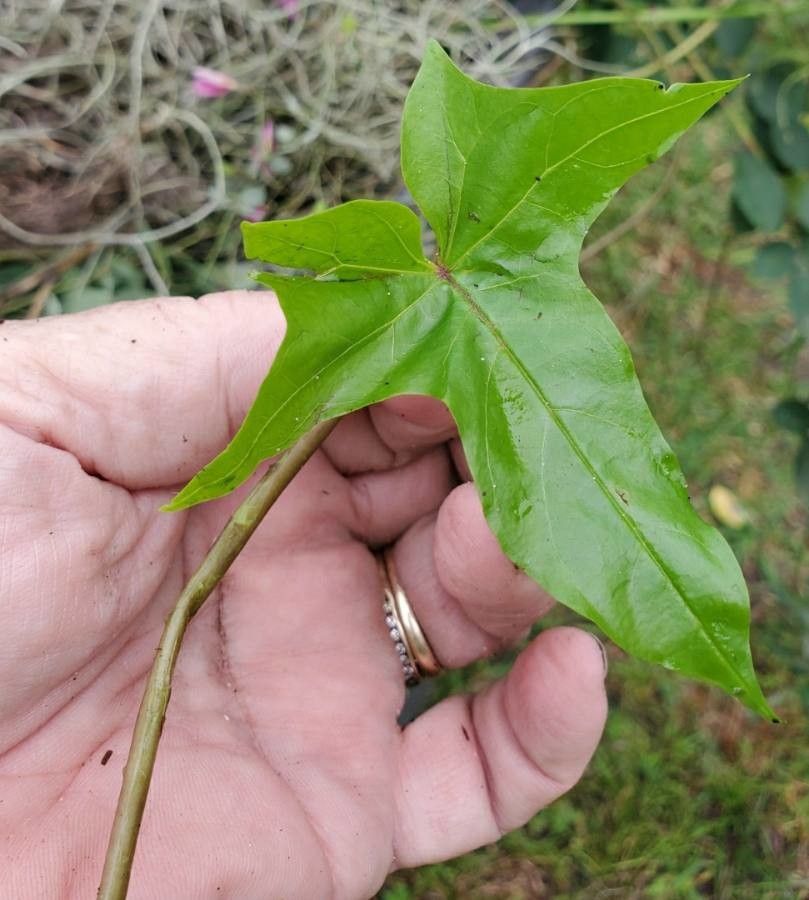
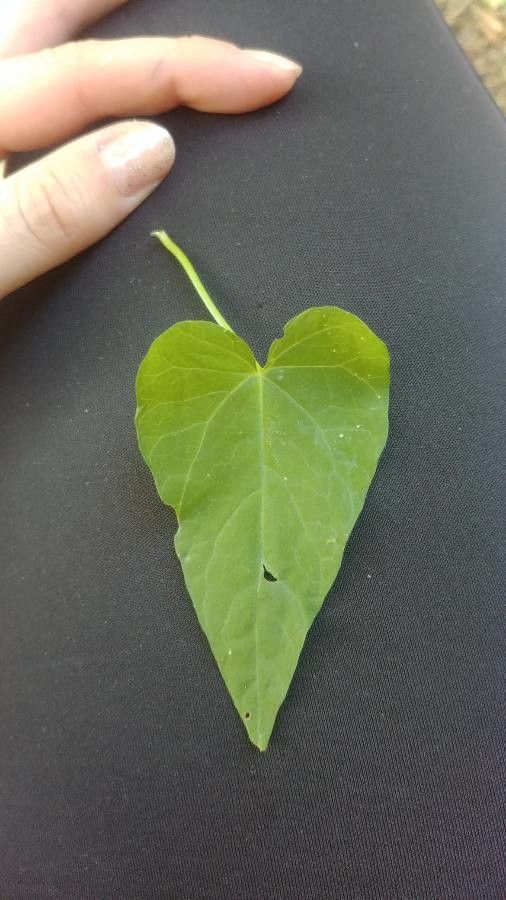
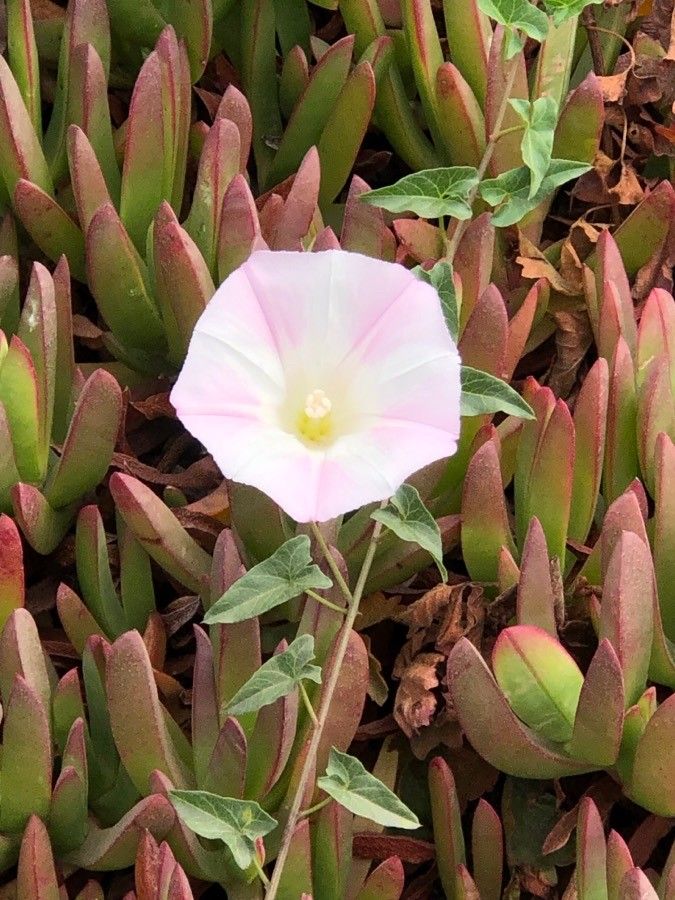
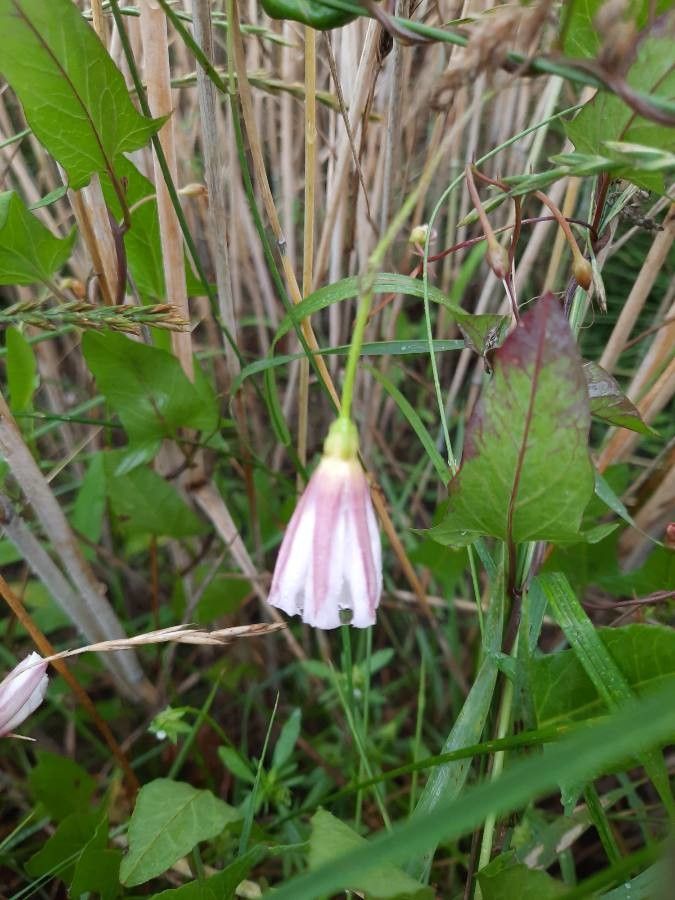
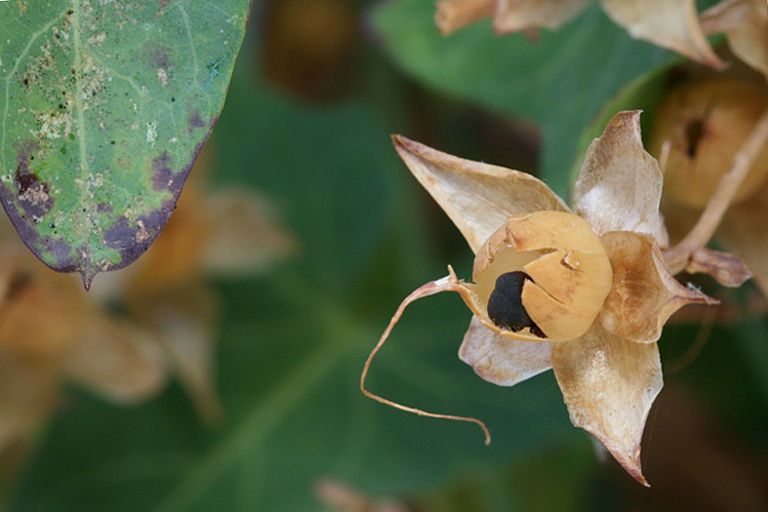
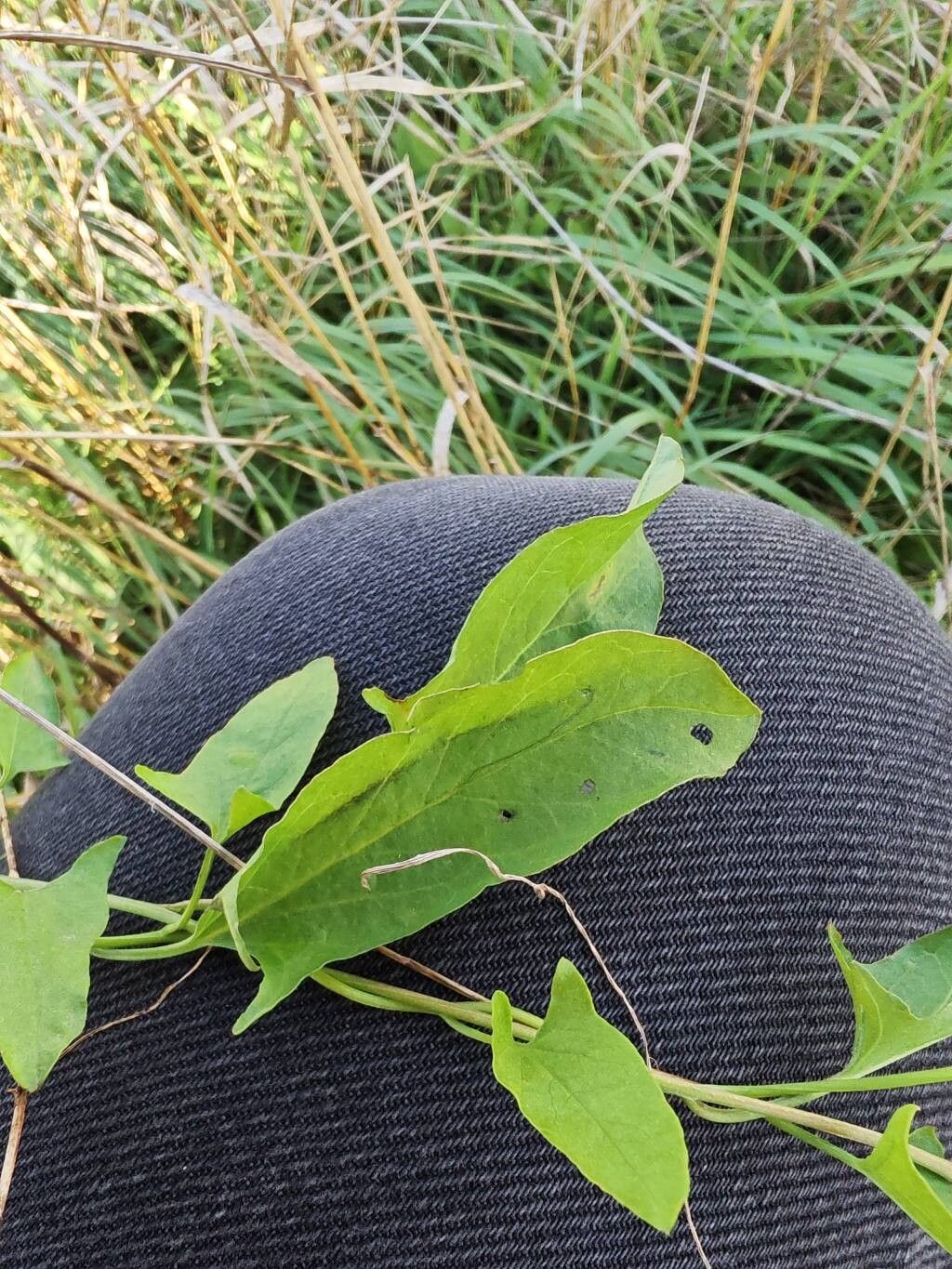
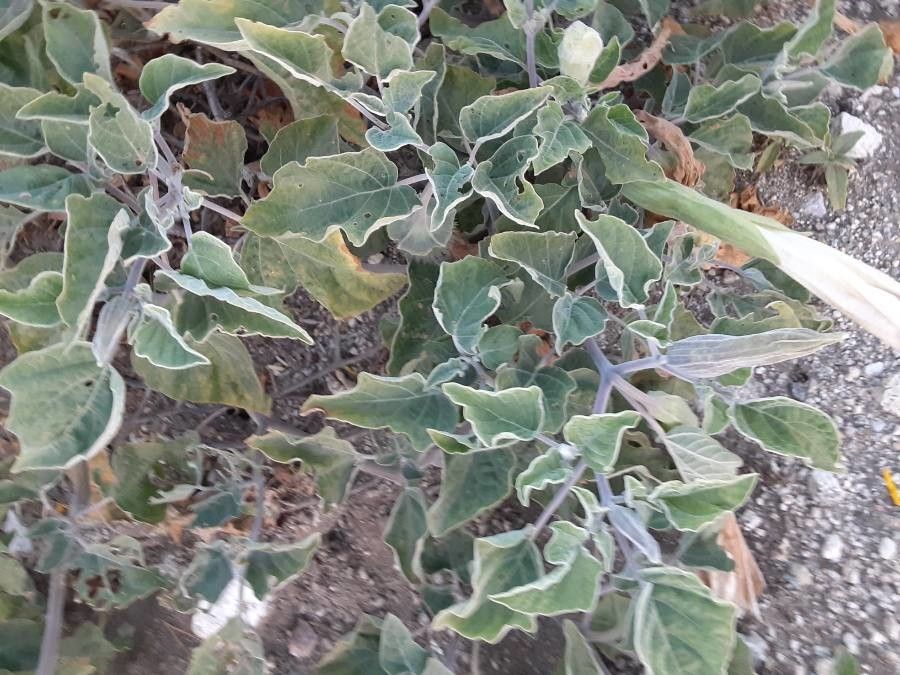
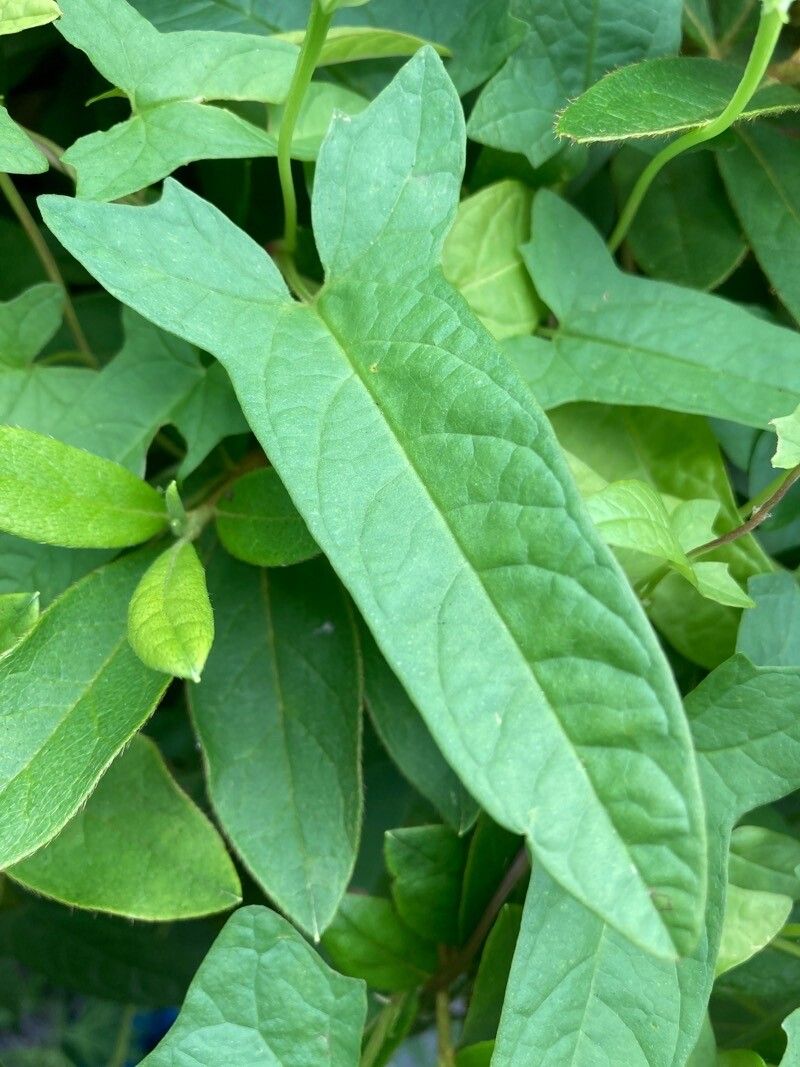
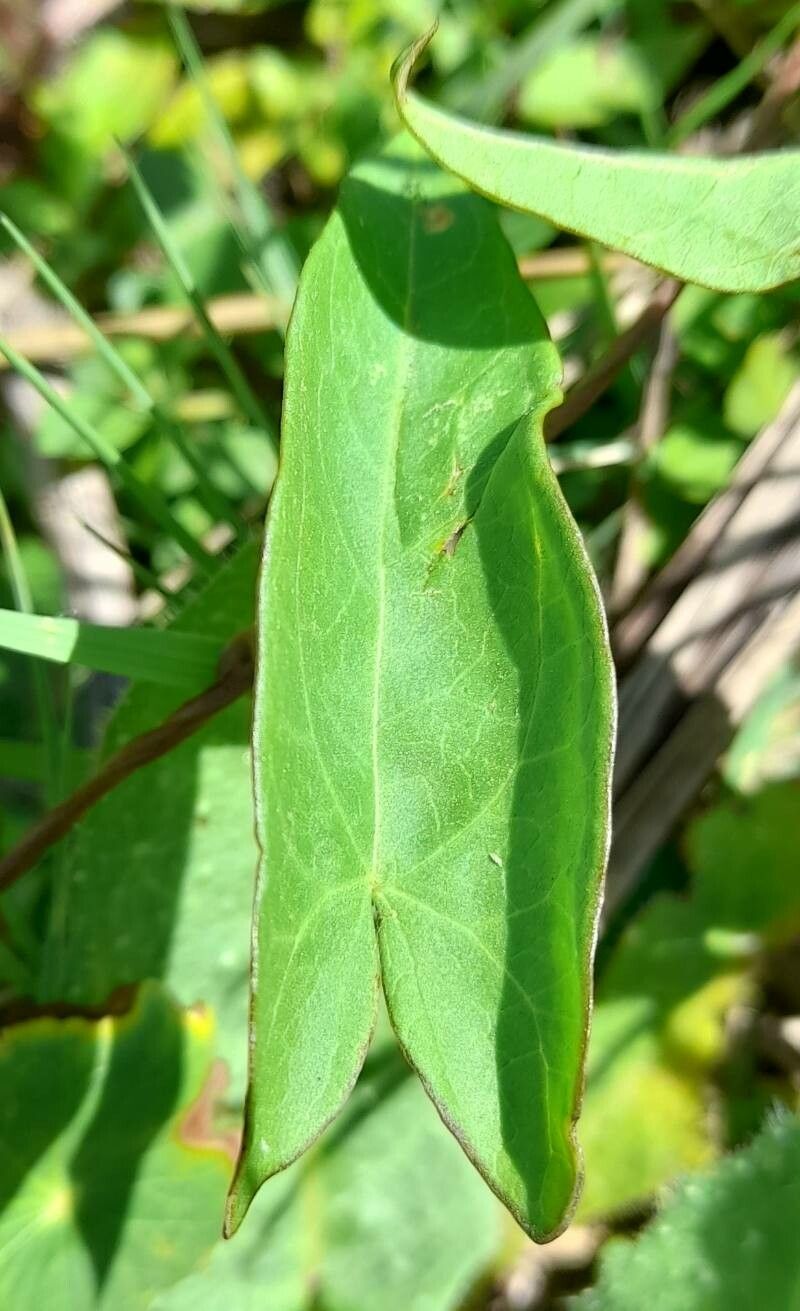
Calystegia purpurata is a species of morning glory known by the common name Pacific false bindweed.It is endemic to California, where it grows in the seaside scrub of the coastline and the chaparral of the coastal and inland valleys.
Pacific false bindweed is fairly resistant to disease and generally does not suffer from many illnesses. However, it can be vulnerable to pests and diseases present in its environment. These problems are usually mild. For care, this plant requires moderate maintenance. It should be pruned regularly to keep a neat appearance and encourage healthy growth. Fertilizing can also help increase flowering. Pacific false bindweed is suitable for anyone with outdoor space, such as a garden or patio, and does not demand extensive gardening experience. It may need more attention when grown indoors.
How to keep Calystegia Purpurata.
Light
Pacific false bindweed needs plentiful sunlight for optimal growth and health. It performs best when largely exposed to sun throughout the day, though it can tolerate some times with reduced light. Its native habitat was abundant in sunlight, which explains its preference. Excessive shade can hinder its development, while too much sun is usually less of an issue.
Water
The Pacific false bindweed thrives in coastal areas with consistent moisture. It needs to be watered once a week, but be careful not to overwater it. This plant prefers well-draining soil and does best in conditions similar to its natural habitat. While it benefits from natural rainfall, it is important to avoid letting water accumulate.
Humidity
This plant will thrive in moderate humidity, which is probably the level in your home. However, misting it a few times a week can be very beneficial. Make sure the room has good ventilation.
Temperature
Pacific false bindweed originates from areas where temperatures typically range from 59 to 95 °F (15 to 35 °C). Its preference for moderate to warm climates should be taken into account when cultivating it, and appropriate adjustments should be made during seasons when temperatures fall outside that range.
Fertilizer
The best time to fertilize a Pacific false bindweed is in early spring, as it wakes from dormancy and starts active growth. Fertilizing supplies essential nutrients for healthy development. Although Pacific false bindweed has relatively low fertilizer needs, applying fertilizer annually can improve its survival and encourage better, longer-lasting flowers.
Pruning
To help the Pacific false bindweed thrive, start by pruning in early to mid-spring. Begin by removing any dead stems to encourage healthy regrowth. Thinning the plant also improves air circulation, which helps reduce the risk of disease. After the plant has flowered, cut it back vigorously. This encourages bushiness, helps maintain its shape, and prevents the plant from becoming invasive. As a result, you will enjoy stronger blooms.
Botanical profile.
- Plant Type
- Herb, Vine
- Life Cycle
- Perennial
- Genus
- Calystegia
- Family
- Convolvulaceae
- Hardiness Zone
- 8-10
- Mature Height
- 3.05 m
- Mature Spread
- 10 cm to 91 cm
- Leaf Color
- Green, Dark Green
- Leaf Type
- Semi-evergreen
- Flower Color
- White, Pink
- Flower Size
- 5.08 cm
- Bloom Time
- Late spring, Summer
- Planting Time
- Spring, Summer, Autumn, Winter
- Harvest Time
- Mid summer, Late summer, Early fall, Mid fall
Other names.
Reader questions.
How should I water my Pacific false bindweed?
To properly water the Pacific false bindweed, it is best to use room temperature filtered water. This is because tap water may contain harmful particles for the plant's health. The water should be at room temperature or slightly warmer as the plant is adapted to warm environments and cold water may shock the system. It is important to avoid overhead watering, as it can cause issues with the foliage. Instead, apply the filtered room temperature water directly to the soil until it is completely soaked. This helps moisten the roots and allows them to spread and absorb the necessary nutrients.
What are the sunlight requirements for Pacific false bindweed?
Pacific false bindweed (Calystegia purpurata) requires more than 6 hours of sunlight per day, thriving in full sun conditions. It's essential to watch how sunlight moves through your garden, choosing spots that offer a good balance of light and shade. This ensures the optimal growth and health of your Pacific false bindweed, as it originates from habitats generous in sunlight. While too much shadow can impede its growth, exposure to excess sun is generally less problematic. Remember, adequate sunlight is critical for the plant’s development and health.
What temperature is ideal for Pacific false bindweed?
Pacific false bindweed thrives in moderate to warm climates, with an ideal temperature range between 59°F to 95°F (15°C to 35°C). It's important for gardeners to adjust care practices to maintain temperatures within this range, especially during seasons with temperature fluctuations outside these limits.
What should I do if I give my Pacific false bindweed too much or too little water?
Overwatering is a common issue for Pacific false bindweed, and it can cause wilting, yellowing leaves, and potentially deadly diseases like root rot, mold, and mildew. Underwatering is less common, but it can still happen. Signs of underwatering include brittle, brown leaves. It's important to spot signs of overwatering early and reduce watering immediately. If the soil doesn't drain well, replace it with a loose, well-draining potting mix. If signs of underwatering are present, simply water more regularly until the signs improve.
How do I use artificial lighting for indoor Pacific false bindweed plants?
For indoor Pacific false bindweed plants, adequate lighting is crucial, especially when natural sunlight is inadequate, such as in winter or less sunny spaces. Artificial lights, like LED lights, can be tailored to provide specific wavelengths needed for optimal growth. Recommendations include using 30-50W/sq ft of artificial light for full sun plants, placing the light source 12-36 inches above the plant, and mimicking natural daylight hours, which most plants require 8-12 hours of light per day. This setup promotes faster, healthier growth by ensuring the plants receive enough light.
Does Pacific false bindweed have cold tolerance?
Yes, Pacific false bindweed has some cold tolerance and generally does fine when the temperature is above -5°C. For temperatures expected to drop below -5°C, gardeners should protect the plant using temporary cold protection measures, such as wrapping the plant with plastic film, fabric, or other materials. It's crucial to remove the protection once the temperature rises to avoid any potential damage.
How frequently should I water my Pacific false bindweed?
If your Pacific false bindweed is in a pot, you can check if it needs watering by sticking your finger into the soil. If the top two to three inches of soil are dry, it's time to water it. If your Pacific false bindweed is planted outdoors, you can use the same method to test the soil. When the top few inches of soil have dried out, it's time to water. In the spring and early fall, watering once a week is usually enough. However, during extremely hot weather, you may need to water twice or more per week. It's worth noting that mature, well-established Pacific false bindweed is quite resilient in drought conditions.
What are the symptoms of insufficient light for Pacific false bindweed?
Symptoms of light deficiency in Pacific false bindweed include small new leaves, leggy or sparse growth, faster leaf drop, slower or halted growth, and lighter-colored or irregularly patterned new leaves. These signs indicate the plant is not receiving enough sunlight, affecting its ability to produce chlorophyll and essential nutrients. Additionally, overexposure can lead to chlorosis, sunscald, leaf curling, wilting, and leaf scorching, all of which negatively affect the plant's overall health and ability to photosynthesize.
How should you care for Pacific false bindweed in low temperatures?
In low temperatures, specifically when the temperature falls below -10°C, Pacific false bindweed may show signs like drooping leaves, which in severe cases, can lead to wilted leaves that eventually fall off. To manage this, trim off the frost-damaged parts and, before the cold returns, protect the plant with non-woven fabric or cloth and construct a wind barrier to shield it from cold winds.
How much water does my Pacific false bindweed require?
To properly water your Pacific false bindweed, don't be afraid to give it a generous amount of water. Make sure to water the plant thoroughly when the top two to three inches of soil are dry. The goal is to completely soak the soil, so be sure to provide enough water to allow excess water to drain through the pot's drainage holes. If you don't see any excess water draining, it's likely that you haven't watered enough. However, be cautious not to let water accumulate in the soil, as this can harm the plant. On the other hand, if you notice a lack of water draining from the pot, it may indicate poor soil drainage, which is not good for the plant's health. If your plant is outdoors, about 1 inch of weekly rainfall should be sufficient.
What solutions can help improve sunlight exposure for Pacific false bindweed?
To increase sunlight exposure for Pacific false bindweed, gradually move plants to sunnier locations, ensuring at least 6 hours of direct sunlight daily. For indoor plants, using a south-facing window or artificial grow lights can help. Outdoors, it's important to move plants gradually to avoid sunburn. Reducing obstructions like overhanging branches can also increase sunlight. For ground plants, consider transplanting to a sunnier location during their dormant period. Note that parts of the plant damaged by insufficient light may not recover, but new growth should be healthy after adjusting light conditions.
How does high temperature affect Pacific false bindweed and what are the solutions?
During high temperatures, particularly above 35°C, Pacific false bindweed's leaves may lighten in color, tips can dry and wither, leaves might curl, and the plant becomes prone to sunburn. To address this, trim away the damaged parts of the plant. You should also relocate the plant to a shaded area or use a shade cloth to protect it from midday and afternoon sun. Additionally, watering the plant in the morning and evening helps keep the soil moist and supports the plant during hot conditions.