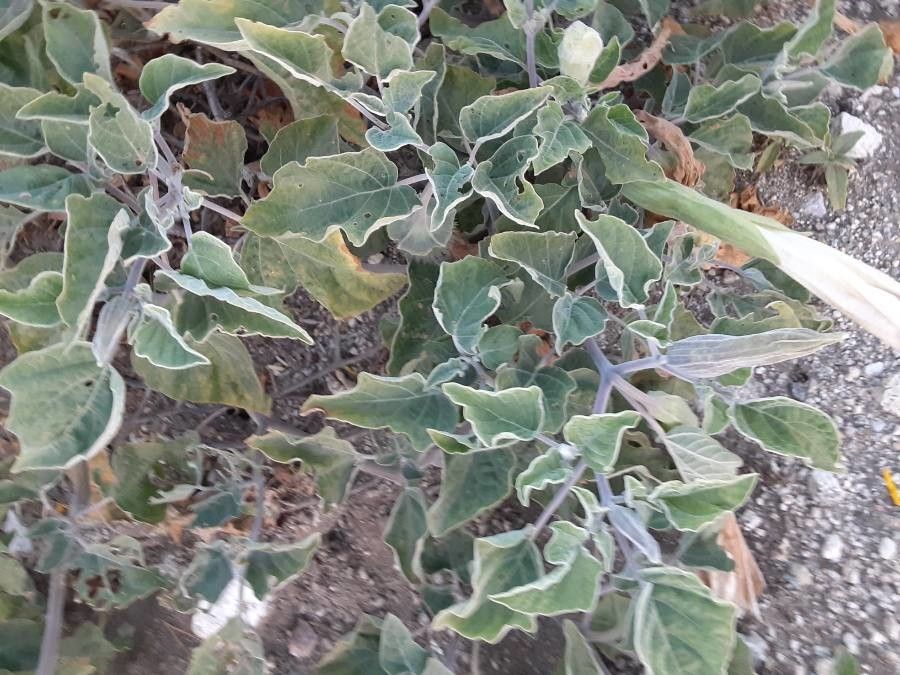
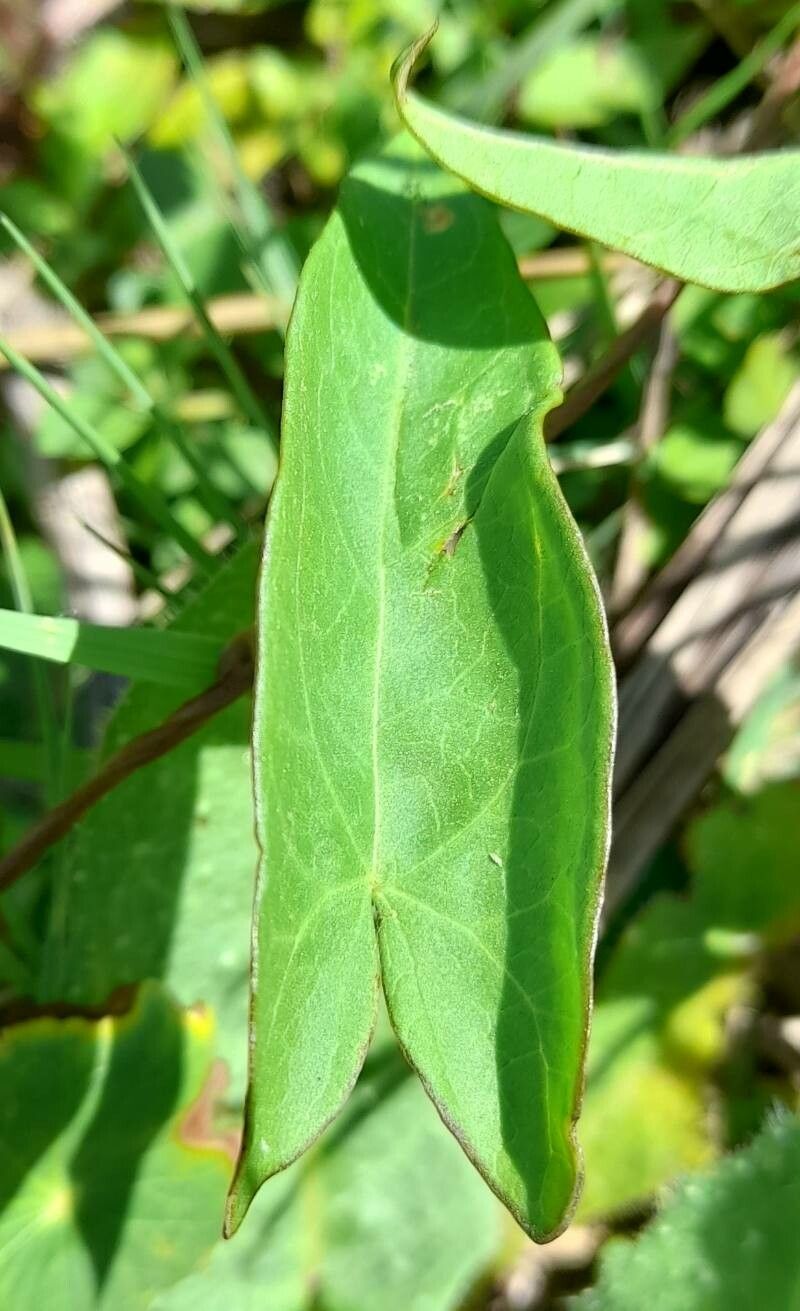
Japanese false bindweed has strong disease resistance and is generally not susceptible to illnesses. Still, it can be vulnerable to pests and diseases found nearby. Such infections are typically mild. Regarding care, this plant needs moderate maintenance. It should be pruned regularly to preserve a good appearance and healthy growth. Applying fertilizer can also encourage flowering. Japanese false bindweed is appropriate for anyone with outdoor space, like a garden or patio, and does not demand extensive care experience. It may need more attention when cultivated indoors.
How to keep Calystegia Hederacea.
Light
Japanese false bindweed commonly does well in locations that provide a mix of sunlight and shade, doing particularly well when sunlight is diffuse and alternates with sheltered intervals. In its native habitat it can encounter variable light conditions, demonstrating an ability to tolerate both plentiful and limited light. However, very intense or very low light harms its growth and can result in stunting or discoloration.
Water
Japanese false bindweed flourishes in humid environments, needing constant moisture without becoming waterlogged. Watering it weekly will support its growth, with additional watering being helpful during dry spells. While it adapts well to rainfall as an outdoor plant, it requires regular hydration during its active growth period.
Temperature
Japanese false bindweed naturally occurs in habitats with a broad temperature range, from cool to moderately warm conditions, preferably 41 to 89.6°F (5 to 32℃). To promote growth, change Japanese false bindweed's temperature exposure according to the seasons. Avoid extreme heat or cold.
Fertilizer
For Japanese false bindweed, the primary time to apply fertilizer is in early spring when flowers are forming. The proper fertilizer promotes better blooms and helps Japanese false bindweed produce attractive flowers. Fertilizing in early spring ensures strong flowering throughout the season and supplies energy for dormant growth phases.
Pruning
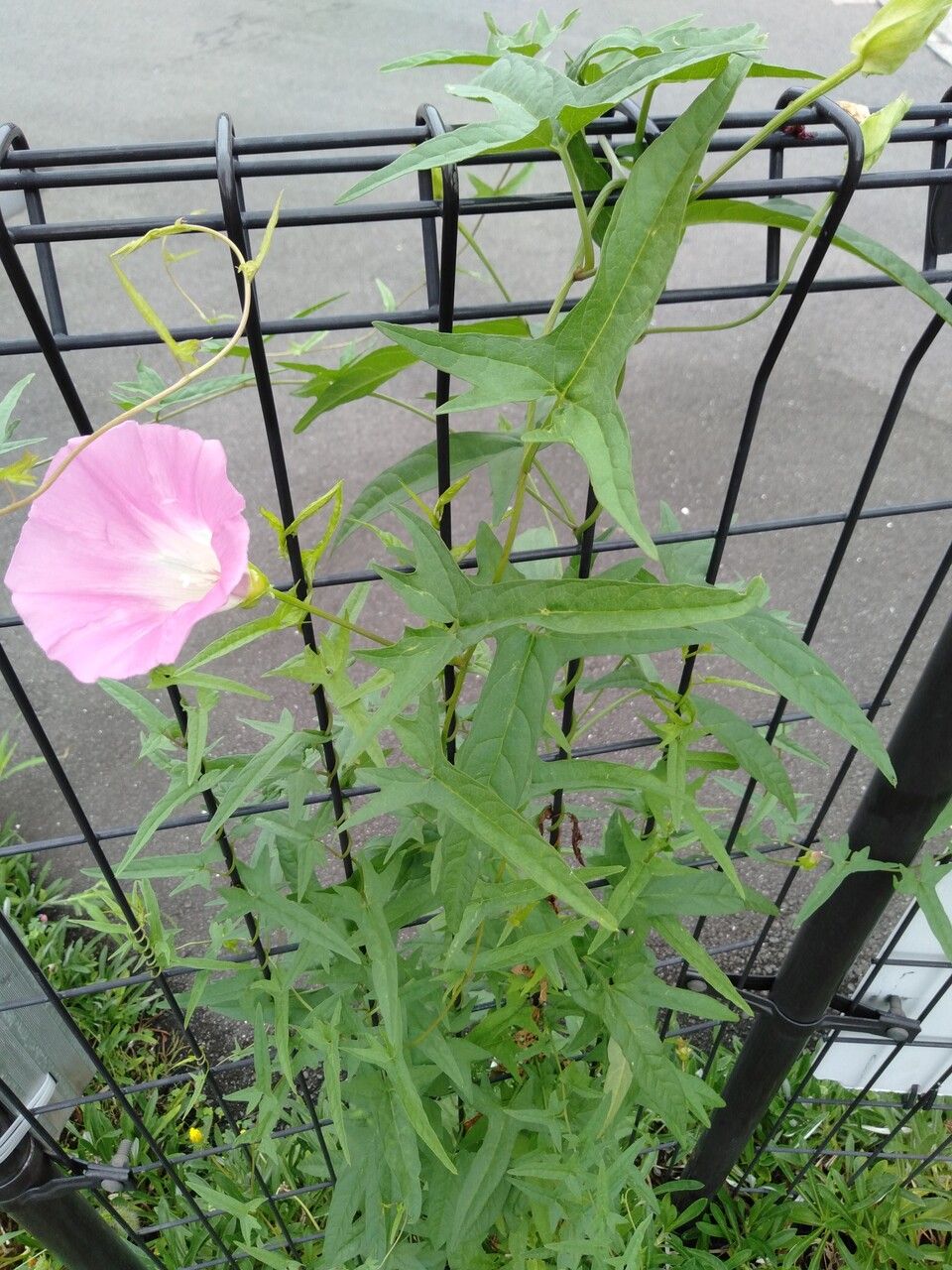
Japanese false bindweed is a robust climbing plant that thrives when pruned regularly from early to late spring. Pruning helps control its growth, boosts foliage density, improves air circulation, and lowers the risk of disease. To encourage healthy new growth and maintain an attractive shape, remove any dead or weak stems.
Botanical profile.
- Plant Type
- Herb, Vine
- Life Cycle
- Perennial
- Genus
- Calystegia
- Family
- Convolvulaceae
- Hardiness Zone
- 4-8
- Mature Height
- 8 cm to 40 cm
- Mature Spread
- 0.91 m to 2.13 m
- Leaf Color
- Green, Dark Green
- Leaf Type
- Semi-evergreen
- Flower Color
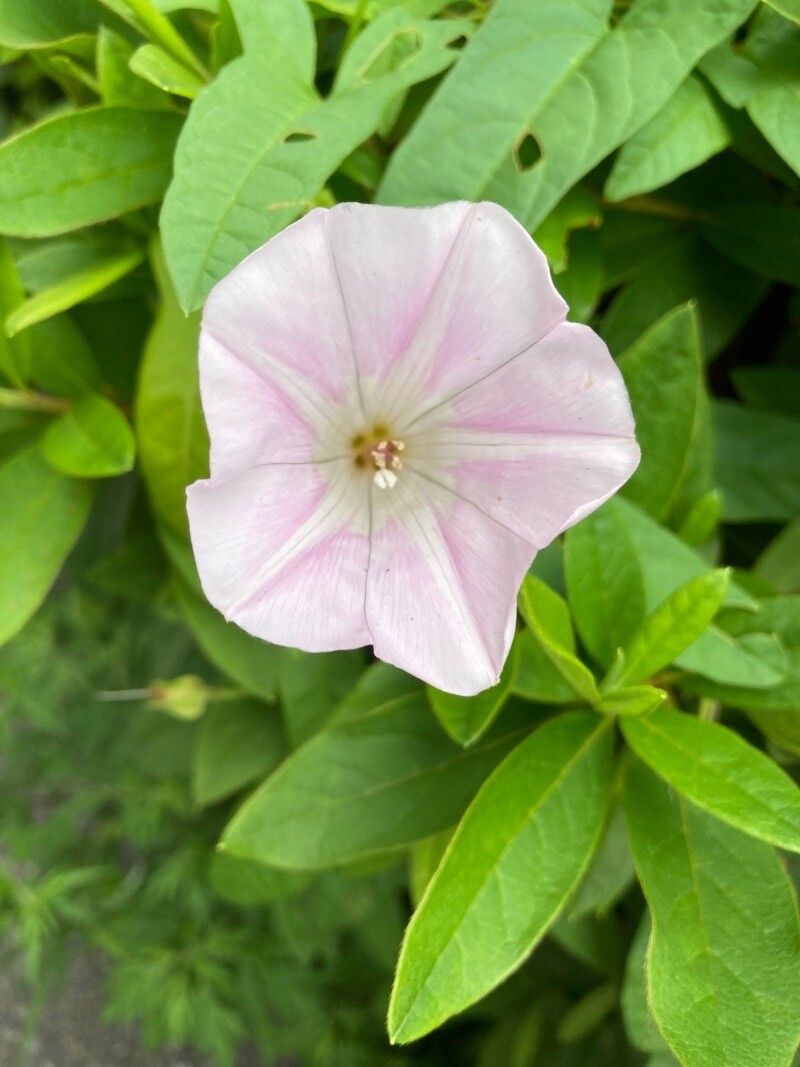
- White, Pink
- Flower Size
- 3.05 cm to 5.08 cm
- Bloom Time
- Late spring, Summer
- Planting Time
- Spring
- Harvest Time
- Late summer, Fall
- Native Area
- Uzbekistan, Russia, Nepal, Tajikistan, India, Kazakhstan, Myanmar, Mongolia, Japan, Koppen, Bhutan, Bangladesh, Pakistan, South Korea, China
Other names.
Reader questions.
What are the sunlight requirements for Japanese false bindweed?
Japanese false bindweed thrives best in locations that balance sunlight and shade, ideally experiencing periods of diffused sunlight amidst sheltered intervals. It can adapt to varying light conditions but requires partial sun, about 3-6 hours of sunlight daily, for optimal growth. However, it can also grow in conditions of full sun or full shade, which constitutes over 6 hours of sunlight daily. Extreme light conditions can negatively affect the plant's growth, potentially causing stunting or discoloration. It's crucial to observe how sunlight moves through your garden to select the best spots that provide the right balance of light and shade.
What is the ideal temperature range for growing Japanese false bindweed?
Japanese false bindweed flourishes in a diverse range of temperature conditions, thriving best between 41 to 89.6°F (5 to 32°C). To ensure optimal growth, it's crucial to adjust the plant's exposure to temperature according to the seasons, avoiding extremes of heat or cold. They possess strong resistance to cold, negating the need for special frost protection in most winter conditions. However, in extremely cold climates where temperatures may dip below -30°C, it is imperative to provide additional cold protection, which can be accomplished by covering the plant with soil or straw. Prior to the onset of the first freeze in autumn, the plant should be watered abundantly to maintain moist soil throughout the winter and early spring, mitigating the risk of drought and water scarcity.
How do I use artificial lighting for indoor Japanese false bindweed?
When natural sunlight is insufficient, especially during winter or in less sunny indoor spaces, artificial lighting becomes essential for the growth of Japanese false bindweed. LED lights are recommended because they can be customized to provide specific wavelengths needed by plants. Full sun plants need 30-50W/sq ft, partial sun plants require 20-30W/sq ft, and full shade plants need 10-20W/sq ft of artificial light. The light source should be placed 12-36 inches above the plant, mimicking natural sunlight, and most plants benefit from 8-12 hours of artificial light per day.
How does Japanese false bindweed respond to low temperatures, and what measures should be taken?
Japanese false bindweed exhibits a high tolerance to cold, ideally growing in temperatures above 5°C. It should be safeguarded to ensure the temperature remains above -25°C during winter months. In situations where temperatures plummet below -30°C, the plant may not demonstrate immediate signs of distress during winter; however, you might observe a reduced sprouting rate or even a lack of sprouting as spring arrives. To combat this, it's advisable to remove any parts of the plant that fail to sprout once spring has set in.
What are the symptoms of light deficiency or overexposure in Japanese false bindweed?
When Japanese false bindweed is grown indoors with insufficient light, it may exhibit symptoms such as smaller new leaves, leggy or sparse growth, faster leaf drop, slower or no new growth, and leaves developing paler colors or irregular patterns, indicating a lack of nutrients and chlorophyll. Overexposure to sunlight can lead to chlorosis, sunscald, leaf curling, wilting, and leaf scorching, negatively impacting the plant's health by damaging leaves' or stems' tissues, increasing water loss, and reducing photosynthetic capacity.
What steps should be taken if Japanese false bindweed is exposed to high temperatures?
During the hot summer months, Japanese false bindweed should ideally be kept in environments where the temperature does not exceed 32°C. Exposure to temperatures above 35°C can cause the leaves to lighten in color, become prone to curling, suffer from sunburn, and in more severe cases, the plant may wilt and desiccate completely. The recommended course of action in such scenarios includes trimming away the sunburned and dried parts of the plant, relocating it to a shaded area or employing a shade cloth to protect it from the intense midday and afternoon sun. Additionally, ensure the soil remains moist by watering the plant during the morning and evening.
What are the solutions for managing light conditions for Japanese false bindweed?
To optimize light conditions for Japanese false bindweed, gradually acclimate the plant to more sunlight if it's not receiving enough, aiming for 3-6 hours of direct sunlight daily. This can be achieved by moving the plant to sunnier spots each week both for indoor and outdoor plants. For indoor plants not easily moved or large in size, supplementing with artificial light, such as keeping a desk or ceiling lamp on for at least 8 hours daily or using professional grow lights, is beneficial. If your plants are outdoors and suffer from insufficient sunlight, reducing obstructions and considering transplanting to a sunnier location during the plant's dormant period can improve their exposure to sunlight. Remember, gradual changes are key to avoid shock from sudden light intensity changes.