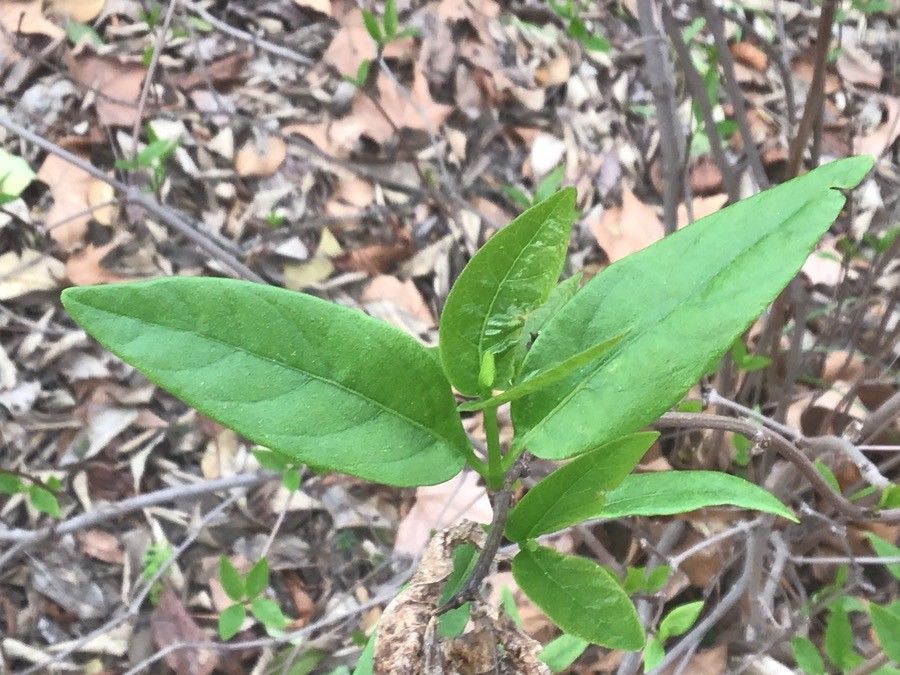
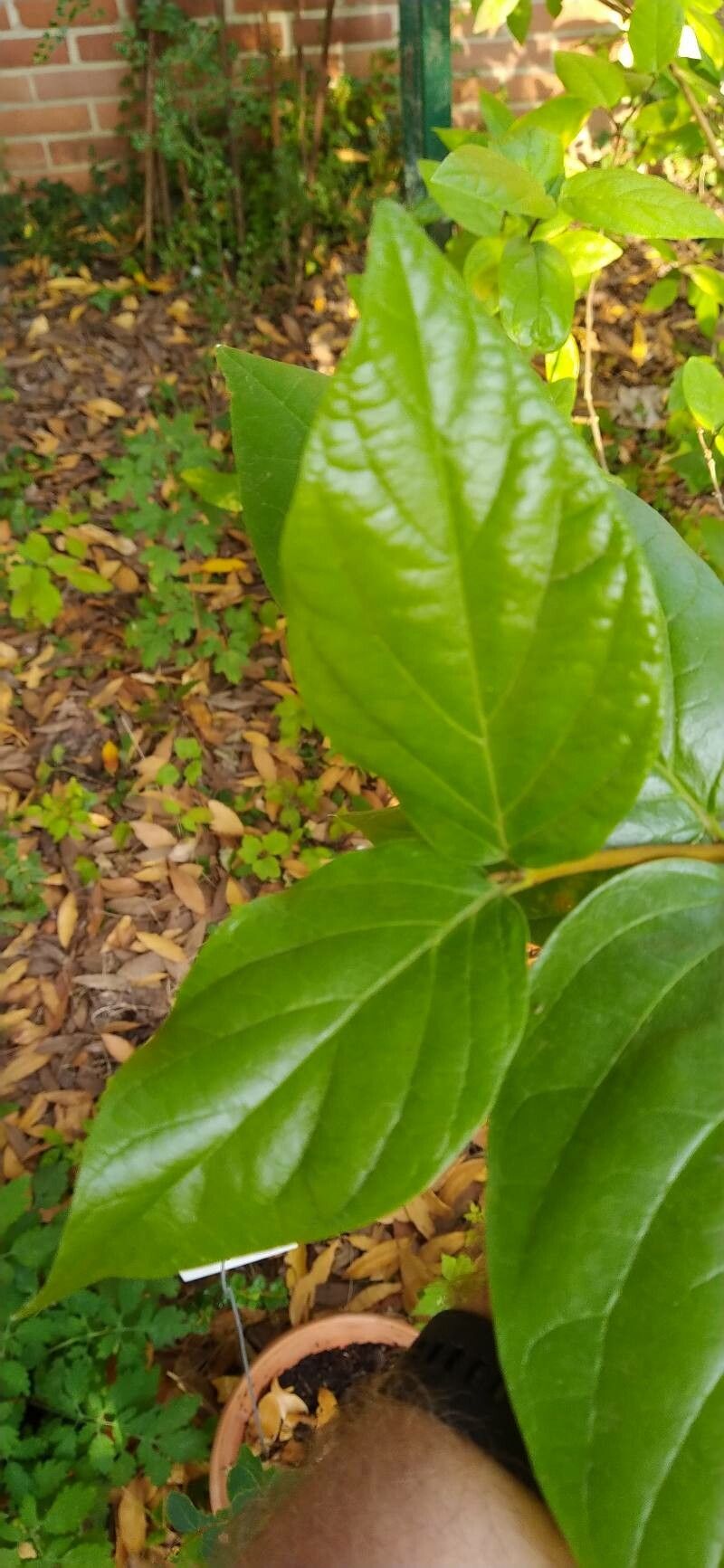
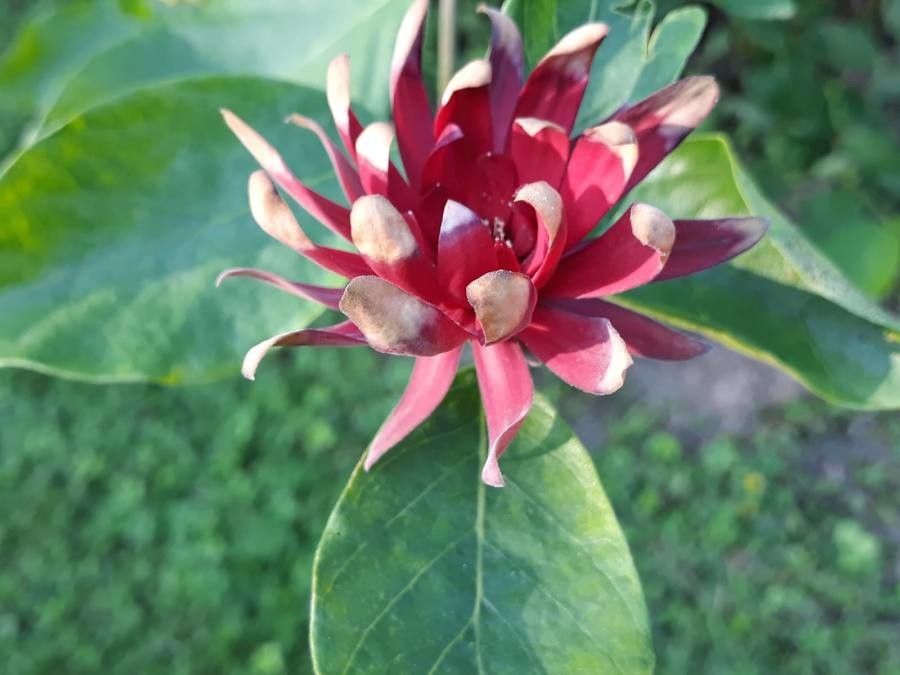
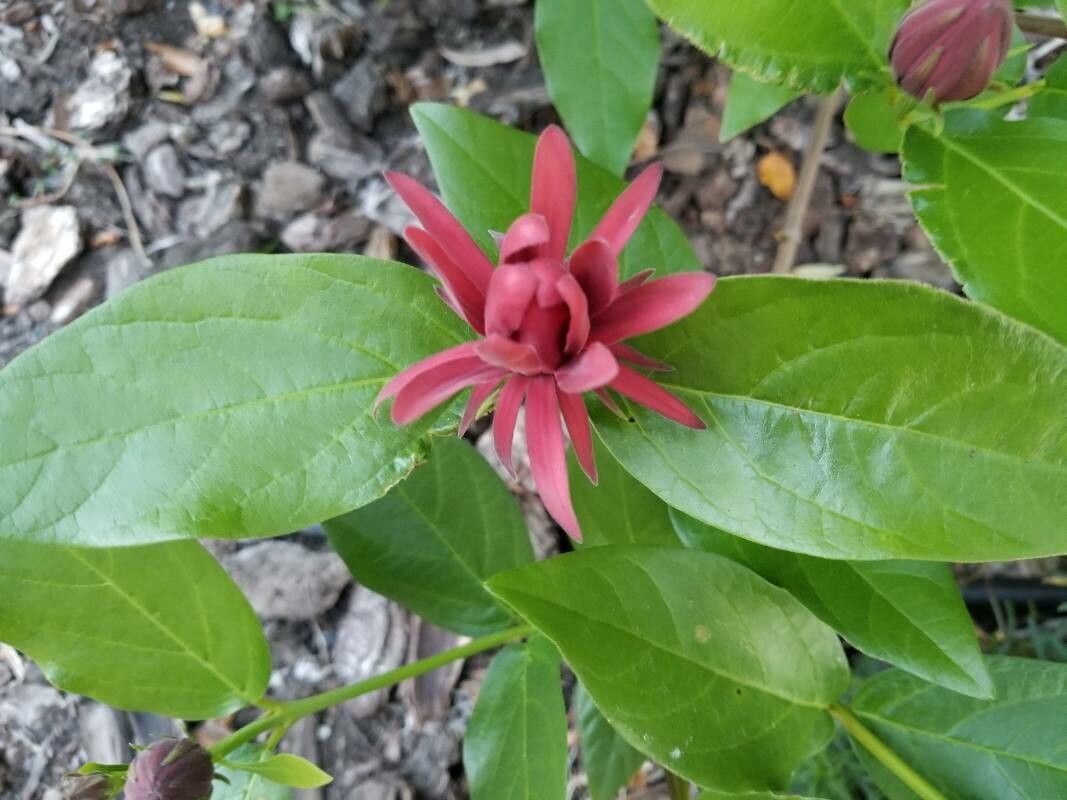
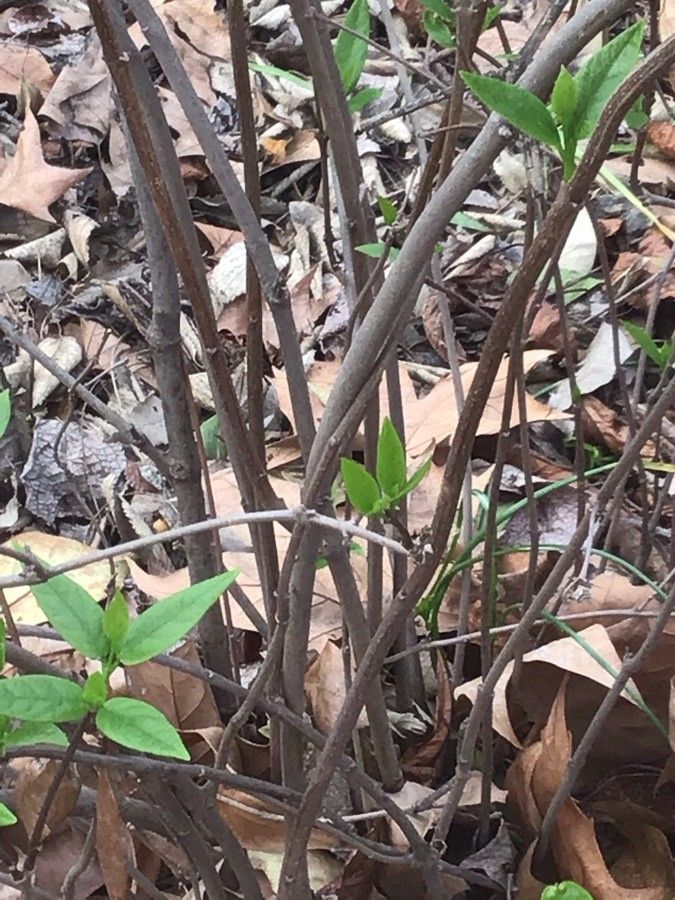
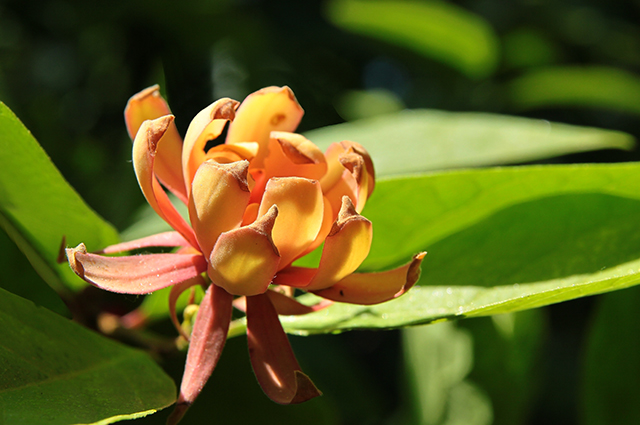
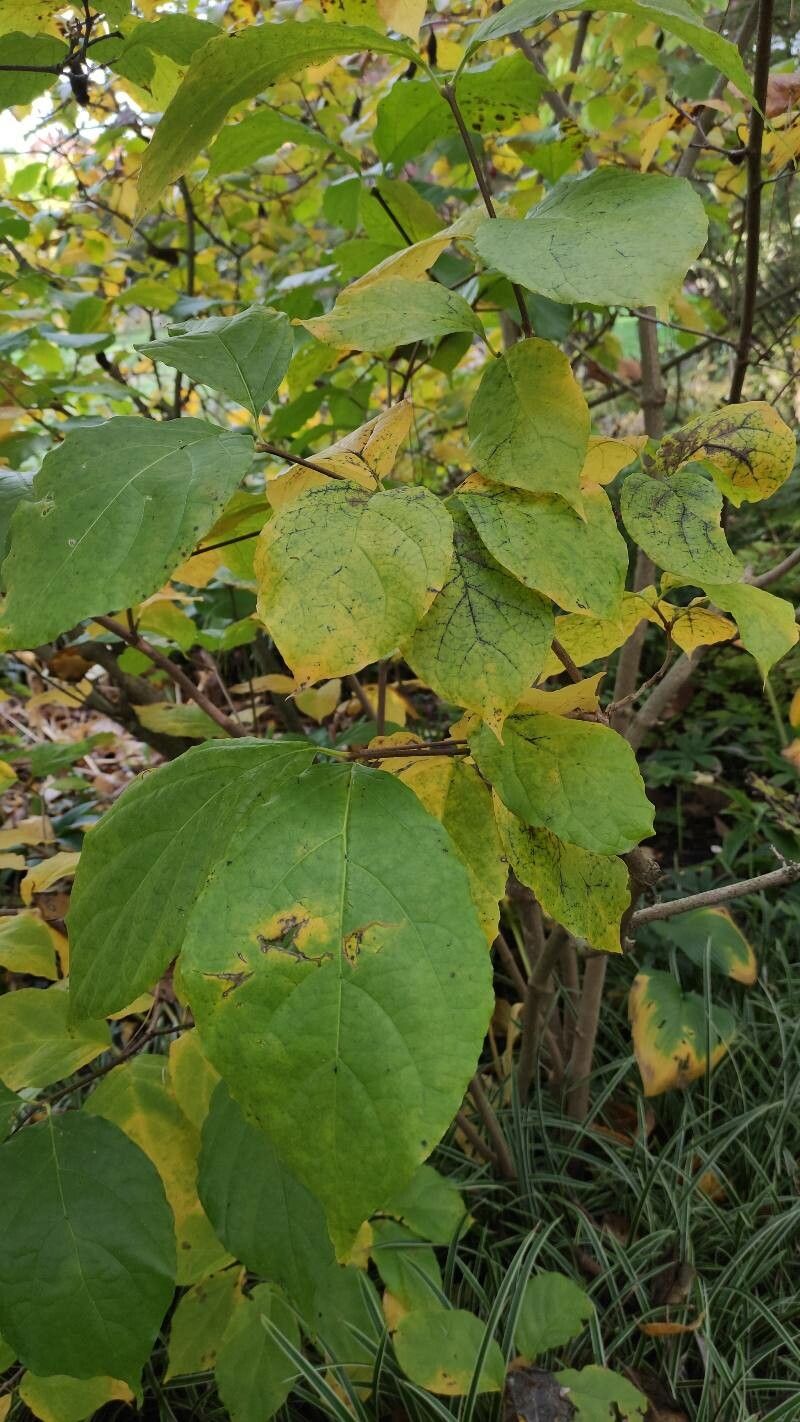
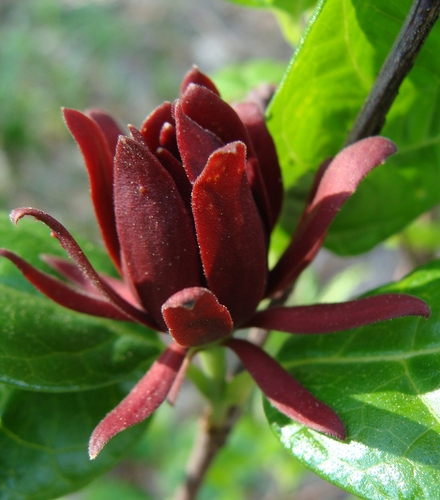
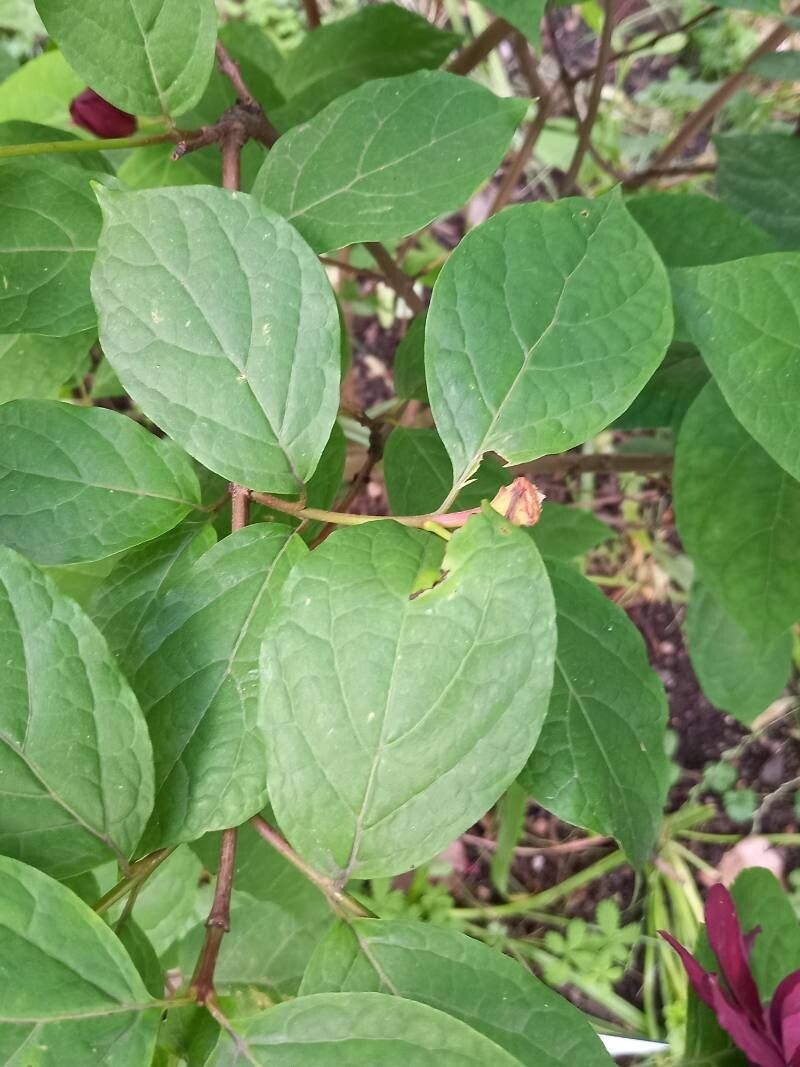
Calycanthus occidentalis, commonly called spice bush or western sweetshrub, is a species of flowering shrub in the family Calycanthaceae that is native to California and, according to some sources, Washington state. It grows along streams and moist canyons in the foothills of mountains.
Western sweetshrub is fairly disease-resistant and is generally unlikely to suffer from diseases. Regarding care, this plant is relatively low maintenance. Planted outdoors it needs little watering, and larger plants typically do not require pruning. However, smaller plants should be pruned after they have bloomed. Western sweetshrubt is suitable for anyone with an outdoor space, such as a garden or deck, and does not require much care experience.
How to keep Calycanthus Occidentalis.
Light
Western sweetshrub does well in places where sunlight comes through the canopy for part of the day. Its native environment provides this sort of light. Although it can tolerate the full strength of the day's sun, excessive exposure can harm it, leading to leaf scorch and reducing photosynthesis. Moderate sunlight is advantageous at every stage of its growth.
Water
The Western sweetshrub thrives in moderately moist conditions, particularly in environments such as streamsides and woodlands. To keep the soil consistently moist, water the plant every 1-2 weeks, ensuring it never dries out completely. During the colder months, when the plant enters dormancy, adjust your watering schedule to meet its reduced moisture requirements.
Temperature
The Western sweetshrub is a hardy plant native to areas where temperatures fall between 41 and 95 °F (5 to 35 ℃). This wide temperature tolerance lets it do well in a range of climates. To encourage healthier growth during temperature extremes, give it shade or add mulch for insulation.
Fertilizer
Timing matters when fertilizing Western sweetshrub. Apply fertilizer in early spring and repeat monthly through early summer. Fertilizer encourages lovely blooms and supplies energy during both dormant and active growth stages.
Pruning
Western sweetshrub is known for its aromatic, reddish flowers and glossy leaves. To maintain its health and appearance, it's important to prune the plant annually in early spring. This encourages new growth, removes damaged branches, and improves air circulation. Regular pruning helps the plant maintain its shape, enhances its overall health, and increases its resilience against pests. This practice ensures that the sweetshrub blooms vigorously and recovers quickly.
Botanical profile.
- Plant Type
- Shrub
- Life Cycle
- Perennial
- Genus
- Calycanthus
- Family
- Calycanthaceae
- Hardiness Zone
- 4-10
- Mature Height
- 1.83 m to 3.66 m
- Mature Spread
- 3.96 m
- Leaf Color
- Green, Yellow
- Leaf Type
- Deciduous
- Flower Color
- Red, Brown
- Flower Size
- 2.54 cm to 5.08 cm
- Bloom Time
- Late spring, Early summer, Mid summer
- Planting Time
- Autumn, Winter, Spring, Summer
- Harvest Time
- Late summer, Early fall, Mid fall
- Native Area
- Southwestern United States
Other names.
Reader questions.
What are the sunlight requirements for Western Sweetshrub (Calycanthus occidentalis)?
Western sweetshrub requires varying amounts of sunlight depending on its stage and place of growth. For outdoor environments, it thrives under partial sun, with about 3-6 hours of direct sunlight, and can also handle full sun conditions, which means receiving over 6 hours of sunlight a day. However, too much exposure, especially in the plant's natural habitat where it's accustomed to filtered sunlight through foliage, can lead to leaf scorch and affect photosynthesis. Therefore, monitoring the movement of sunlight through your garden to find a balance of light and shade is crucial for the plant's health.
How can artificial lighting support Western Sweetshrub growth indoors?
Artificial lighting can significantly support the growth of Western sweetshrub indoors, especially when natural sunlight is insufficient. Optimal growth can be achieved by choosing the right type of artificial light, such as LED lights, which can be customized to provide specific wavelengths needed by the plant. The recommended artificial light intensity is 30-50W/sq ft for full sun plants, 20-30W/sq ft for partial sun plants, and 10-20W/sq ft for full shade plants. The light source should be placed 12-36 inches above the plant, mimicking natural sunlight duration, generally requiring 8-12 hours of light per day for most plants.
What are the symptoms of insufficient light in Western Sweetshrub?
When Western sweetshrub receives insufficient light, it may show several symptoms, including smaller new leaves, leggy or sparse growth, premature leaf drop, slowed or halted growth, paler new leaves, chlorosis (yellowing leaves), sunscald, leaf curling, wilting, and leaf scorching. These symptoms indicate the plant is struggling with light deficiency and needs a better light source to maintain its health.
How can I treat Western Sweetshrub suffering from insufficient or excessive light?
To treat Western sweetshrub suffering from insufficient or excessive light, consider gradually adapting the plant to its optimal light conditions. For indoors, move the plant to increasingly sunnier spots each week or use artificial light sources, such as desk lamps or professional grow lights, to ensure it receives 3-6 hours of direct sunlight daily. Outdoors, similarly, adjust the plant gradually to more suitable sunlight spots to prevent sunburn. Reducing obstructions or transplanting to locations with better sunlight and good drainage can also help. Note, while parts of the plant damaged by sunlight deficiency may not recover, new growth should be healthy following these adjustments.