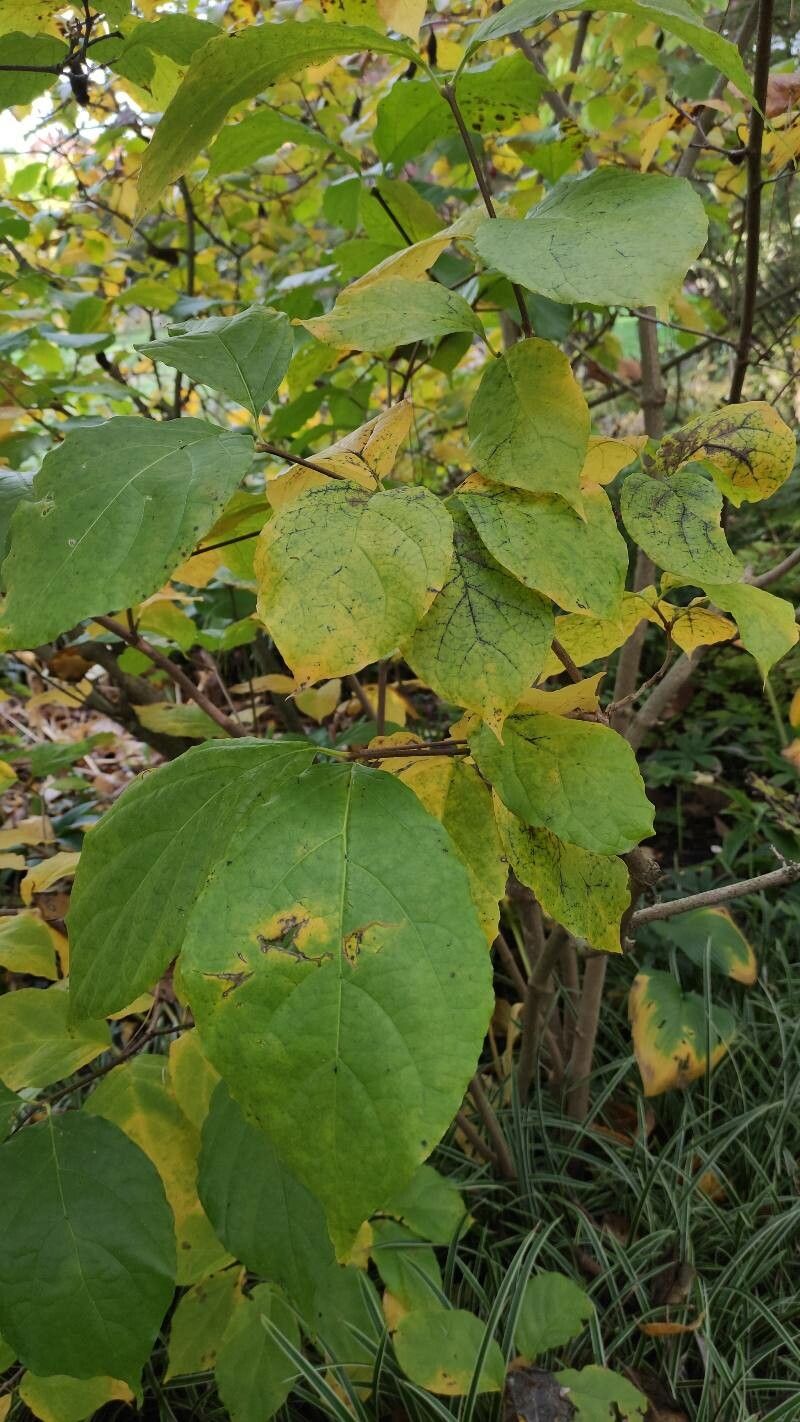
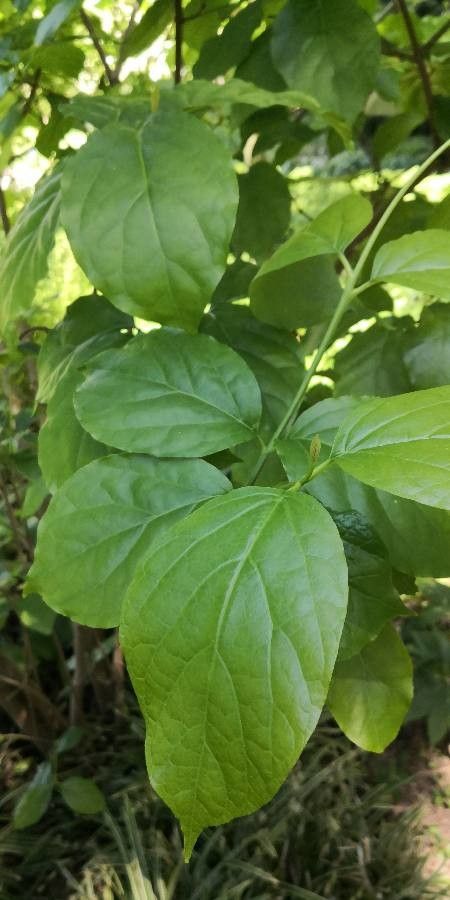
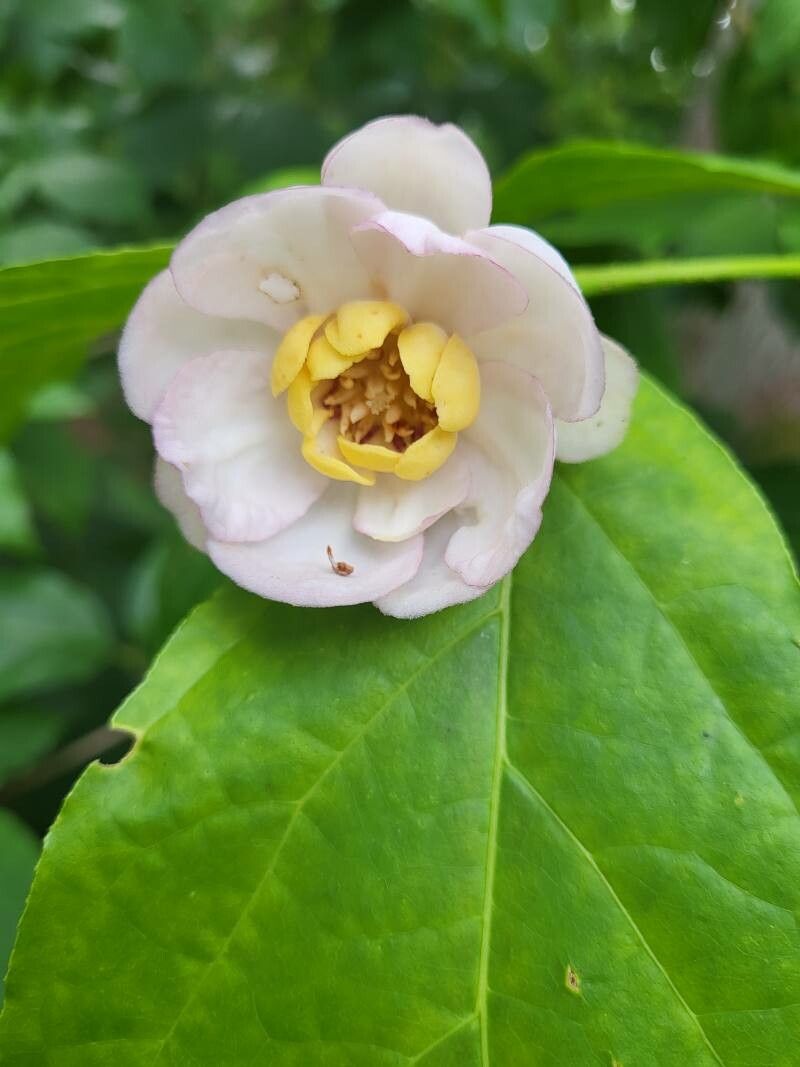
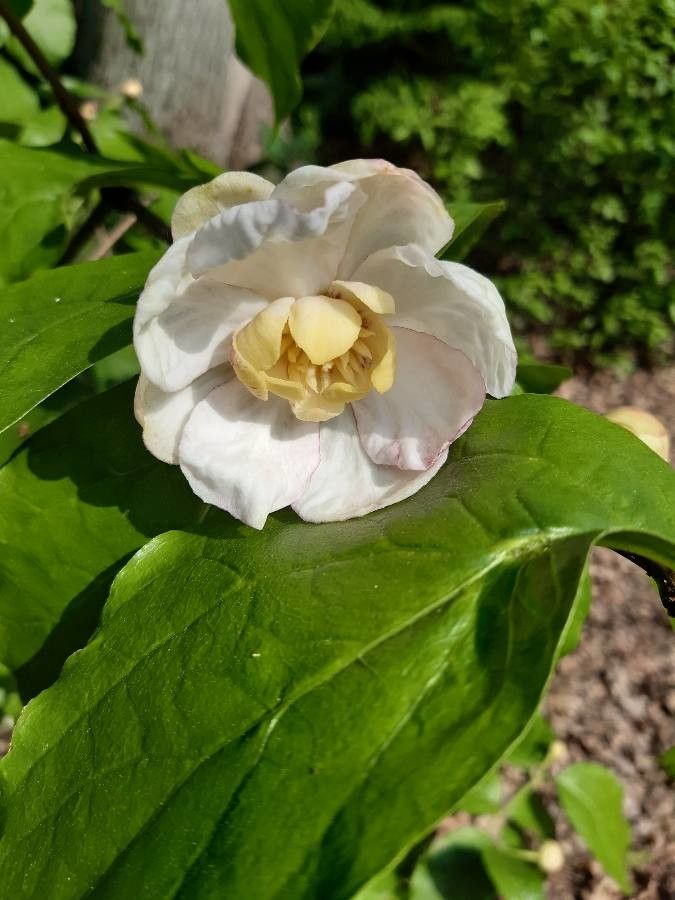
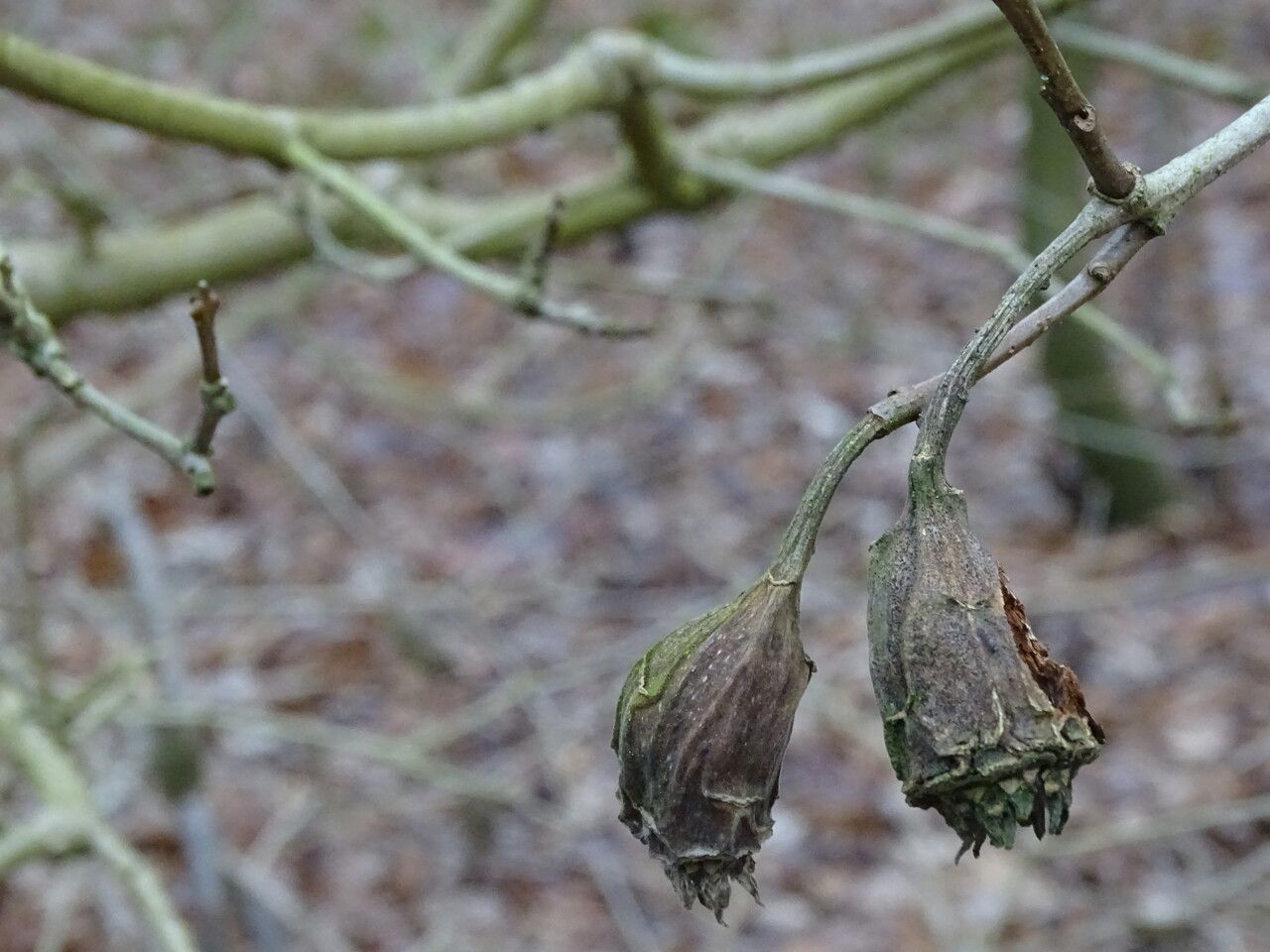
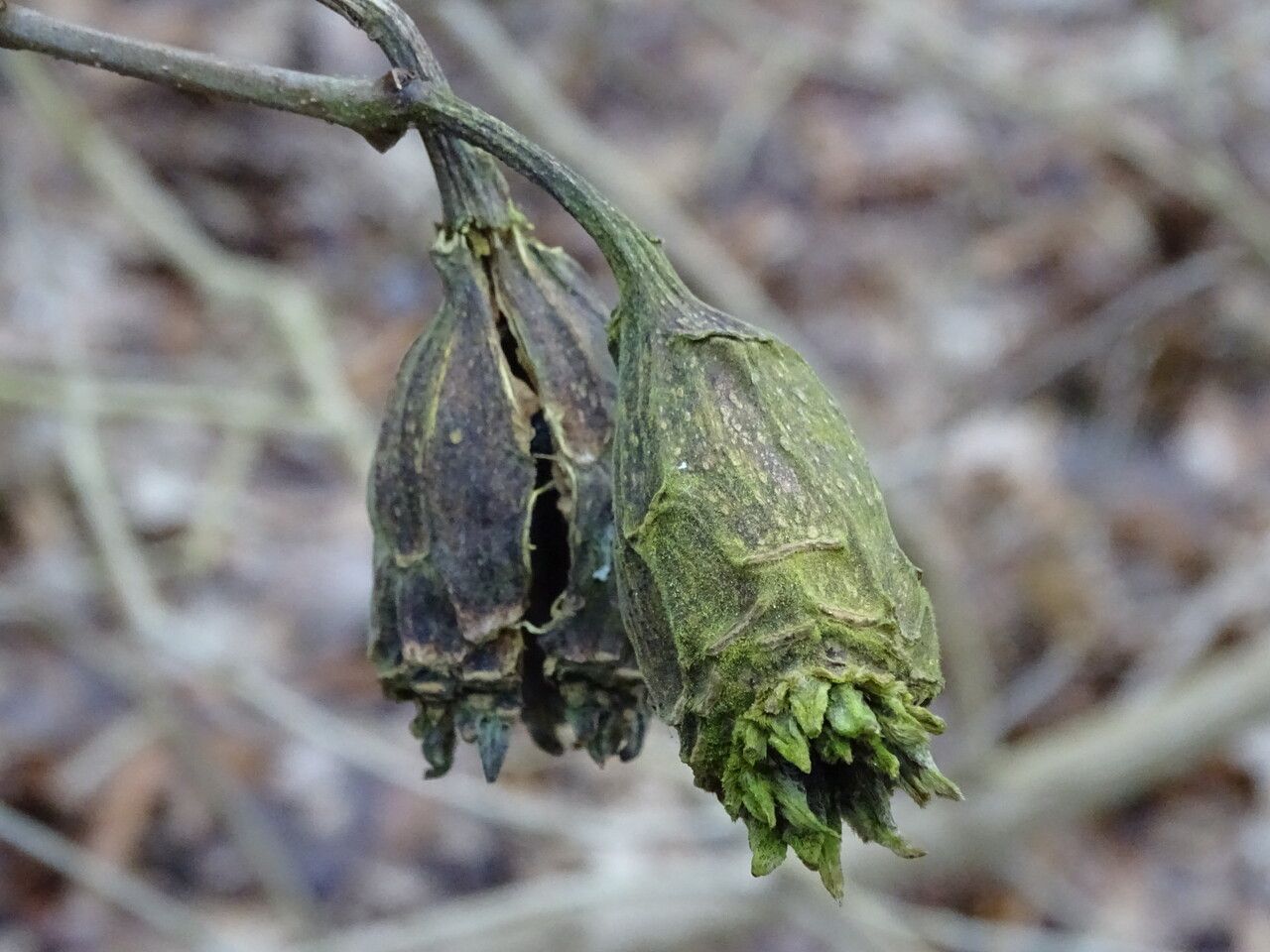
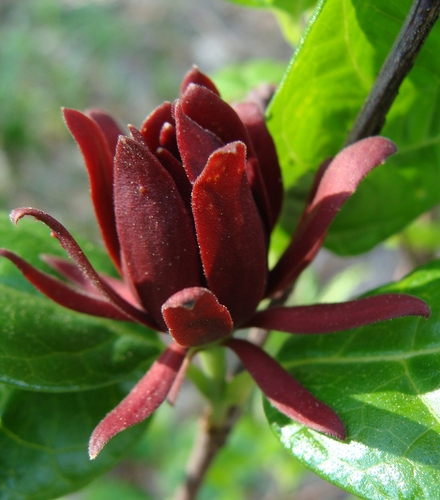
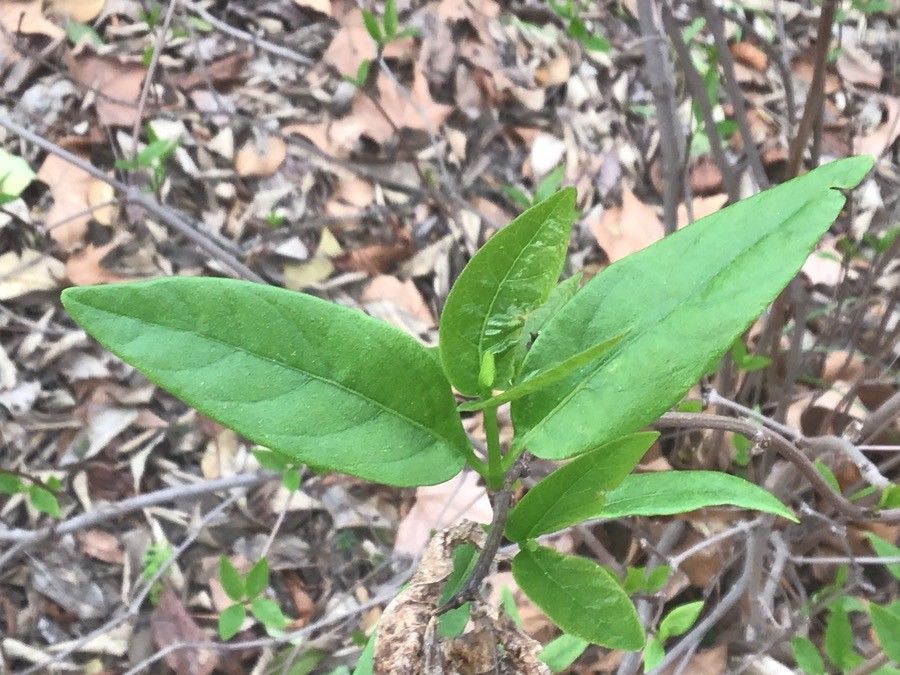
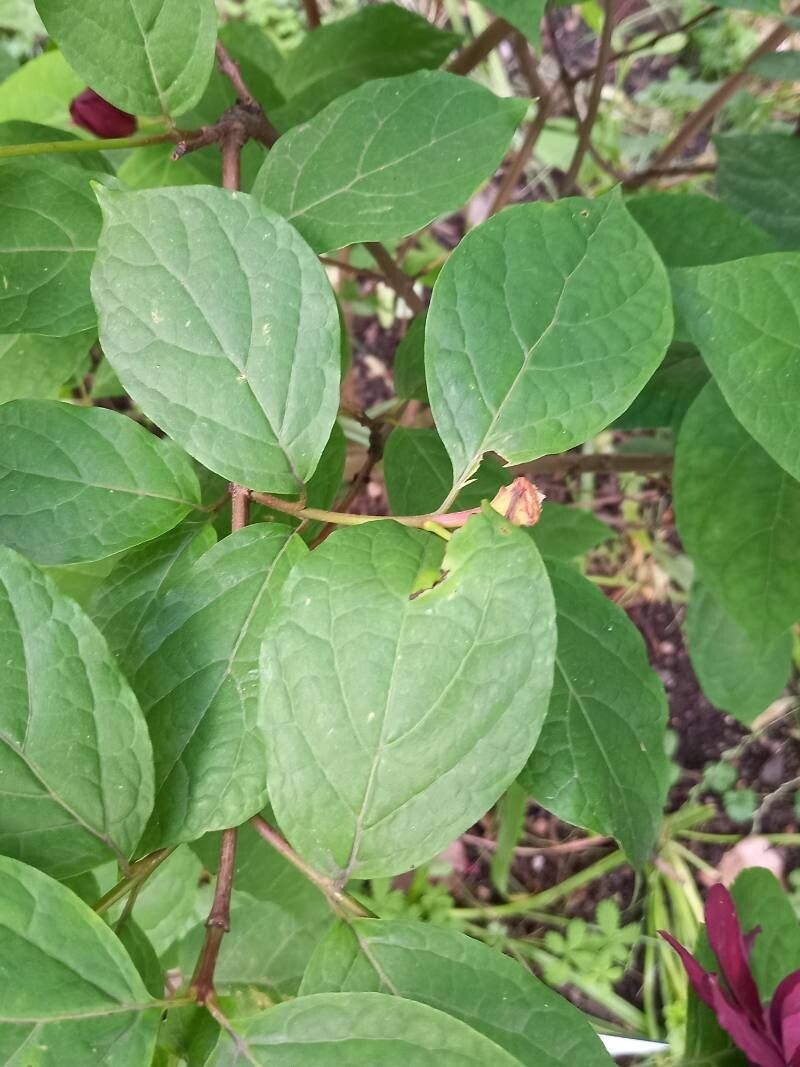
Calycanthus chinensis, known as Chinese sweetshrub, is a species of flowering plant in the family Calycanthaceae, native to Southeast China. It was first given a valid scientific name in 1964. It is cultivated as an ornamental flowering shrub, and has been hybridized with two other species in the genus Calycanthus to combine its larger and broader tepalled flowers with their scented and more colourful ones. It has been treated as the only species in the genus Sinocalycanthus.
Chinese sweetshrub exhibits strong disease resistance and is generally unlikely to suffer from illnesses. In terms of care, this plant is fairly low-maintenance. When grown outdoors it needs only minimal watering, and larger specimens usually do not require pruning. Smaller plants, however, should be pruned after they finish blooming. Chinese sweetshrubt is suitable for anyone with an outdoor area, such as a garden or deck, and does not demand extensive care experience.
How to keep Calycanthus Chinensis.
Light
Chinese sweetshrub does best with plentiful sunlight but can also cope in partly shaded spots. Having evolved in bright conditions, it performs well at every growth stage when given ample light. Still, too much or too little light can impede its development, resulting in slowed growth or discolored leaves.
Water
Chinese sweetshrub flourishes in humid environments and needs evenly moist soil with weekly watering. Once it is established, it becomes moderately drought-tolerant. When grown outdoors, using mulch can help retain moisture, particularly during the active growing season when its water needs increase.
Temperature
Thriving best at temperatures between 68 and 105.8 °F (20-41 °C), chinese sweetshrub clearly favors warmer climates. It is advisable to adjust temperatures during drastic seasonal changes to maintain the plant's optimum health.
Fertilizer
The best time to fertilize a Chinese sweetshrub is in early spring when it comes out of dormancy. This promotes overall growth and flower development. Fertilization improves the foliage, stems, and branches and encourages large, vibrant, long-lasting blooms. It helps transport nutrients from the roots to the flowers and enhances the plant's health and resistance to disease.
Pruning
For optimal growth and health, lightly prune Chinese sweetshrub in early spring. This helps maintain its shape and encourages new growth. Focus on trimming older stems to boost blooming, but avoid heavy pruning as it can reduce flower production. Regular pruning is essential for promoting healthy growth, preventing overcrowding, and ensuring the plant receives adequate sunlight and air circulation.
Pot & Repot
Repot Chinese sweetshrub every 2-3 years in the spring to promote healthy growth. Choose a pot that is one size larger, and use well-draining soil. After repotting, ensure the plant has adequate moisture and place it in partial sunlight for optimal recovery and vigor.
Botanical profile.
- Plant Type
- Shrub
- Life Cycle
- Perennial
- Genus
- Calycanthus
- Family
- Calycanthaceae
- Hardiness Zone
- 10-13
- Mature Height
- 0.91 m to 3.05 m
- Mature Spread
- 1.52 m to 3.05 m
- Leaf Color
- Green, Yellow
- Leaf Type
- Deciduous
- Flower Color
- White, Yellow, Pink
- Flower Size
- 4.57 cm to 6.35 cm
- Bloom Time
- Mid spring, Late spring, Early summer
- Planting Time
- Spring, Autumn, Winter
- Harvest Time
- Late summer, Early fall, Mid fall
- Native Area
- China
Reader questions.
What are the sunlight requirements for Chinese sweetshrub?
The Chinese sweetshrub requires full sun, characterized by above 6 hours of sunlight daily, but can also manage in partial sun, with about 3-6 hours of sunlight. It's crucial to observe how sunlight moves through your garden to find the ideal balance of light and shade for your plants, ensuring their growth and happiness.
What is the ideal growing temperature for Chinese sweetshrub?
Chinese sweetshrub, or Calycanthus chinensis, grows best in temperatures ranging from 68 to 105.8 °F (20-41 °C), indicating a preference for warmer climates. To maintain its optimum health, it's important to adjust temperature settings during harsh seasonal changes. Especially during winter, ensuring the temperature remains above 20°C is crucial for the plant's growth. When grown outdoors, it is advisable to bring the plant indoors in autumn, placing it near a bright window but away from direct heat sources to avoid damage from cold temperatures.
How does sunlight affect the growth of Chinese sweetshrub?
Sunlight plays a significant role in the growth of Chinese sweetshrub, helping it thrive through all stages of growth. Originally adapted to well-lit environments, it flourishes in generous sunlight but can also tolerate somewhat shaded areas. However, both too much and too little light can hinder its growth, possibly leading to slowed growth or leaf discoloration.
How does low temperature affect Chinese sweetshrub and what should I do?
Chinese sweetshrub is sensitive to low temperatures and thrives best above 20°C. Exposure to temperatures below 5°C can be harmful, and falling below 1°C may cause the leaves to lighten in color, eventually turning brown or black after frost damage. Symptoms like wilting and drooping may also be observed. To mitigate frost damage, trim off the affected parts and move the plant indoors to a warm area. It’s beneficial to place the plant near a south-facing window for sufficient sunlight but ensure it's not too close to heaters or air conditioning vents to avoid dry air.
What artificial lighting requirements do indoor Chinese sweetshrubs have?
Indoor Chinese sweetshrub requires adequate lighting to grow optimally, especially in places with insufficient natural sunlight, like during winter or in less sunny spaces. Artificial lights, such as LEDs that can be customized to provide specific wavelengths, are beneficial. Full sun plants need 30-50W/sq ft of light, partial sun plants need 20-30W/sq ft, and shade plants need 10-20W/sq ft. The light source should be placed 12-36 inches above the plant for 8-12 hours per day to mimic natural sunlight.
What measures should be taken when Chinese sweetshrub is exposed to high temperatures?
During the summer, Chinese sweetshrub should be kept in conditions below 41°C to prevent heat stress. If temperatures soar above 45°C, the plant may experience lightening of leaf color and become prone to sunburn. In such cases, promptly trim away the sunburned and dry parts of the plant. Relocate the plant to a shaded spot, particularly to avoid the harsh midday and afternoon sun. Ensure the soil remains moist by watering the plant in the cooler hours of the morning and evening.
What are the symptoms of light deficiency in Chinese sweetshrub?
Symptoms of light deficiency in Chinese sweetshrub include smaller new leaves, leggy or sparse growth, faster leaf drop, slower or no new growth, and lighter-colored or yellowing leaves (chlorosis). Excessive sunlight can cause symptoms like sunscald, leaf curling, wilting, and leaf scorching, indicating damage from overexposure.
What solutions can address light deficiency in Chinese sweetshrub?
To address light deficiency in Chinese sweetshrub, gradually move plants to sunnier locations to receive at least 6 hours of direct sunlight daily, using a south-facing window for natural light or artificial grow lights for at least 8 hours daily for plants that can't be moved easily. For outdoor plants, moving them gradually to sunnier spots can help them adapt without getting sunburned. Reducing obstructions like pruning trees and transplanting smaller plants during their dormant period to sunnier locations with good drainage can also improve sunlight exposure.